CIRCA 2024
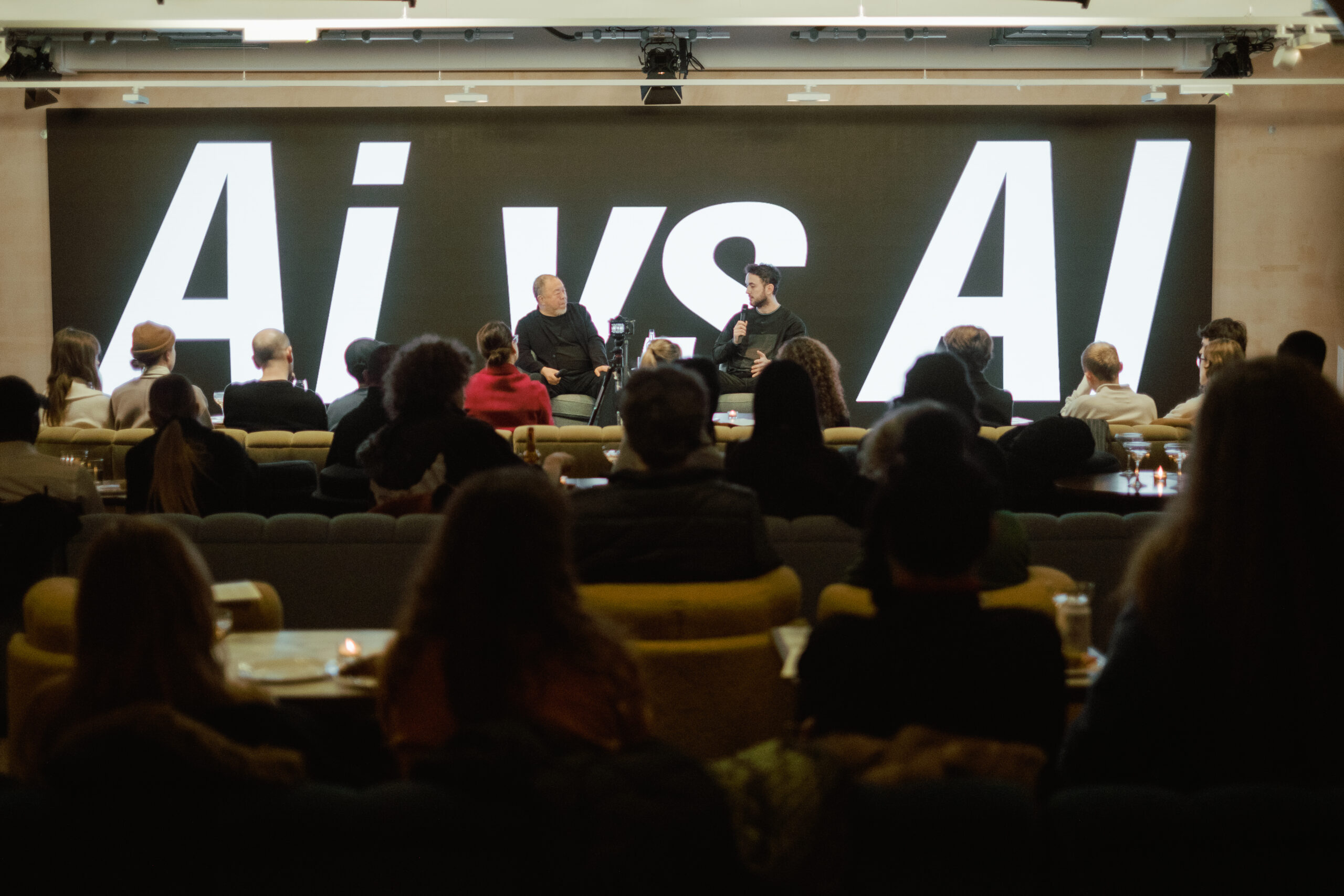
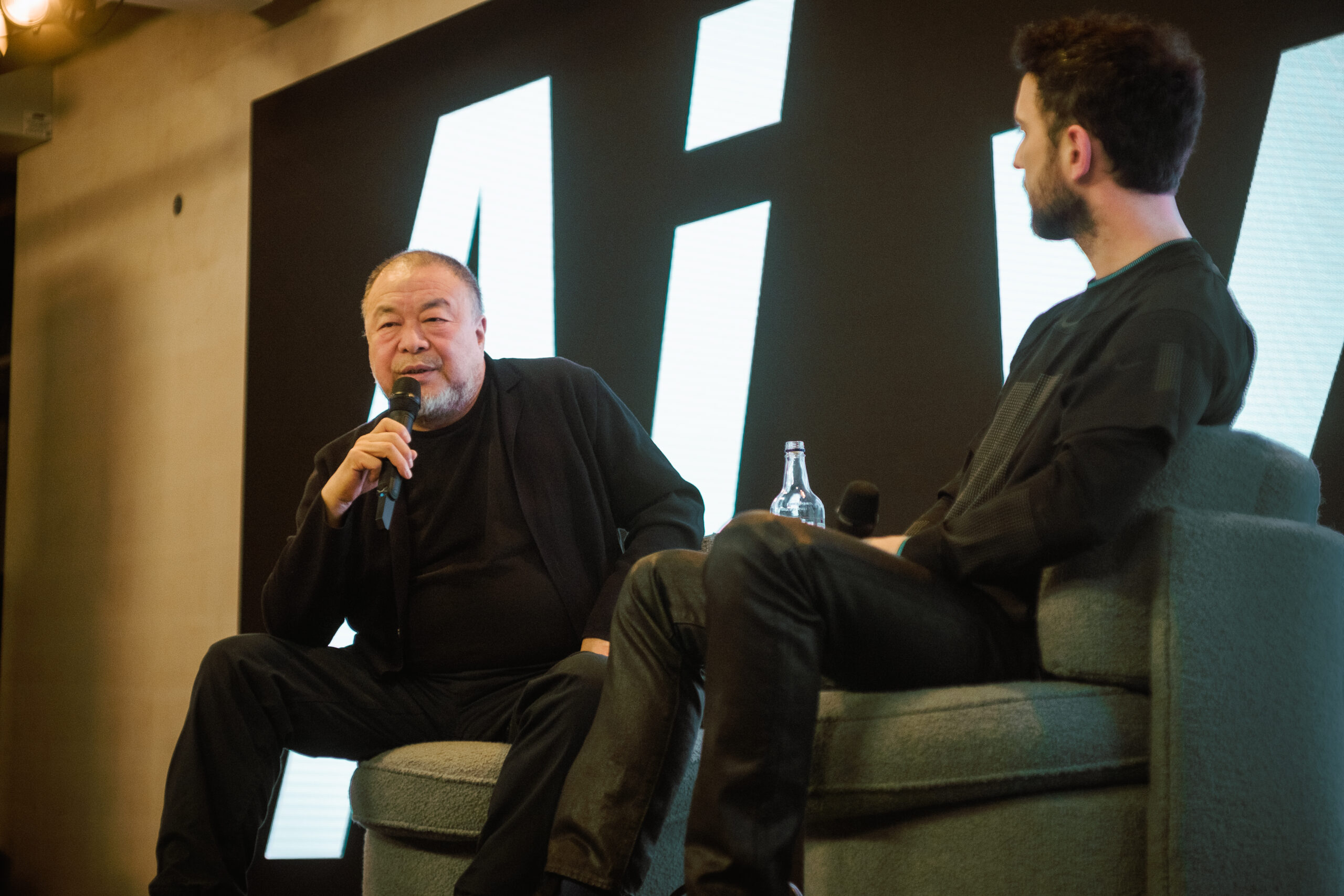
Ai Weiwei, Ai vs AI
11 January - 31 March
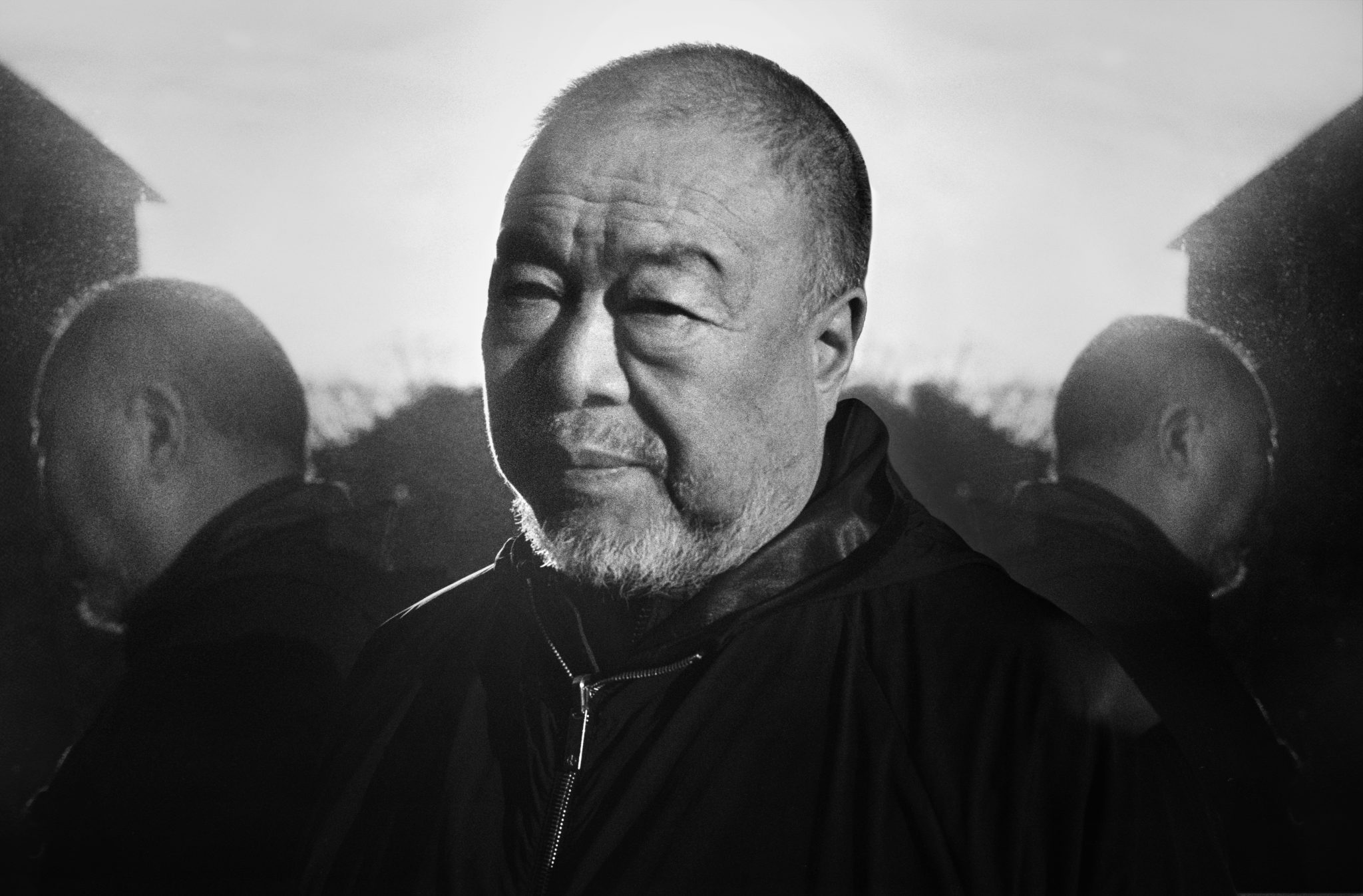
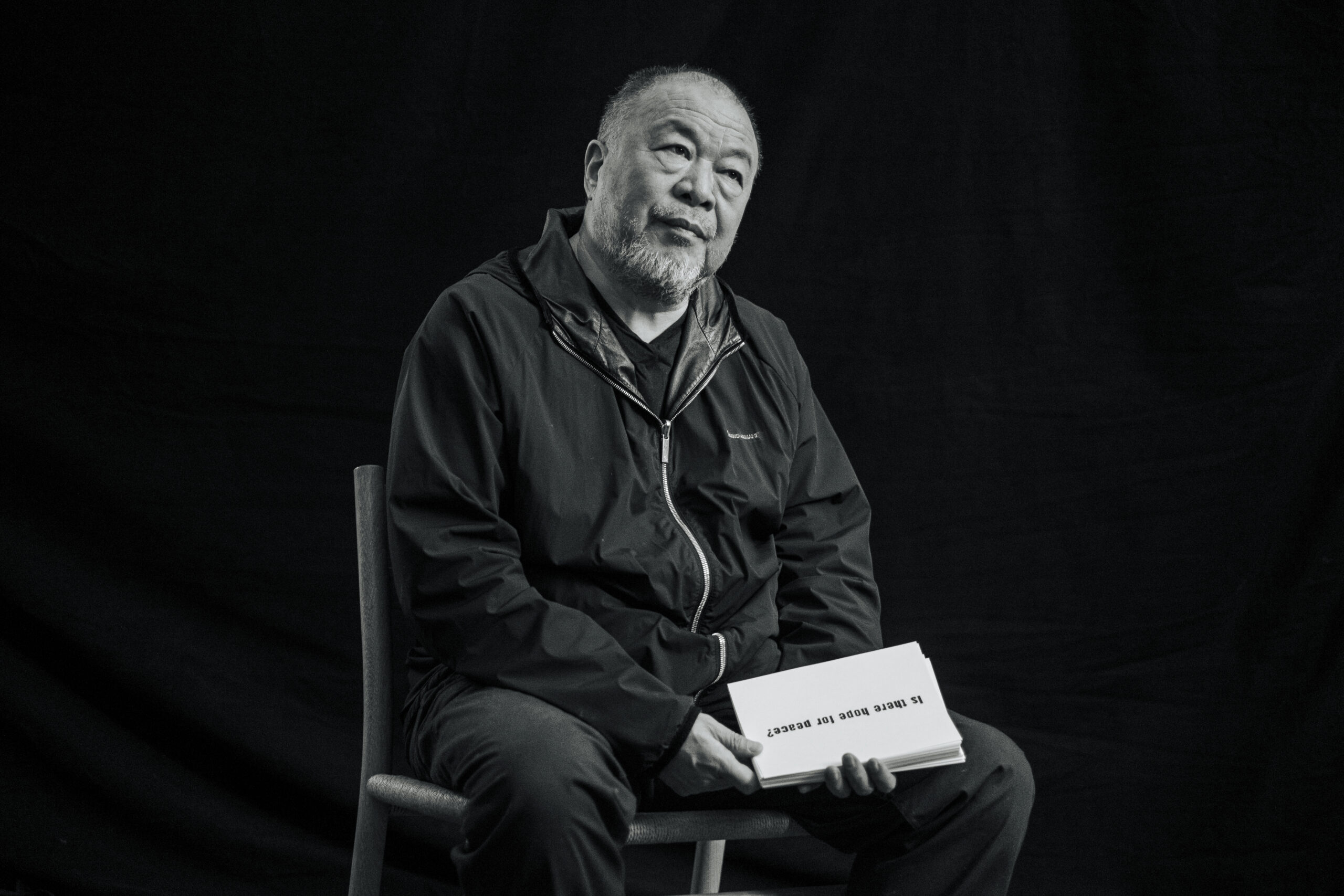
In our questions, more so than any answers, we can find the map of the human mind. We ask questions in search of learning and understanding, says Ai Weiwei, dividing ourselves from systems of Artificial Intelligence (AI) that lack interior identities. The questions we ask reveal our humanity and preoccupations, further distancing the human questioner from machine systems, which have no life story, no personhood from which any sincere question can arise.
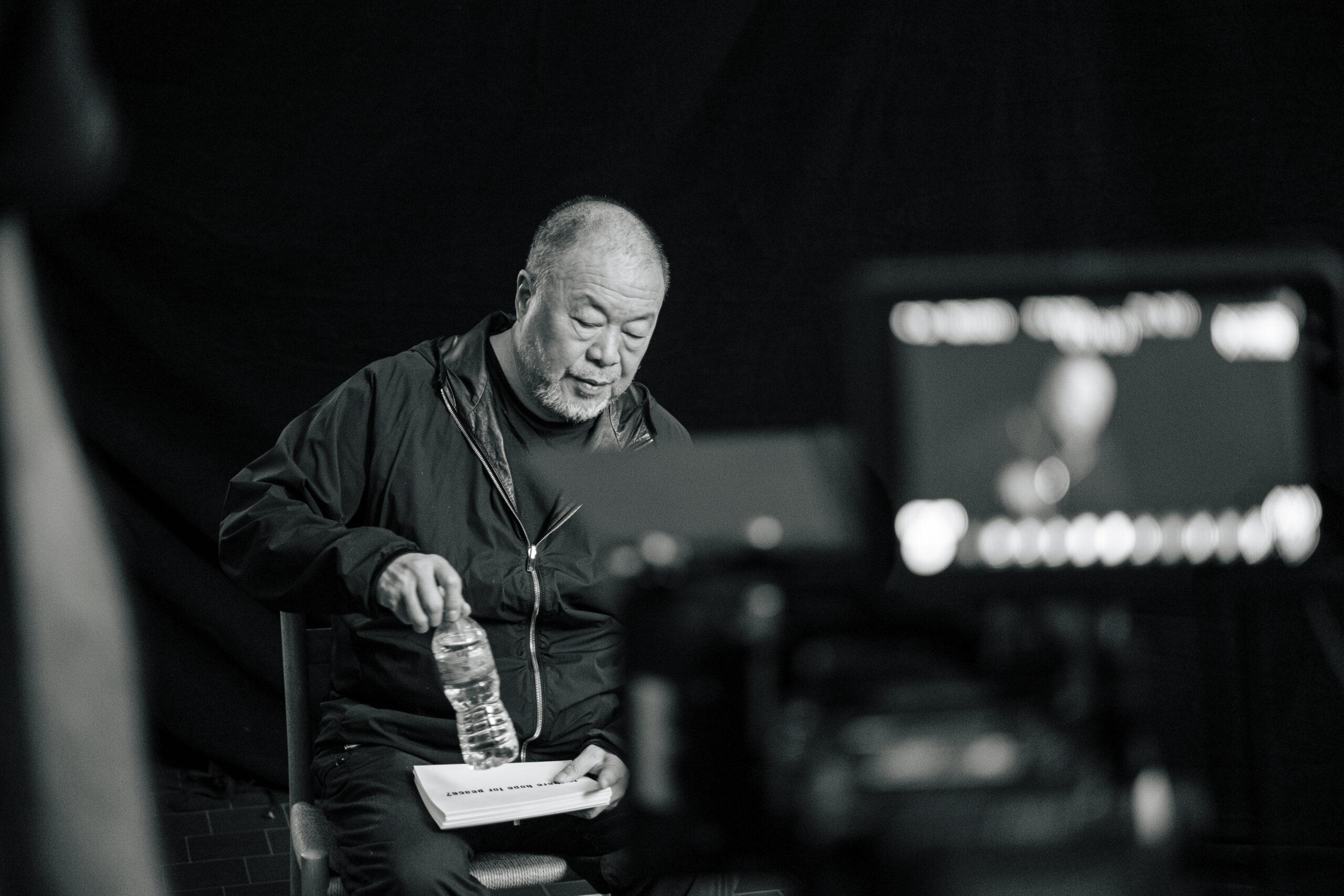
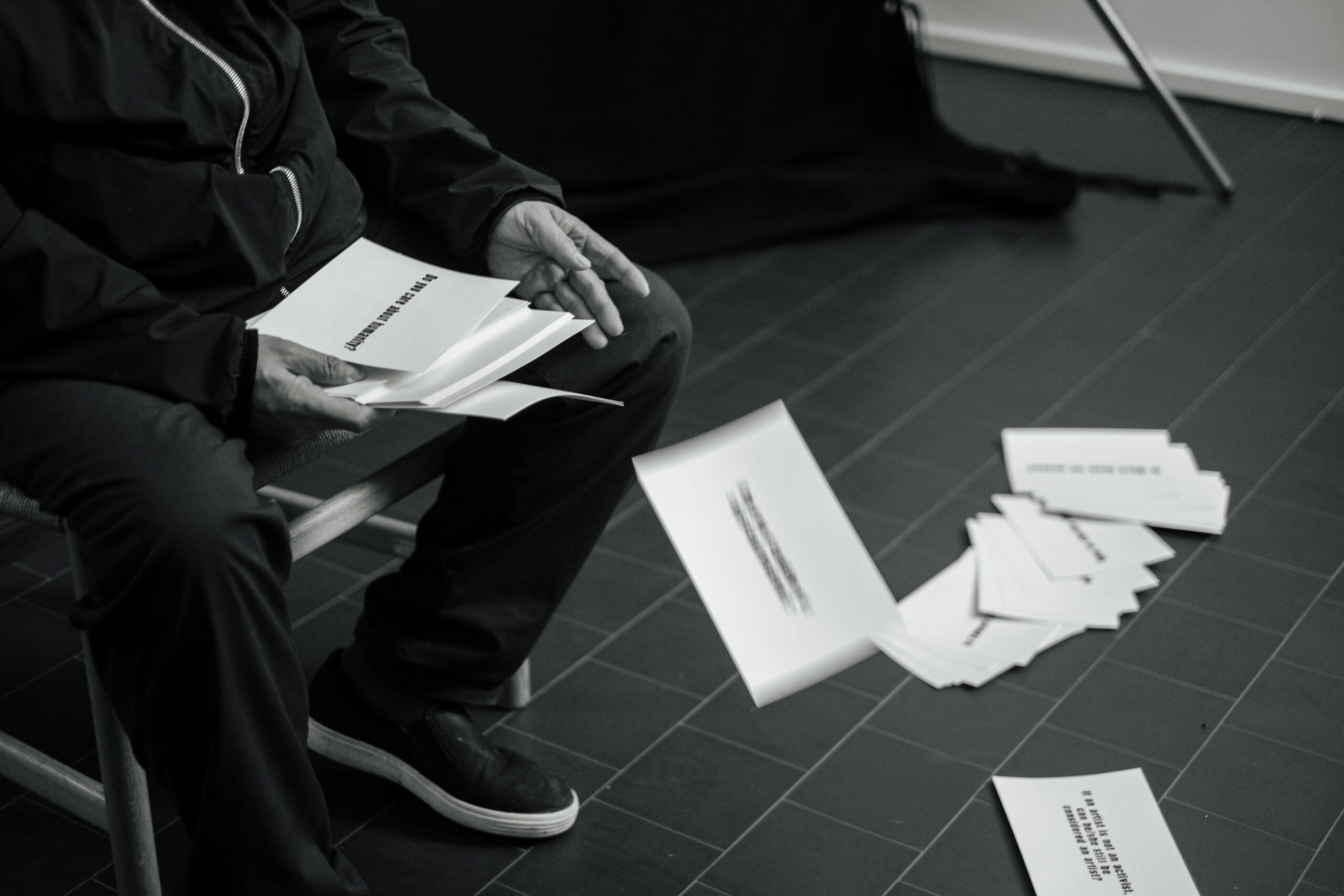
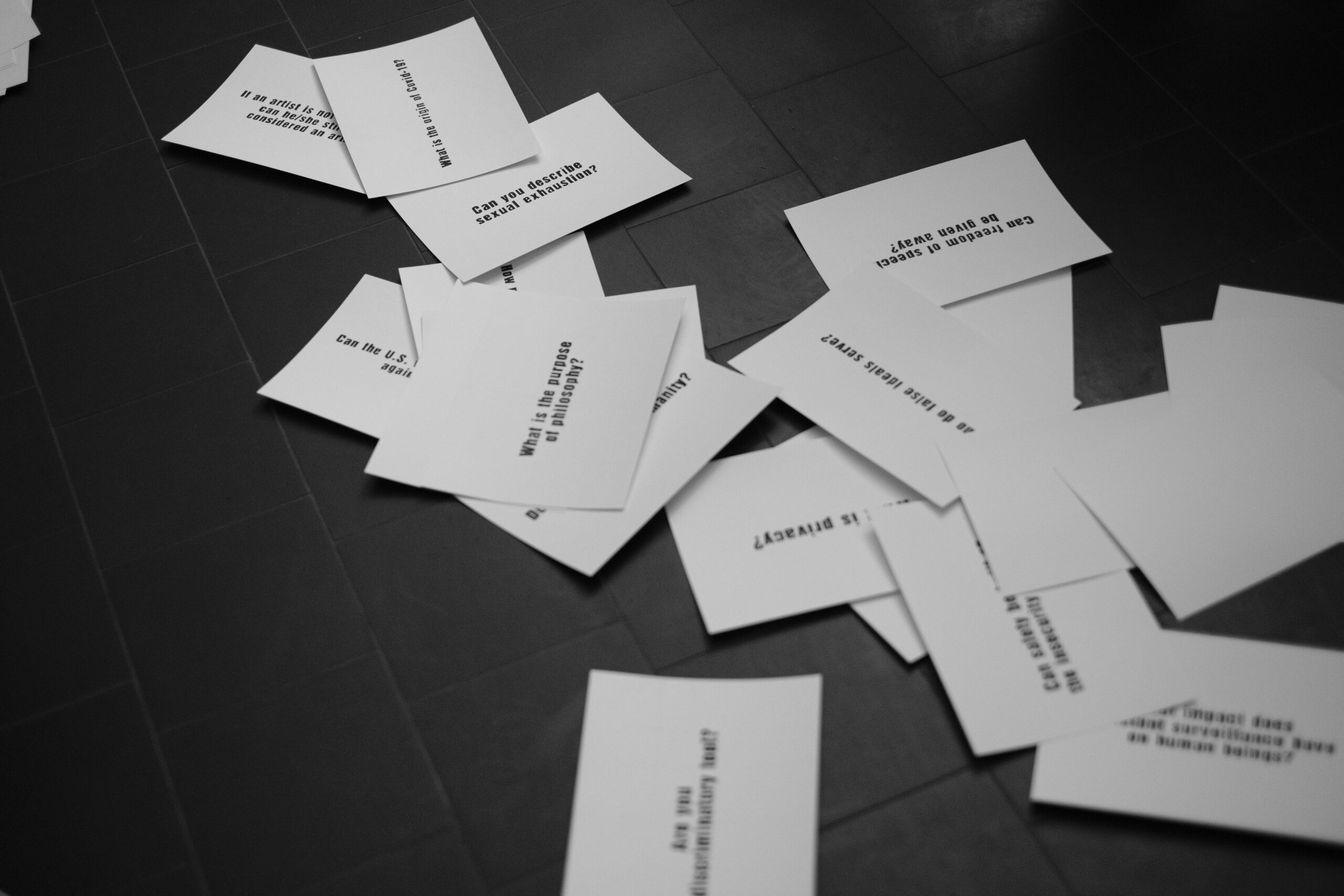
Ai Weiwei’s 81 questions are both the continuation of a deep history of rational and spiritual inquiry as well as an innately idiosyncratic autoportrait. Ai vs AI is both an endeavour to reinvigorate the ancient convention of philosophical dialogues (from Socrates to The Enlightenment Salon) and a hand-drawn map of Ai’s own mind. Taking inspiration from both the Tiānwèn (‘The Heavenly Questions’) and Ai’s 81-day imprisonment, he explores how the act of questioning retains power today. “Authorities always know more than you, and they play a game of not telling you what they know,” says Ai. At all times, they tell you less than you should know. Like many who have lived under authoritarian systems, Ai still has no answer to fundamental and life-shaping questions: “Why was I jailed? Why was I released?” Such painful and complex histories are the foundations of our identities; the questions Ai asks today are asked by the person who has lived this life, drawing an irresolvable distinction between the human and machine. “Questions are important because they relate to our personal stories.”
For all humans – from newly inquisitive children to longest-lived adults – the one capacity and freedom we retain is the question, says Ai. Answers are routinely and blandly mass-produced in knowledge factories – including schools, religious institutions, nations and national myths – yet we often believe answers remain more important than questions. Questions are, in themselves, generative: in asking, we sketch out a terrain vague of human inquiry: for thousands of years, Chinese poets and thinkers asked what we might find walking on the surface of the moon, says Ai – this unknown fueling creativity and generating poetry and song. For this fertile landscape of imagination, the arrival of astronauts on the moon and the photography of dusty craters delivered by lunar exploration marked the destruction of creative terrain. “Expression has always been structured by words and by forms – as fairy tales and mythology,” says Ai. “We have to give a symbolic character to any expression.”
Still, rising systems of technology and knowledge production present new challenges to our ability to question the world. In an age of rising artificial intelligence – when humanity’s role in many forms of knowledge labour is reduced to asking the right questions to powerful systems of information processing – we are reminded that questions are far more than a means to an end, says Ai. “If humans will ever be liberated, it will be because we ask the right questions, not provide the right answers.”
81 Questions
Shop
Loading variants...
No variants found.
SCREEN LOCATIONS
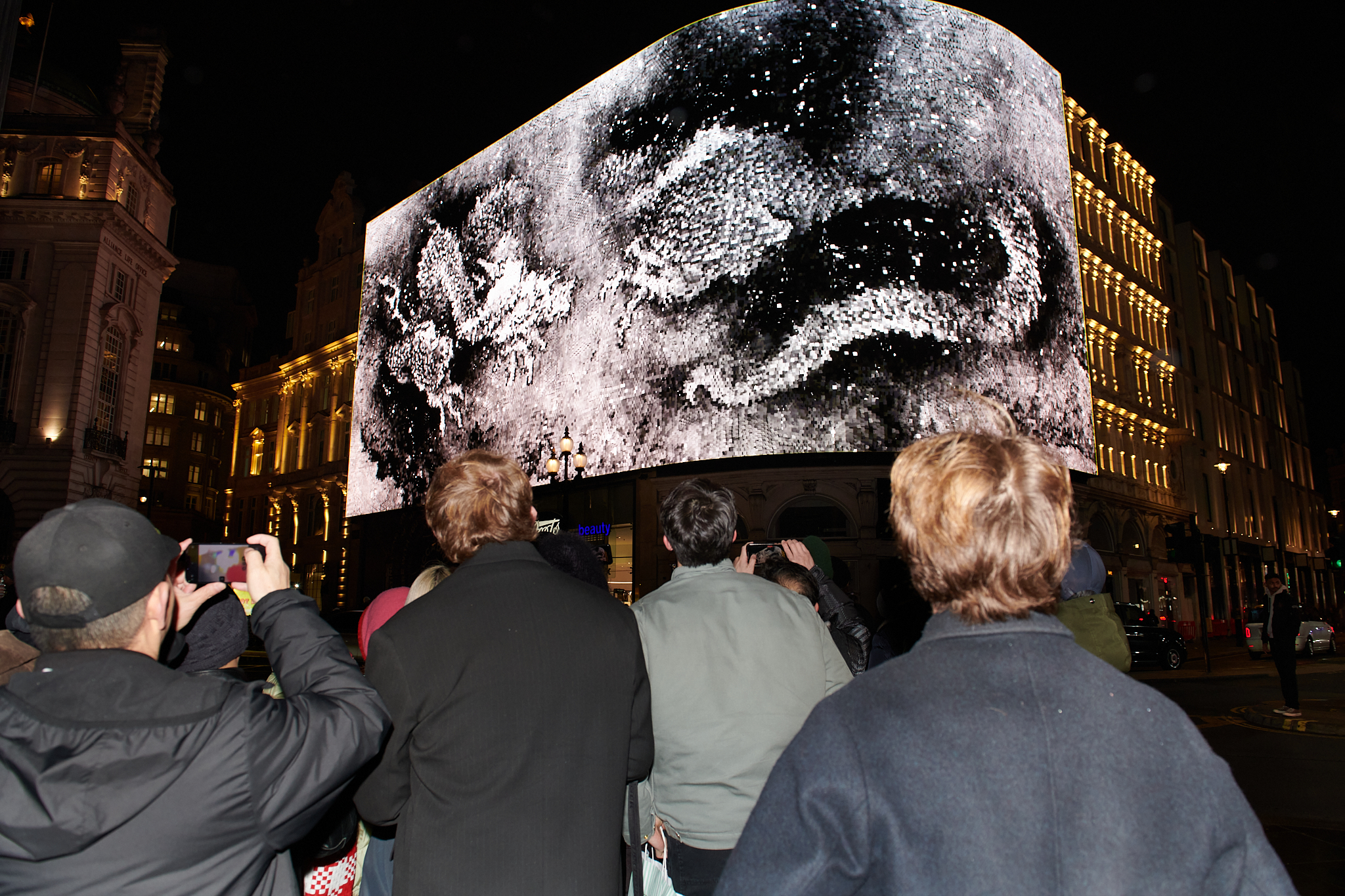
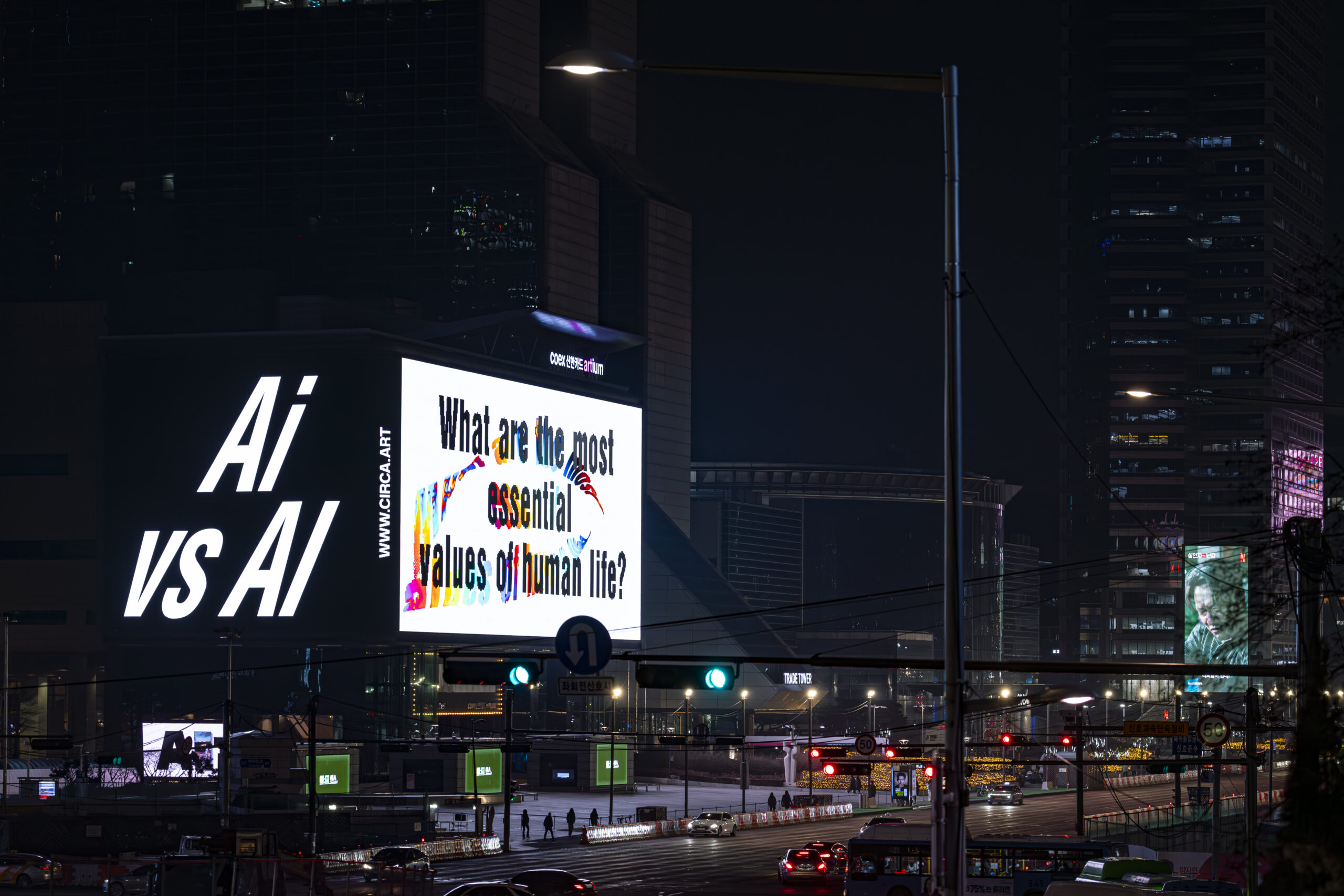
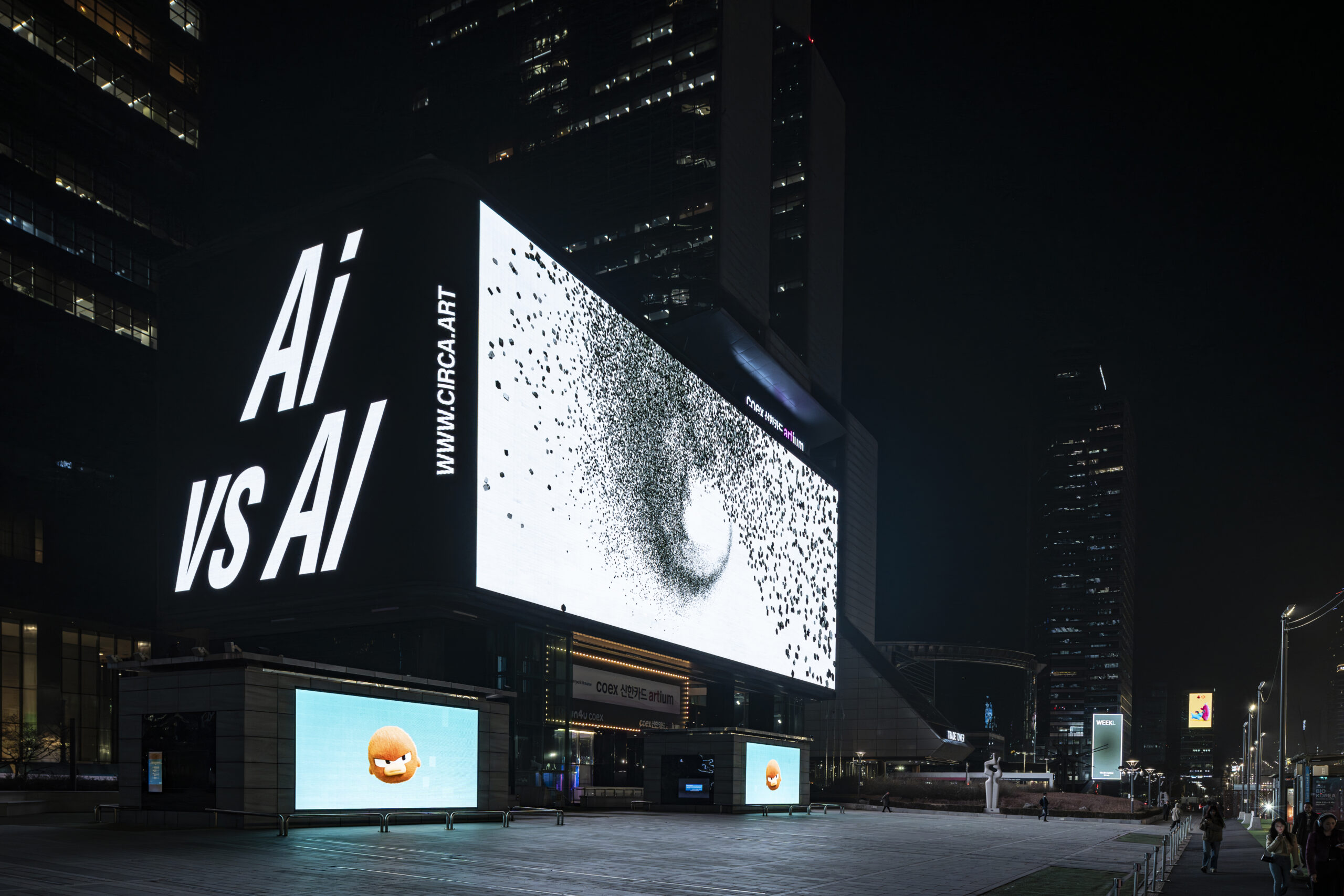
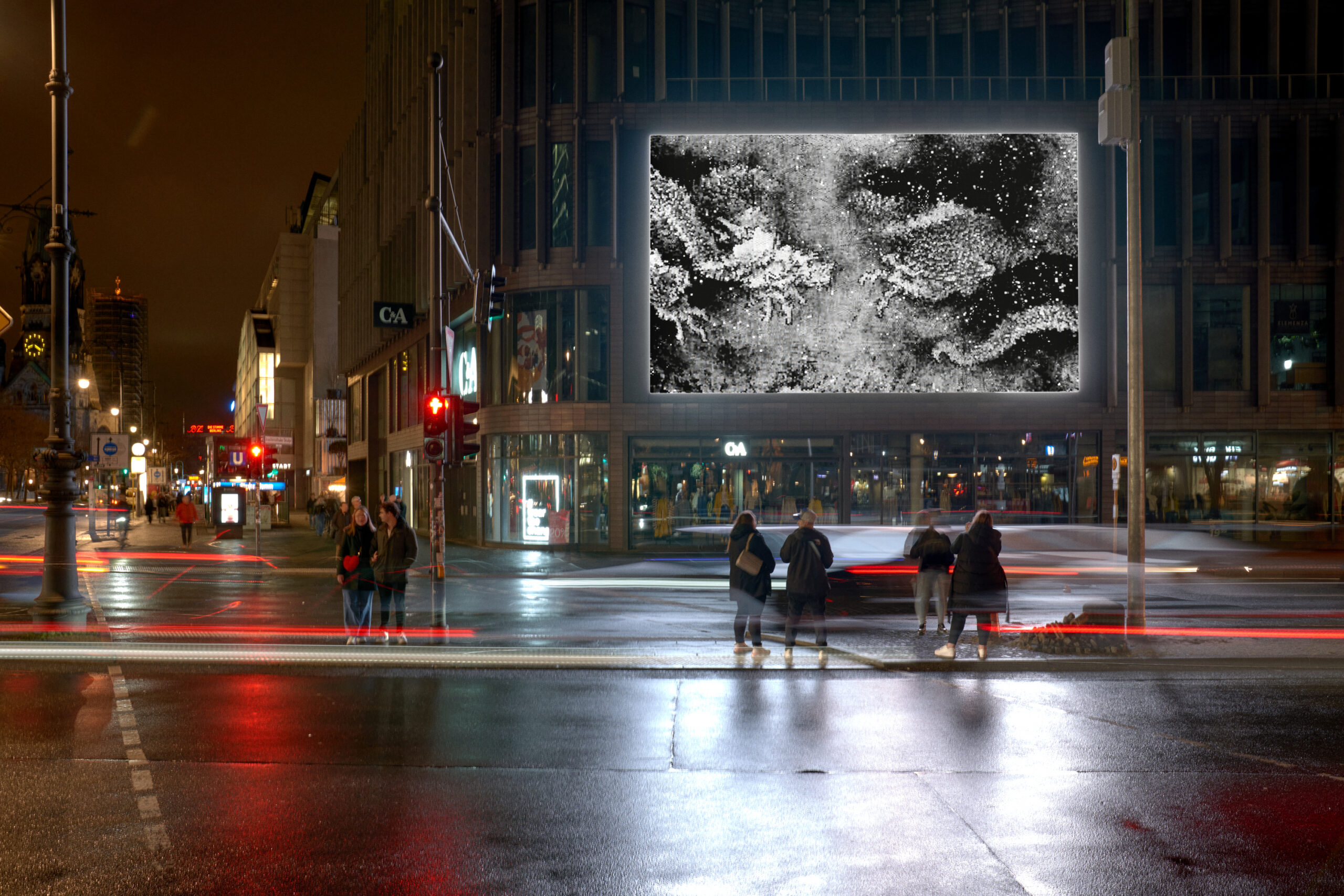
Experience Ai vs AI by Ai Weiwei every evening at 20:24 (local time) across public billboard screens in London, Berlin, Seoul and Milan.
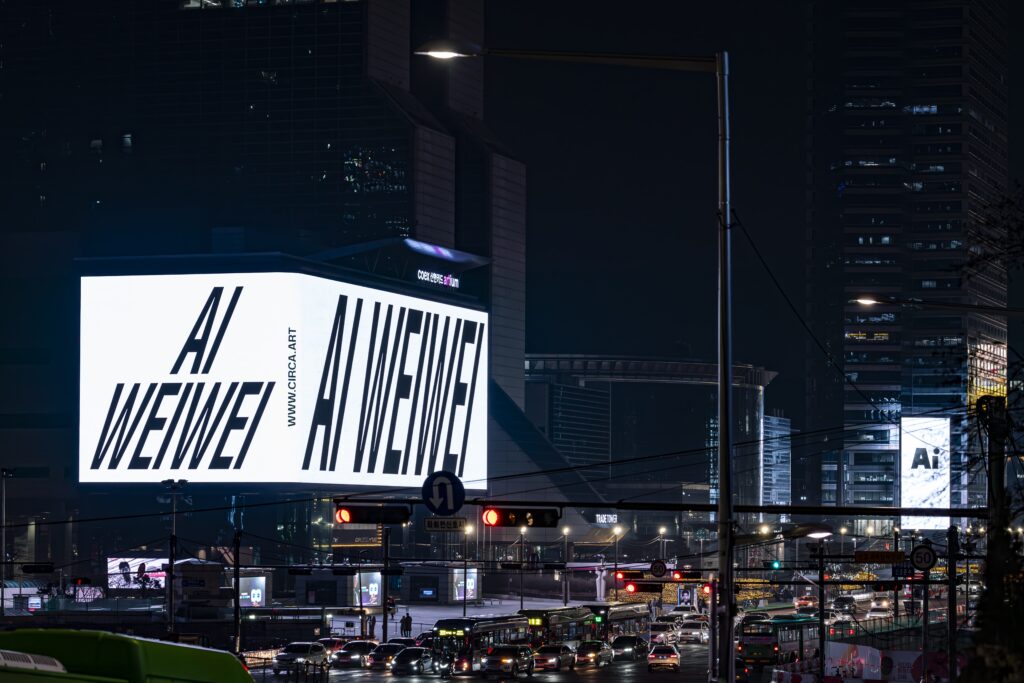
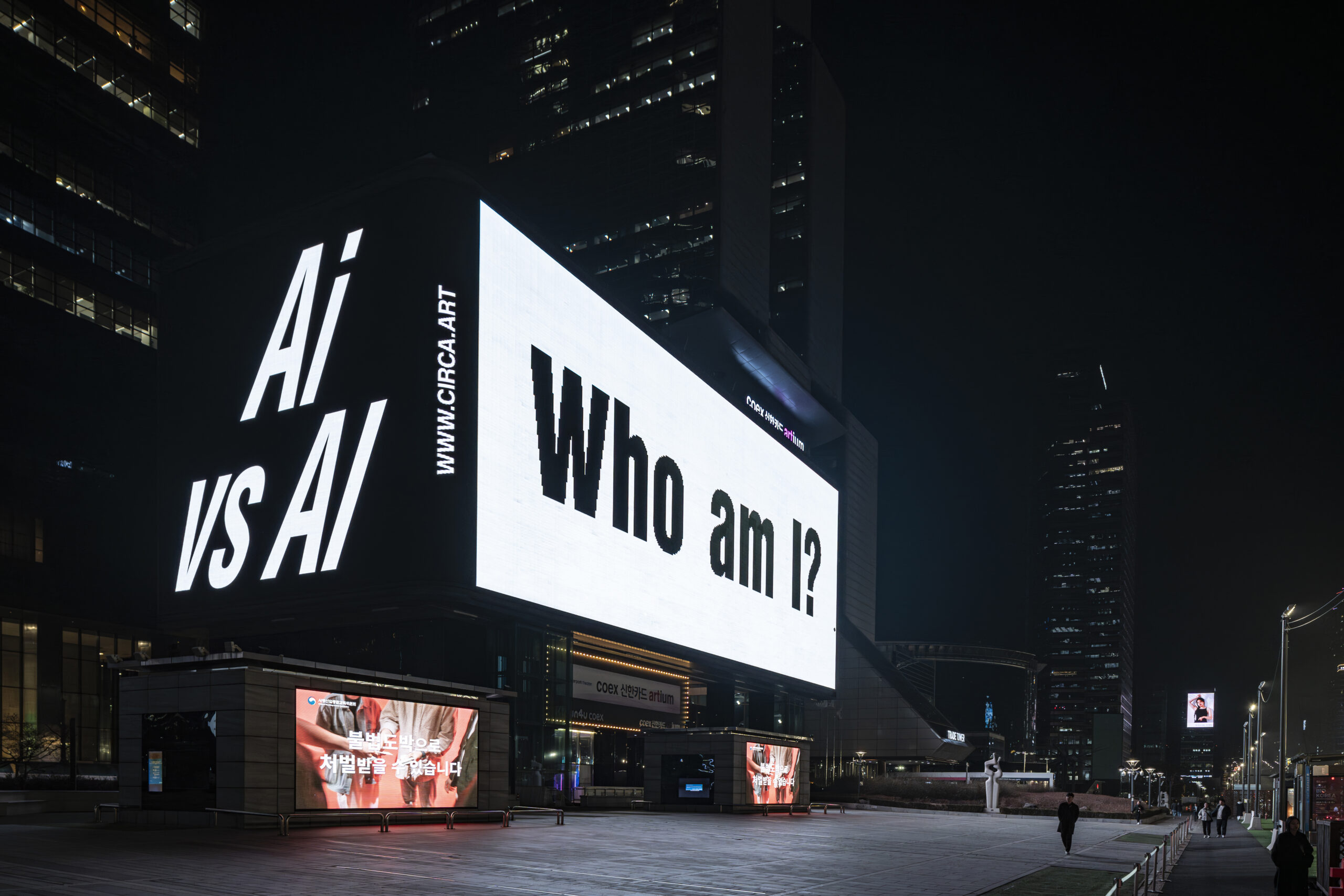
Seoul, COEX K-Pop Square
Experience Ai vs AI by Ai Weiwei every evening at 20:24 KST (11 January – 31 March 2024) on Seoul’s COEX K-Pop Square screen.
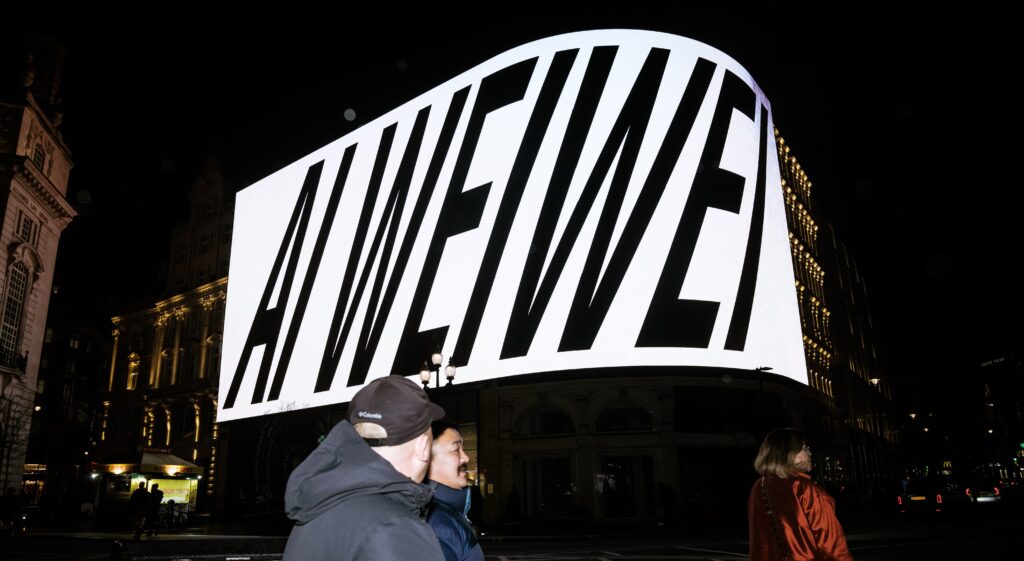
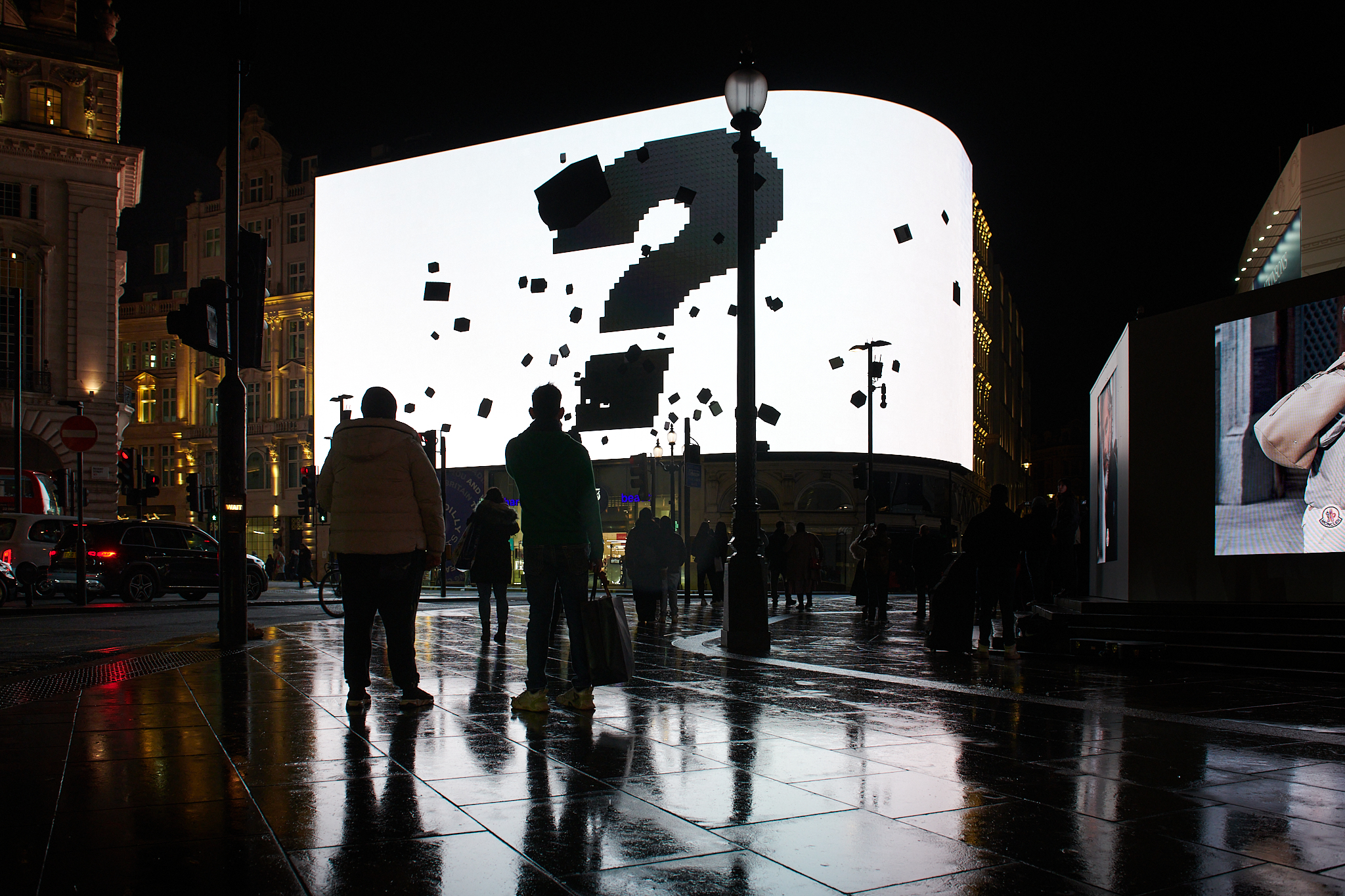
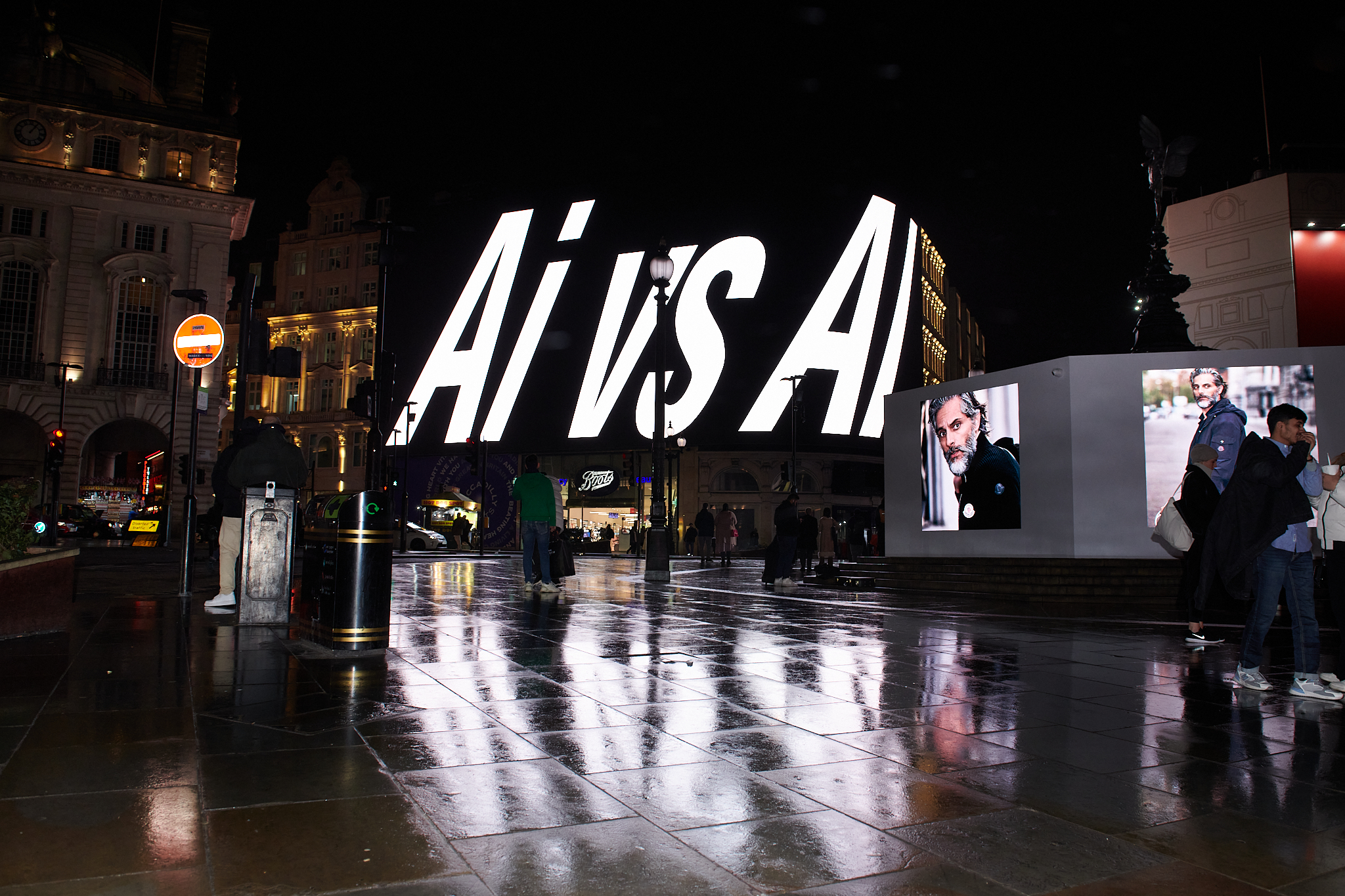
London, Piccadilly Lights
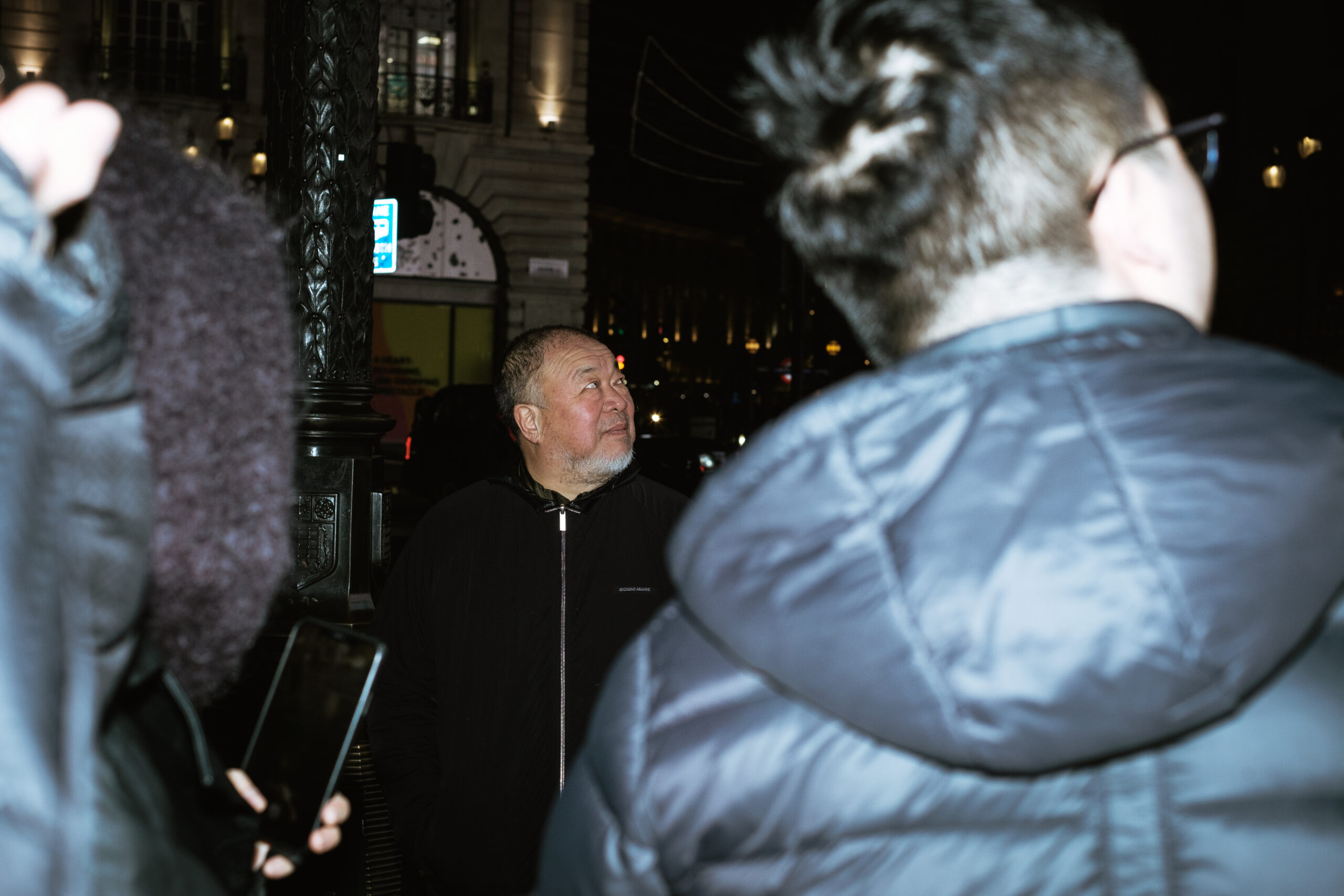
Experience Ai vs AI by Ai Weiwei every evening at 20:24 GMT (11 January – 31 March 2024) on the iconic Piccadilly Lights screen.
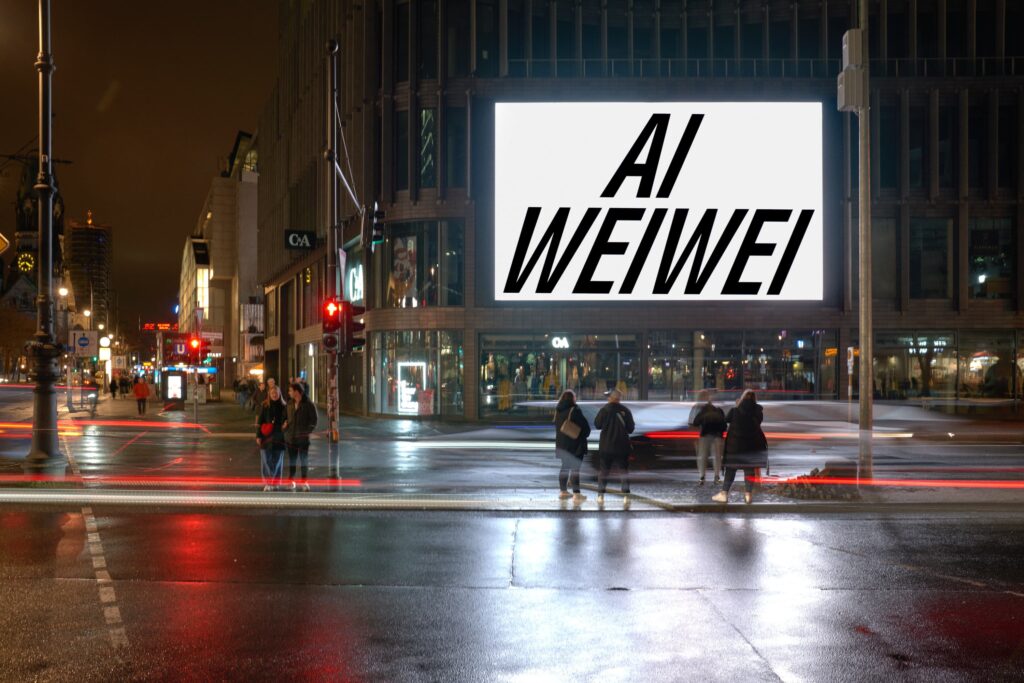
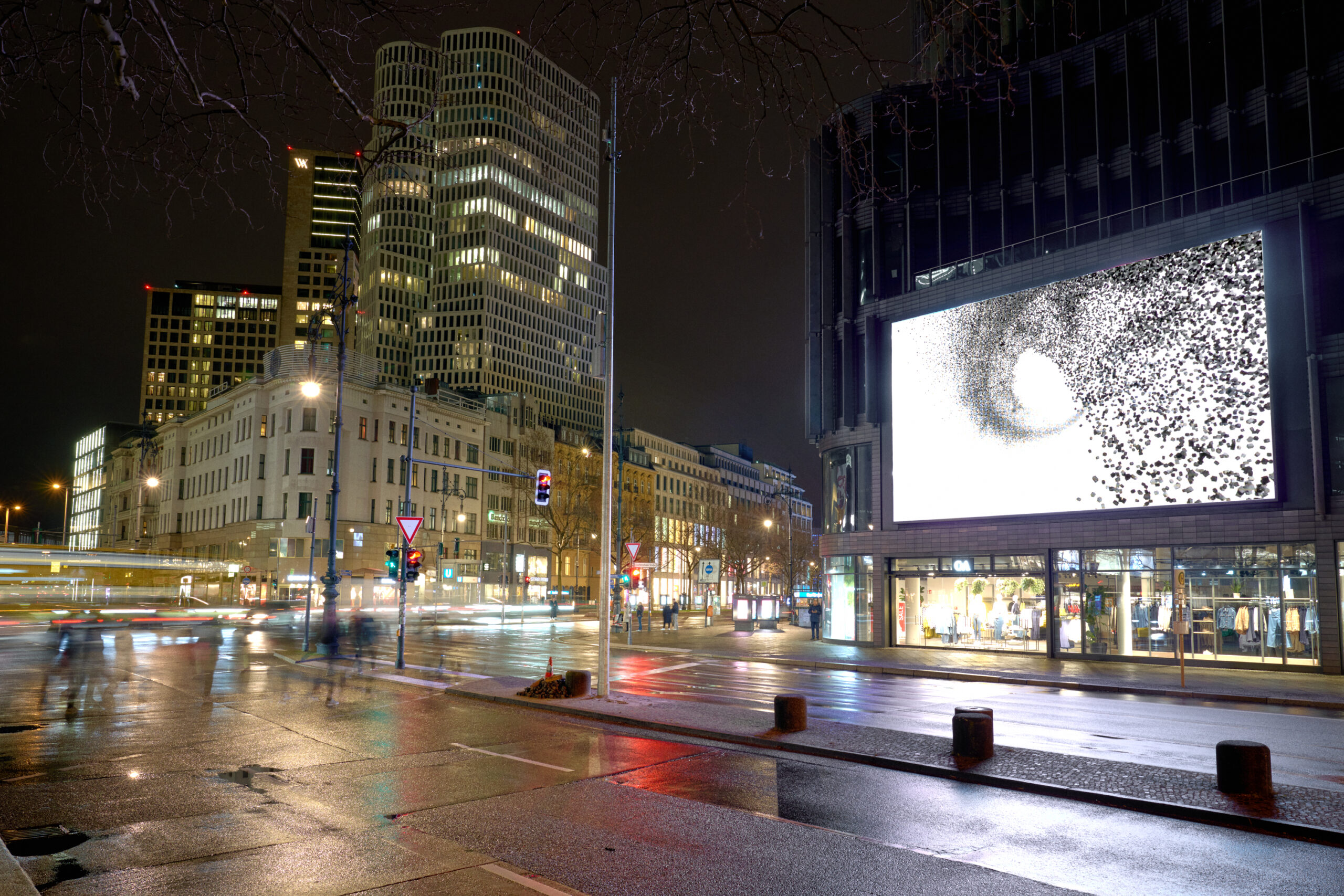
Berlin, Kurfürstendamm
Experience Ai vs AI by Ai Weiwei every evening at 20:24 CET (11 January – 31 March 2024) on Berlin’s Limes Kurfürstendamm screen.
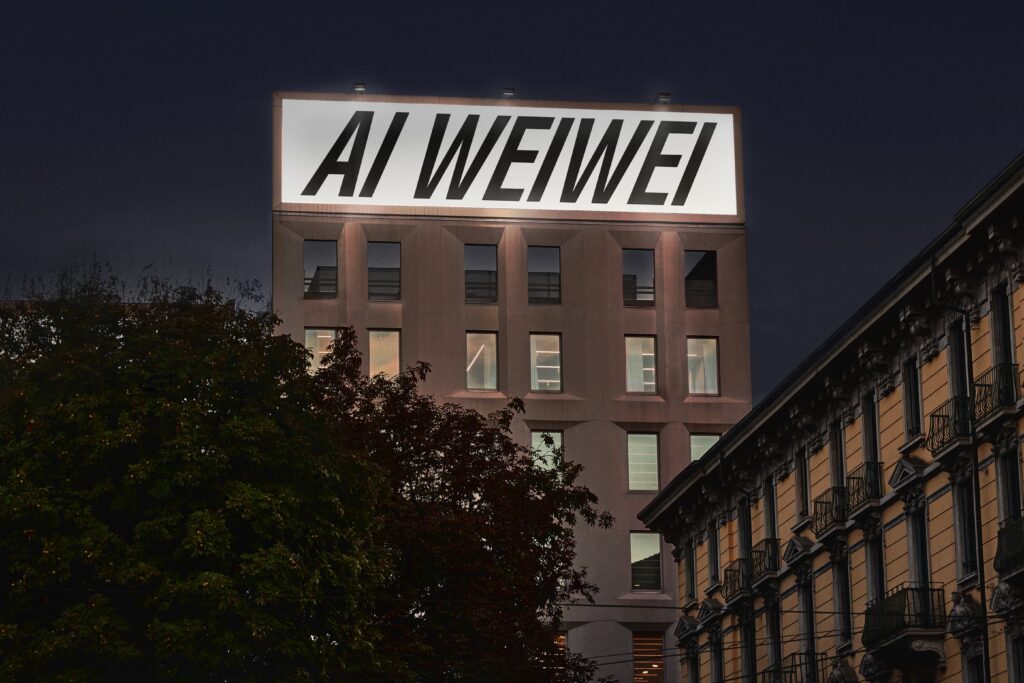
Milan, Cadorna Square
Experience Ai vs AI by Ai Weiwei every evening at 20:24 CET (11 January – 31 March 2024) on Milan’s EssilorLuxottica screen.
Press
| Wallpaper* | |
| DesignBoom | |
| The Guardian | |
| ArtNet | |
| The Guardian | |
| Ocula | |
| Press Release |
Discover More
Biography
Ai Weiwei
Ai Weiwei is one of the most influential artists and public intellectuals of the twenty-first century. Working across sculpture, architecture, film, installation, publishing and social activism, he has built a practice that examines the relationship between the individual and structures of power. Drawing upon conceptual art, Chinese history, craftsmanship and contemporary politics, his work transforms objects, images and public interventions into powerful reflections on freedom, authority, memory and human rights.
Over four decades, Weiwei has created some of the defining works of contemporary culture. From Dropping a Han Dynasty Urn (1995), which challenged accepted notions of cultural value and preservation, to Sunflower Seeds (2010), his monumental installation of millions of hand-crafted porcelain seeds at Tate Modern, his work repeatedly questions how histories are constructed and who controls them. Projects including Remembering (2009) and Straight (2008–12) emerged from his investigation into the Sichuan earthquake, combining artistic practice with civic activism to confront questions of accountability, truth and remembrance. More recently, films such as Human Flow (2017) have expanded his focus towards migration, displacement and the movement of people across borders, reflecting a sustained concern for the dignity and rights of individuals worldwide.
Ai Weiwei has been closely connected to CIRCA since its inception. In October 2020, he became the first artist to launch the platform, helping establish a new model for public art that places creativity, dialogue and participation at the centre of everyday life. Since then, he has remained a defining presence within CIRCA’s history, returning through multiple collaborations that have engaged global audiences in conversations about freedom, responsibility and the role of the artist in society.
In 2024, Weiwei returned to launch CIRCA 20:24 with Ai vs AI, an 81-day public enquiry into artificial intelligence, authority and the freedom to ask questions. Marking the first time he used artificial intelligence as a creative counterpart, the project transformed public space into a forum for philosophical dialogue, inviting audiences to submit questions while exploring the changing relationship between technology, knowledge and human agency. At its core was a principle that has guided his work throughout his career: that critical inquiry remains an essential expression of freedom.
Born in Beijing in 1957, Ai Weiwei lives and works internationally. Through a practice that bridges art, activism and public life, he continues to challenge assumptions, provoke debate and inspire audiences around the world to reconsider the systems that shape contemporary society.