CIRCA is an evolving portrait of the present moment, created by artists. Together, these works trace the ideas, tensions and possibilities shaping life in the 21st century. Presented across public space, publishing, moving image and live experiences, they form part of the #CIRCAECONOMY, a circular model where one commission creates the conditions for the next.
BE THERE WHEN IT HAPPENS
Sign up for CIRCA announcements, new commissions, live events and limited artist editions.
Subscription successful
An error occurred
CIRCA PRESENTS LAUREN HALSEY CURATED BY MS. LAURYN HILL
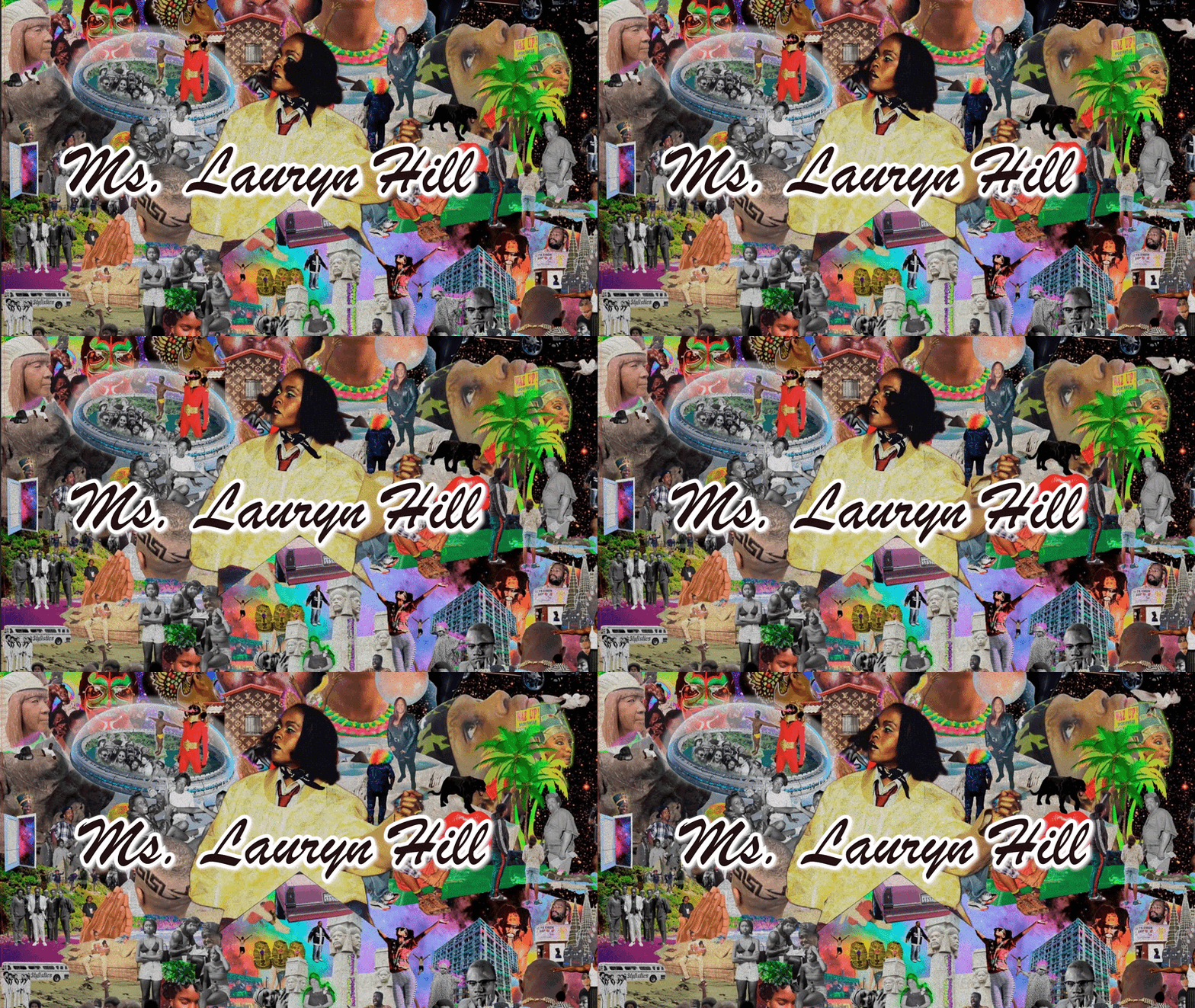
Ahead of the Diaspora Calling! Festival , CIRCA presents a new animated commission by Lauren Halsey, curated by Ms. Lauryn Hill and appearing for one night only on Piccadilly Lights. Created feverishly from thousands of individually cut image layers, the work unfolds as a vast, saturated collage of people, signs, places, symbols and cultural memory, bringing the many dimensions of Black life into motion across one of the world’s most visible public screens.
The commission emerged through dialogue with Lisa Anderson, the London-based curator whose work on Diaspora Calling! has been central to shaping the festival’s relationship between visual art, music and community. Anderson brought CIRCA into the project and recognised the significance of connecting Halsey’s practice with Ms. Hill’s wider vision, creating the conditions through which this new public work could take form.
For Halsey, the invitation carries a deeply personal history. Ms. Hill has been a formative presence in her life since childhood, not only through her music, but as a model for the ethics, principles and sense of responsibility that can guide an artist working within a larger cultural landscape. Their connection extends back to the original Diaspora Calling! presentation at Brooklyn’s Kings Theatre in 2016, where Halsey contributed an engraving and saw her work placed in conversation with songs that had helped shape her own life. This new commission continues that exchange on an altogether different scale.
LAUREN HALSEY IN CONVERSATION WITH LISA ANDERSON
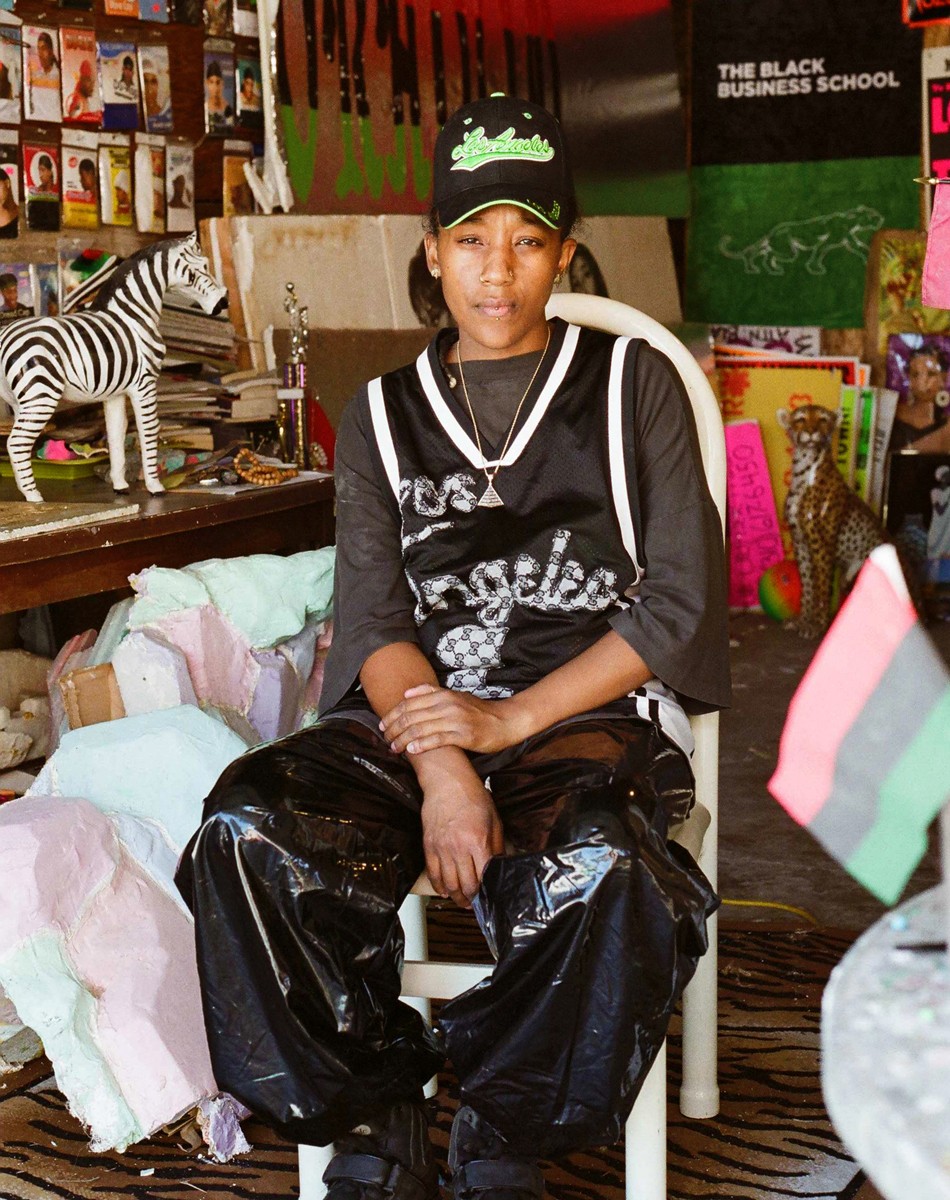
On 5 August 2026, Lauren Halsey’s DIASPORA CALLING! premieres on Piccadilly Lights as a new commission by CIRCA, created in response to Ms. Lauryn Hill’s return to the cultural proposition she first launched in Brooklyn a decade ago. Made feverishly in the days leading up to its presentation, Halsey’s work transforms one of London’s most visible public spaces into a saturated, non-linear portrait of Black life, bringing together the everyday and the monumental, the street and the cosmic, the ancient and the future.
Curated by Ms. Lauryn Hill, the collaboration has developed through a close dialogue with London-based curator Lisa Anderson, whose work across the festival’s visual arts programme helped bring Halsey into the CIRCA commission while connecting the project to a wider ecology of artists and communities in Britain. At the centre of the project are three women whose practices approach culture as a form of public service: Hill’s call for the diaspora to gather and recognise its collective power, Halsey’s community-rooted practice in South Central Los Angeles, and Anderson’s commitment to creating platforms for Black artists and cultural exchange.
Ahead of the premiere, Anderson spoke with Halsey about her years long relationship with Ms. Hill’s music, their previous collaborations, the meaning of DIASPORA CALLING! and the infrastructure that can emerge when artists begin working from the inside out.
Loading collection...
No products found in this collection.
Ai Weiwei, A Tree
Throughout his career, Ai Weiwei has returned repeatedly to objects that outlive the worlds that produced them. Ancient architecture, archaeological artefacts, twisted steel recovered from the aftermath of the 2008 Sichuan earthquake, industrial buttons, refugee vessels and fragments of cultural history all occupy a central place within his practice. Rather than functioning as symbols, they become witnesses, carrying within them the traces of political upheaval, displacement, memory and survival. His work asks how history is preserved, not only through archives and institutions, but through the material things that endure.
These ideas converge in Button Up!, Ai Weiwei’s major exhibition commissioned by Factory International in Manchester. Spanning centuries of history, the exhibition brings together works that reflect on continuity in the face of profound social and political change. At its centre stands the reconstruction of the 500-year-old Wang Family Ancestral Hall, painstakingly rebuilt by Chinese craftspeople using traditional techniques. Elsewhere, monumental sculptures examine migration, conflict and mortality, while thousands of salvaged buttons, once ordinary objects of industry, become carriers of personal and collective memory. Throughout the exhibition, Weiwei reveals how objects continue to bear witness long after the circumstances that created them have disappeared.
The Witness by Josef O'Connor
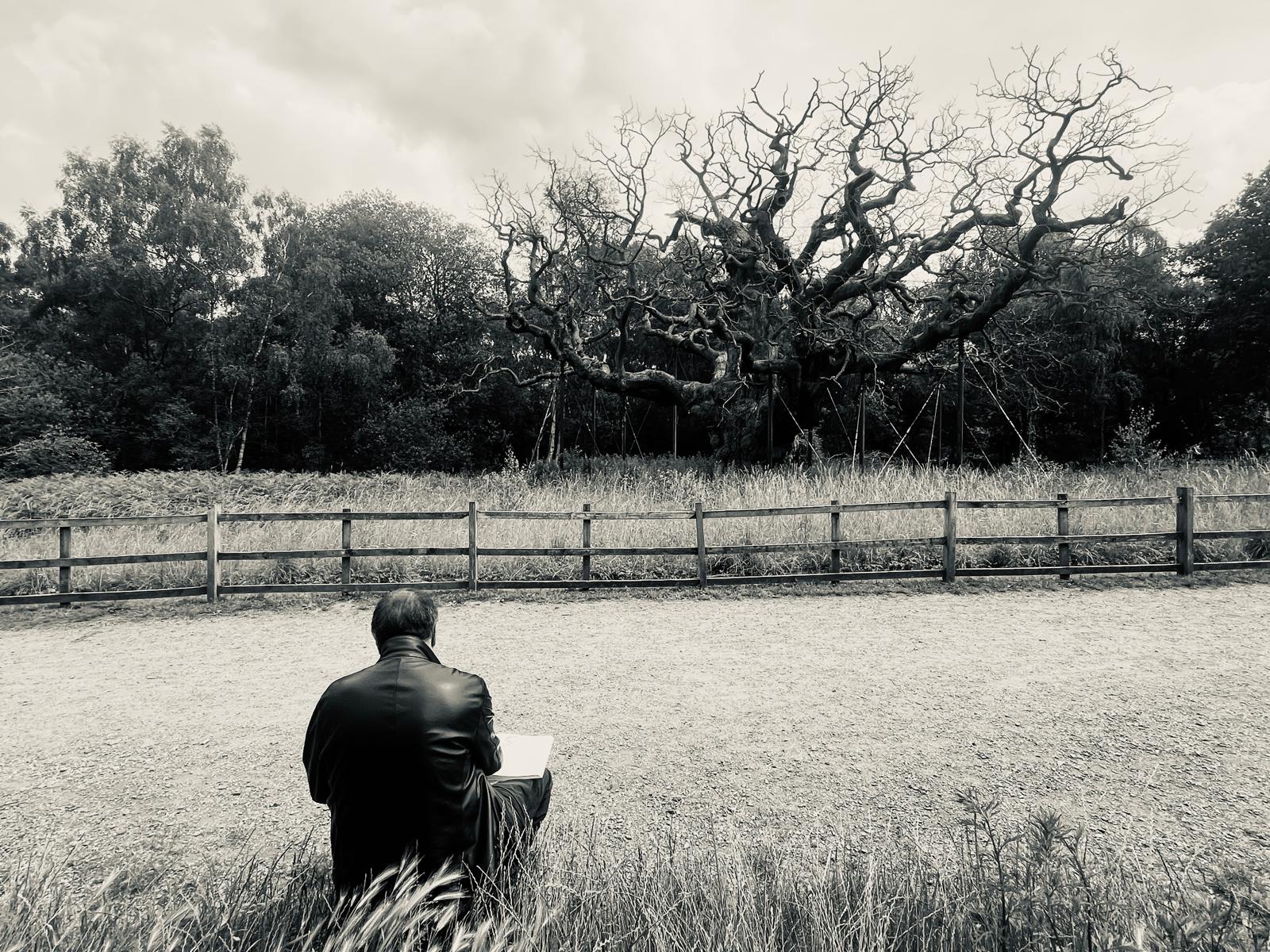
A few days before the Summer Solstice, I woke up to a series of screenshots from Ai Weiwei. The messages concerned the Major Oak in Sherwood Forest, a tree believed to be approximately 1,200 years old which had just been declared dead by the Royal Society for the Protection of Birds. There was no accompanying explanation and no direct request. After working with Weiwei for the better part of 5 years, however, I understood immediately what was being communicated. The tree had captured his attention and he wanted to see it. Two days later, after a hastily arranged visit, we were standing beneath its branches on the longest day of the year.
The Major Oak occupies a singular place within the British imagination. Long associated with the mythology of Robin Hood, although considerably older than the legend itself, the tree was already ancient when the Norman Conquest began. It has survived the rise and fall of kingdoms, religious reformations, plague, civil war, industrialisation and two world wars. During those twelve centuries, countless generations have passed beneath its canopy. The tree witnessed history not as a sequence of events recorded in books, but as lived experience unfolding around it. Standing before it, one becomes aware that its death represents more than the loss of a biological organism but the disappearance of a witness.
BE THERE WHEN IT HAPPENS
Sign up for CIRCA announcements, new commissions, live events and limited artist editions.
Subscription successful
An error occurred
Michelangelo Pistoletto, Three Mirrors
Michelangelo Pistoletto once described his Mirror Paintings as openings rather than images, surfaces that do not contain the world but allow it to enter. In Three Mirrors (2026), created in collaboration with CIRCA, that idea moves fully into the public realm, where the work is no longer confined to a studio or gallery but unfolds across cities, screens and shared time.
Loading variants...
No variants found.
BE THERE WHEN IT HAPPENS
Sign up for CIRCA announcements, new commissions, live events and limited artist editions.
Subscription successful
An error occurred
A conversation between Josef O’Connor and Michelangelo Pistoletto
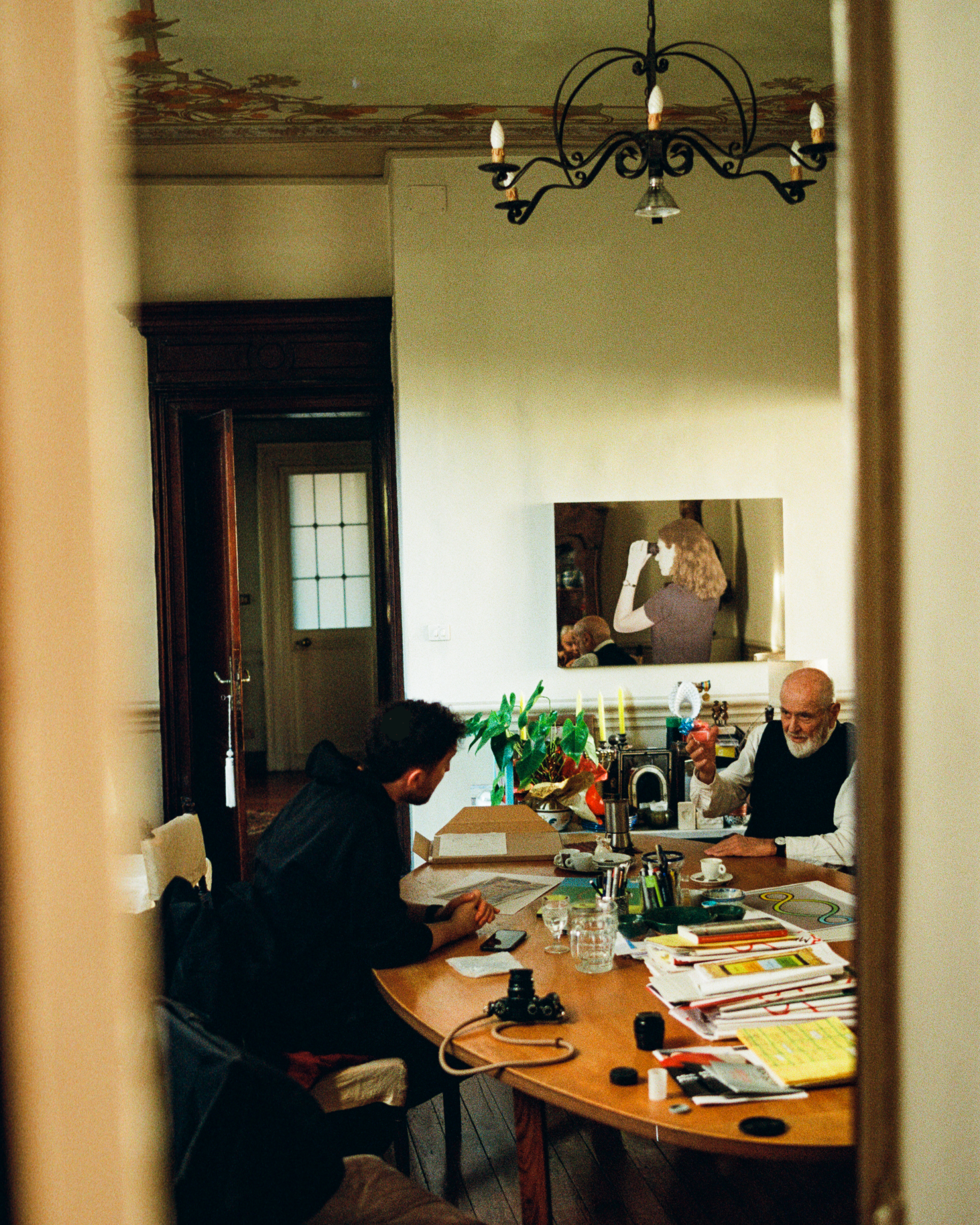
There are some artists whose work belongs to history, and others whose work returns to the present with increasing force. Michelangelo Pistoletto is both. For more than six decades, he has asked art to do more than represent the world, insisting that it enter it, absorb it, implicate it, and ultimately help reorganise it. That proposition feels especially urgent now.
BE THERE WHEN IT HAPPENS
Sign up for CIRCA announcements, new commissions, live events and limited artist editions.
Subscription successful
An error occurred
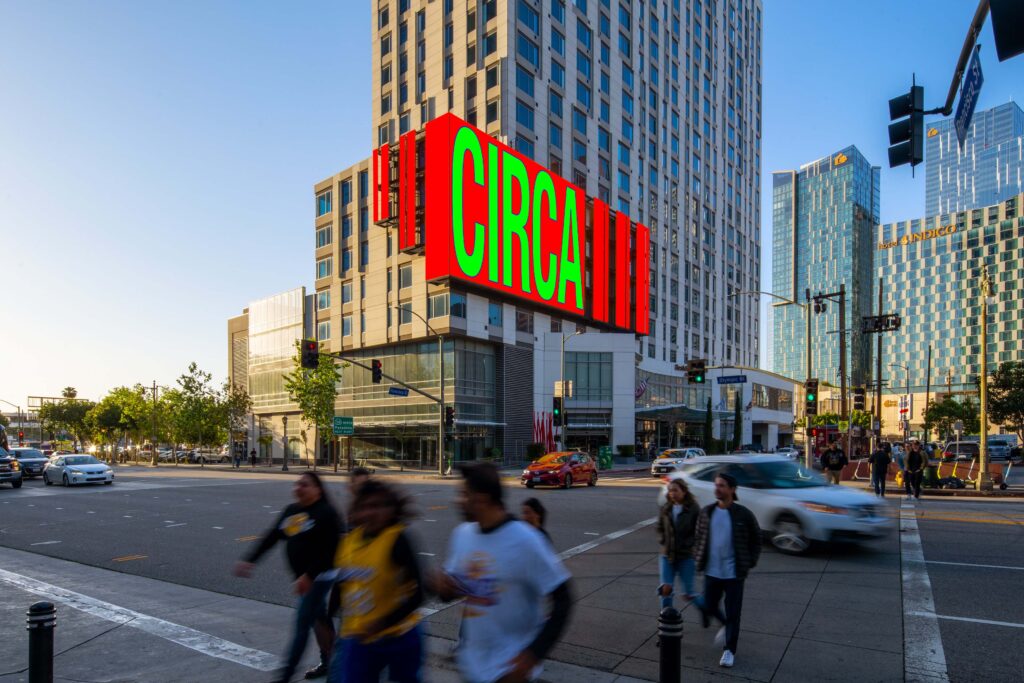
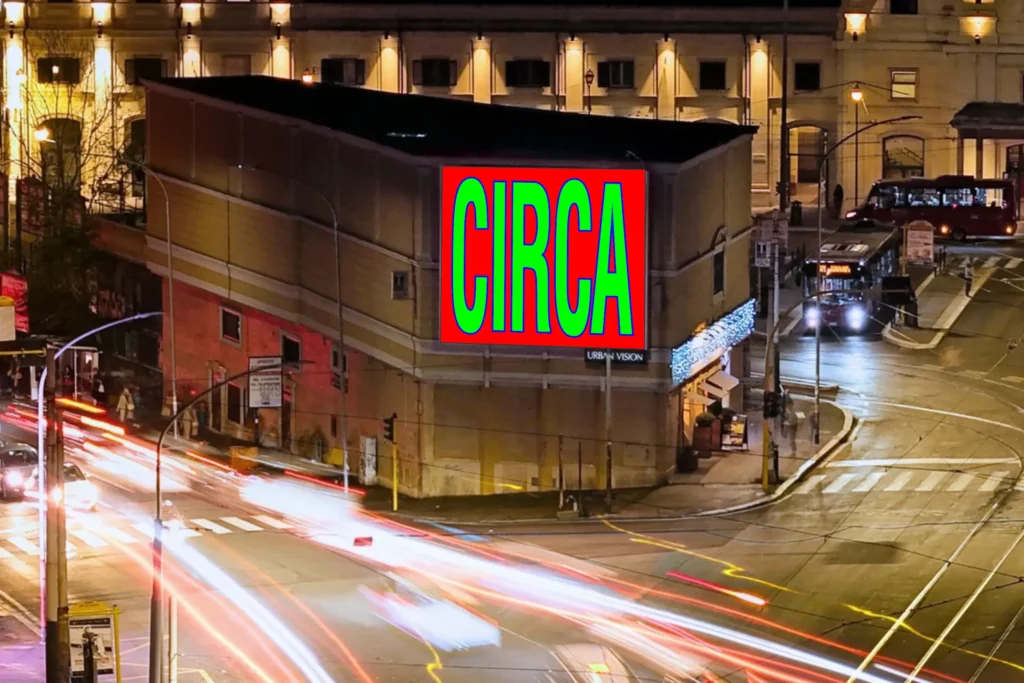
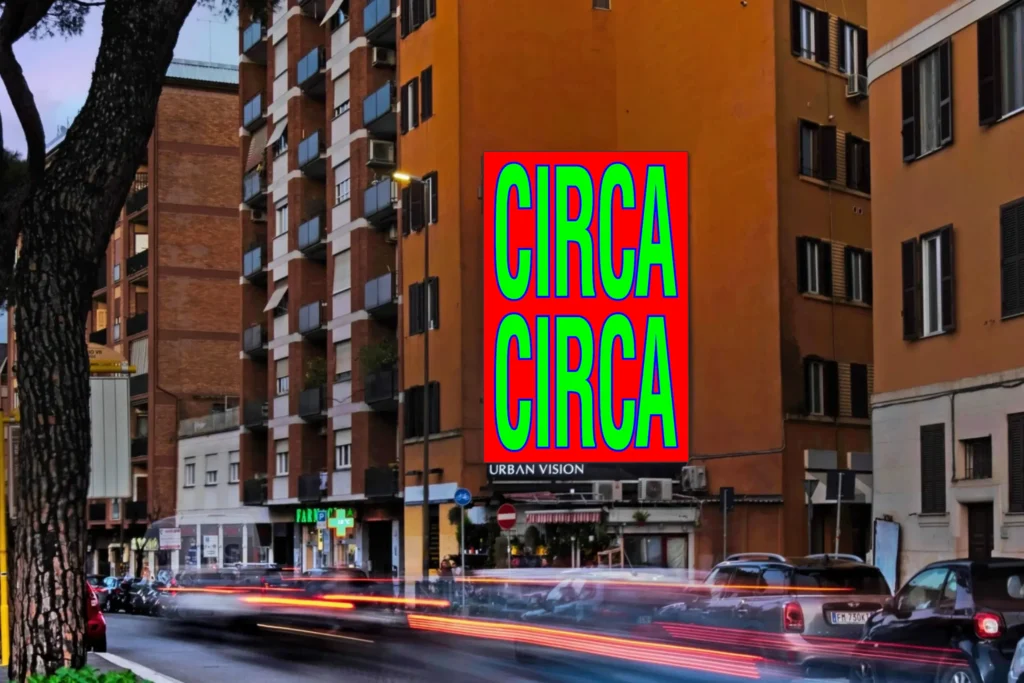
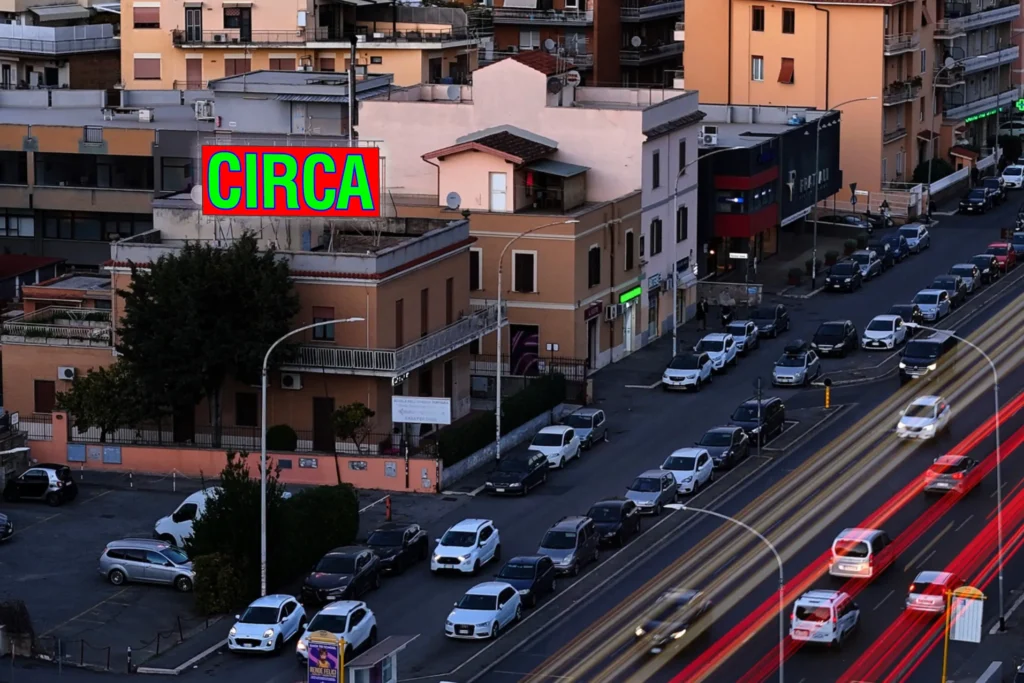
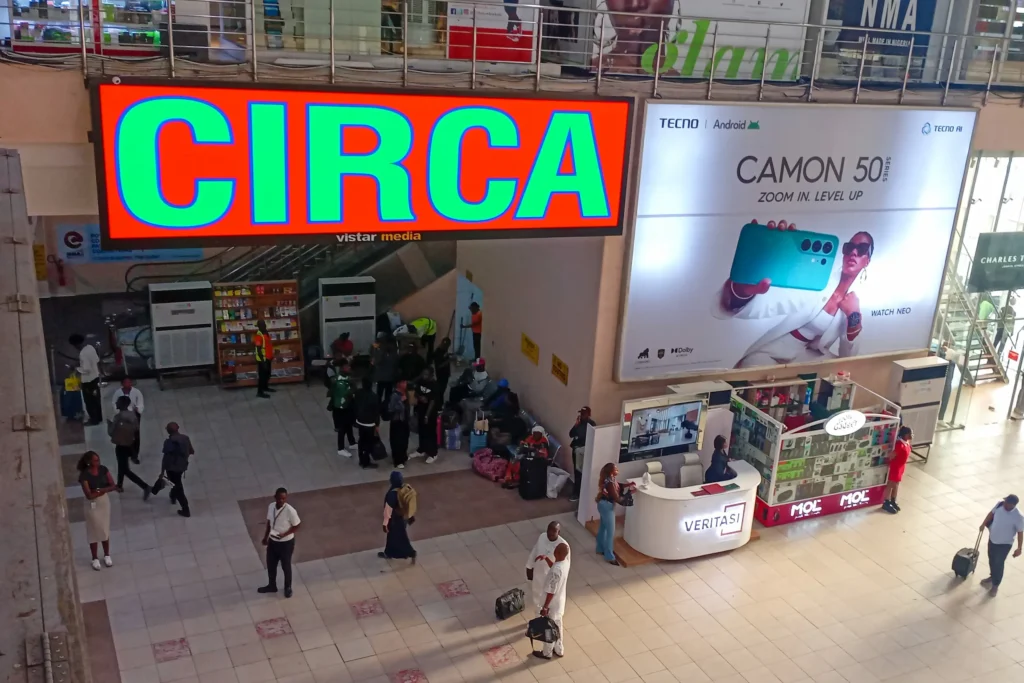
Screen locations

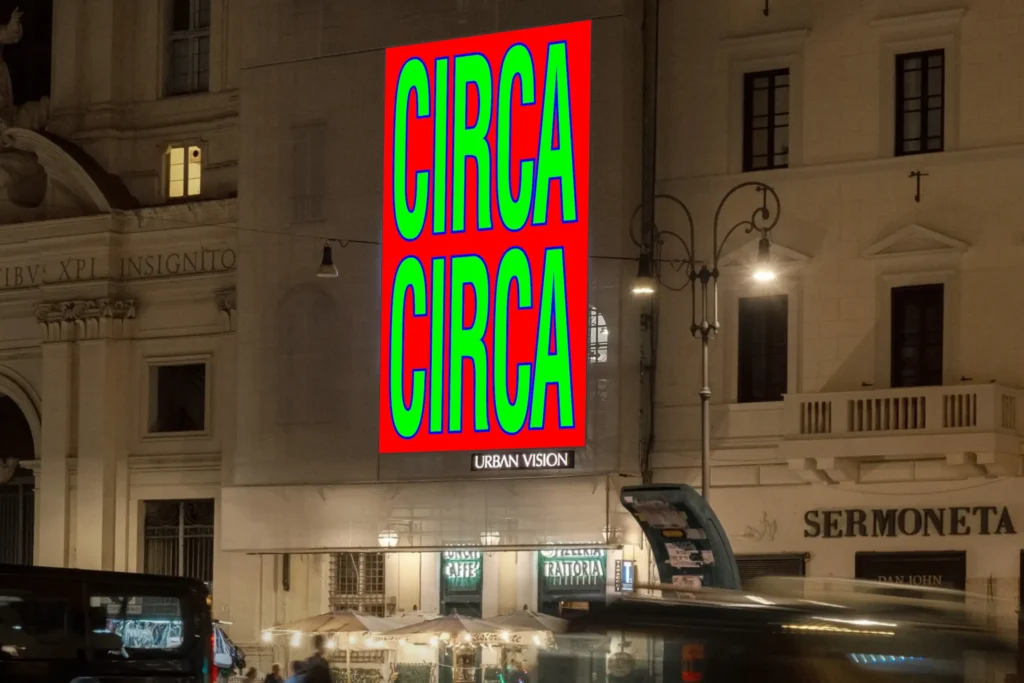
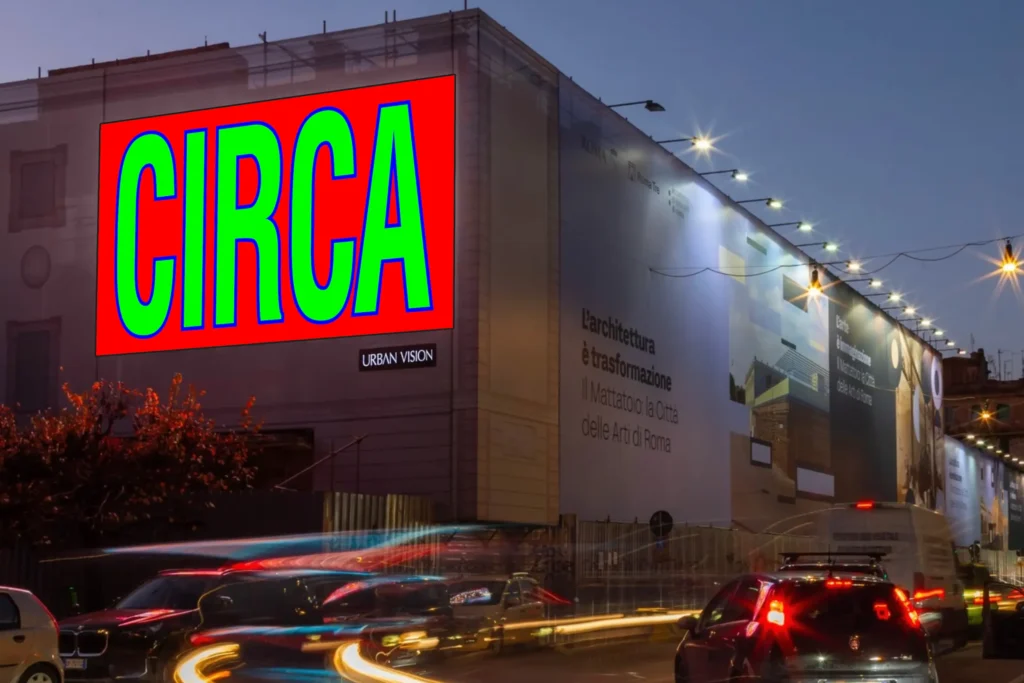
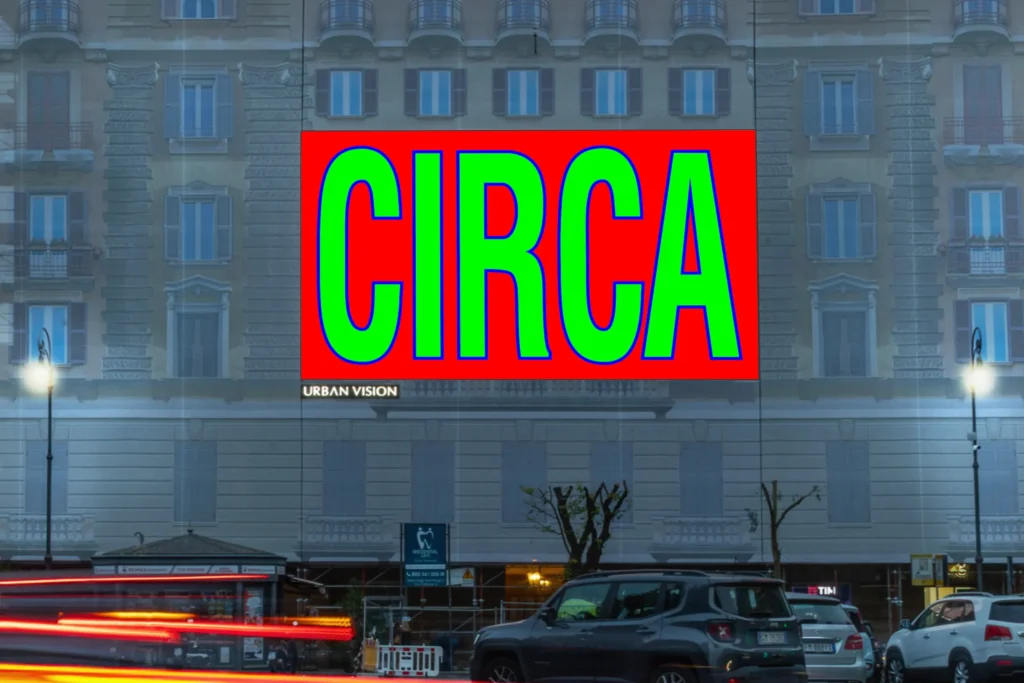
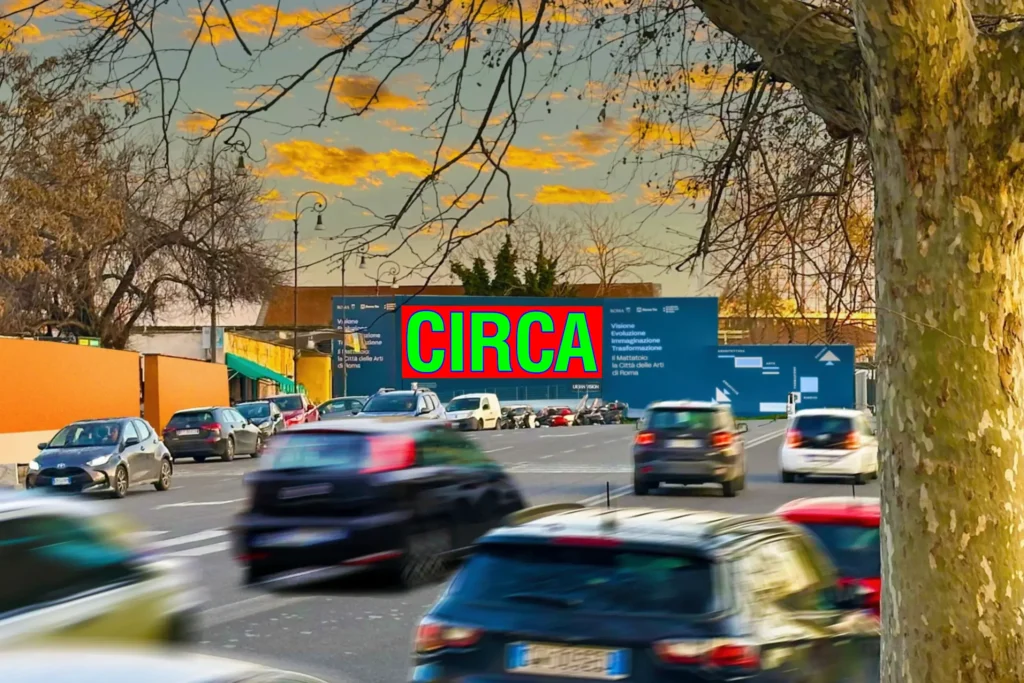
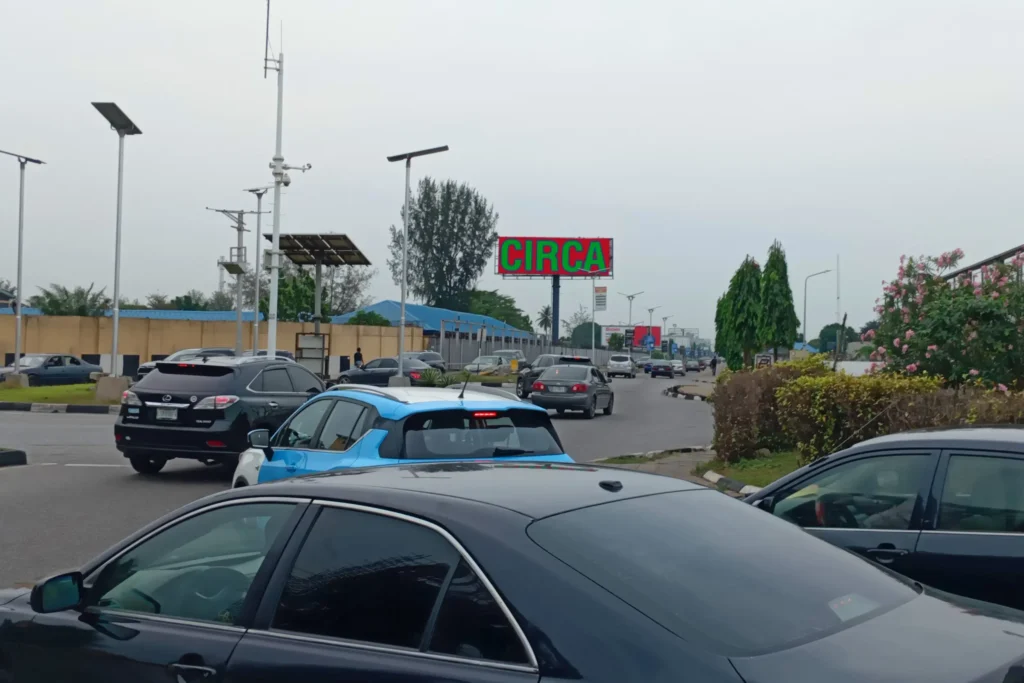
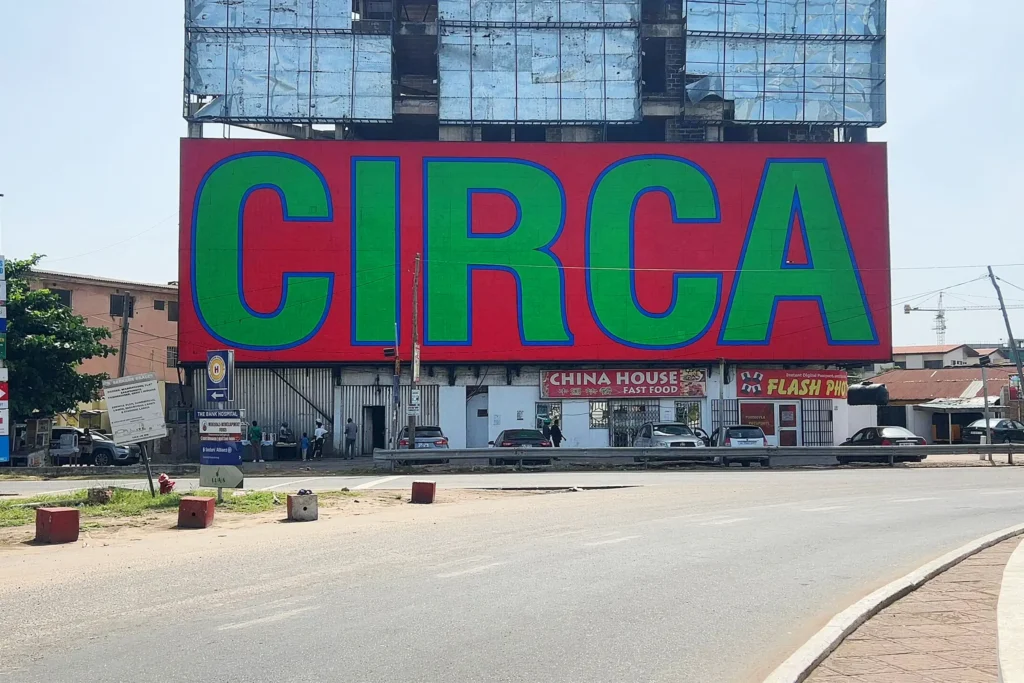
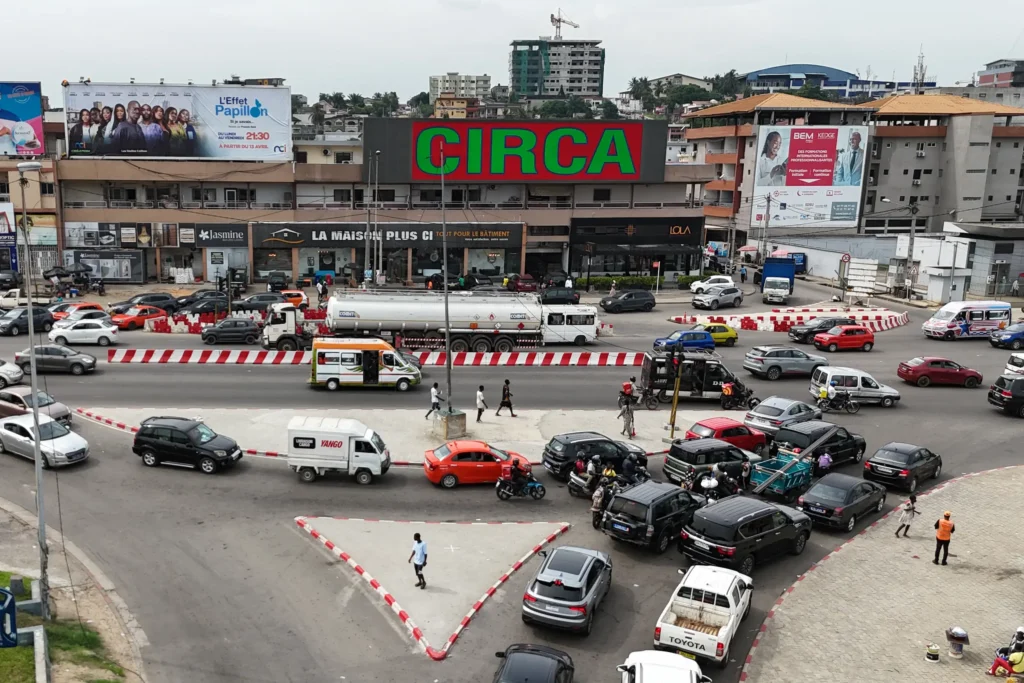
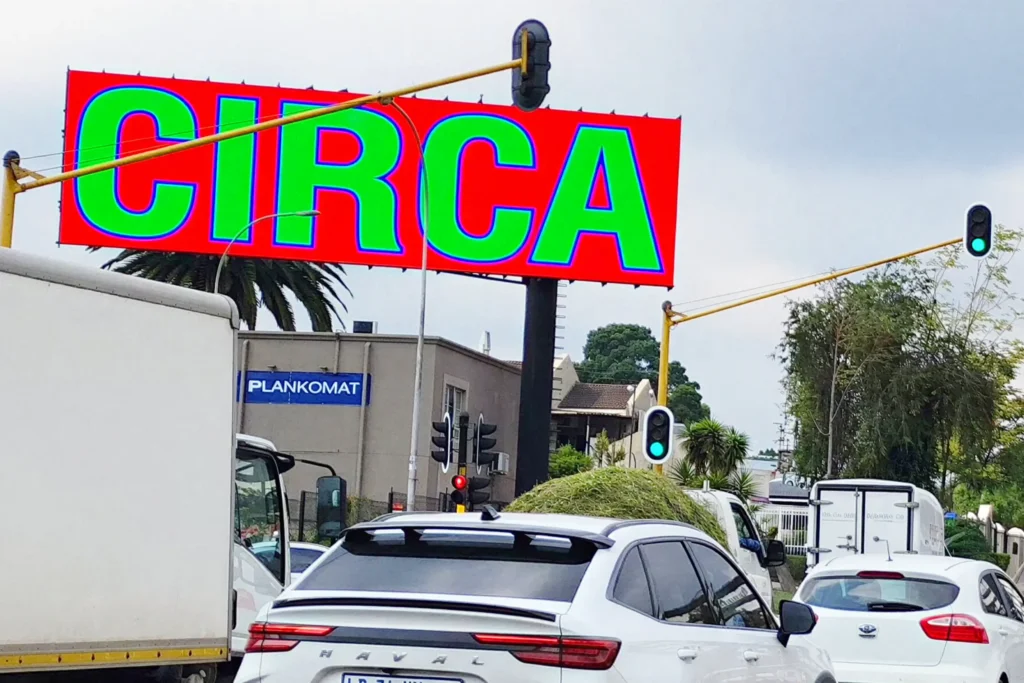

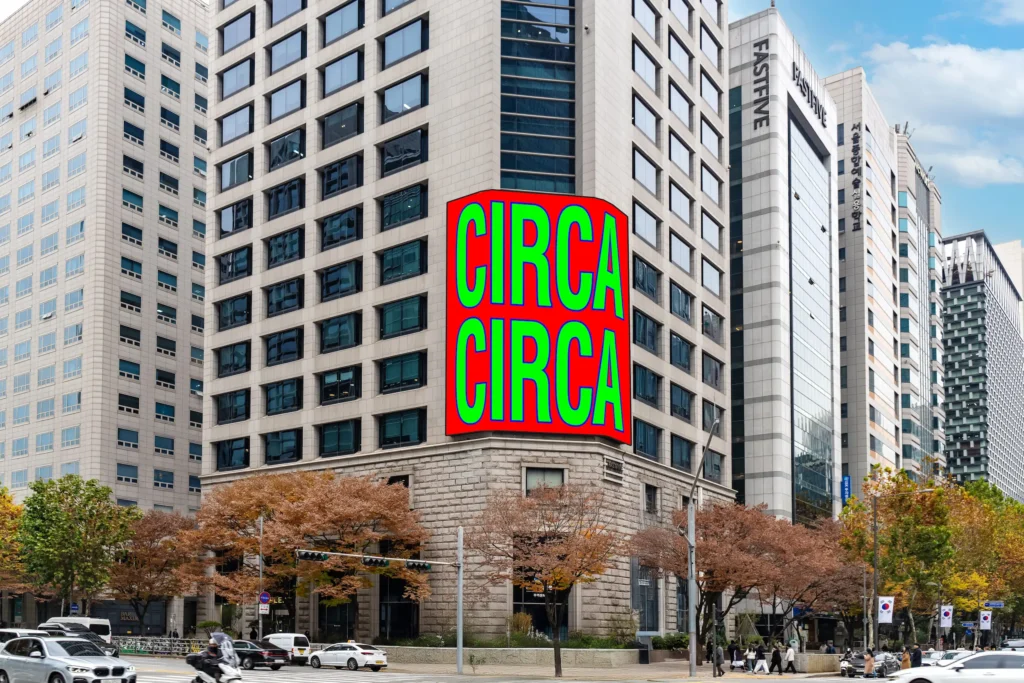
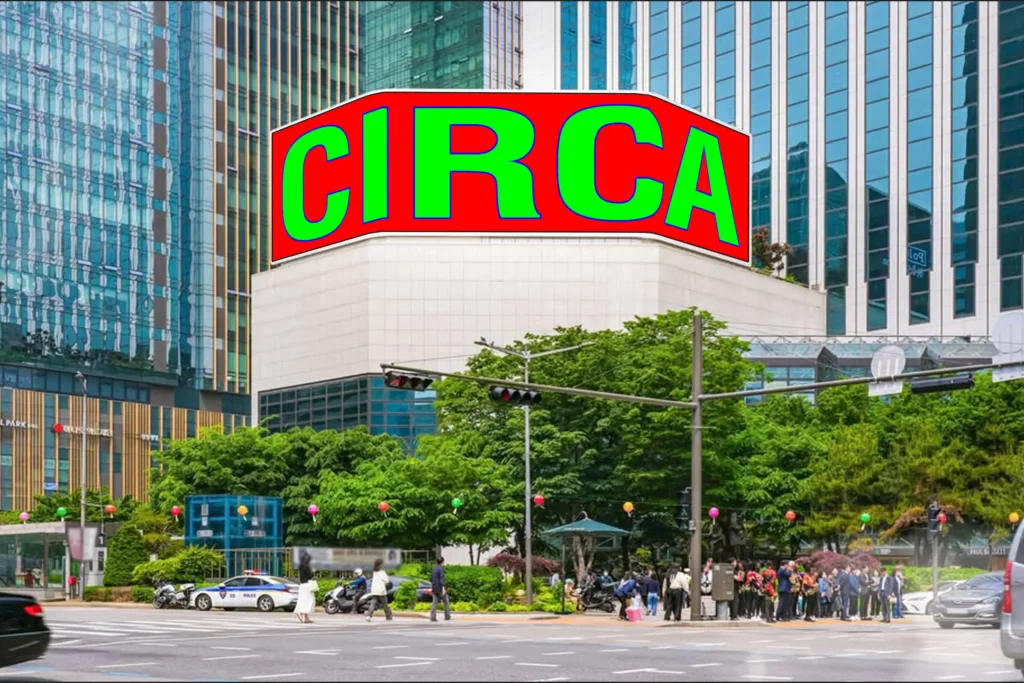
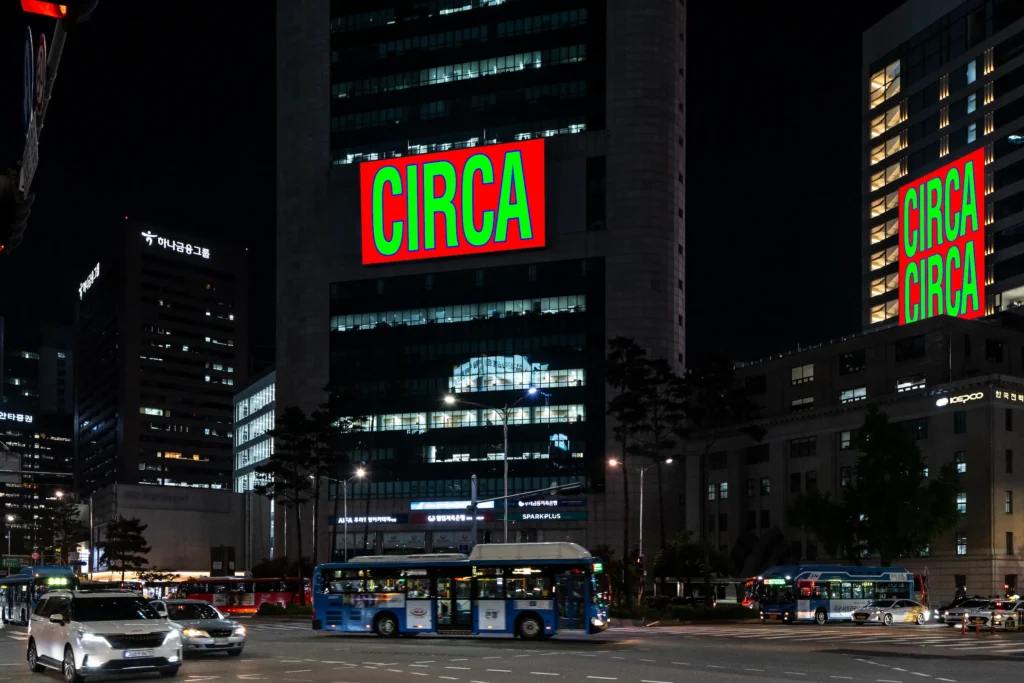
Circa Commissions
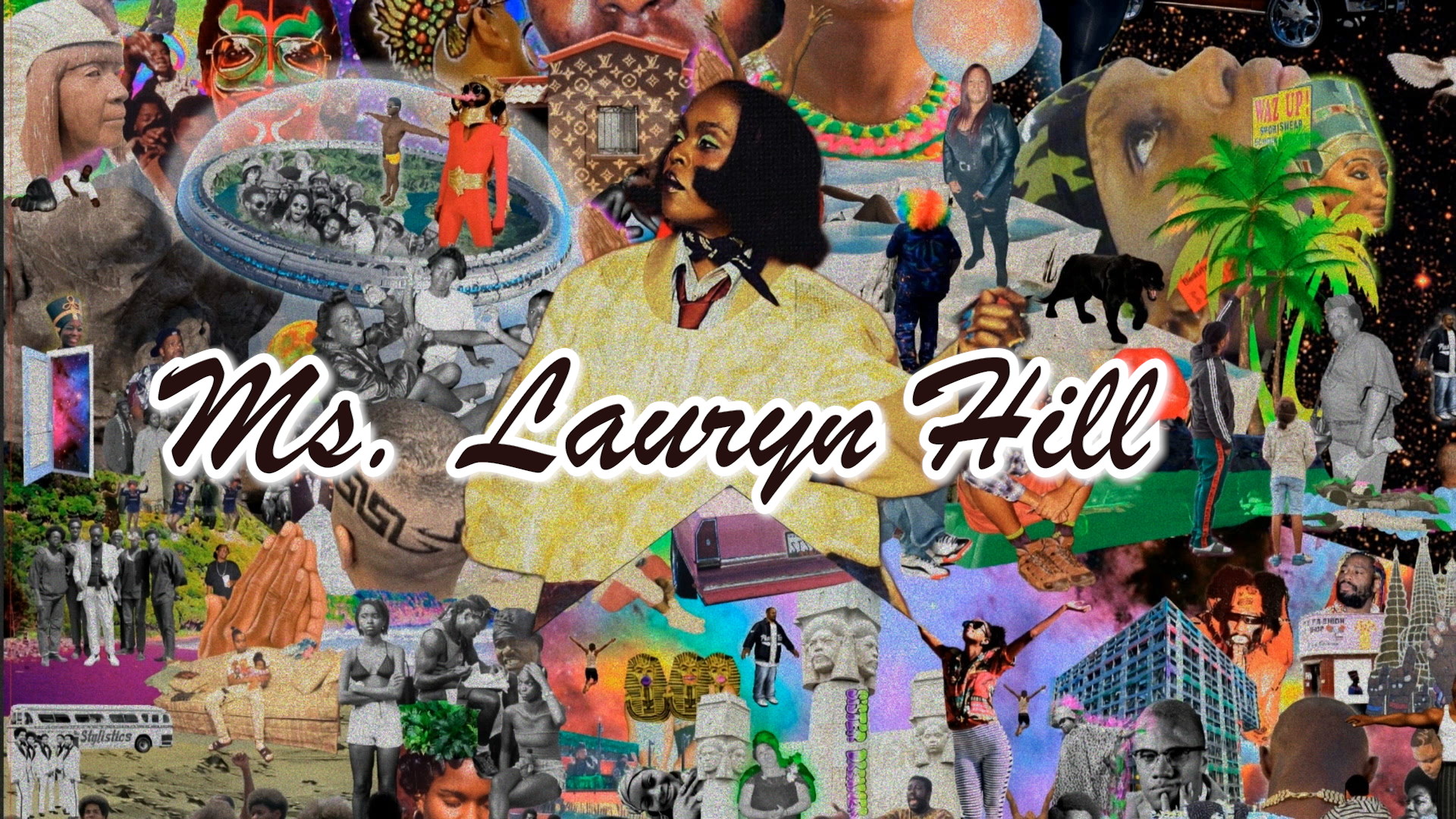
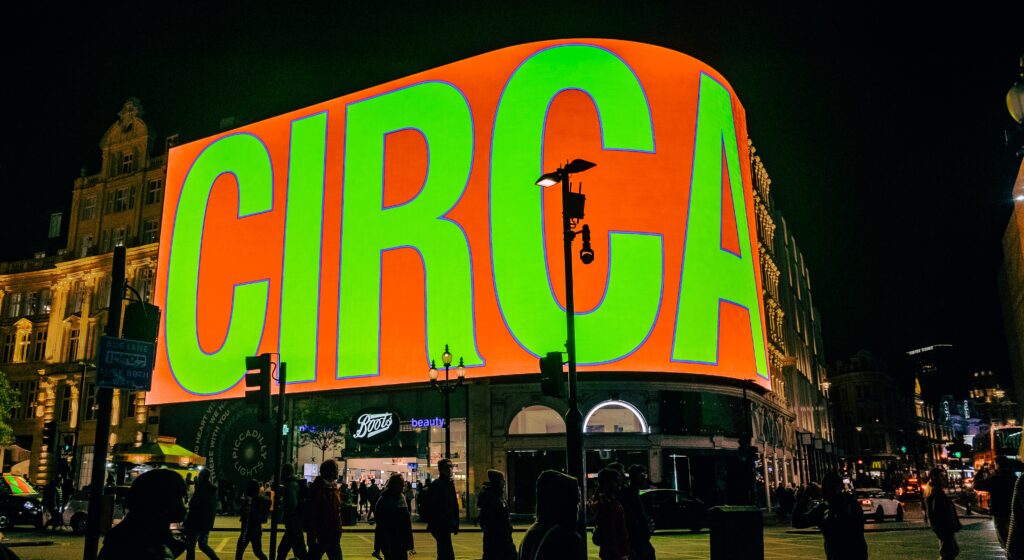
Lauren Halsey Curated by Ms. Lauryn Hill, DIASPORA CALLING!
Ahead of the Diaspora Calling! Festival , CIRCA presents a new animated commission by Lauren Halsey, curated by Ms. Lauryn Hill and appearing for one night only on Piccadilly Lights. Created feverishly from thousands of individually cut image layers, the work unfolds as a vast, saturated collage of people, signs, places, symbols and cultural memory, bringing the many dimensions of Black life into motion across one of the world’s most visible public screens. The commission emerged through dialogue with Lisa Anderson, the London-based curator whose work on Diaspora Calling!…
Ai Weiwei, A Tree
Throughout his career, Ai Weiwei has returned repeatedly to objects that outlive the worlds that produced them. Ancient architecture, archaeological artefacts, twisted steel recovered from the aftermath of the 2008 Sichuan earthquake, industrial buttons, refugee vessels and fragments of cultural history all occupy a central place within his practice. Rather than functioning as symbols, they become witnesses, carrying within them the traces of political upheaval, displacement, memory and survival. His work asks how history is preserved, not only through archives and institutions, but through the material things that endure. These ideas converge in Button Up!, Ai Weiwei’s major exhibition…
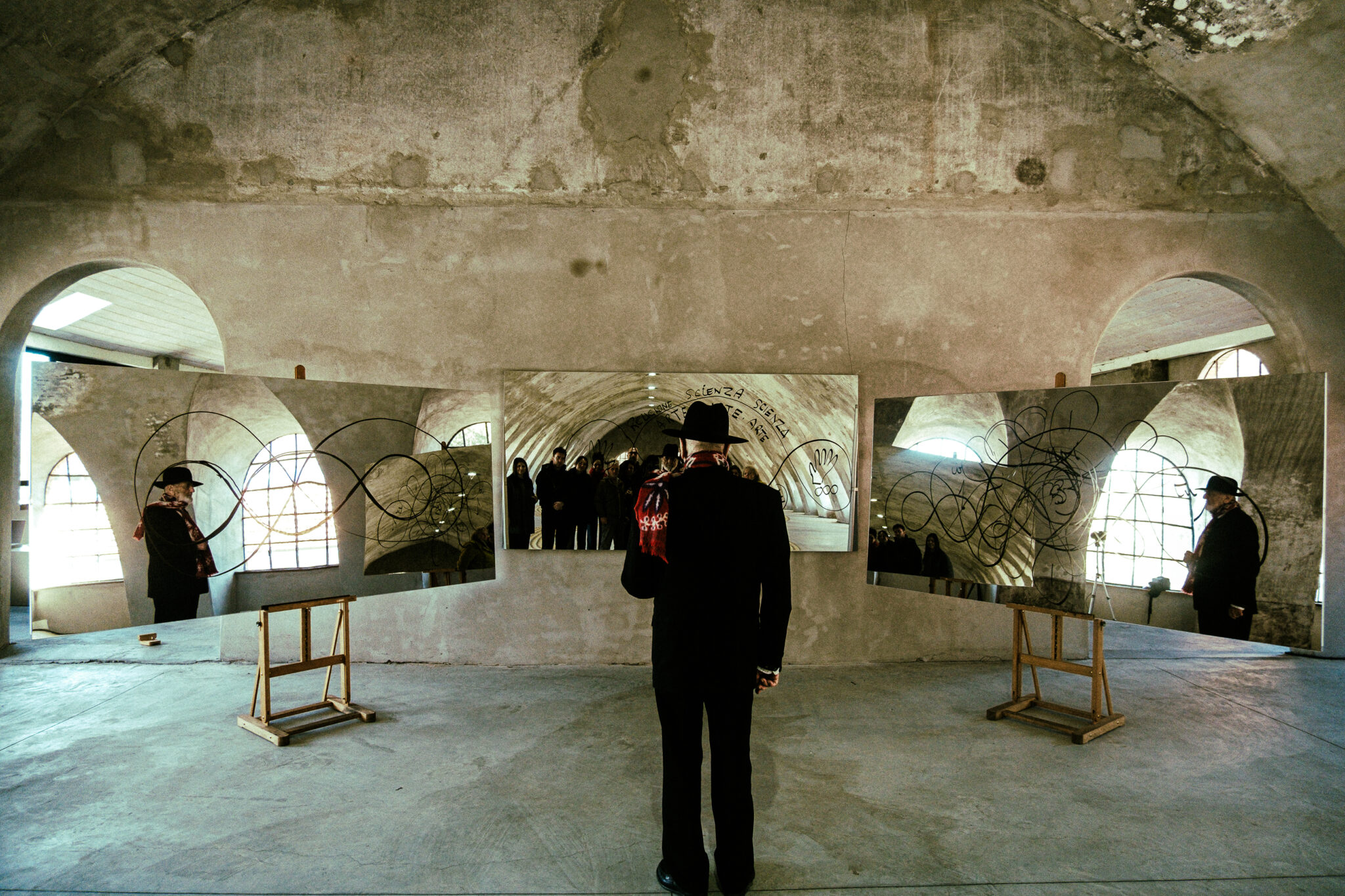
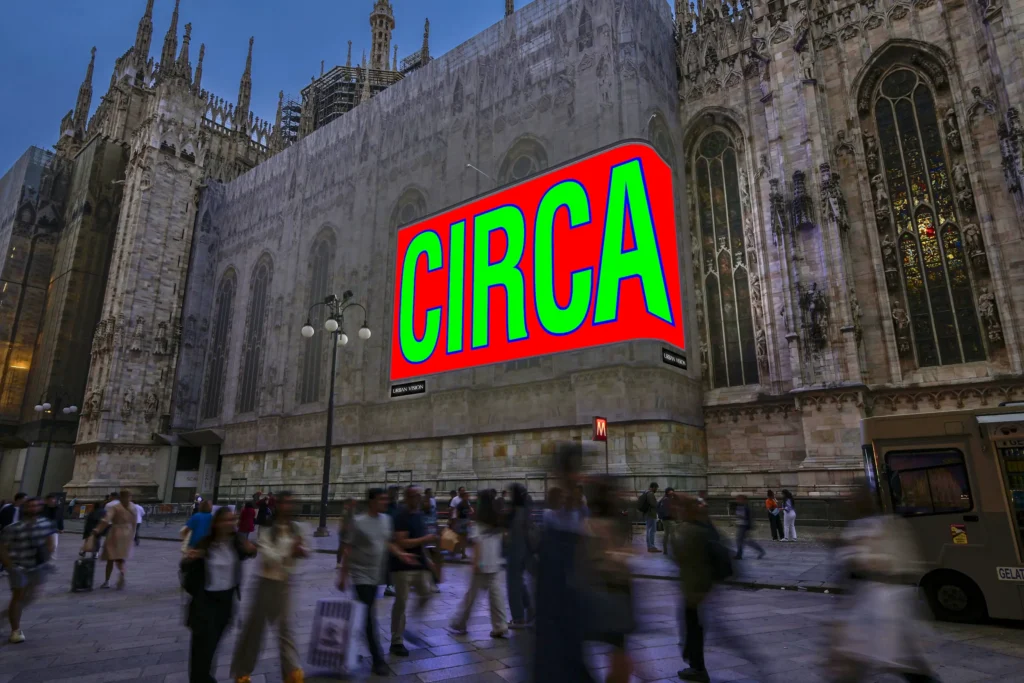
Michelangelo Pistoletto, Three Mirrors
Michelangelo Pistoletto once described his Mirror Paintings as openings rather than images, surfaces that do not contain the world but allow it to enter. In Three Mirrors (2026), created in collaboration with CIRCA, that idea moves fully into the public realm, where the work is no longer confined to a studio or gallery but unfolds across cities, screens and shared time. Launching globally on 1 April and broadcast daily at 20:26 (local time), Three Mirrors is a new moving image commission filmed at Cittadellarte in Biella, the foundation Pistoletto established as a space for thinking through art’s role…
Danielle Brathwaite-Shirley, Trans & Conditions
Archives are often imagined as places of preservation. Yet every archive is also a record of absence. For every story that survives, countless others disappear. Names are omitted. Lives go unrecorded. Histories are lost through neglect, indifference or design. For more than five years, Danielle Brathwaite-Shirley has dedicated her practice to confronting this process of erasure. Working across animation, performance, sound and video game design, the Berlin and London-based artist creates spaces in which Black Trans lives are not merely represented but actively remembered. Her works challenge audiences with questions that are often uncomfortable in their directness: Who is missing?…
Olafur Eliasson, Lifeworld
We have each walked though city squares where brightly lit advertisements dazzle with images of exotic desires. Awe-inspiring in themselves, contemporary inner-city areas are nevertheless palpably functionalized and tightly programmed – designated overwhelmingly to consumption and work. The more we think on them, the more we are aware of how these places bound potential and constrain expression, says Olafur Eliasson. “Sites like Piccadilly and Times Square are enormously impressive spectacles; it’s a thrill; it’s a rollercoaster-style joyride. But I am not offered a choice, except to spend or to leave.” In Lifeworld, we become conscious of our sensorial relationships to…

Fiona Banner aka The Vanity Press, DISARM
There comes a point where language fails. Diplomacy gives way to threats. Debate hardens into certainty. Words become slogans, commands and declarations. Eventually, what cannot be resolved through language is handed over to force. Throughout history, war has often marked the moment when communication collapses and violence takes over. For more than three decades, Fiona Banner has explored this unstable relationship between language, power and conflict. Working across sculpture, film, publishing and performance, she has examined the ways language shapes our understanding of warfare while simultaneously exposing its limitations. Her works frequently occupy the space between what can be said…
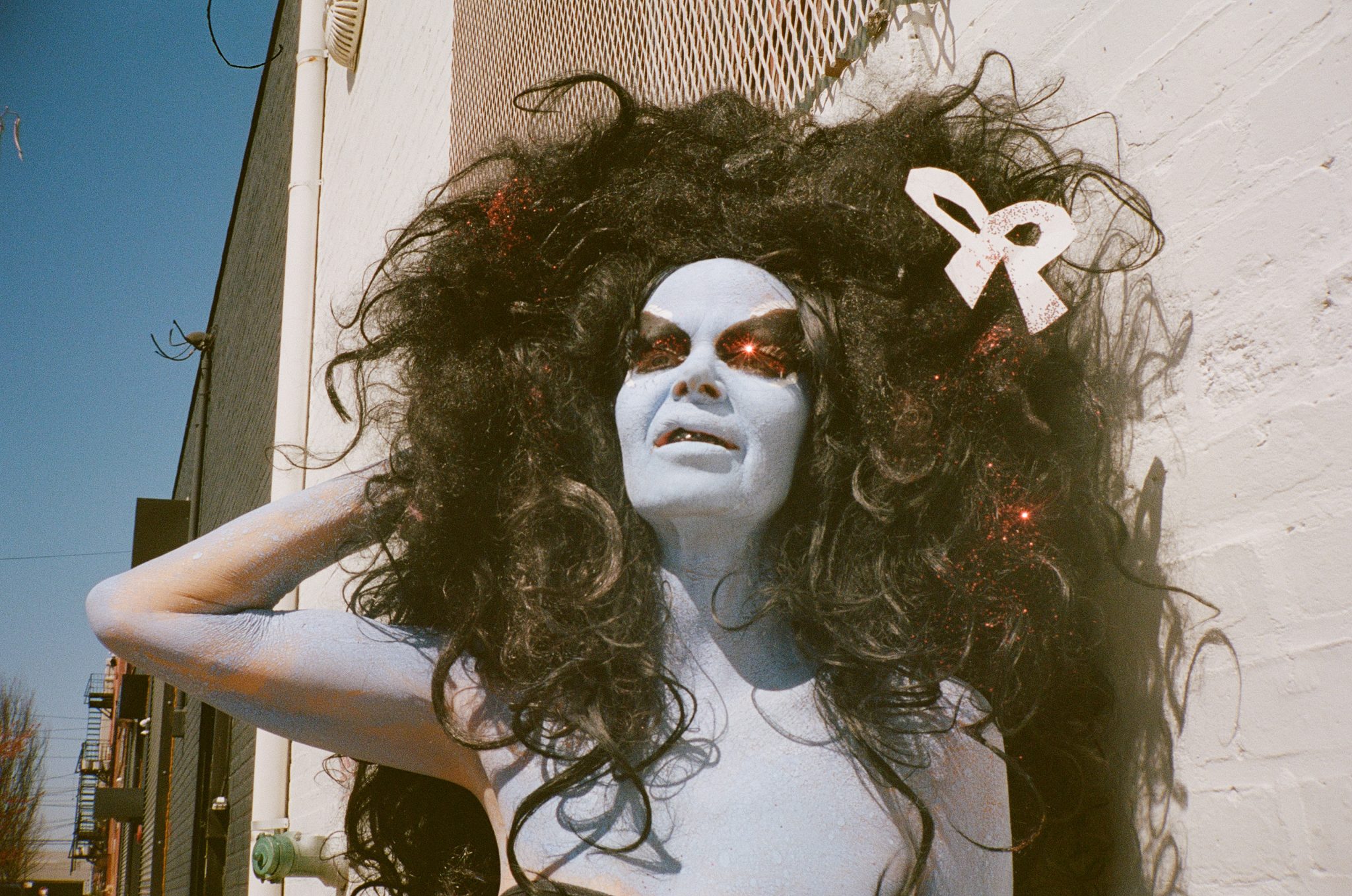
Kembra Pfahler, The Manual of Action
Long before the internet taught everyone how to perform themselves, Kembra Pfahler was already inventing new ways to become. Painted blue, her teeth blackened, wrapped in costumes assembled from whatever could be found, borrowed or rescued, she emerged from downtown New York as neither musician, artist, teacher nor performer, but as something more difficult to define. For more than four decades, Pfahler has occupied a space between ritual and rebellion, transforming the body into a site of possibility and everyday life into an ongoing act of creation. Through performance, music, film, fashion and education, she has consistently challenged inherited ideas…
Ai Weiwei, Ai vs AI
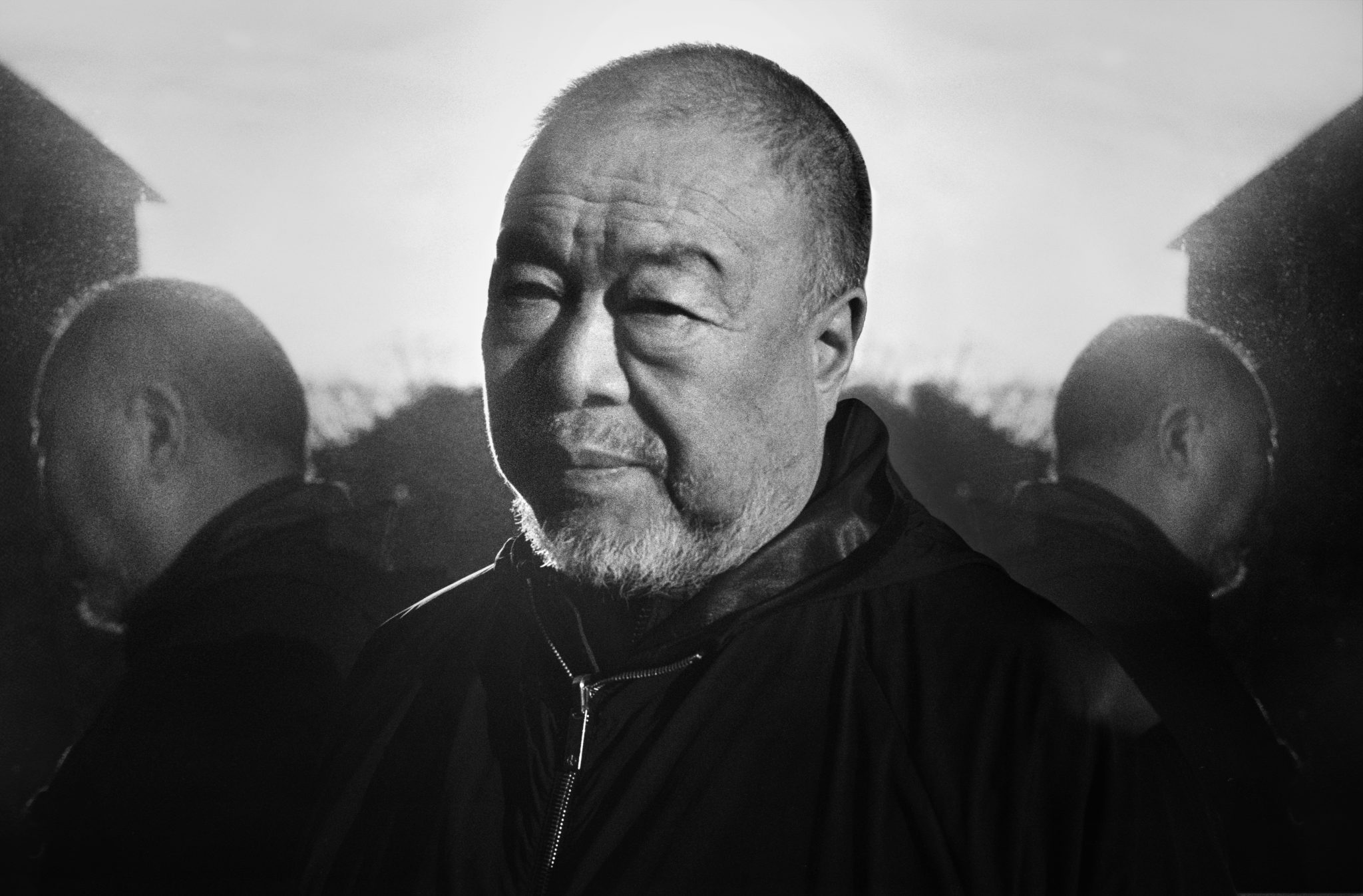
In our questions, more so than any answers, we can find the map of the human mind. We ask questions in search of learning and understanding, says Ai Weiwei, dividing ourselves from systems of Artificial Intelligence (AI) that lack interior identities. The questions we ask reveal our humanity and preoccupations, further distancing the human questioner from machine systems, which have no life story, no personhood from which any sincere question can arise. Ai Weiwei’s 81 questions are both the continuation of a deep history of rational and spiritual inquiry as well as an innately idiosyncratic autoportrait.
Slawn, Gone?
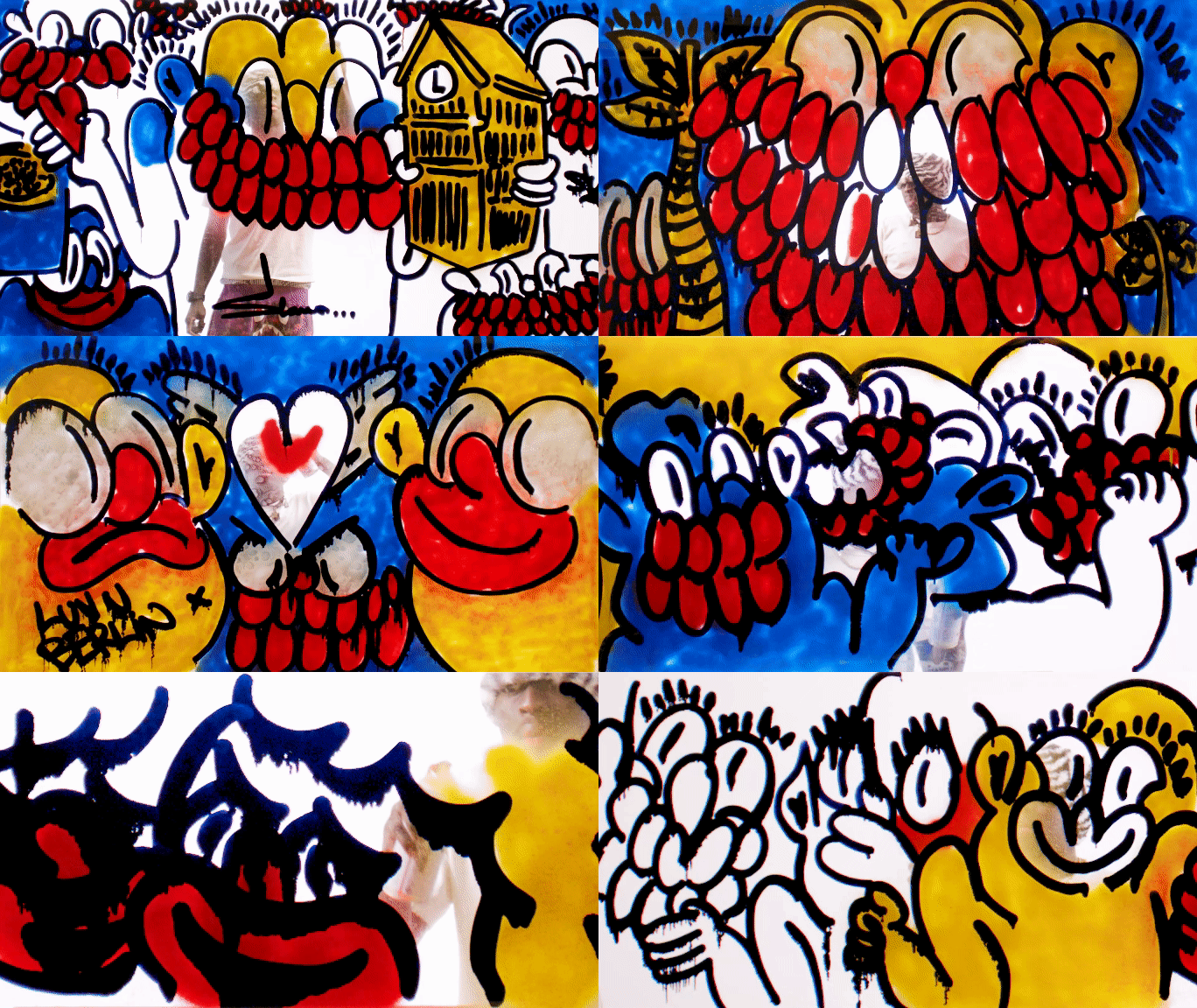
Human history can be read through the images we leave behind. Long before museums, galleries or even written language, people painted animals onto cave walls, carved symbols into stone and marked the surfaces of their surroundings with evidence of their existence. The walls of Pompeii preserve political slogans, declarations of love, jokes, advertisements and fragments of everyday conversation from almost two thousand years ago. Technologies evolve and societies transform, yet the impulse remains remarkably constant. We leave images behind in order to be remembered. For GONE?, his first major public commission with CIRCA, Nigerian-born, London-based artist Slawn enters this lineage…

Alfredo Jaar, Tonight No Poetry Will Serve
In 2011, the American poet Adrienne Rich published a poem titled Tonight No Poetry Will Serve. Written in the shadow of war, displacement and political upheaval, its title carried a startling admission from one of the 21’s most important literary voices: there are moments in history when language appears unequal to reality, when suffering exceeds the capacity of words to describe it, and when poetry itself seems to arrive too late. Twelve years later, in November 2023, Alfredo Jaar returns to Rich’s words amid the grief, shock and devastation that followed the attacks in Israel on October 7 and the…
Gilbert & George, The Believing World
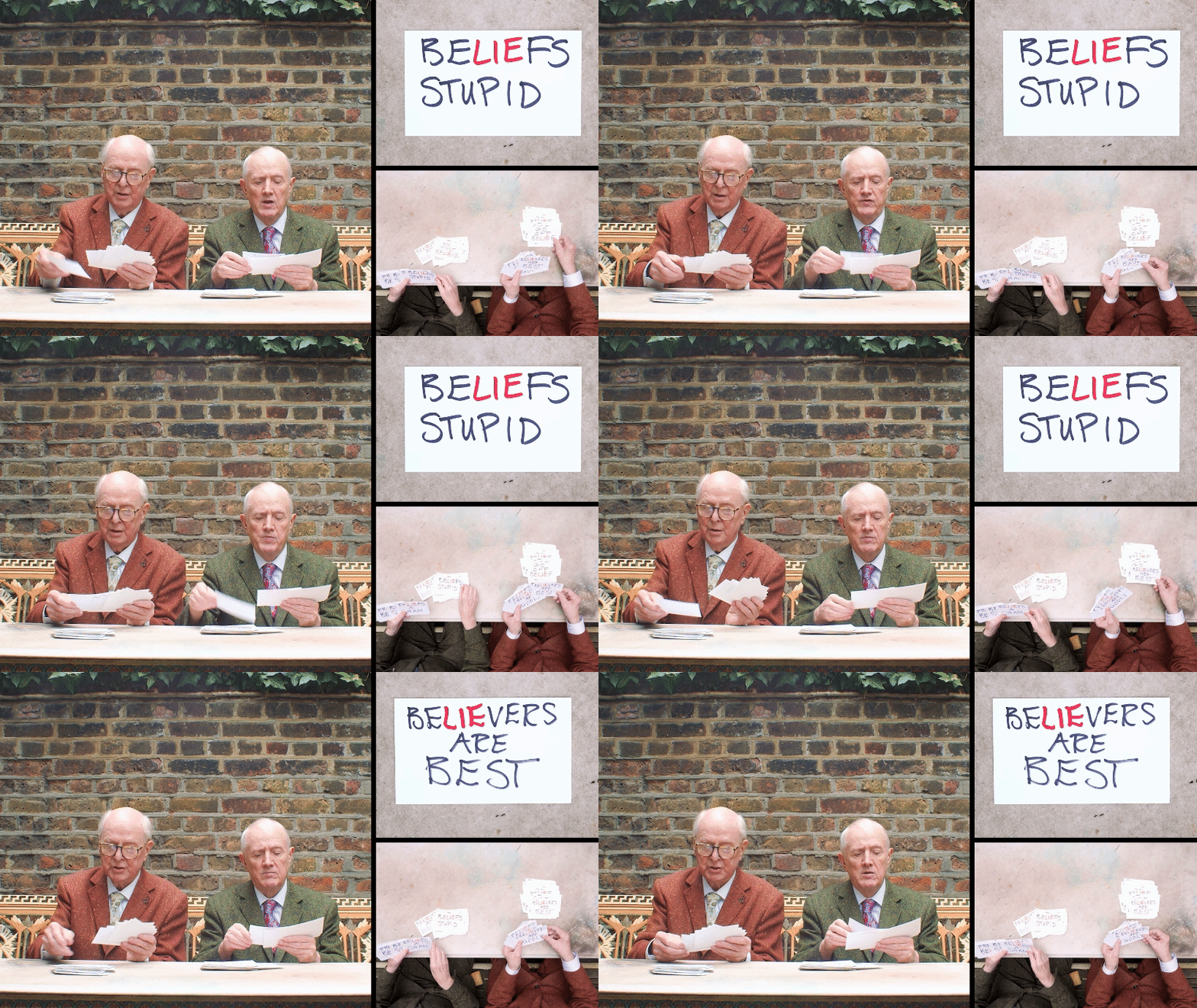
For more than half a century, Gilbert & George have transformed the details of everyday life into a vast and singular artistic universe. Working together since 1967, they have built one of the most distinctive bodies of work in contemporary art, examining the hopes, fears, contradictions and desires that shape modern society. From their home and studio in London’s East End, they have consistently explored the complexities of human experience through a visual language that is at once provocative, humorous, direct and deeply human. At the centre of their work lies a simple but radical proposition: Art for All. Rejecting…
Koo Jeong A, Odorama Cities
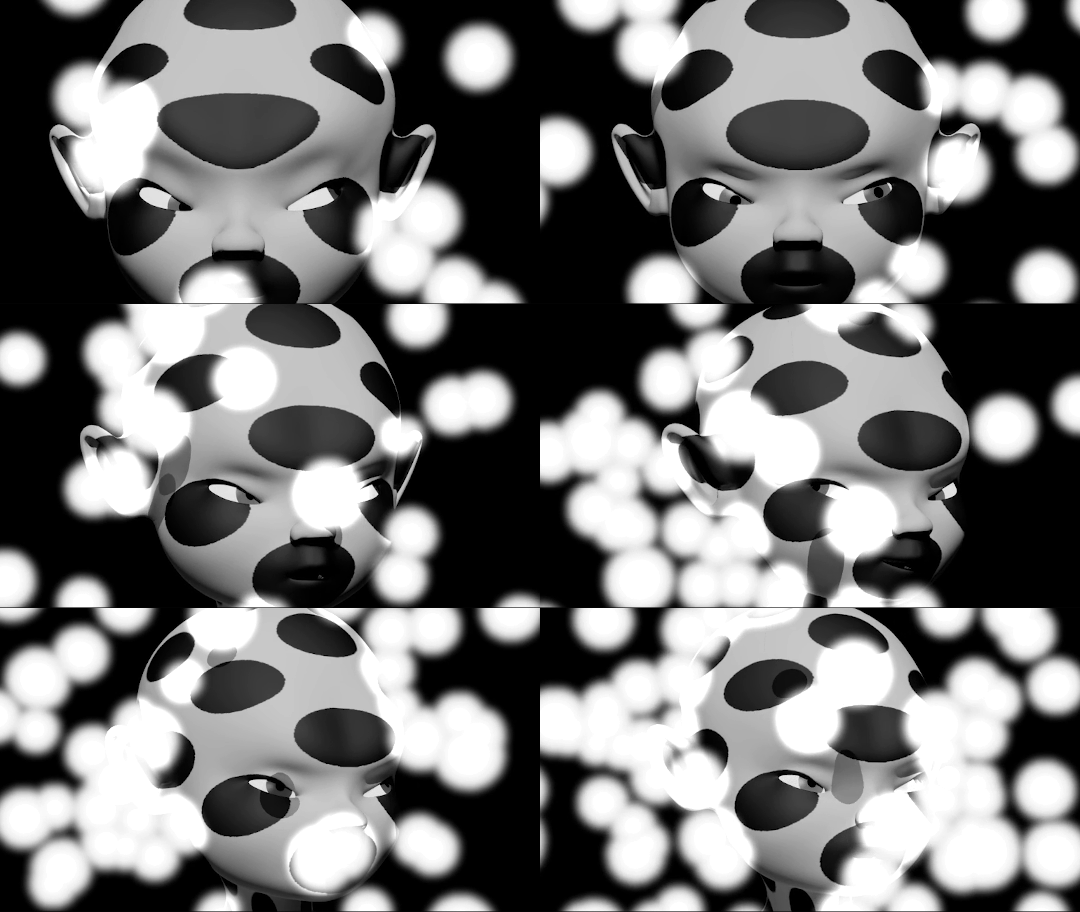
Of all the senses, smell is perhaps the most elusive. We cannot hold it, photograph it or preserve it in the way we preserve an image or a sound, yet it remains one of the most powerful carriers of memory. A single scent can return us instantly to a childhood home, a street we have not visited for decades, a summer evening, a train station, a forest, a market or a person we once loved. Smell moves through us differently to language. It bypasses explanation and arrives directly as feeling. For more than three decades, Koo Jeong A has explored…
Dick Jewell, War & Peace
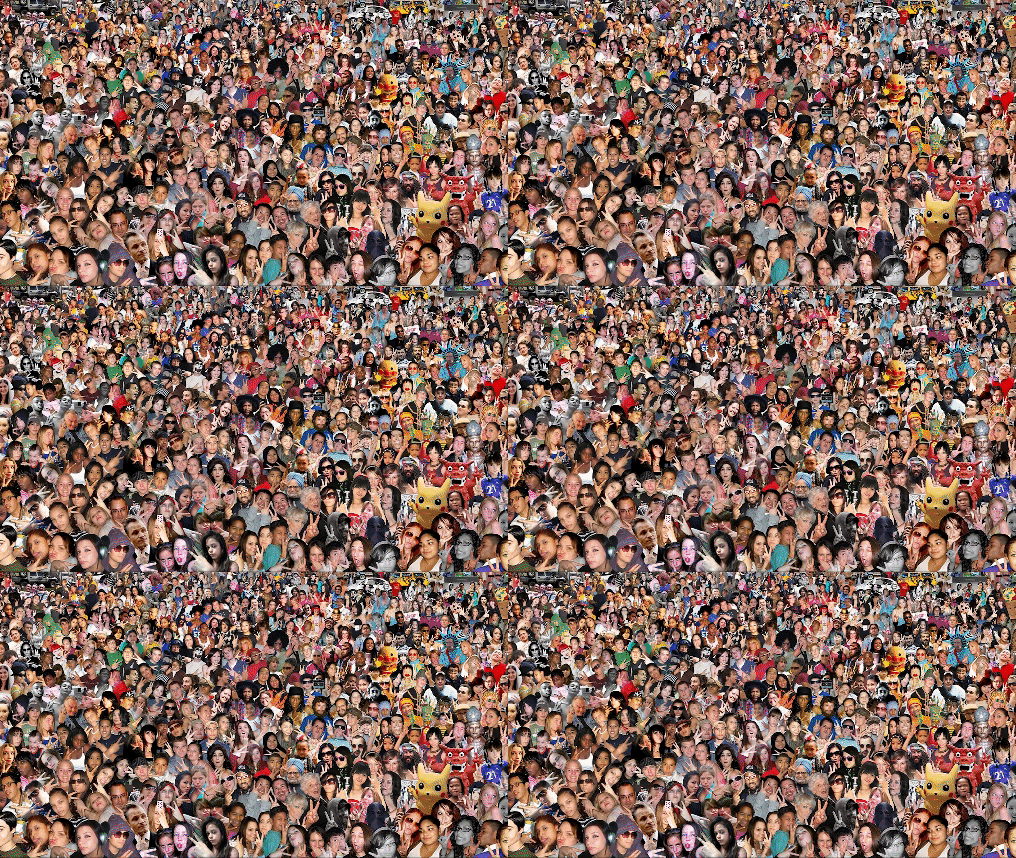
A hand raised with two fingers extended is one of the most familiar images in modern culture. It has travelled across countries, generations and political movements, carrying remarkably different meanings wherever it appears. For some it represents victory. For others it signifies peace. In parts of the world it is a gesture of celebration, while elsewhere it can be interpreted as an insult. It appears in photographs taken by tourists and teenagers, in news images of politicians and protestors, and in historical records documenting moments of war, resistance and social change. Few symbols have been used so widely or understood…
Frank Bowling, Arrival
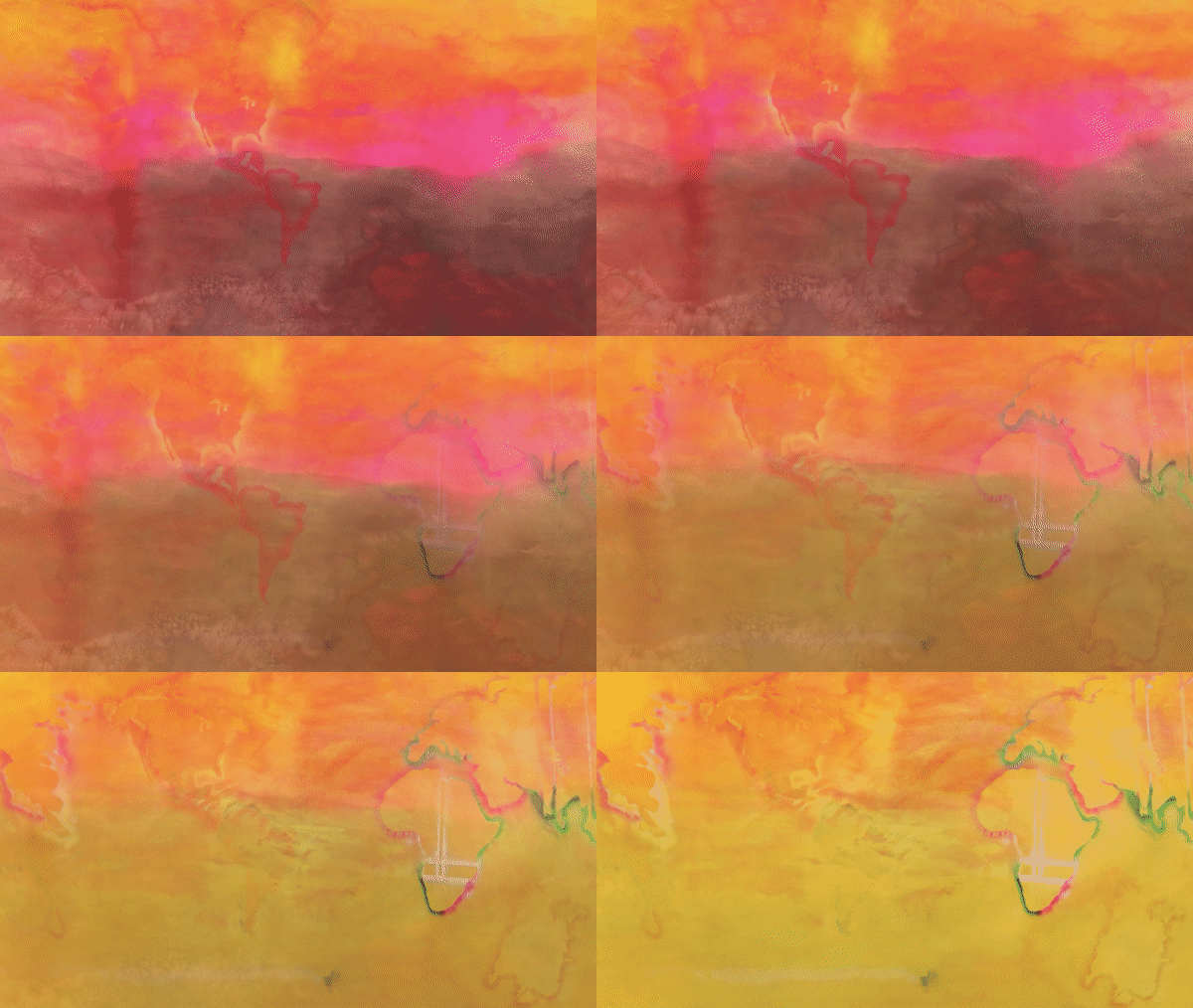
In May 1953, a 19-year-old Frank Bowling stepped off a ship from British Guiana and arrived in London. Britain was preparing for the Coronation of Queen Elizabeth II. Streets were decorated with flags, crowds gathered in anticipation and a nation was imagining its future in the aftermath of war. For Bowling, who had travelled thousands of miles from the Caribbean, the city represented something equally transformative: the possibility of becoming an artist. Seventy years later, as Britain prepares for another Coronation and reflects on the seventy-fifth anniversary of Windrush, Bowling returns to the centre of London with Arrival, his first…
Laurie Anderson, Notebook
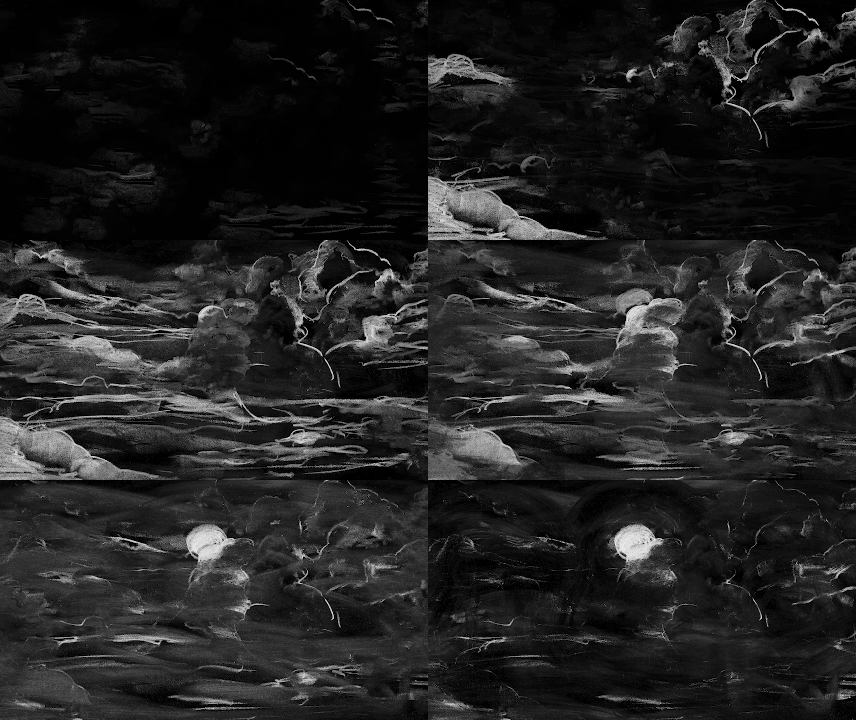
Some artists spend their lives refining a single language. Laurie Anderson has spent more than five decades inventing new ones. Moving between music, performance, drawing, film, technology, storytelling and poetry, she has built a body of work that continually expands the possibilities of what art can be while remaining rooted in a simple but enduring fascination: how ideas take shape, how stories are formed, and how imagination allows us to move beyond the limits of the world as it appears before us. For CIRCA 20:23, Anderson turns to one of the most intimate spaces within her practice: the notebook. Not…
Pussy Riot, Nadya Means Hope
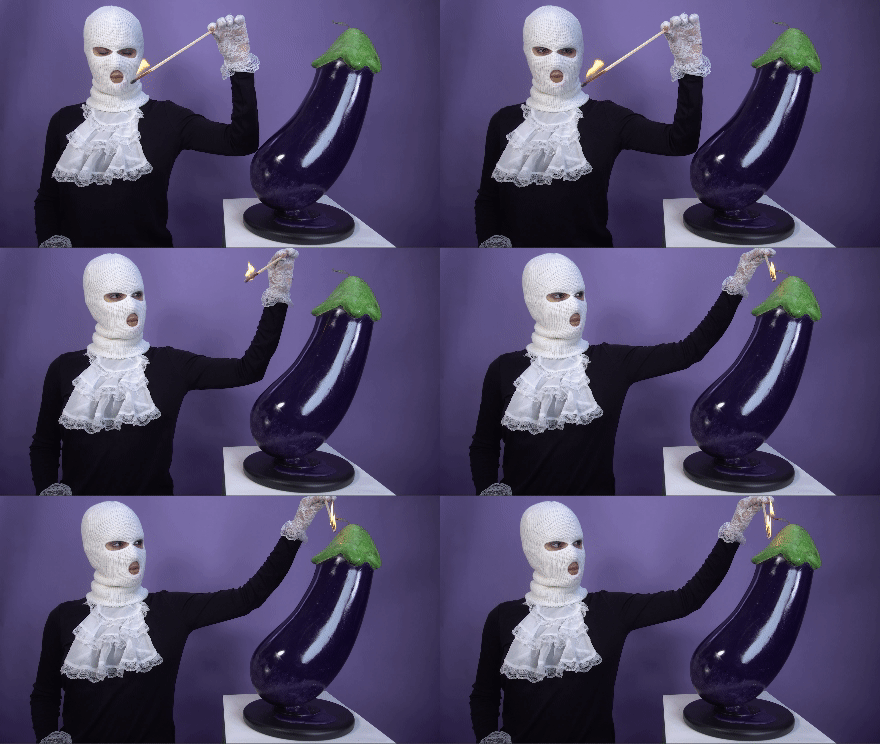
In many Slavic languages, the name Nadya means hope. For Nadezhda Tolokonnikova, hope is neither an abstract ideal nor a comforting sentiment. It is something forged through confrontation. Through resistance. Through the refusal to accept that the structures governing our lives are immutable. It is a principle tested against prisons, censorship, war and the continual struggle for bodily autonomy. Hope, in Tolokonnikova’s work, is not passive. It acts. Over the past decade, Nadya has become one of the defining artistic and political voices of her generation. As a founding member of Pussy Riot, she transformed performance into a tool for…
Anne Imhof, Youth
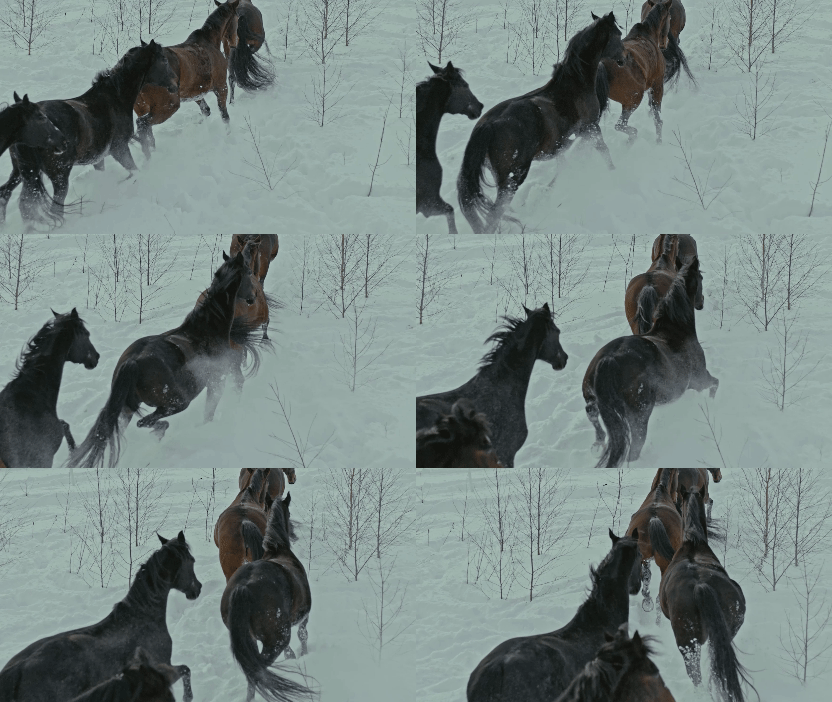
A group of horses move through freshly fallen snow. They run without destination, gathering and dispersing across an open landscape suspended between wilderness and civilisation. At first the scene appears timeless, almost mythological. The animals seem liberated from history itself. Yet slowly another reality emerges. Towering housing blocks materialise in the distance. Roads, infrastructure and the traces of a social experiment begin to reveal themselves beneath the white surface. What initially appears as freedom is shadowed by something else: absence. For CIRCA 2023, Anne Imhof presents Youth, a film that arrives carrying the burden of a world transformed.
Dalai Lama, The Art of Hope
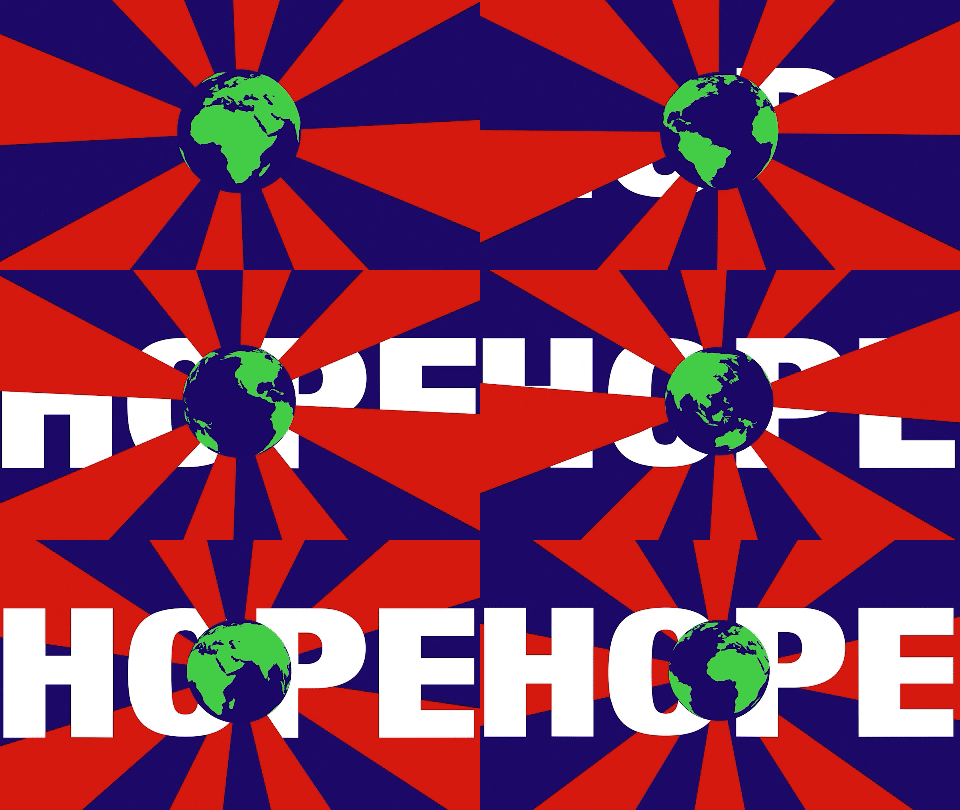
Hope is often mistaken for optimism, as though it were a light feeling, a promise of better things, or an instinctive belief that suffering will pass. Yet in the teachings of His Holiness the 14th Dalai Lama, hope is something far more disciplined. It is not passive consolation, nor a refusal to acknowledge difficulty. It is a practice of attention, compassion and determination, sustained precisely because the world is uncertain. In January 2023, CIRCA inaugurates its 20:23 programme with The Art of Hope, a three-minute animation and message from His Holiness the 14th Dalai Lama, recorded inside his office in…
Douglas Gordon, if when why what
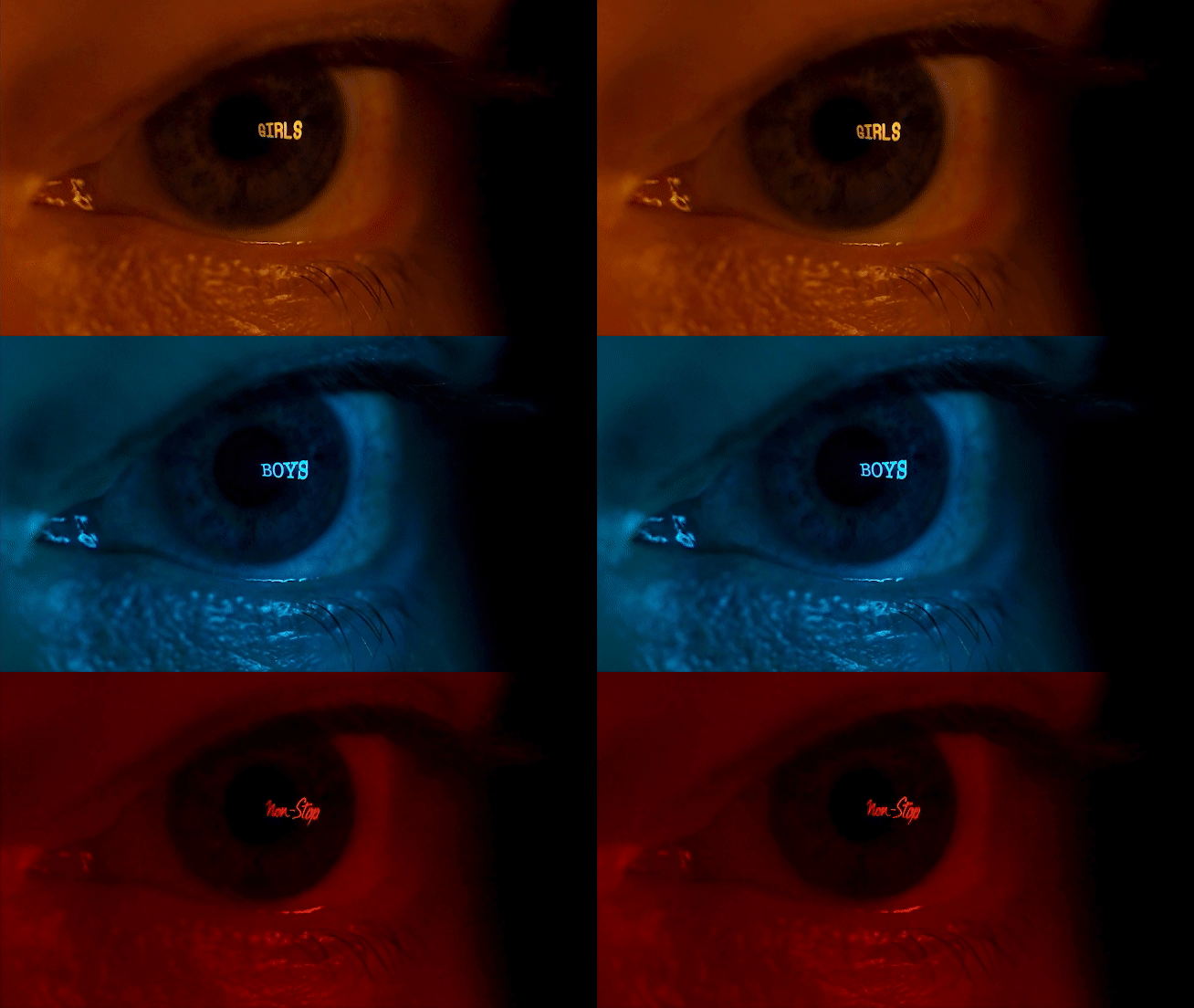
Some cities are remembered through monuments, others through songs, films, rumours, street corners, shopfronts and signs that disappear before anyone thinks to preserve them. Soho belongs to this second kind of memory. Its history is not held only in architecture or official records, but in the charged atmosphere of streets that have long carried London’s appetite for theatre, music, sex, nightlife, migration, anonymity and reinvention. For decades, its neon signs formed a language of invitation and warning, illuminating doorways to places that promised pleasure, risk, concealment and transformation. For CIRCA’s December 2022 commission, Douglas Gordon returns to this language through…
Michèle Lamy, Limbo
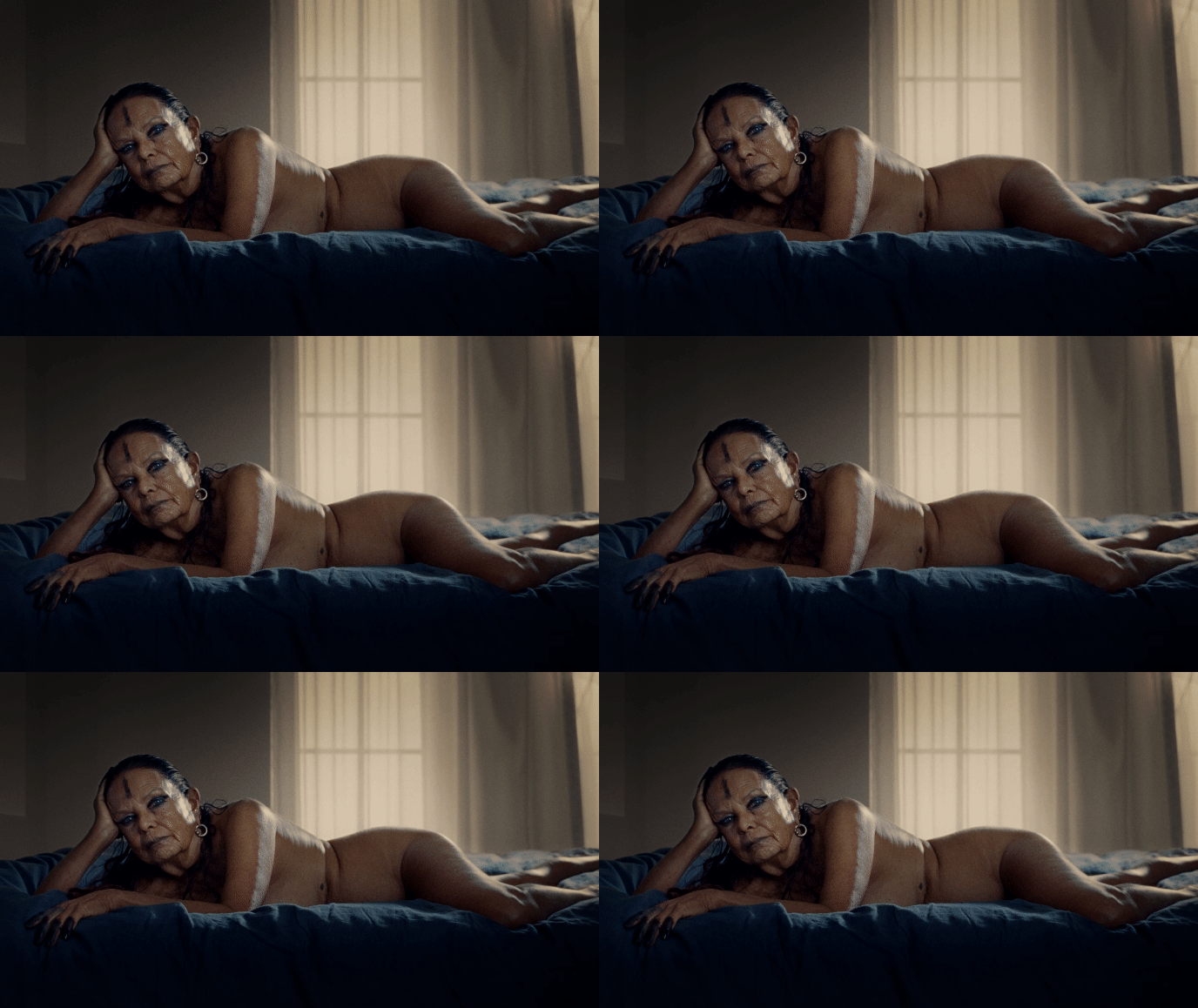
The history of the reclining figure in Western art is, in many respects, a history of looking. Across centuries, bodies have been arranged horizontally before us, stretched across landscapes, sofas, silks and beds, transformed into ideal forms through which successive generations projected fantasies of beauty, power, desire and possession. From Giorgione’s Sleeping Venus to Titian, from Velázquez to Manet, the reclining woman became one of art history’s most durable inventions, not simply because she represented the body, but because she established a relationship between the body and the gaze. To recline was to become visible. To become visible was to…
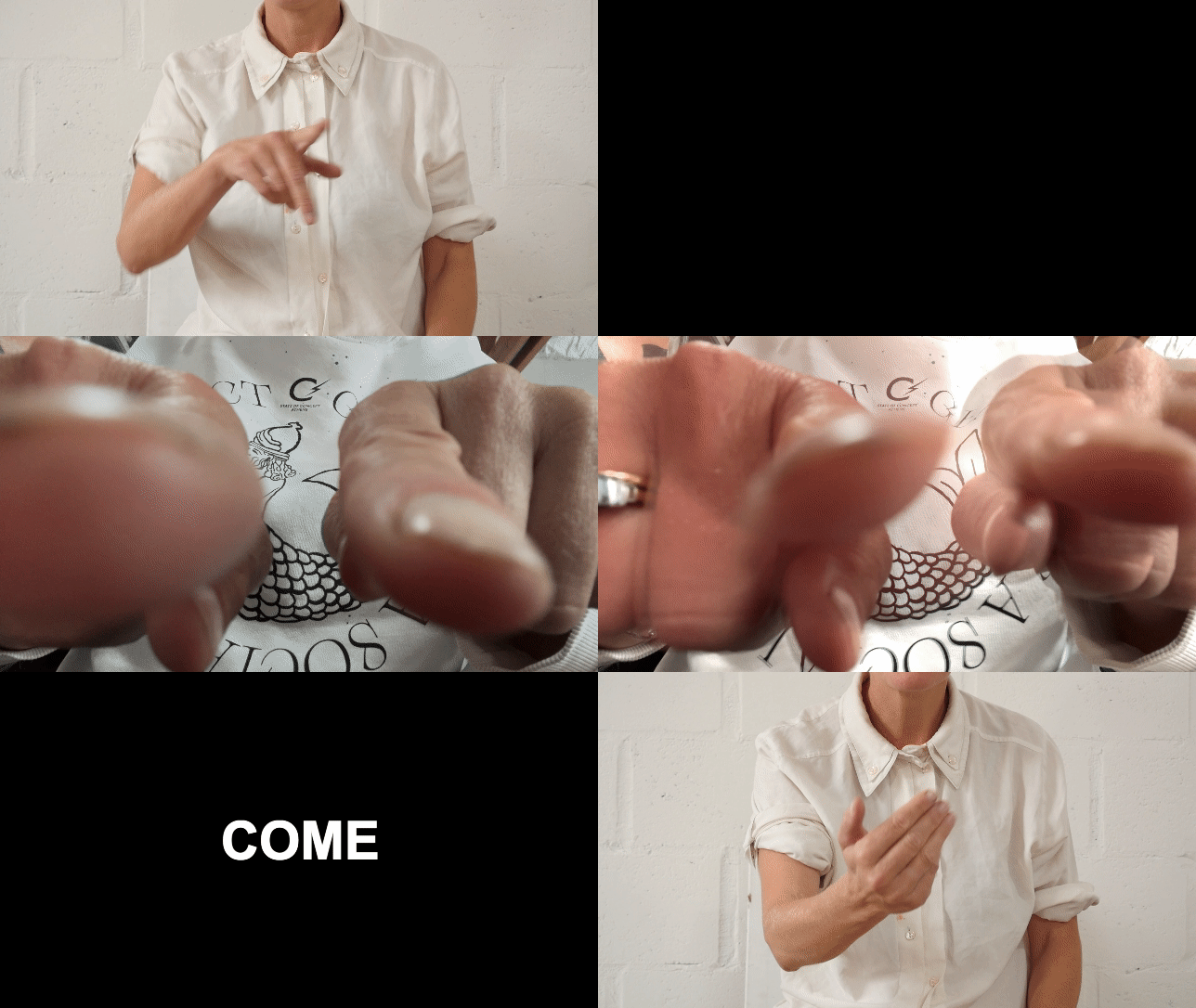
Laure Prouvost, No More Front Tears
Long before passports, borders and nation states, birds crossed continents following invisible routes through the sky. Seeds travelled on the wind. Rivers carried sediments across territories that had yet to be named. Ocean currents moved creatures between distant worlds. Life has always existed through movement. For her CIRCA commission No More Front Tears, Laure Prouvost invites us to imagine migration not as an exception, but as a fundamental condition of existence. Broadcasting globally throughout October 2022, the work emerges at a moment when debates around borders, displacement and belonging have become increasingly defined by exclusion. Rather than responding…
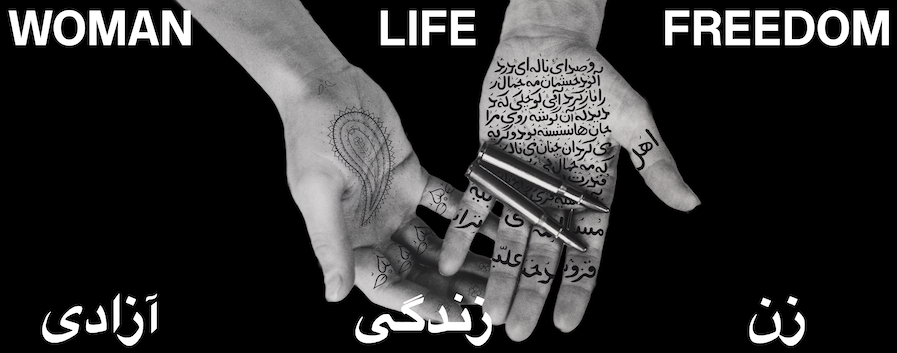
Shirin Neshat, Woman Life Freedom
In September 2022, the death of 22 year-old Mahsa (Zhina) Amini in the custody of Iran’s morality police ignited a wave of protests that rapidly evolved into one of the most significant popular uprisings in the history of the Islamic Republic. What began as an outcry against the compulsory hijab became a broader demand for dignity, bodily autonomy and political freedom. Across cities, villages and universities, women removed their headscarves, cut their hair and occupied public space with extraordinary courage. Soon, the slogan “Woman, Life, Freedom” echoed far beyond Iran’s borders, becoming a global call for solidarity with those risking…
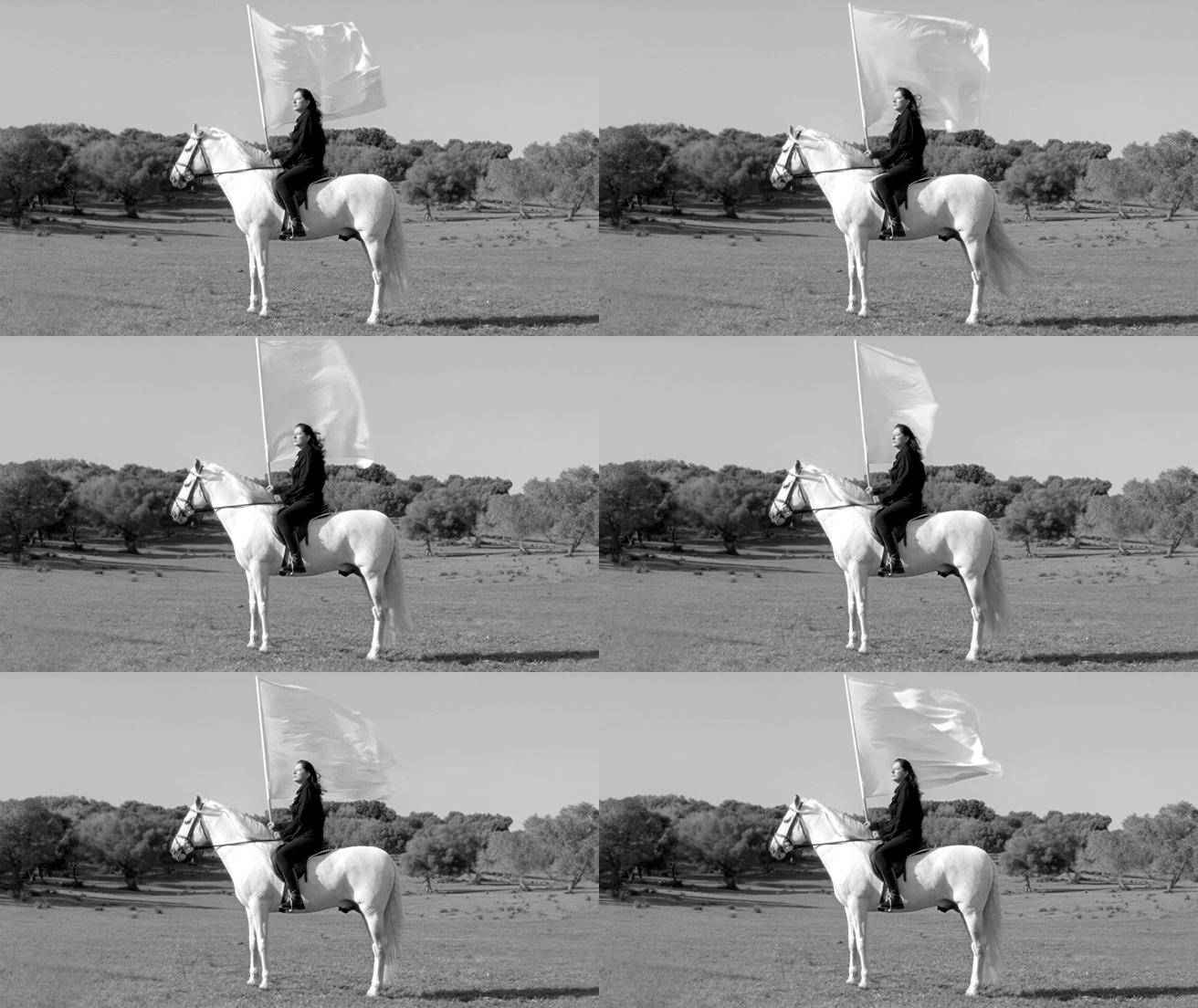
Marina Abramović, The Hero
Since antiquity, the mounted figure has occupied a central place in the visual imagination. Emperors, generals, conquerors and kings have been immortalised on horseback as symbols of authority, victory and power. From the equestrian monuments of ancient Rome to the military statues that continue to populate public squares around the world, the rider has traditionally embodied a particular vision of heroism, one closely tied to conquest, masculinity and the exercise of power. In The Hero (2001), Marina Abramović returns to this enduring archetype and quietly transforms it. Seated upon a white horse and carrying a white flag, she adopts the…
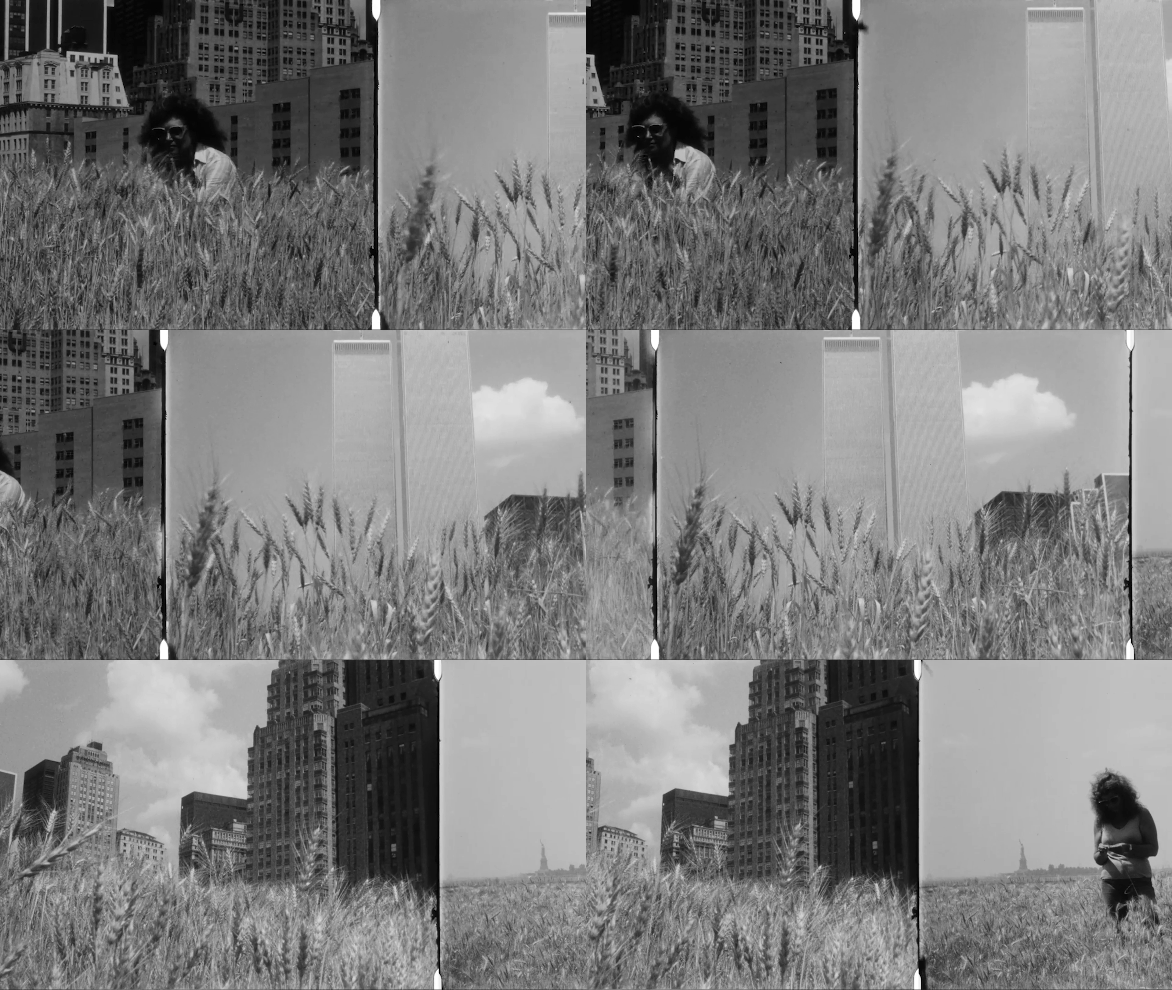
Agnes Denes, Another Confrontation
In May 1982, Agnes Denes planted a wheat field in the shadow of Wall Street. Stretching across two acres of landfill in lower Manhattan, Wheatfield – A Confrontation appeared where it seemingly had no right to exist. Surrounded by the towers of global finance, facing the Statue of Liberty and standing only blocks from the World Trade Center, the field introduced an ancient agricultural cycle into the symbolic centre of late twentieth-century capitalism. Over four months, wheat was sown, tended and harvested on land valued in the billions of dollars, exposing the contradictions between economic value and human necessity.
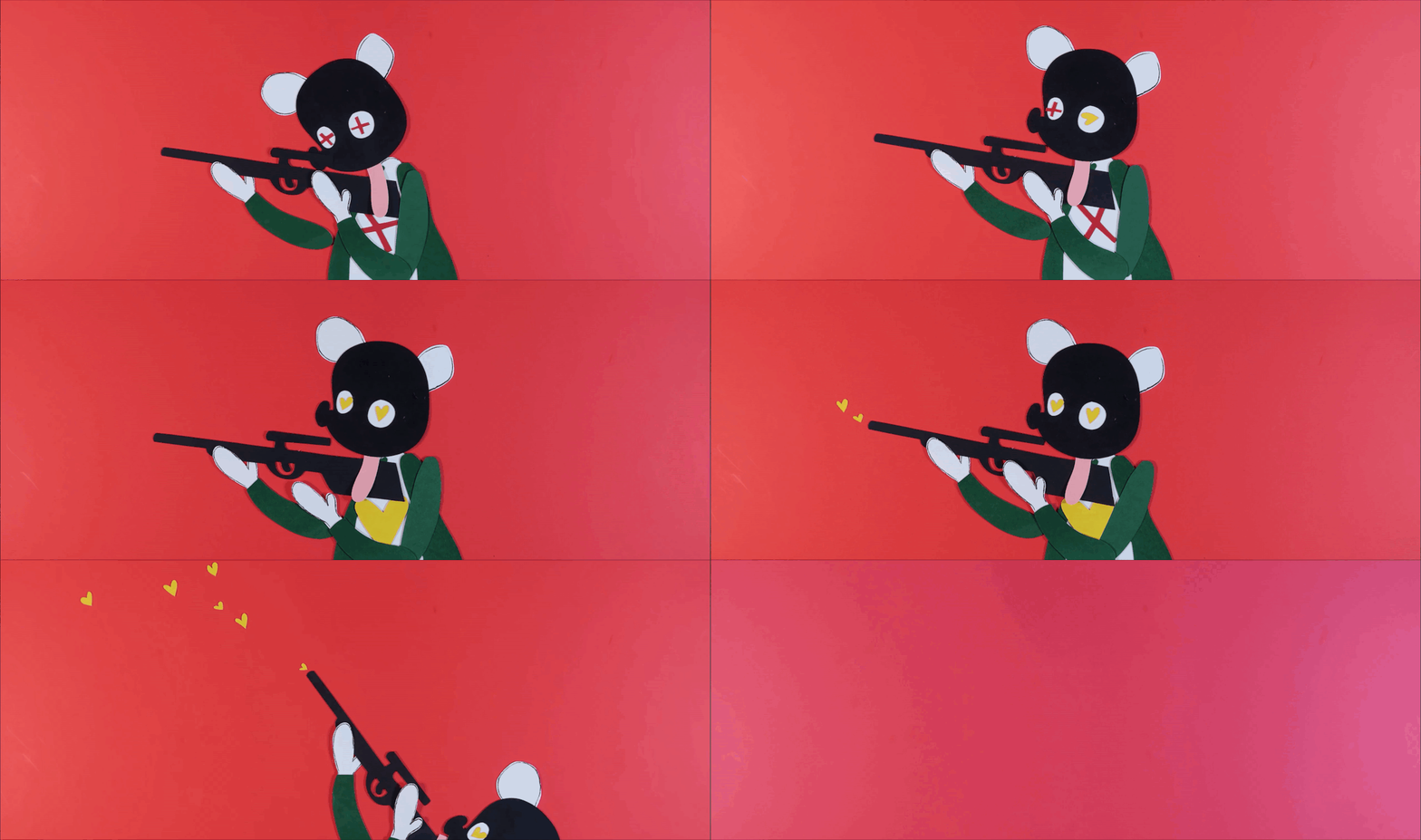
Simon Fujiwara, Hello Who?
Who are you? It is perhaps the simplest question imaginable and yet one that has become increasingly difficult to answer. In an age of infinite self-presentation, where identities are constructed, performed, consumed and circulated across digital networks with unprecedented speed, the search for an authentic self has become both a personal pursuit and a cultural obsession. For Hello Who?, Simon Fujiwara introduces audiences around the world to Who the Bær, a cartoon protagonist engaged in an endless search for meaning, belonging and self-definition. Appearing each evening across CIRCA’s global network of public screens, Who drifts through a sequence of questions…

Yoko Ono, Imagine Peace
For more than half a century, Yoko Ono has understood that a few words, placed in the right location at the right moment, can alter the atmosphere of a city. Long before artists routinely occupied billboards, screens and public advertising infrastructure, Ono recognised the street as a site of collective imagination. Throughout her practice, language has functioned not as description but as instruction. Emerging from the conceptual propositions of Grapefruit (1964), her sentences do not tell us what to think. Instead, they invite participation. They ask us to complete the work ourselves. Among the most enduring of these instructions is…
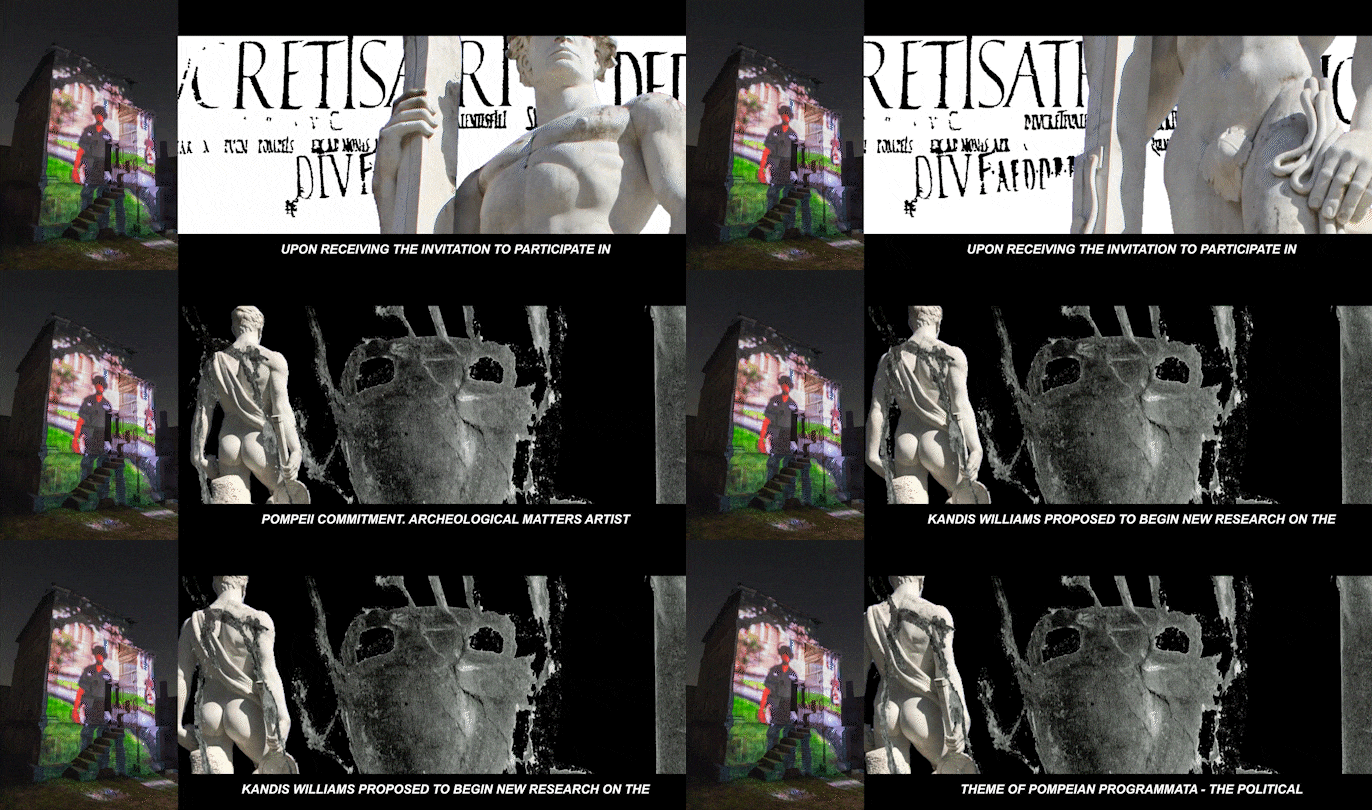
Cassandra Press, A Monument A Ruin
What remains when a civilisation disappears? For centuries, monuments have been understood as instruments of permanence. They are erected to commemorate victories, preserve histories and project authority into the future. Yet history repeatedly demonstrates that monuments are never fixed. They are reinterpreted, contested, vandalised, removed and rebuilt. Their meanings shift as societies change around them. Every monument contains the possibility of becoming a ruin. Every ruin contains the possibility of becoming a monument once again. These questions sit at the heart of A Monument A Ruin, a new commission by Cassandra Press, the publishing and educational platform founded…
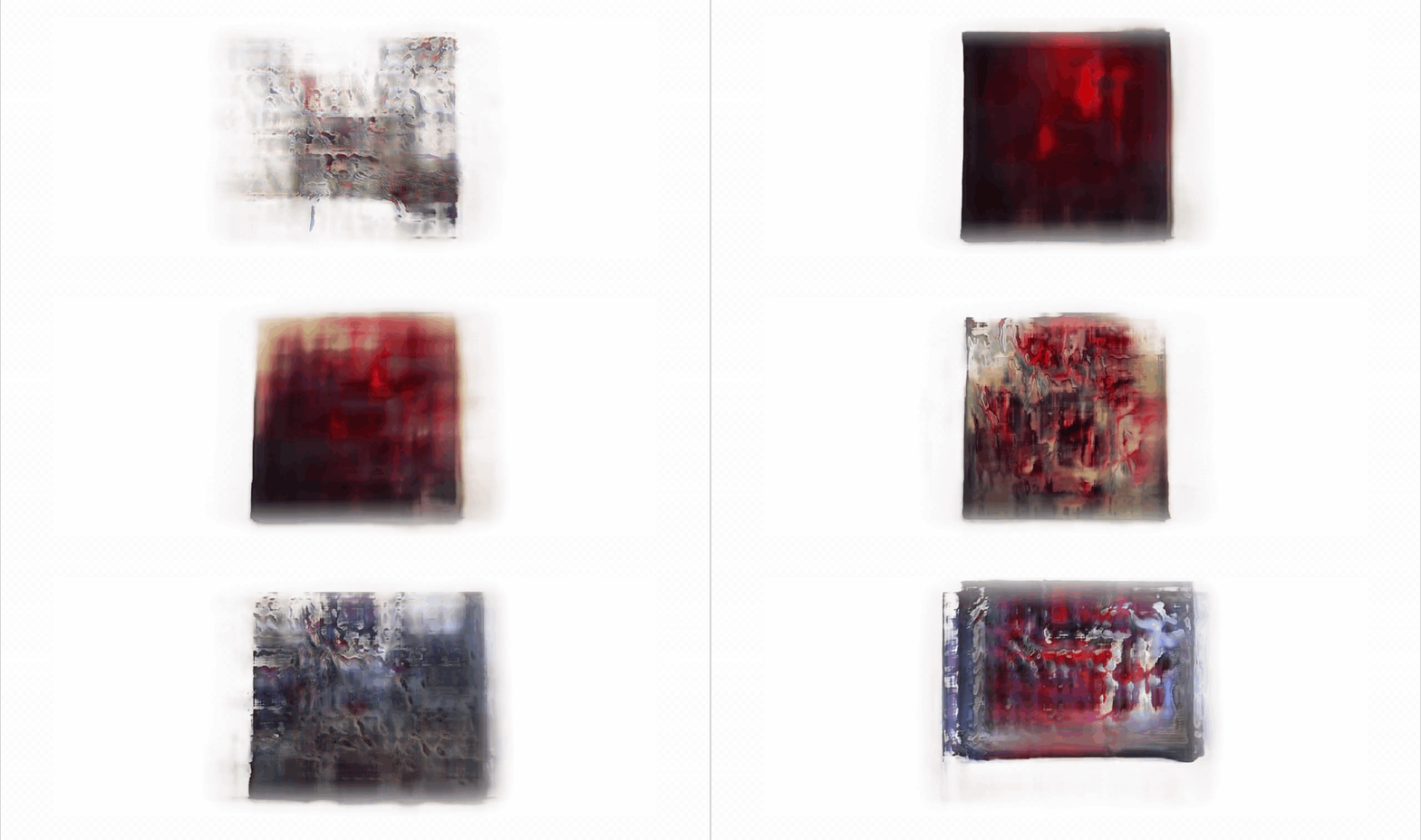
Arca, Untitled
The future has always belonged to those capable of imagining it differently. Long before technological innovation arrives, before political systems shift or social values transform, artists, writers and musicians begin the work of world-building, creating new languages through which reality itself can be reconsidered. From the speculative fictions of Ursula K. Le Guin and Octavia Butler to the radical acts of self-invention that define contemporary culture, imagination has remained one of humanity’s most powerful tools for resisting inevitability and expanding the horizon of what might be possible. Few artists embody this spirit more completely than Arca. Across music, performance, image-making…
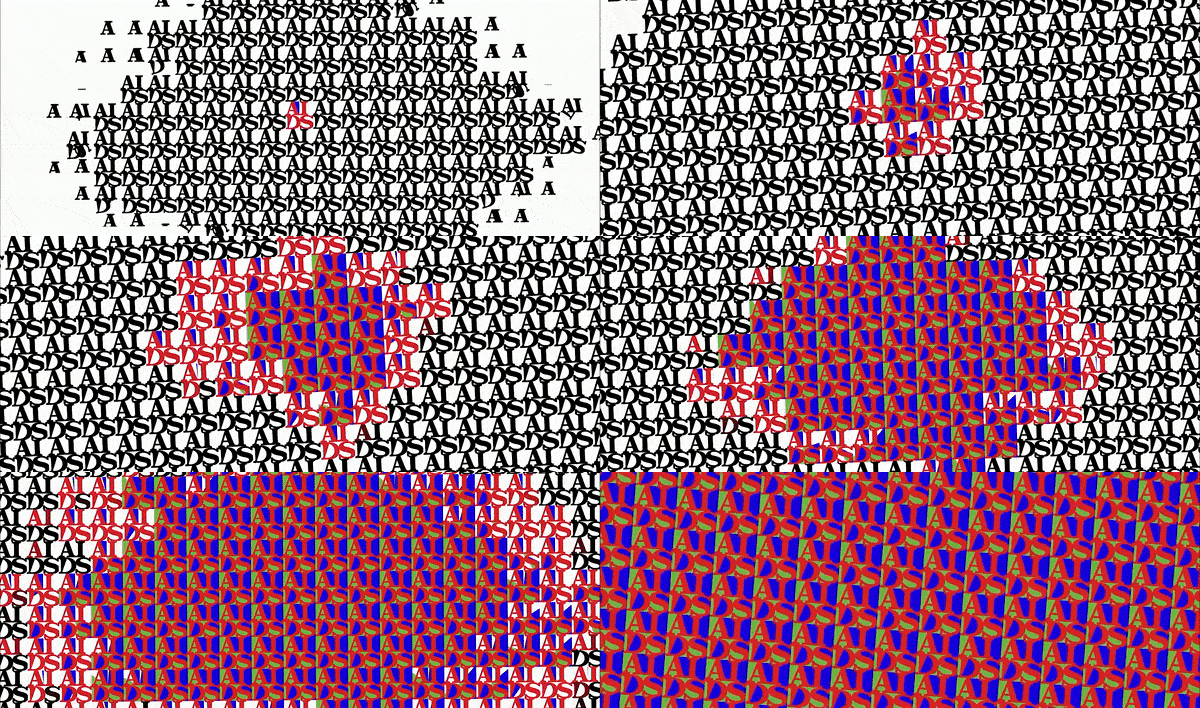
AA Bronson + General Idea, Videovirus
When the first cases of what would later become known as AIDS were reported in 1981, few could have imagined the scale of the devastation that would follow. Across the next two decades, the epidemic would claim millions of lives worldwide and leave an immeasurable void in cultural life. Artists, musicians, writers, filmmakers, activists and entire communities disappeared with alarming speed. For many queer people in particular, the period was marked by a relentless cycle of illness, grief and survival. Friends buried friends. Lovers buried lovers. An entire generation was diminished before it had the chance to fully realise its…
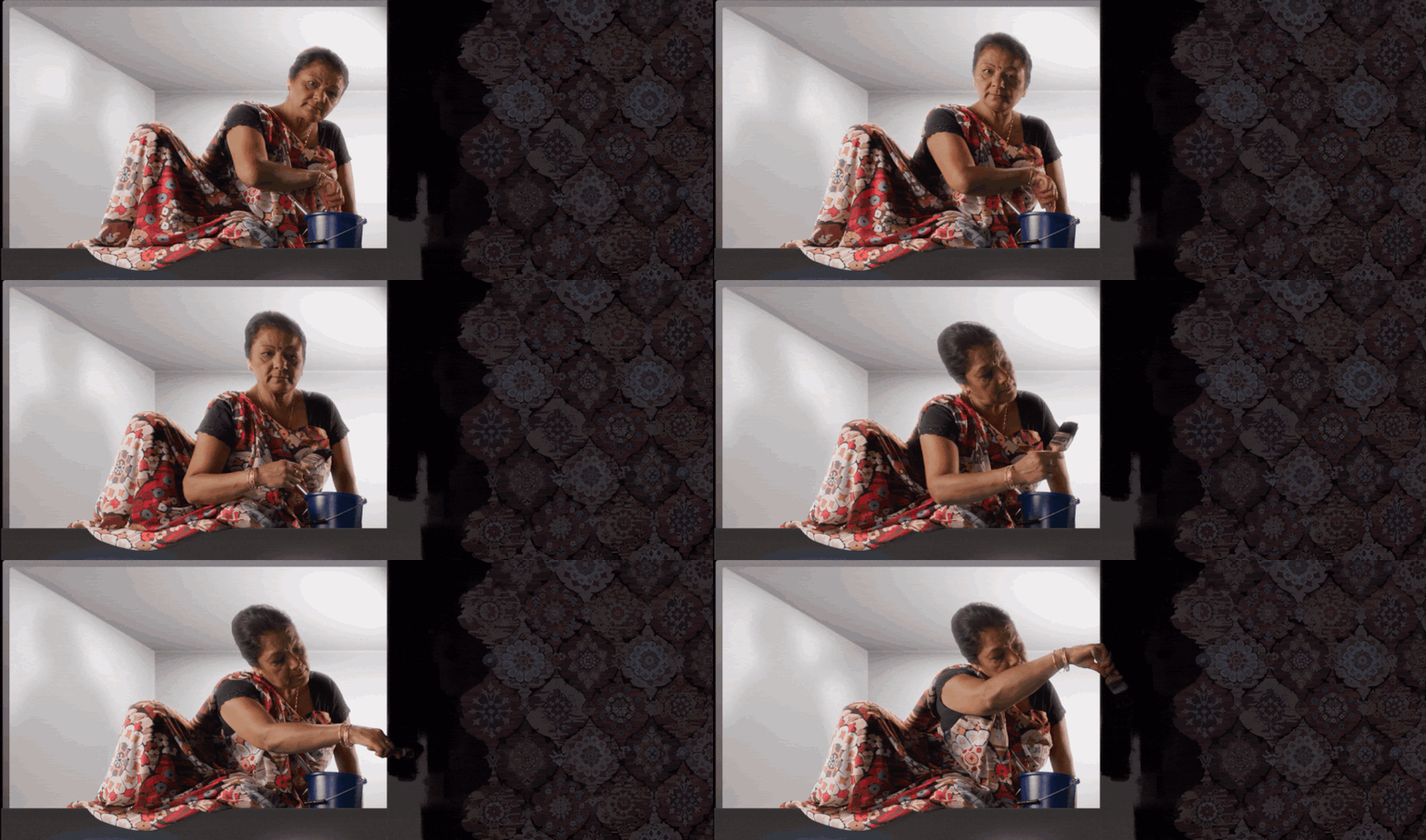
Hetain Patel, Baa’s House 11
For more than a century, the billboard has functioned as a theatre of aspiration. It is a space where celebrities, politicians, luxury brands and carefully constructed ideals of success compete for attention. Few places embody this more clearly than Piccadilly Circus, where the architecture of advertising has become inseparable from the architecture of the city itself. Yet the people who sustain and shape everyday life often remain absent from these public monuments of visibility. In November 2021, Hetain Patel interrupts this visual hierarchy with Baa’s House 11, a moving image commission that elevates a figure rarely represented at such scale:…
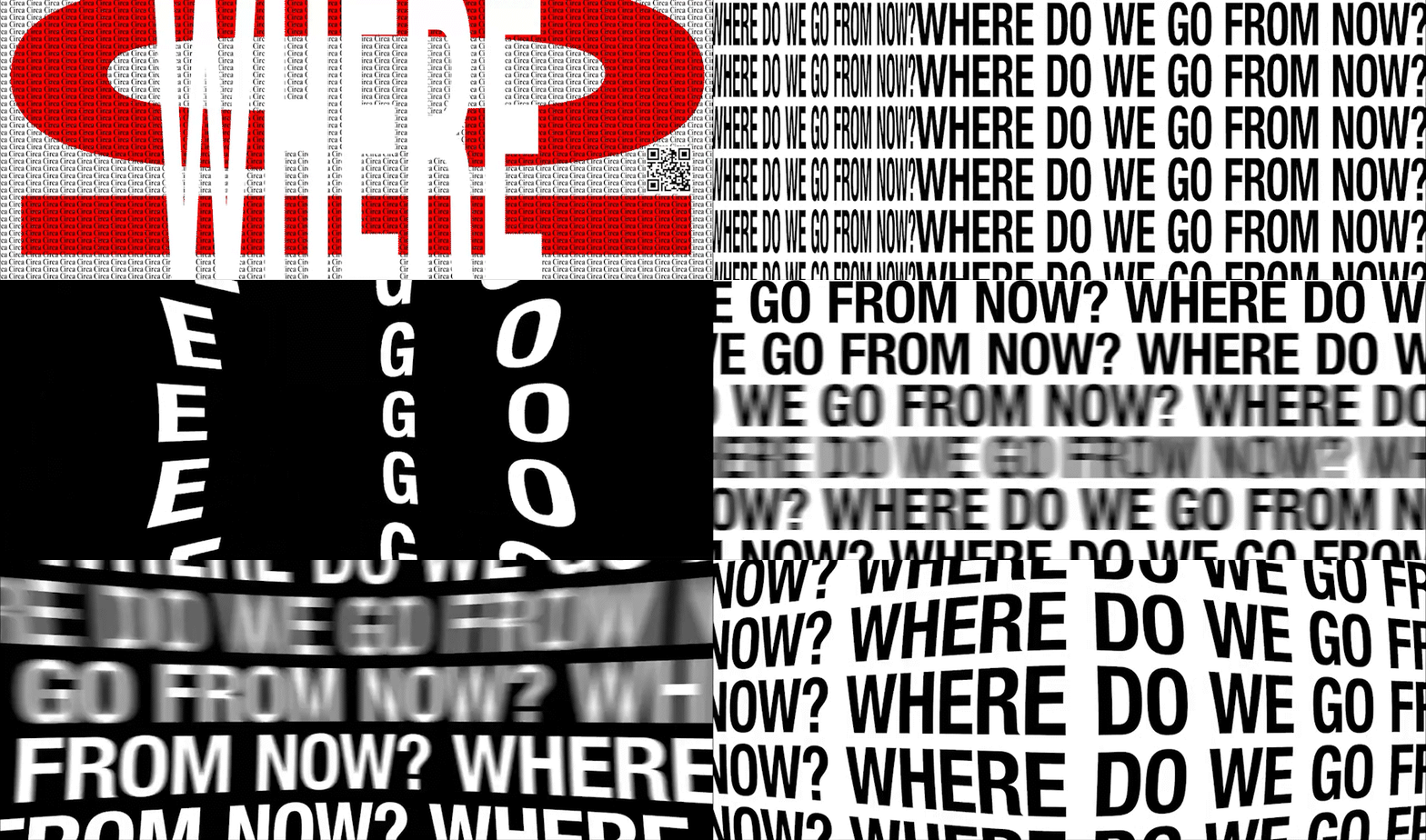
Where Do We Go From Now?
In October 2021, the world found itself suspended between crisis and possibility. The shock of the pandemic had exposed the fragility of systems once assumed permanent. Political certainties were eroding. Ecological warnings were becoming impossible to ignore. As world leaders prepared to gather in Glasgow for COP26, questions that had once seemed distant suddenly felt immediate. How do we live together? What kind of future remains possible? And perhaps most urgently, where do we go from now? Marking the first anniversary of CIRCA, this month-long public programme transformed some of the world’s most visible screens into a space for collective…
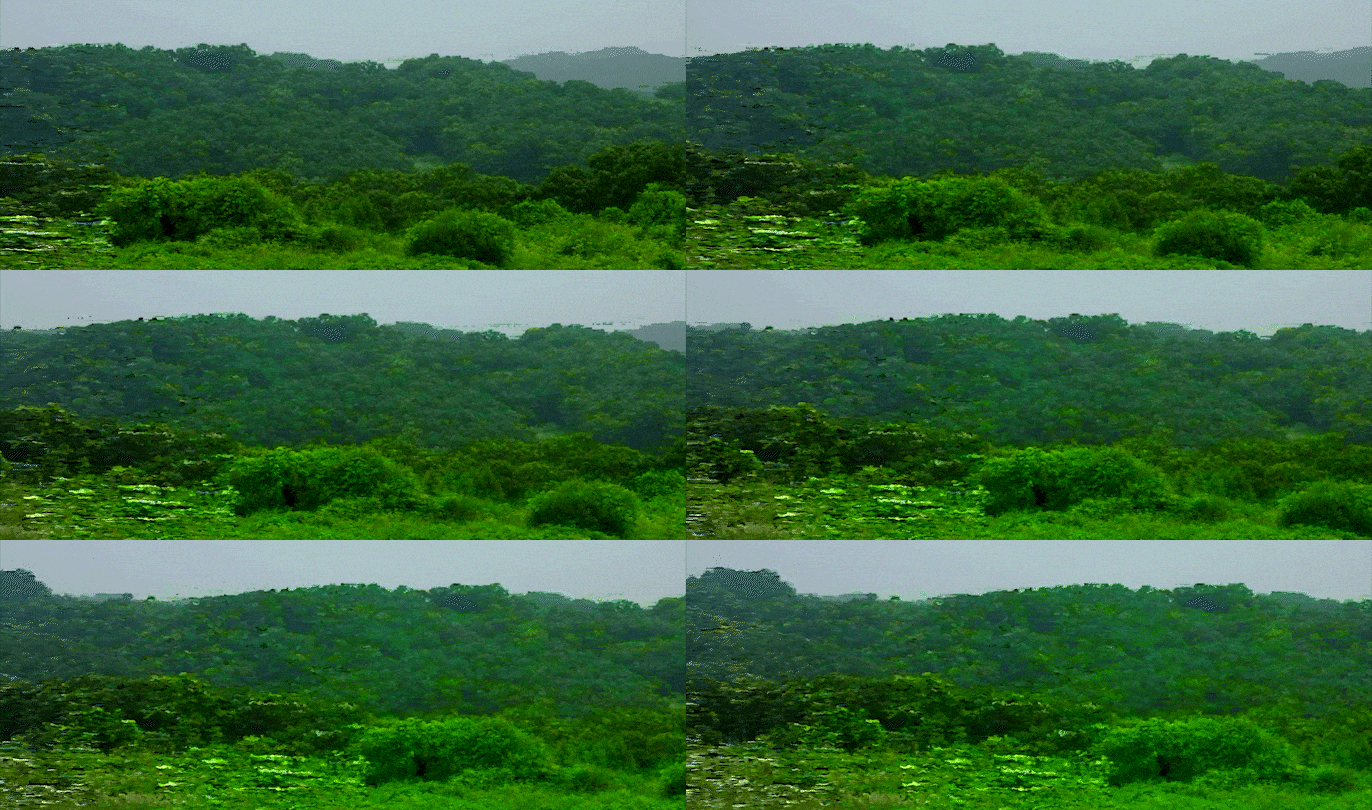
Sojung Jun, Green Screen
Few landscapes embody the contradictions of the twentieth century more completely than the Korean Demilitarized Zone. Created in the aftermath of war, fortified through decades of political division and largely inaccessible to human life, the DMZ stands as one of the most heavily militarised borders on earth. Yet within this scar of history, nature has quietly reclaimed its ground. Over seventy years of absence have transformed a landscape of conflict into an accidental sanctuary, where endangered species flourish across a territory suspended between two nations, two political systems and two competing visions of modernity. For her CIRCA commission, Seoul-based artist…
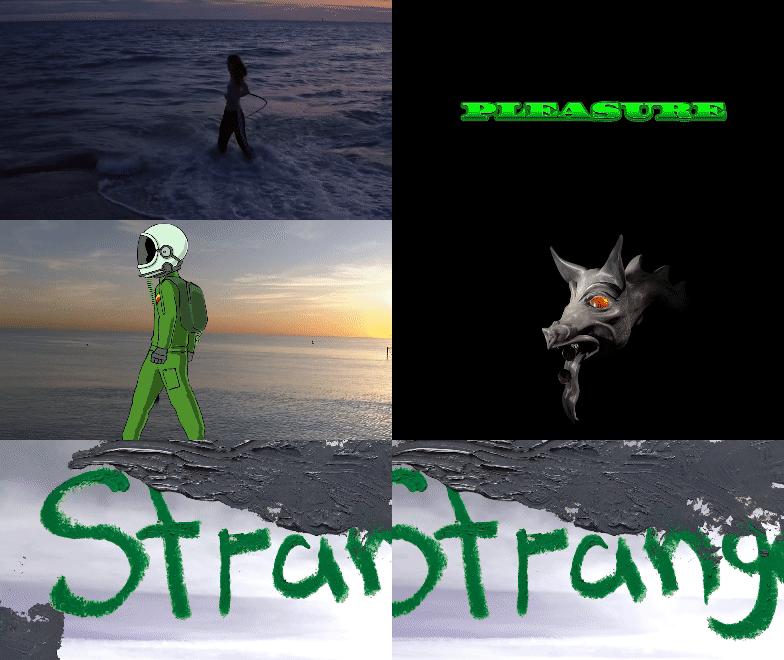
London Zeitgeist, Curated by Norman Rosenthal
In 1982, Sir Norman Rosenthal curated Zeitgeist at Berlin’s Martin-Gropius-Bau, an exhibition that sought to capture the spirit of a particular historical moment through the work of a generation of artists. Nearly 40 years later, Rosenthal returns to that idea with London Zeitgeist, a group exhibition presented by CIRCA across public screens in London, Seoul and Tokyo. The timing is significant. London in 2021 finds itself suspended between endings and beginnings. The United Kingdom has formally left the European Union. The pandemic has transformed public life. Questions surrounding race, identity, migration, sexuality and belonging occupy the centre of cultural debate.
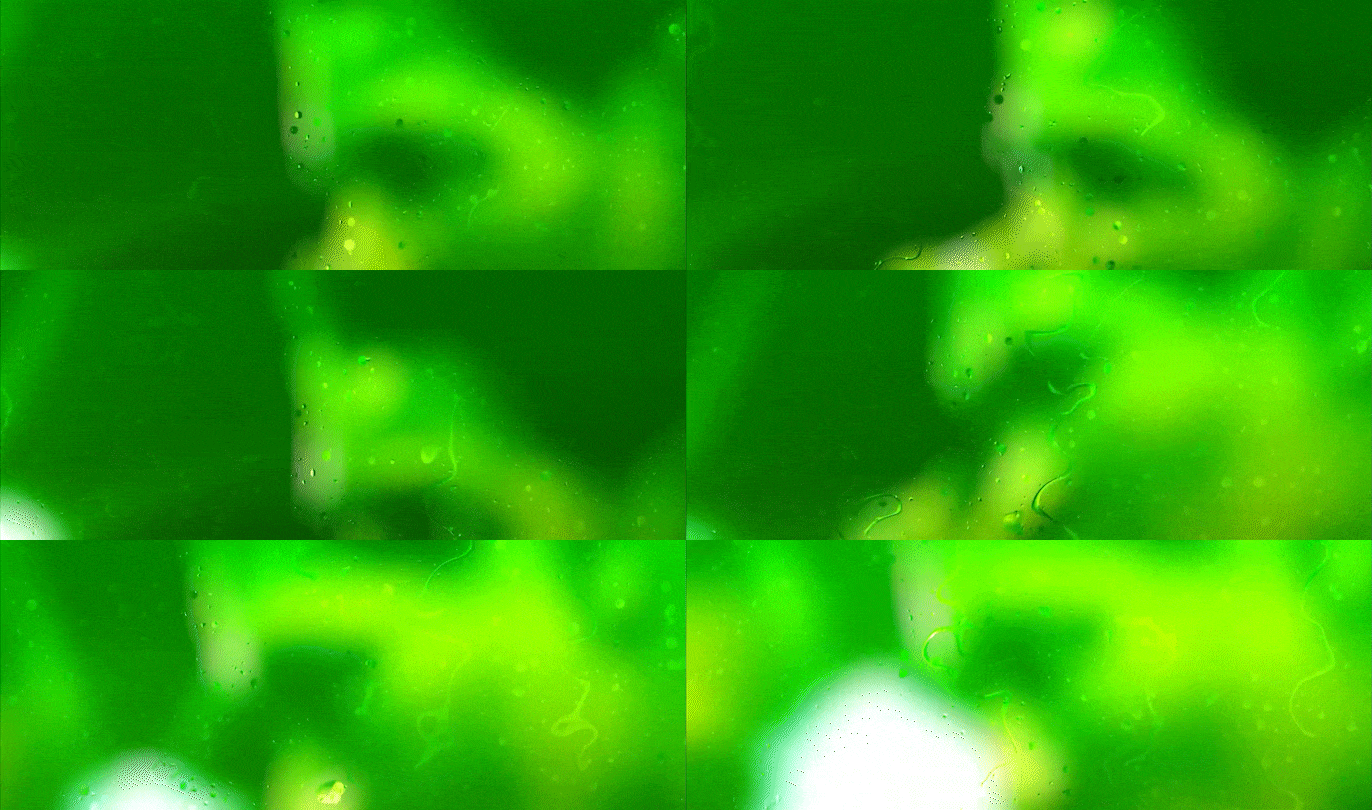
Nikita Gale, Some Weather
Weather is often described as background. It is the condition through which life unfolds rather than the subject of attention itself. We notice it when it becomes extreme, when rain interrupts a journey or heat alters the body, yet for the most part it remains atmospheric, shaping experience while rarely occupying the centre of perception. Nikita Gale’s Some Weather begins from a similar proposition. What if the forces that most profoundly shape culture are often those that remain in the background? What if certain forms of labour become so deeply woven into collective experience that they disappear from view altogether? Created…
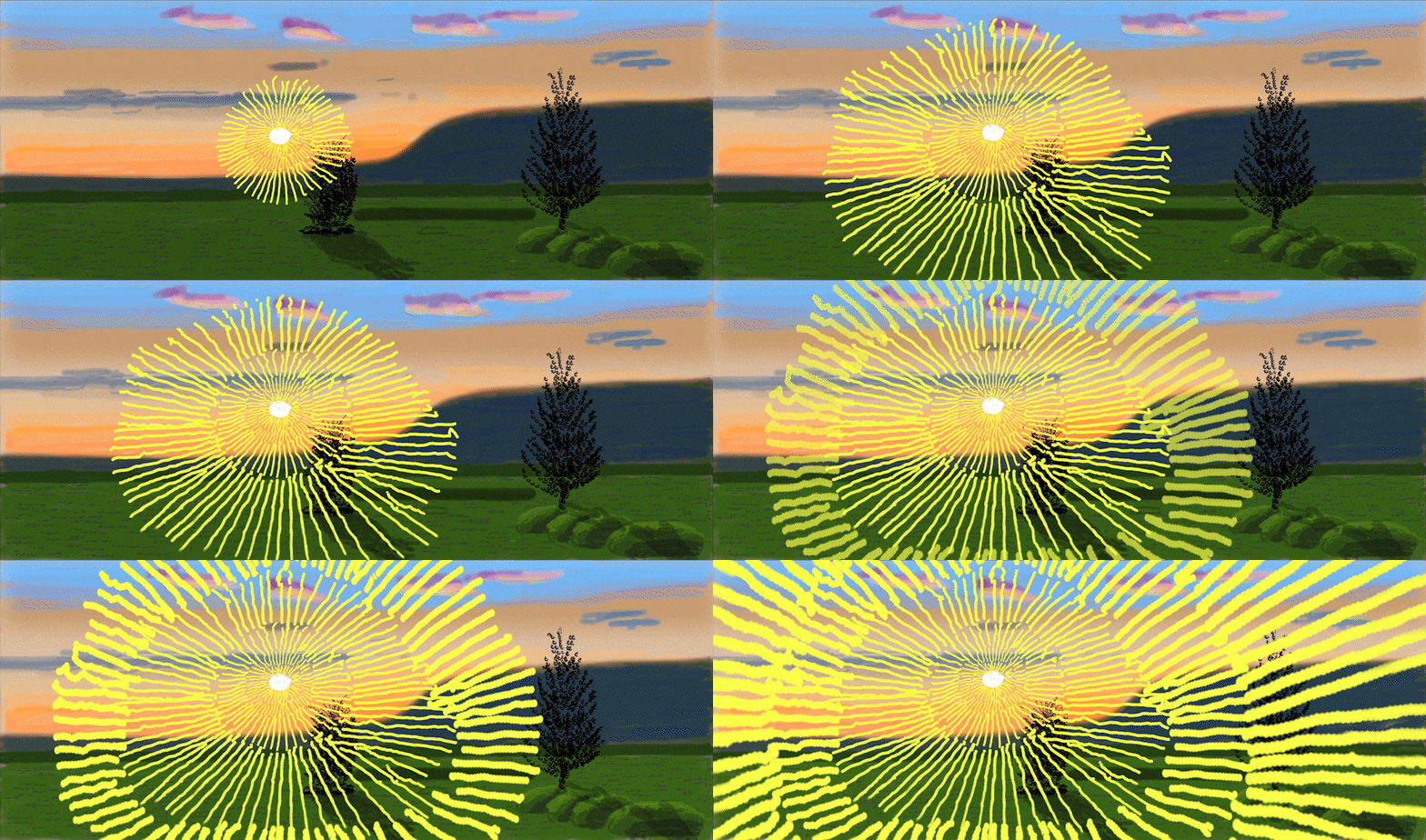
David Hockney, Remember you cannot look at the sun or death for very long
For CIRCA’s May 2021 commission, David Hockney presents Remember You Cannot Look at the Sun or Death for Very Long, a new animated work that transforms one of art history’s oldest and most enduring subjects into a global public encounter. Created on an iPad from the artist’s studio in Normandy, the animation follows the gradual emergence of dawn as a radiant sun rises above the horizon, its expanding rays eventually engulfing the entire image before revealing the work’s title in Hockney’s distinctive hand. The sunrise occupies a singular place in the history of art. From the idealised landscapes of Claude…
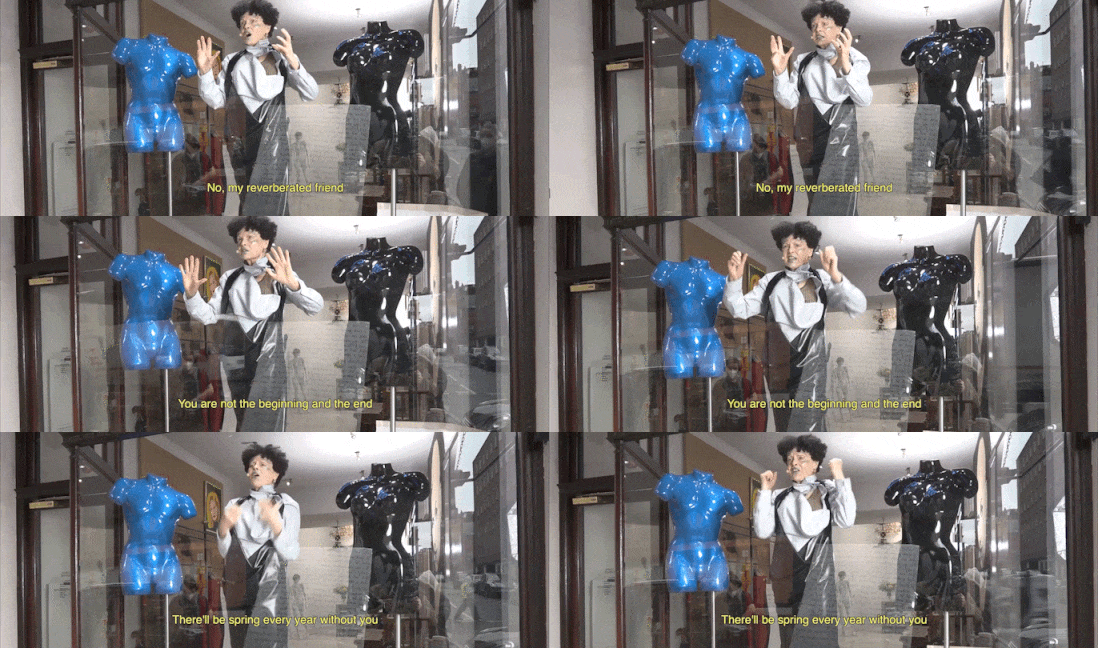
Vivienne Westwood, Don’t Buy a Bomb
On 8 April 2021, Vivienne Westwood celebrates her 80th birthday not with a retrospective, a runway show, or a reflection on her extraordinary career, but with a call to action. Presented by CIRCA on the screens of Piccadilly Circus, Do Not Buy A Bomb transforms one of the world’s most visible advertising sites into a platform for dissent, delivering a message that draws together the defining concerns of Westwood’s later life: climate change, war, economic inequality and the responsibility of culture to imagine alternatives. At the centre of the commission is a filmed performance in which…
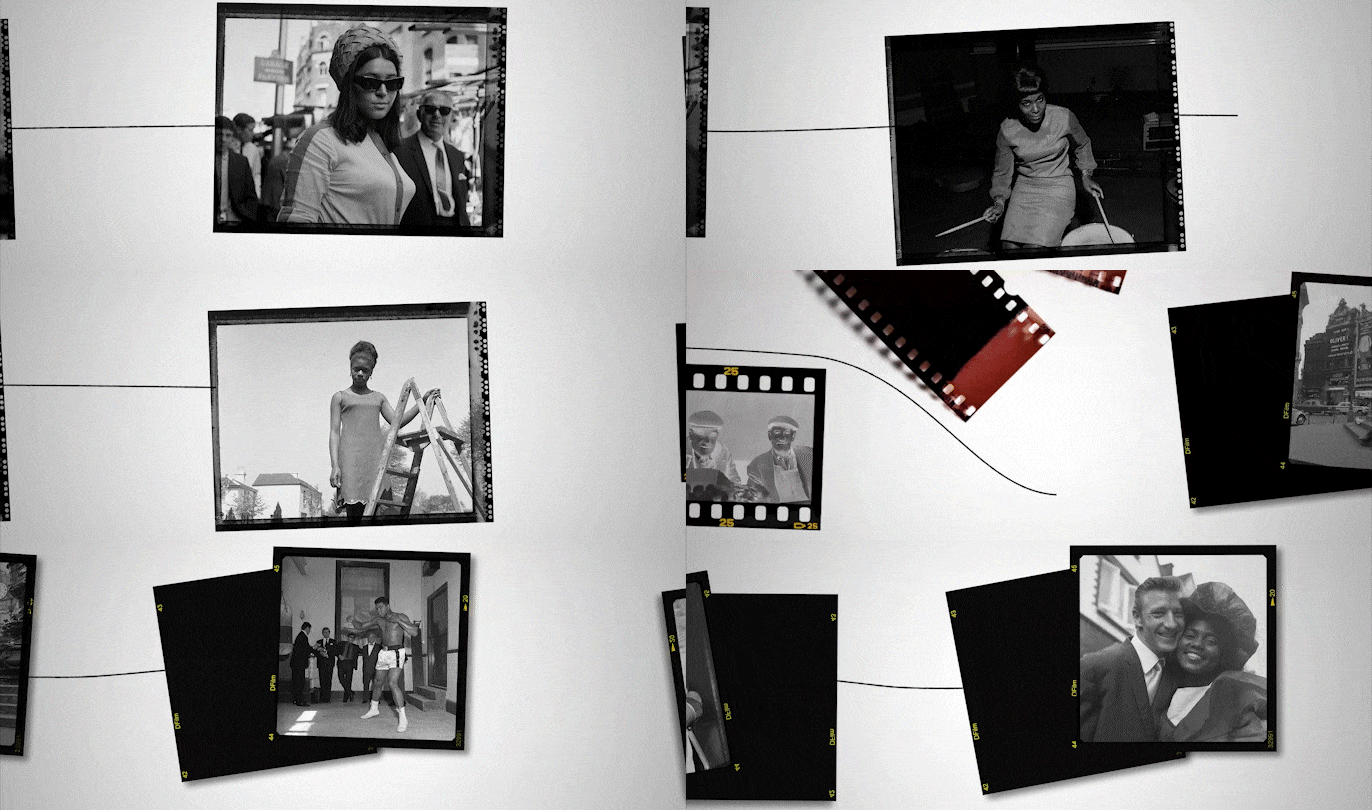
James Barnor, Past, Present, Future
One evening in 1967, James Barnor arrived in Piccadilly Circus with BBC Africa Service broadcaster Mike Eghan. Around them, London’s neon signs illuminated one of the busiest intersections in the world. Barnor positioned Eghan against this backdrop of light, movement and modernity and made a photograph that would come to define an era. Today, the image is recognised as one of the most important photographs in his archive, not only for what it depicts, but for what it represents: a moment when postwar Britain was being reshaped by new voices, new identities and new possibilities. More than fifty years later,…
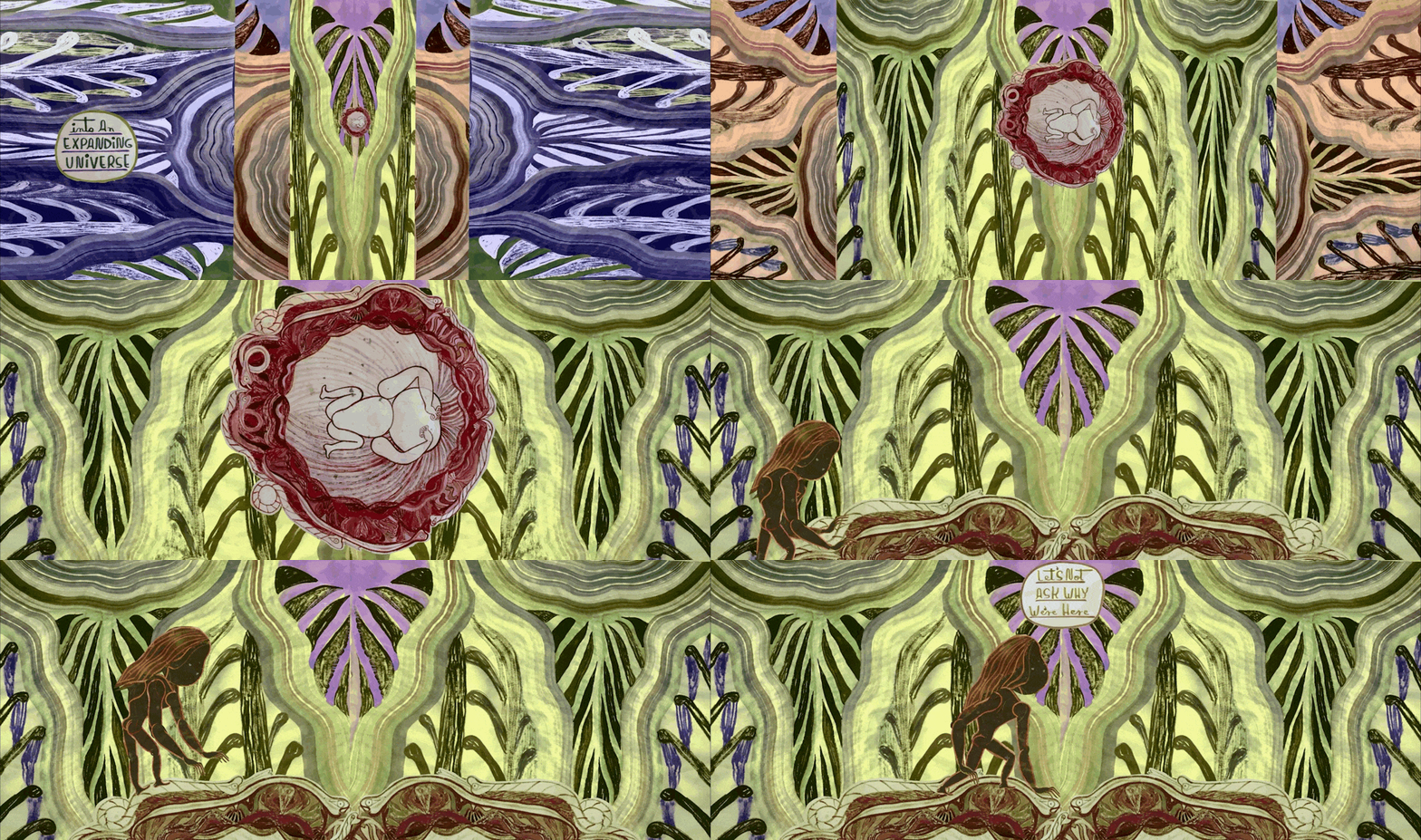
Emma Talbot, Four Visions for a Hopeful Future
What does a hopeful future look like? More importantly, how might we begin to imagine one? For CIRCA’s March 2021 commission, Emma Talbot presents Four Visions for a Hopeful Future, a sequence of animated works unfolding across Piccadilly Lights throughout the month. Appearing at the approach of spring and coinciding with International Women’s Day, the commission occupies a moment suspended between reflection and anticipation. A year after the onset of the COVID-19 pandemic, societies across the world find themselves poised between the collapse of familiar certainties and the possibility of profound transformation. Rather than asking how we return…
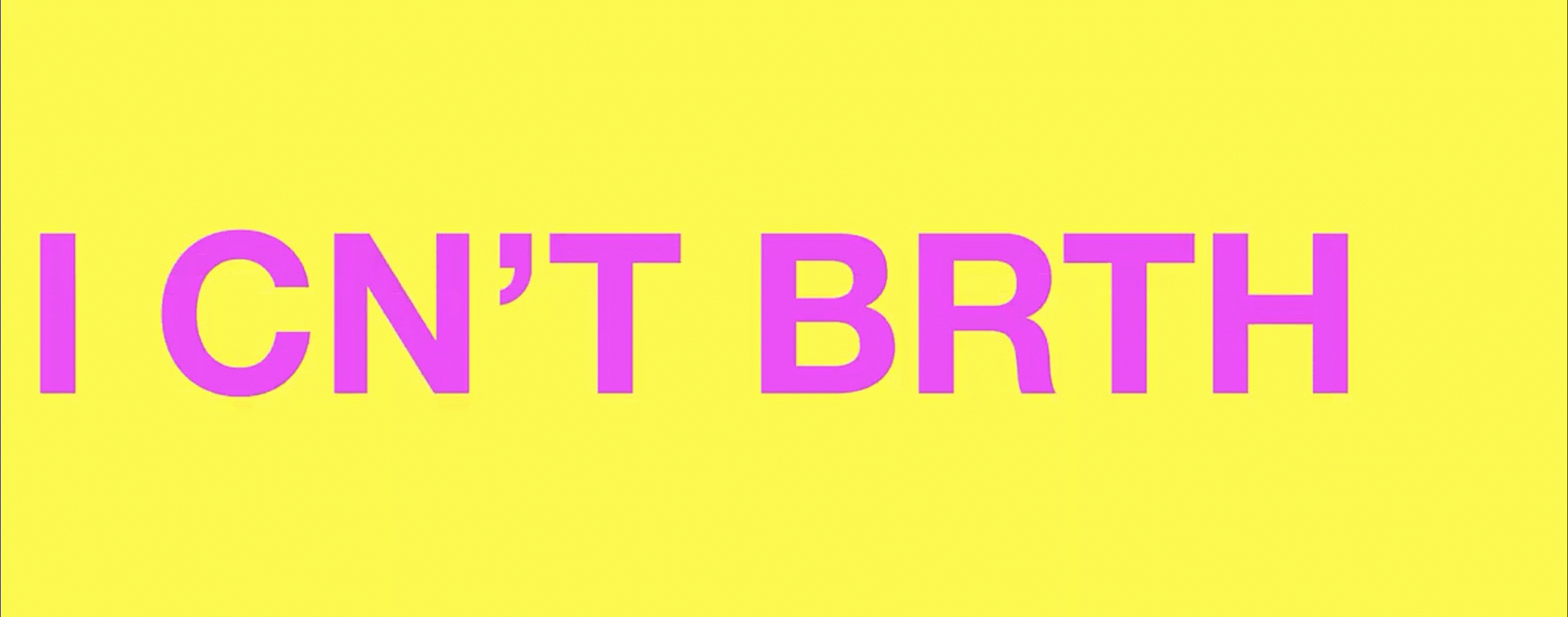
Tony Cokes, 4 Voices/4 Weeks
There are few months that divide so neatly. In February 2021, four exact weeks provide the structure for Tony Cokes’ commission 4 Voices / 4 Weeks, a work that unfolds across Piccadilly Lights through a sequence of texts, sounds and ideas drawn from four distinct voices. Each occupies the screen for seven days before giving way to the next. Together they form a meditation on language, power and public life at a moment when all three appear increasingly contested. The commission arrives during a period of extraordinary political and social reckoning. Nearly a year into the COVID-19 pandemic, public attention…
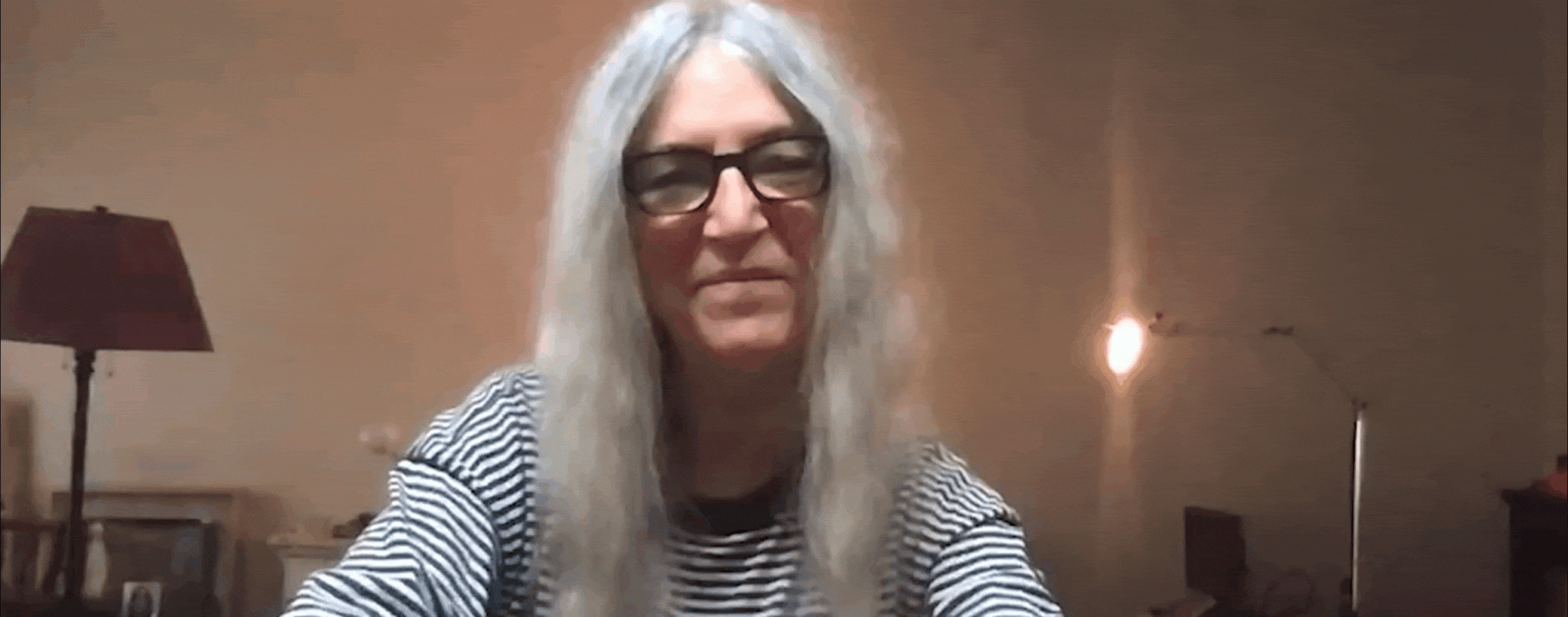
Patti Smith, A New Year
As 2021 begins, CIRCA presents a month-long programme by Patti Smith, inaugurating a new year with a series of poems, performances and reflections that consider renewal, remembrance and collective responsibility at a moment of profound global uncertainty. Appearing daily across Piccadilly Lights and online, the commission marks the beginning of CIRCA 2021 and a shift in focus from the crises of the previous year towards the possibilities, obligations and futures that lie ahead. The programme begins at midnight on 1 January with a special performance by Patti Smith and her band, presented as a tribute to one hundred…
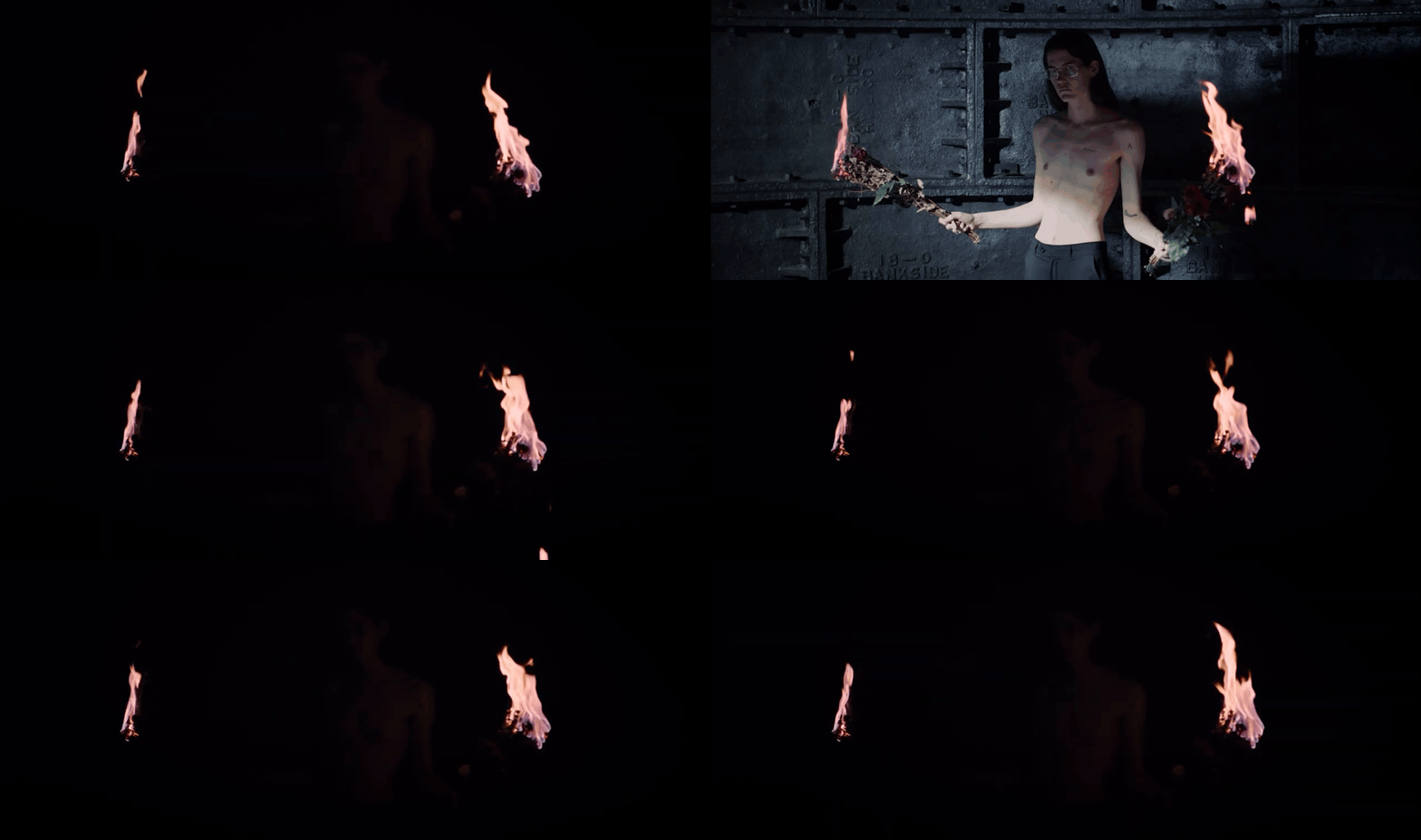
Anne Imhof, One
Throughout history, moments of transition have generated their own forms of ritual. From religious ceremonies marking the passing of seasons to civic celebrations welcoming the arrival of a new era, societies have repeatedly turned to symbolic acts to navigate periods of uncertainty and change. Presented in the final minutes of 2020, ONE occupies precisely such a threshold. As one year gives way to the next, Britain formally concludes its departure from the European Union, bringing to an end a political relationship that has shaped the continent for nearly half a century. Simultaneously, Europe remains in the grip of a pandemic…
Eddie Peake, A Dream Of A Real Memory
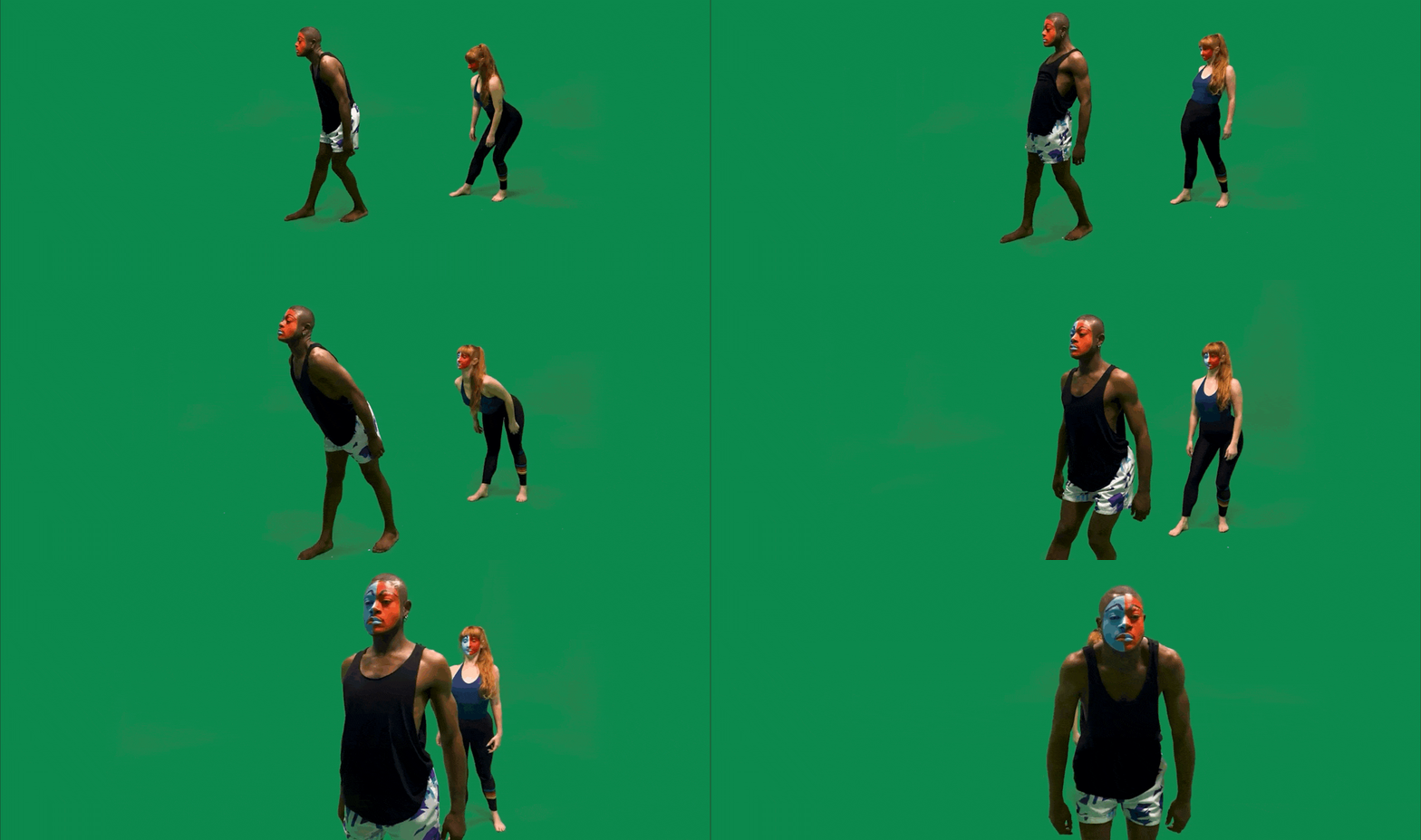
For CIRCA’s December 2020 commission, Eddie Peake presents A Dream of a Real Memory, a sixty-two-minute devised drama unfolding across Piccadilly Lights in daily two-minute episodes throughout the final month of the year. Set within an immersive green-screen cyclorama, the work follows three characters through a sequence of choreographed movements, gestures and encounters that hover between intimacy, performance and psychological projection. The film unfolds backwards. Beginning at what appears to be its conclusion, with exhausted performers, smudged make-up and the visible traces of exertion, the work gradually moves towards its own beginning. As the month progresses, bodies become less fatigued,…
Cauleen Smith, COVID Manifesto
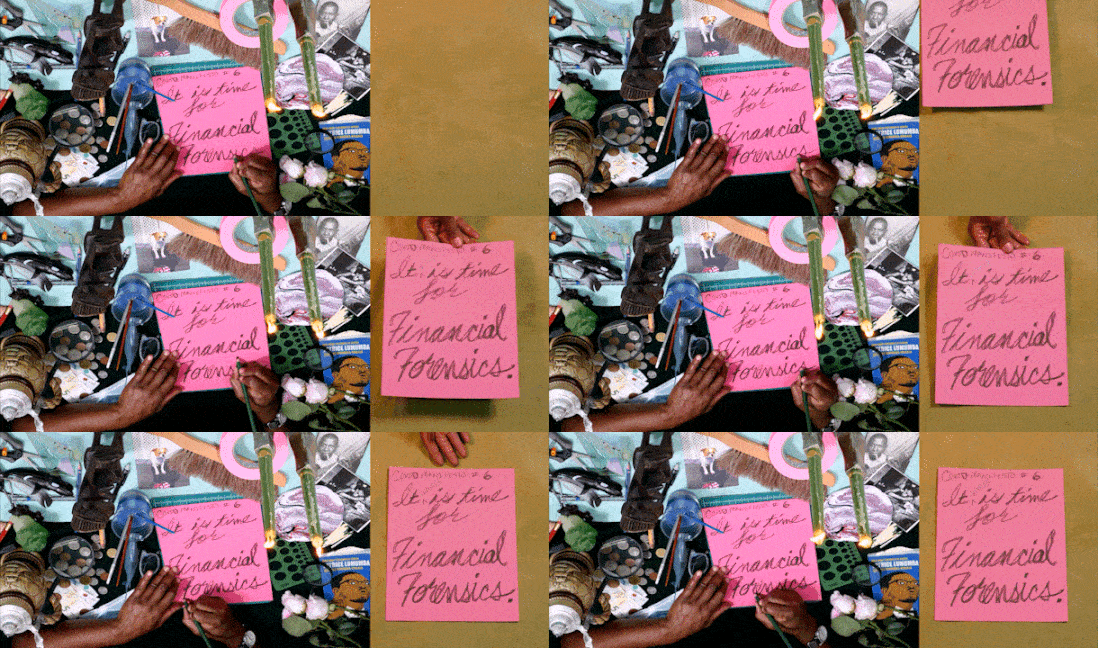
For CIRCA’s November 2020 commission, developed in collaboration with The Showroom, London, Cauleen Smith presents COVID MANIFESTO, an evolving sequence of twenty-three declarations unfolding across Piccadilly Lights throughout the month. Appearing one by one within a shifting tableau of books, notes, drawings and personal artefacts gathered on the artist’s desk, the work develops gradually over time. Seven intermissions drawn from Smith’s wider practice punctuate the sequence, creating a rhythm that moves between reflection, observation, critique and possibility. As much of the world remains suspended between lockdown and uncertainty, COVID MANIFESTO emerges from a simple but urgent question: what exactly are…

Ai Weiwei, CIRCA 2020
CIRCA 2020 inaugurates a new proposition for public space. Each evening at 20:20 GMT, one of the world’s most recognisable advertising screens pauses its commercial programming and becomes a platform for contemporary art. Taking its name from both the year in which it is conceived and the curatorial premise that underpins it, CIRCA invites artists to consider the world as it unfolds around us: circa now. The timing is significant. October 2020 arrives amid a period of profound uncertainty. Across much of the world, public life has been reshaped by the COVID-19 pandemic. Movement is restricted, institutions are under pressure…