fbpx Kembra Pfahler, The Manual of Action | CIRCA

CIRCA 2024

Kembra Pfahler, The Manual of Action

8 April - 30 June, 2024

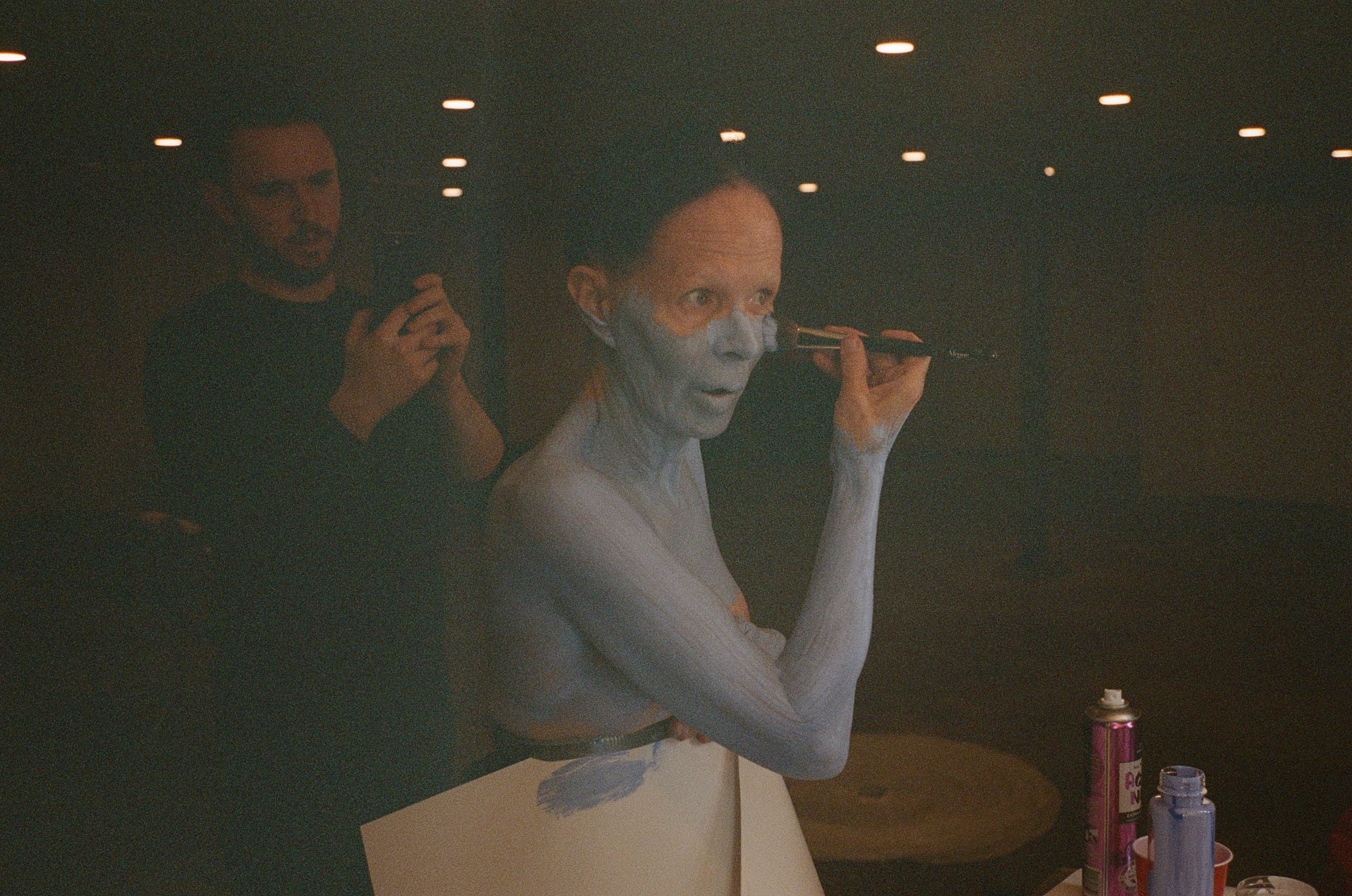
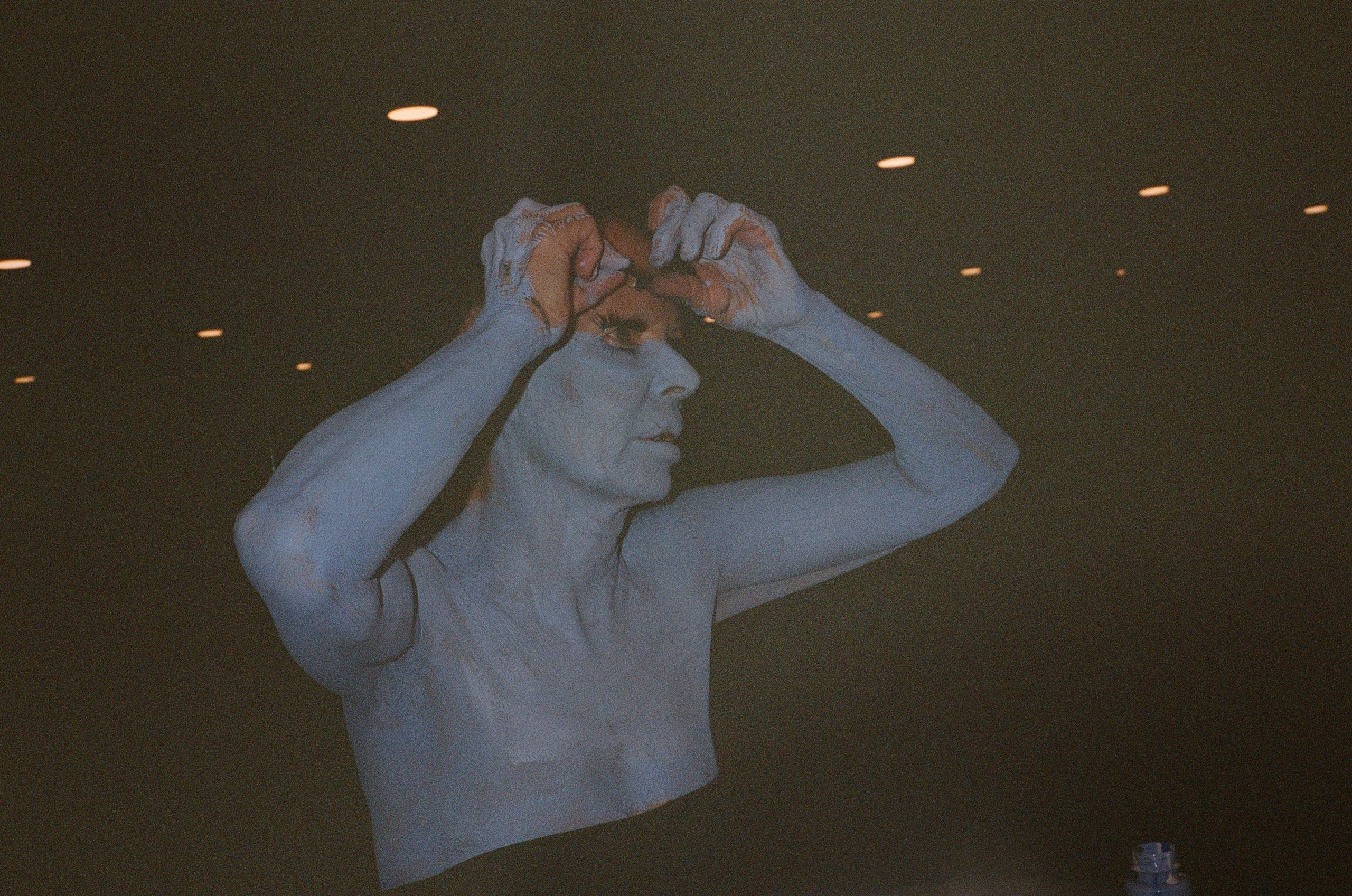
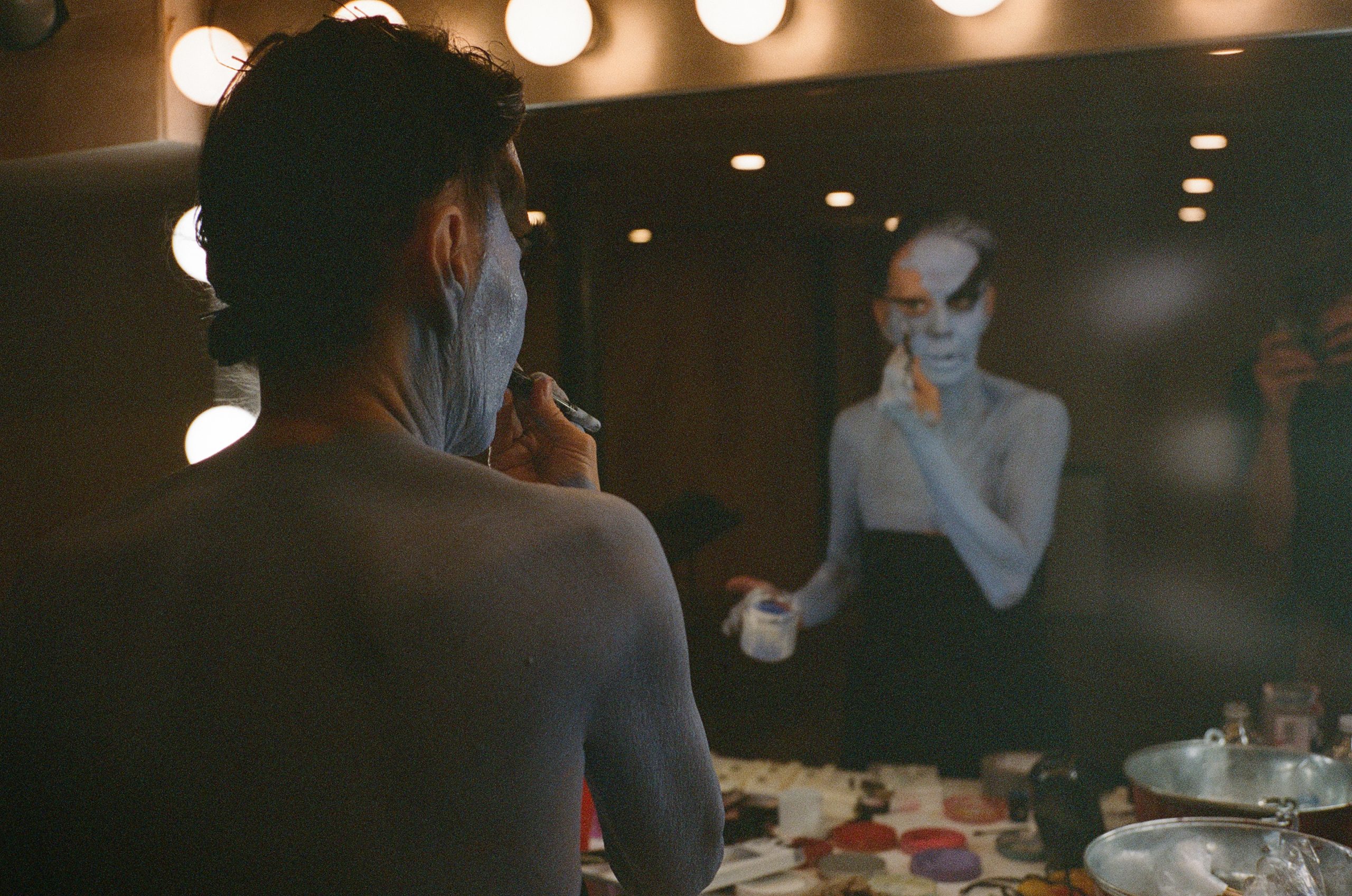
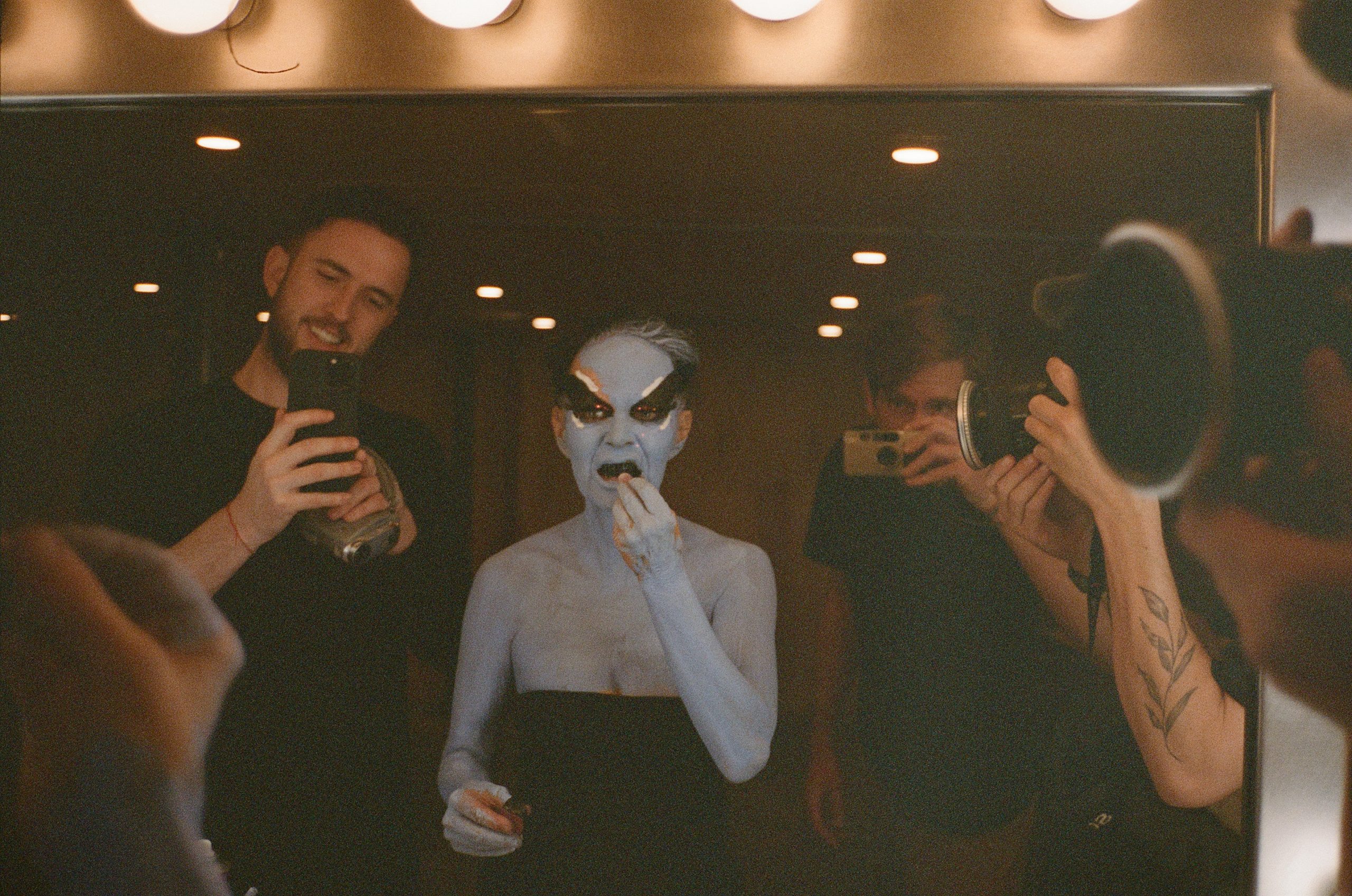
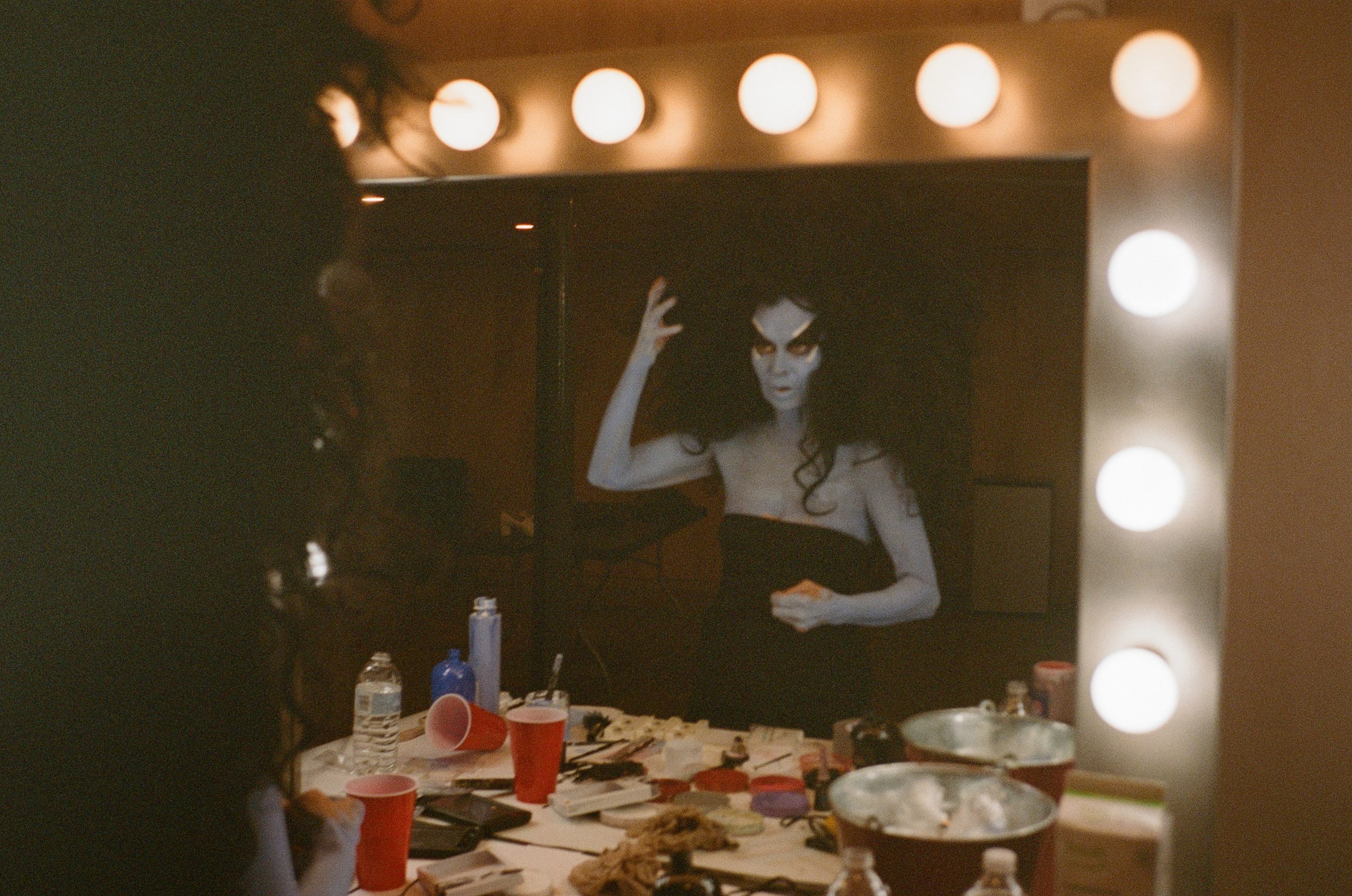
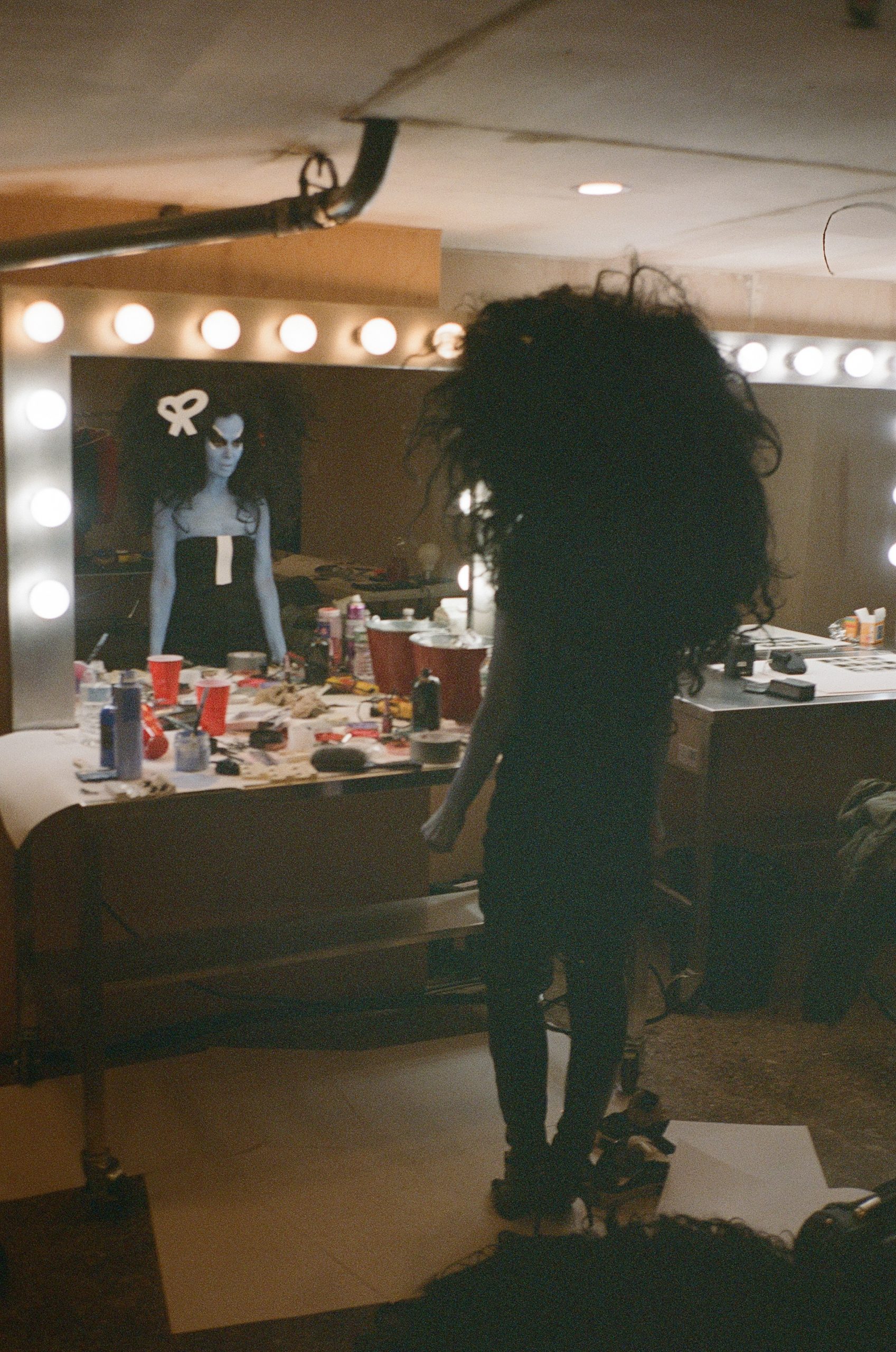
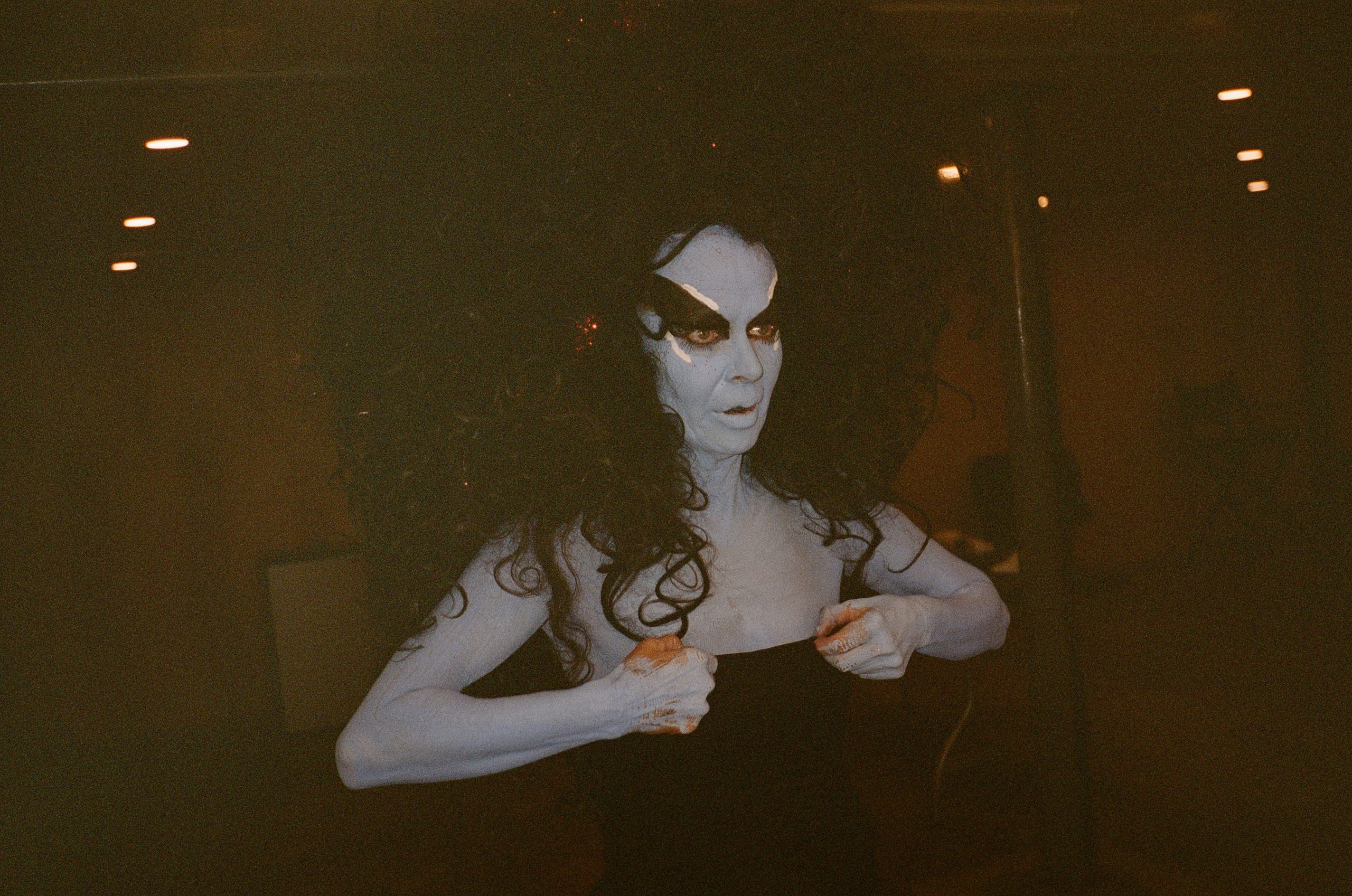
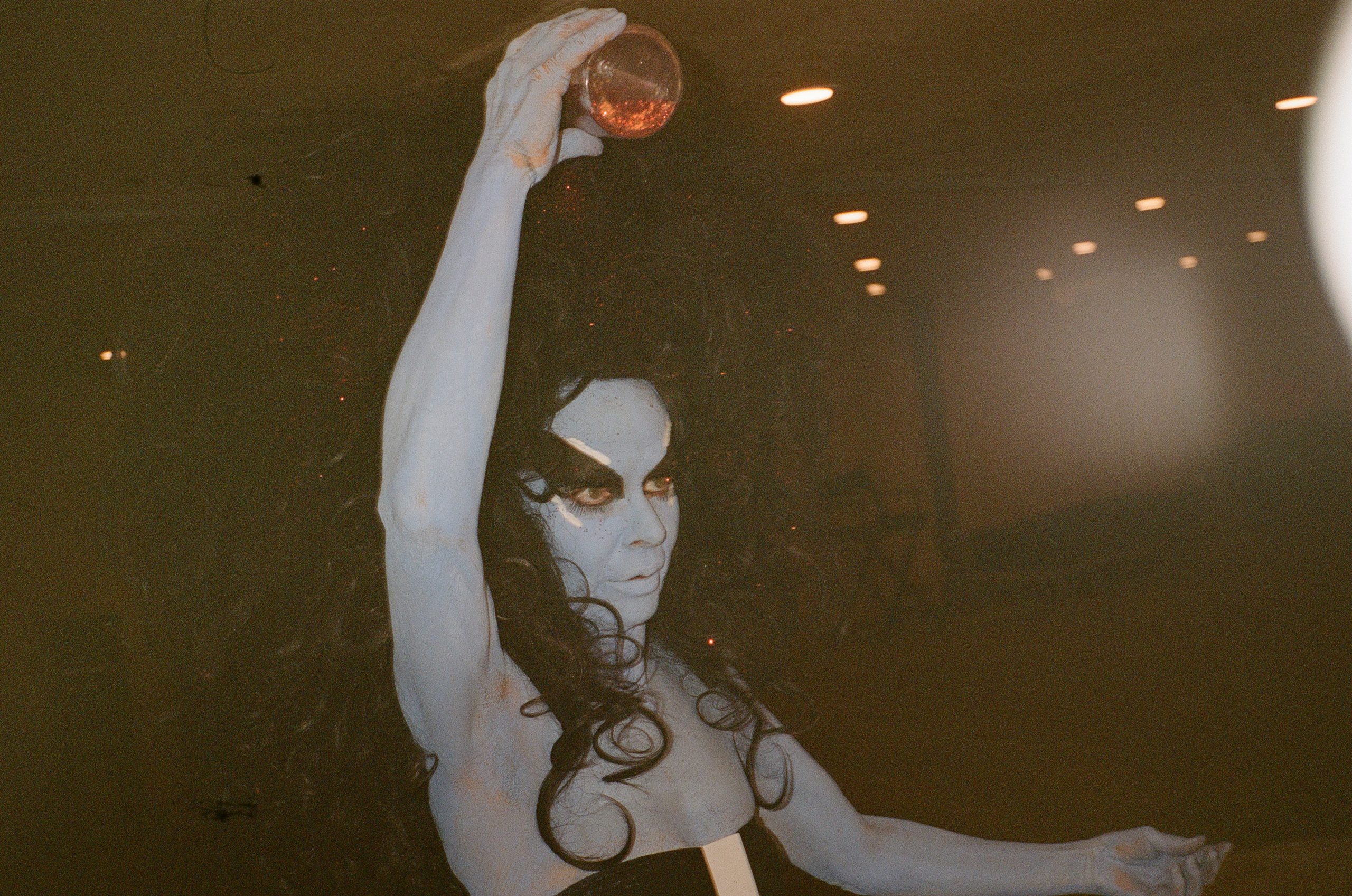
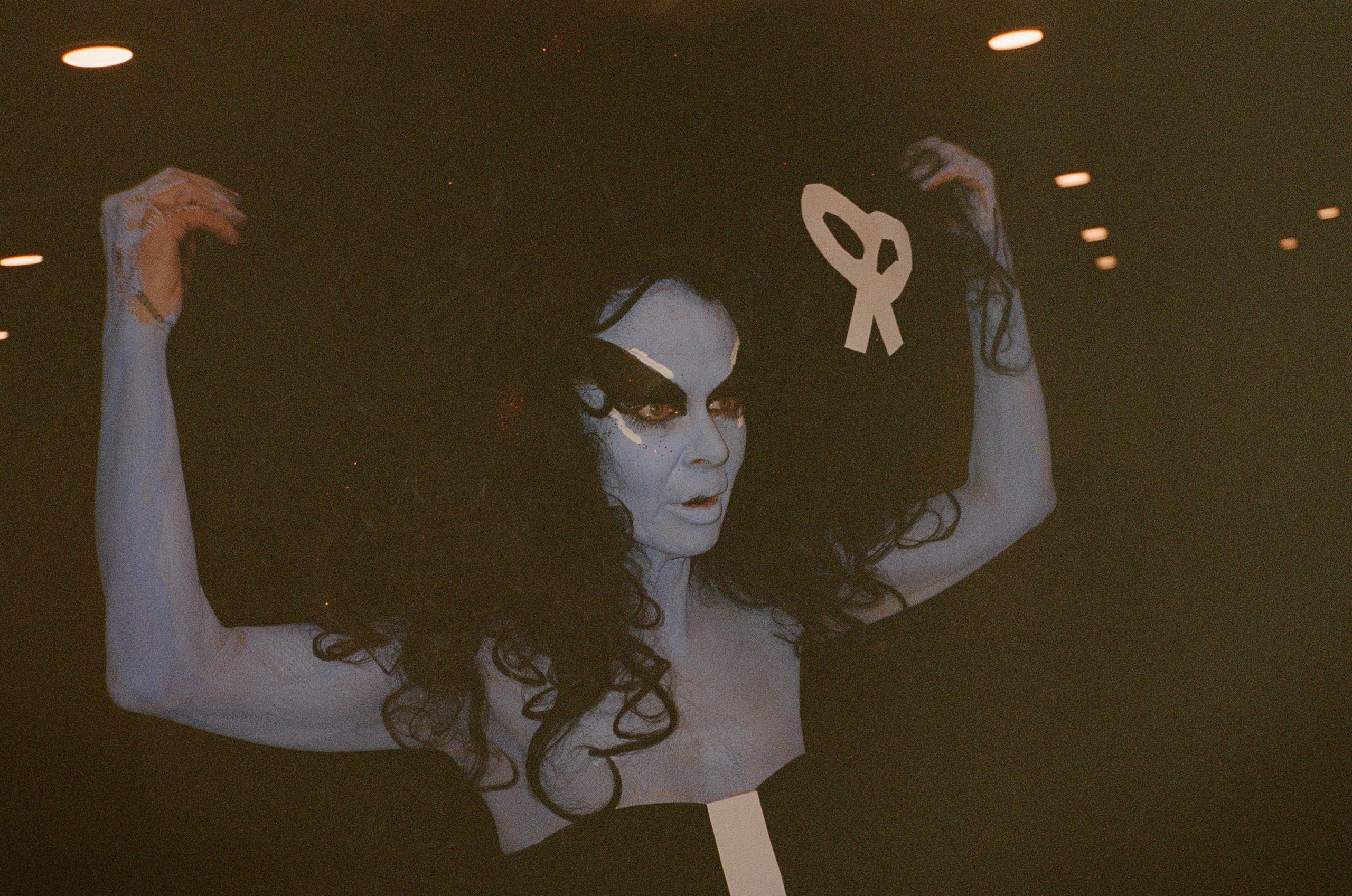
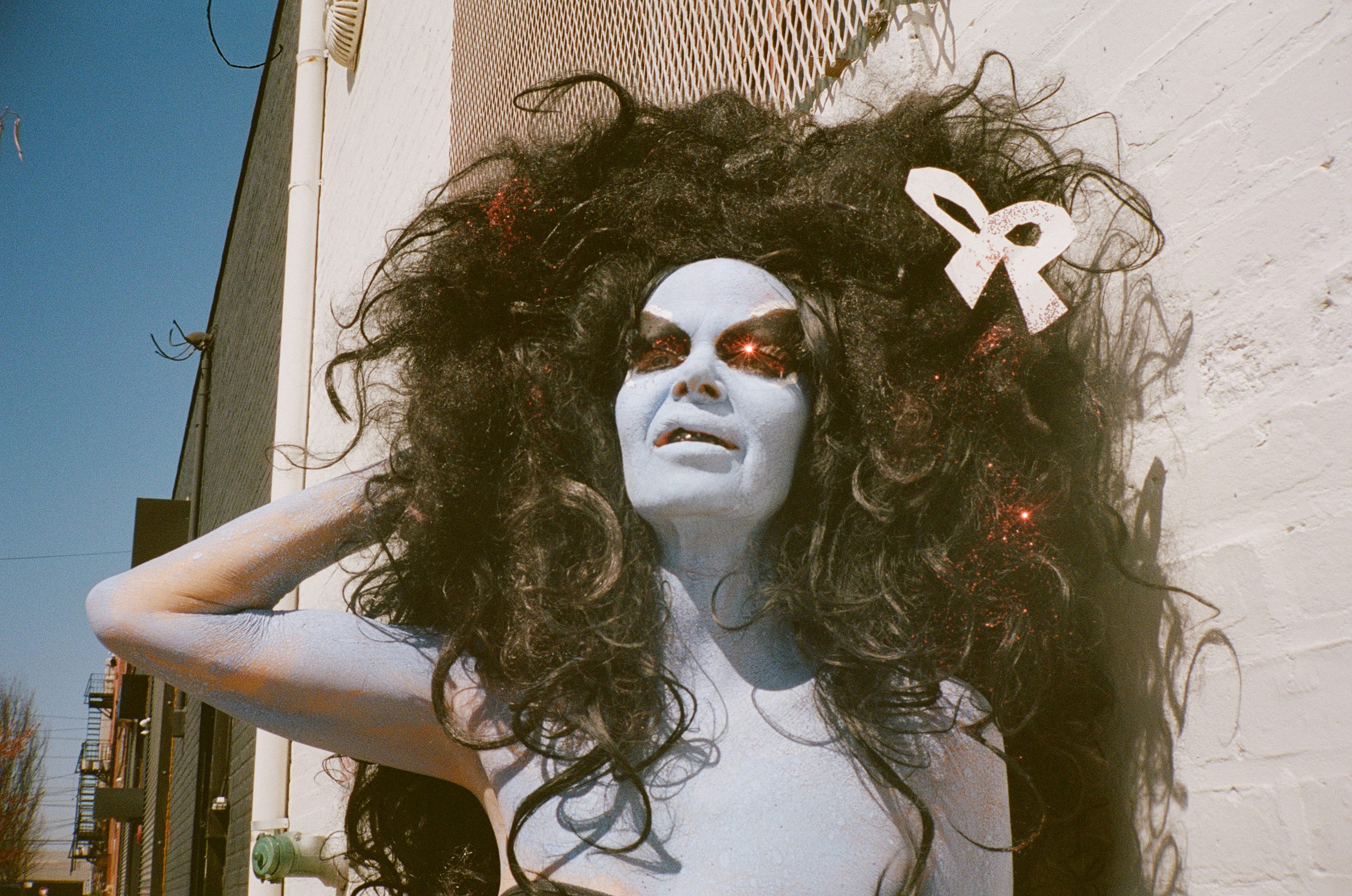
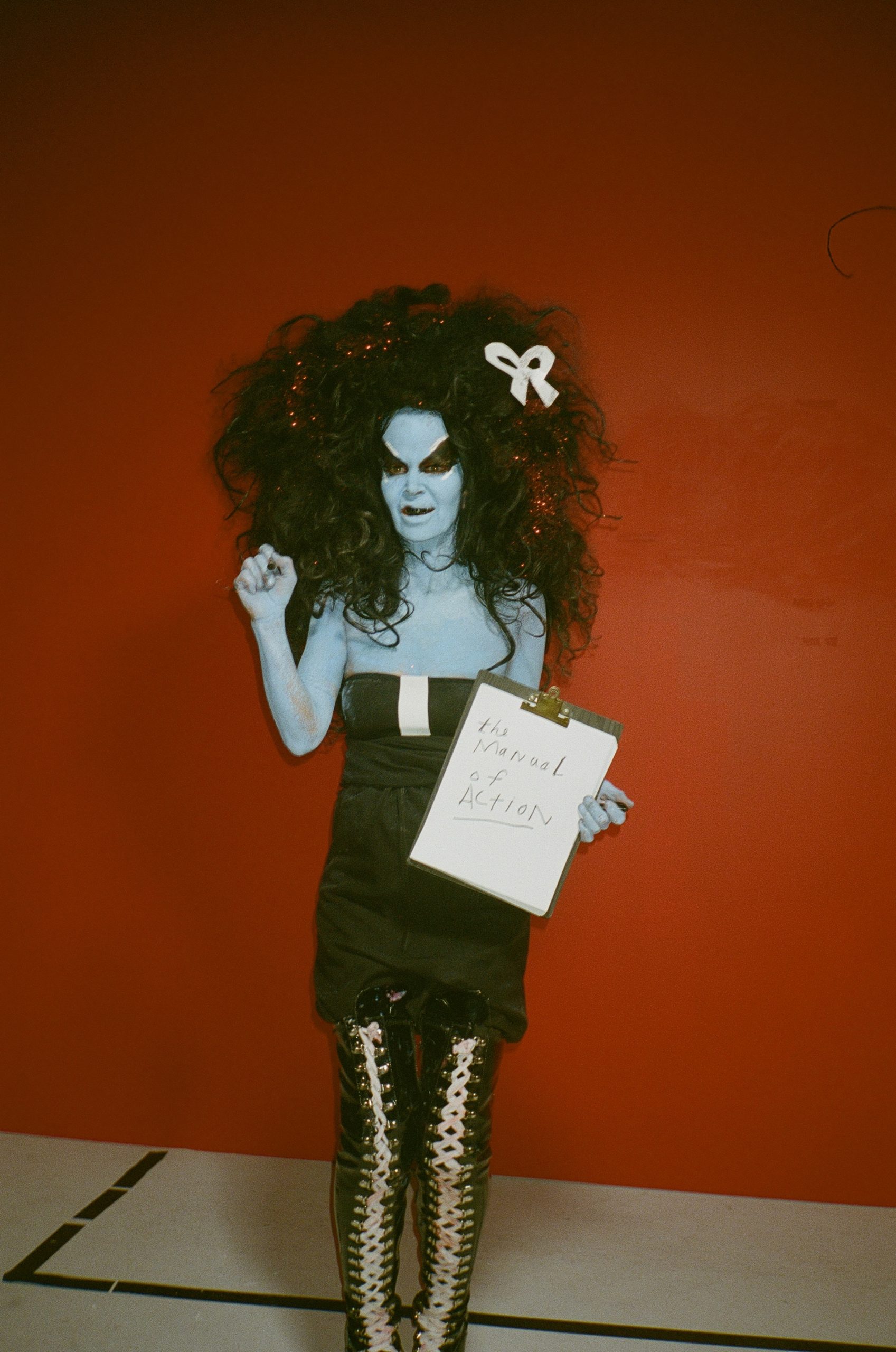
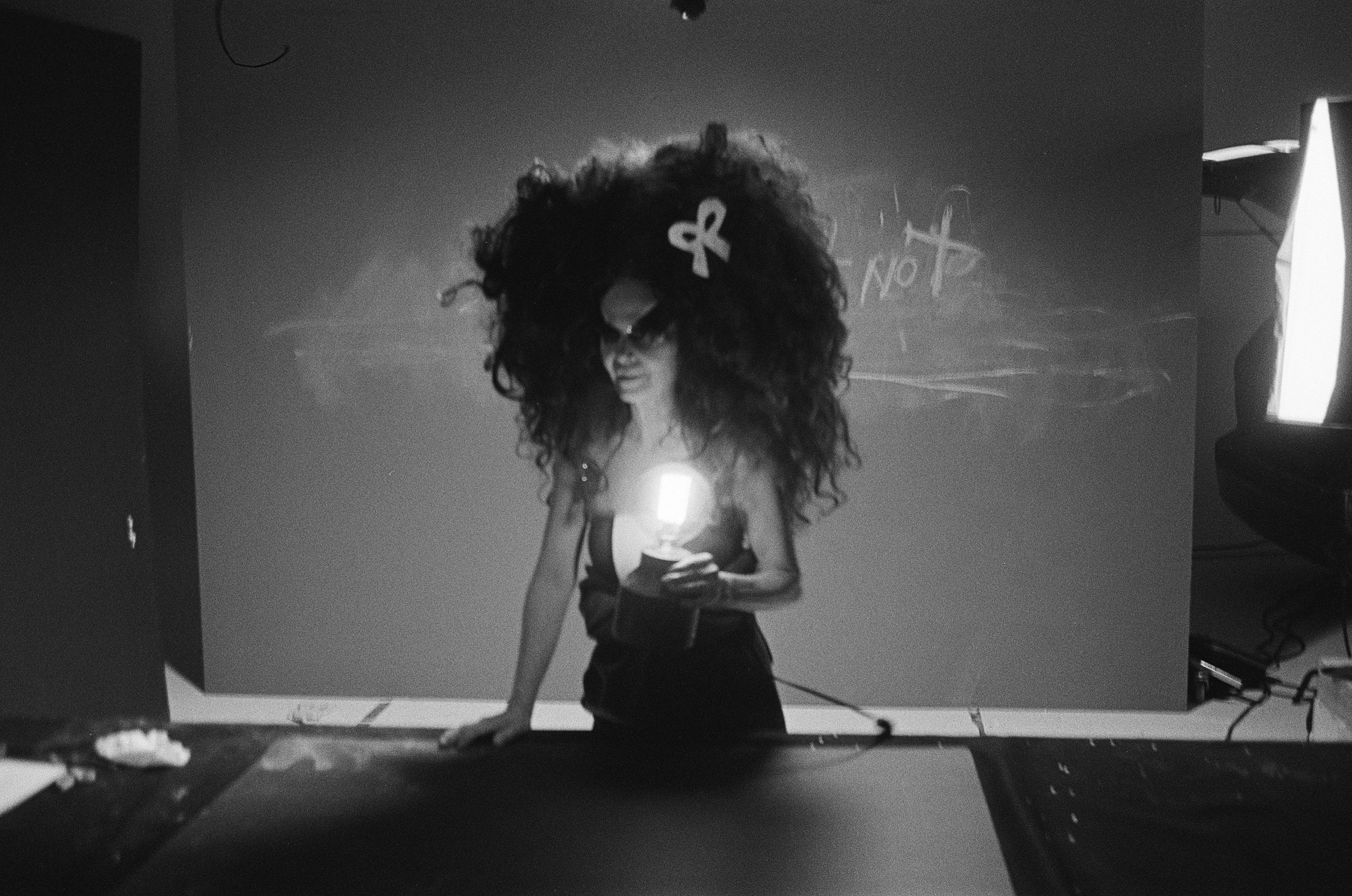
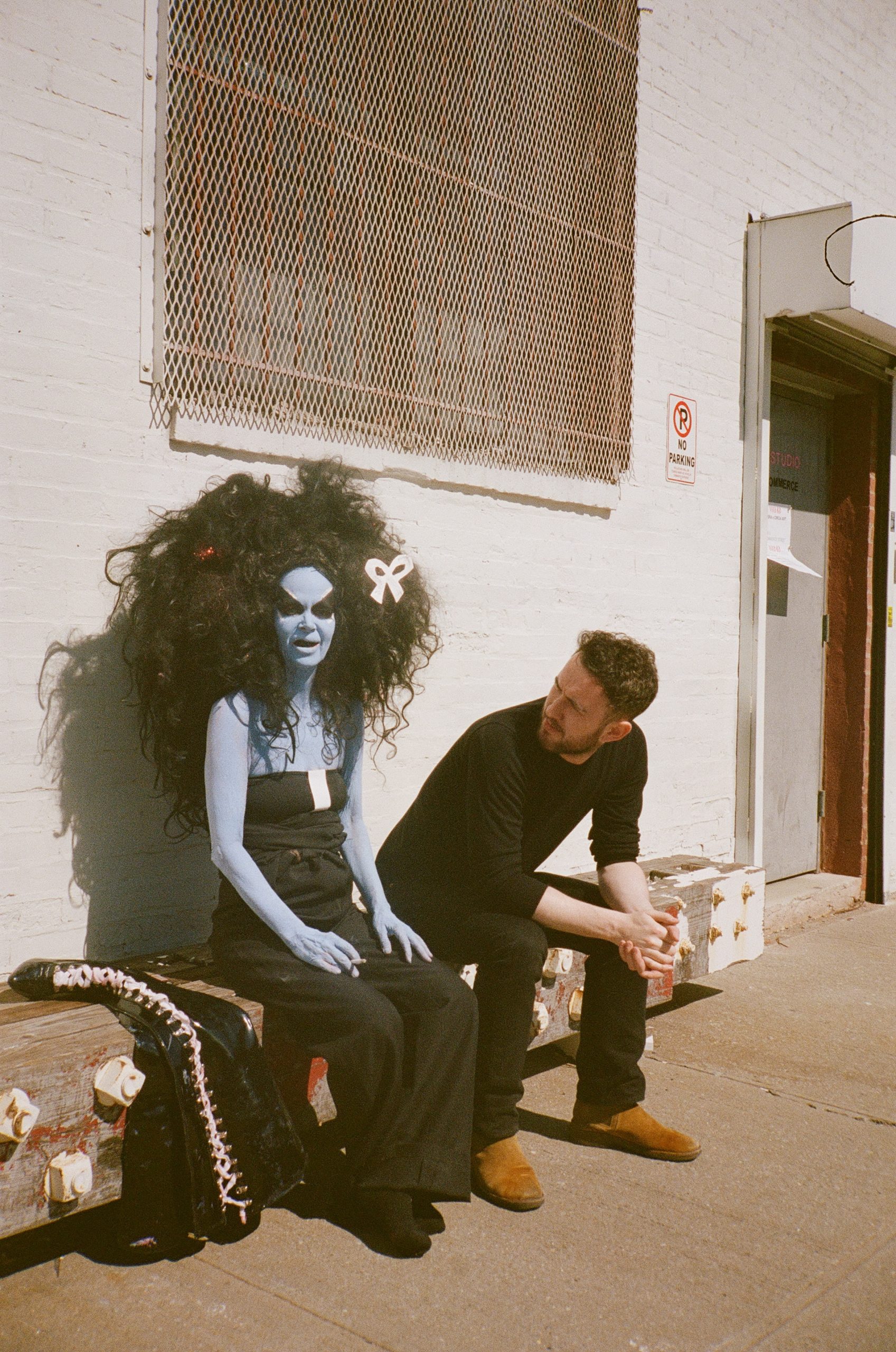
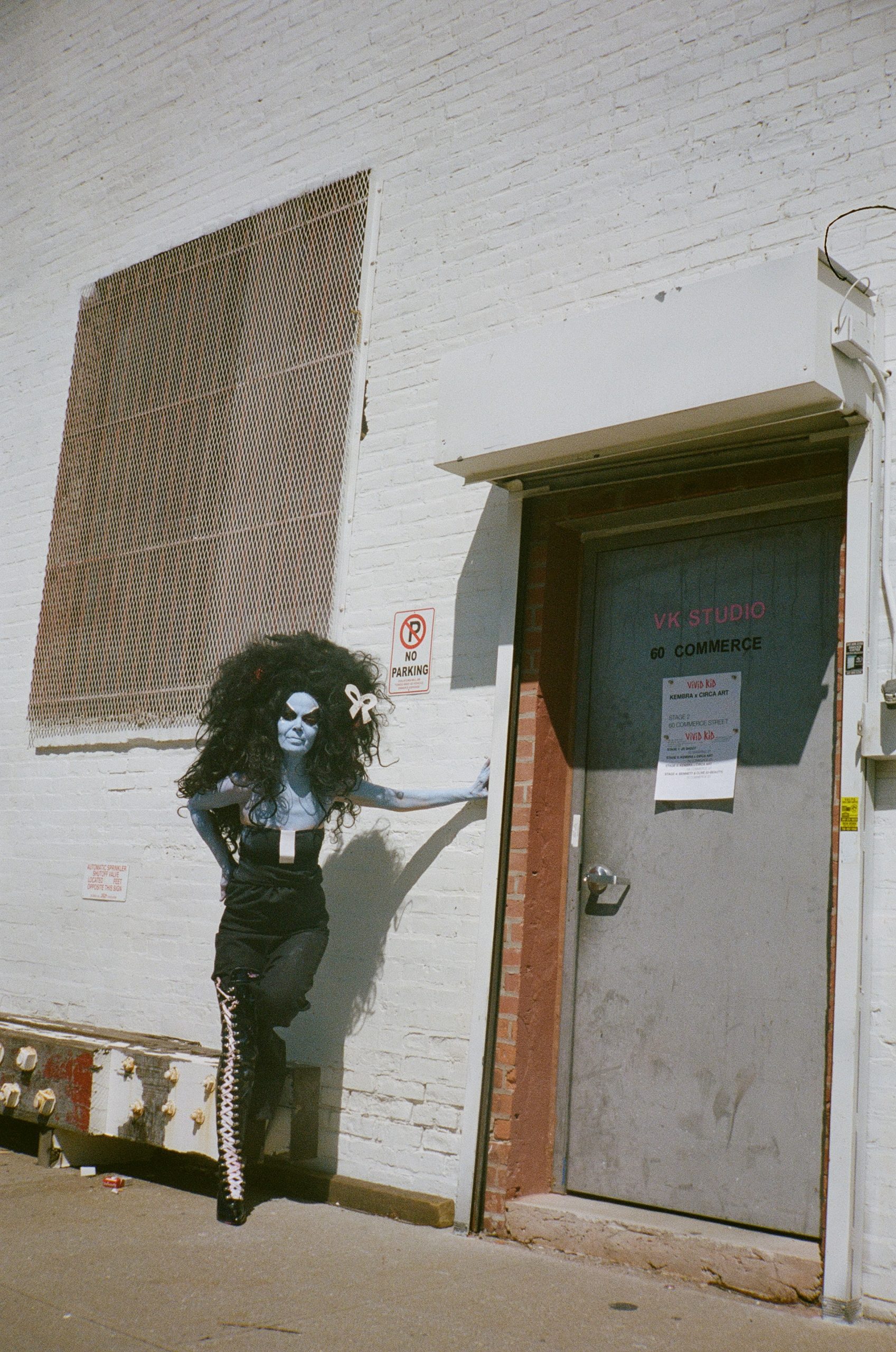
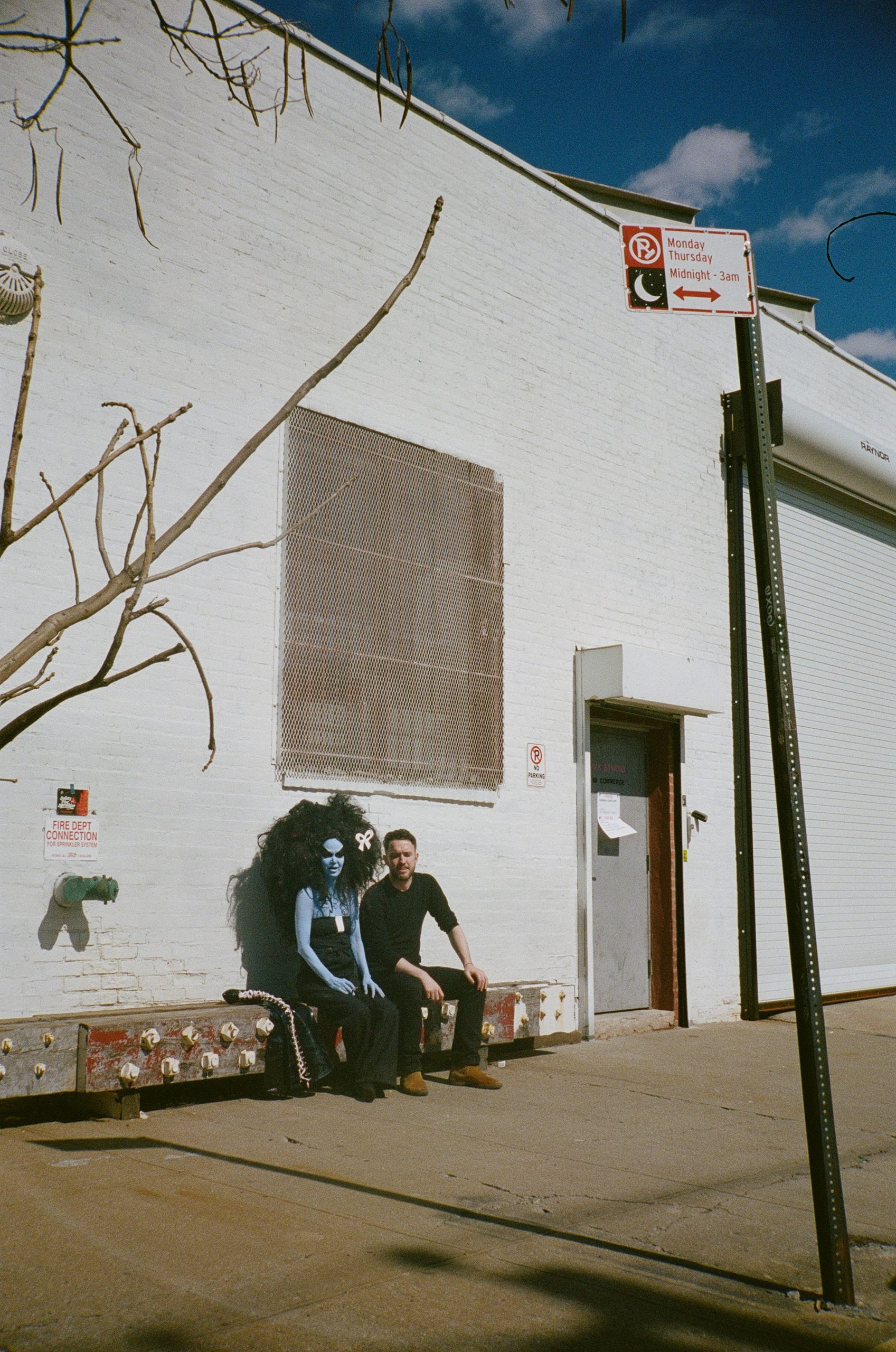
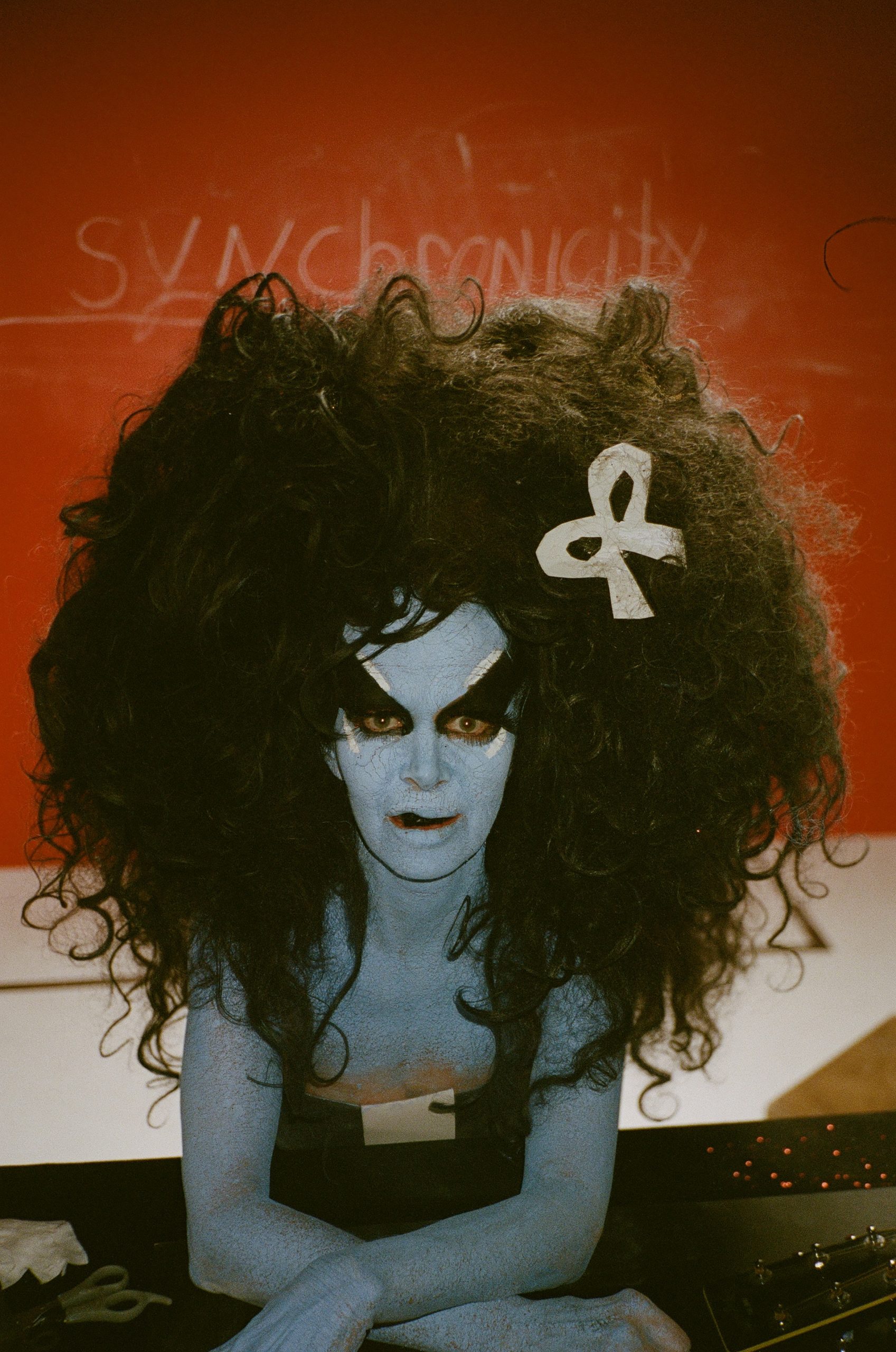
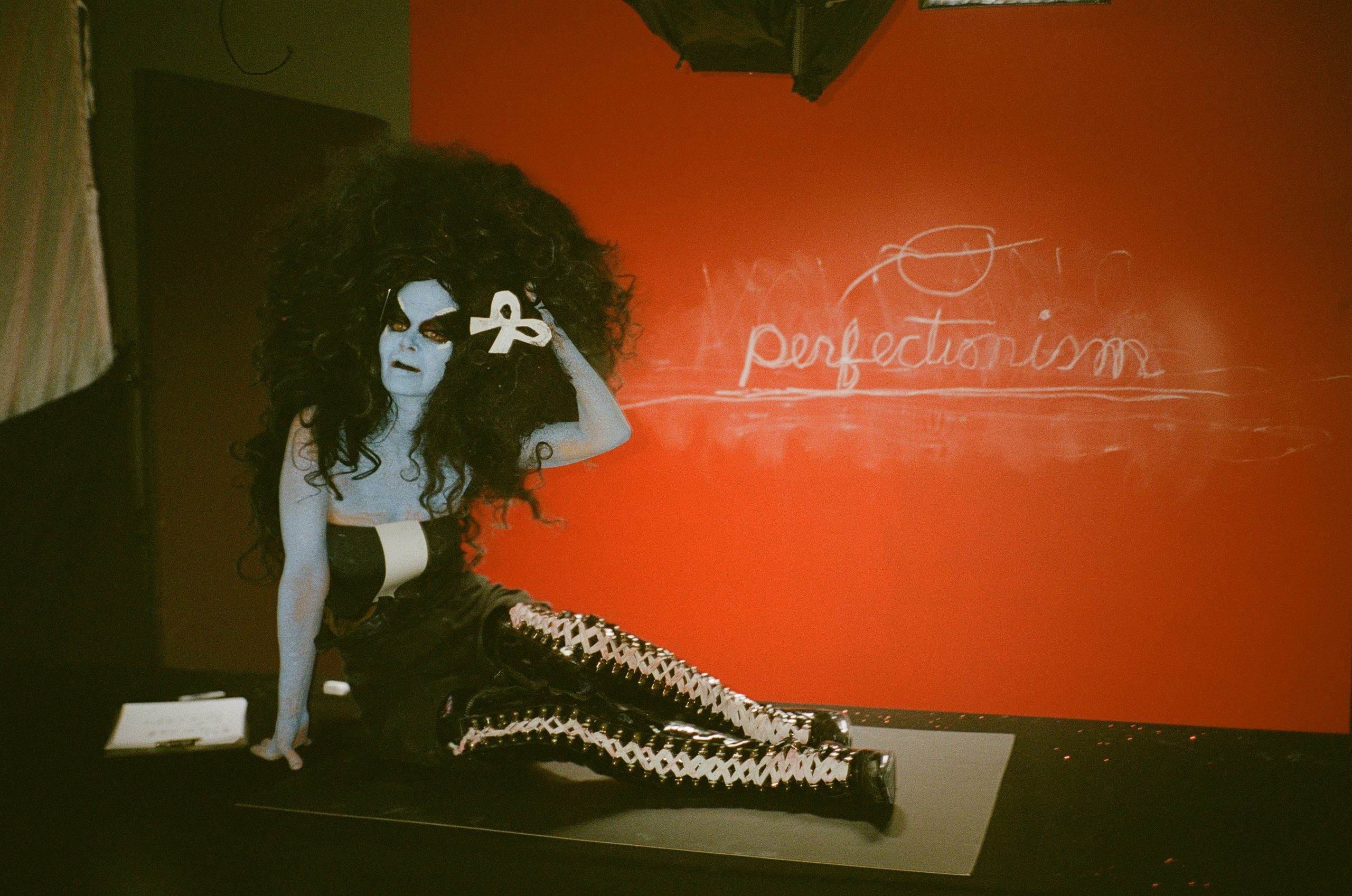
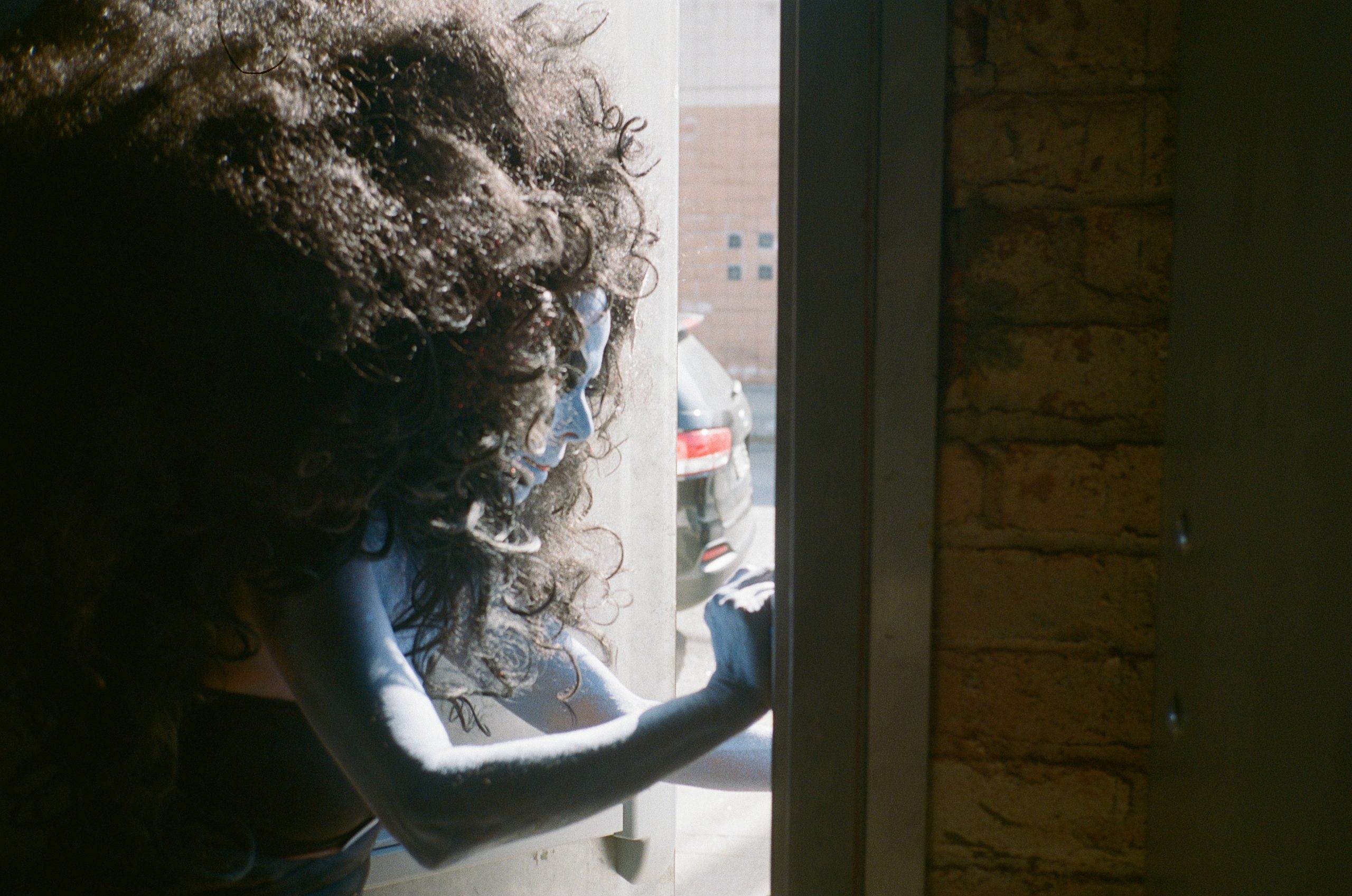
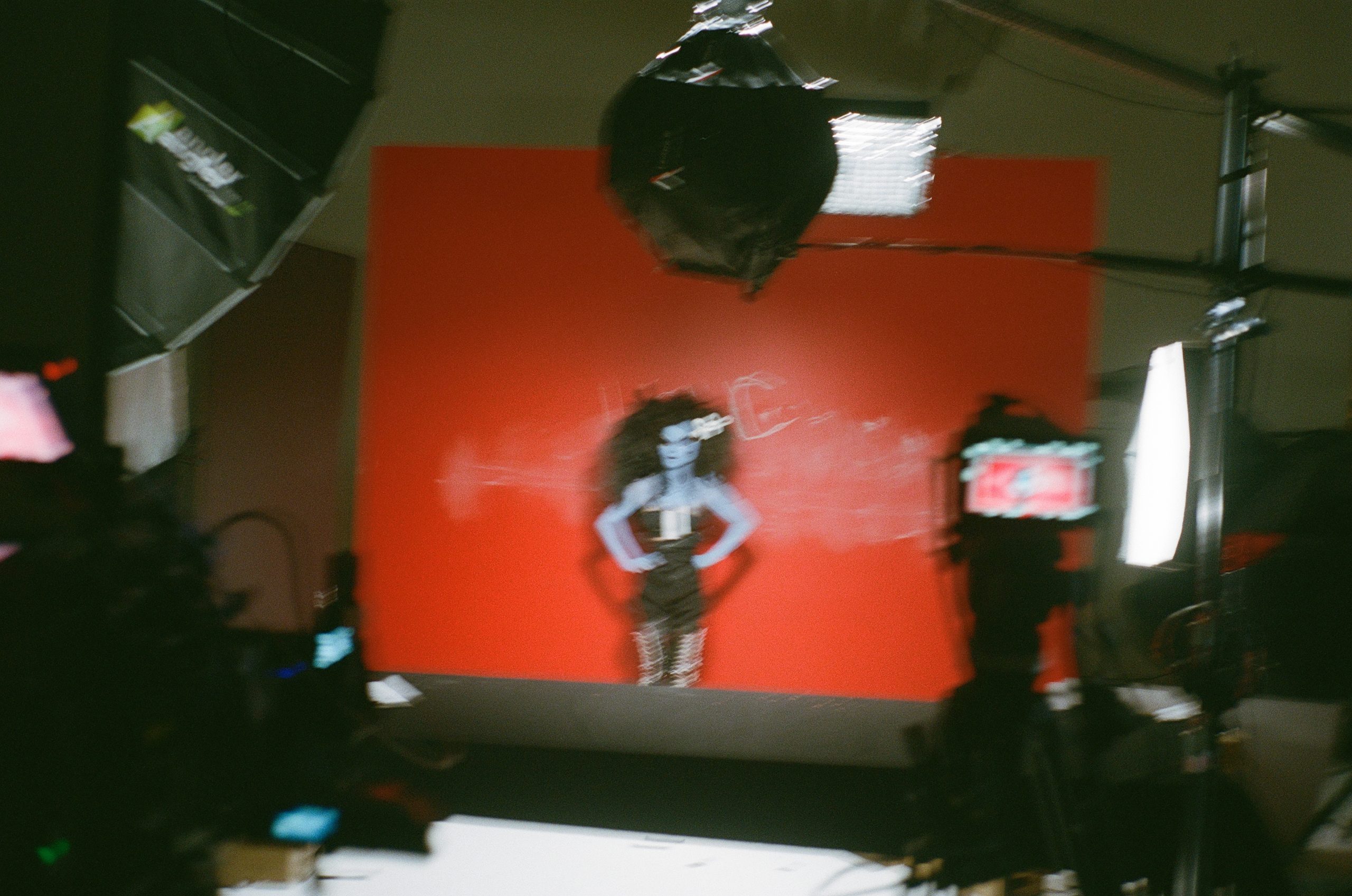
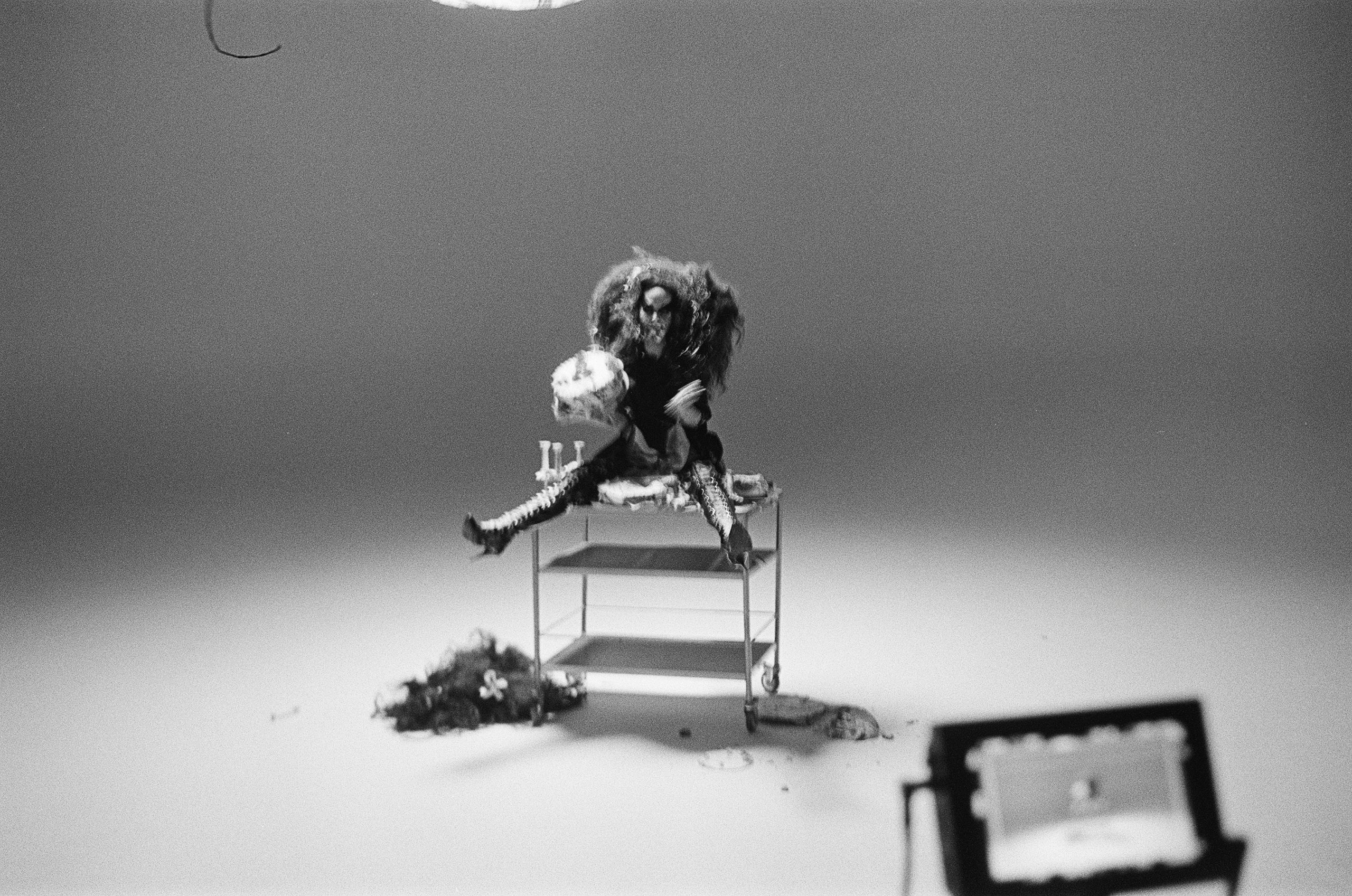
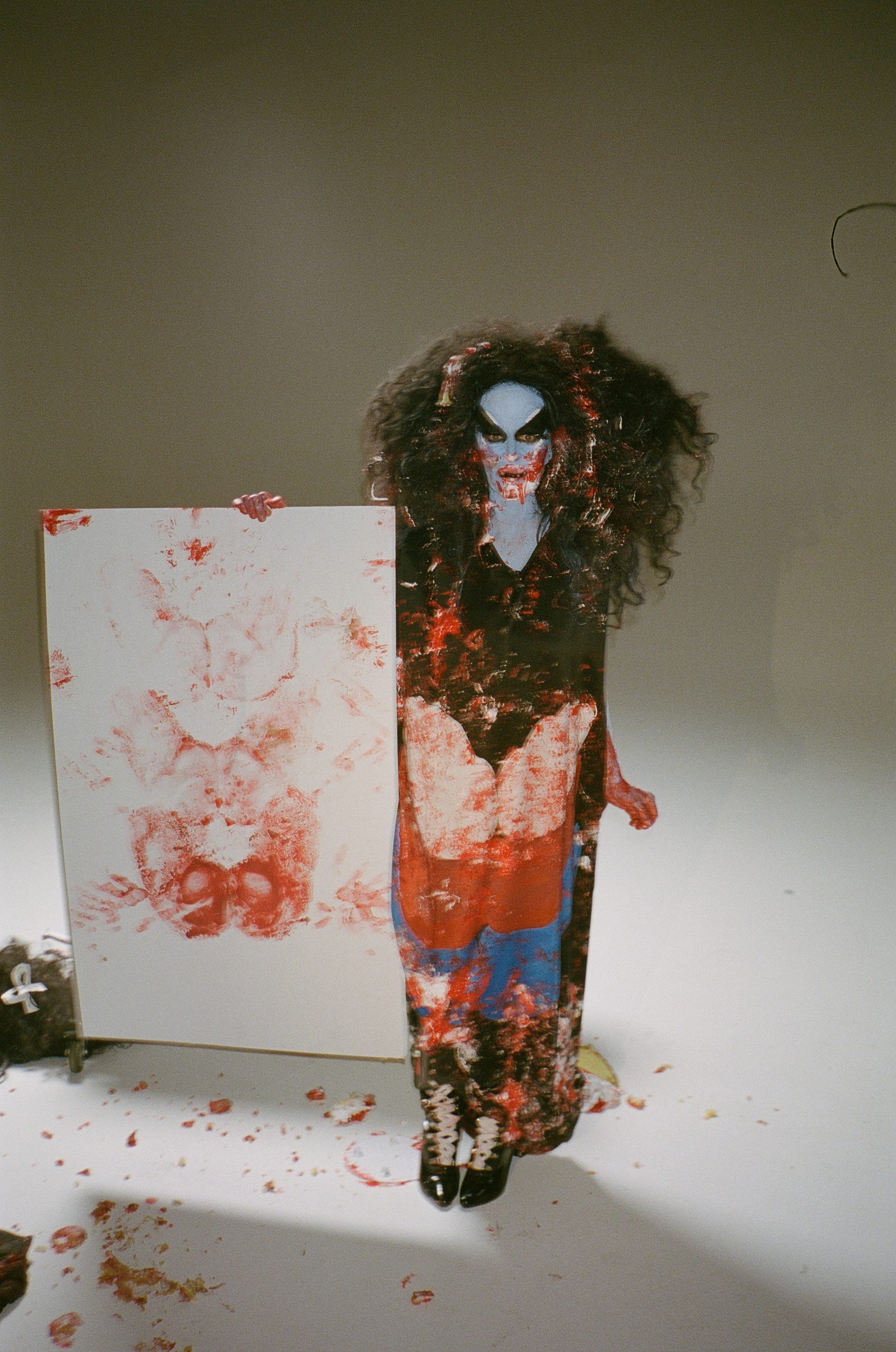
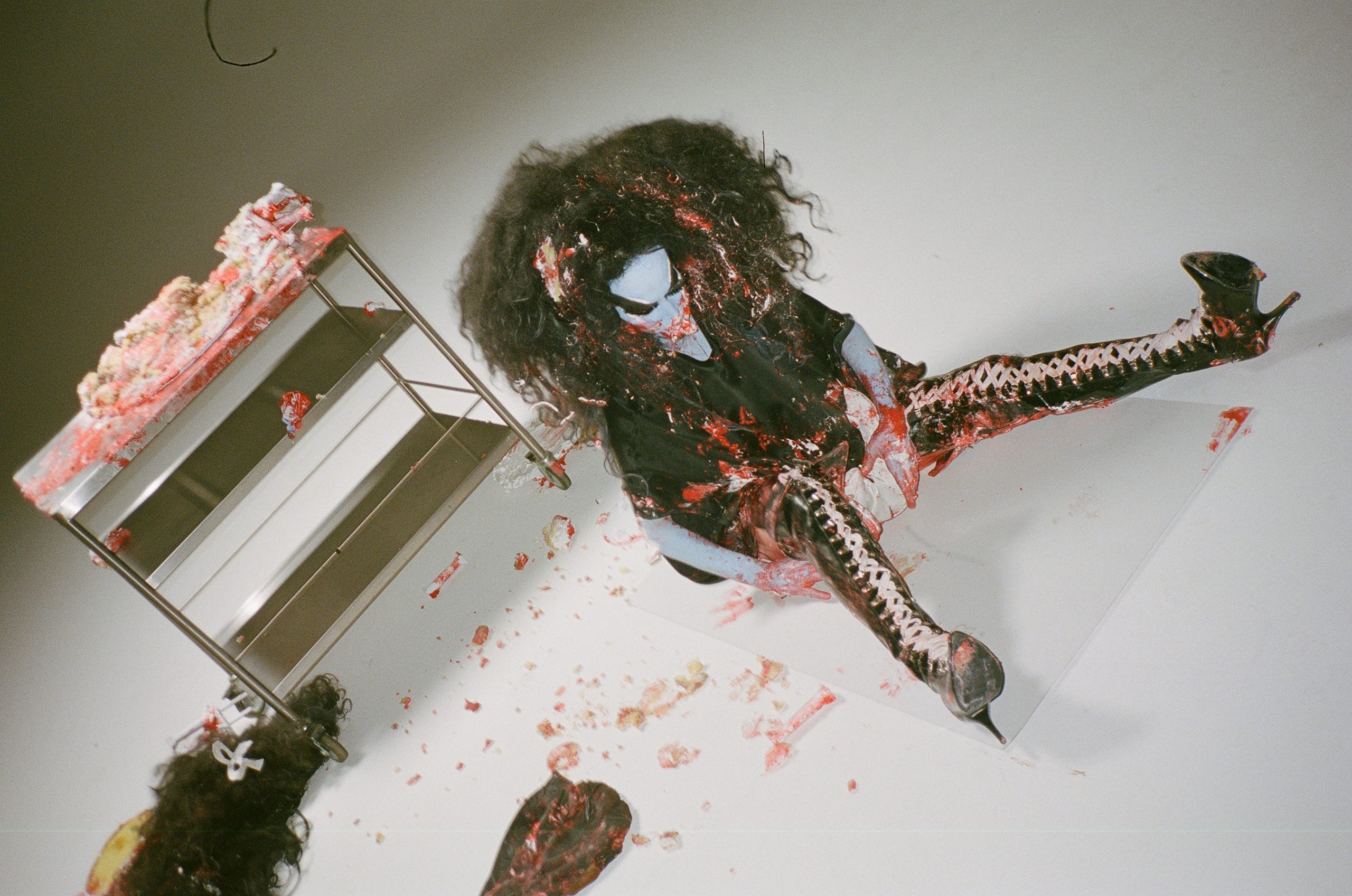
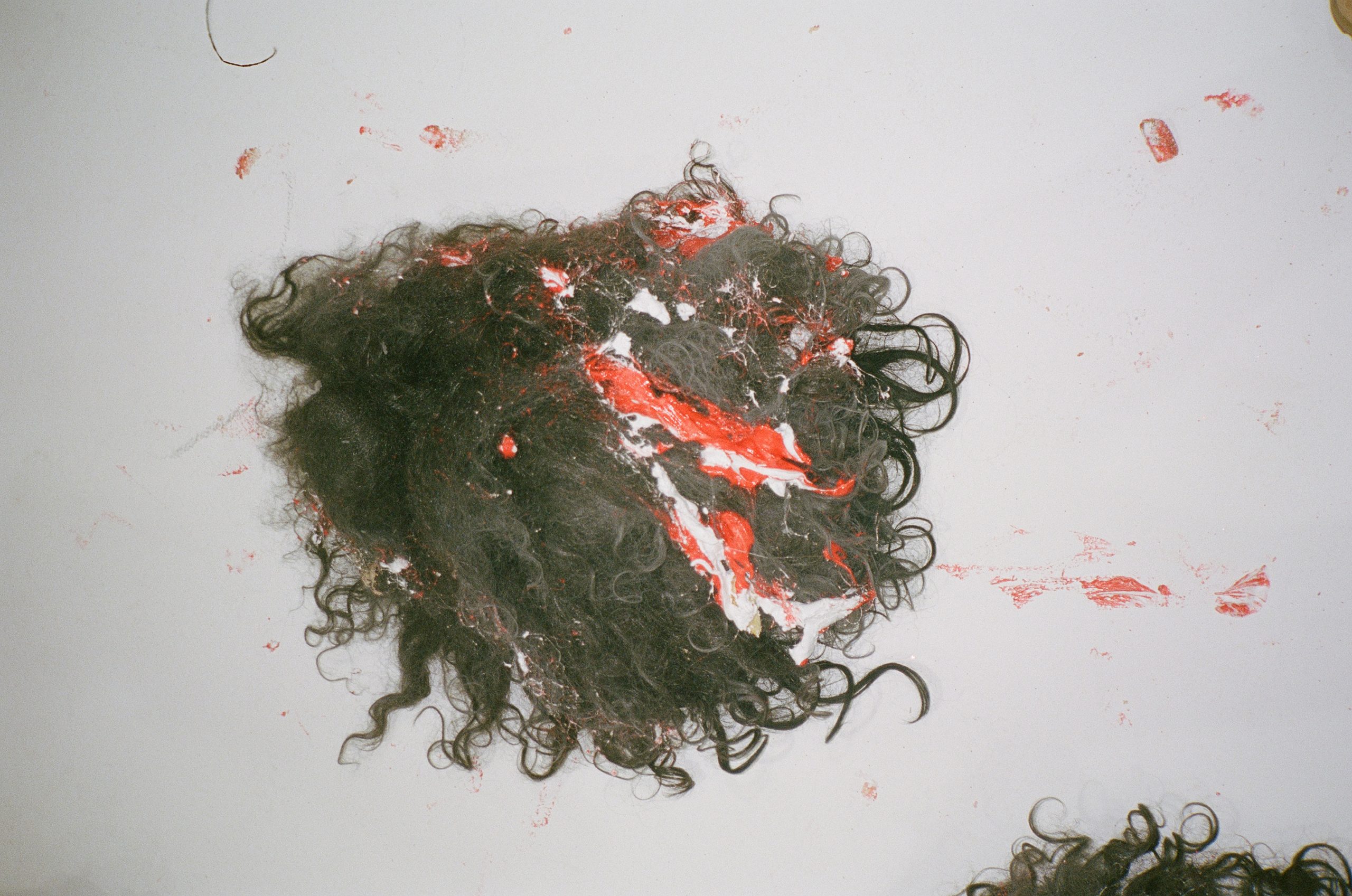
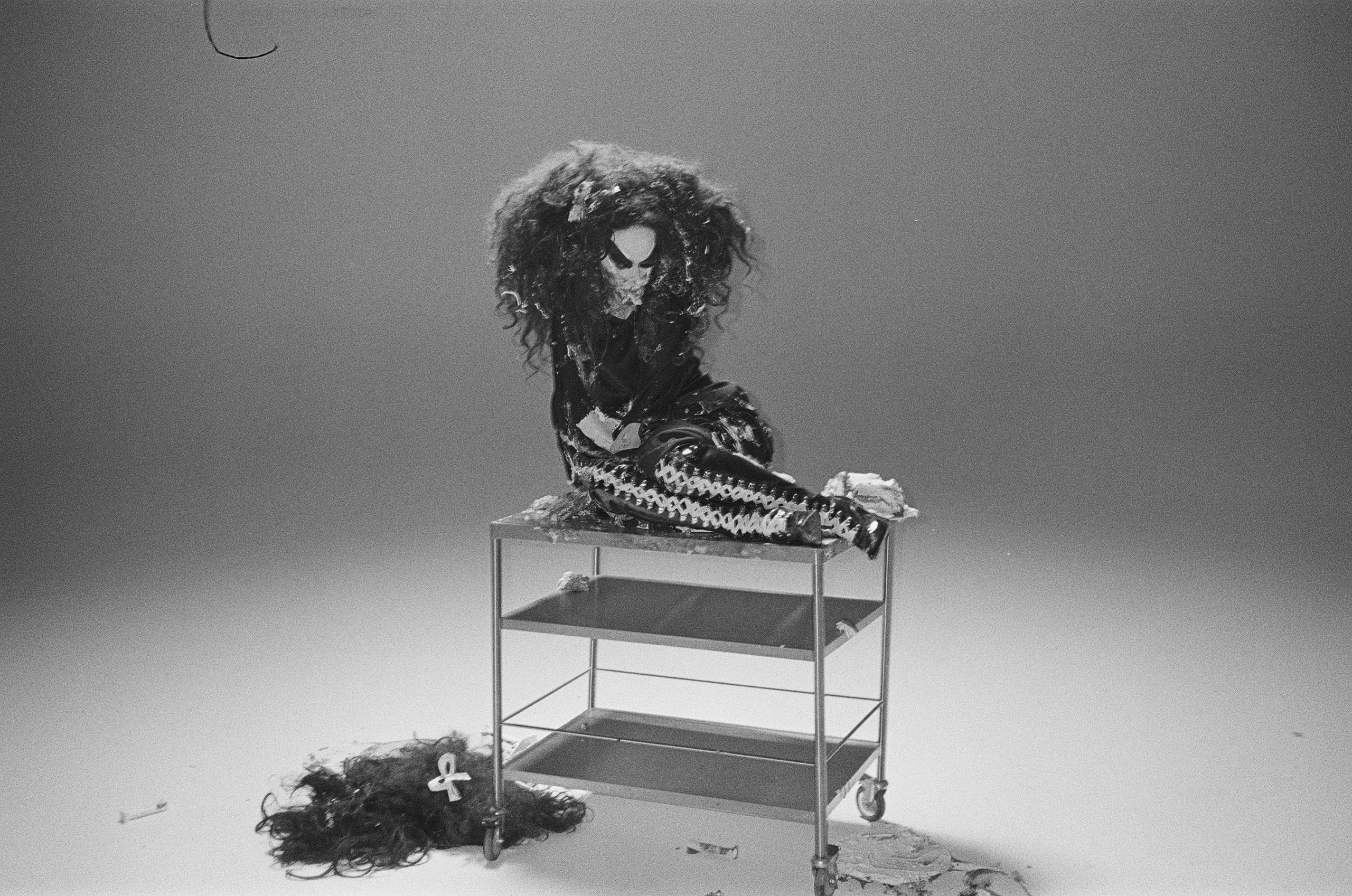
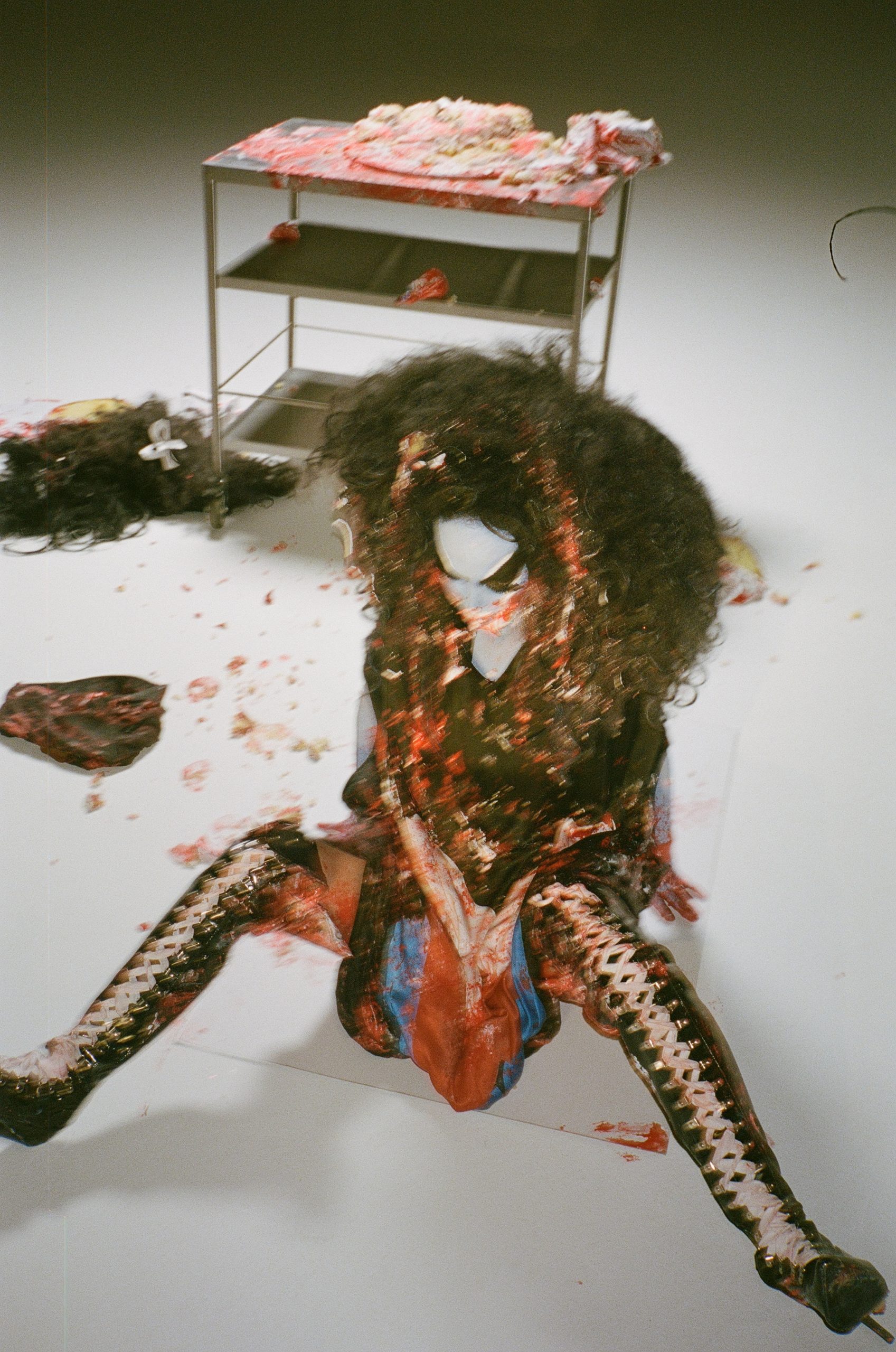
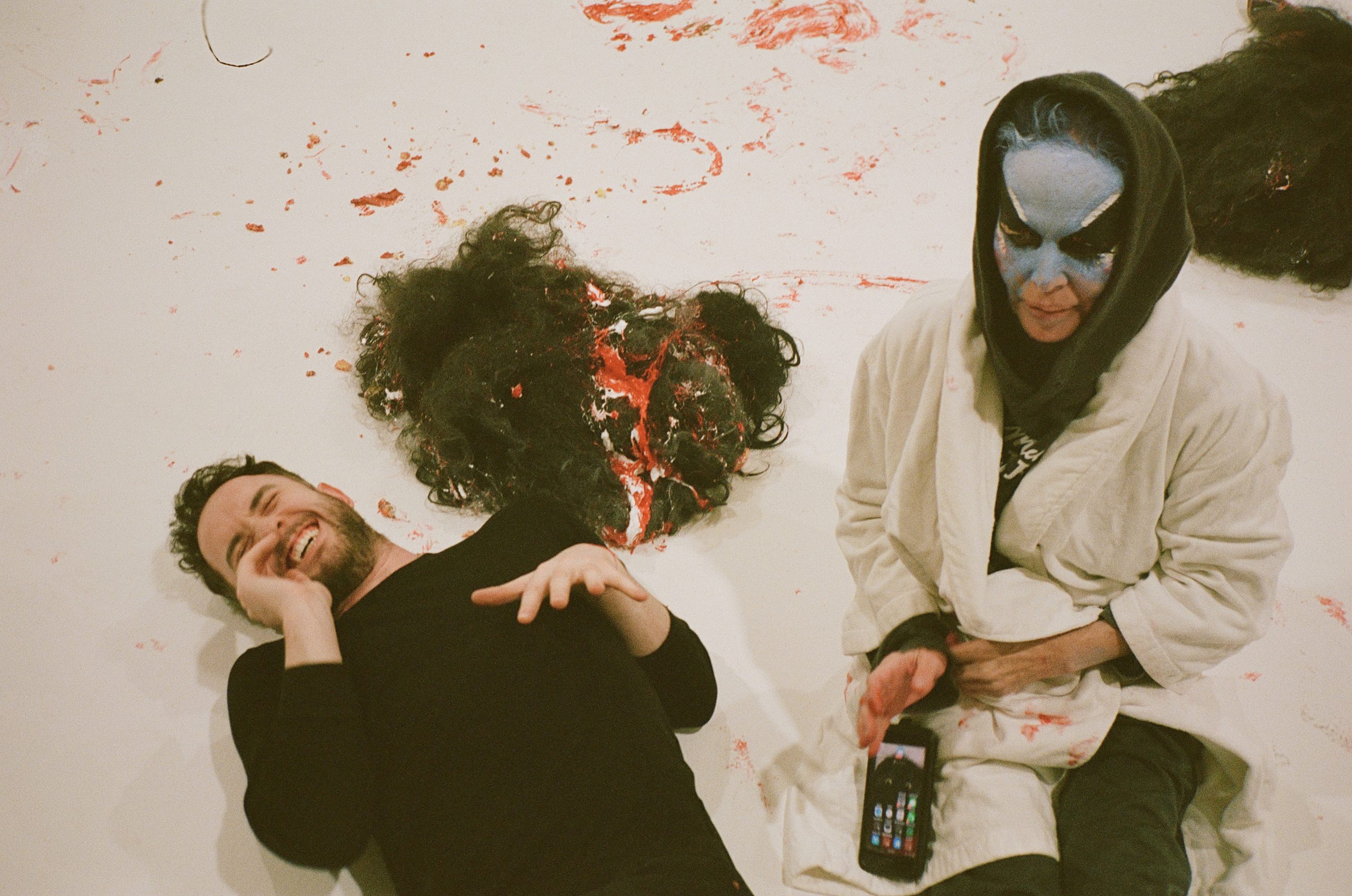
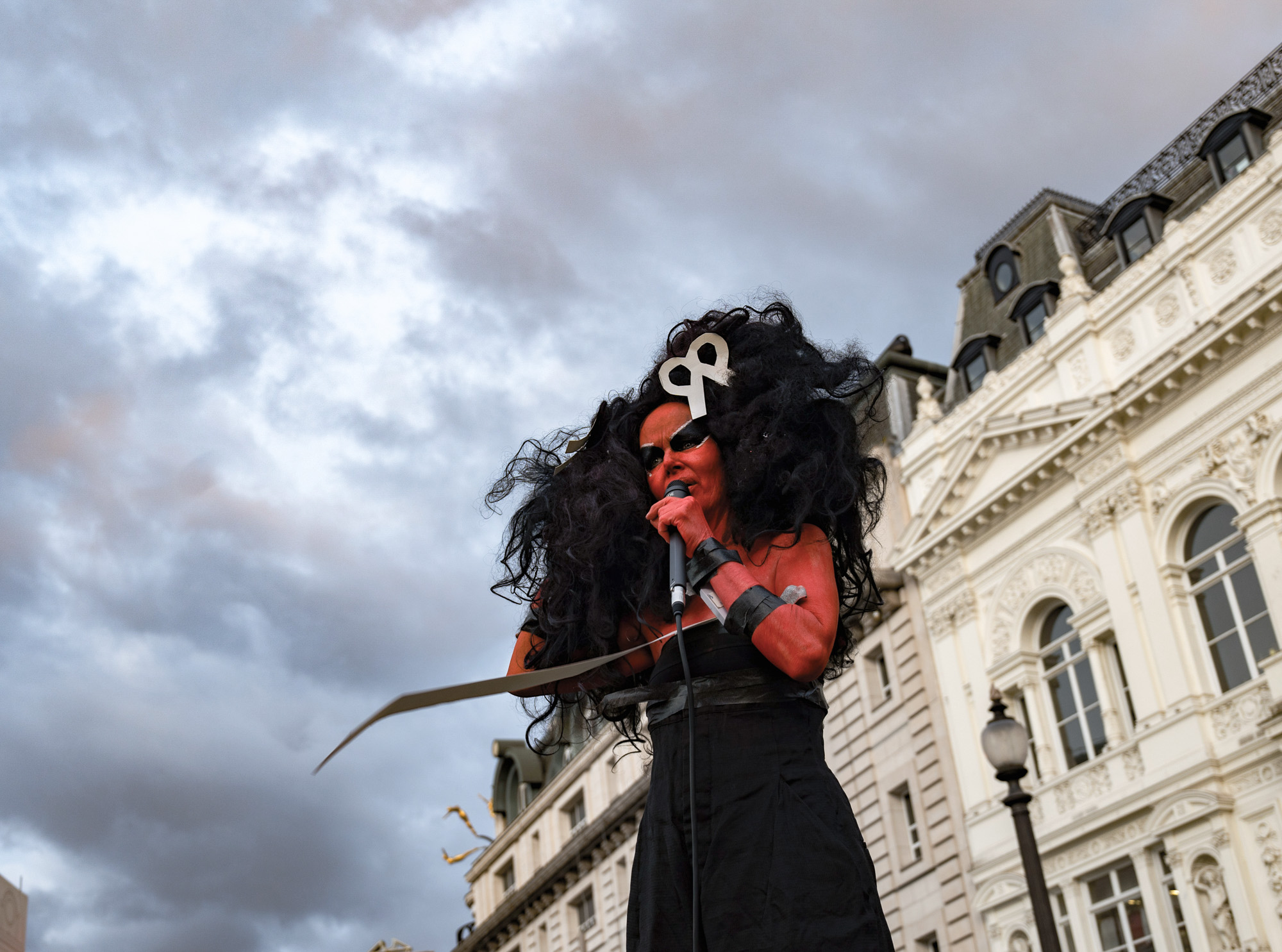
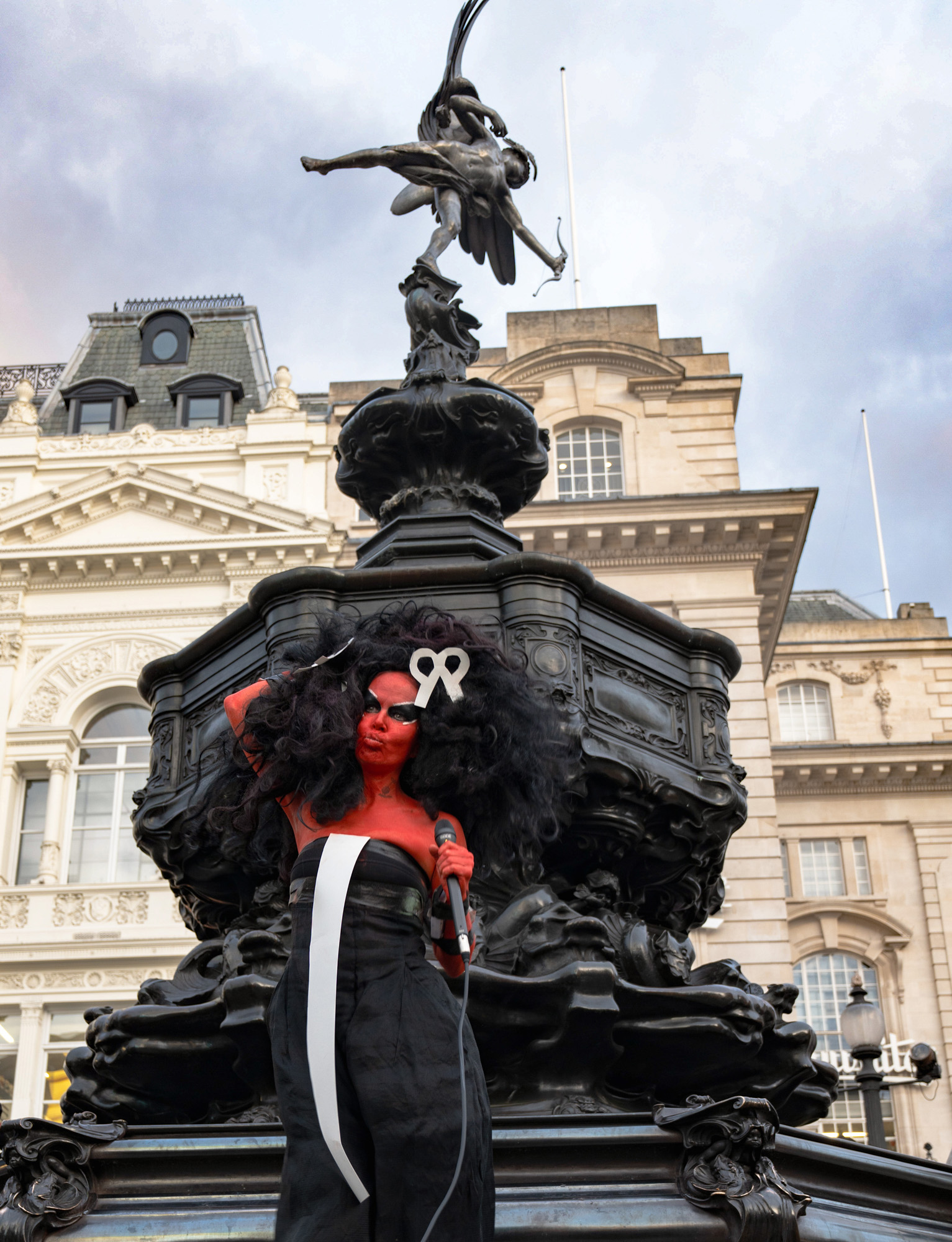
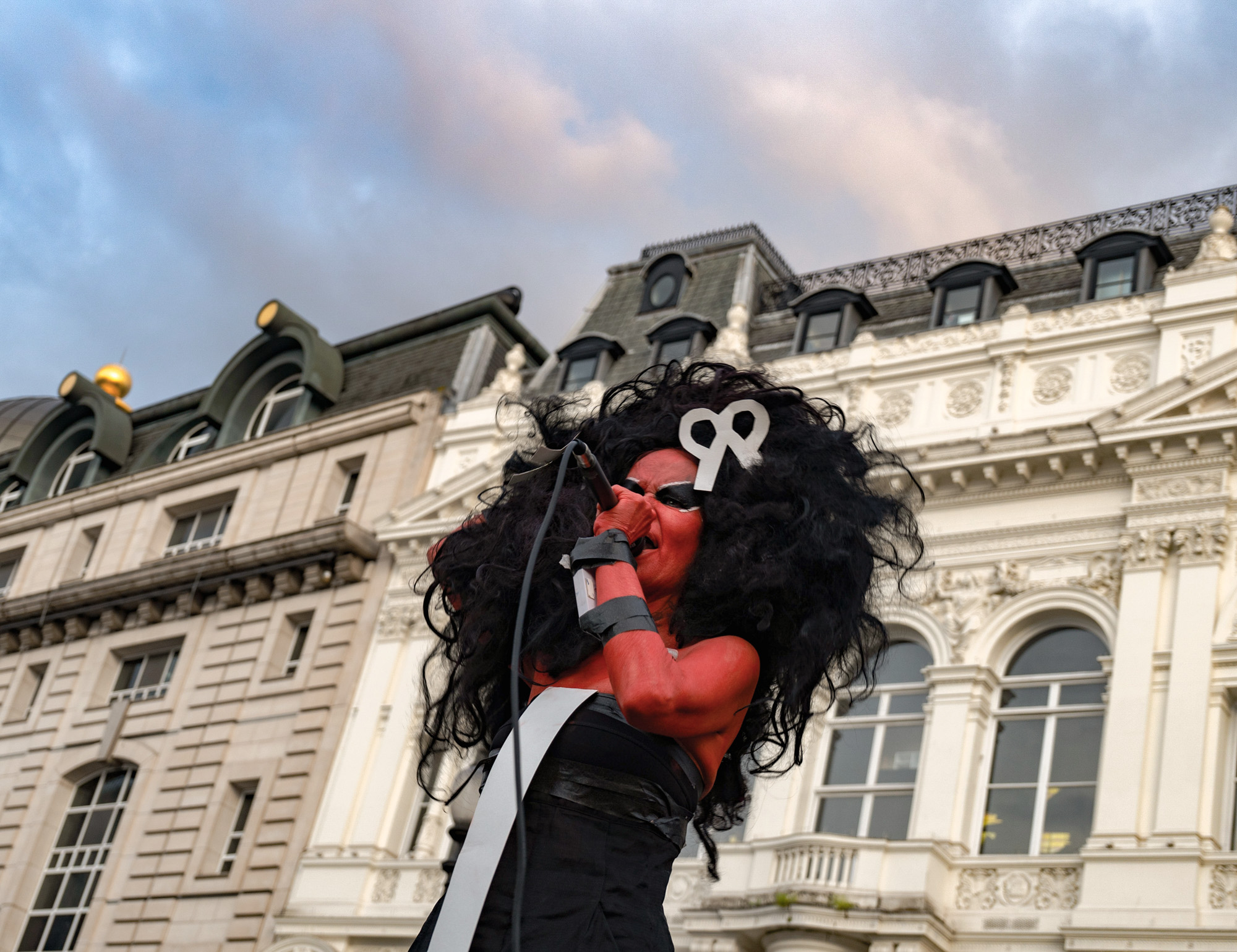
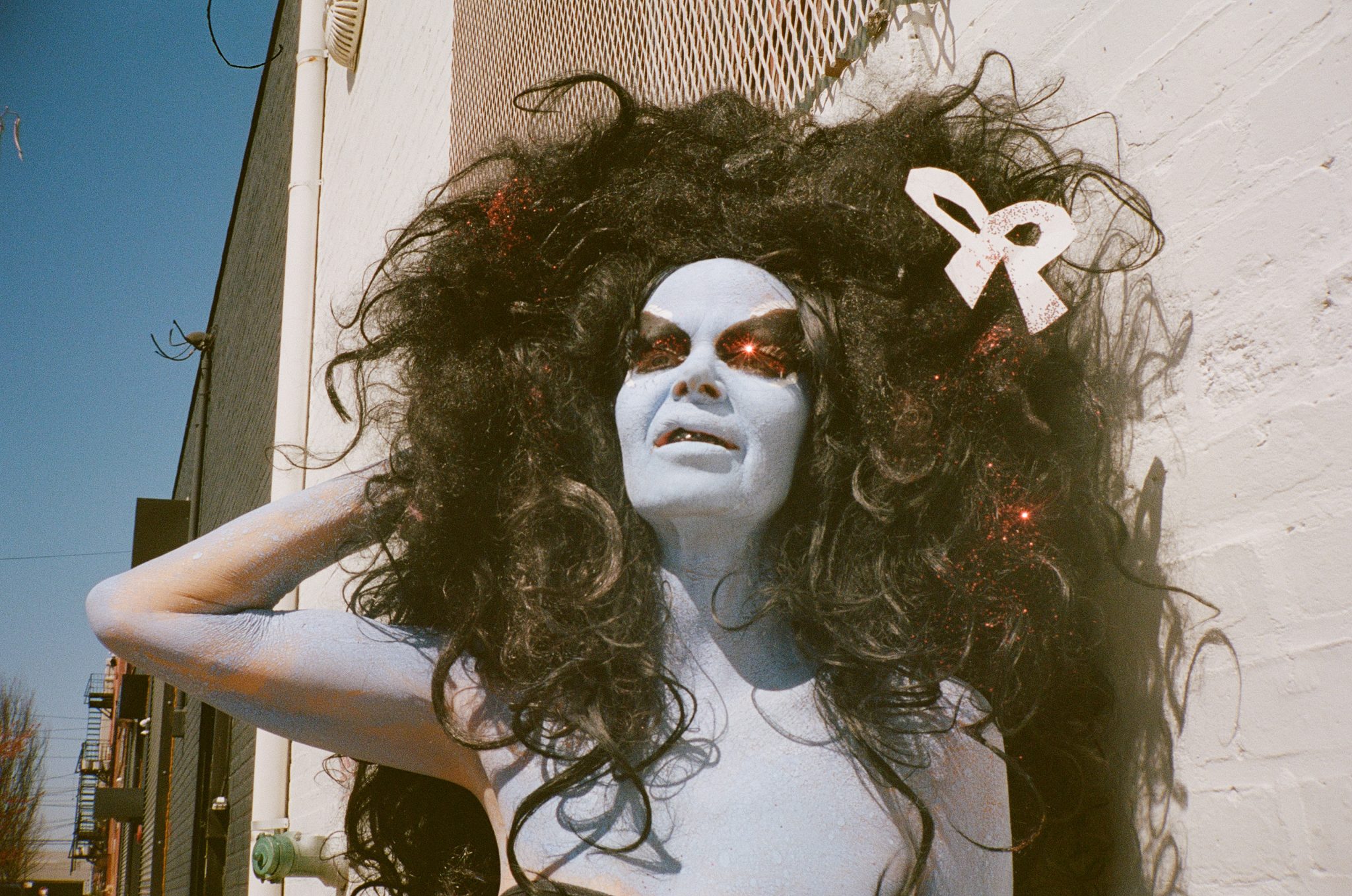
Long before the internet taught everyone how to perform themselves, Kembra Pfahler was already inventing new ways to become. Painted blue, her teeth blackened, wrapped in costumes assembled from whatever could be found, borrowed or rescued, she emerged from downtown New York as neither musician, artist, teacher nor performer, but as something more difficult to define. For more than four decades, Pfahler has occupied a space between ritual and rebellion, transforming the body into a site of possibility and everyday life into an ongoing act of creation. Through performance, music, film, fashion and education, she has consistently challenged inherited ideas about beauty, authority and self-expression, constructing a vocabulary of images that continues to reverberate through contemporary culture.

Created for CIRCA 20:24, The Manual of Action unfolds as a twelve-week public intervention that asks a deceptively simple question: what if creativity is not a talent possessed by a few, but a condition available to everyone? The proposition echoes through the history of art like an unfinished spell. Everyone can be an artist. Not because everyone will paint a masterpiece or exhibit in a museum, but because every human being possesses the capacity to imagine, transform and remake the world around them. Yet this possibility is often obscured by the forces that shape contemporary life. Art is separated from living and relocated to institutions. Creativity becomes a profession rather than a birthright. Expression is confined to leisure time, while the routines of everyday existence are organised around productivity, efficiency and consumption. The result is a culture in which many people cease to recognise their own creative potential long before it disappears.

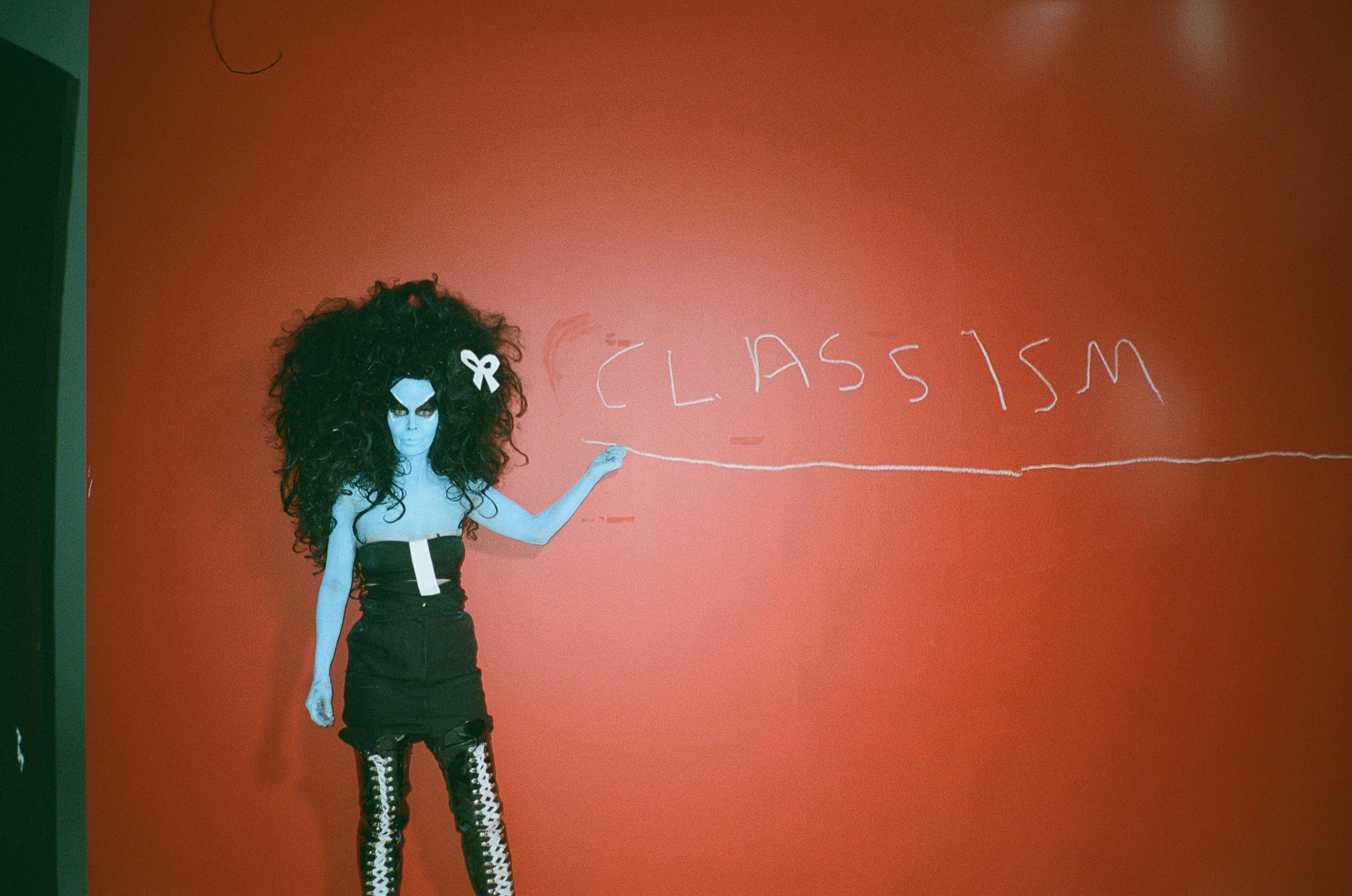
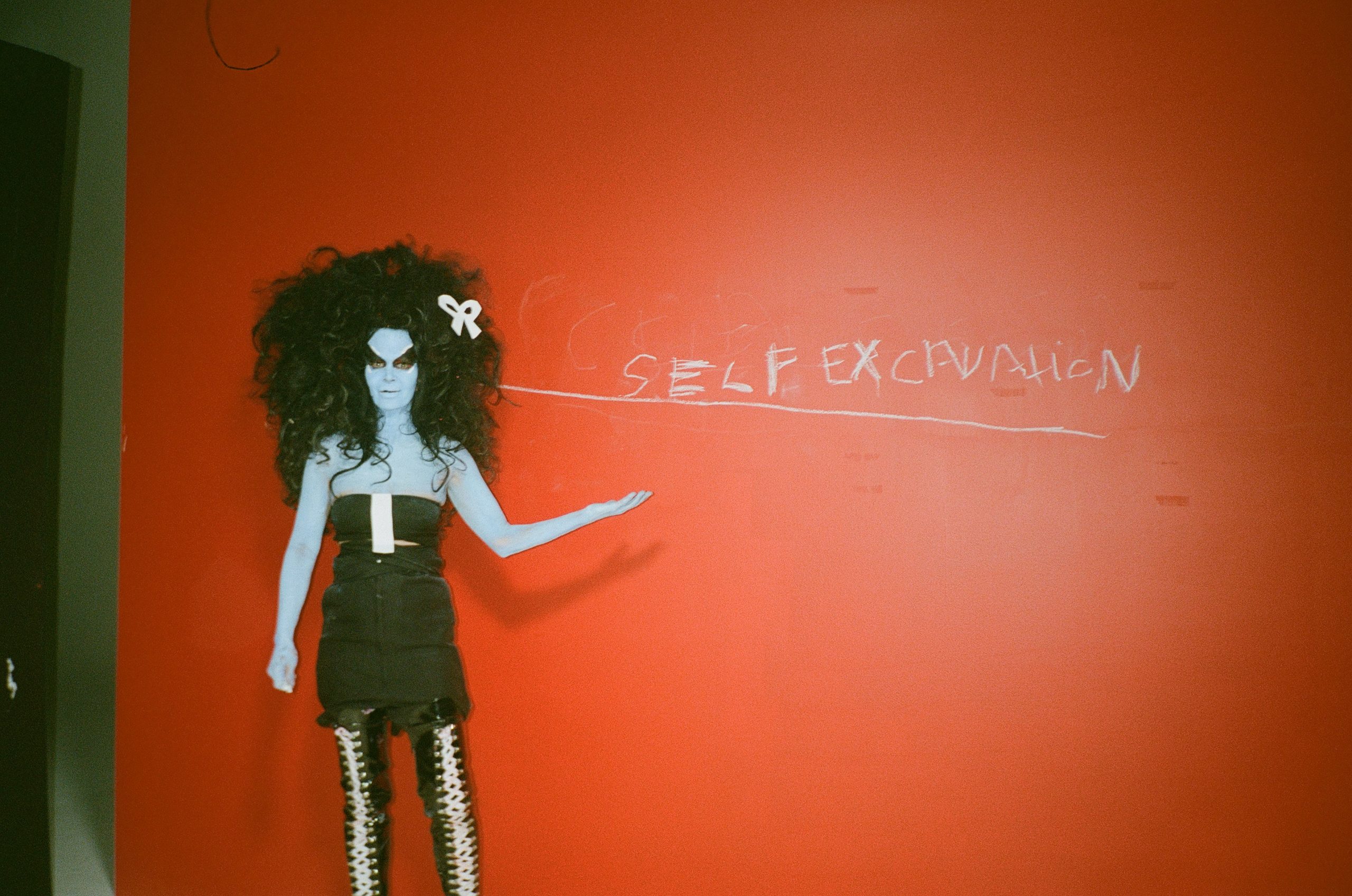
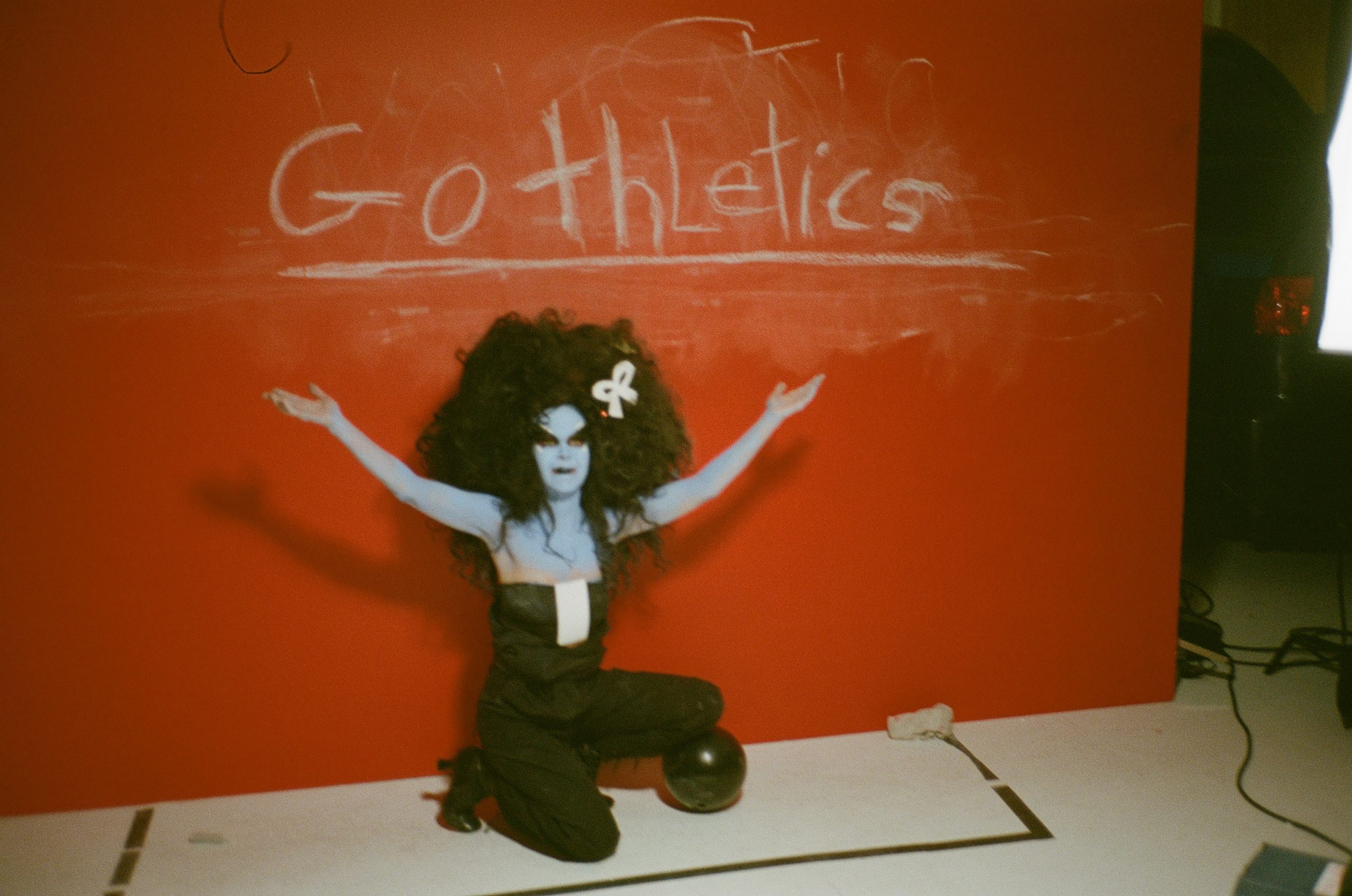
Pfahler’s work has always resisted this separation. Her practice begins from the belief that art is not something that exists outside life but something woven through it. Across decades of experimentation, she has collapsed the distance between artist and audience, replacing spectatorship with participation and certainty with transformation. The lessons that comprise The Manual of Action emerge from this philosophy. Availabism. Liminality. Gothletics. Perfectionism. Classism. Each title appears as though recovered from an alternative school or a forgotten handbook for survival, forming a loose curriculum for creative freedom. Together they propose a way of navigating the world in which imagination is not a luxury but a daily practice.

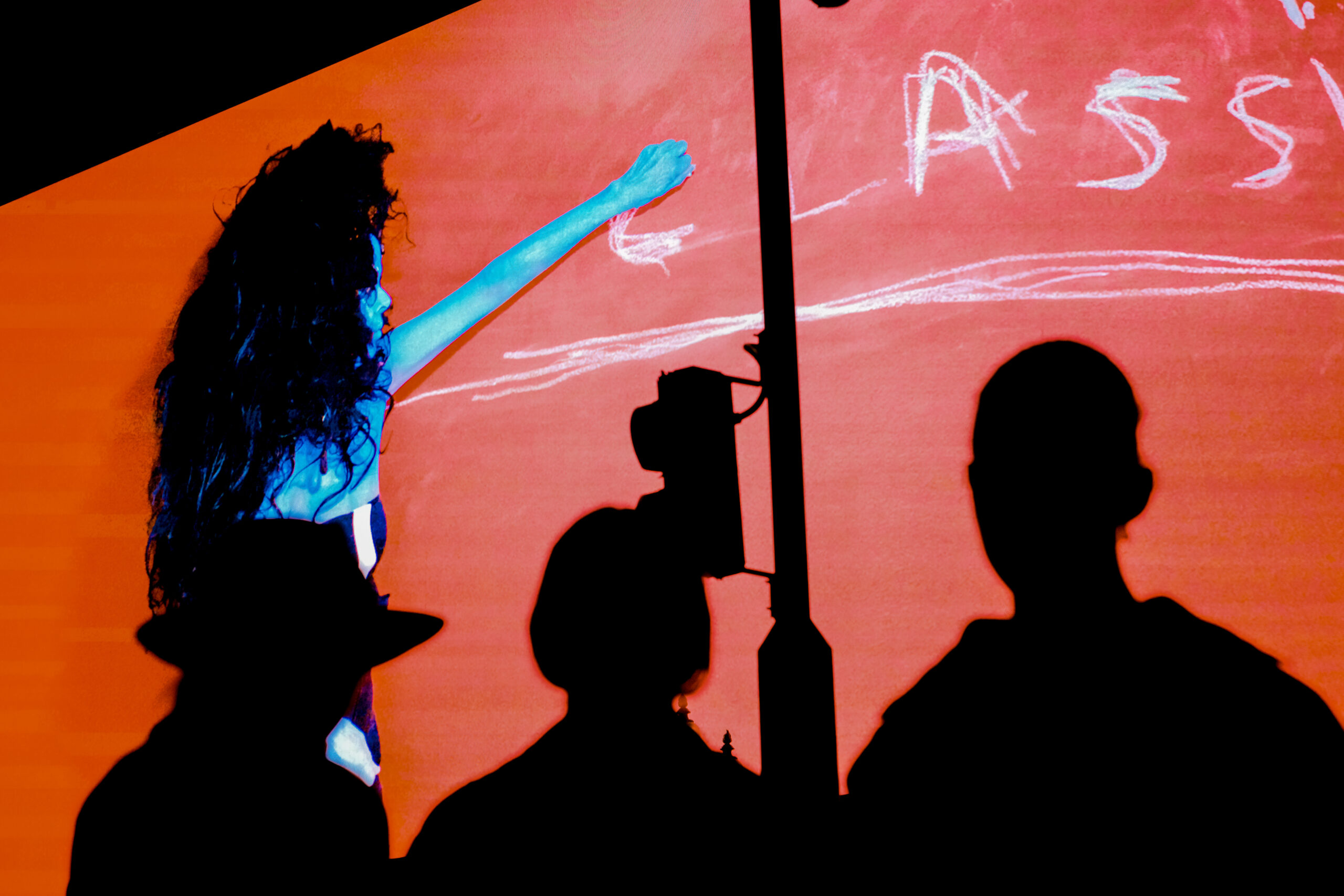
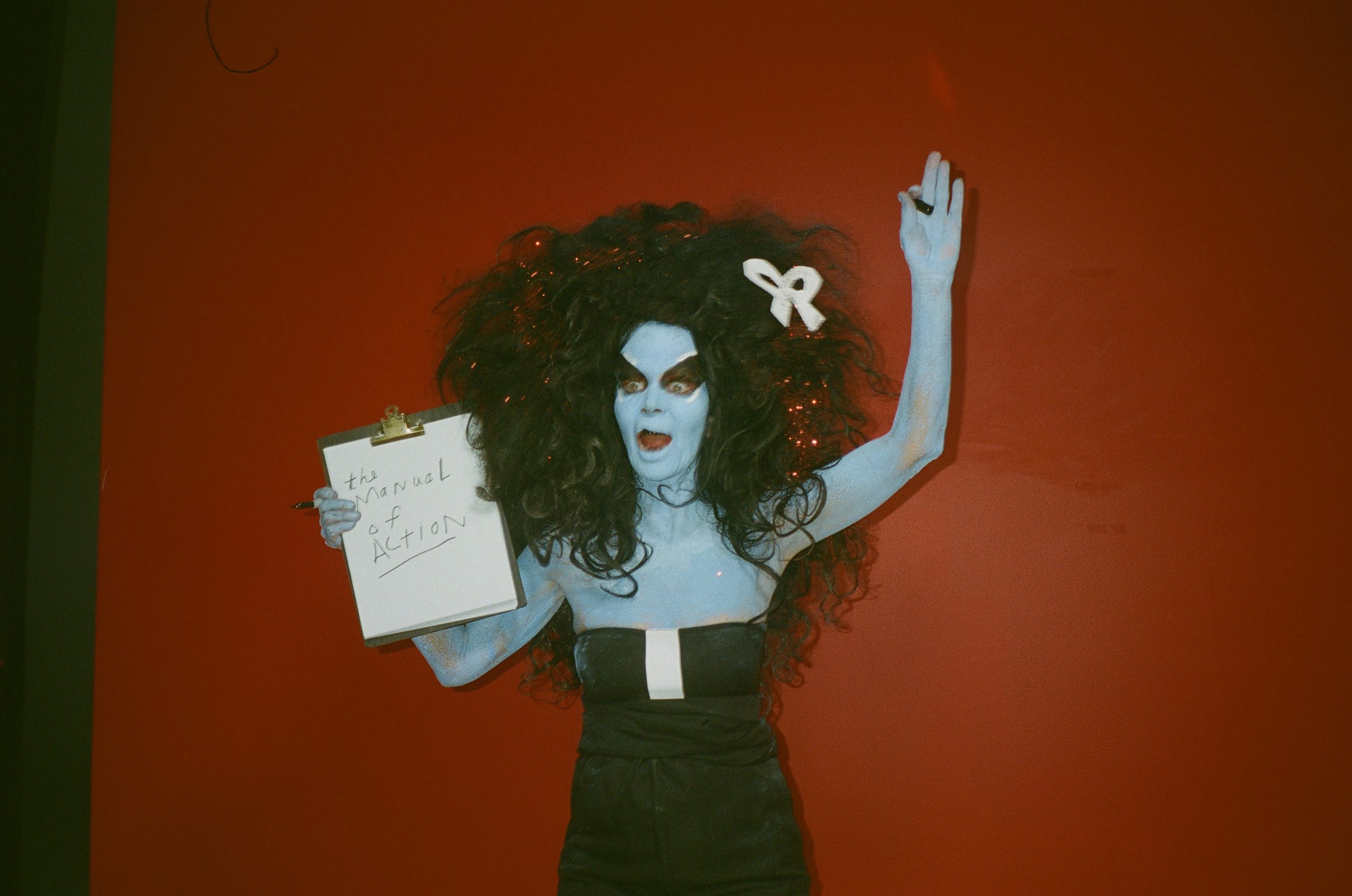
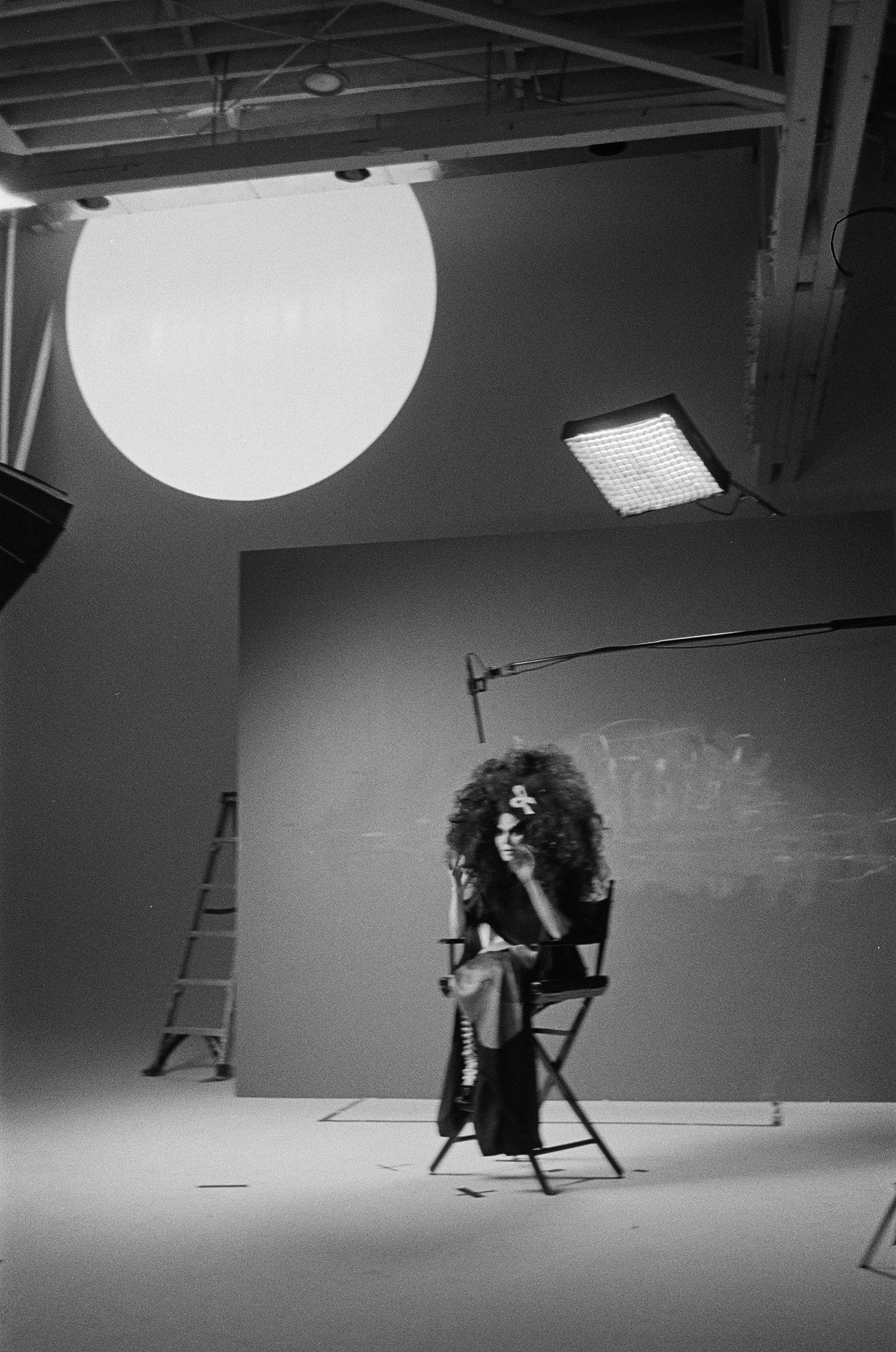
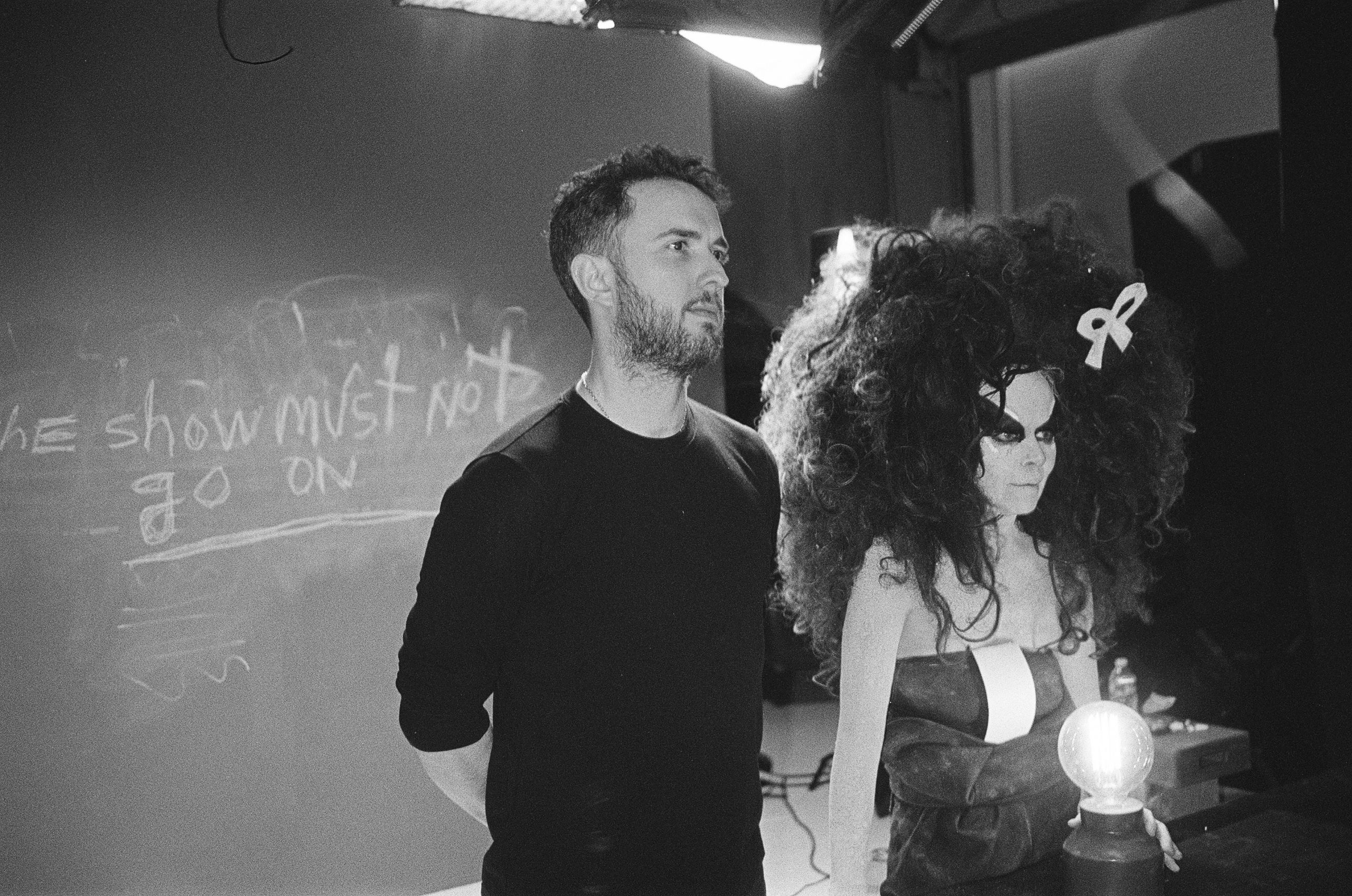
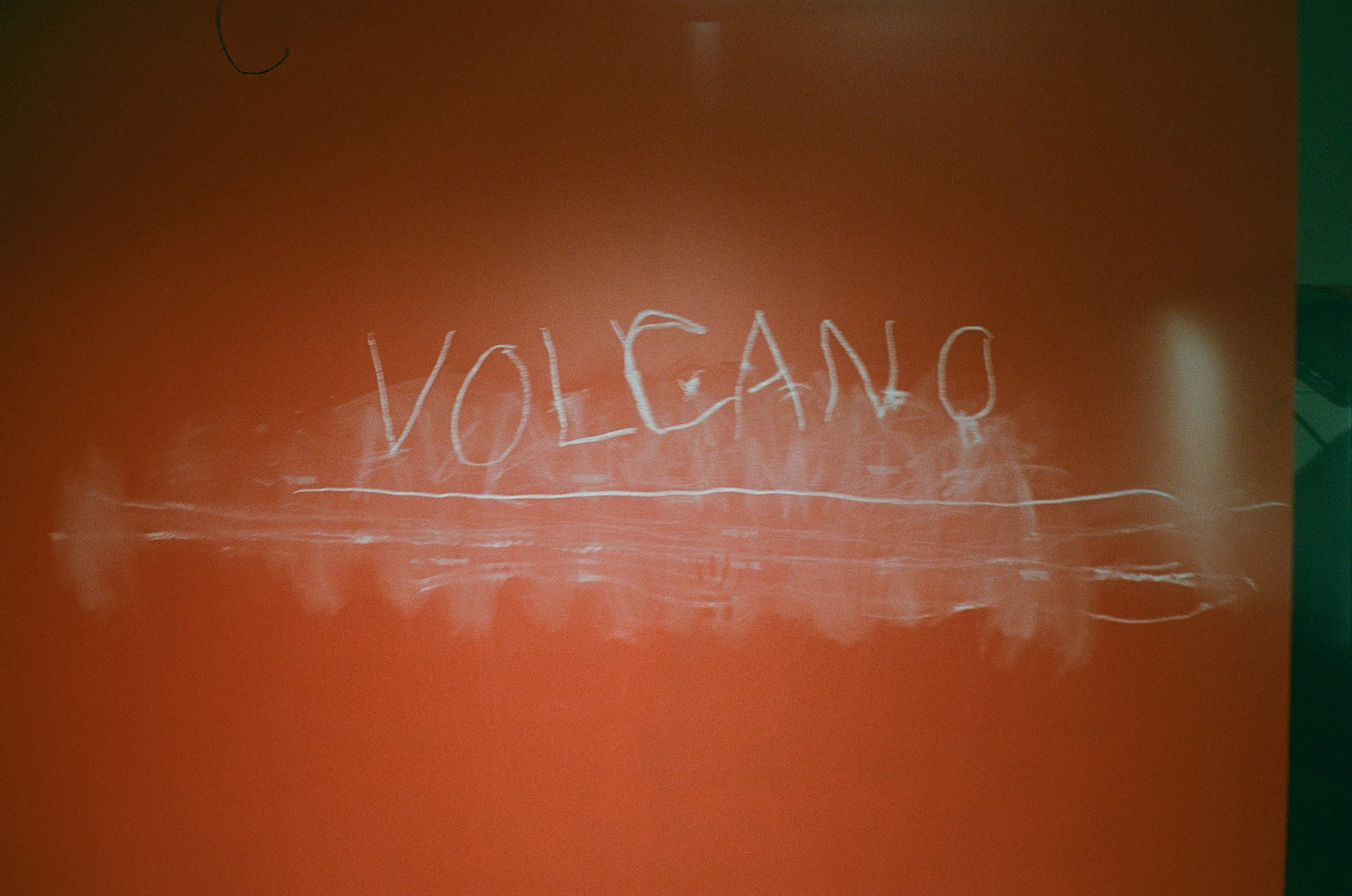
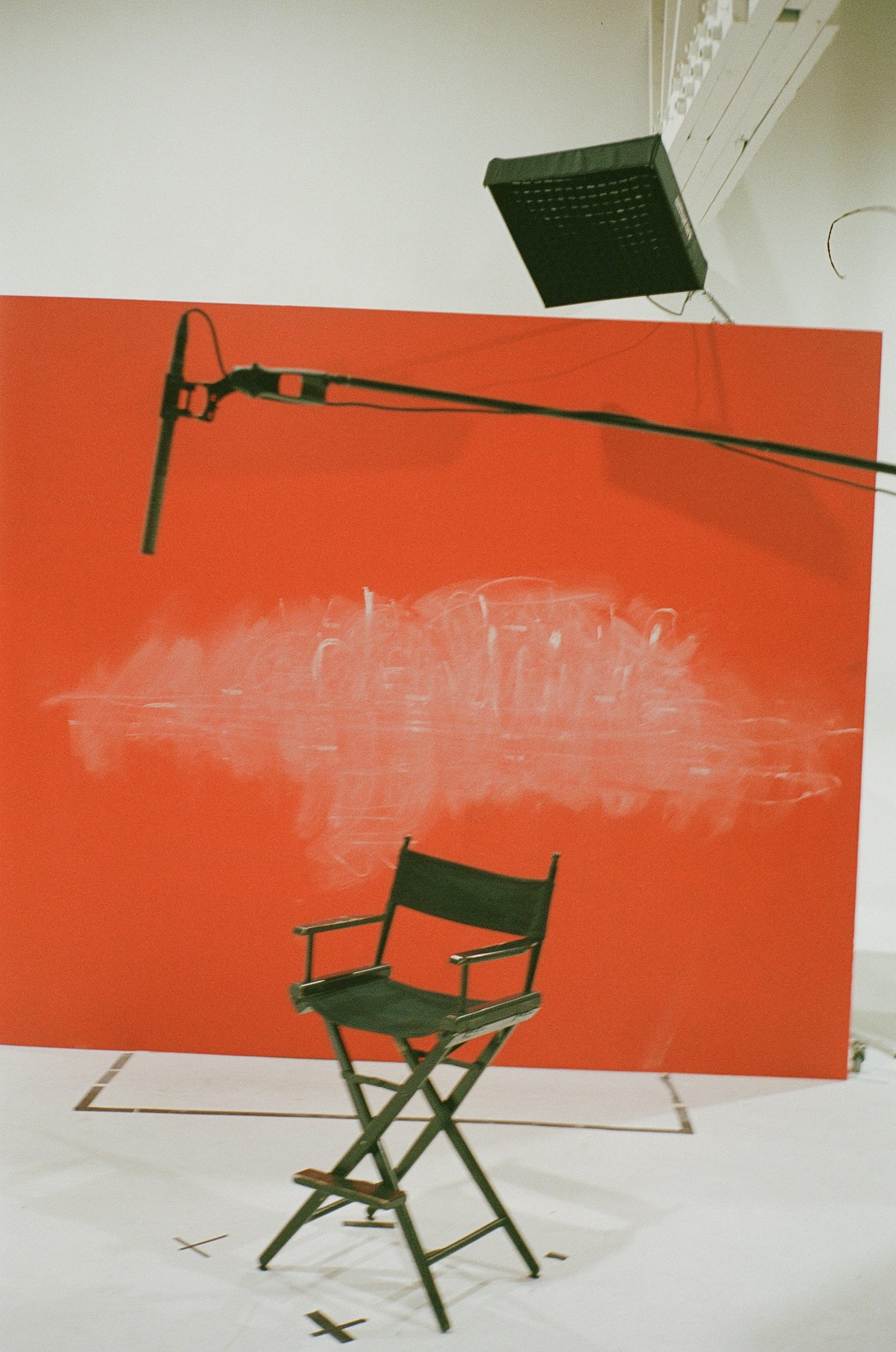


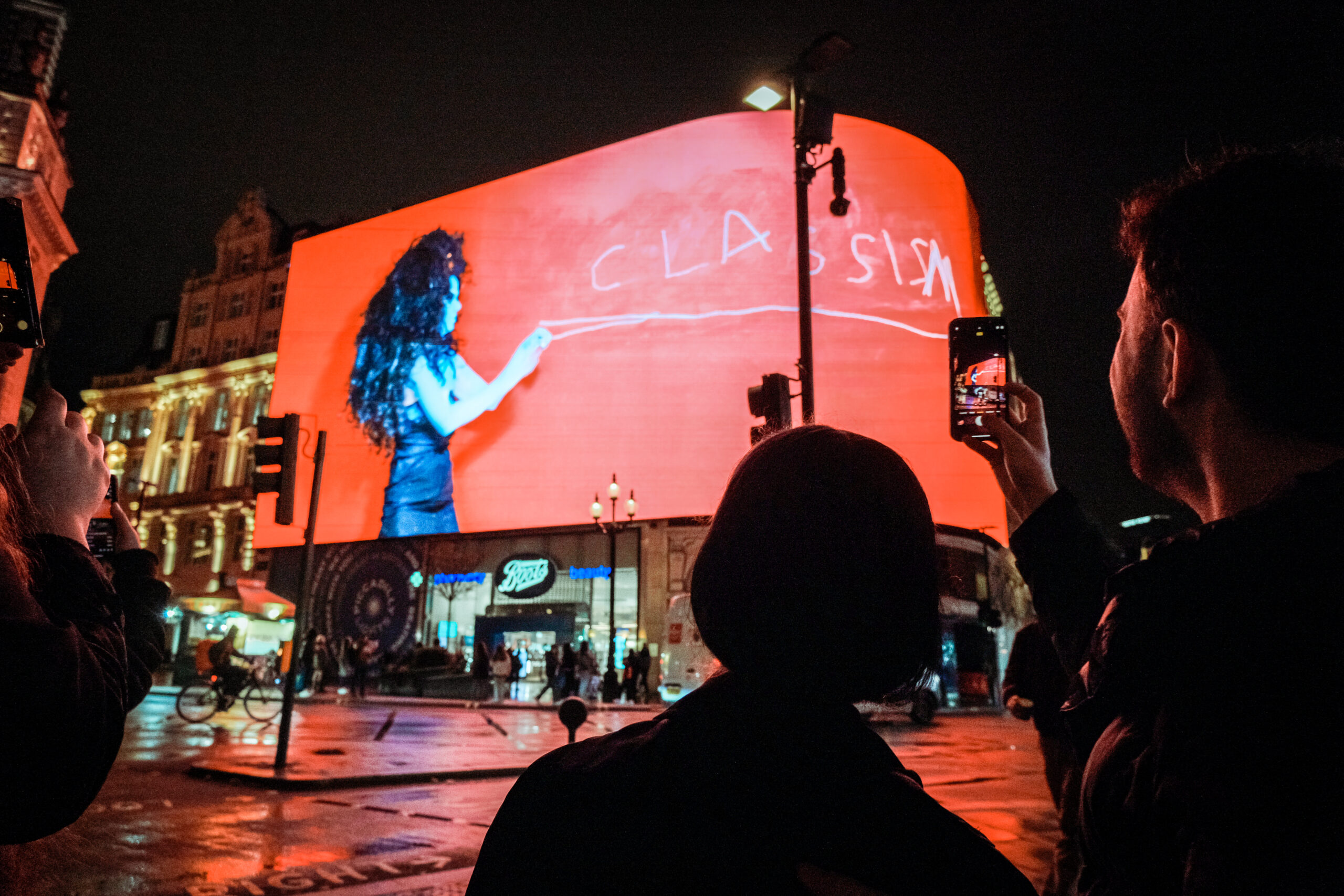
Responding to CIRCA’s 2024 manifesto, < BREAK FREE > Time’s Arrow Flies Forever Forward, Pfahler transforms the screen into a temporary classroom where language itself becomes material. Writing, erasing and rewriting words across a blackboard, she performs a continual act of revision in which meaning remains fluid, unstable and alive. Nothing is fixed. Nothing is complete. Every lesson remains open to interpretation. The gesture feels particularly urgent at a moment when bodies, voices and ideas continue to encounter new forms of control, censorship and commodification. Against these pressures, The Manual of Action reasserts creativity as a shared human resource rather than a professional identity, proposing that freedom begins not with mastery but with permission: permission to experiment, permission to fail, permission to transform and permission to use whatever is available in order to discover what might become possible.

Part manifesto, part performance and part social sculpture, The Manual of Action ultimately offers no instructions at all. Instead, it functions as an invitation to reconsider the relationship between art and everyday life, between imagination and action, between who we are and who we might yet become. In Pfahler’s world, creativity is not an escape from reality but a means of engaging more deeply with it. The question is not whether one is an artist, but whether one is willing to participate in the ongoing act of creation. For if creativity belongs only to artists, it remains a profession. If creativity belongs to everyone, it becomes a force capable of changing how we live.

Shop

Loading variants...

Films

Michelangelo Pistoletto’s Three Mirrors is presented daily across CIRCA’s global network of public screens. Each evening at 20:26 (local time), the work appears simultaneously across the following locations, entering the flow of the city and inviting a shared moment of reflection. Select a location below to view directions and find your nearest screen on Google Maps.

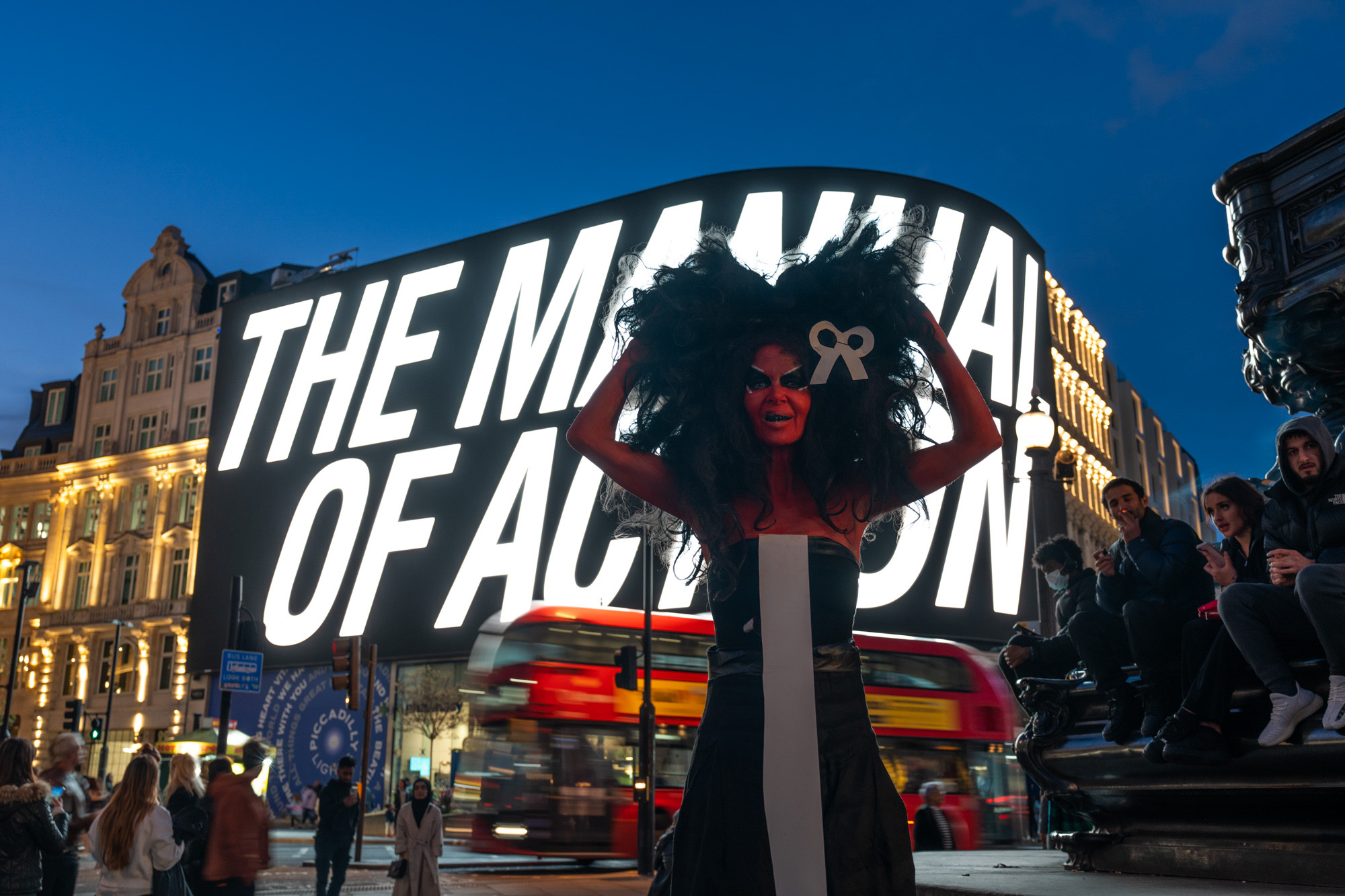
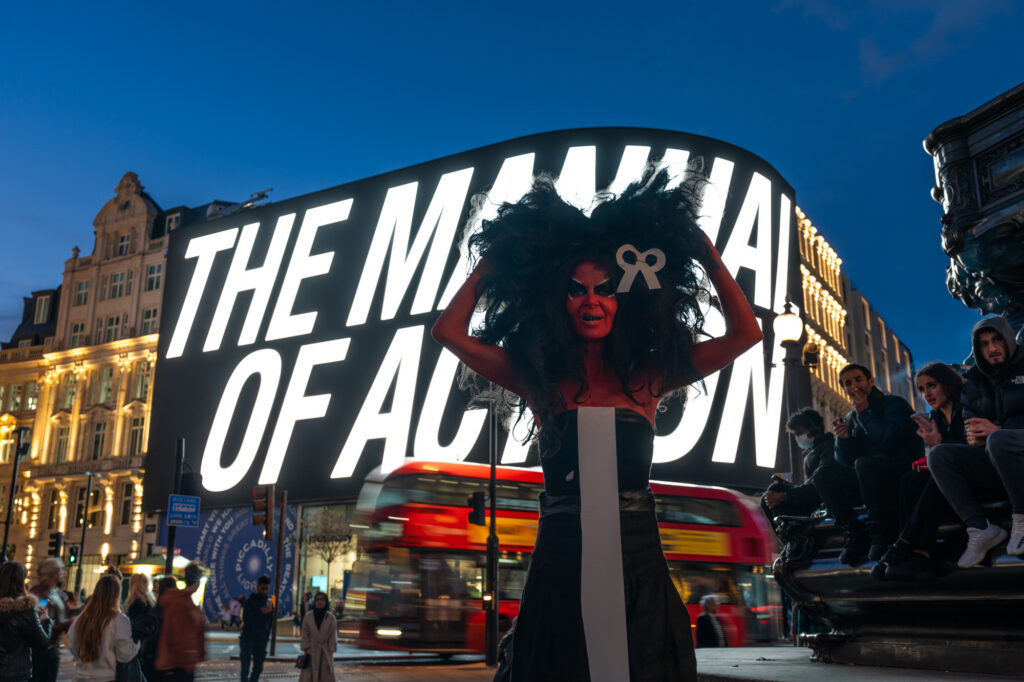
London, Piccadilly Lights


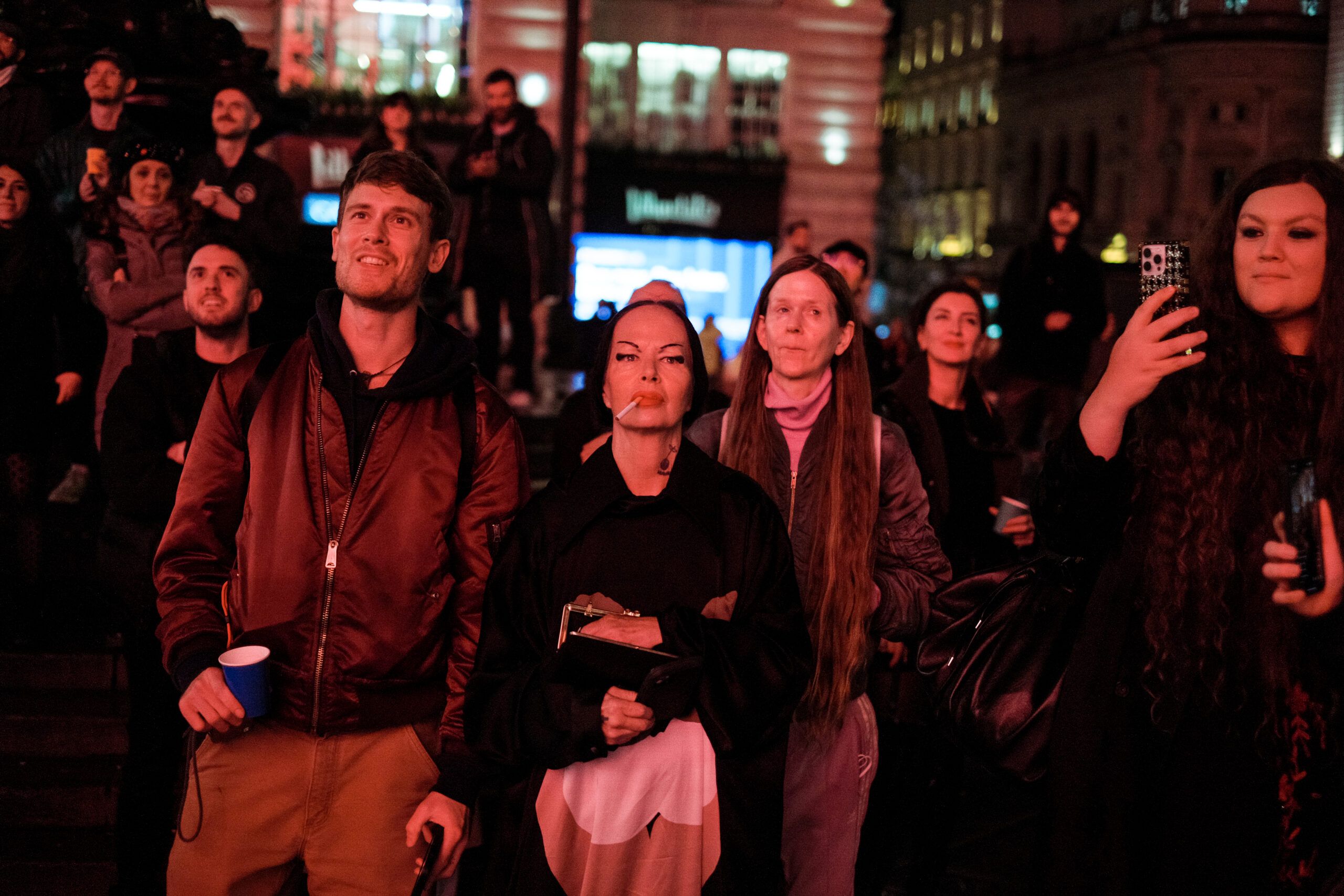
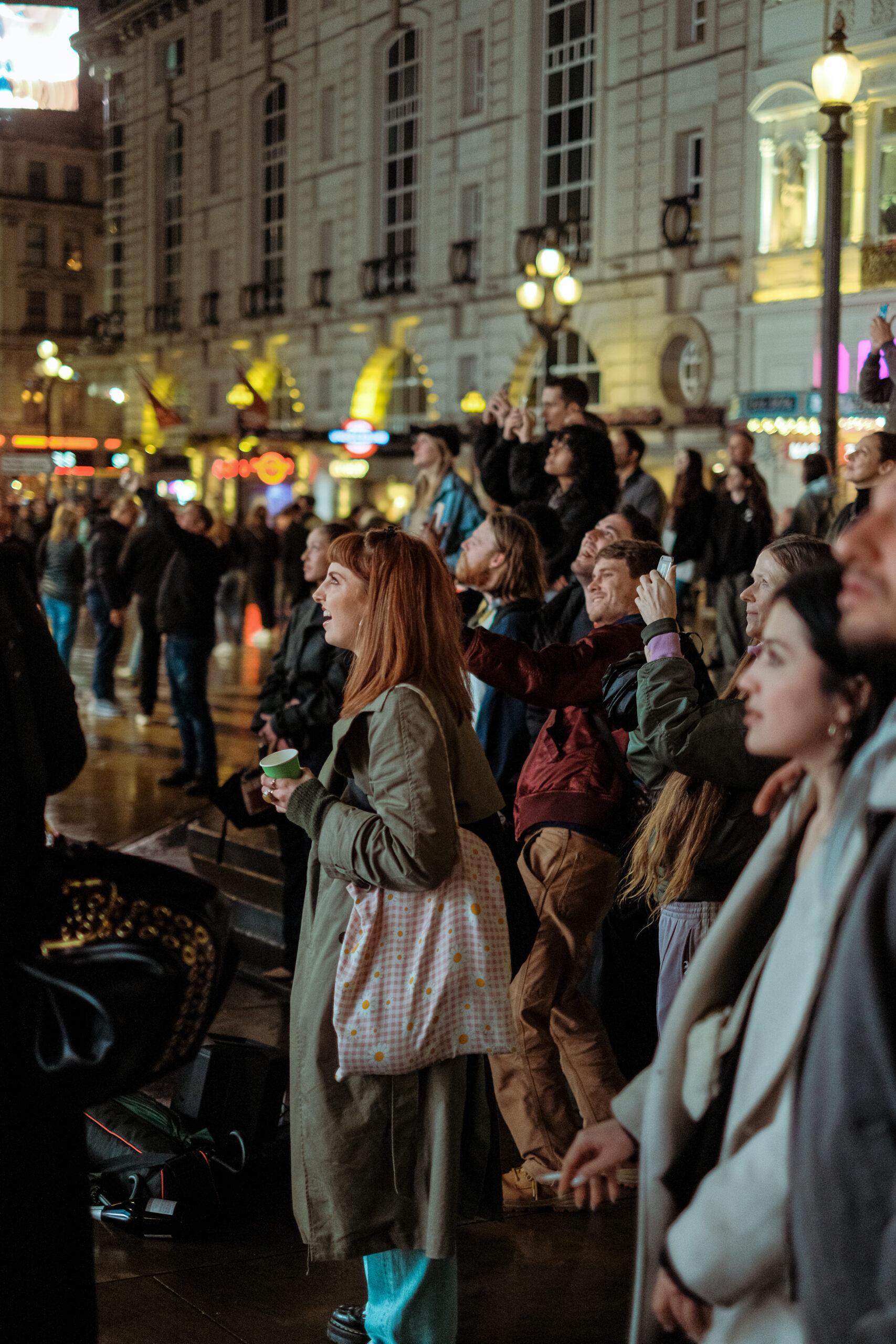
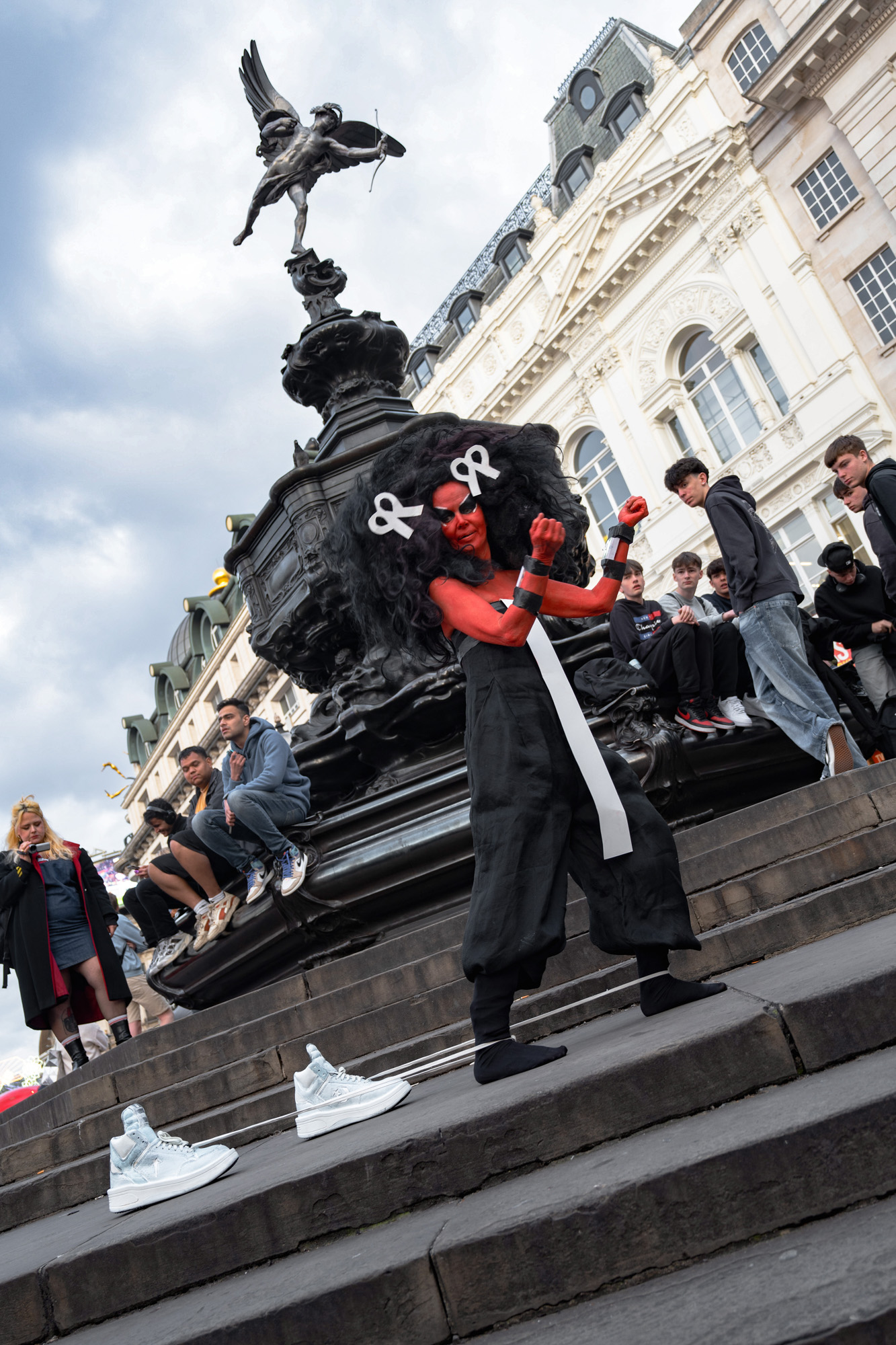
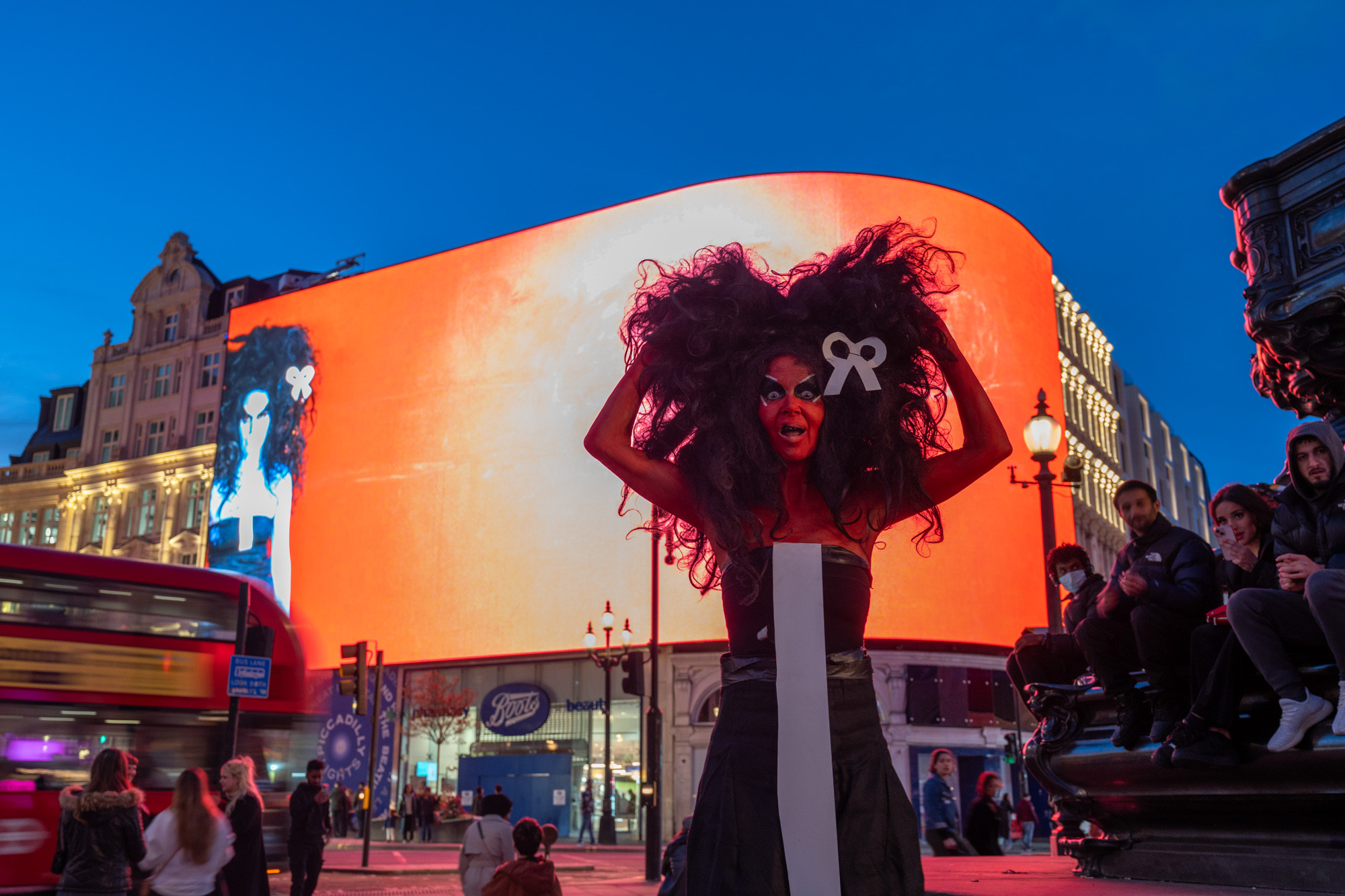
Experience The Manual of Action by Kembra Pfahler every evening at 20:24 BST (8 April – 30 June 2024) on the iconic Piccadilly Lights screen.

View screen locations

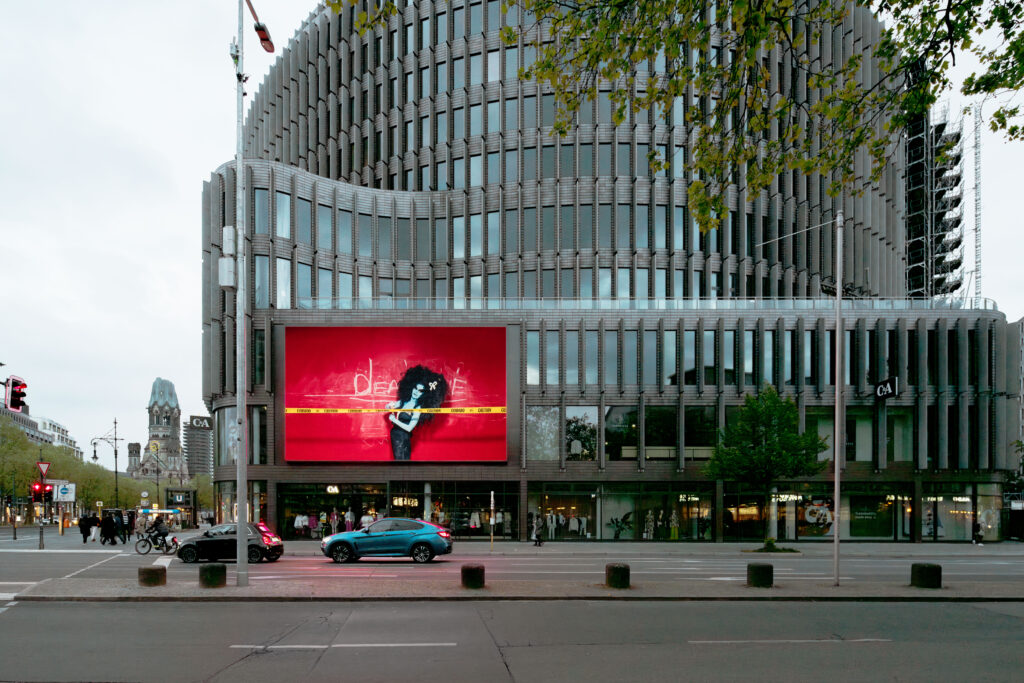
Berlin, Kurfürstendamm

Experience The Manual of Action by Kembra Pfahler every evening at 20:24 CET (8 April – 30 June 2024) on Berlin’s Limes Kurfürstendamm screen.

View screen locations

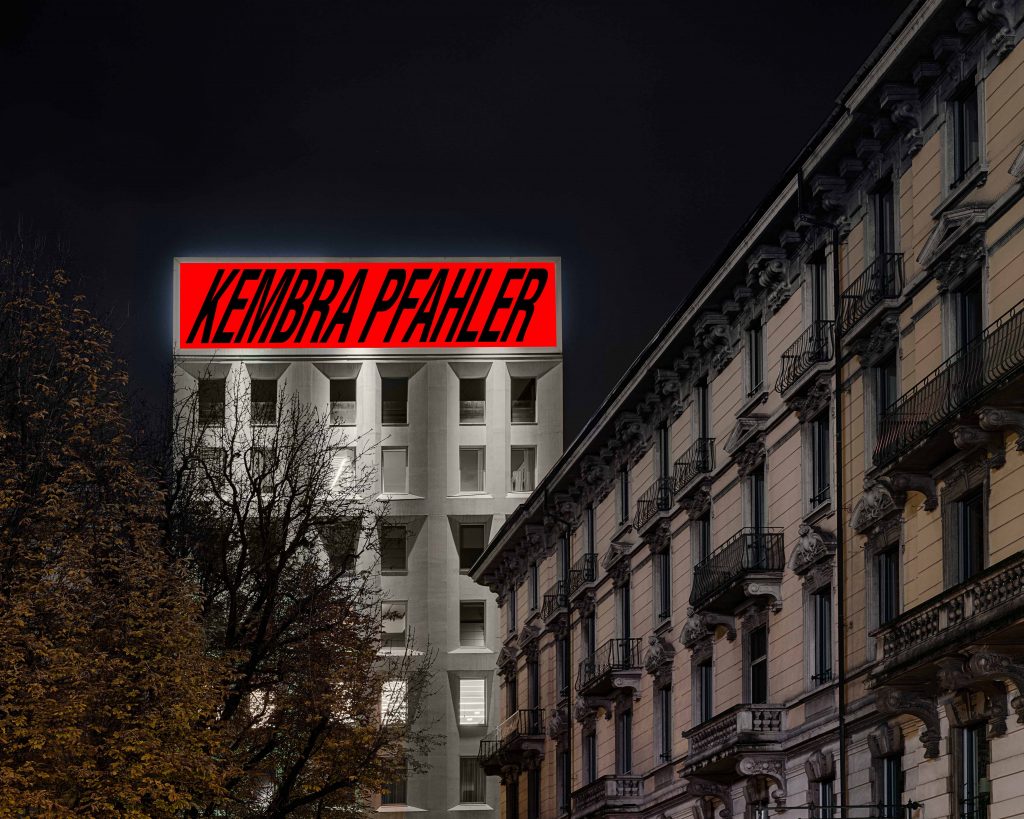
Milan, Cadorna Square

Experience The Manual of Action by Kembra Pfahler every evening at 20:24 CET (8 April – 30 June 2024) on Milan’s EssilorLuxottica screen.

View screen locations

INTERVIEW

Kembra Pfahler in conversation with Josef O’Connor
Josef O’ Connor: It’s half midnight on the 4th of April, 2024. I’d like to suggest that in the spirit of live performance, we commit to transcribing everything we say in this conversation.

Kembra Pfahler: If this is just in the spirit of my live performance, I usually sing. I never really talk.

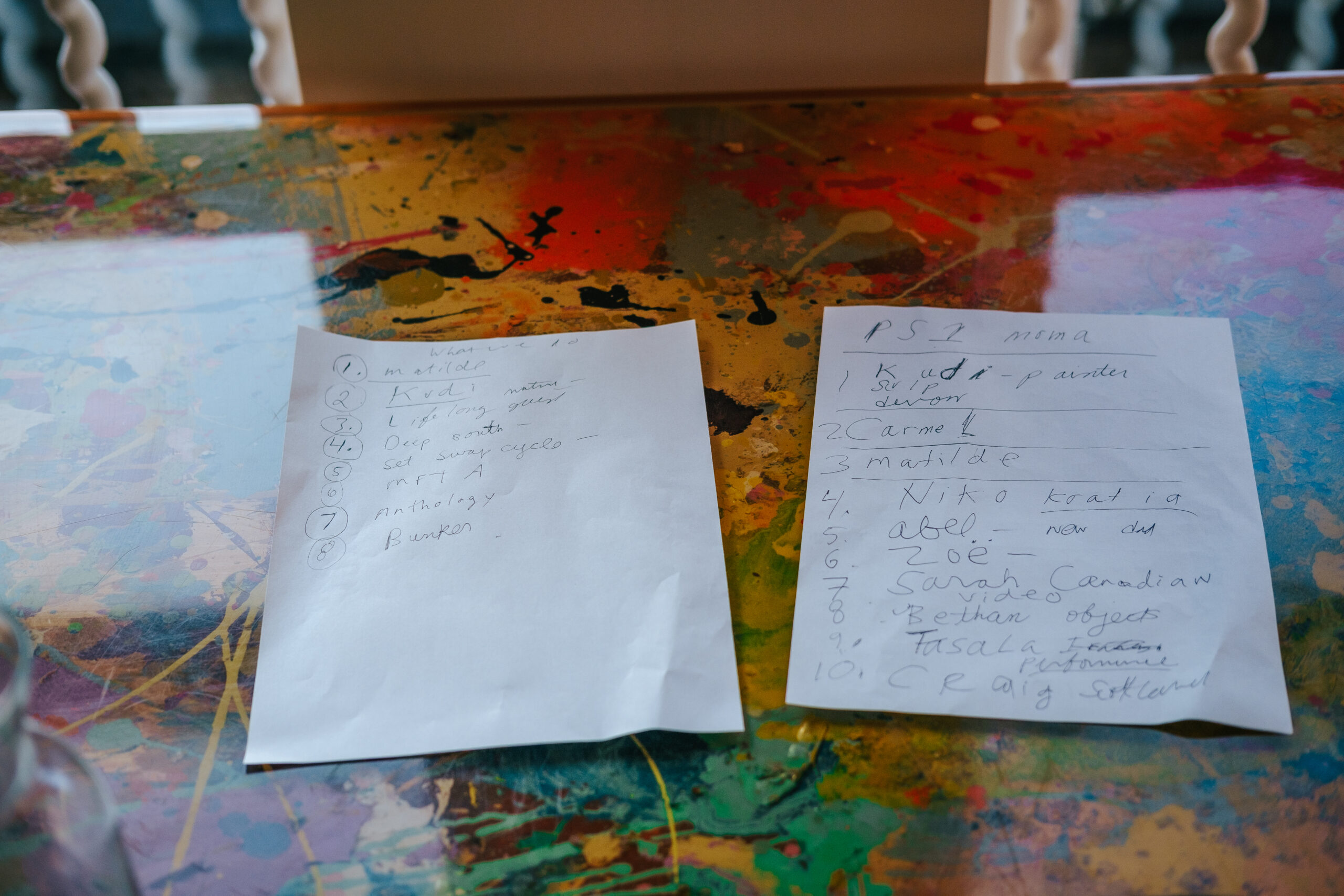
JOC: You are welcome to sing rather than talk. I wanted to start with our CIRCA collaboration, which felt like a love letter, a special journey we went on together. People often ask how I pick the artists and I now kind of believe that the artists almost pick me. And that it’s my job to respond and follow that energy. After learning about your path as a teacher, The Manual of Action revealed itself through phone calls and brought us to know each other in a very short timeframe, and I feel it does quite an effective job of telling the story of Kembra Pfahler.

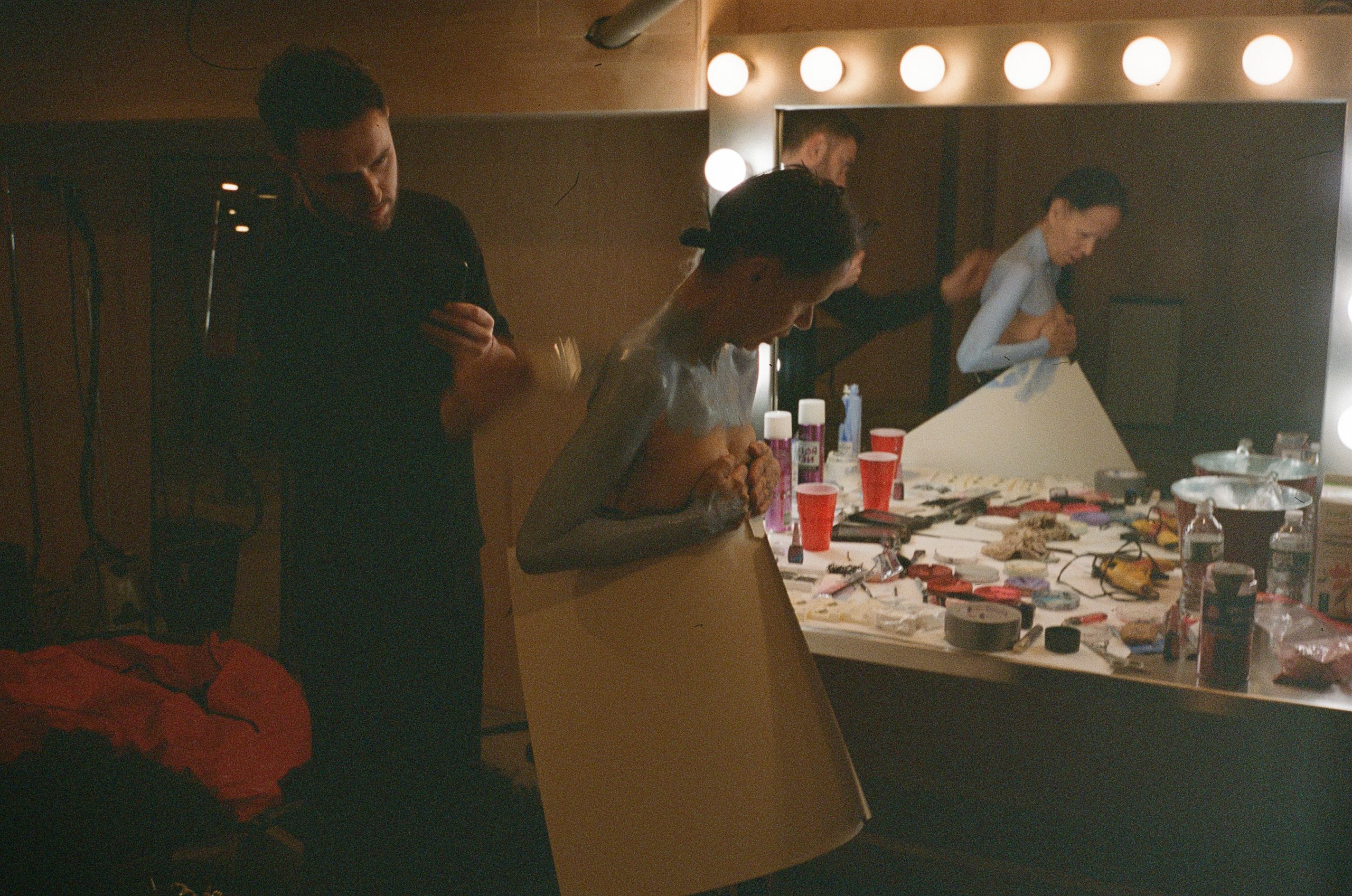
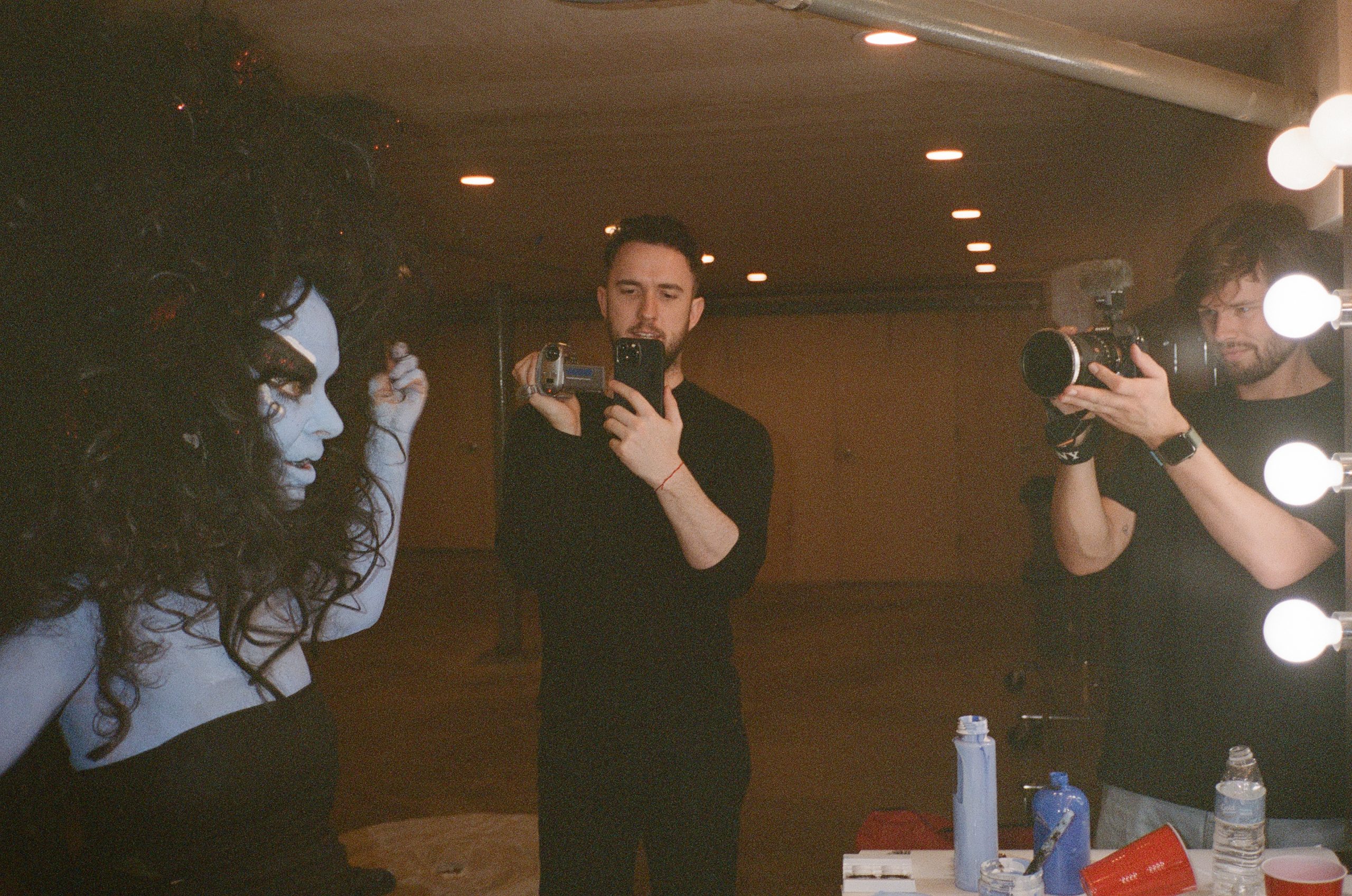
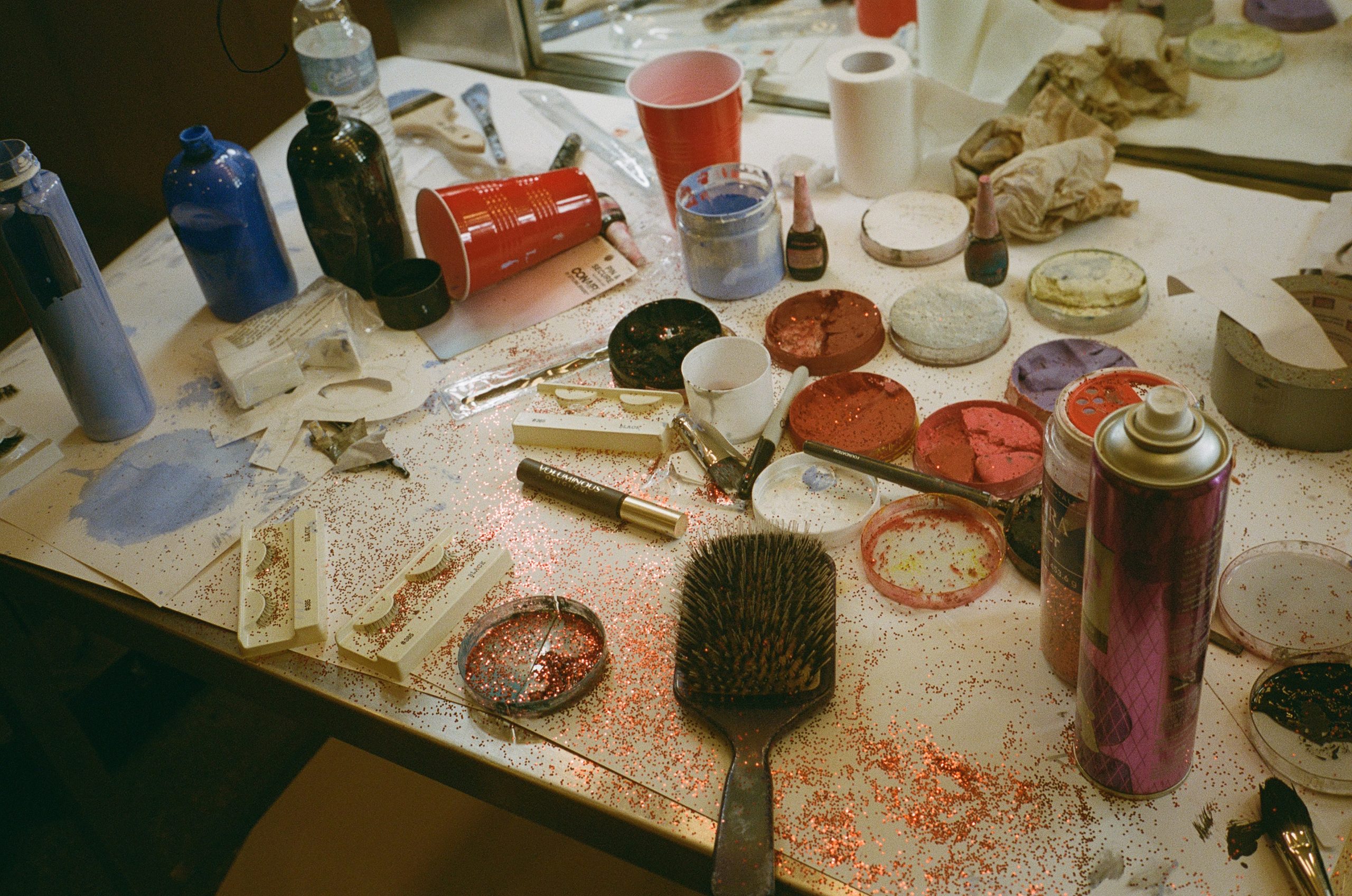
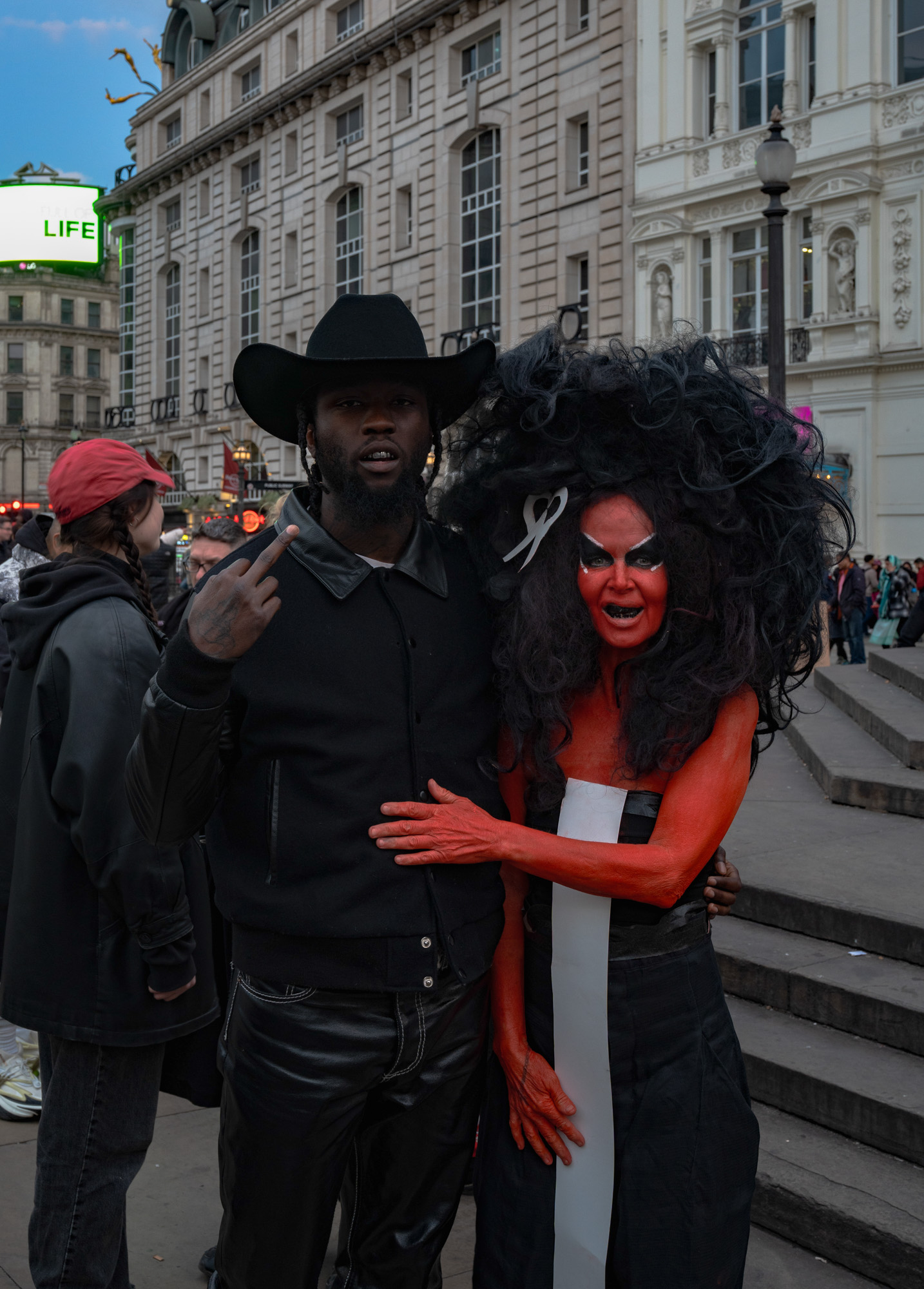
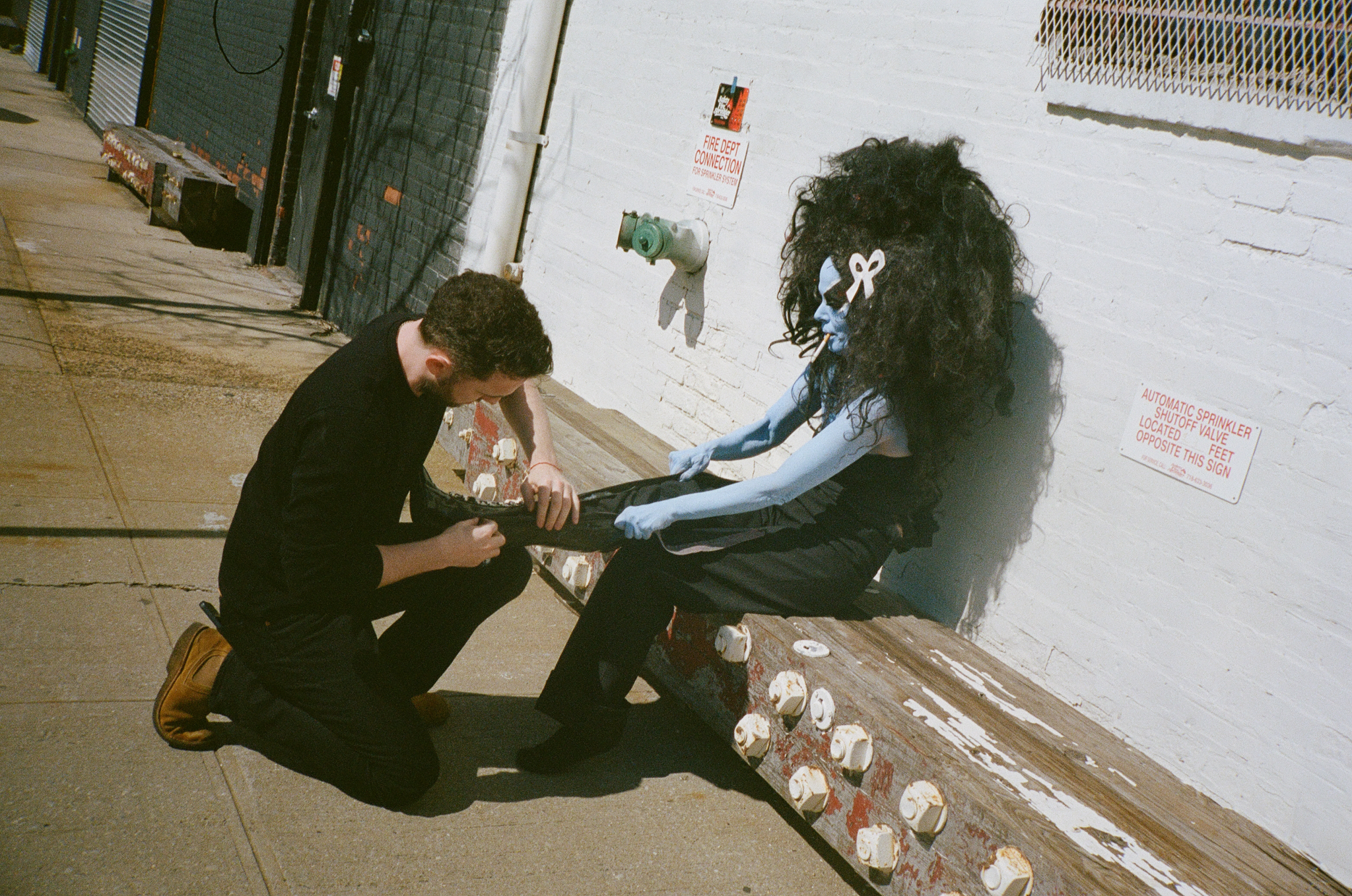
KP: Thank you Josef for saying that. One of the reasons I gravitated towards CIRCA was because I rarely feel heard or encouraged to describe my work. Not everyone is interested in extreme performance art that involves complete head-to-toe transformation, nudity, props and homemade costumes. Everything is pretty DIY with The Voluptuous Horror of Karen Black and there was a lot of joy in this process. I think that joy, pleasure and fun in doing really serious work is rare. I felt encouraged and appreciated by CIRCA. I didn’t feel pushed to put myself into a branded machine. I think that we’re a brand of outsiders. We’re an unbranded little group of people and am always surprised when people even know about what I do. I feel like we’re extremely unpopular. It’s rare to feel that the essence of what I do is understood and I am grateful to you for that.
Press

The Gentlewoman
Emalin
Hypebae
Wallpaper*
Press Release

The Manual of Action

Biography

Kembra Pfahler

Kembra Pfahler is an artist, performer, musician and cultural catalyst whose influence has shaped the countercultural landscape of New York for more than four decades. Working across performance, music, film, fashion and visual art, she has developed a singular artistic language that combines radical self-expression, humour and transformation to challenge conventional ideas of beauty, power and identity.
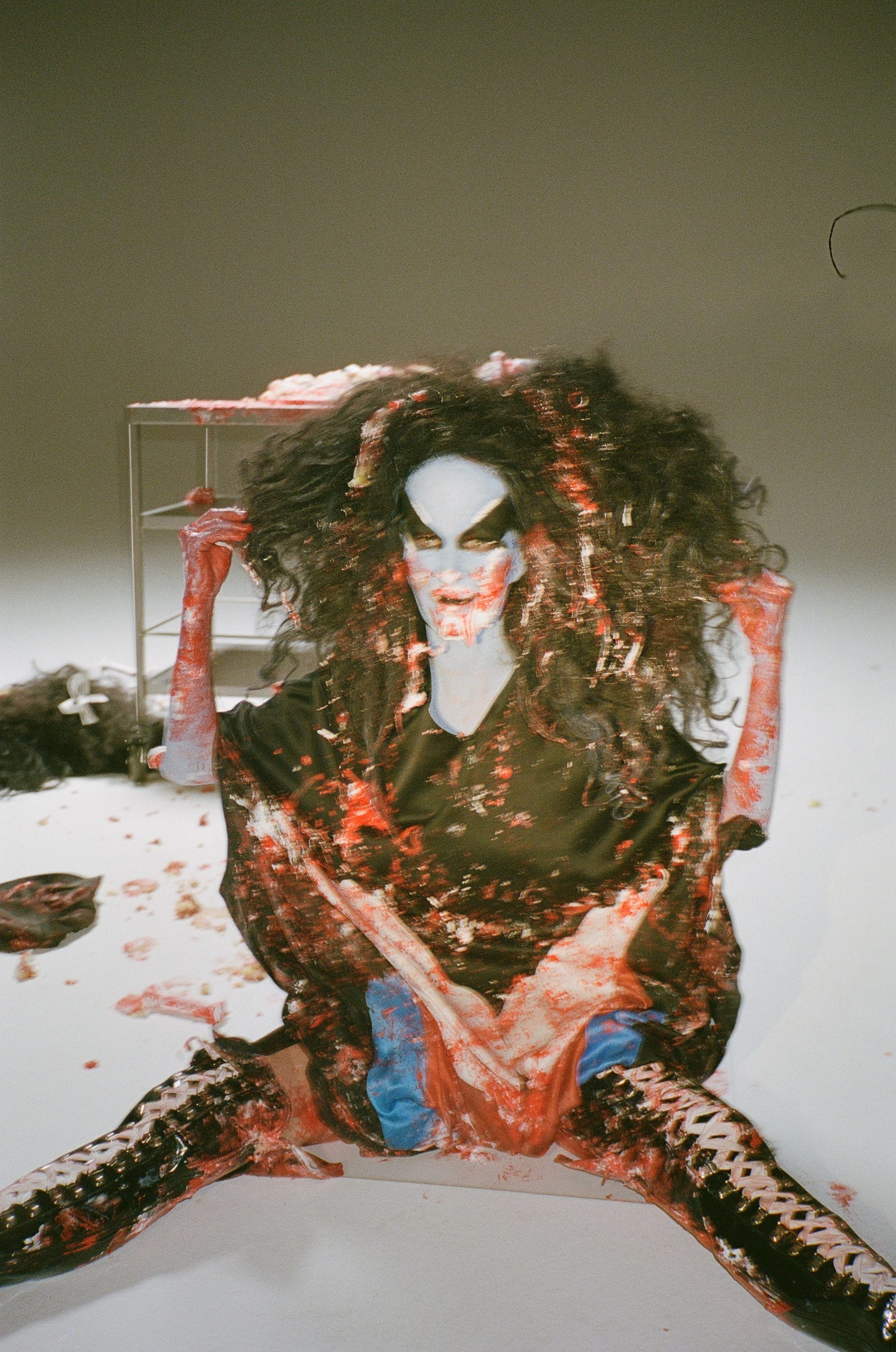
A key figure within the Lower East Side underground, Pfahler is best known as the founder of the cult death-rock group The Voluptuous Horror of Karen Black and for her philosophy of Availabism, a practice centred on making creative use of what is readily available. Through performances, drawings, costumes, photographs and her celebrated Sit-Ins, she has consistently reclaimed the body as a site of artistic freedom while inspiring generations of artists, musicians and performers.

In 2024, Pfahler collaborated with CIRCA on The Manual of Action, a twelve-week public programme that transformed digital billboards into a classroom for creative liberation. Coinciding with the tenth anniversary of Future Feminism, the ground-breaking movement she co-founded alongside Anohni and Johanna Constantine, the project invited audiences worldwide to embrace creativity as a force for personal and collective transformation.

Pfahler’s work has been exhibited internationally and is held in the permanent collection of the Museum of Modern Art, New York. Through a practice that continues to blur the boundaries between art and life, she remains one of contemporary culture’s most original and influential voices.

Subscribe to our newsletter

Subscription successful

An error occurred