fbpx Fiona Banner aka The Vanity Press, DISARM | CIRCA 20:24

CIRCA 2024


Fiona Banner aka The Vanity Press, DISARM

16 July - 31 August, 2024

There comes a point where language fails. Diplomacy gives way to threats. Debate hardens into certainty. Words become slogans, commands and declarations. Eventually, what cannot be resolved through language is handed over to force. Throughout history, war has often marked the moment when communication collapses and violence takes over.

For more than three decades, Fiona Banner has explored this unstable relationship between language, power and conflict. Working across sculpture, film, publishing and performance, she has examined the ways language shapes our understanding of warfare while simultaneously exposing its limitations. Her works frequently occupy the space between what can be said and what remains impossible to articulate, revealing the tensions that emerge when language reaches its breaking point.

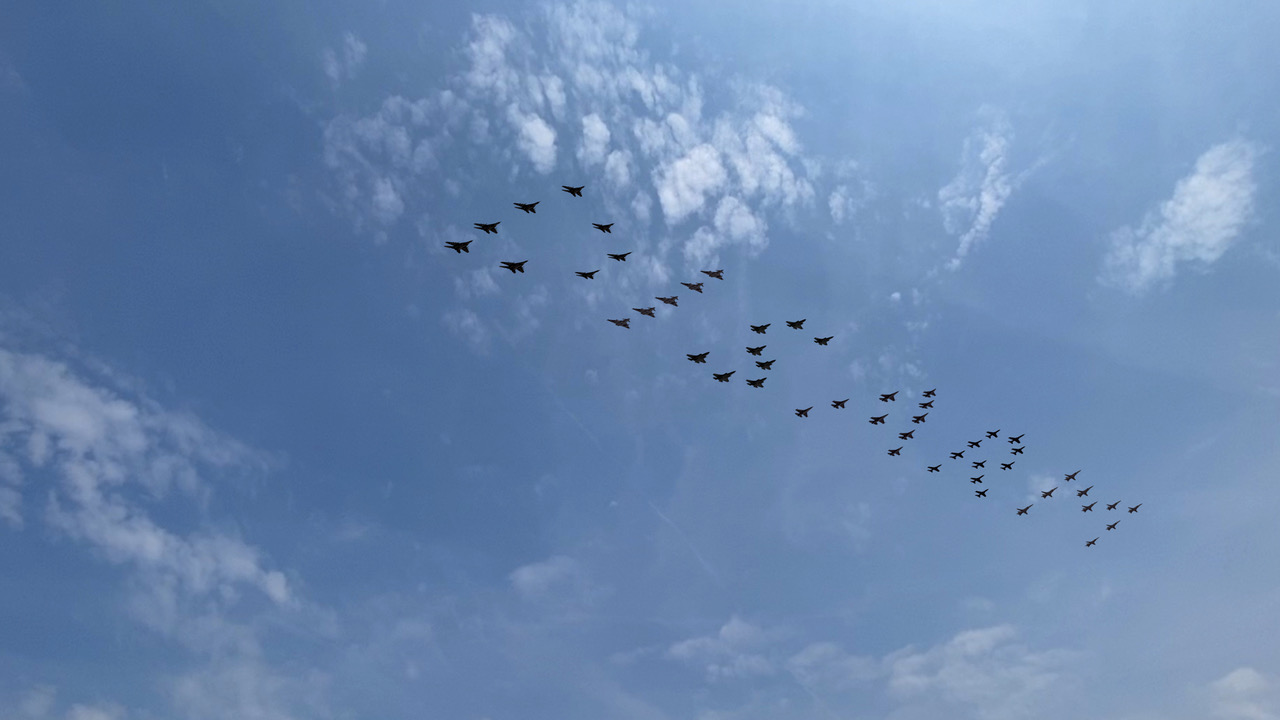
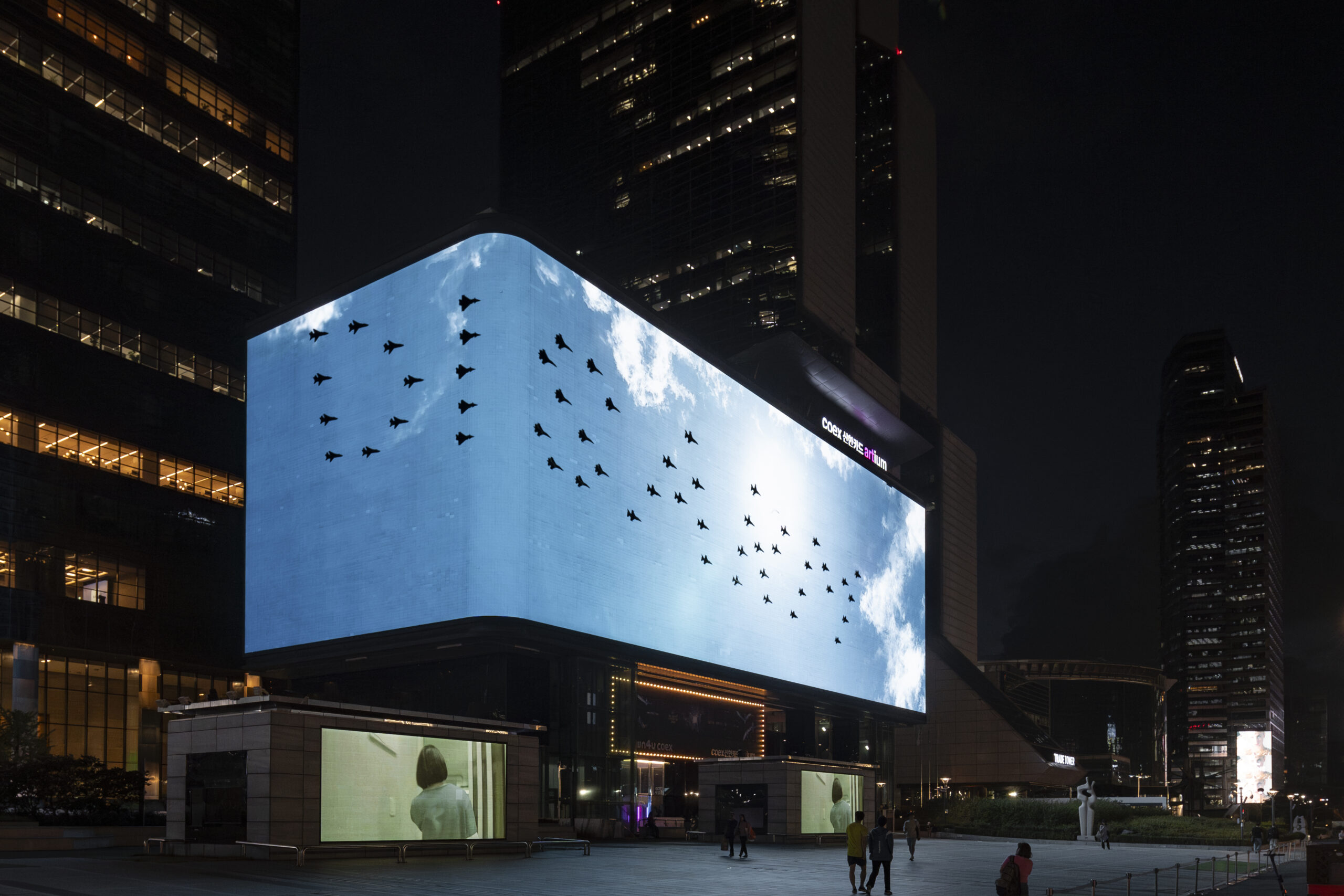
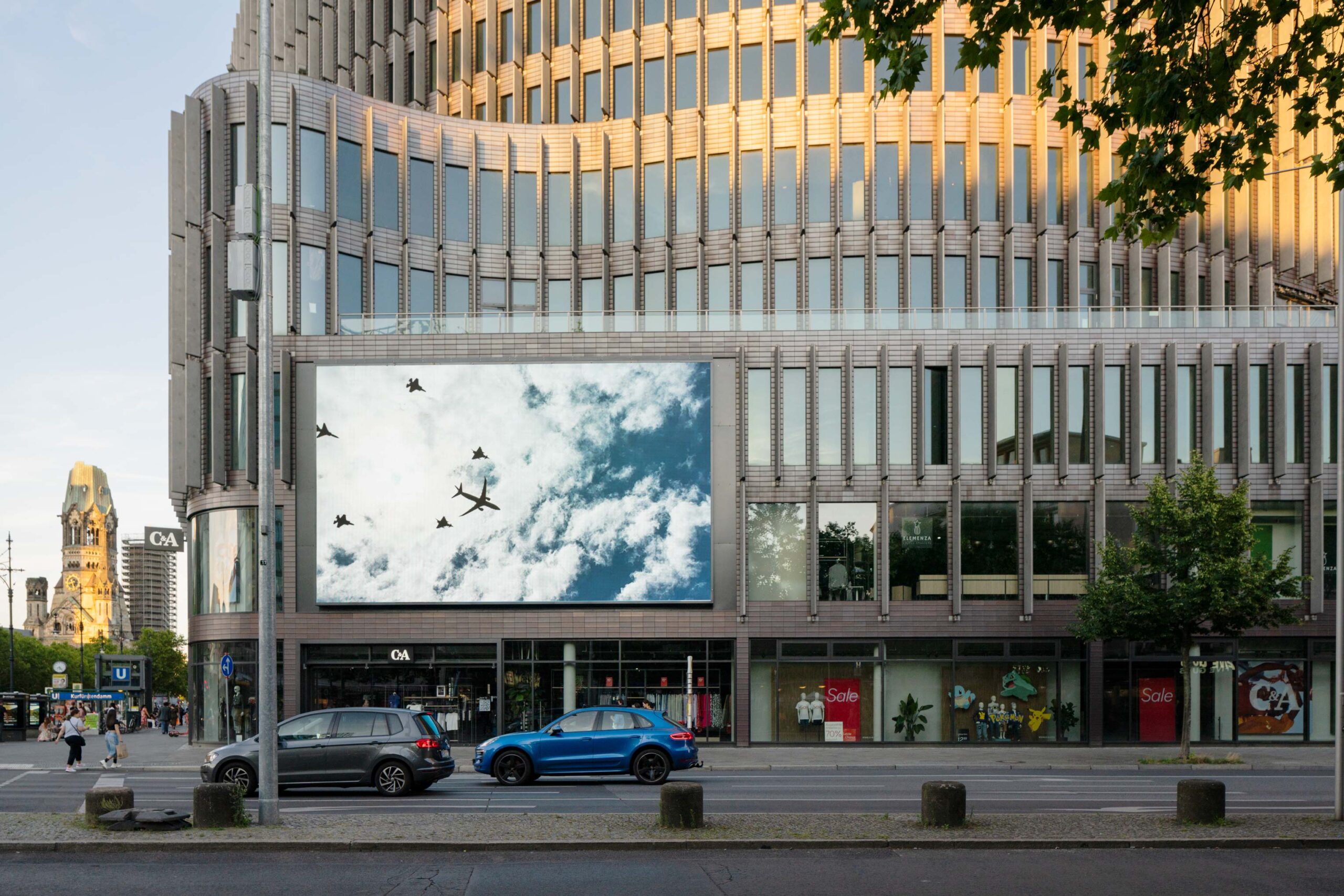
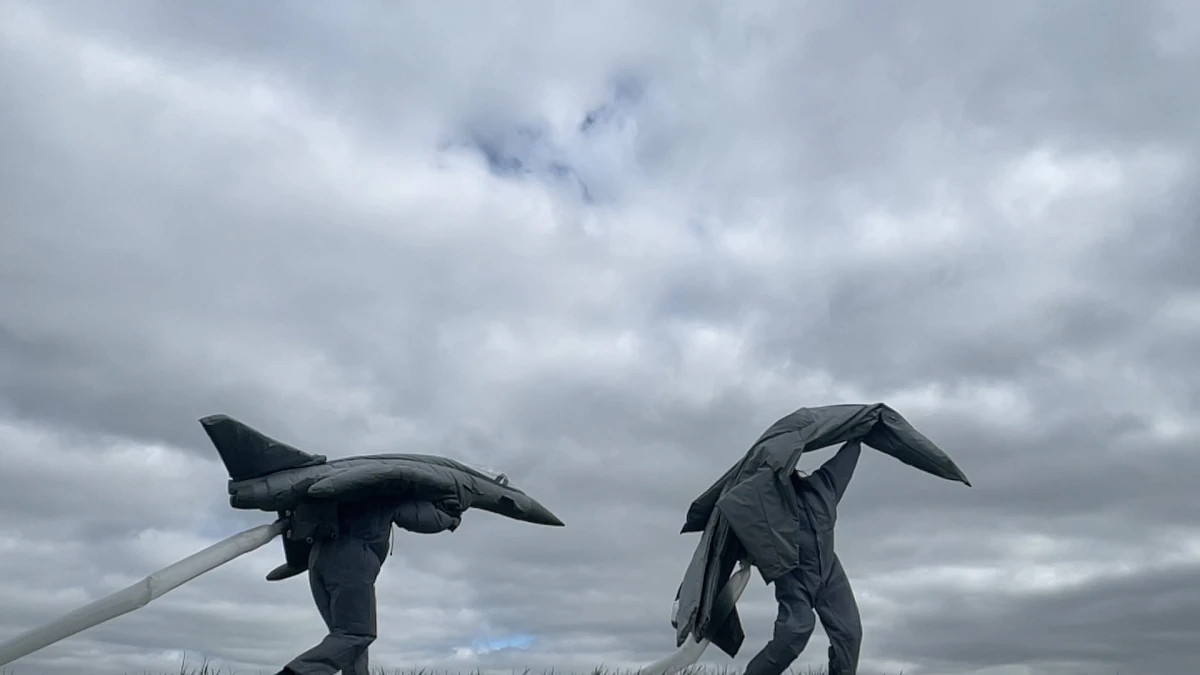
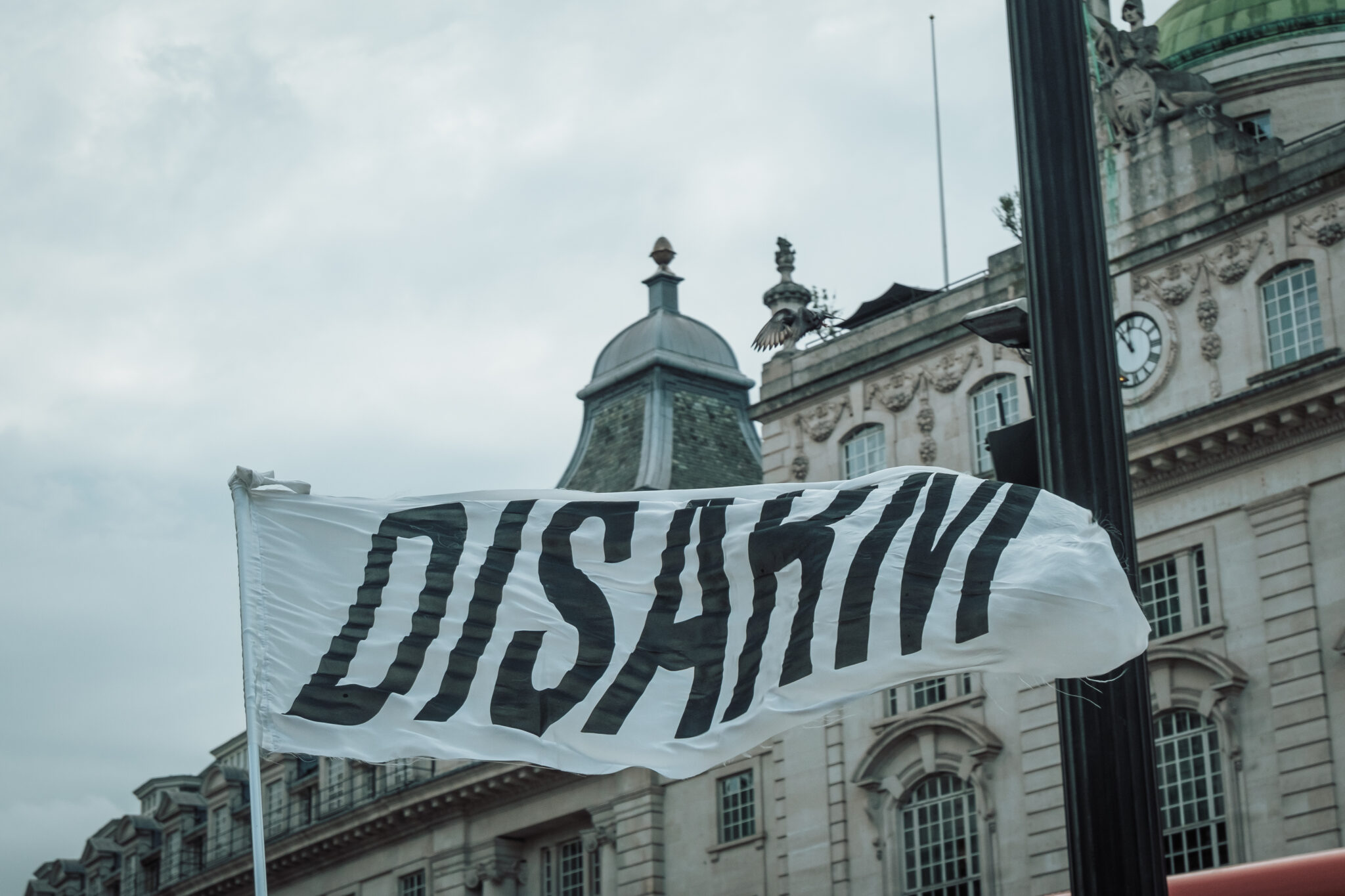
Created for CIRCA 2024, Disarm begins precisely at that threshold. A formation of military aircraft moves across an open sky. These machines, designed to project power and enforce national interests, come together to perform a single word: Disarm. The gesture is both direct and contradictory. Aircraft built for conflict spell out a call for peace. Instruments of defence enact a demand for their own redundancy. What appears at first as a display of military authority gradually transforms into something altogether more uncertain, fragile and human.

Banner has described fighter jets as the opposite of language. They represent the moment when communication ceases and conflict becomes physical. Yet in Disarm these same aircraft are asked to perform language itself. The result is a work suspended between sincerity and impossibility, between aspiration and reality. The word appears clearly before us, yet the conditions required to realise it remain distant and unresolved.

The work draws on the peculiar spectacle of the military flypast, a public ritual that combines celebration, commemoration and intimidation in equal measure. Banner has described these displays as a form of extreme weather, overwhelming events that pass overhead with both beauty and menace. In Disarm, the familiar choreography of military power is redirected towards a radically different proposition. The sky becomes a temporary page upon which an alternative future can be imagined.

Presented at a time of escalating global conflict and unprecedented military expenditure, the work does not offer solutions. Instead, it asks what role language might still play in a world increasingly shaped by force. Can words retain their power when confronted by violence? Can imagination remain meaningful when reality appears to move in the opposite direction? And what happens when the very symbols of conflict become vehicles for expressing a shared desire for peace?

As the formation dissolves and the letters disappear back into the atmosphere, the word remains unresolved. Neither slogan nor instruction, Disarm functions as a proposition. It invites us to consider disarmament not only as a political objective, but as a broader act of reflection on how we relate to one another, how we exercise power, and how we choose to communicate across difference.

For a brief moment, the sky carries a message that seems both impossible and necessary. Whether it is a demand, a warning or a hope is left for each viewer to decide.

Films

SCREEN LOCATIONS

Every evening at 20:24 (local time), CIRCA stops the clock across a global network of public screens and mobilises the world’s greatest creative minds to broadcast unique works of art that consider our world circa now.

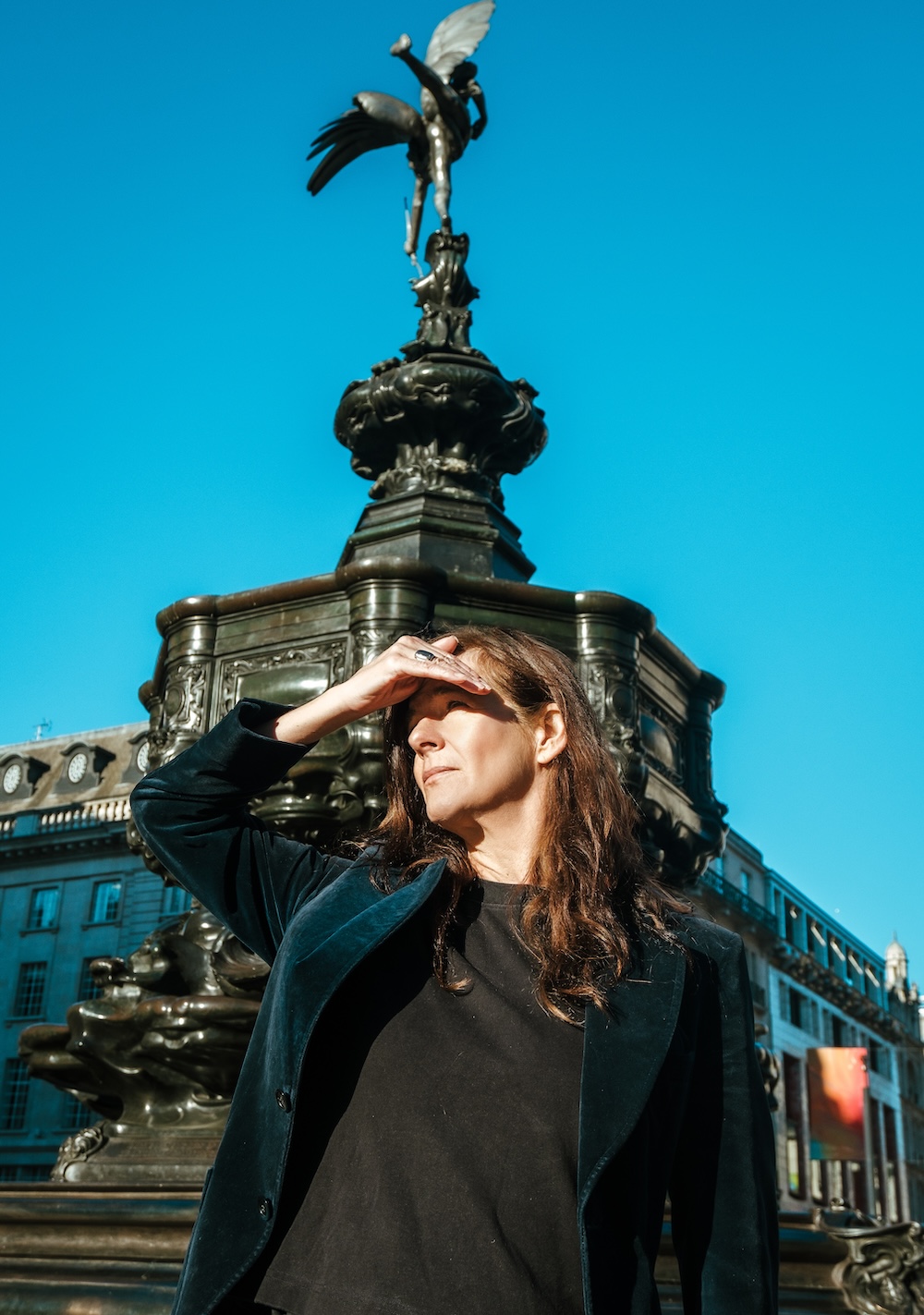

London, Piccadilly Lights

Watch the DISARM flypast every evening at 20:24 BST (16 July – 31 August 2024) on the iconic Piccadilly Lights screen.

View screen locations

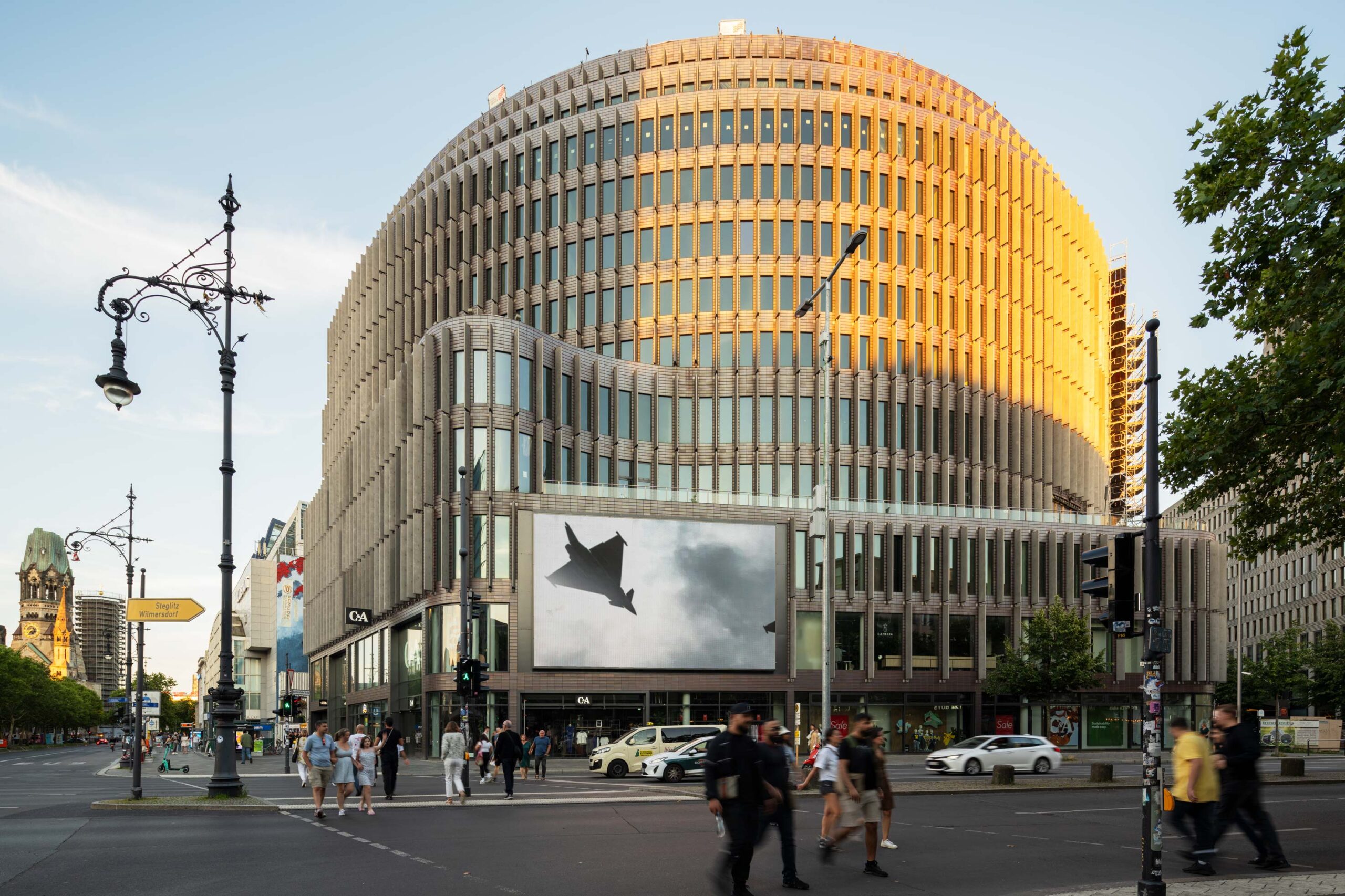
Berlin, Kurfürstendamm

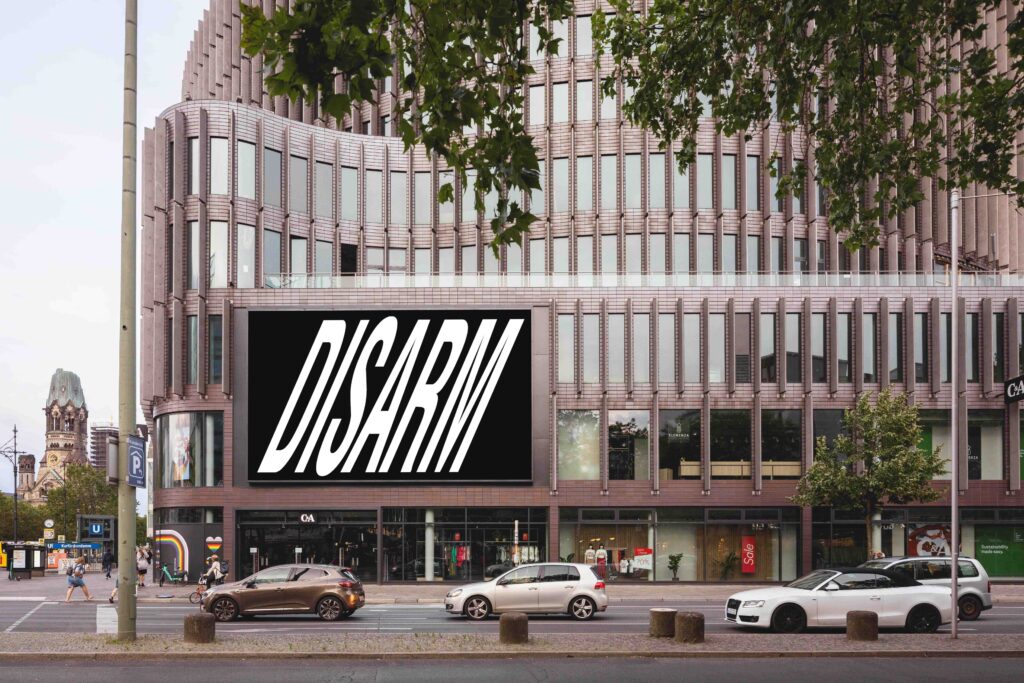
Watch the DISARM flypast every evening at 20:24 CET (16 July – 31 August 2024) on Berlin’s Limes Kurfürstendamm screen.

View screen locations

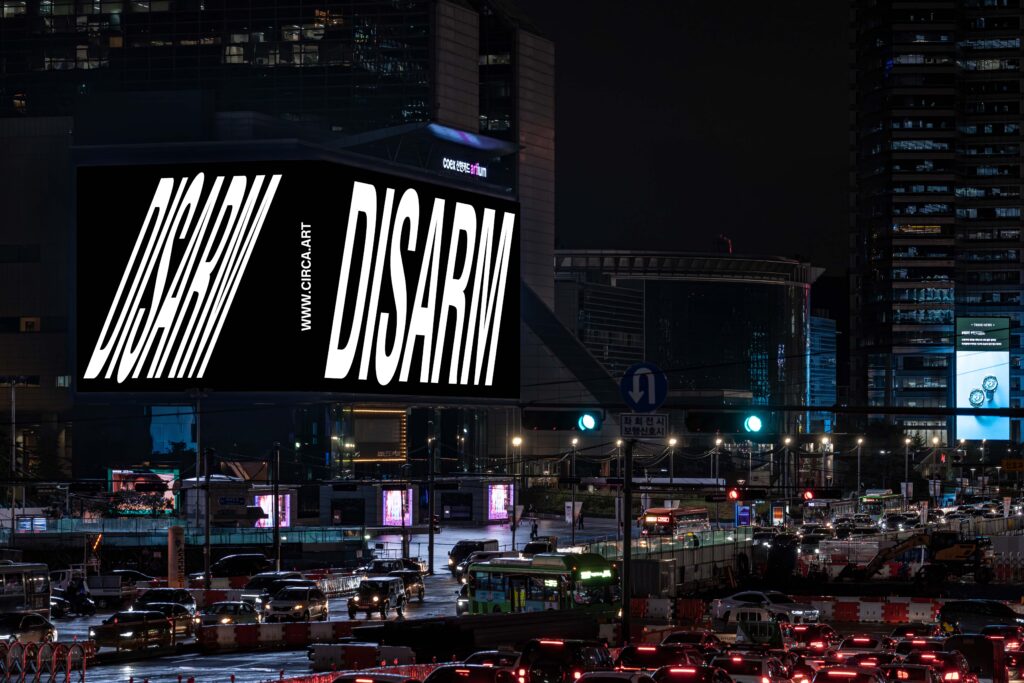
Seoul, COEX K-Pop Square

Watch the DISARM flypast every evening at 20:24 KST (16 July – 31 August 2024) on Seoul’s COEX K-Pop Square screen.

View screen locations

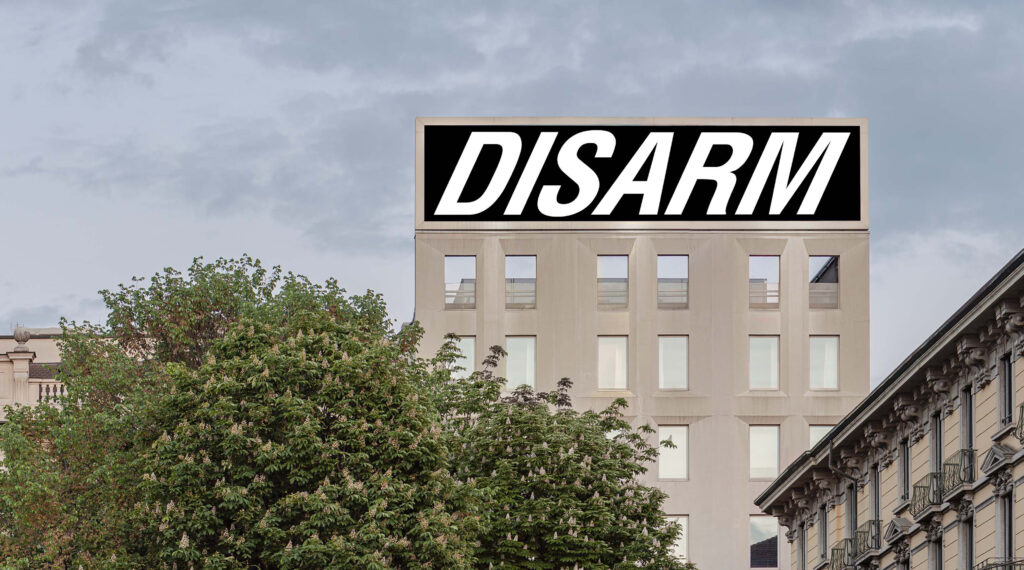
Milan, Cadorna Square

Watch the DISARM flypast every evening at 20:24 CET (16 July – 31 August 2024) on Milan’s EssilorLuxottica screen.

View screen locations

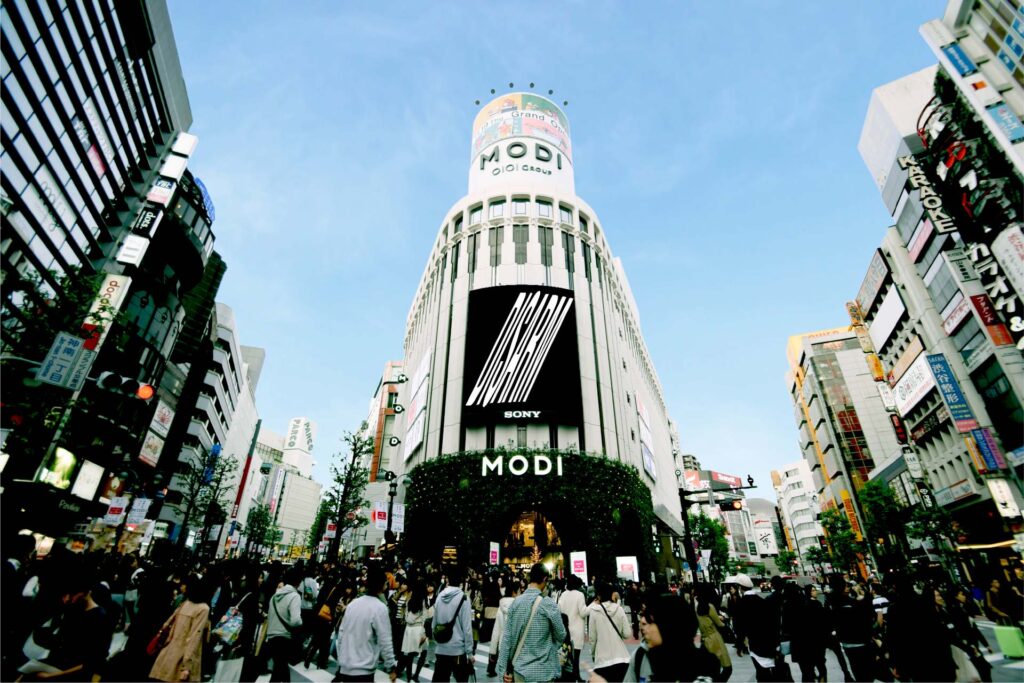
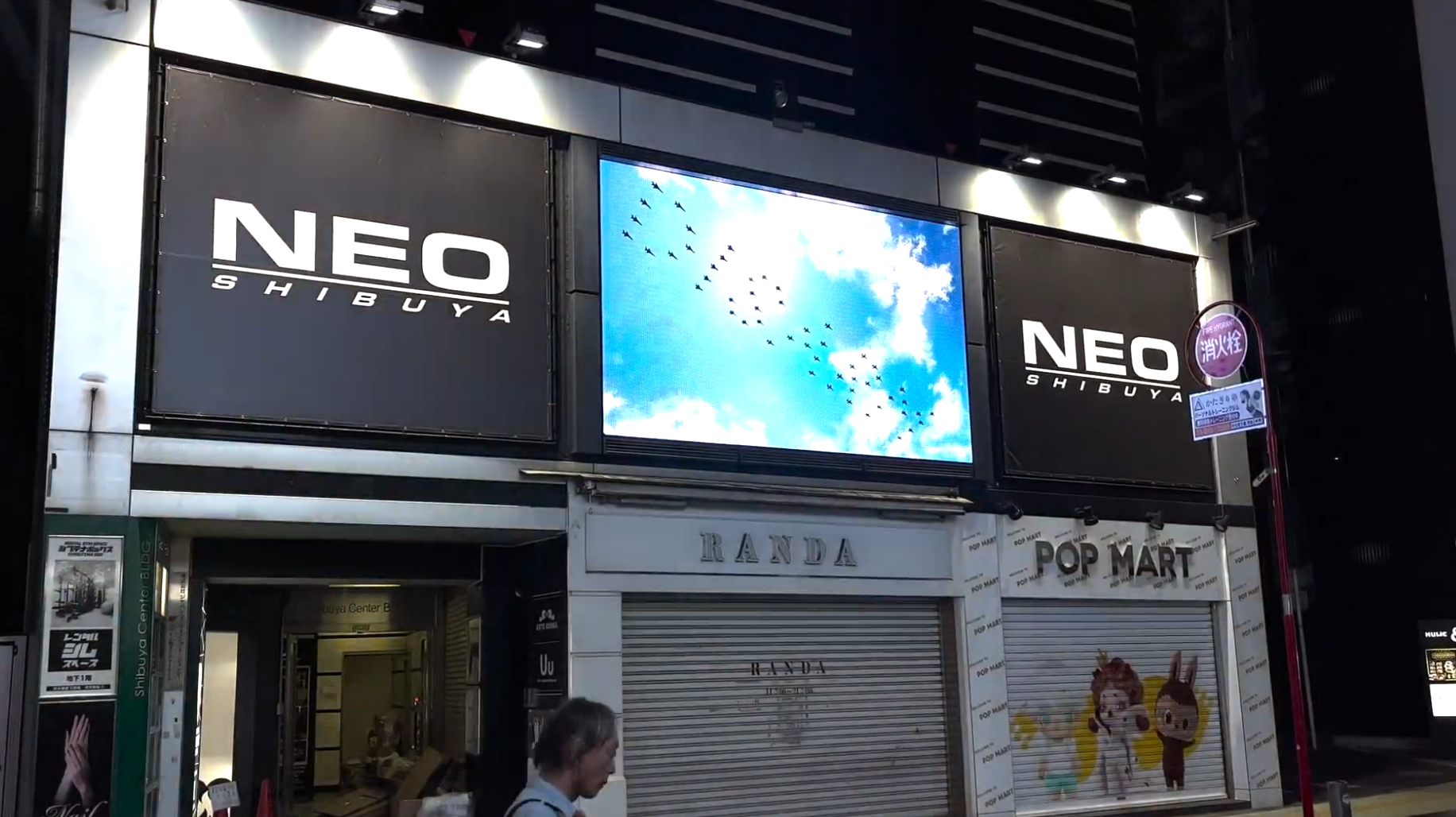
Tokyo, Neo Shibuya TV

Watch the DISARM flypast throughout the day (29 July – 4 August 2024) on the NeoShibuya screens in Shibuya Crossing.

View screen locations

ESSAY

Fiona Banner: Messages In The Sky by by Alice Bucknell
In his 1964 text Language and Reality, philosopher Vilém Flusser scaffolds a planet of language. At its equator of reality are words at their most banal: conversation and small talk, everyday gestures at meaning. At both poles sits silence—both the authentic and inauthentic variety—a total refusal. Things get weirder in the hazy atmosphere above its two hemispheres, where a climbing latitude yields the nonsensical and prophetic: mumbling, poetry, word salad, prayer. While he never calls it outright (to name the thing is, in a sense, to lose it), Flusser drops hints that these sideways stabs at meaning-making are the most substantial and revelatory. These are the coordinates where language is sticky, vague, chimerical and airborne, buoyed by possibility, always on the cusp of becoming something else.

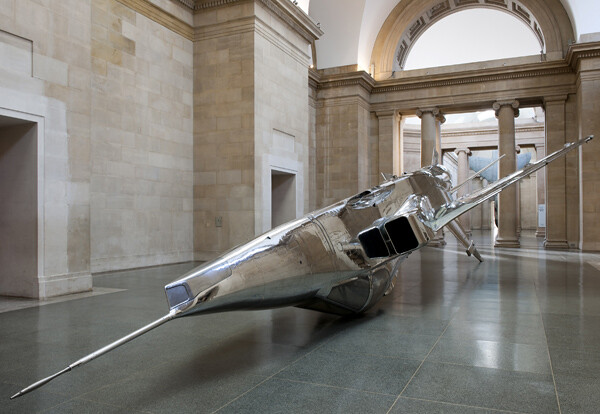
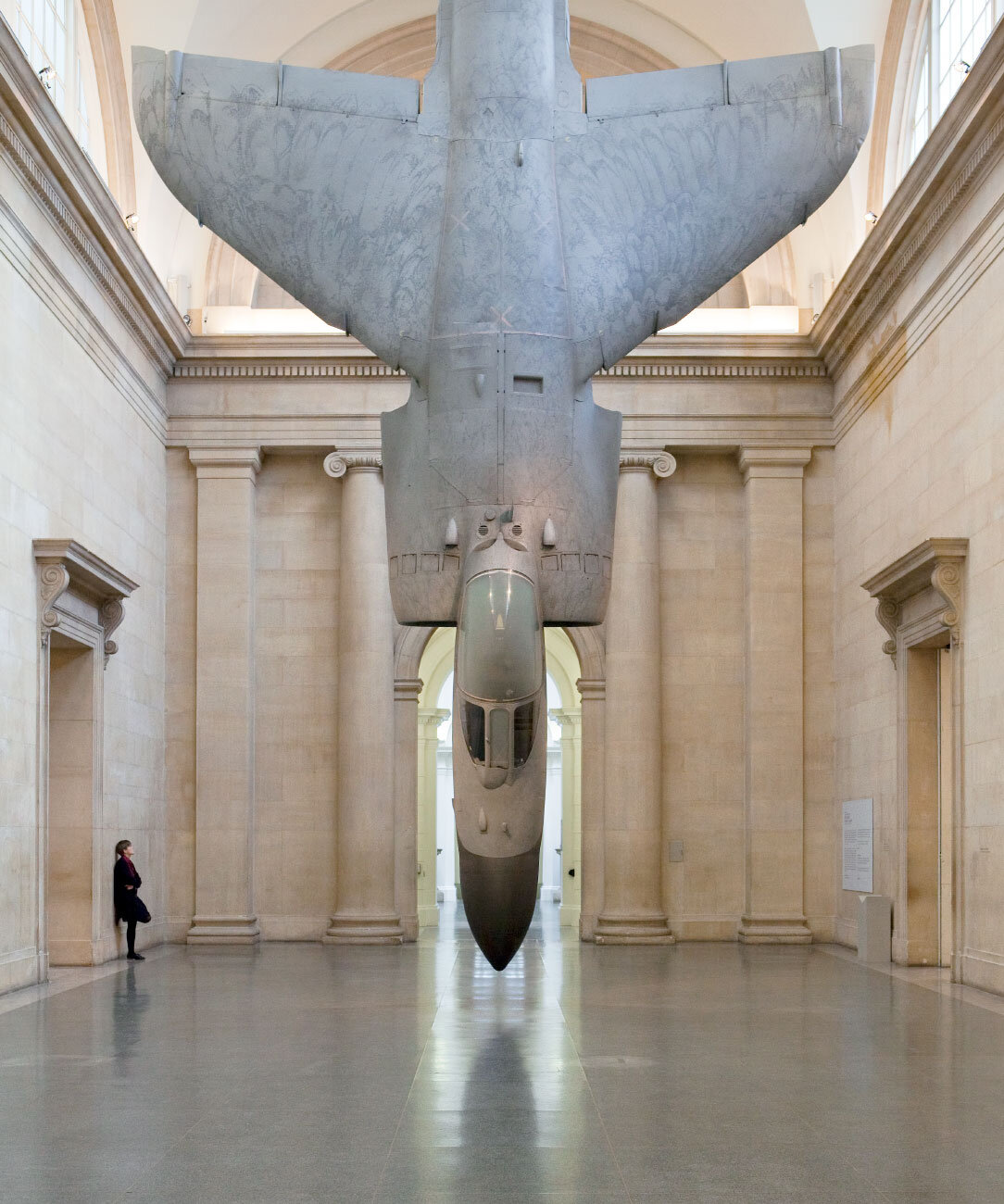
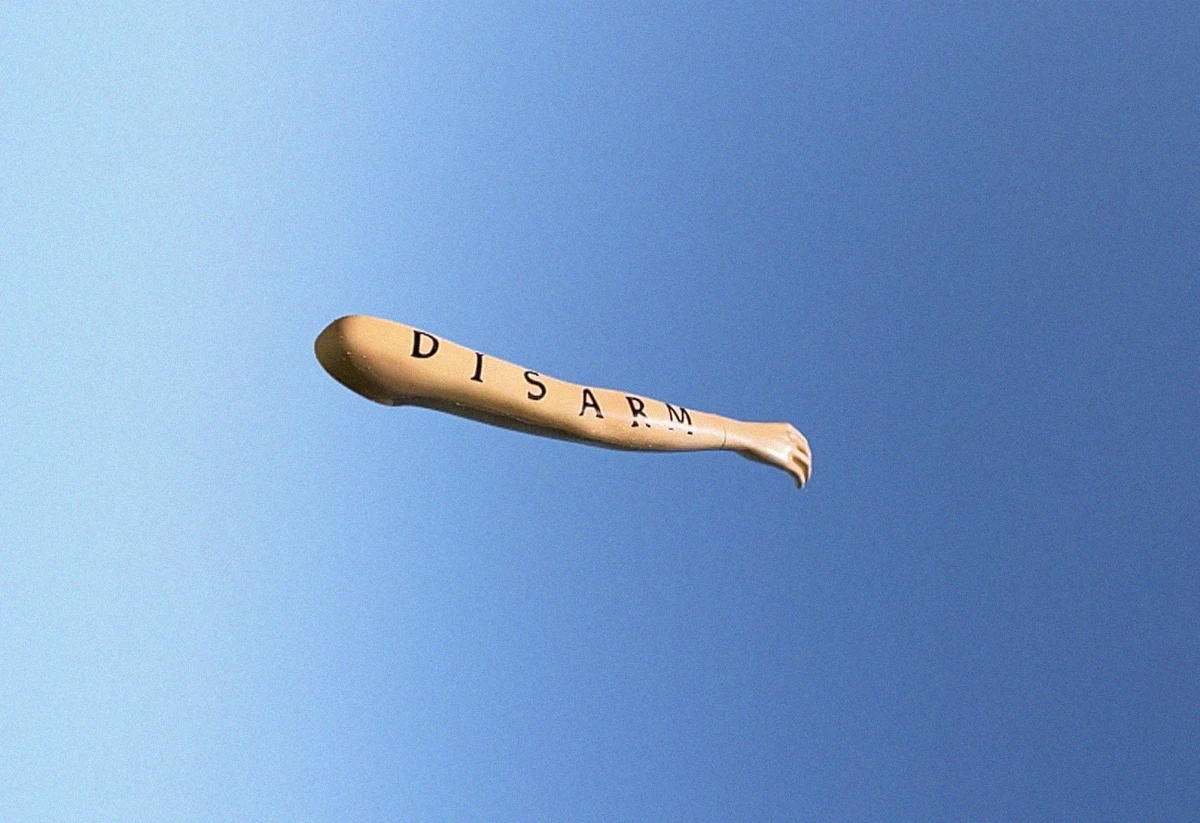
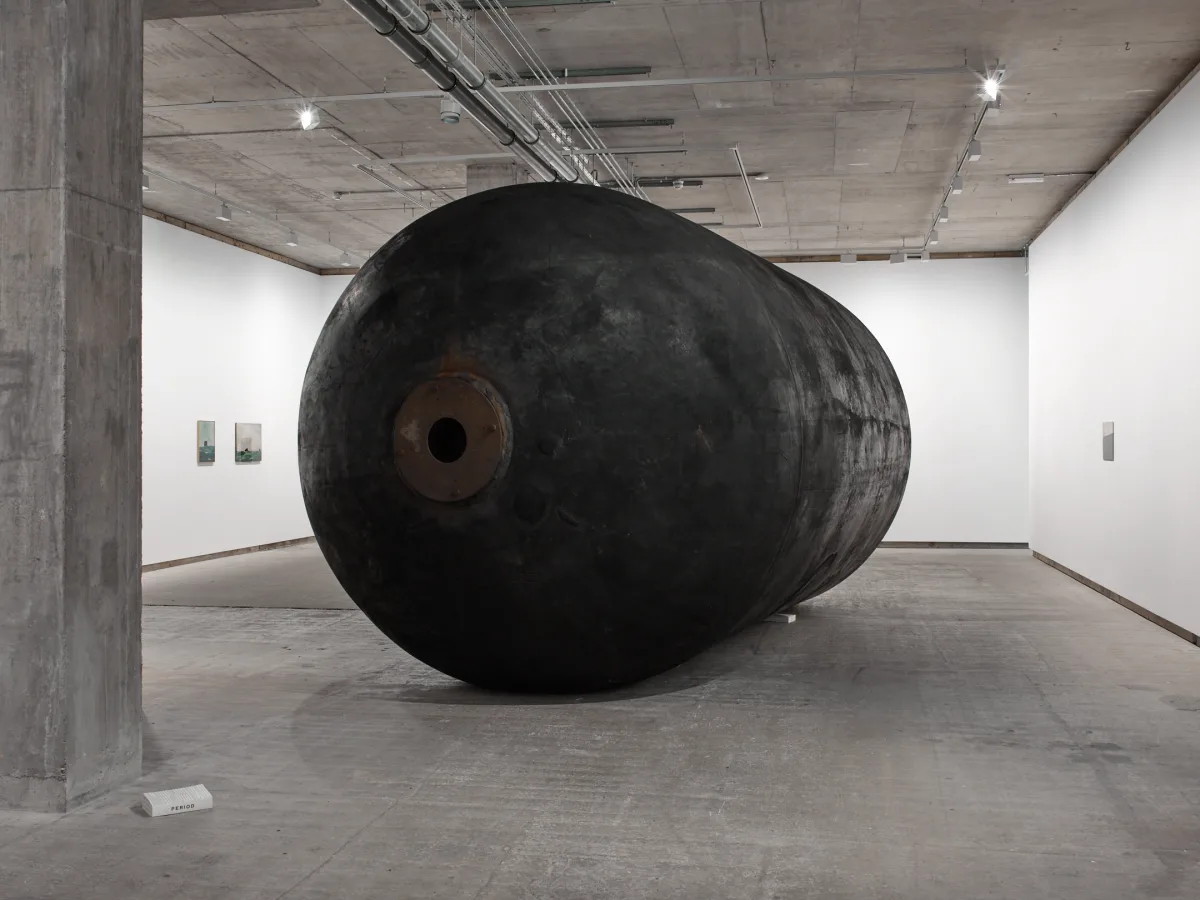
The British artist Fiona Banner, who also operates under the para-organizational seal of The Vanity Press, takes an adjacent approach to language. Across print and film, doctored photography and gargantuan ominous sculptural installations that thrust military jets and pneumatic navy appendages into the hallowed halls of soft power enclaves like Tate Britain, Banner toys with language as a plastic medium, both a brute weapon and seductive technology, whatever you want it to be. Like a car crusher at the cosmic junkyard of human civilization, language, Banner suggests, is the ultimate leveling device, compressing all worlds into a single consensus reality.

Press

Press Release

Biography

Fiona Banner aka The Vanity Press

Fiona Banner aka The Vanity Press is a British artist whose multidisciplinary practice explores the relationship between language, image, power and conflict. Working across sculpture, drawing, film, performance, publishing and installation, she is renowned for transforming systems of communication into unexpected forms, testing the limits of language while examining the political, psychological and cultural forces that shape contemporary life.

For more than three decades, Banner has investigated the ways meaning is constructed and transmitted. Her work frequently addresses subjects associated with power and aggression, particularly military technology, conflict and spectacle, revealing the tensions that exist between language and violence. Whether transcribing films into text, reimagining fighter aircraft as monumental sculptures or turning words into physical forms, Banner’s practice consistently challenges the authority of images and exposes the contradictions embedded within contemporary systems of representation.

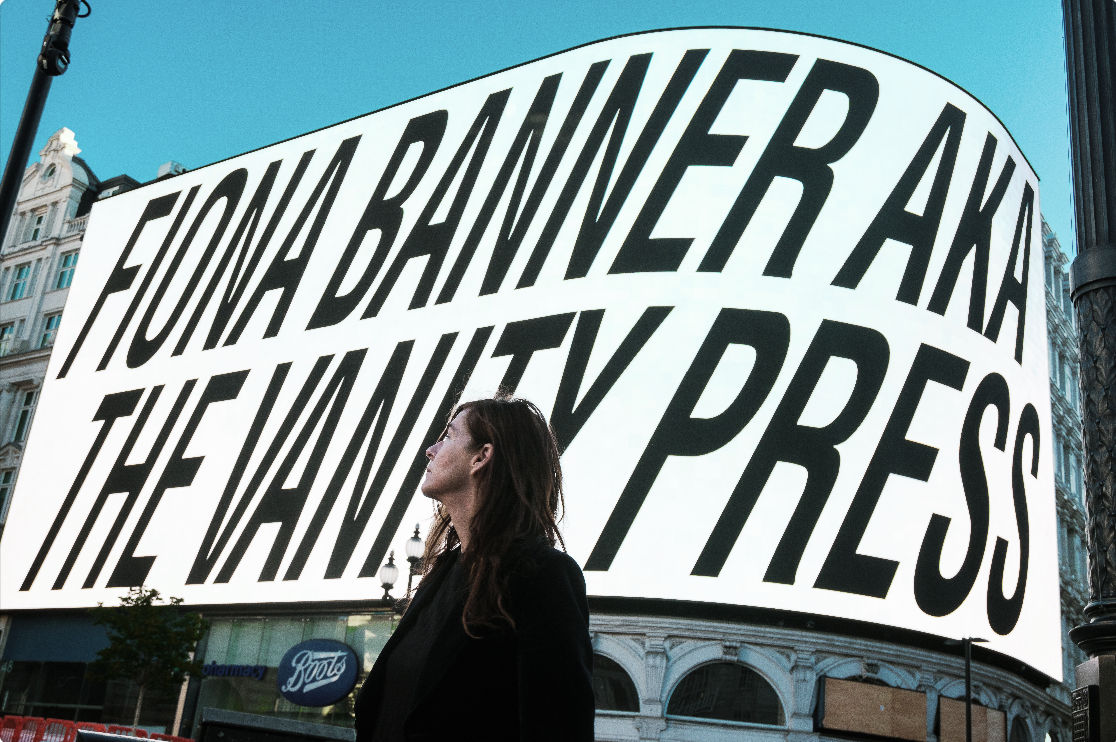
In 2024, Banner collaborated with CIRCA on DISARM, a major public commission that transformed a military flypast into an impossible call for global disarmament. As fighter jets emerged across an immense sky to spell the word “DISARM”, Banner inverted one of the most recognisable displays of military power, using the very machinery of conflict to advocate for its dismantling. Accompanied by a public soundscape in Piccadilly Circus and a nationwide fly-poster campaign across the United Kingdom, the commission responded directly to a moment of escalating global conflict, inviting audiences to consider disarmament not only in military terms but also as a broader act of intellectual, social and political resistance.

Central to Banner’s contribution to CIRCA was her conviction that language remains one of the most powerful tools available for imagining alternatives to violence. In DISARM, words become action, aspiration and contradiction simultaneously. By orchestrating a collective performance between symbols of opposing military powers, the work transformed public space into a site of reflection, dissent and possibility.

Banner’s work has been exhibited internationally at Tate Britain, Tate Modern, the Venice Biennale, the Hayward Gallery and numerous major institutions worldwide. Through a practice that continually interrogates the relationship between language and power, she has established herself as one of the most important voices in contemporary British art, creating works that challenge audiences to reconsider the systems, structures and assumptions that govern everyday life.


Subscribe to our newsletter

Subscription successful

An error occurred