ESSAY
Ai Weiwei’s Hope in The Jaws Of The Monster by Matthew Ponsford
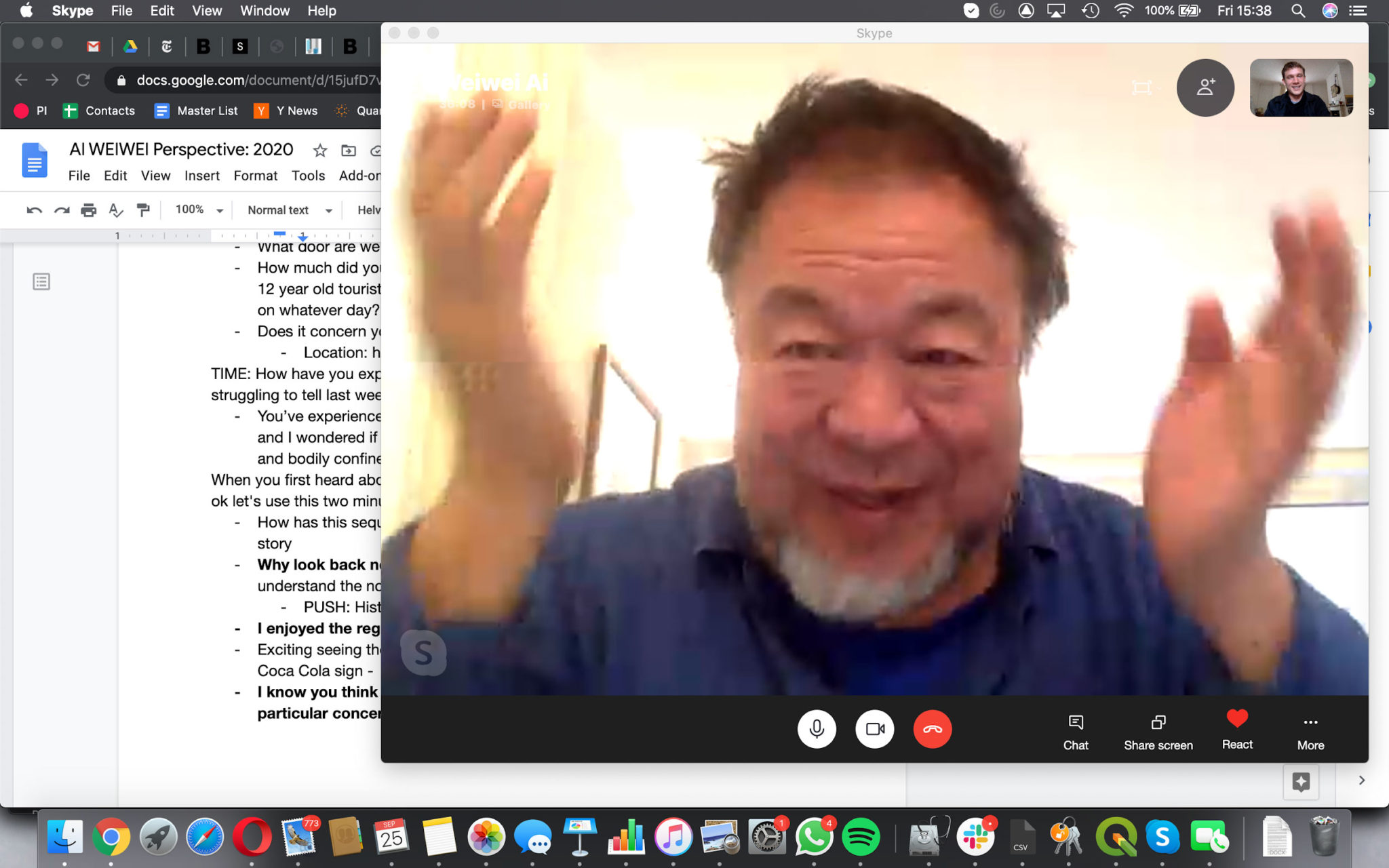
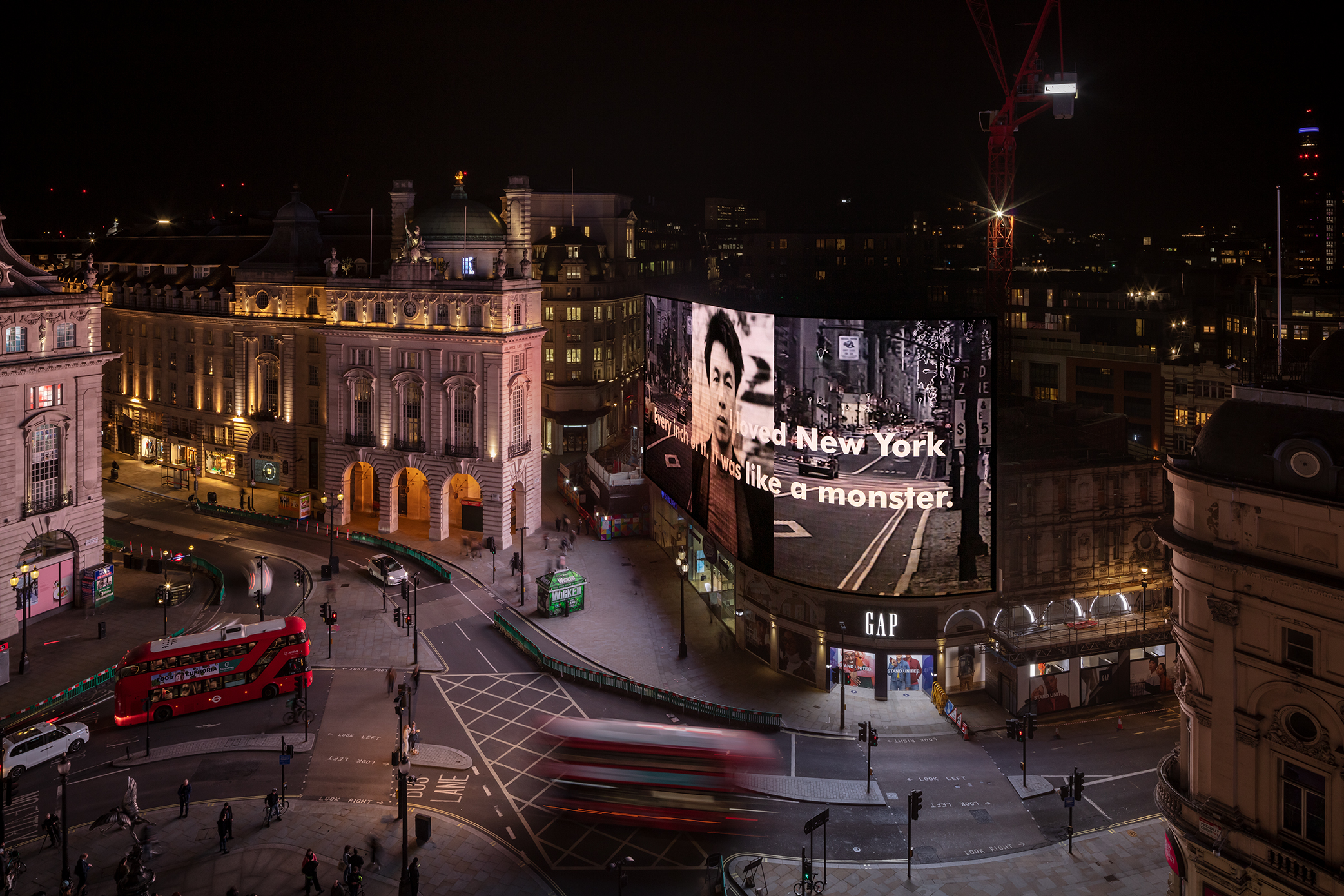
01 OCT 2020: ‘I loved New York—every inch of it. It was like a monster.’
In the story Ai Weiwei tells, there’s always got to be a monster. In New York – where his new series of films for CIRCA 2020 begin, amid street protests that set in motion his journey toward human rights activism – the city convulses like a beast. He writes in his diary after interrogation by a Chinese prison guard that it is always a monster that draws the soldier to a fight, and without this foe, the soldier has no identity. And the monster, he explains, is what we’re fighting today.
And yet the story he tells, again and again, teeters with hope, with personal joy, and even with belief in miracles. The moral, as it begins to appear, seems to be: the monster is not simply the totalitarian, not simply a power stronger than all of us. But we can’t win until we know what the monster is made of.
03 OCT 2020: ‘My favorite word? It’s ‘act.’
In October 2020, we are in a moment of profound loss, on an island of time cut off from the past and lacking any real conviction that a future is coming. Just as time during lockdown seems to slip, it also stalls, says Ai Weiwei on a computer screen, talking to me from his living room in Cambridge. He’s written an article about it for The Atlantic, drawing on his experience of being locked in a small cell for 81 days in solitary confinement. This is a moment many of us would rather forget – and we will, which is all the more dangerous. Ai searches for the right experience to compare it to, some kind of disaster, maybe, a “tsunami”:
“When it is over, it’s over”, says Ai. Our minds shut it off. We will put it in a box. “Or it’s even like a horror movie: when the lights [come] up, we go back to normal. So our memories or emotions are deleted or”… he describes something like compartmentalising something traumatic, a dark box we put memories into when they exist outside the continuous chain of cause and effect. When an event like this happens… “We put it somewhere which is ‘not-normal’.”