ESSAY
The Witness by Josef O'Connor
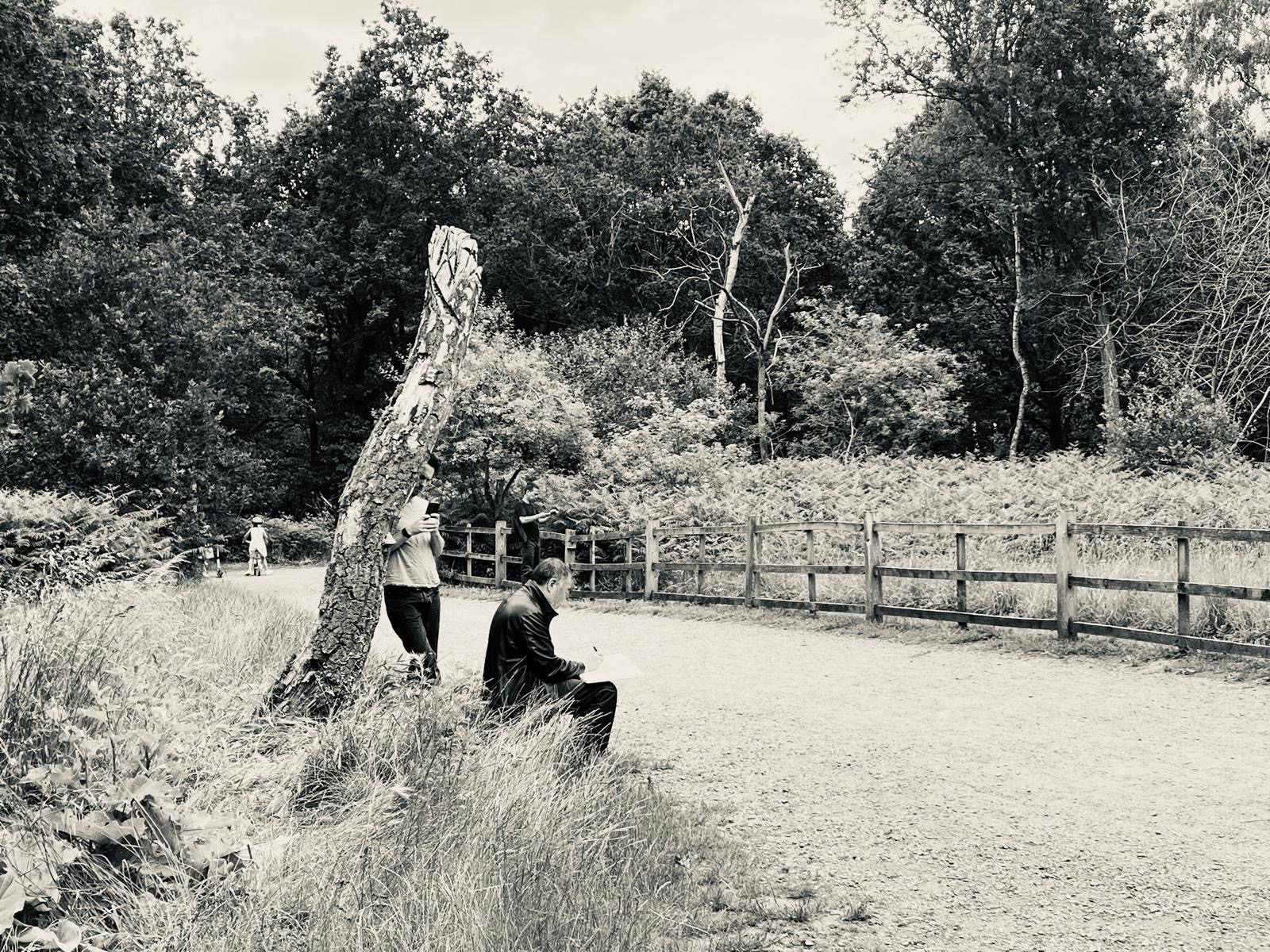
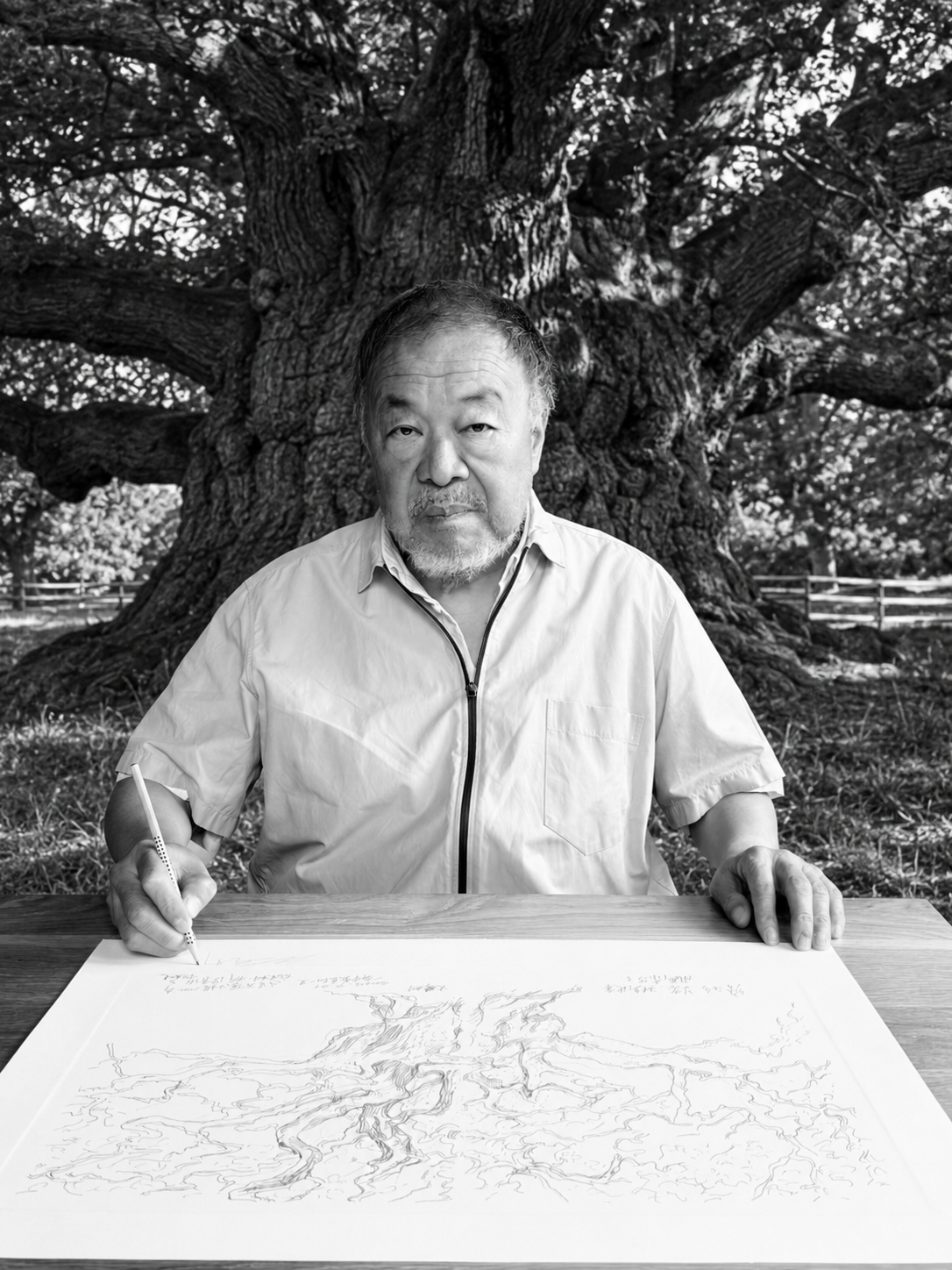
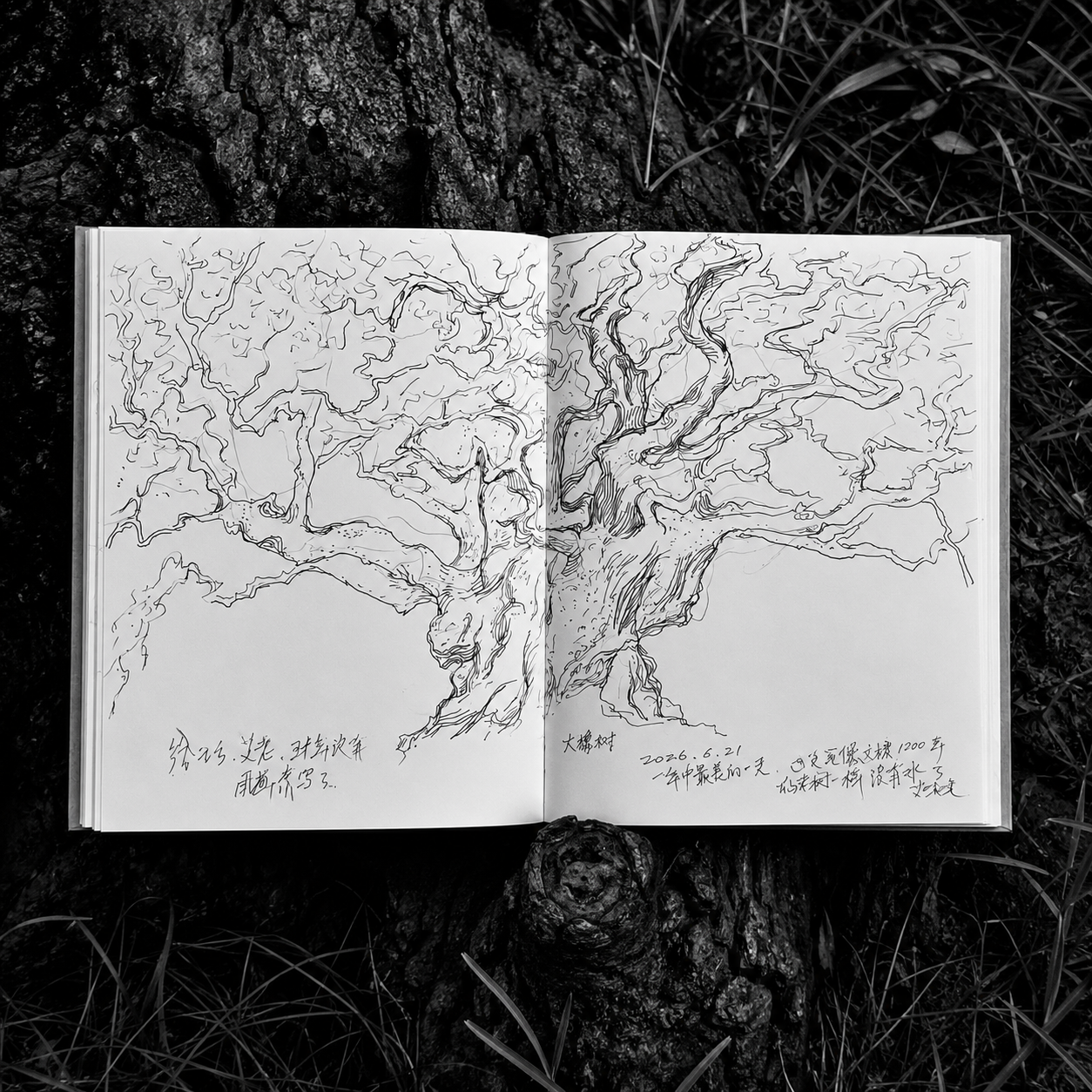
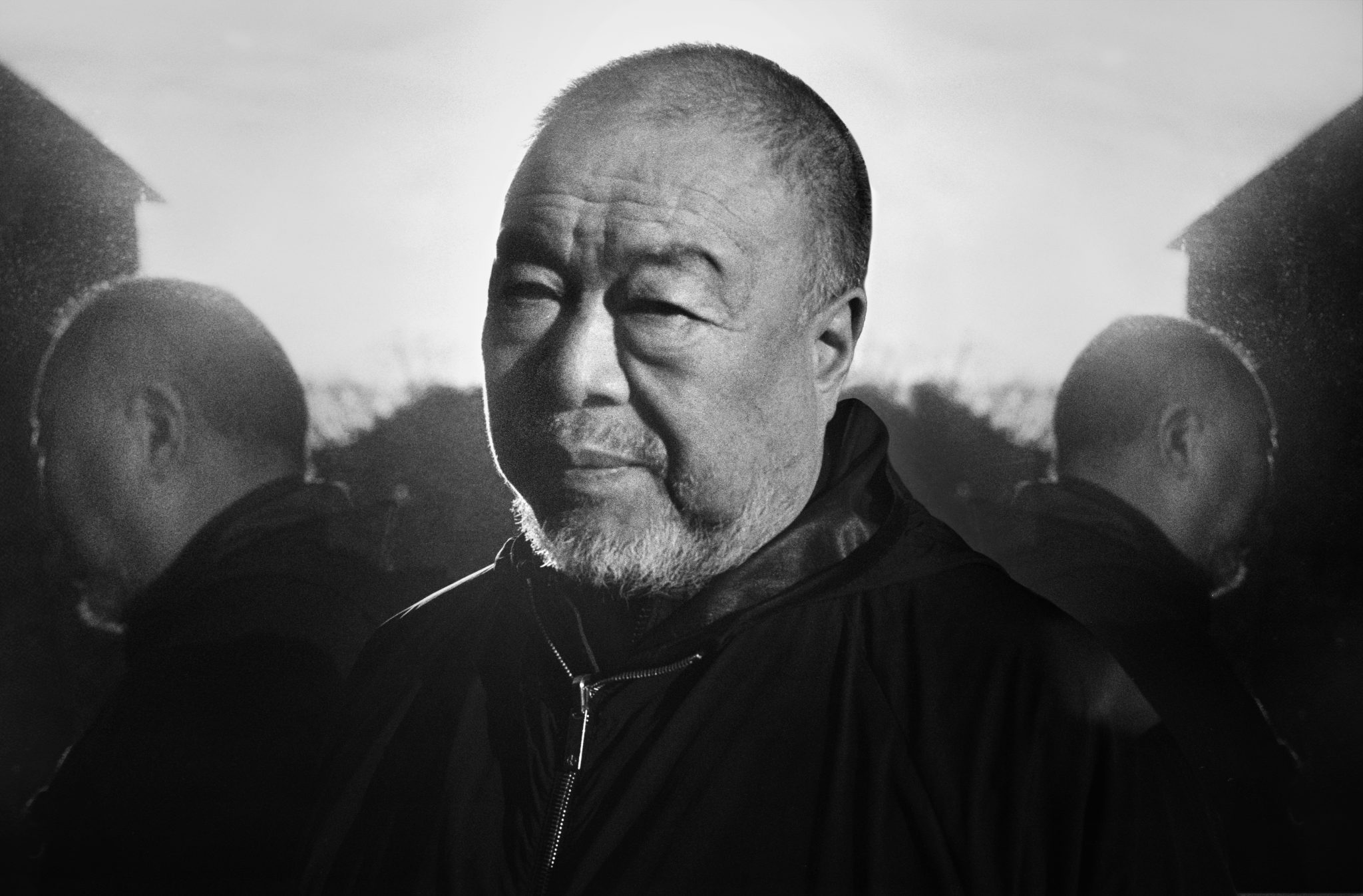
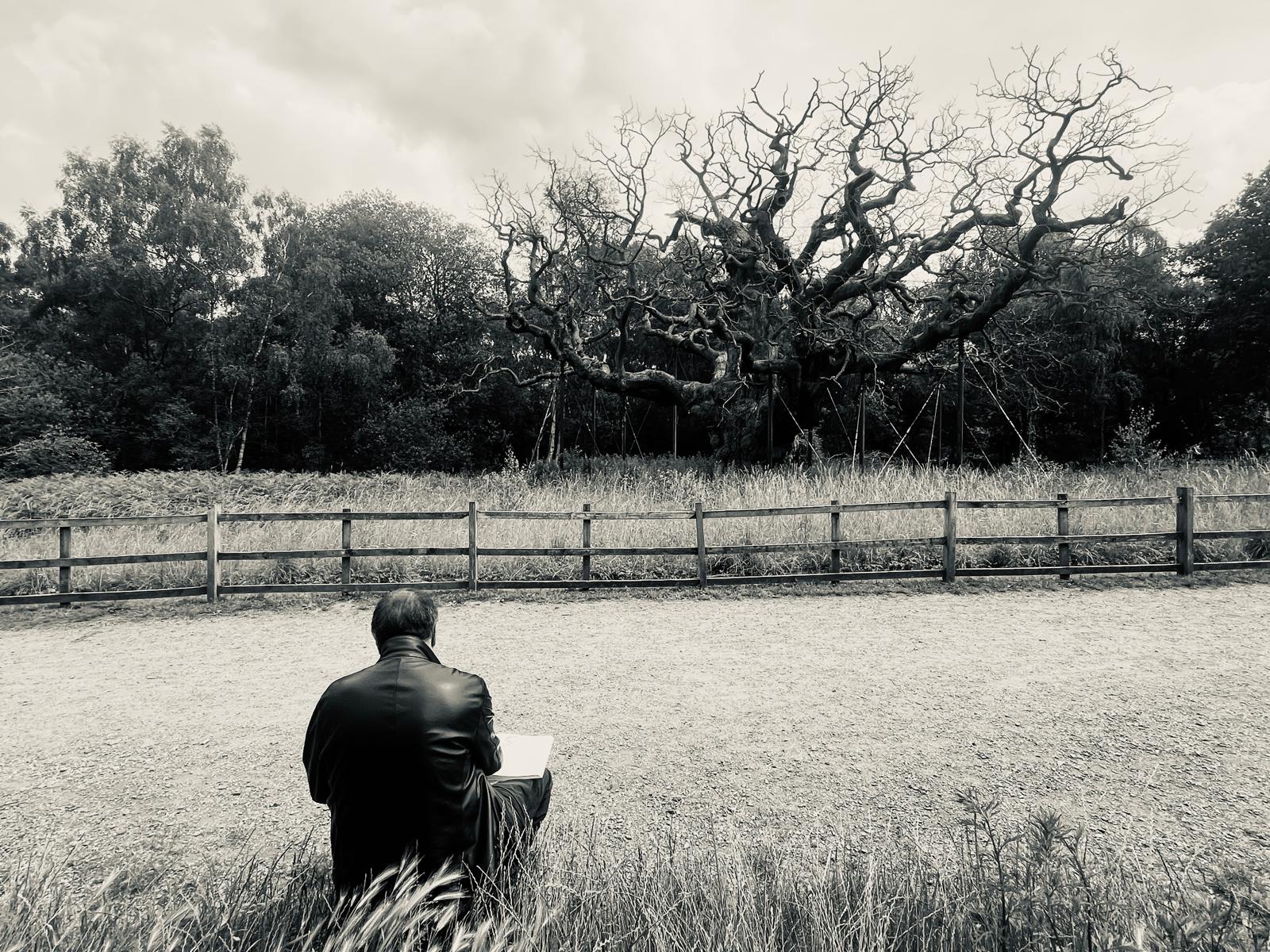
A few days before the Summer Solstice, I woke up to a series of screenshots from Ai Weiwei. The messages concerned the Major Oak in Sherwood Forest, a tree believed to be approximately 1,200 years old which had just been declared dead by the Royal Society for the Protection of Birds. There was no accompanying explanation and no direct request. After working with Weiwei for the better part of 5 years, however, I understood immediately what was being communicated. The tree had captured his attention and he wanted to see it. Two days later, after a hastily arranged visit, we were standing beneath its branches on the longest day of the year.
The Major Oak occupies a singular place within the British imagination. Long associated with the mythology of Robin Hood, although considerably older than the legend itself, the tree was already ancient when the Norman Conquest began. It has survived the rise and fall of kingdoms, religious reformations, plague, civil war, industrialisation and two world wars. During those twelve centuries, countless generations have passed beneath its canopy. The tree witnessed history not as a sequence of events recorded in books, but as lived experience unfolding around it. Standing before it, one becomes aware that its death represents more than the loss of a biological organism but the disappearance of a witness.
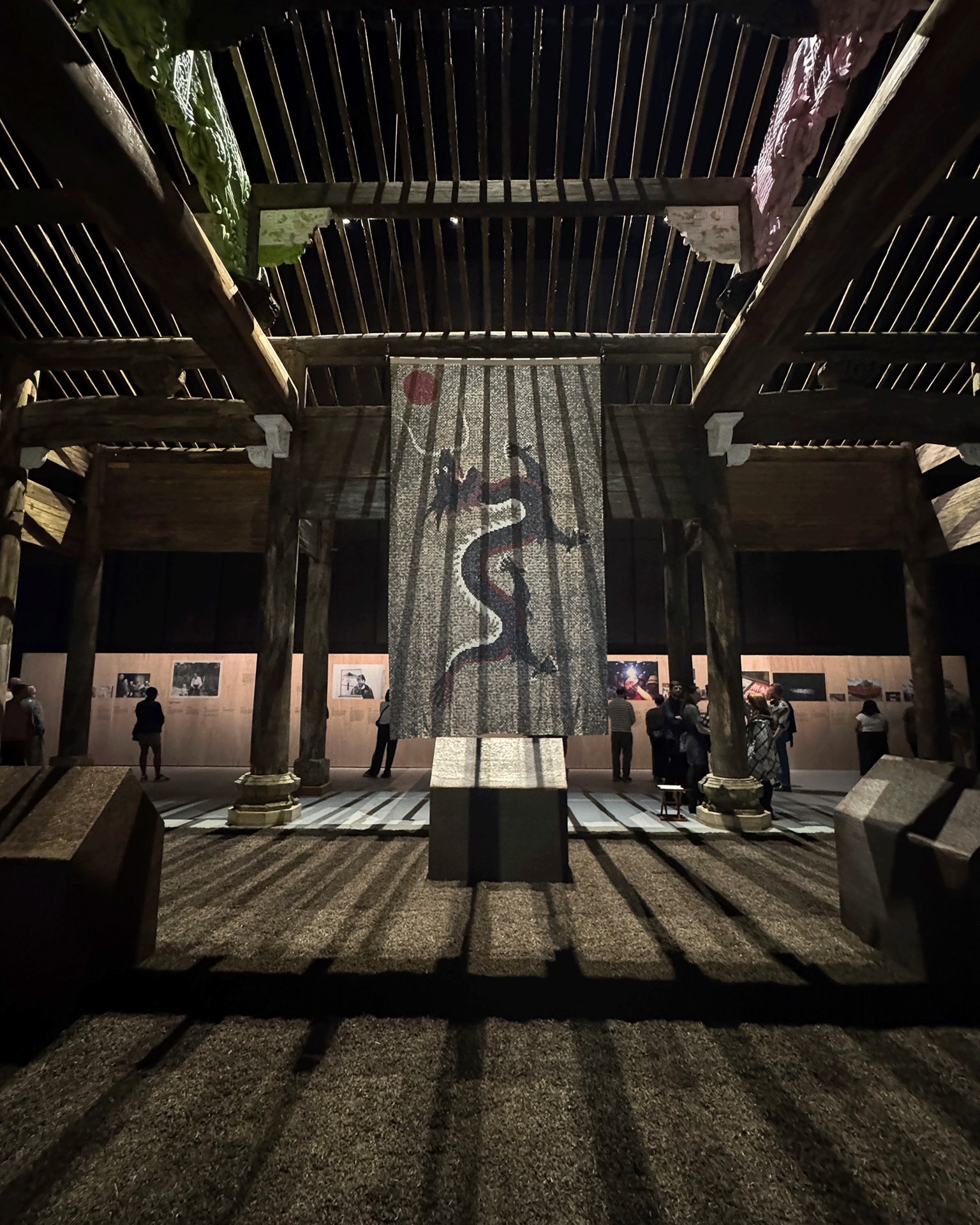
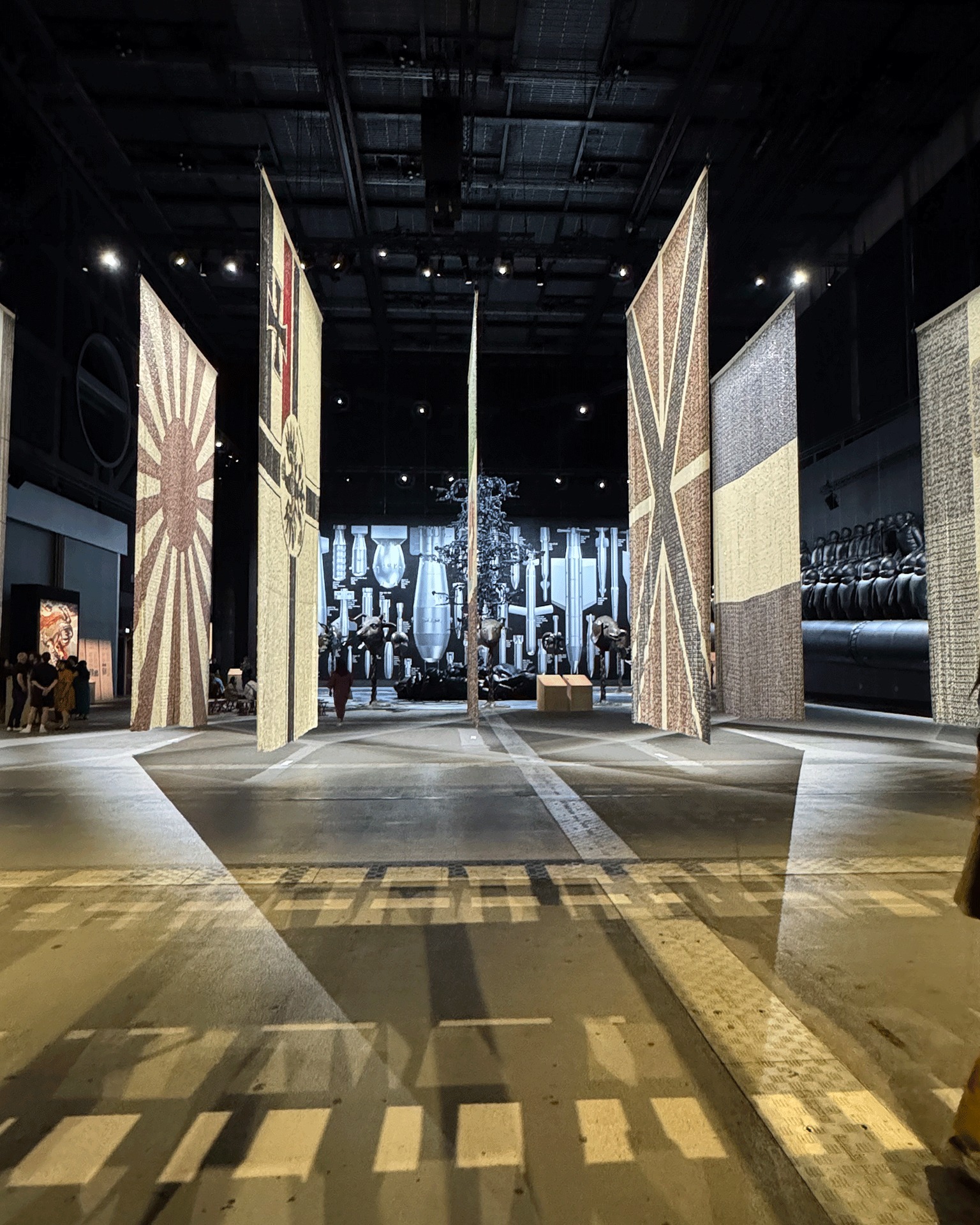
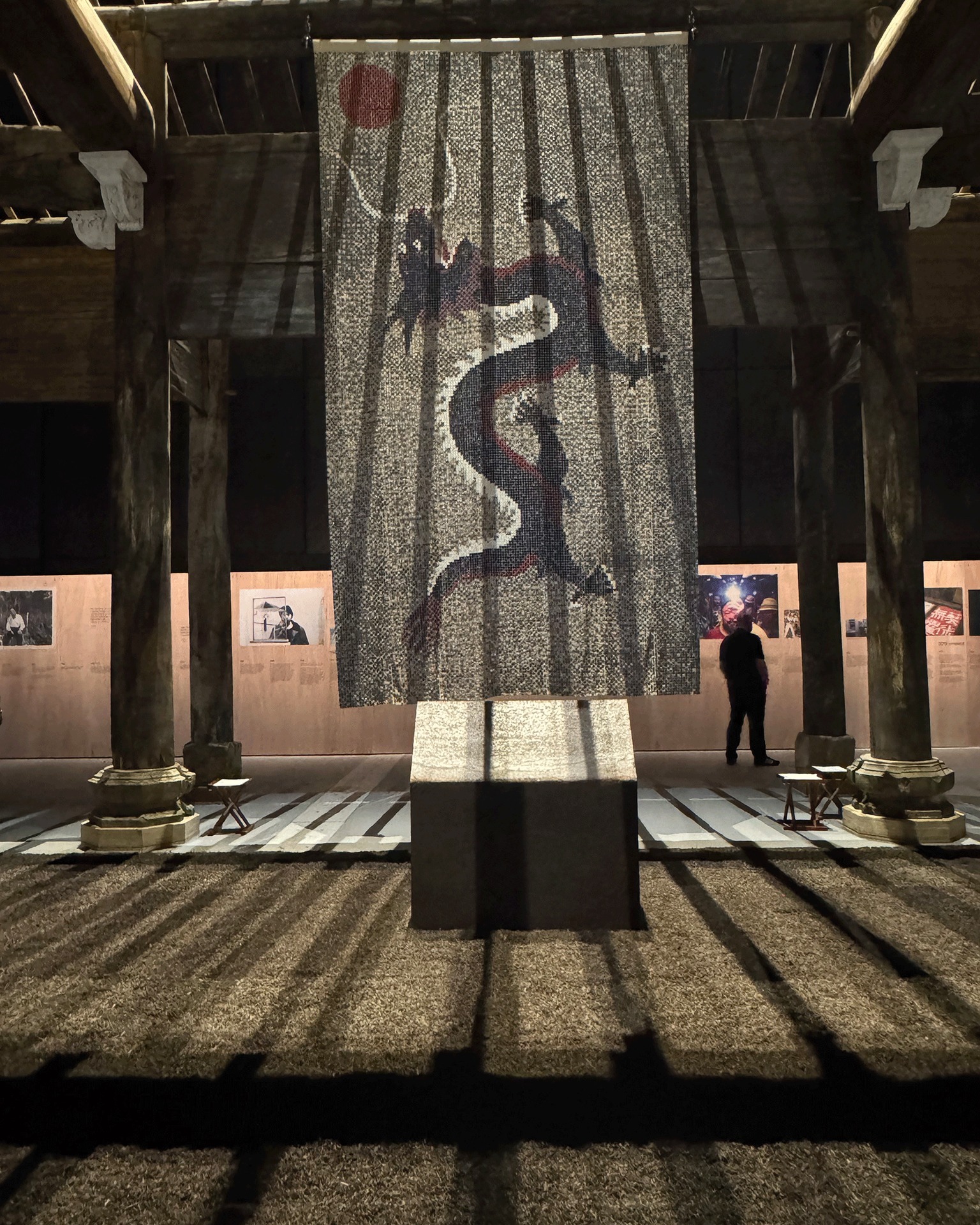
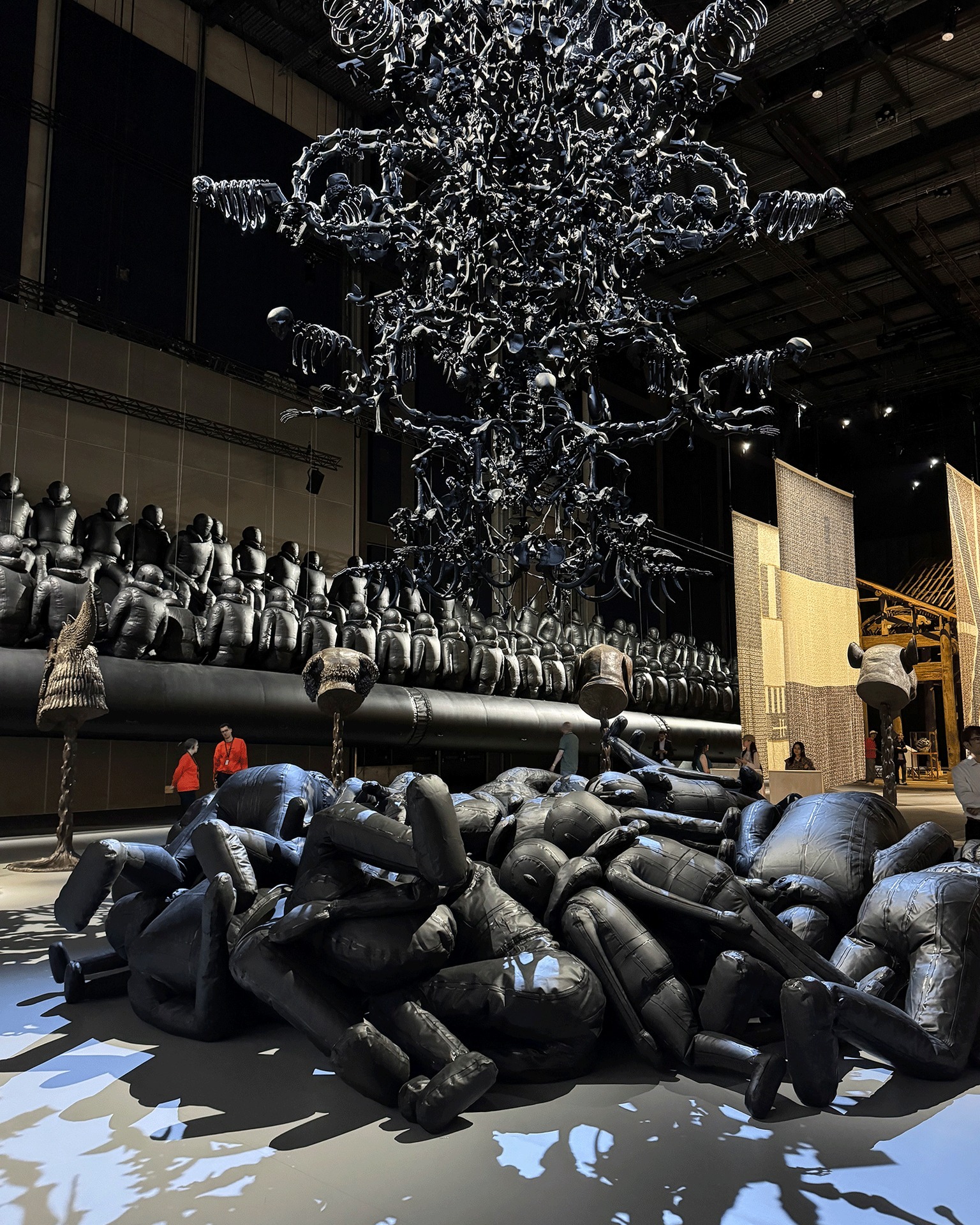
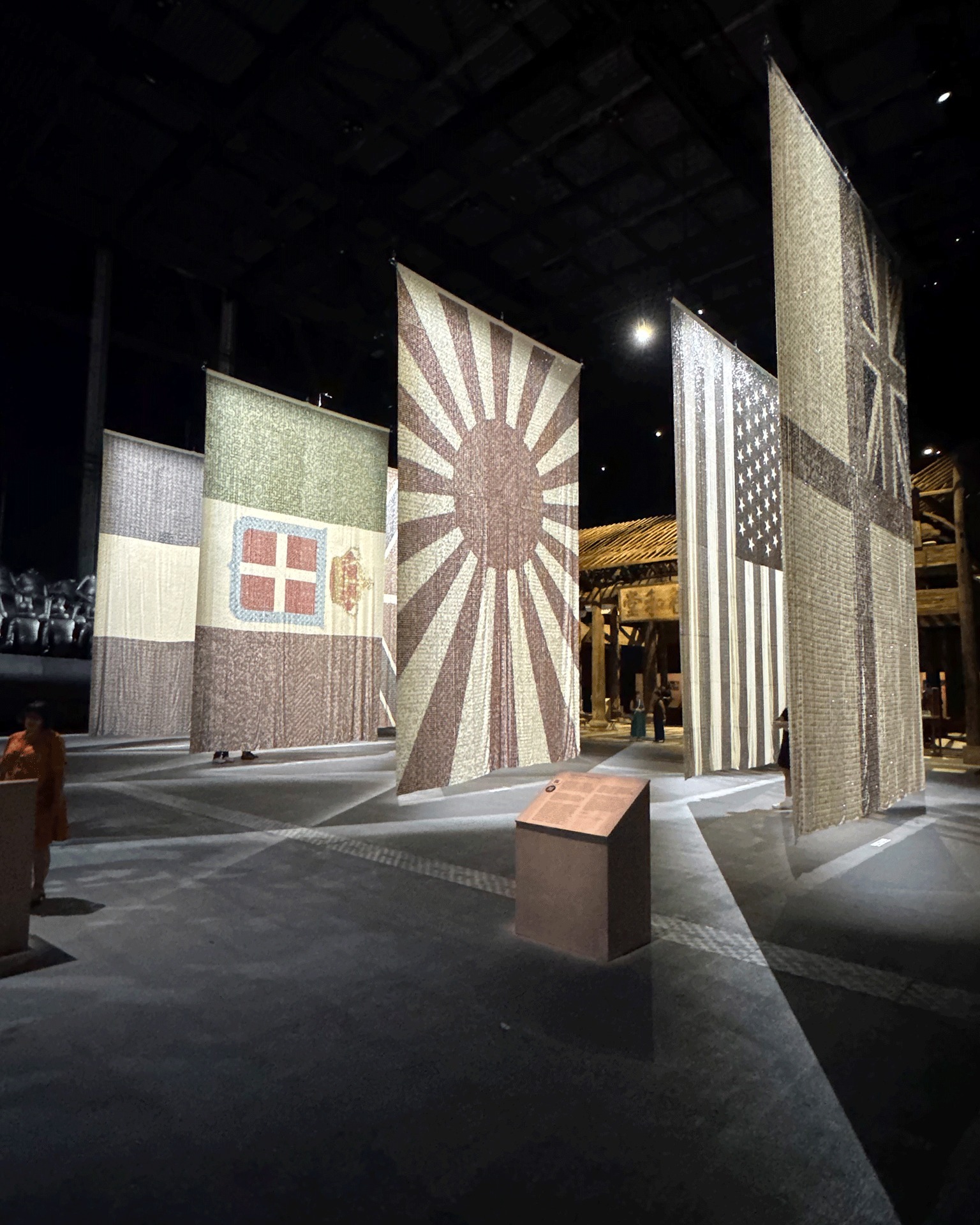
In the days leading up to the opening of Sewing a Button at Factory International, I found myself returning repeatedly to a similar idea. Although the exhibition initially presents itself through an extraordinary range of forms, materials and scales, a common thread gradually emerges. Everywhere there are objects that have somehow survived the worlds that produced them. The vast Wang Family Ancestral Hall, originally constructed during the late Ming Dynasty in Jiangxi Province, confronts visitors immediately upon entering the galleries. Built approximately 400 years ago as a communal space for gathering, worship and civic discussion, much of the structure was destroyed during the Cultural Revolution before the surviving section was acquired by Weiwei, dismantled and painstakingly reconstructed. What remains today is not simply an architectural achievement but a fragment of another world, carrying within it traces of social systems, beliefs and forms of craftsmanship that have largely disappeared.