
fbpx Frank Bowling | CIRCA

Sir Frank Bowling is one of the most important painters of the post-war period, celebrated for a career that has continually expanded the possibilities of abstraction while remaining deeply connected to questions of history, memory, migration and identity. For more than six decades, his work has challenged traditional distinctions between abstraction and representation, combining extraordinary technical innovation with a profound sensitivity to colour, place and lived experience.

Born in British Guiana (now Guyana) in 1934, Bowling moved to London in 1953, a journey that would become a defining thread throughout his practice. Drawing upon personal histories of movement between South America, Britain and the United States, his paintings frequently explore ideas of belonging, displacement and cultural exchange. Best known for his celebrated Map Paintings and monumental poured works, Bowling developed a distinctive visual language in which geography, autobiography and painterly experimentation converge, creating luminous surfaces that are at once intimate and expansive.

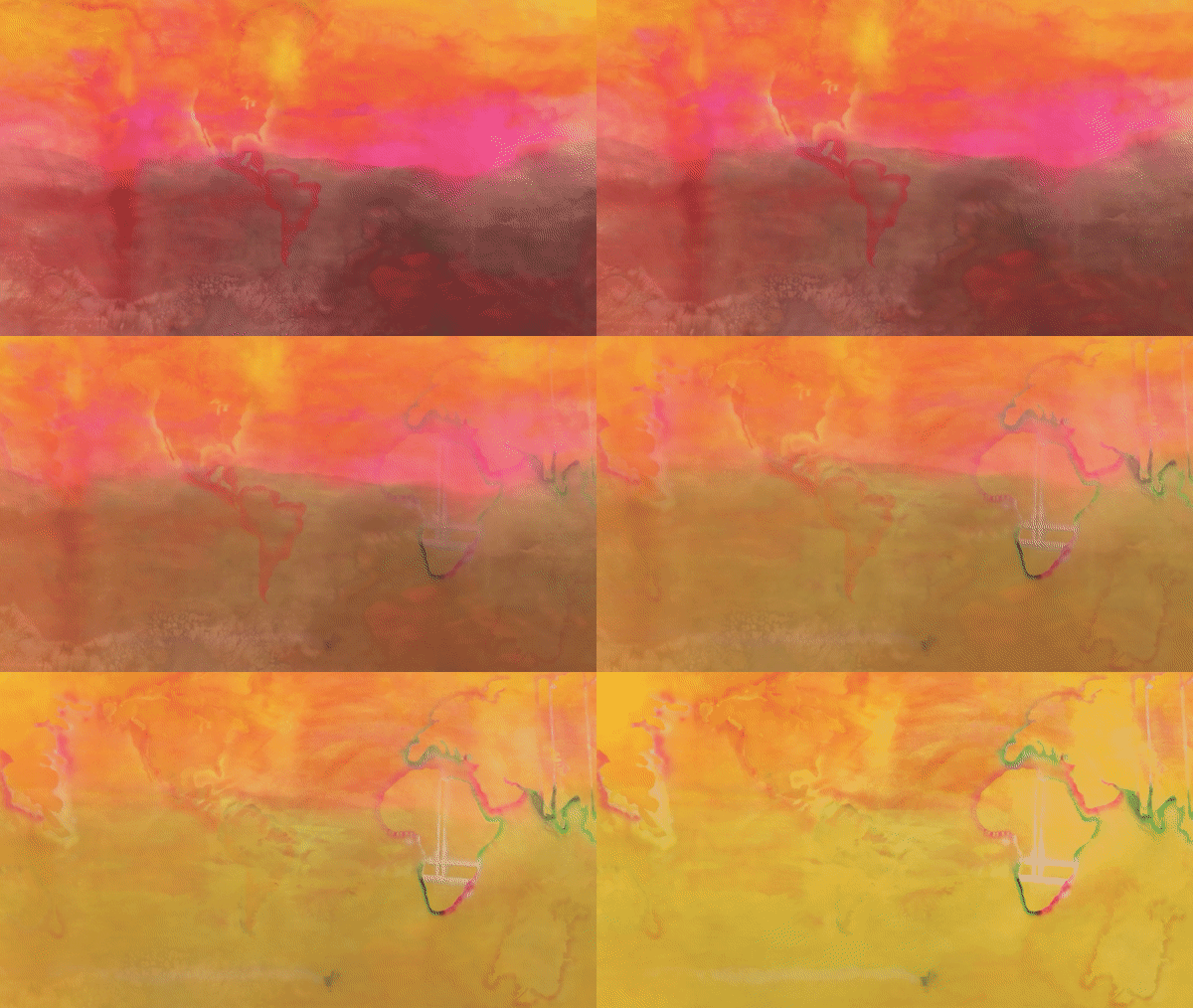
In 2023, Bowling collaborated with CIRCA on Arrival, his first-ever digital artwork. Marking seventy years since the artist’s arrival in Britain and coinciding with the seventy-fifth anniversary of Windrush, the commission brought together two landmark paintings from his celebrated Map Paintings series, Australia to Africa (1969–70) and Texas Louise (1971). Presented across CIRCA’s international network of public screens, the work reflected on migration, memory and the movement of people, ideas and cultures across borders. Accompanied by a series of publications and educational initiatives developed through the Pipeline campaign, the project extended Bowling’s lifelong commitment to creating opportunities for future generations through art and learning.

Bowling’s work is held in major collections worldwide, including Tate, The Metropolitan Museum of Art, The Museum of Modern Art, the Whitney Museum of American Art and the Royal Academy of Arts. Knighted in 2020 for services to art, he remains a singular figure whose practice continues to demonstrate the transformative power of painting to connect personal experience with broader histories of place, identity and human movement.

Circa Commissions

Frank Bowling, Arrival

In May 1953, a 19-year-old Frank Bowling stepped off a ship from British Guiana and arrived in London. Britain was preparing for the Coronation of Queen Elizabeth II. Streets were decorated with flags, crowds gathered in anticipation and a nation was imagining its future in the aftermath of war. For Bowling, who had travelled thousands of miles from the Caribbean, the city represented something equally transformative: the possibility of becoming an artist. Seventy years later, as Britain prepares for another Coronation and reflects on the seventy-fifth anniversary of Windrush, Bowling returns to the centre of London with Arrival, his first…

View more

Frank Bowling: Frankie
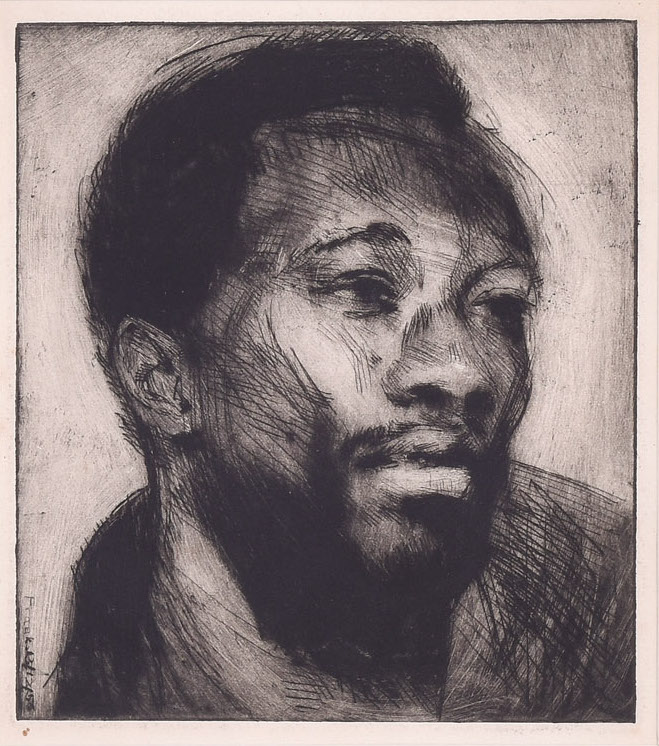
I first met Frank Bowling through the lithograph that hung in my Grandparent’s front room. A beautiful black and white portrait of a black man by my Grandfather Keith Critchlow, reminiscent of Rembrandt and other Old Master prints and drawings found during visits to The National Gallery and British Museum whilst studying.

I can’t imagine, at the time, that I was conscious of its meaning – that of being a black man – but on reflection, I see how obviously, yet unknowingly, significant it was to me. I was 18 and studying at City & Guilds of London Art School when I properly met Frank Bowling, putting a real-life presence to the face in my Grandfather’s portrait, and from which I began to form a deeper worldly understanding of who the man, lovingly referred to as ‘Frankie’ by my Grandparents, was as both an artist and friend.

Shop

Loading variants...

Subscribe to our newsletter

Subscription successful

An error occurred