CIRCA 20:20
Ai Weiwei, CIRCA 2020
1-31 October, 2020
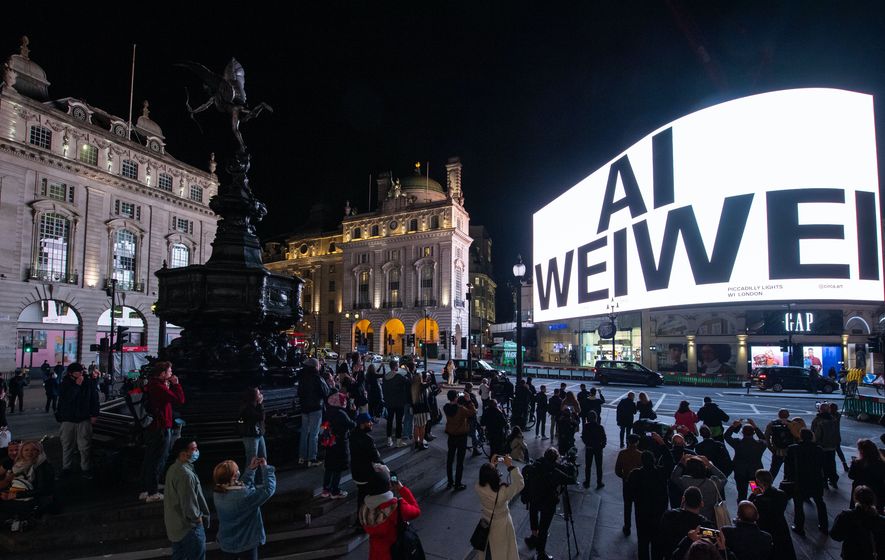
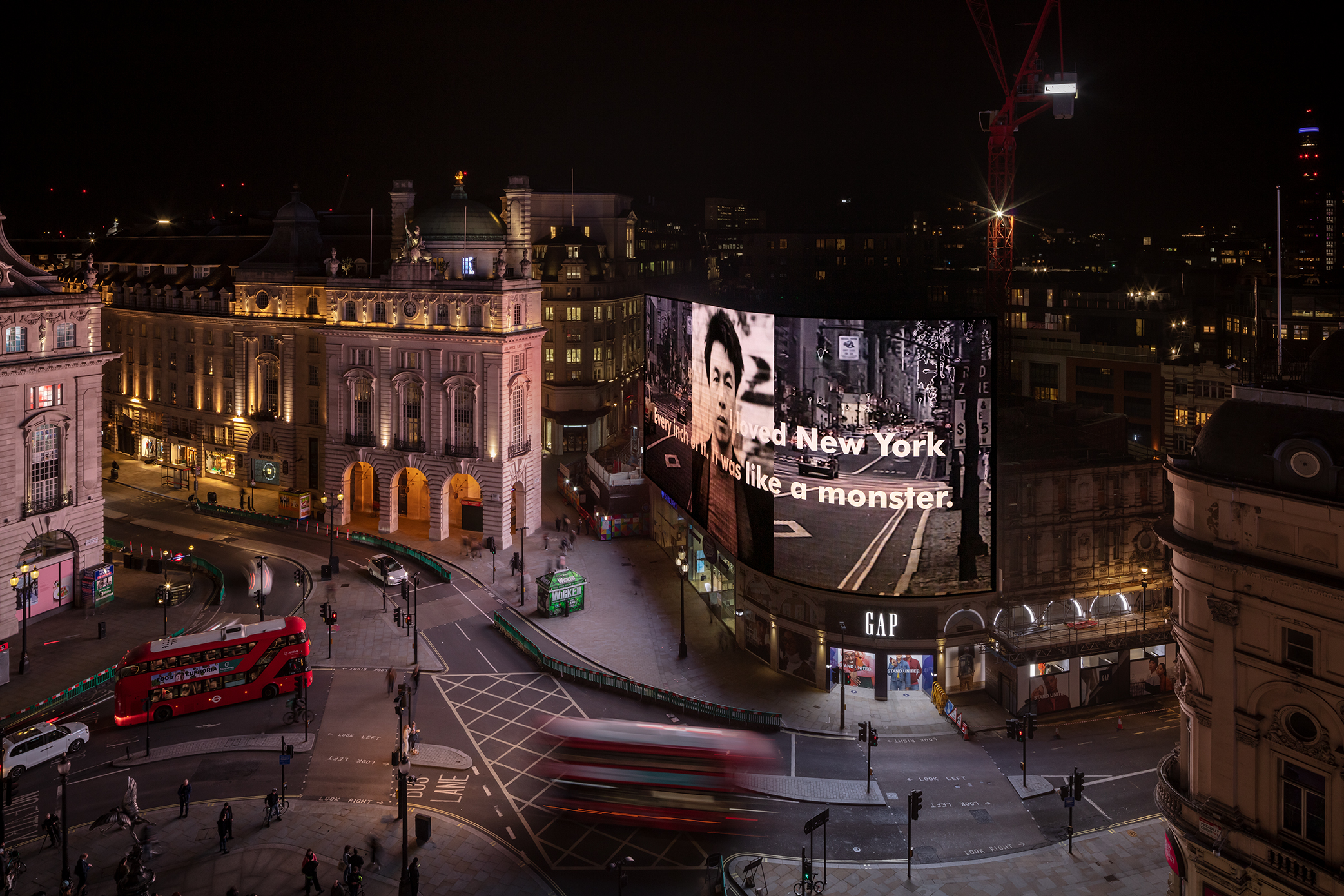
CIRCA 2020 inaugurates a new proposition for public space. Each evening at 20:20 GMT, one of the world’s most recognisable advertising screens pauses its commercial programming and becomes a platform for contemporary art. Taking its name from both the year in which it is conceived and the curatorial premise that underpins it, CIRCA invites artists to consider the world as it unfolds around us: circa now.
The timing is significant. October 2020 arrives amid a period of profound uncertainty. Across much of the world, public life has been reshaped by the COVID-19 pandemic. Movement is restricted, institutions are under pressure and familiar assumptions about freedom, proximity and collective experience have been fundamentally disrupted. At a moment when public space itself is being renegotiated, CIRCA introduces a daily interruption to the rhythms of the city, creating a temporary site for reflection, dialogue and artistic enquiry.
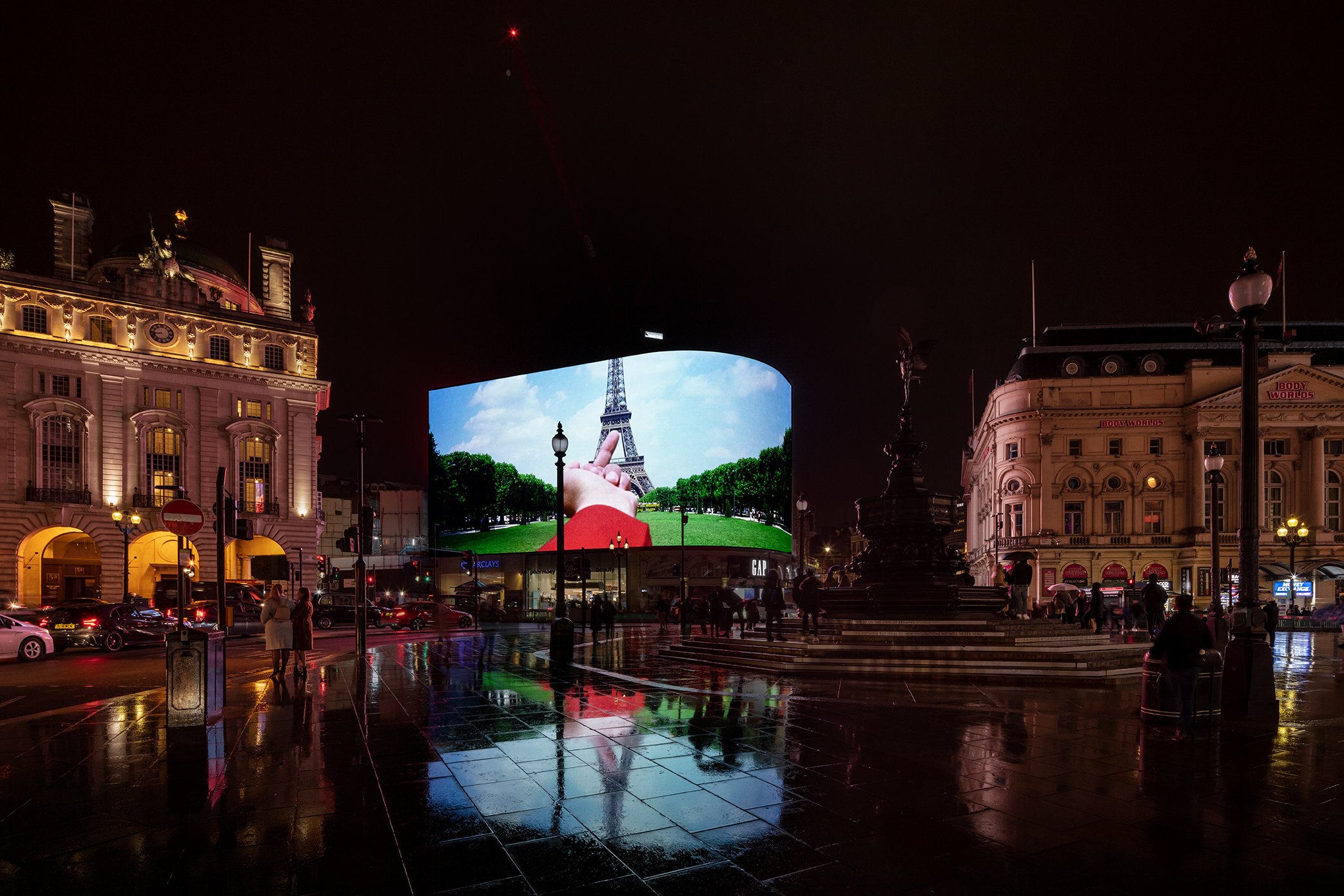
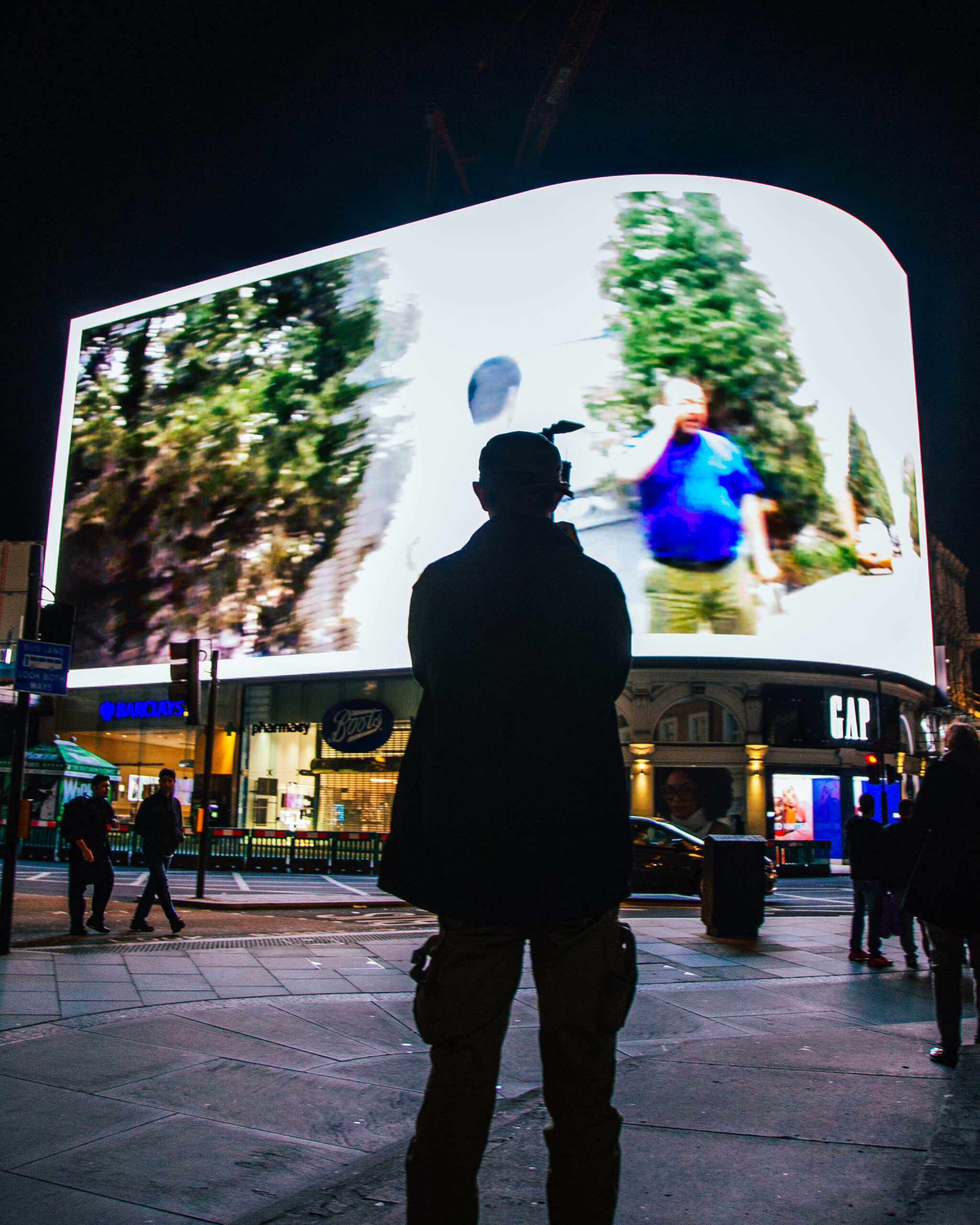
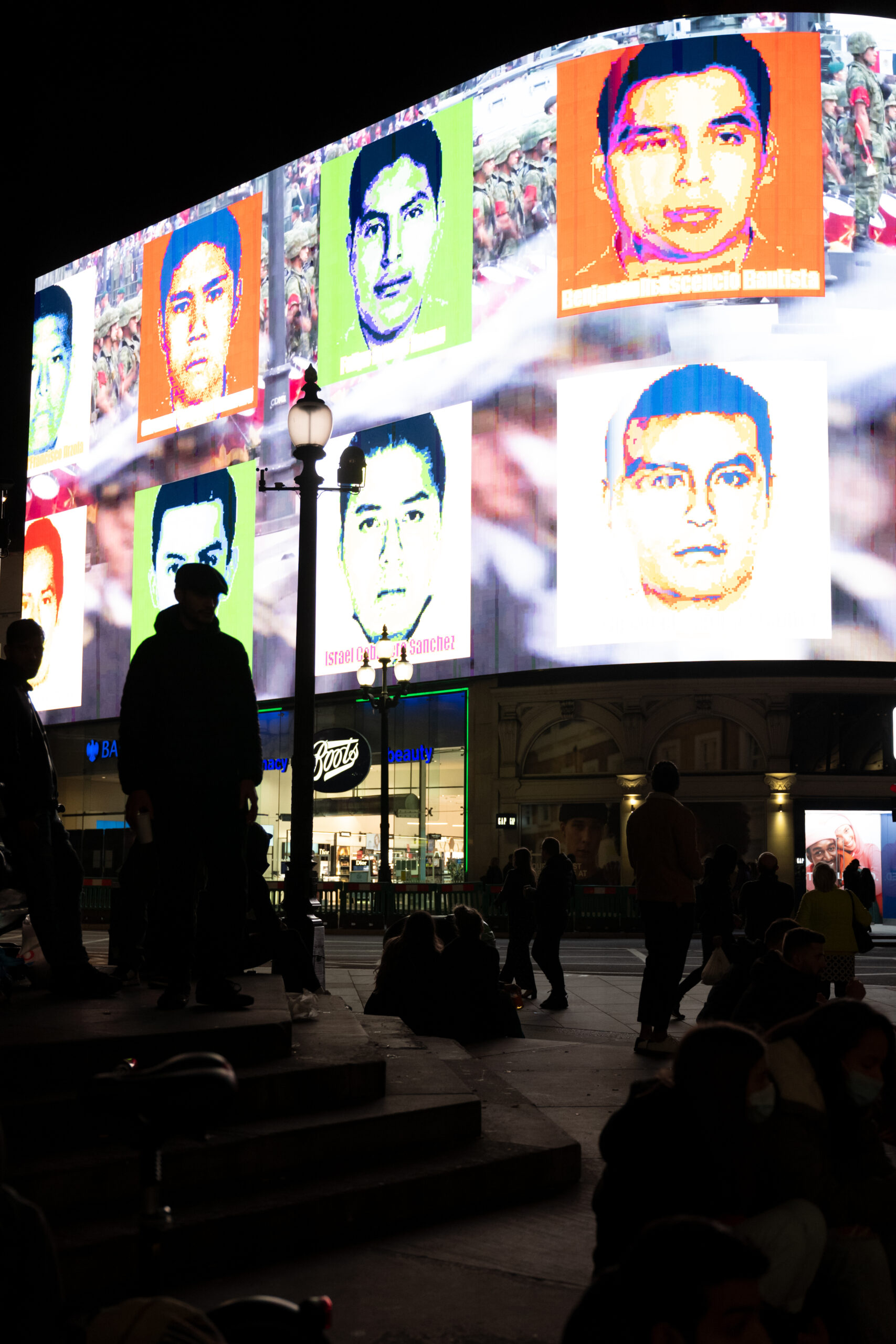
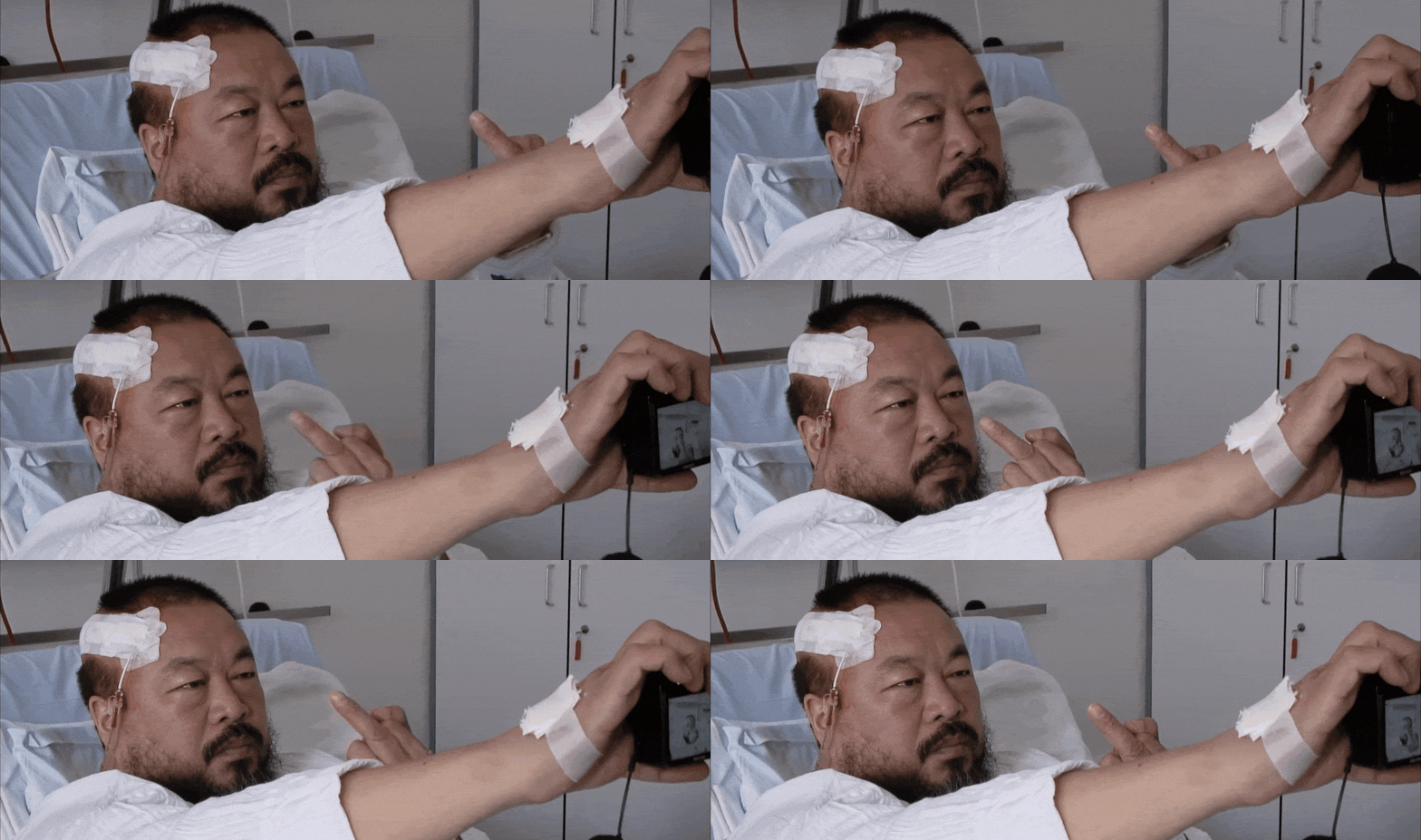
For this inaugural commission, Ai Weiwei presents CIRCA 2020, a sequence of thirty films that unfolds across the month. Drawing together photographs, documentary footage, artworks, texts and personal reflections from across four decades of practice, the programme moves between New York in the 1980s, Beijing, Sichuan, Hong Kong, refugee camps and the unfolding realities of the present day. Rather than offering a retrospective survey, the work assembles a constellation of images through which recurring concerns emerge: freedom and authority, memory and forgetting, individual action and collective responsibility.
Throughout his career, Ai Weiwei has approached art as a form of public enquiry. Whether documenting demonstrations, challenging political authority, investigating the deaths of schoolchildren following the Sichuan earthquake or confronting the conditions experienced by displaced communities, his work repeatedly examines how individuals position themselves in relation to larger systems of power. Across CIRCA 2020, acts of dissent and acts of remembrance appear as interconnected forms of resistance against erasure.
The commission emerges at a moment when many of the questions embedded within Ai’s practice have acquired renewed urgency. Debates surrounding surveillance, state power, public accountability and personal liberty increasingly shape everyday life across the globe. Yet the work resists reducing the present to a singular narrative. Instead, it proposes a more expansive understanding of history as a field of continual negotiation in which meanings remain unsettled and subject to challenge.
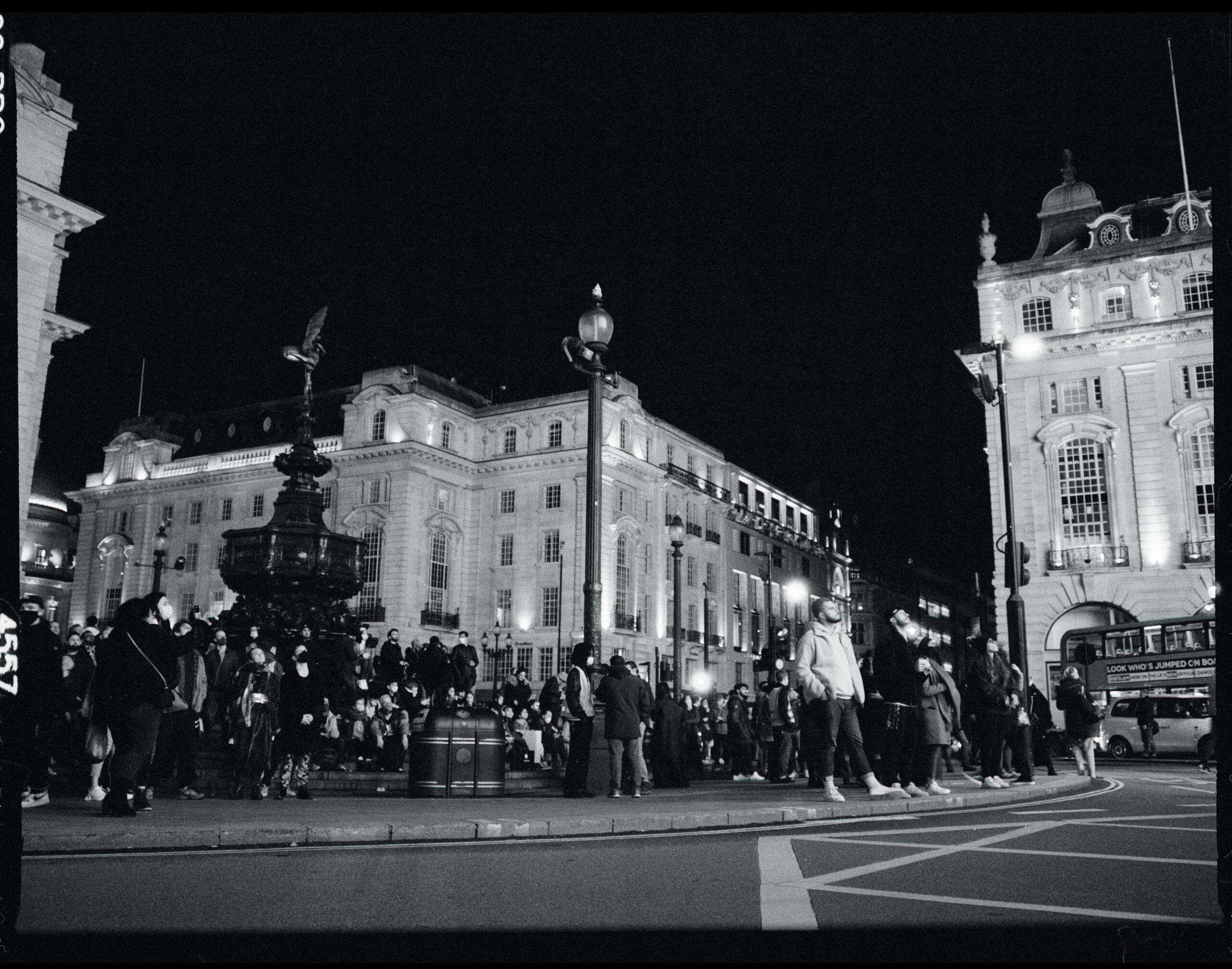
By occupying Piccadilly Lights, a screen historically associated with spectacle, commerce and mass communication, CIRCA 2020 extends beyond the boundaries of the museum or gallery. The site itself becomes integral to the work. For two minutes each evening, the flow of advertising is suspended and replaced by a different set of values: attention rather than distraction, reflection rather than consumption, questions rather than conclusions.
As the first commission presented by CIRCA, CIRCA 2020 establishes the conditions for an ongoing conversation between artists, public space and contemporary life. Rather than offering certainty, it invites audiences to pause and consider the forces shaping the present moment and their own position within it.
Films
Michelangelo Pistoletto’s Three Mirrors is presented daily across CIRCA’s global network of public screens. Each evening at 20:26 (local time), the work appears simultaneously across the following locations, entering the flow of the city and inviting a shared moment of reflection. Select a location below to view directions and find your nearest screen on Google Maps.
London, Piccadilly Lights
Experience CIRCA 2020 by Ai Weiwei every evening at 20:20 BST/GMT (1 October until 31 October 2020) on the iconic Piccadilly Lights screen.
Press
| Press Release | |
| Dazed | |
| The Times | |
| The Financial Times | |
| The Guardian | |
| Dazed | |
| The Art Newspaper | |
| Sky News | |
| Artsy |
Biography
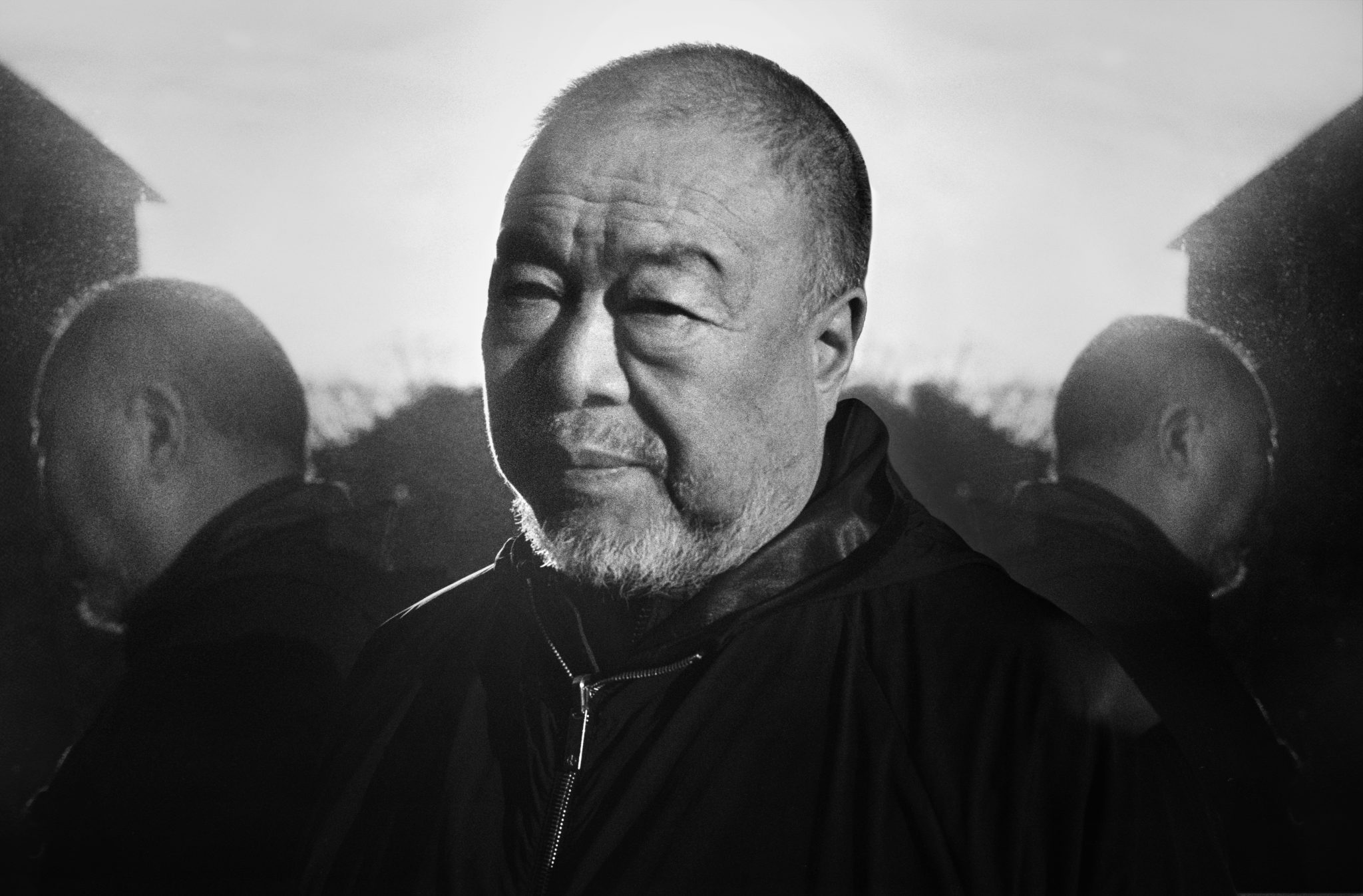
Ai Weiwei
Ai Weiwei is one of the most influential artists and public intellectuals of the twenty-first century. Working across sculpture, architecture, film, installation, publishing and social activism, he has built a practice that examines the relationship between the individual and structures of power. Drawing upon conceptual art, Chinese history, craftsmanship and contemporary politics, his work transforms objects, images and public interventions into powerful reflections on freedom, authority, memory and human rights.
Over four decades, Weiwei has created some of the defining works of contemporary culture. From Dropping a Han Dynasty Urn (1995), which challenged accepted notions of cultural value and preservation, to Sunflower Seeds (2010), his monumental installation of millions of hand-crafted porcelain seeds at Tate Modern, his work repeatedly questions how histories are constructed and who controls them. Projects including Remembering (2009) and Straight (2008–12) emerged from his investigation into the Sichuan earthquake, combining artistic practice with civic activism to confront questions of accountability, truth and remembrance. More recently, films such as Human Flow (2017) have expanded his focus towards migration, displacement and the movement of people across borders, reflecting a sustained concern for the dignity and rights of individuals worldwide.
Ai Weiwei has been closely connected to CIRCA since its inception. In October 2020, he became the first artist to launch the platform, helping establish a new model for public art that places creativity, dialogue and participation at the centre of everyday life. Since then, he has remained a defining presence within CIRCA’s history, returning through multiple collaborations that have engaged global audiences in conversations about freedom, responsibility and the role of the artist in society.
In 2024, Weiwei returned to launch CIRCA 20:24 with Ai vs AI, an 81-day public enquiry into artificial intelligence, authority and the freedom to ask questions. Marking the first time he used artificial intelligence as a creative counterpart, the project transformed public space into a forum for philosophical dialogue, inviting audiences to submit questions while exploring the changing relationship between technology, knowledge and human agency. At its core was a principle that has guided his work throughout his career: that critical inquiry remains an essential expression of freedom.
Born in Beijing in 1957, Ai Weiwei lives and works internationally. Through a practice that bridges art, activism and public life, he continues to challenge assumptions, provoke debate and inspire audiences around the world to reconsider the systems that shape contemporary society.