THE SUM OF OUR PARTS
LAUREN HALSEY IN CONVERSATION WITH LISA ANDERSON ON DIASPORA CALLING!, MS. LAURYN HILL AND BUILDING CULTURE FROM THE INSIDE OUT
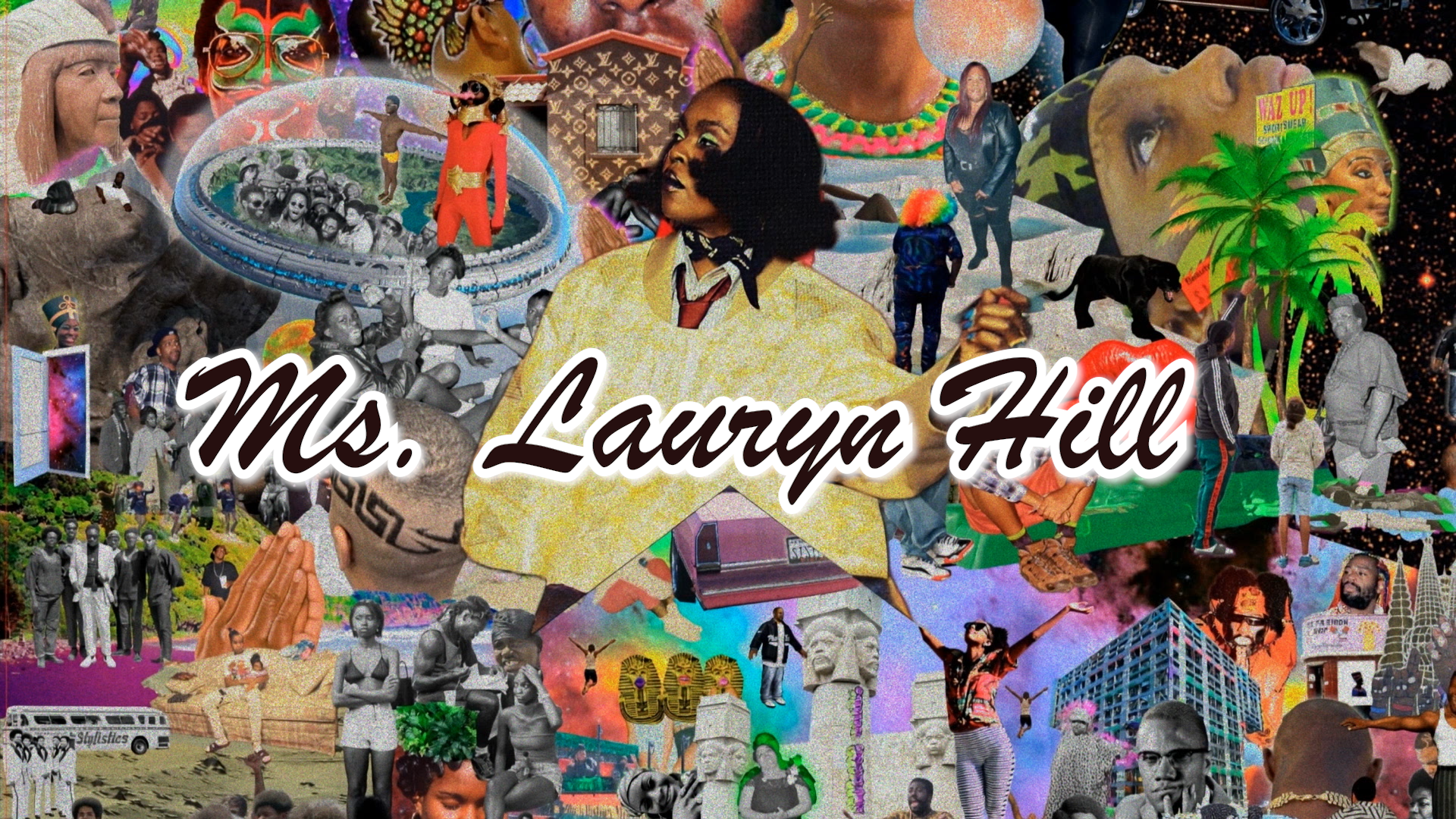
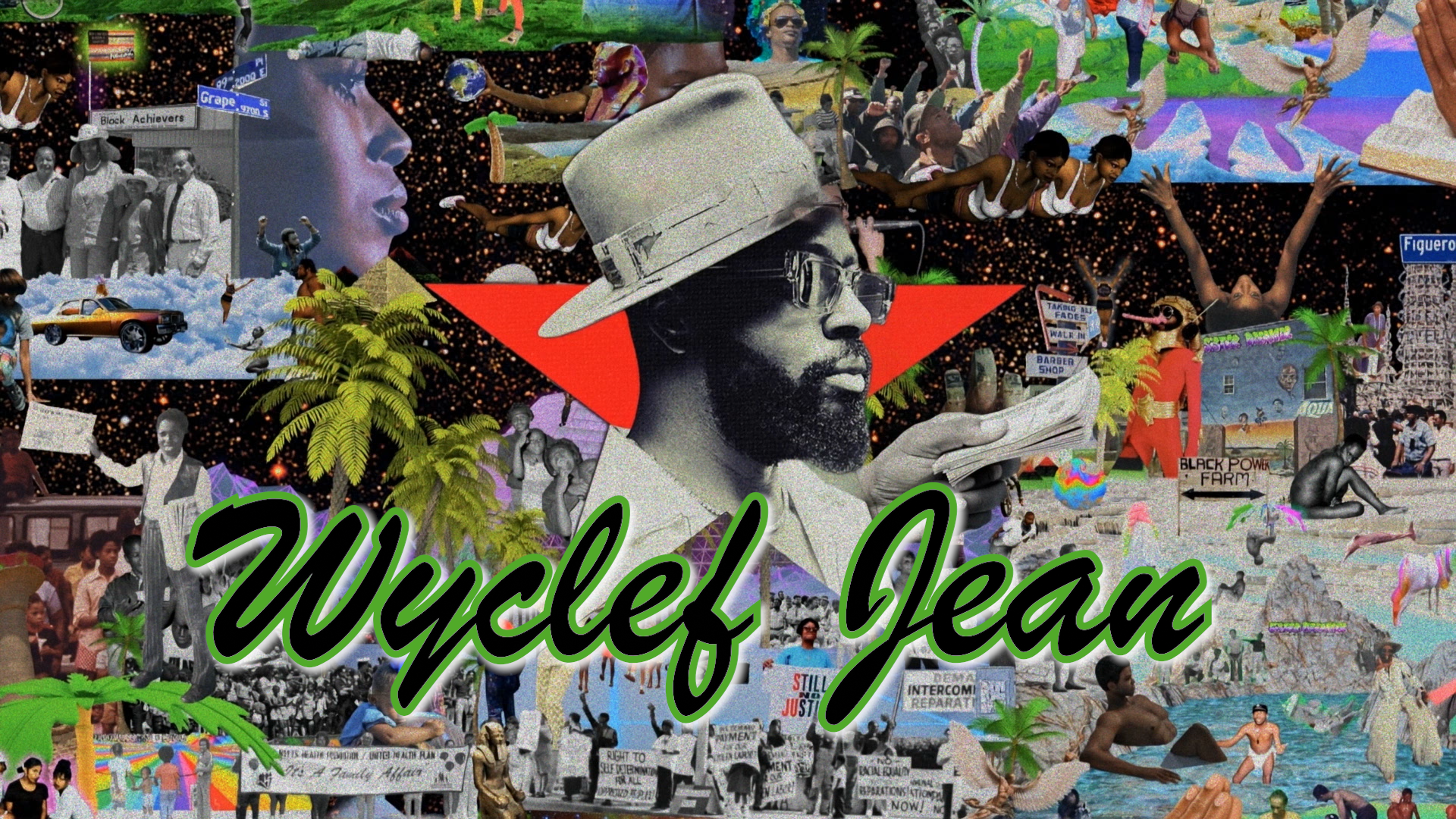
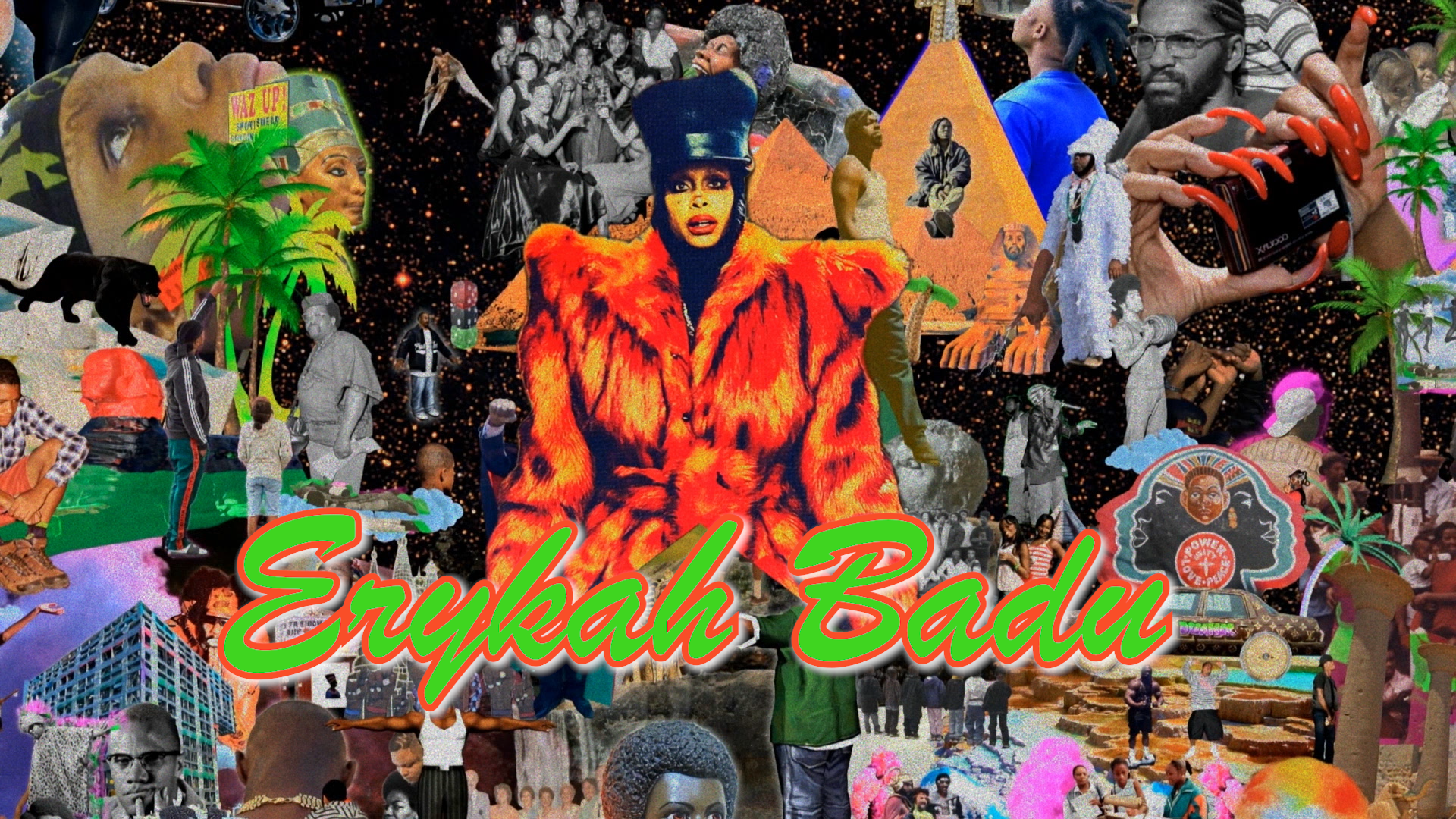
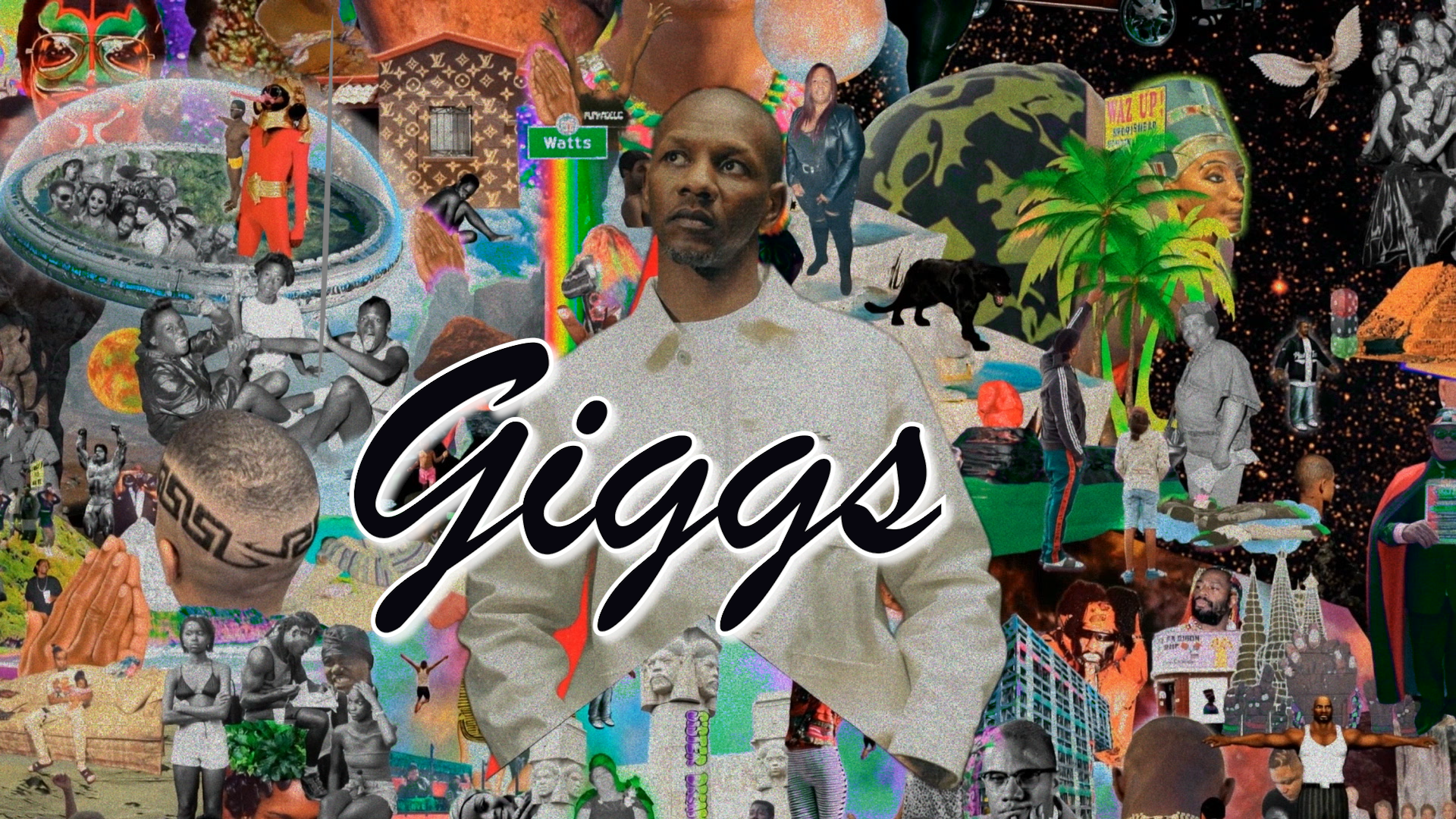
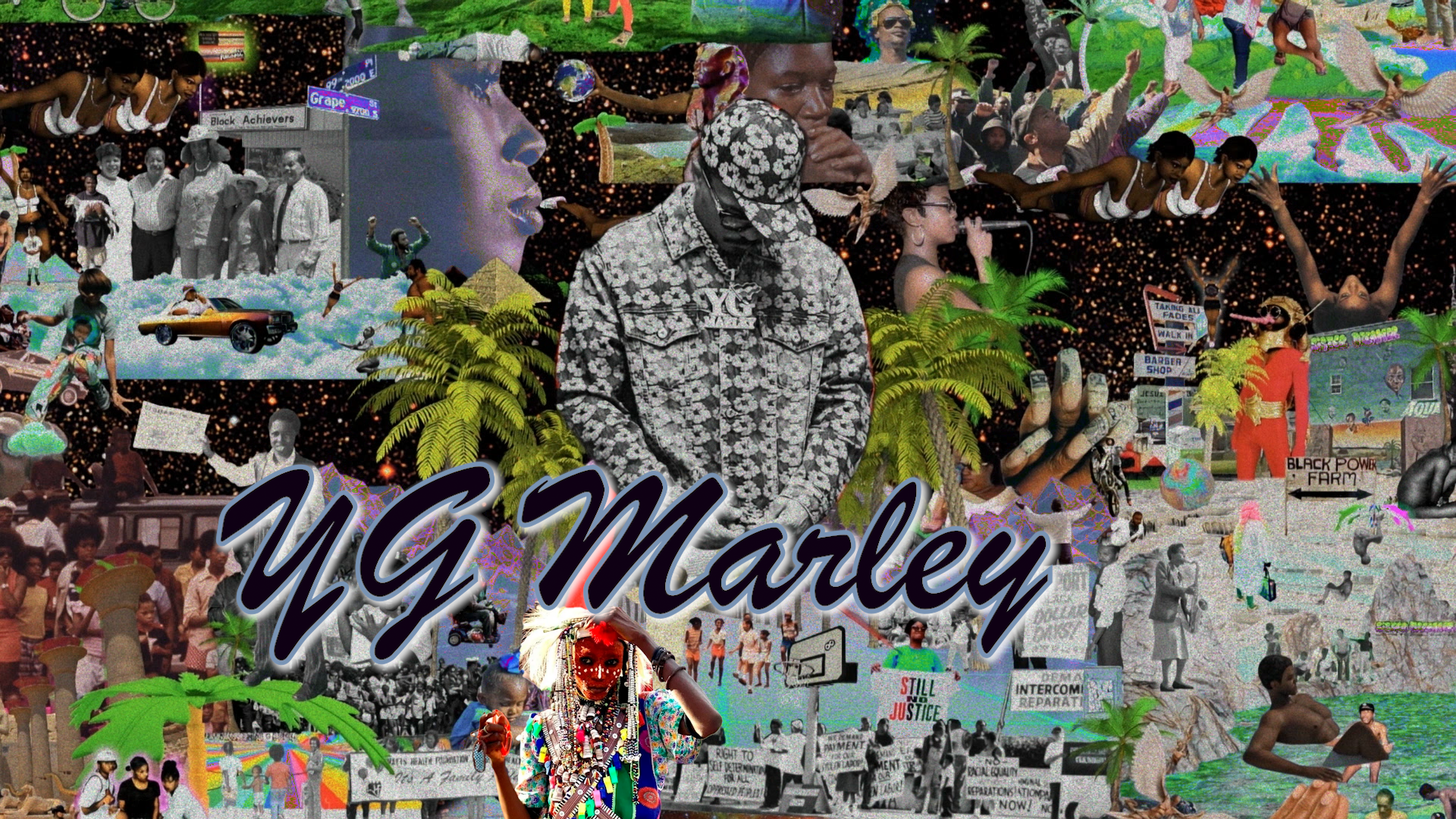
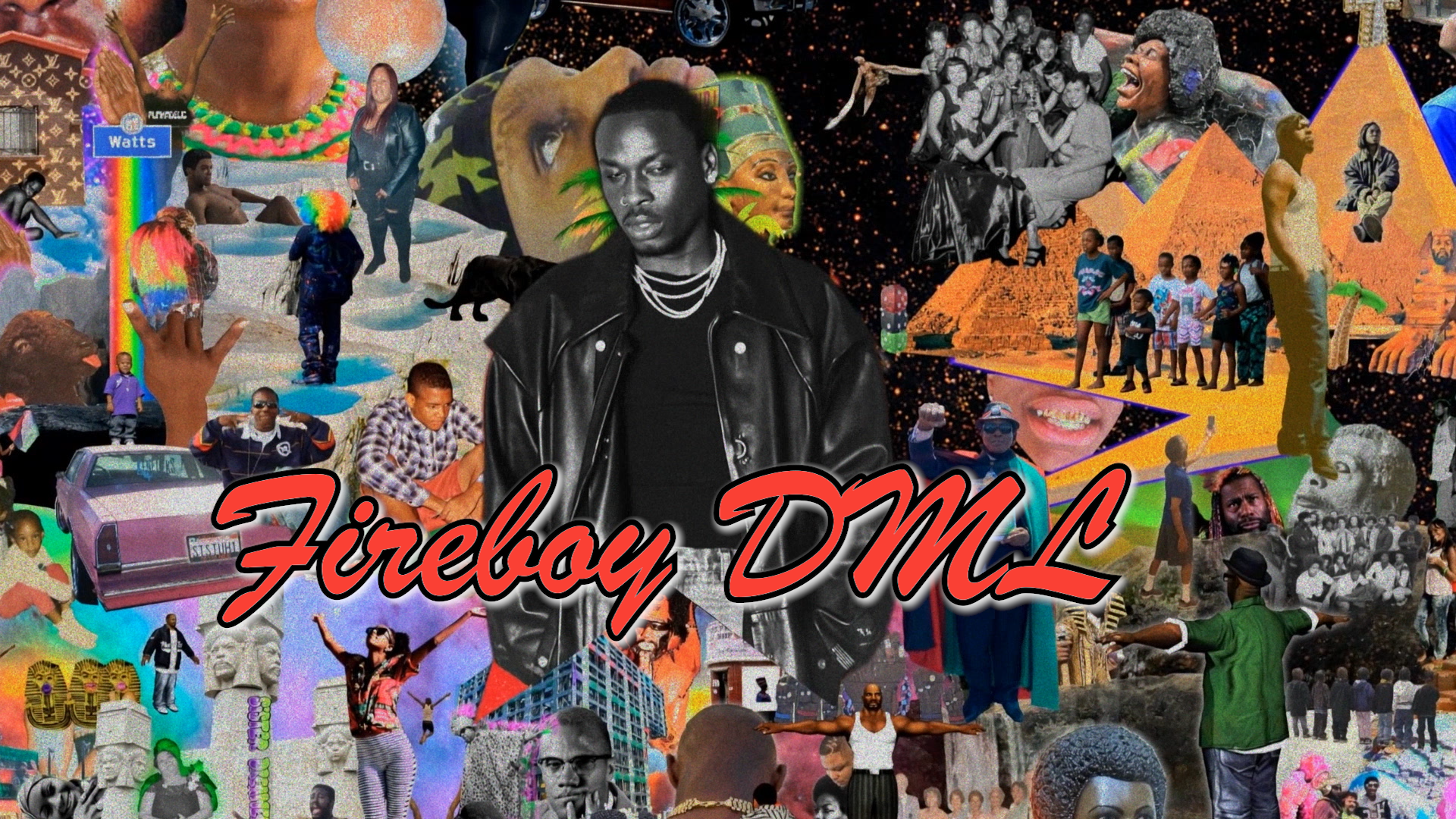
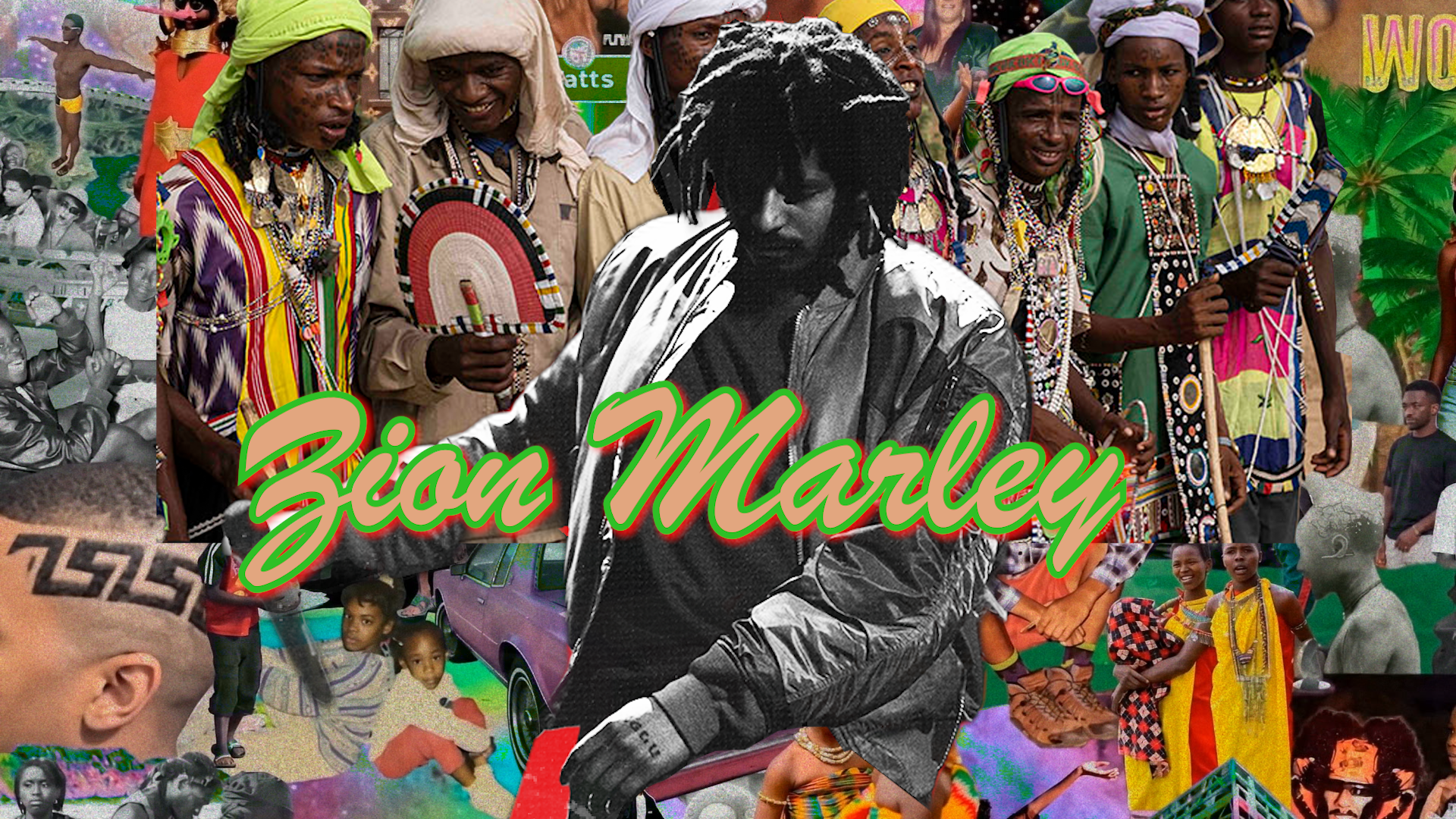
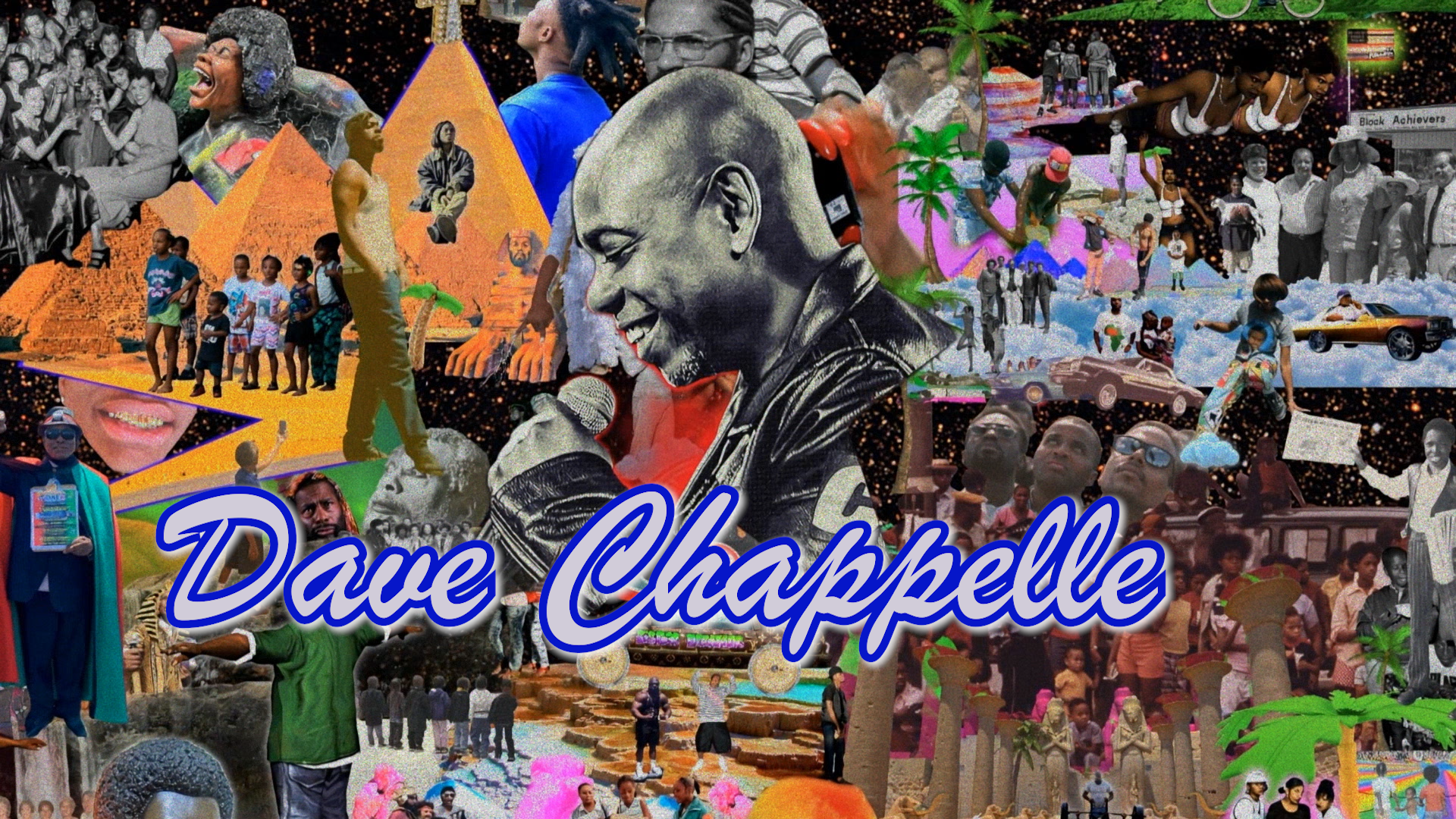
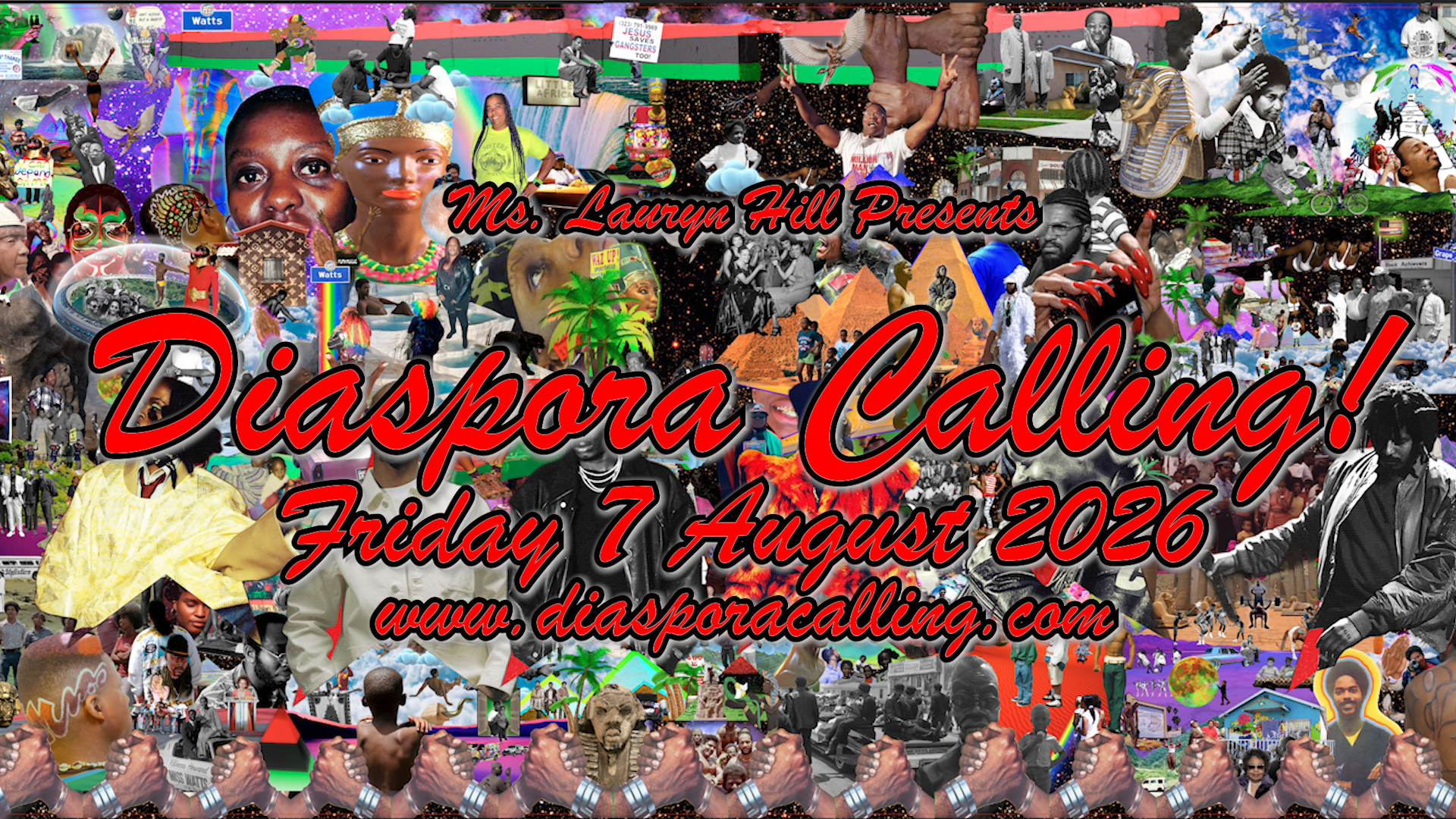
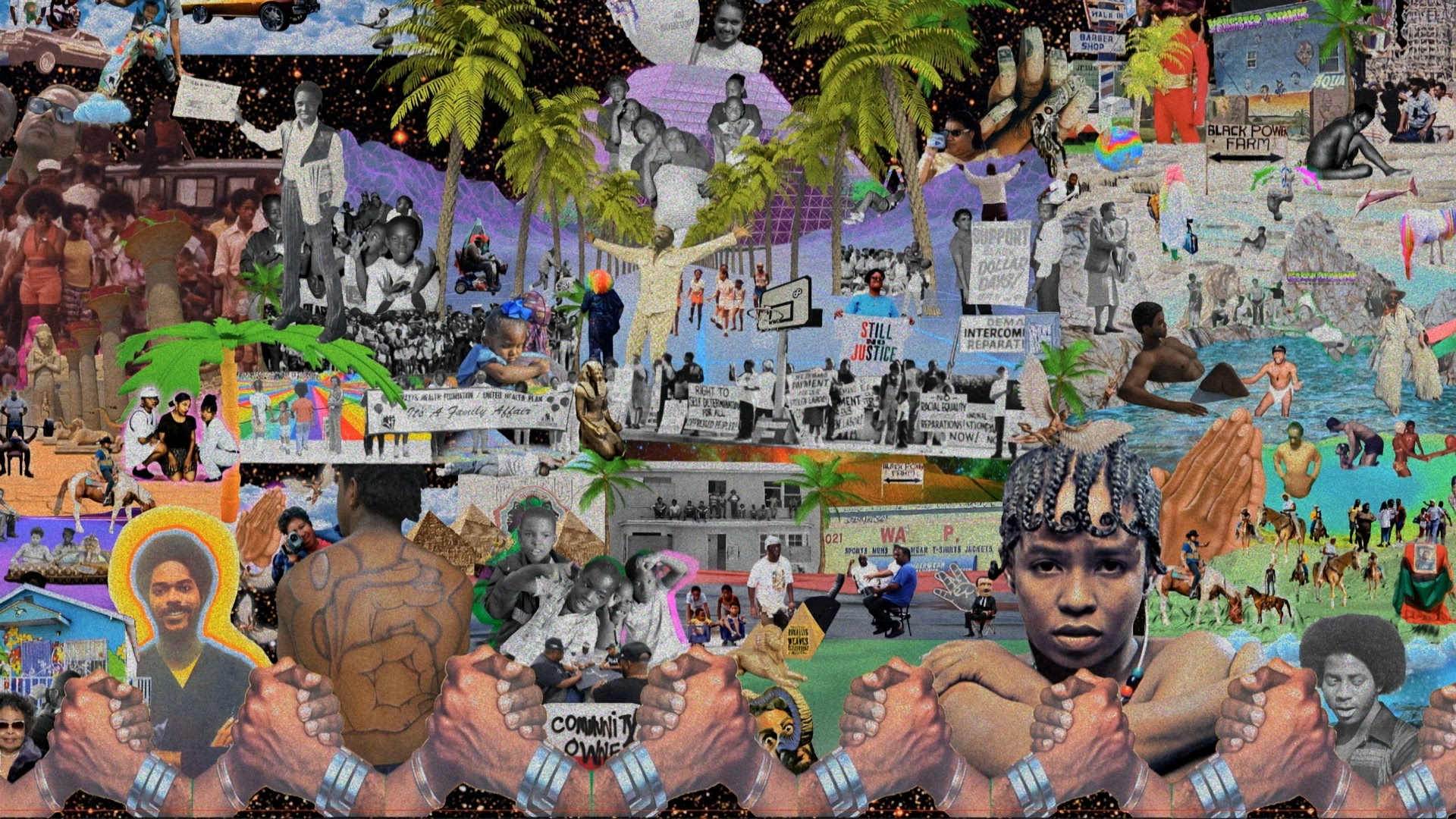
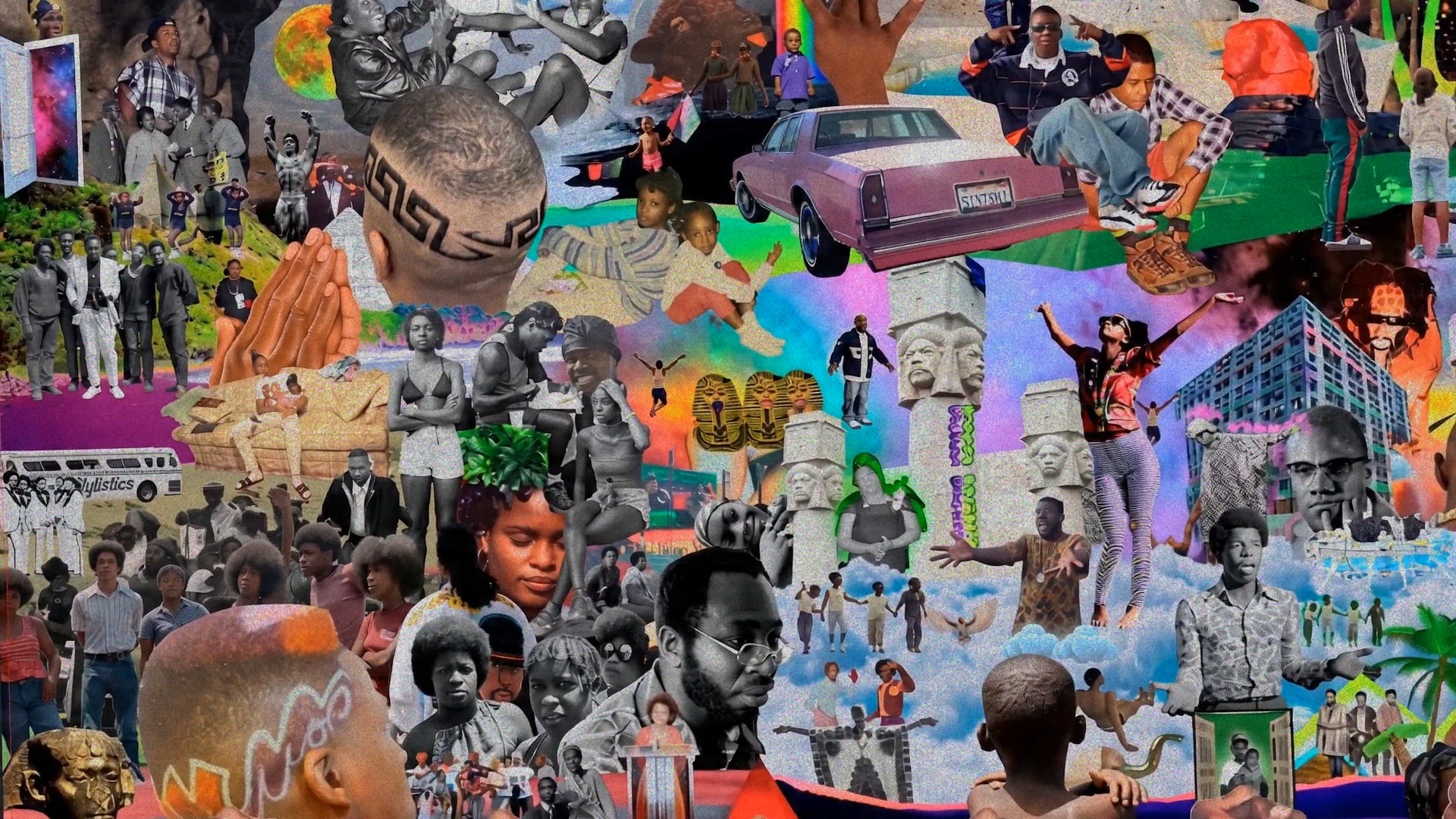
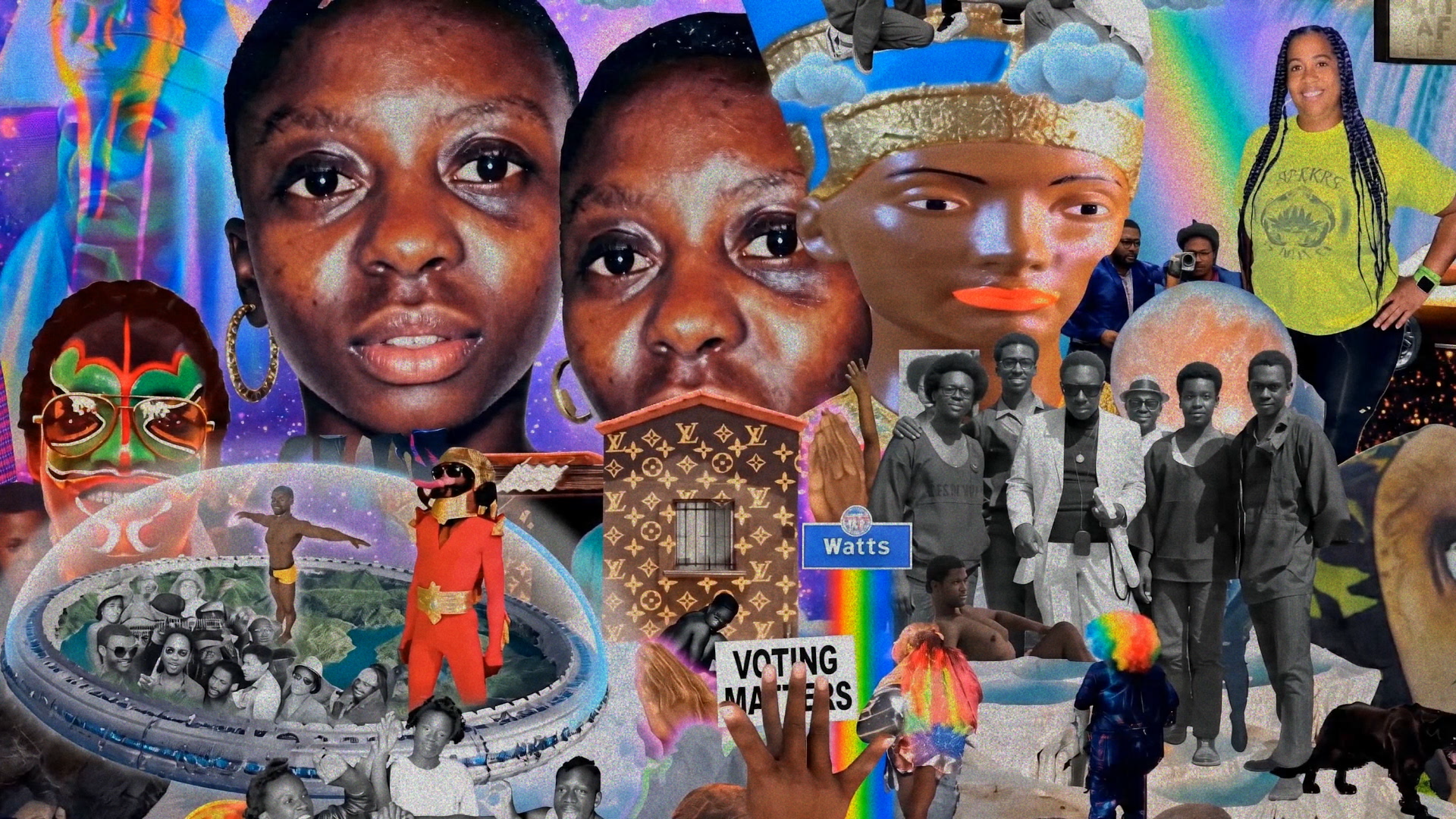
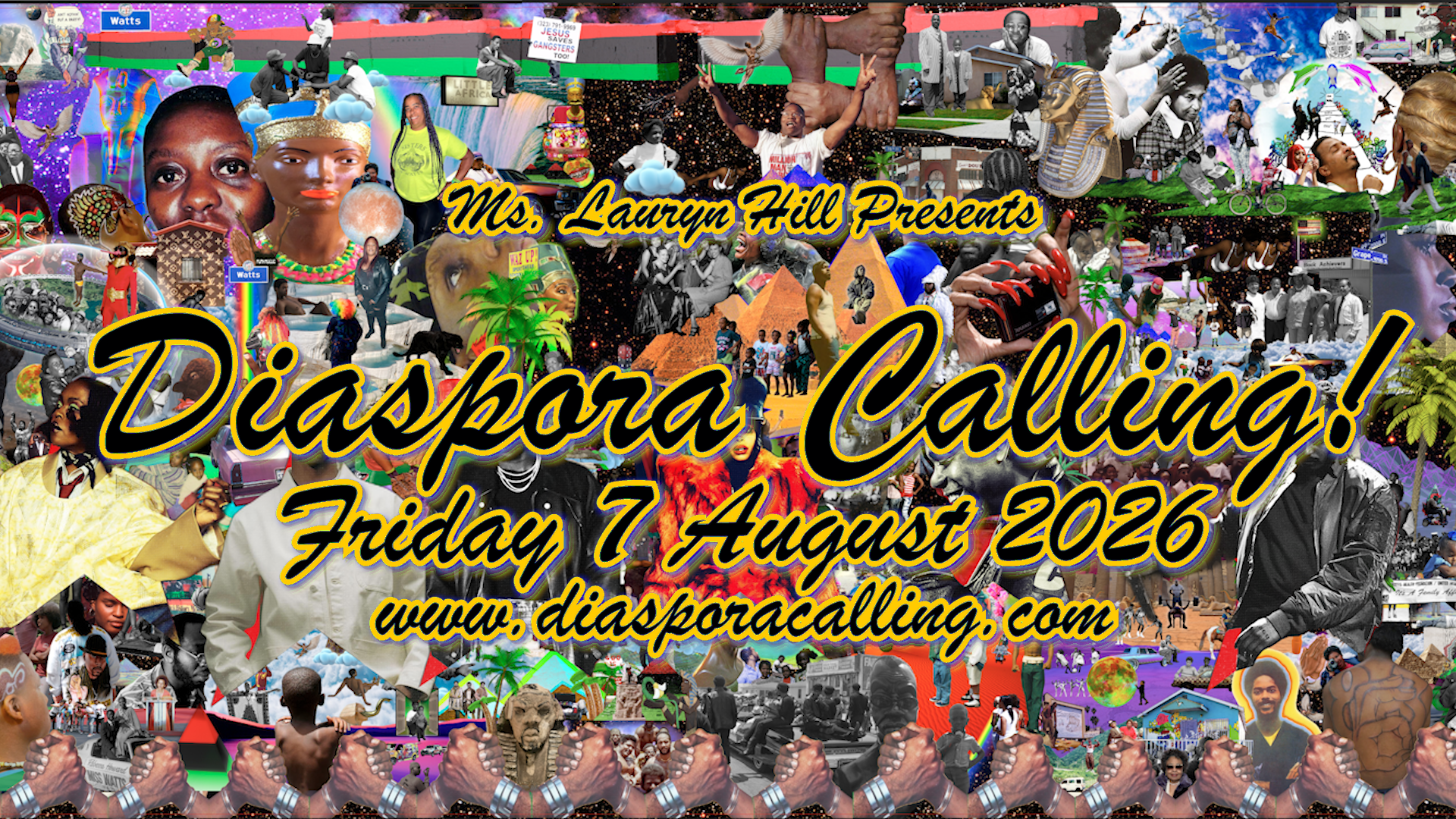
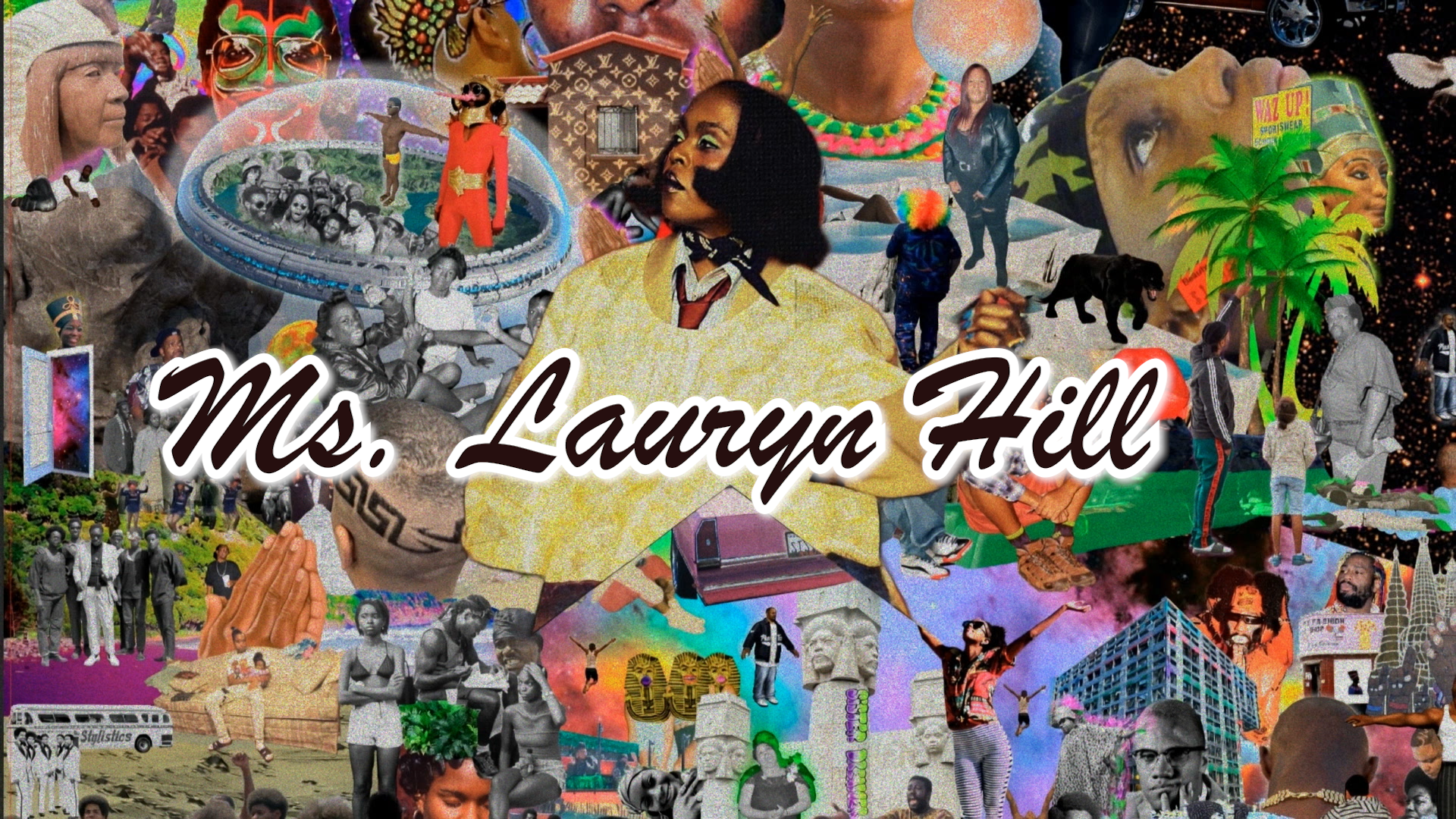
On 5 August 2026, Lauren Halsey’s DIASPORA CALLING! premieres on Piccadilly Lights as a new commission by CIRCA, created in response to Ms. Lauryn Hill’s return to the cultural proposition she first launched in Brooklyn a decade ago. Made feverishly in the days leading up to its presentation, Halsey’s work transforms one of London’s most visible public spaces into a saturated, non-linear portrait of Black life, bringing together the everyday and the monumental, the street and the cosmic, the ancient and the future.
Curated by Ms. Lauryn Hill, the collaboration has developed through a close dialogue with London-based curator Lisa Anderson, whose work across the festival’s visual arts programme helped bring Halsey into the CIRCA commission while connecting the project to a wider ecology of artists and communities in Britain. At the centre of the project are three women whose practices approach culture as a form of public service: Hill’s call for the diaspora to gather and recognise its collective power, Halsey’s community-rooted practice in South Central Los Angeles, and Anderson’s commitment to creating platforms for Black artists and cultural exchange.
Ahead of the premiere, Anderson spoke with Halsey about her years long relationship with Ms. Hill’s music, their previous collaborations, the meaning of DIASPORA CALLING! and the infrastructure that can emerge when artists begin working from the inside out.
Lisa Anderson: Lauren, why did you answer Ms. Lauryn Hill’s call to contribute to DIASPORA CALLING! in 2026?
Lauren Halsey: Ms. Hill has been a pillar in my world since I was seven or eight, when Blunted on Reality came out, and definitely The Score. I remember the day I got that tape from The Wherehouse in LA when I was a kid. I followed her work, and as I professionalised my own practice there were certain voices that always sat underneath it, informing the ethics, concepts and morals of the work, as well as how I thought about operating within a larger infrastructure. There are many of those voices. Toni Morrison is one. George Clinton is one. Hers is one. So it made sense that I would say yes.
Lisa Anderson: Do you remember the first time you met her? Did she ask about your art or engage with your visual practice?
Lauren Halsey: When I was at Yale, I saw her perform, I think in 2013 or 2014. I ended up backstage and asked whether she would consider being a visiting artist for a lecture series we were doing in the Graduate School of Sculpture. She said it sounded like an amazing opportunity, but that it was not really her context. I said, “Okay, for sure,” and just kept going to the shows.
At the end of 2019, when I had my exhibition with David Kordansky, we reached out to her about performing at the after-party. Then Covid happened, so the collaboration moved to 2022, when I opened David Kordansky Gallery in New York and she performed at The Standard. When I did my Met commission in 2023, she performed again at the Public Hotel alongside doechii, Parliament-Funkadelic and others. There has been this continuing relationship, so it felt completely natural to answer the call again.
Lisa Anderson: She has clearly been a formative reference for you from the beginning. It is also worth remembering that you contributed to the original Diaspora Calling! in 2016.
Lauren Halsey: I had forgotten that for a second. Thank you for reminding me.
Ms. Hill presented what felt like a proof of concept for Diaspora Calling! at Kings Theatre in Brooklyn. I was living in Harlem and doing my Studio Museum in Harlem residency at the time. I said yes and contributed an engraving to the exhibition. It was incredible to have these freedom songs, which had helped me over the hump and still do, placed in conversation with my work.
When you walked into Kings Theatre, there was this maze of partition walls filled with art. It felt great to have my aesthetic in conversation with her work and her world. It felt right on time then, and it still does.
Lisa Anderson: I think the alignment extends beyond the aesthetics of your work. Your philosophies meet through community engagement and a shared desire to uplift diasporic communities. What does DIASPORA CALLING! mean to you, and how does it align with your practice as a visual artist?
Lauren Halsey: I am a maximalist, and to me DIASPORA CALLING! is a maximalist call to action. It collects diasporic contexts holistically, across all kinds of industries, disciplines and forms of action. Even looking at the invitation for the festival, it is not simply a call to action. It is a call whose action becomes the sum of its parts across Blackness and across our worlds.
It is macro, but it is also very micro. It says that we want the community leaders, the spiritual leaders, the visual artists, the institutions, the teachers, the scientists, the chefs, people working in fashion, health and wellness. It is a call to activate our entire cultural, social and poetic infrastructure. I think that is really, really great.
Lisa Anderson: That expansive call has clearly informed the way you approached this new commission. How did you begin creating a work specifically for DIASPORA CALLING! and for its presentation in London?
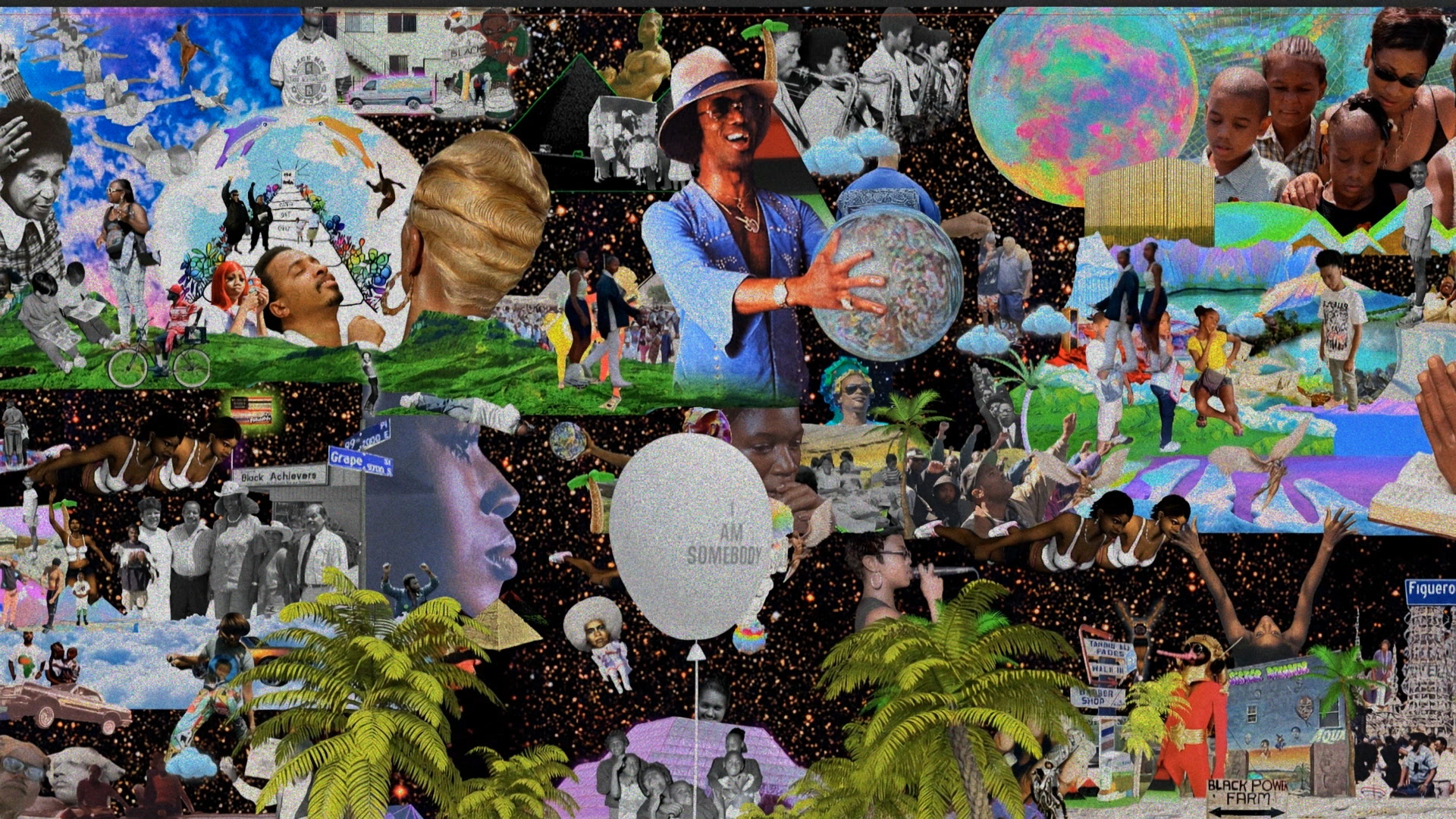
Lauren Halsey: I brought my maximalism completely into it. For me, the work is a non-linear portrait that pays homage to the collective across Blackness. Because of who I am and where I come from, it began with a hyper-specific relationship to Los Angeles across multiple eras. That particular context then grew in a really beautiful way.
All of us are represented. There are people you might recognise, but most of them you will not, which is important to me when representing us. These are everyday people lifted to the scale of Piccadilly Lights. That is true power.
The collage is totally saturated and totally vibrant. It is about the future and the here and now. It is about the cosmic and the street. It is about the ancient and the new. I really like it. I just wish I could be there to see it in person. I cannot wait to experience it through photographs and films and see how it exists in that space.
Lisa Anderson: It is going to be a treat for people to encounter, particularly anyone who experienced emajendat at Serpentine. That exhibition was phenomenal. Your work immerses people in a different energy field, one filled with hope, imagination and futuristic possibility. Its relationship to time is completely non-linear.
Lauren Halsey: It is outside of time.
Lisa Anderson: Exactly, and that is where so much possibility lies. What impact do you hope DIASPORA CALLING! will have, and how might the experience inform what you make next?
Lauren Halsey: I have always been interested in relying on resources close to me to pull off major projects. It has sometimes been difficult to achieve, but I feel as though I am getting closer and closer to it.
What is so powerful about this festival is that you can find yourself in the same room, or on the same festival grounds, as people who can help you build that infrastructure. They can understand your subjectivity and your poetic because they are already connected to it. That is empowering in a completely different way.
It is a model of working from the inside out. It is truly a FUBU gesture and attitude, but operating globally. That sounds incredible to me. I am so disappointed that I cannot be there among all that genius, across every industry, because the potential lies not only in the formal programme but in being social and in the mix. It might happen while you are standing in line for a T-shirt or waiting for a drink. Something can be built from those encounters. The possibility is incredibly aspirational, and I know that is what is going to happen.
I hope I am considered for the next iteration, with an even larger contribution, perhaps something that can move into the sculptural realm.
Lisa Anderson: I can already imagine that. Do you see this opening further possibilities for your work in the UK?
Lauren Halsey: Absolutely. Let us put that into the universe.
Lisa Anderson: Before we finish, I want to ask about sister dreamer, your sculpture park in South Los Angeles. It is a powerful example of how art can become cultural infrastructure and transform what a community understands to be possible. Did you imagine it primarily as a local project, or did you always believe its influence could move globally?
Lauren Halsey: Definitely globally. It has become this amazing destination and landmark within the community, but people also travel to it from the UK and from other places around the world. I meet them at events such as Dub Night, and it has been incredible to see.
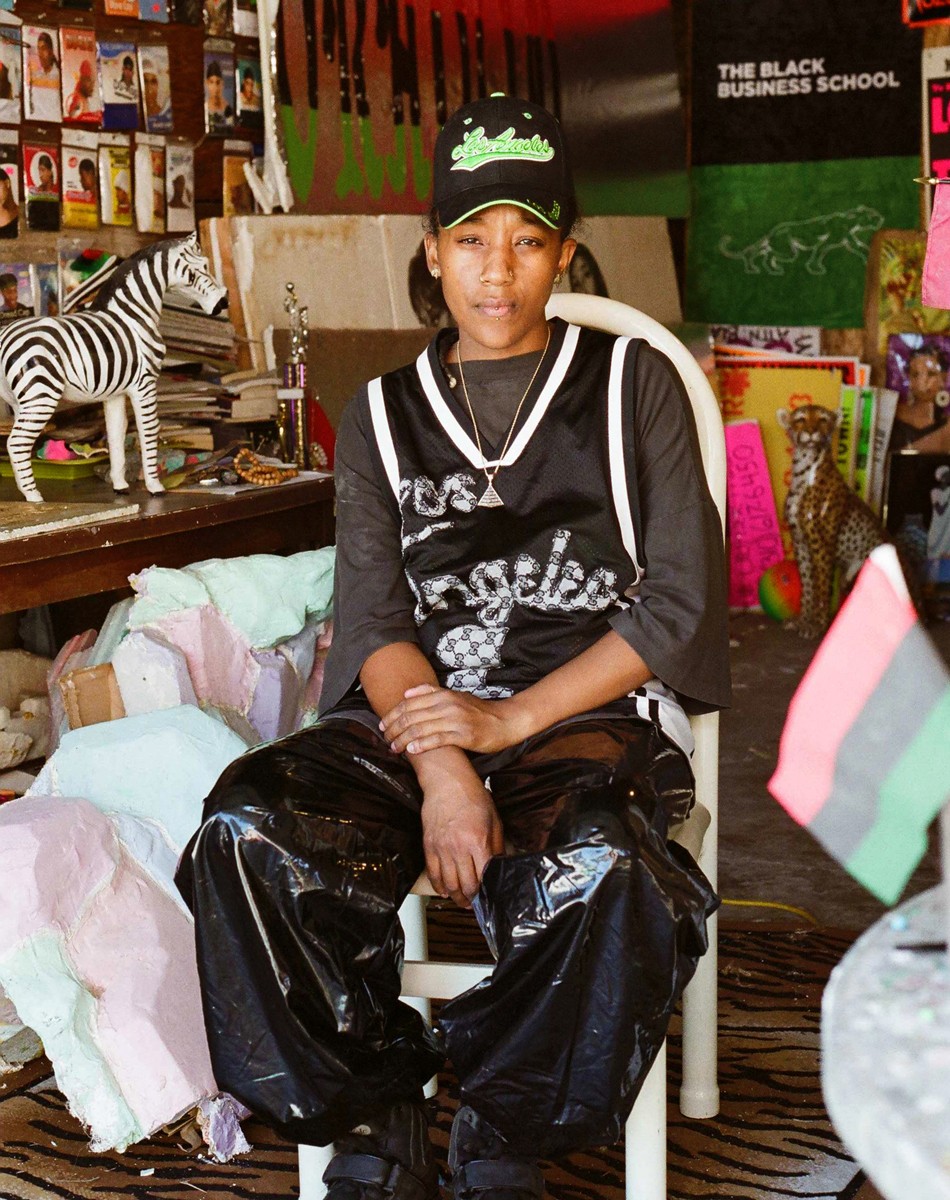
It is a sculpture park, but it also functions as a classroom, a dance floor, a library or an art studio. It can become whatever it needs to be. That multifaceted approach to making and programming art is itself a call to action. Anyone who wants to participate can enter it, and the people who use the space become co-authors of it. That was the whole idea.
People should come and experience it. It has been great.
Lisa Anderson: That feels like the right place to end. You are not only answering the call. The act of amplifying that call is already integral to your practice, and the sculpture park represents that beautifully. Thank you for making the time to speak with me and for contributing this work.
Lauren Halsey: Thank you. And whenever you are in LA, come to the studio. It is a whole thing.
Lisa Anderson is a curator, cultural strategist and writer whose practice explores the intersections of contemporary art, music and the global African diaspora. She develops exhibitions, public commissions and interdisciplinary collaborations that foreground cultural memory, public engagement and new models of cultural exchange. Formerly Managing Director of the Black Cultural Archives, Anderson has spent over a decade working across the cultural sector, connecting artists, institutions and audiences through projects that expand access to contemporary art and diasporic cultural production. For Diaspora Calling!, she brought together Ms. Lauryn Hill, Lauren Halsey and CIRCA to realise a landmark public commission on London’s Piccadilly Lights.