fbpx Where Do We Go From Now? | CIRCA

CIRCA 20:21

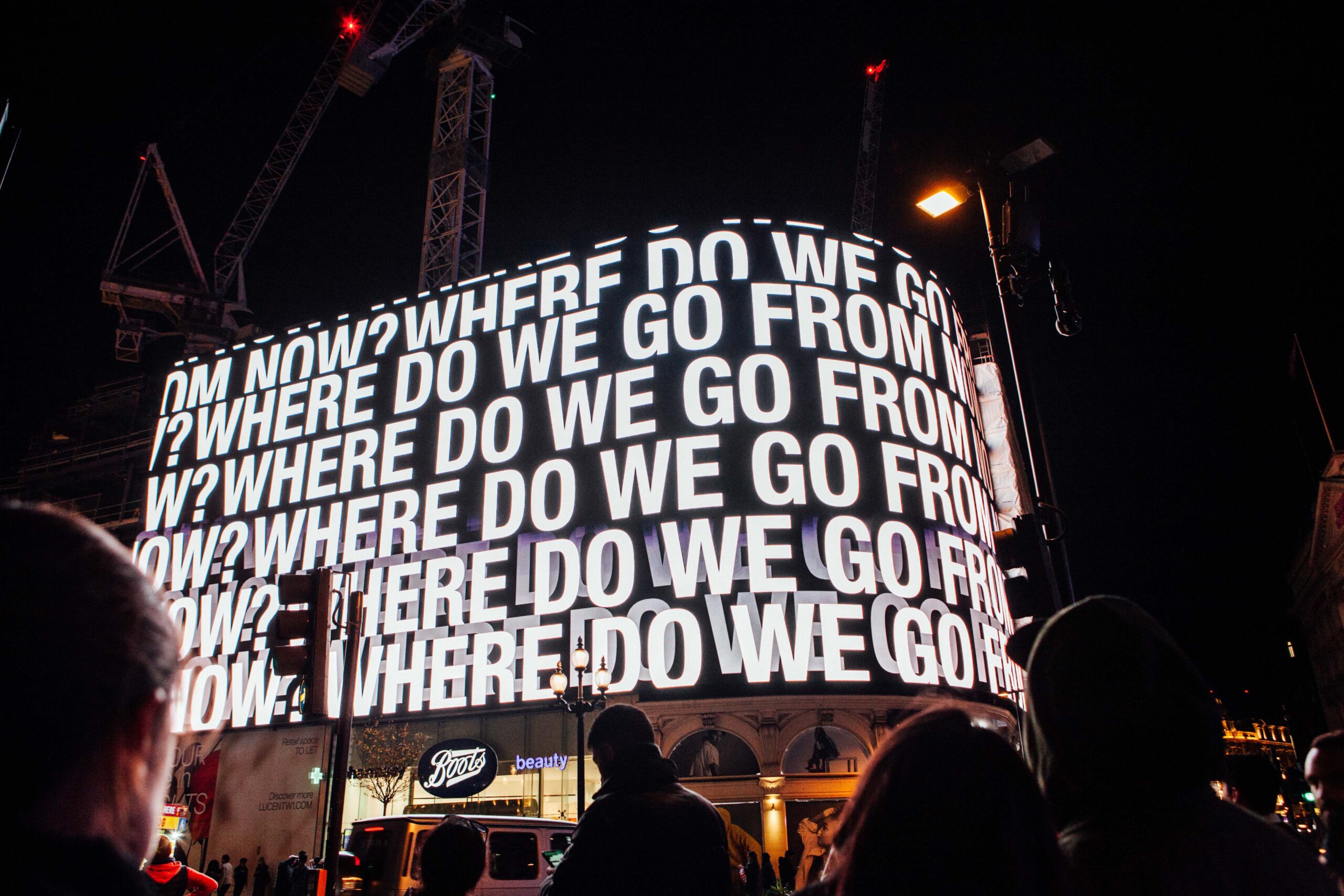
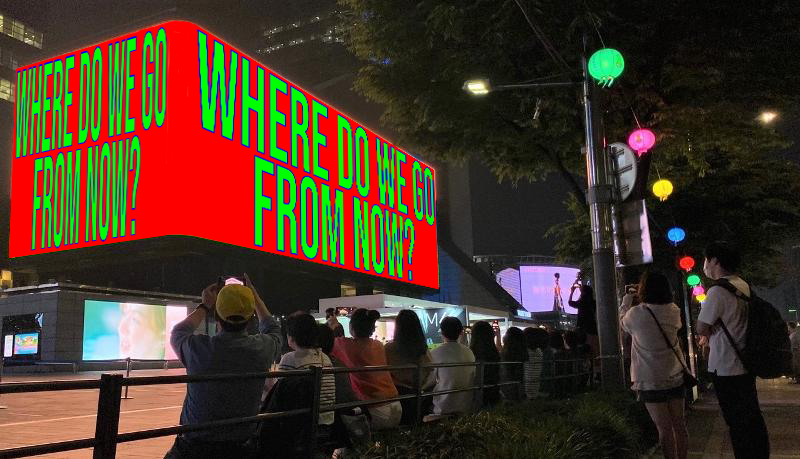
Where Do We Go From Now?

1-31 October, 2021

In October 2021, the world found itself suspended between crisis and possibility. The shock of the pandemic had exposed the fragility of systems once assumed permanent. Political certainties were eroding. Ecological warnings were becoming impossible to ignore. As world leaders prepared to gather in Glasgow for COP26, questions that had once seemed distant suddenly felt immediate. How do we live together? What kind of future remains possible? And perhaps most urgently, where do we go from now?

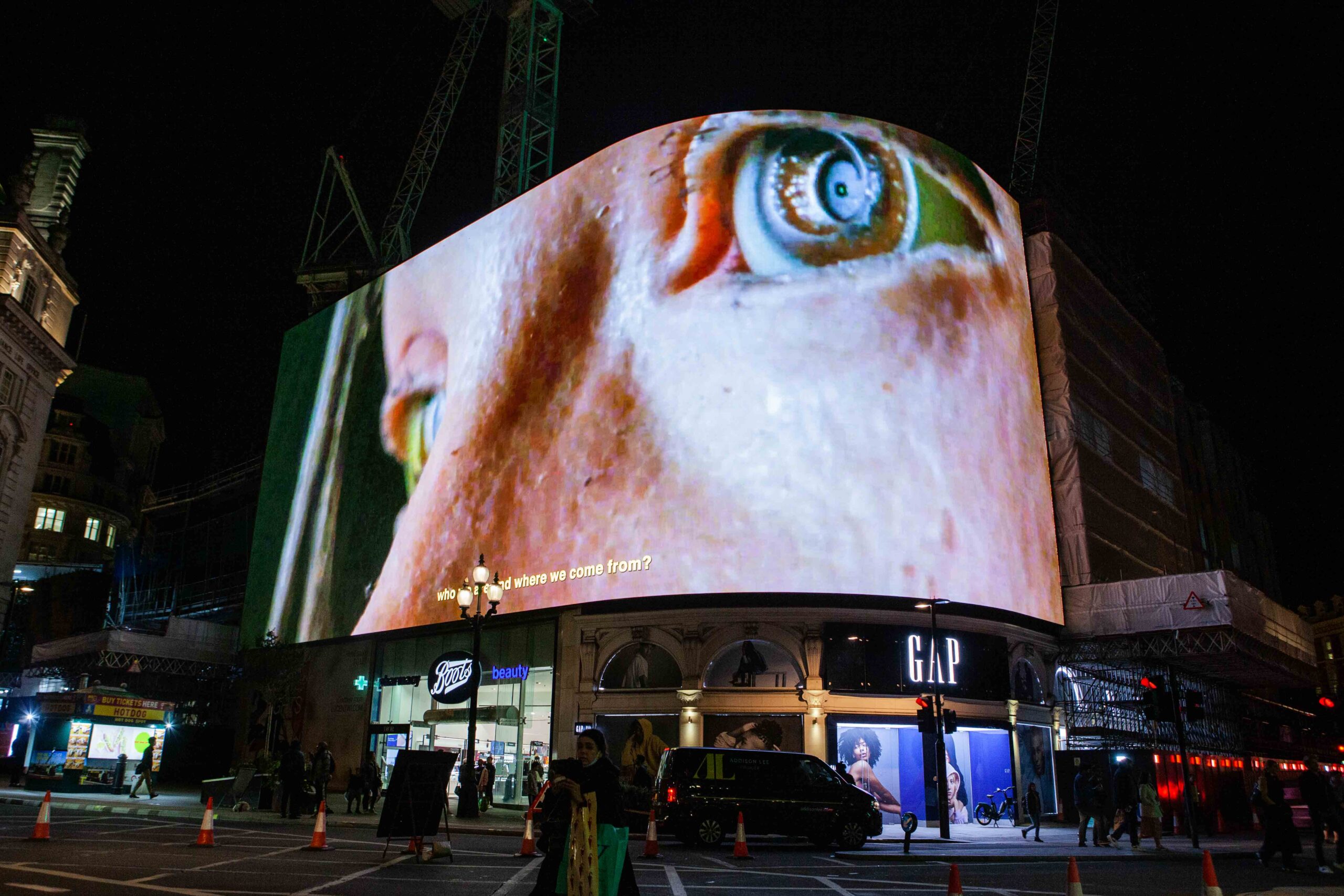
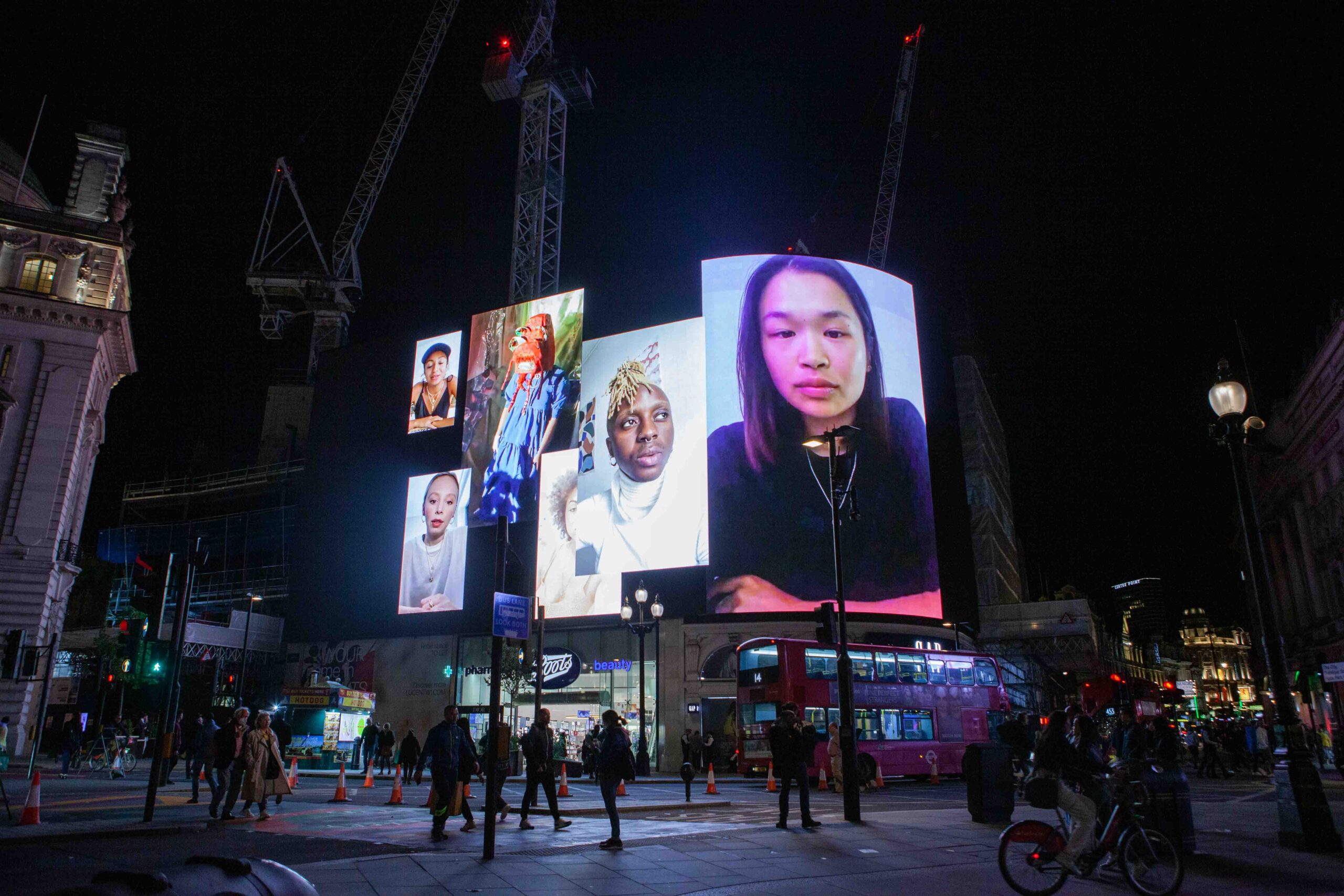
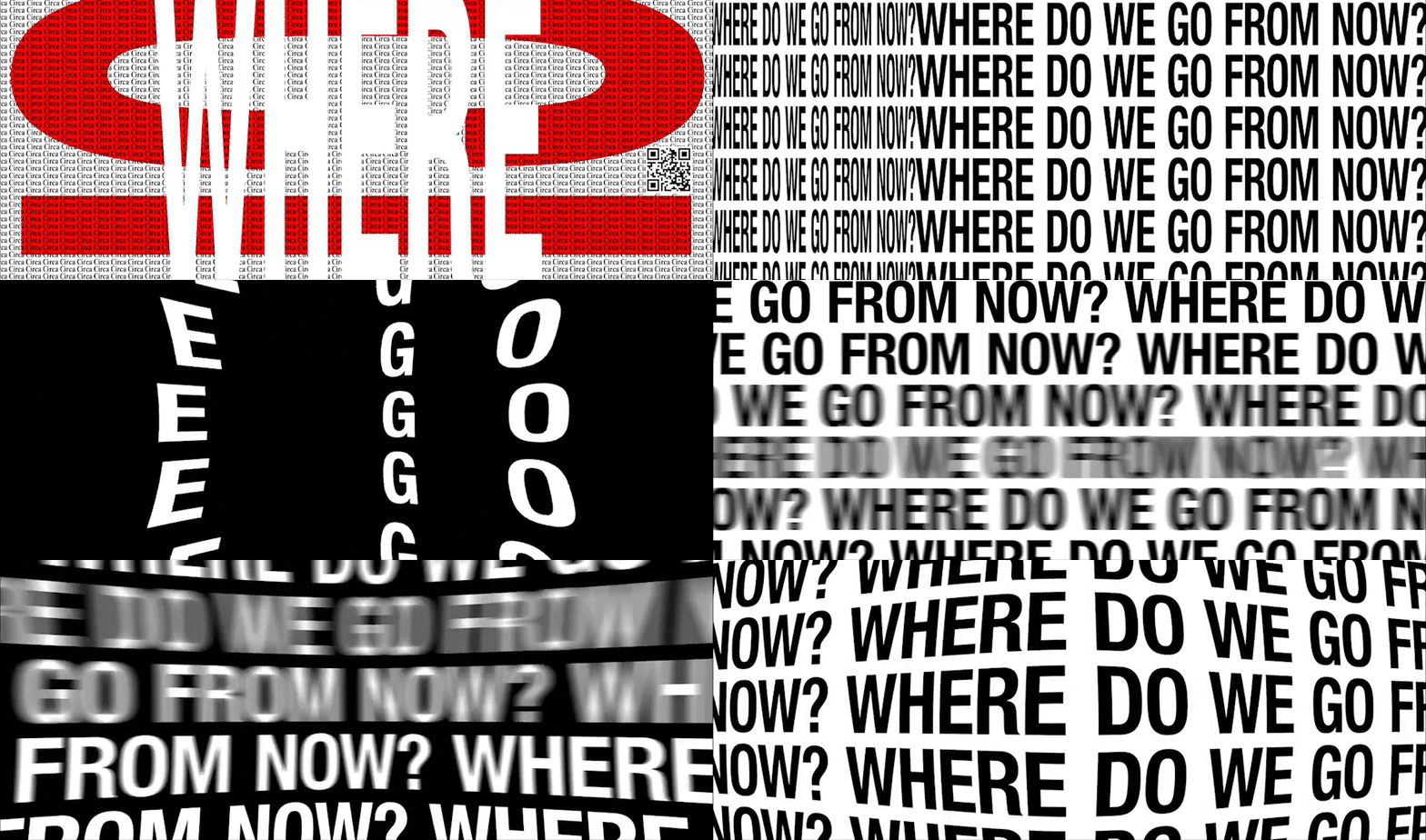
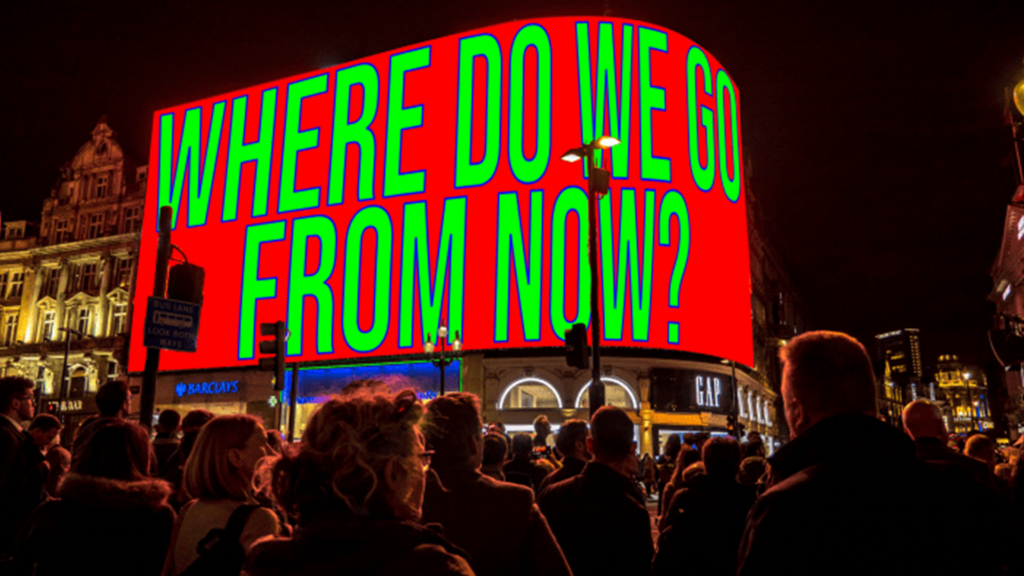
Marking the first anniversary of CIRCA, this month-long public programme transformed some of the world’s most visible screens into a space for collective reflection. Rather than commissioning a single artist or artwork, CIRCA posed a question. Simple in its phrasing yet expansive in its implications, Where Do We Go From Now? invited artists, architects, activists, writers, philosophers and members of the public to imagine pathways through a moment defined by uncertainty.

The project emerged from a recognition that periods of disruption are also periods of invention. Throughout history, moments of rupture have forced societies to reconsider their values, institutions and assumptions about how the world should be organised. The aftermath of a global pandemic presented one such moment. While experiences of crisis differed dramatically across communities and continents, there was a growing sense that returning to normal might no longer be sufficient. The question was not how to rebuild the world exactly as it was, but how to imagine what it could become.

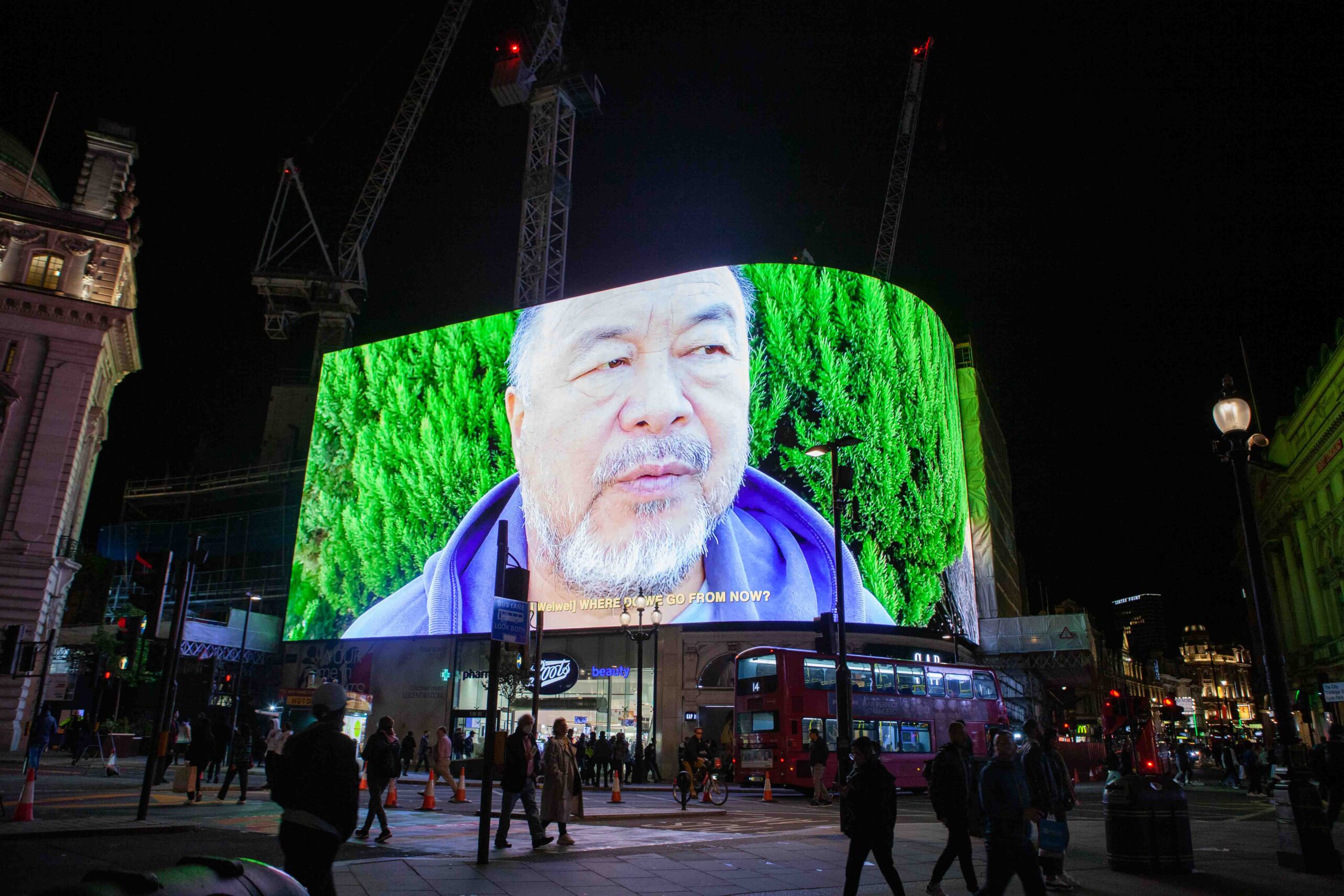
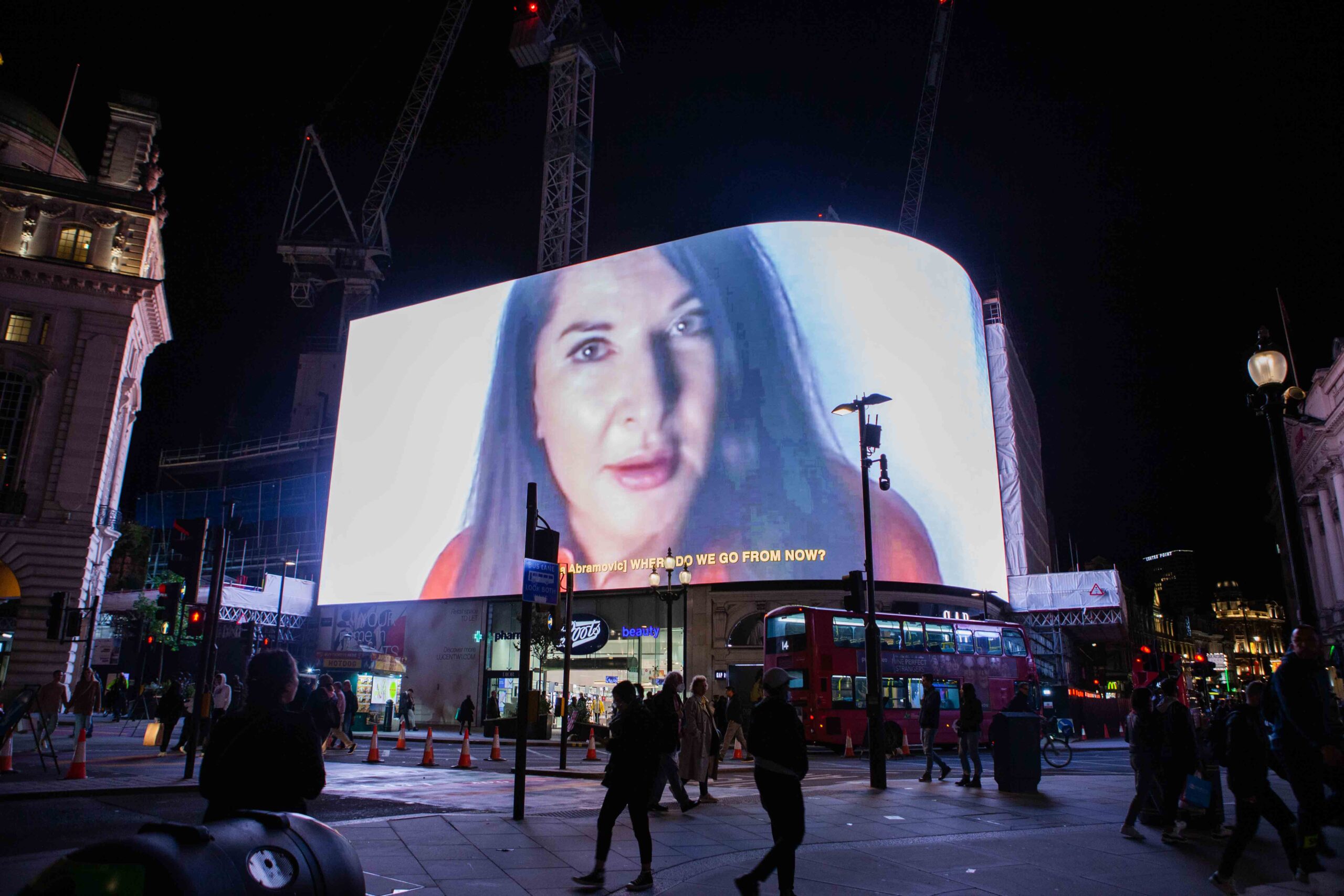
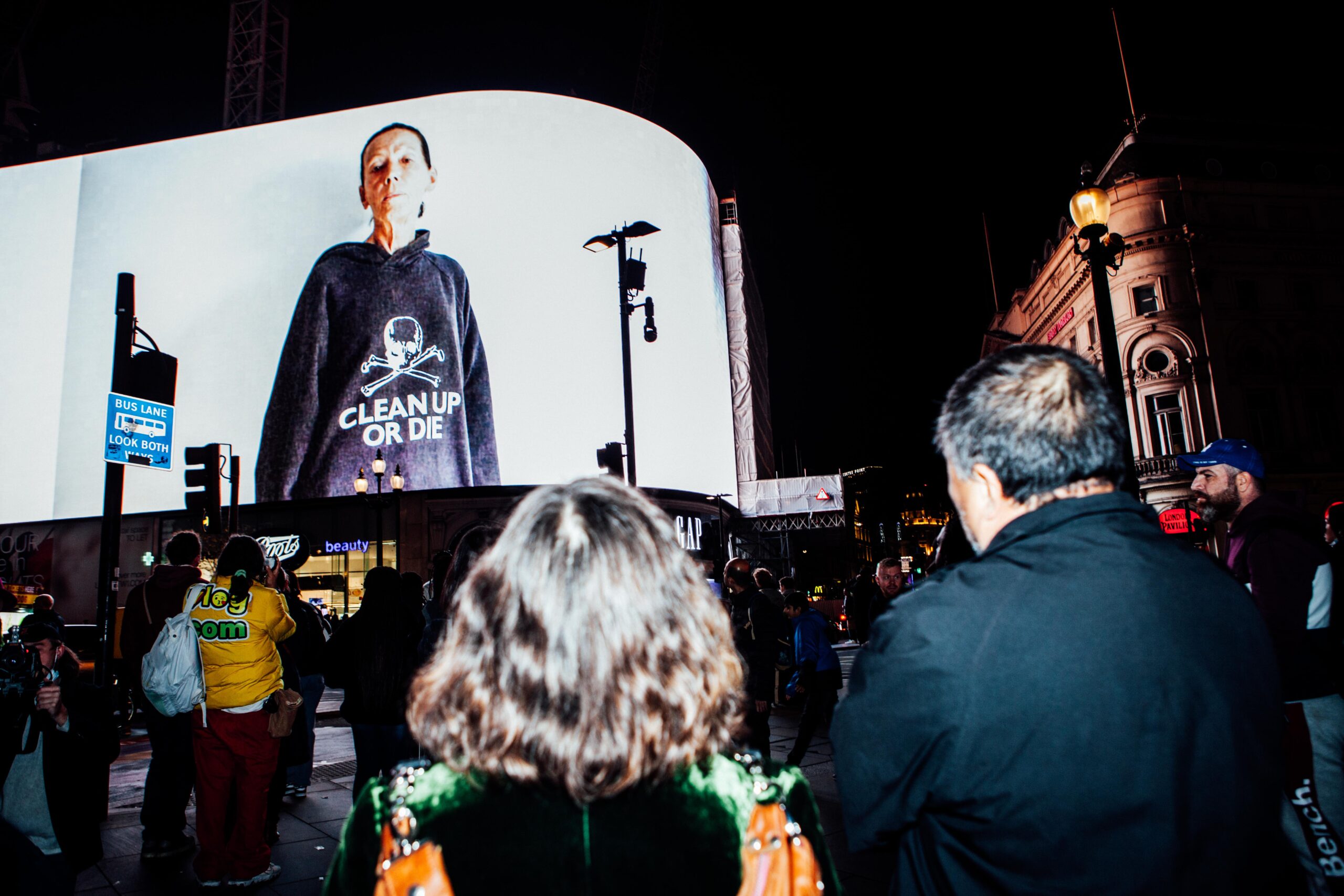
Contributors including Ai Weiwei, Marina Abramović, Nikita Gale, Indy Johar and Tom Whyman approached the question from radically different perspectives, yet their responses shared a common understanding: that the future is neither inevitable nor fixed. It is something continually shaped through acts of imagination, participation and collective responsibility. Marina Abramović proposed a world grounded in simplicity, forgiveness and care. Ai Weiwei emphasised the defence of human dignity, freedom and mutual respect. Together, these voices formed neither a manifesto nor a consensus, but a constellation of possibilities.

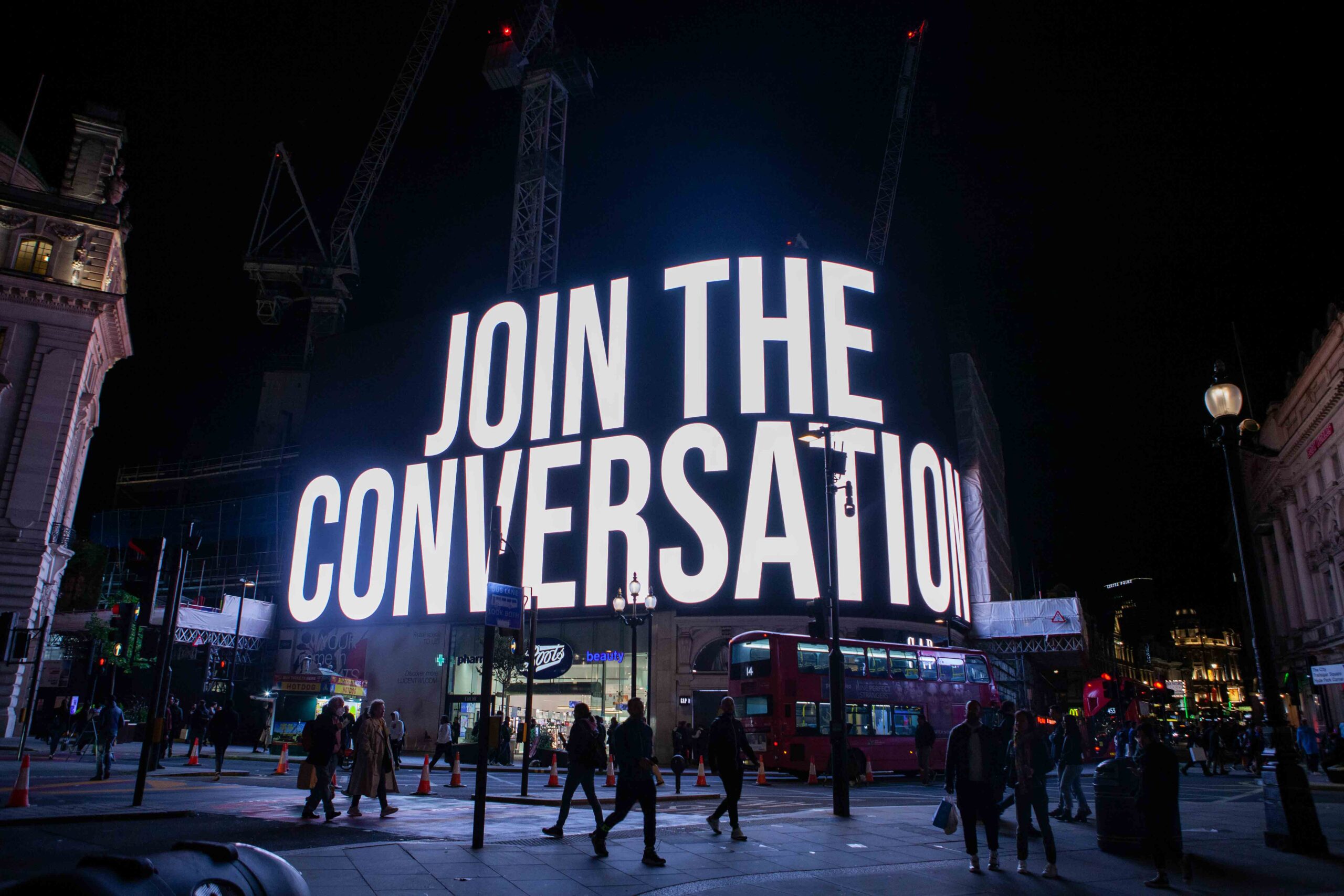
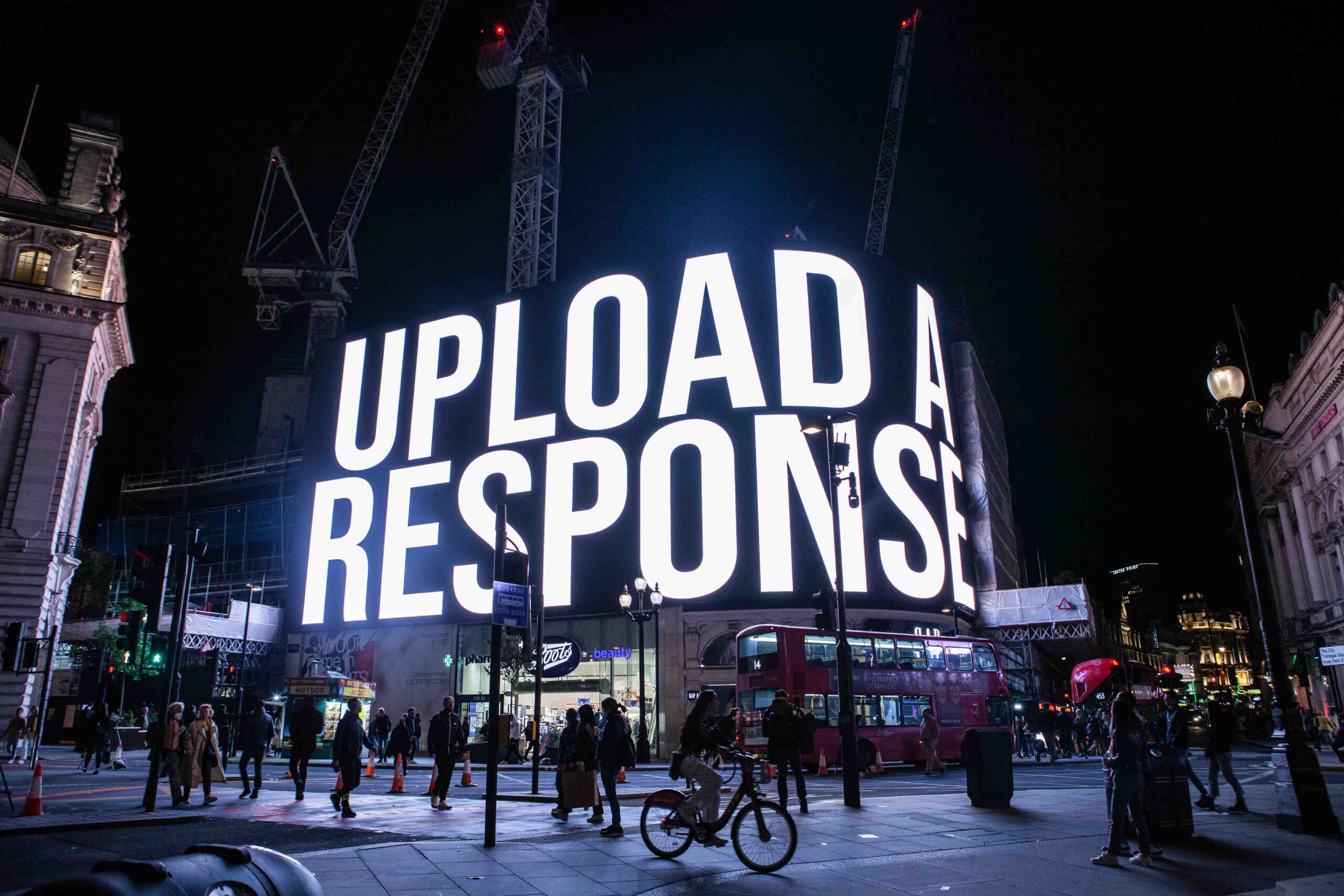
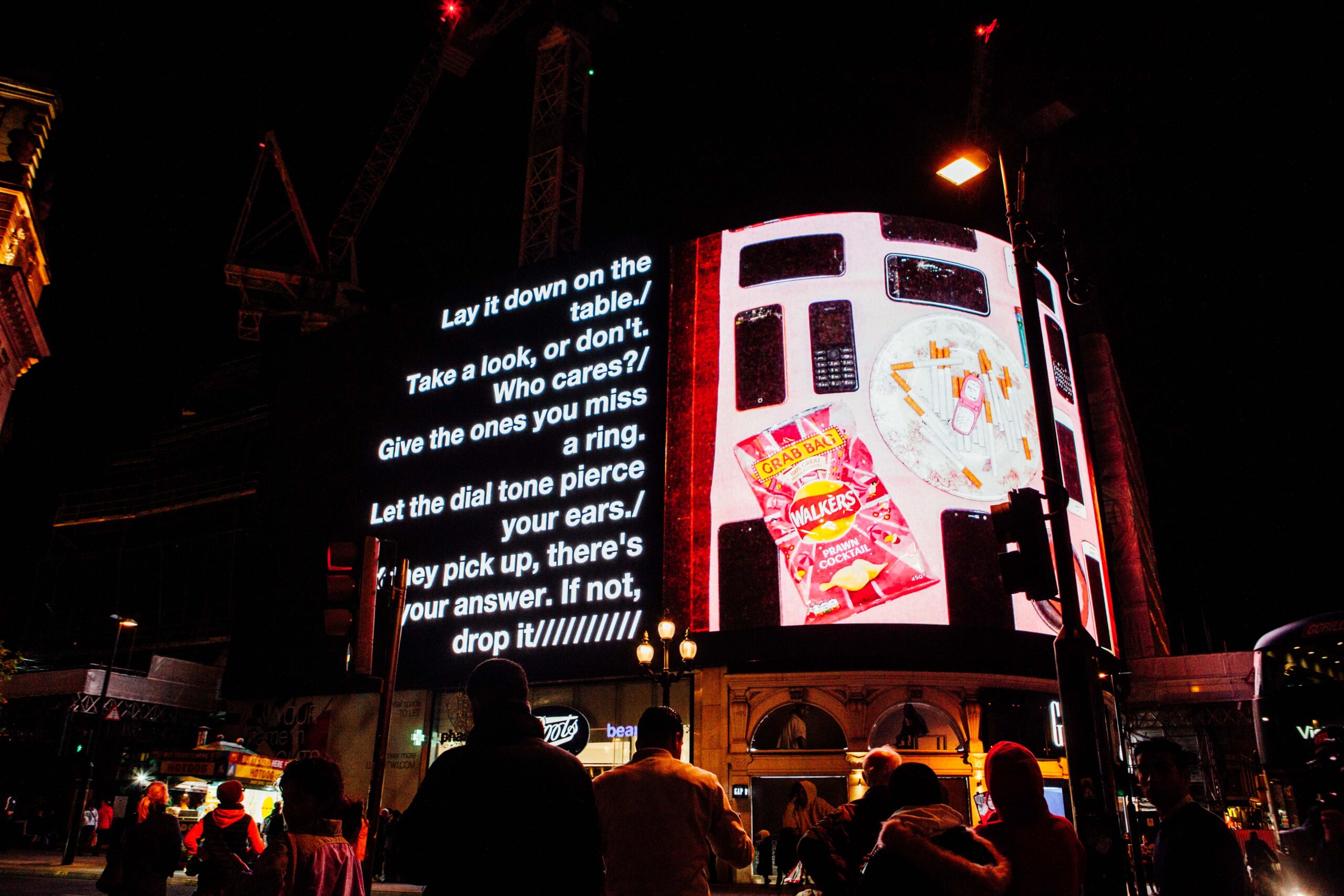
At the centre of the project was a simple democratic gesture. Public space became a place not only for display but for dialogue. Members of the public were invited to submit their own responses, many of which were broadcast on Piccadilly Lights and across CIRCA’s growing international network. In doing so, the project challenged conventional distinctions between audience and author, proposing that the future belongs not exclusively to experts, politicians or cultural figures, but to everyone willing to participate in its imagining.

The resulting programme functioned as a public archive of hopes, fears, ambitions and uncertainties. Through moving image, text, conversation and publication, Where Do We Go From Now? documented a rare moment when societies around the world were collectively reassessing their direction. The project recognised that while people may disagree profoundly about the future they wish to build, the act of asking the question remains essential.

One year after CIRCA first interrupted the rhythms of advertising with Ai Weiwei’s inaugural commission, this anniversary programme shifted the platform’s focus from presenting public art to facilitating public thought. The question itself became the artwork. Its medium was conversation. Its material was participation. Its subject was the future.

If the twentieth century was defined by competing visions of progress, Where Do We Go From Now? acknowledges something more complex: that we no longer stand at the beginning of a new era, but within it. The challenge is not to predict what comes next, but to decide, together, what deserves to endure, what must change, and what worlds remain possible from here.


Michelangelo Pistoletto’s Three Mirrors is presented daily across CIRCA’s global network of public screens. Each evening at 20:26 (local time), the work appears simultaneously across the following locations, entering the flow of the city and inviting a shared moment of reflection. Select a location below to view directions and find your nearest screen on Google Maps.

London, Piccadilly Lights

Experience  Where Do We Go From Now? every evening at 20:21 BST/GMT (1-31 October) on the iconic Piccadilly Lights screen.

View screen locations

Seoul, K-Pop Square

Experience  Where Do We Go From Now? every evening at 20:21 KST (1-31 October)  on Seoul’s COEX K-Pop Square screen.

View screen locations

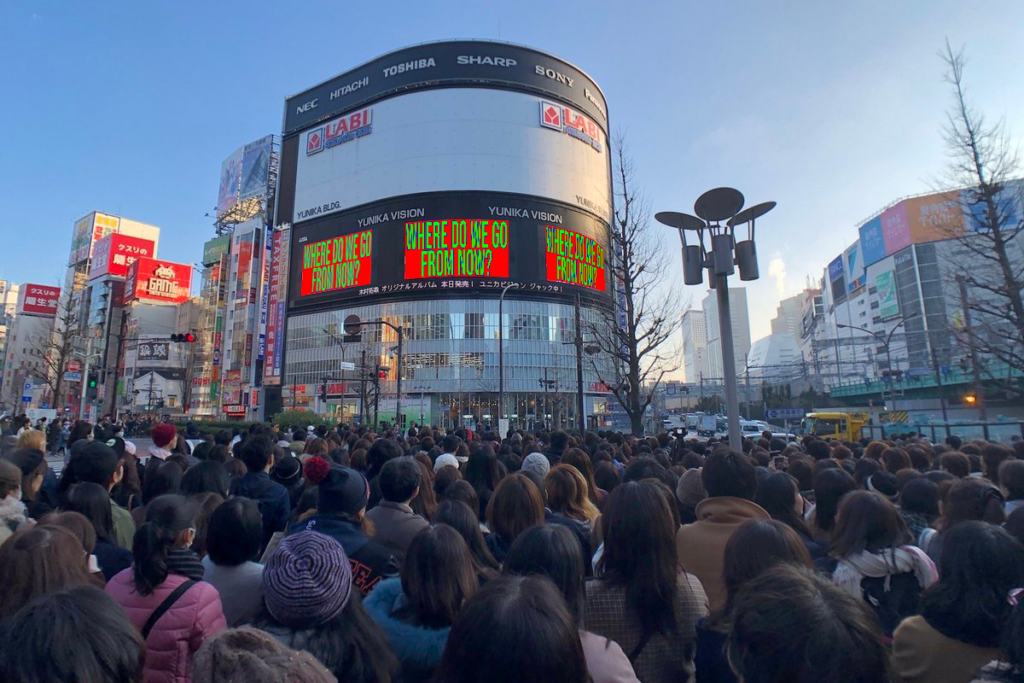
Tokyo, Yunika Vision

Experience  Where Do We Go From Now? every evening at 09:00 JST (1-31 October) on Tokyo’s Yunika Vision screen.

View screen locations

ARTICLE

Artsy: Best Public Art of 2021

The past year, a fresh wave of public art projects popped up across the globe, engaging local communities and neighborhoods with innovative art. Ranging from mesmerizing light shows to massive bronze sculptures, these public works reflect and confront the change and uncertainty of the world around us.

To recognize the enduring power and awe-inspiring nature of public art, the art and design fabrication company UAP has revealed its sixth annual list of the best public art projects of the year. This year’s chosen works were selected by five influential curators: Paul Farber, director and co-founder of Monument Lab; Kirsten Lacy, director of the Auckland gallery Toi o Tāmaki; Matthew Israel, commissions lead of Open Arts at Meta; independent curator Yang Zi; Sarah Collicot, founder of Artscape; and UAP’s curatorial director Natasha Smith and senior curator Ineke Dane.

Here, we share the 2021 list, with insights from the nominators on what makes these works so intriguing. To learn more, you can tune into an interactive webinar panel discussion of these works with UAP’s Natasha Smith and Ineke Dane on Wednesday, December 8th at 7 p.m. EST.
Press

Artsy
Dazed
Press Release

Subscribe to our newsletter

Subscription successful

An error occurred