fbpx Michelangelo Pistoletto, Three Mirrors | CIRCA 20:26

CIRCA 20:26

Michelangelo Pistoletto, Three Mirrors

1 April - 30 June, 2026

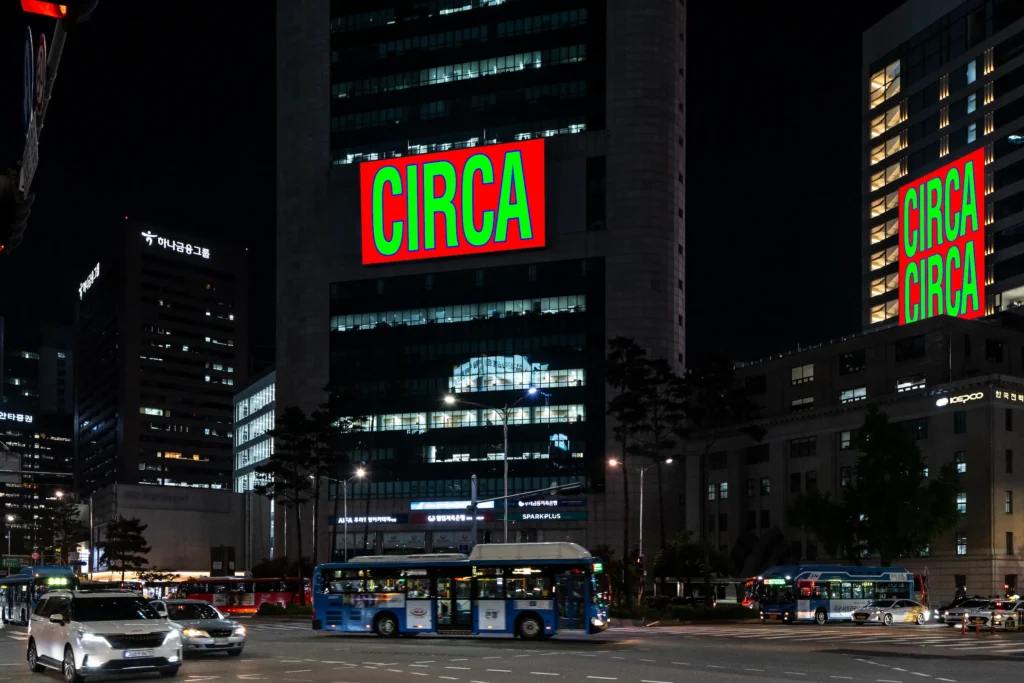
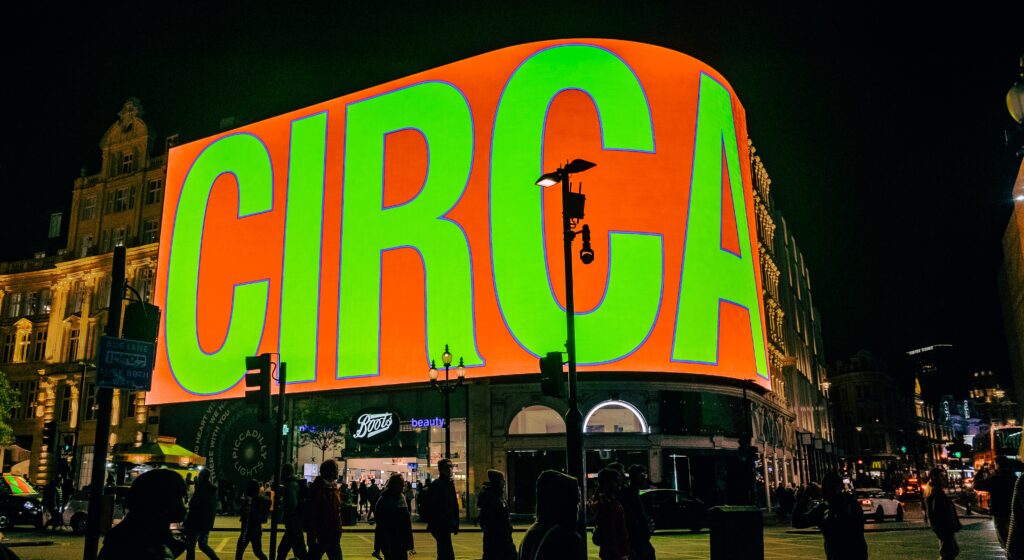
Michelangelo Pistoletto once described his Mirror Paintings as openings rather than images, surfaces that do not contain the world but allow it to enter. In Three Mirrors (2026), created in collaboration with CIRCA, that idea moves fully into the public realm, where the work is no longer confined to a studio or gallery but unfolds across cities, screens and shared time.

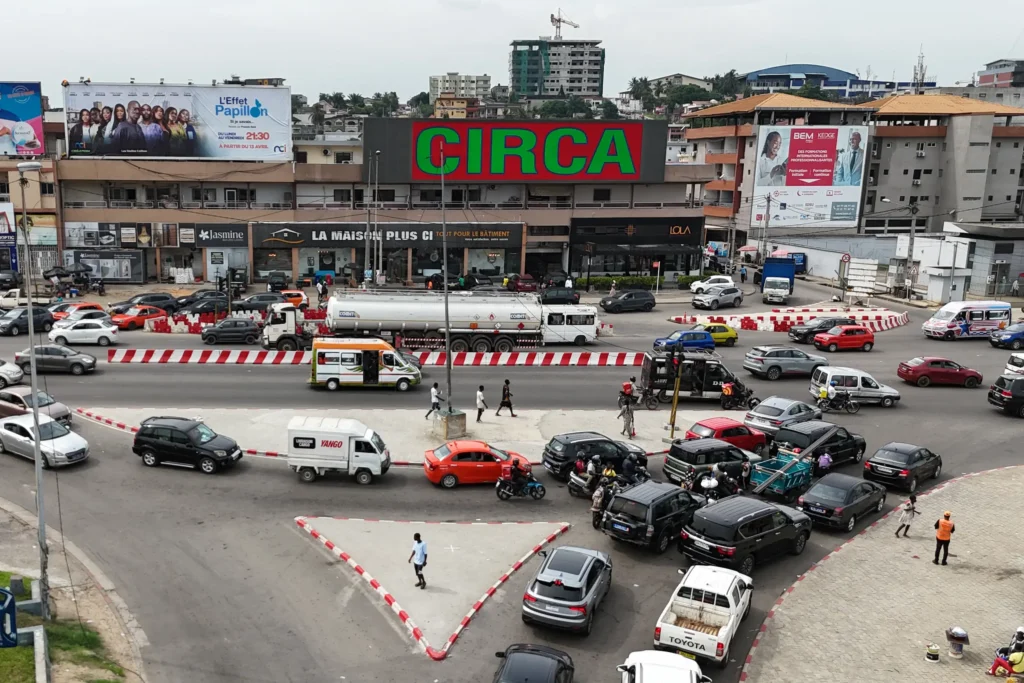
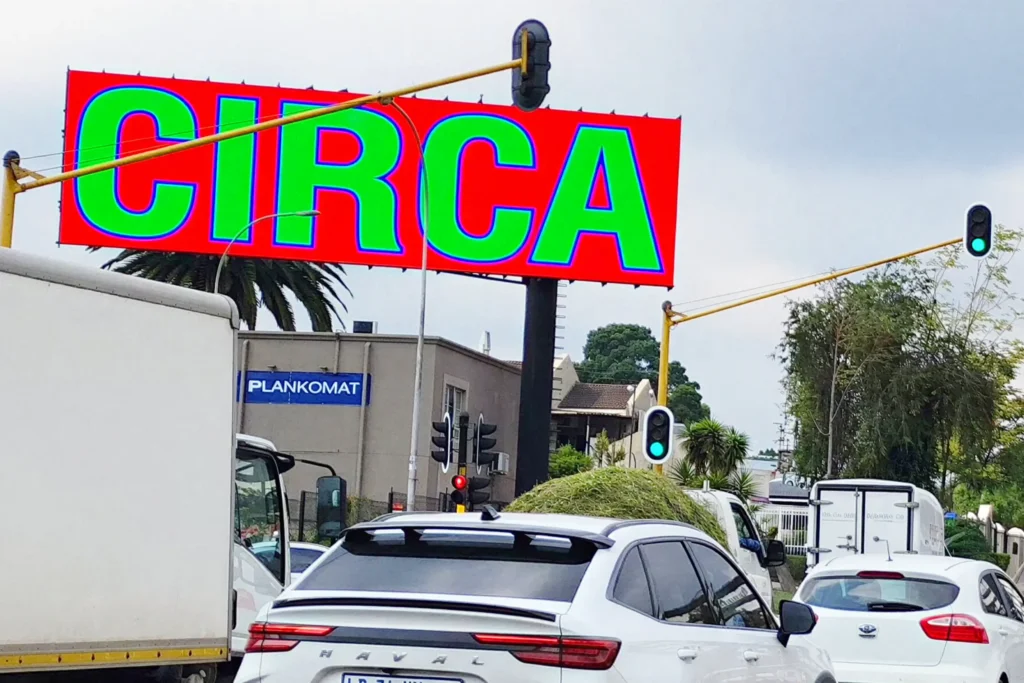
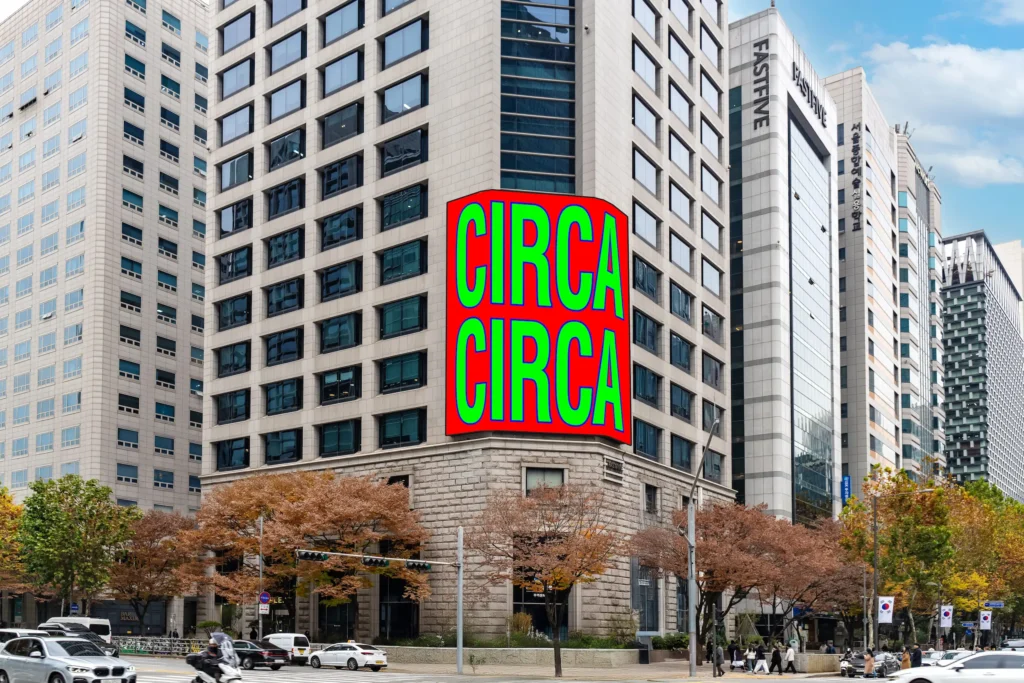
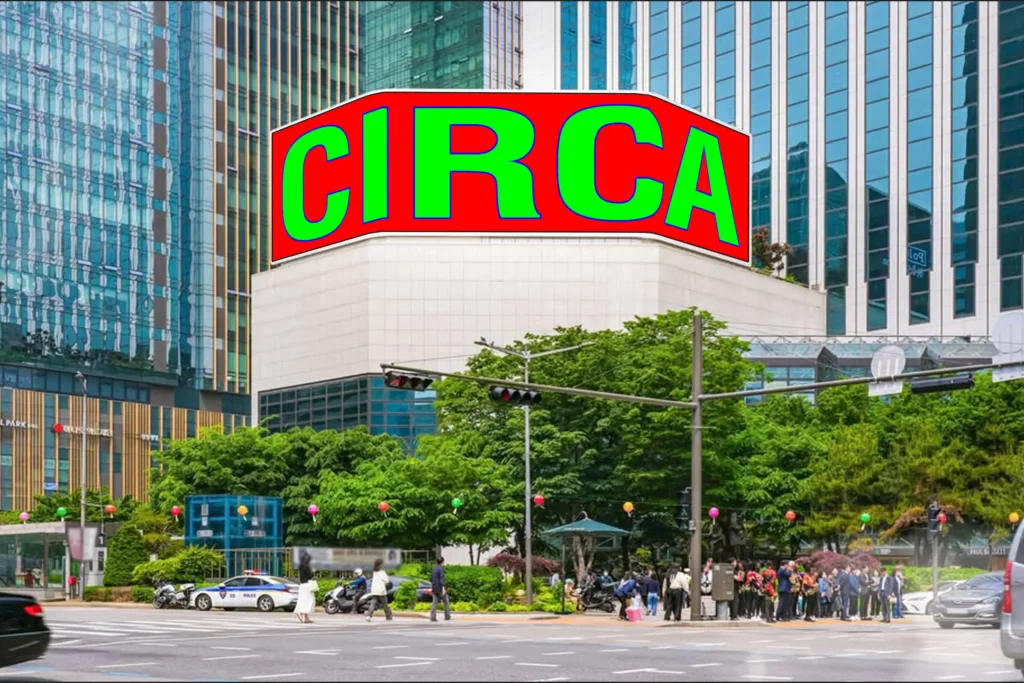
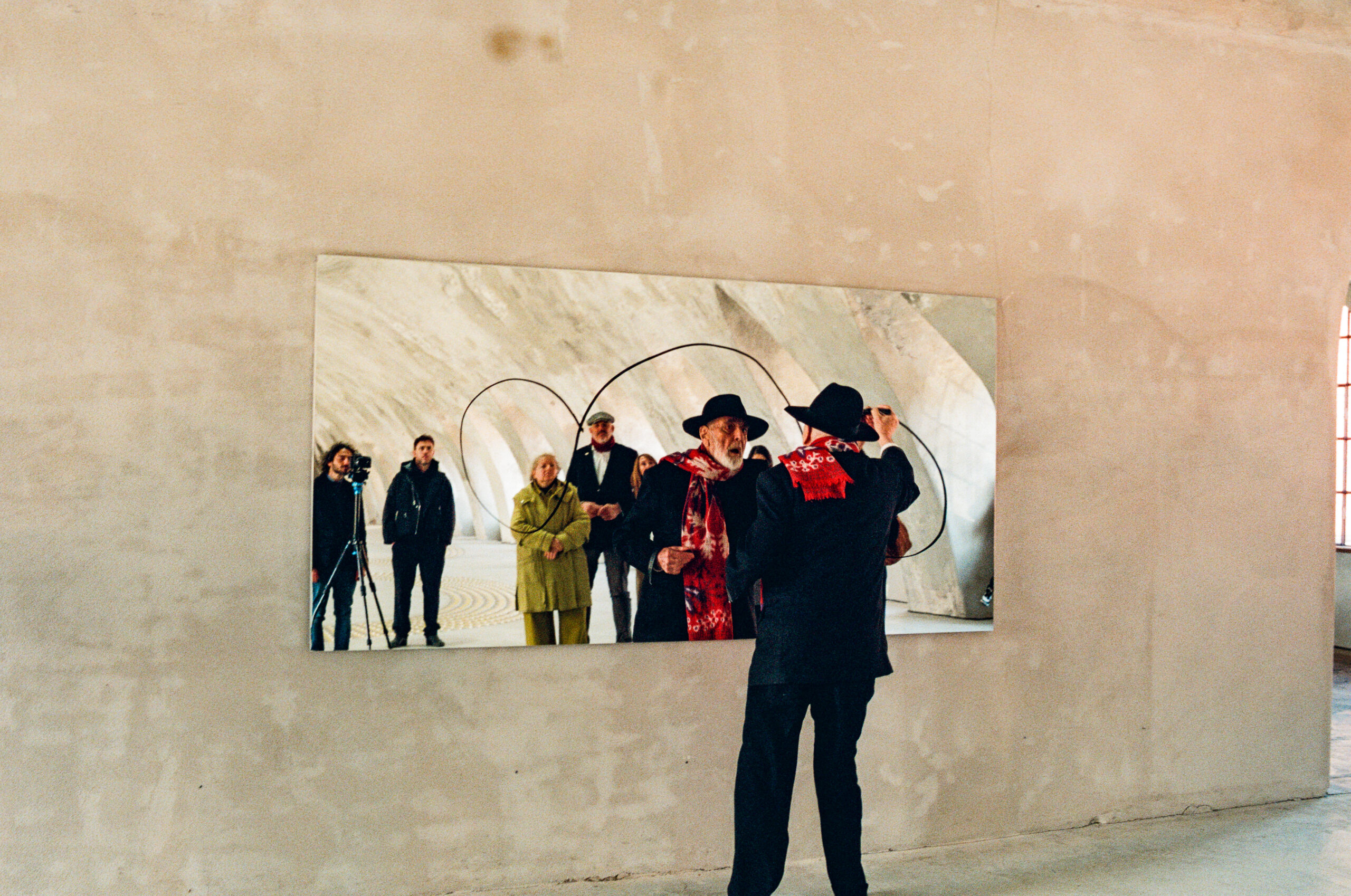
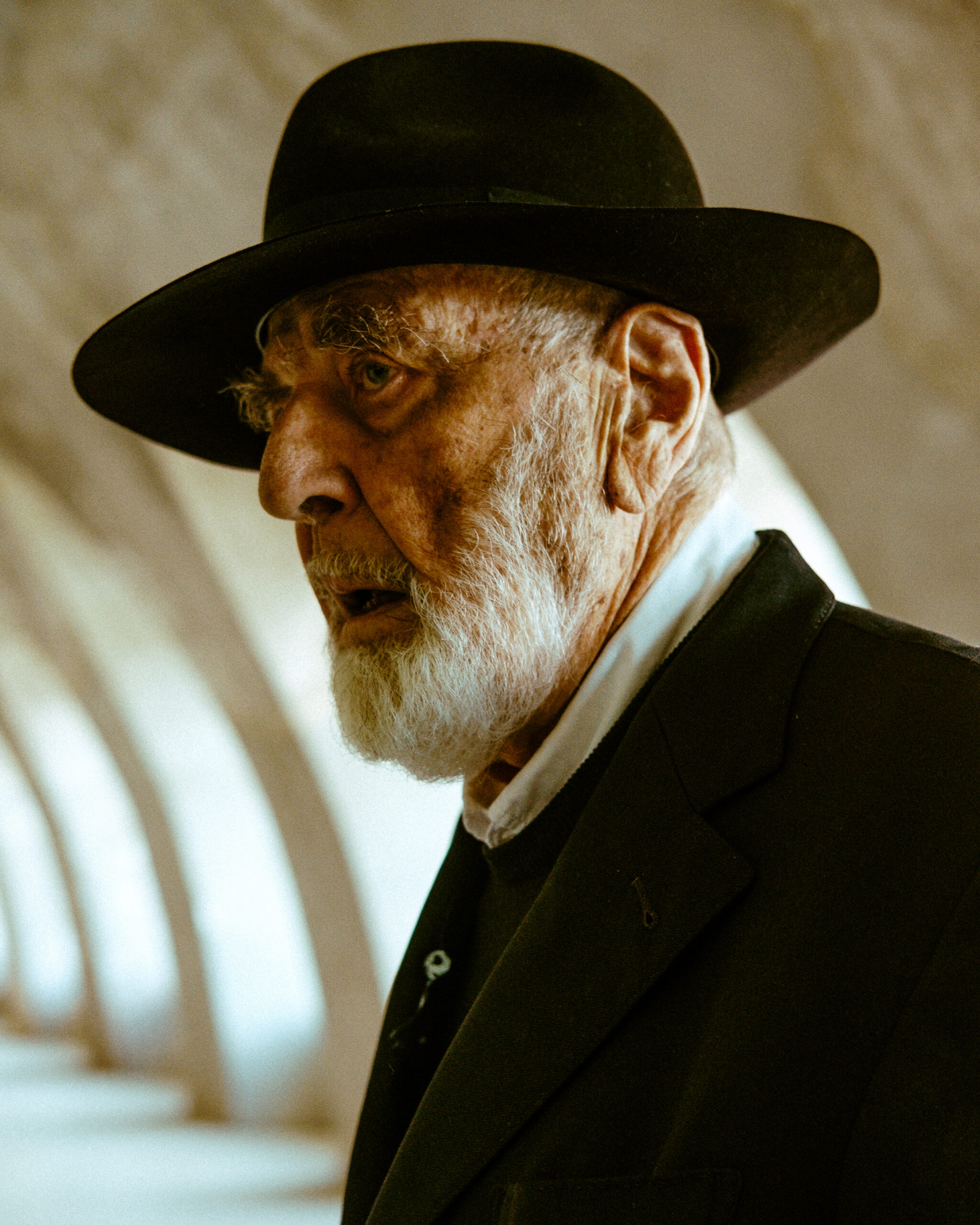
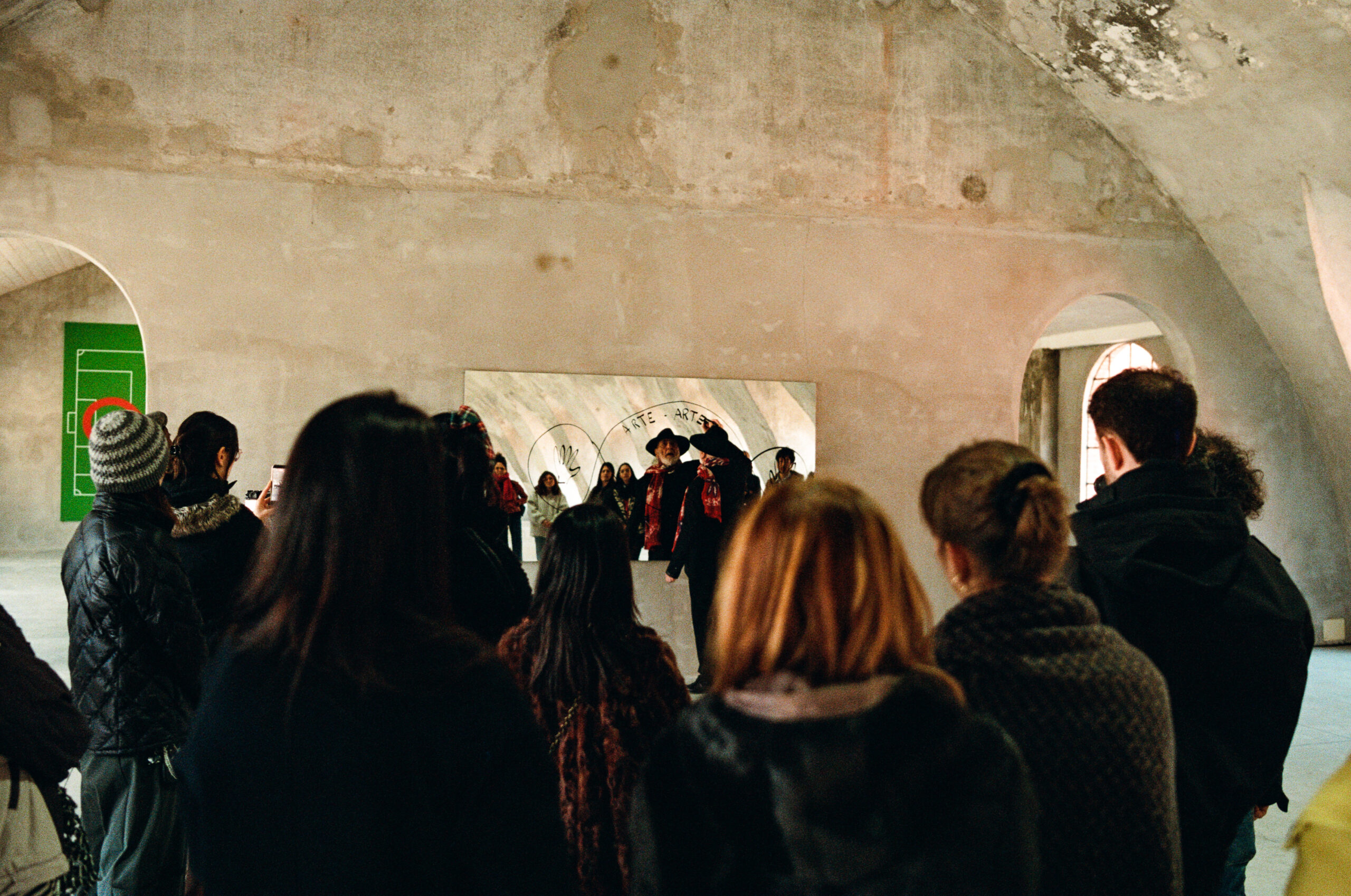
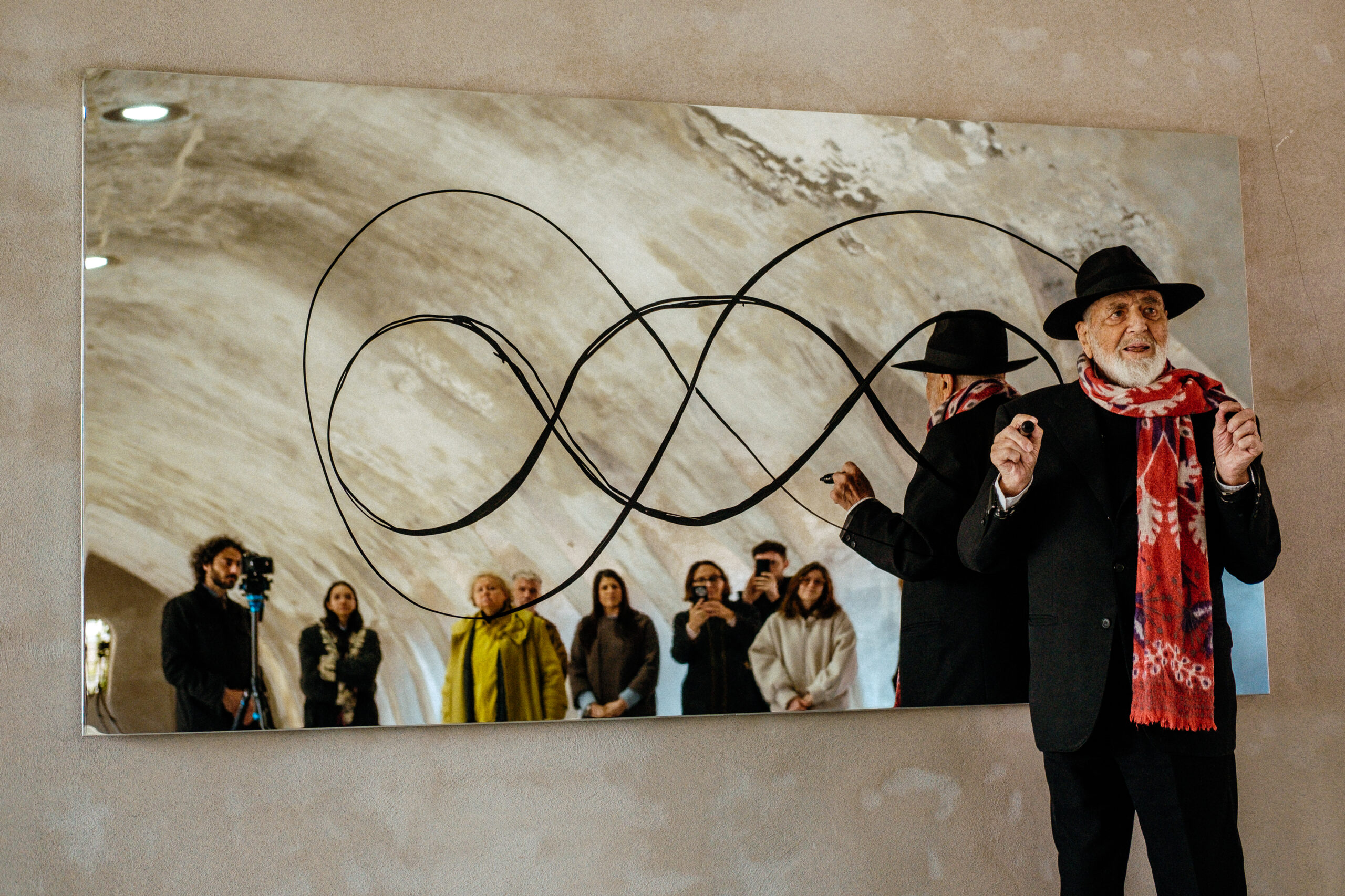
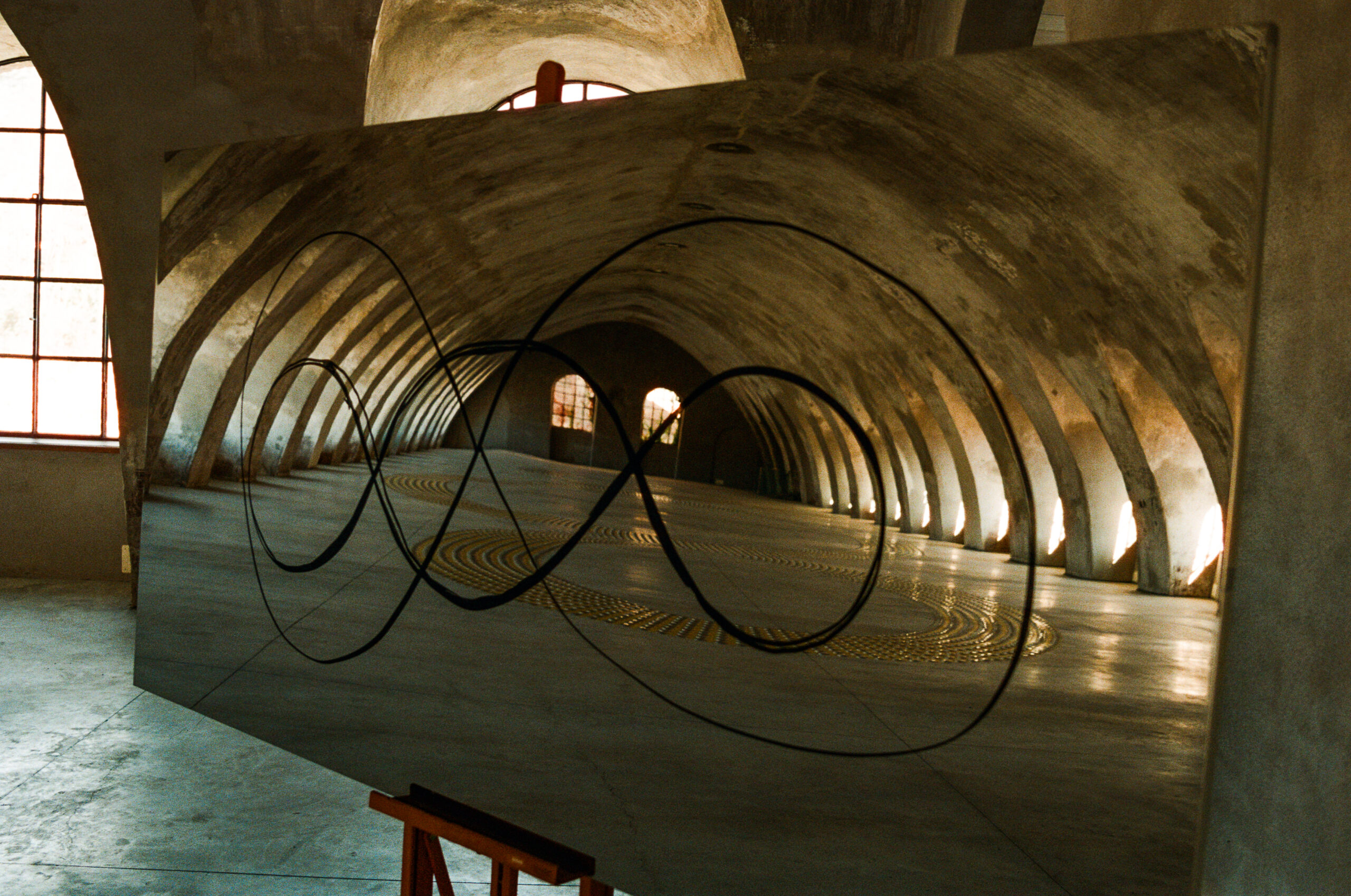
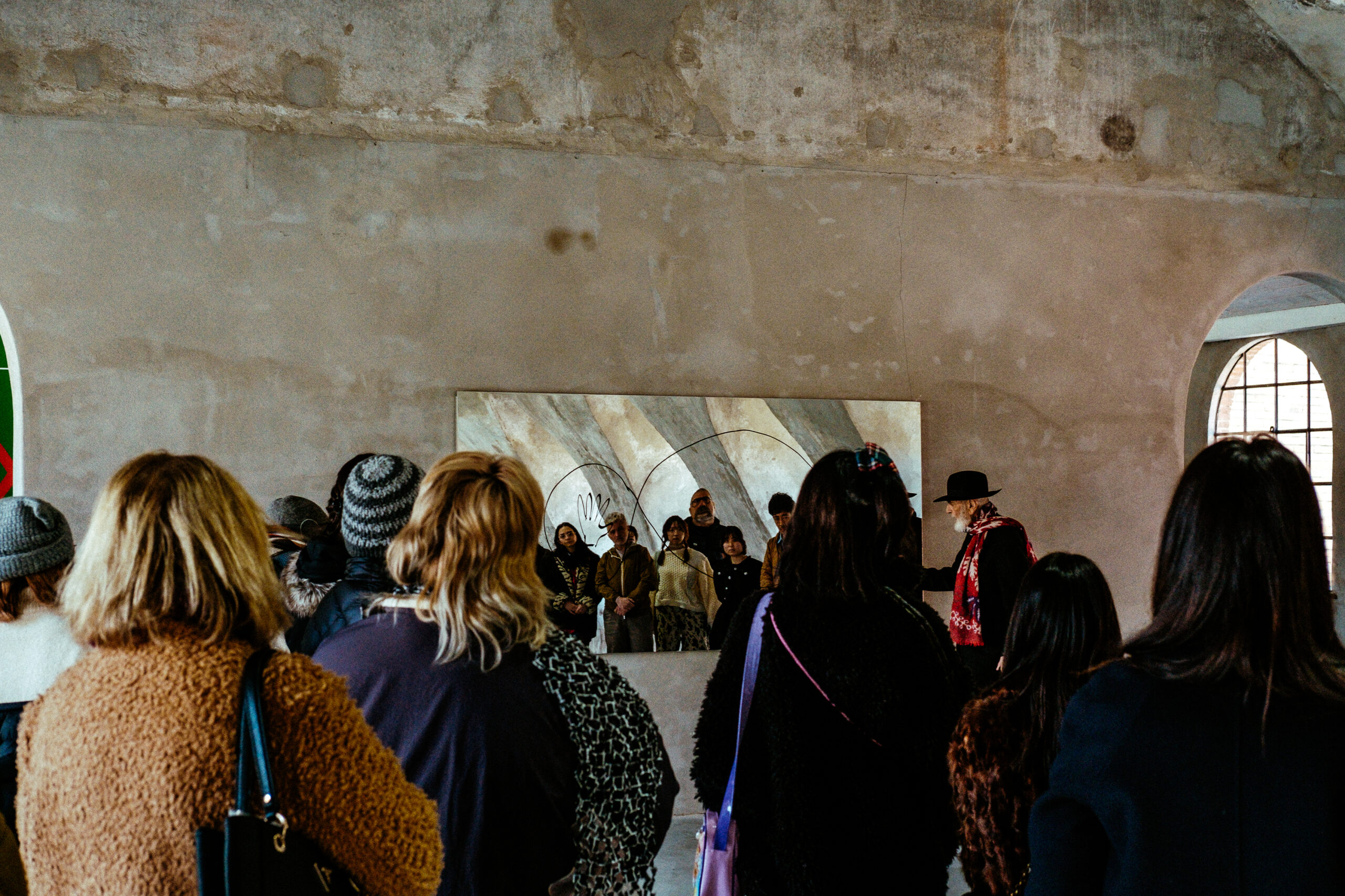
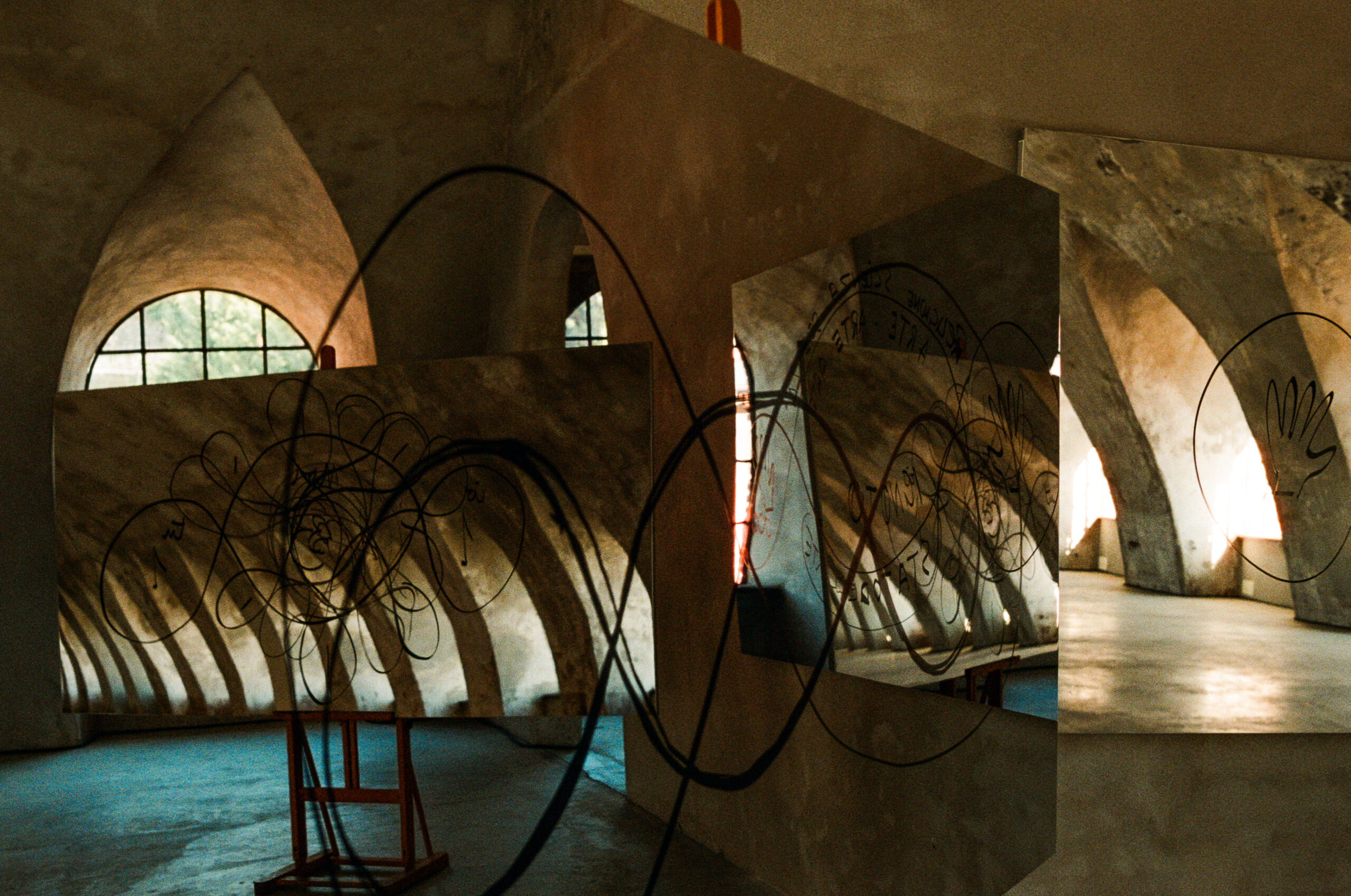
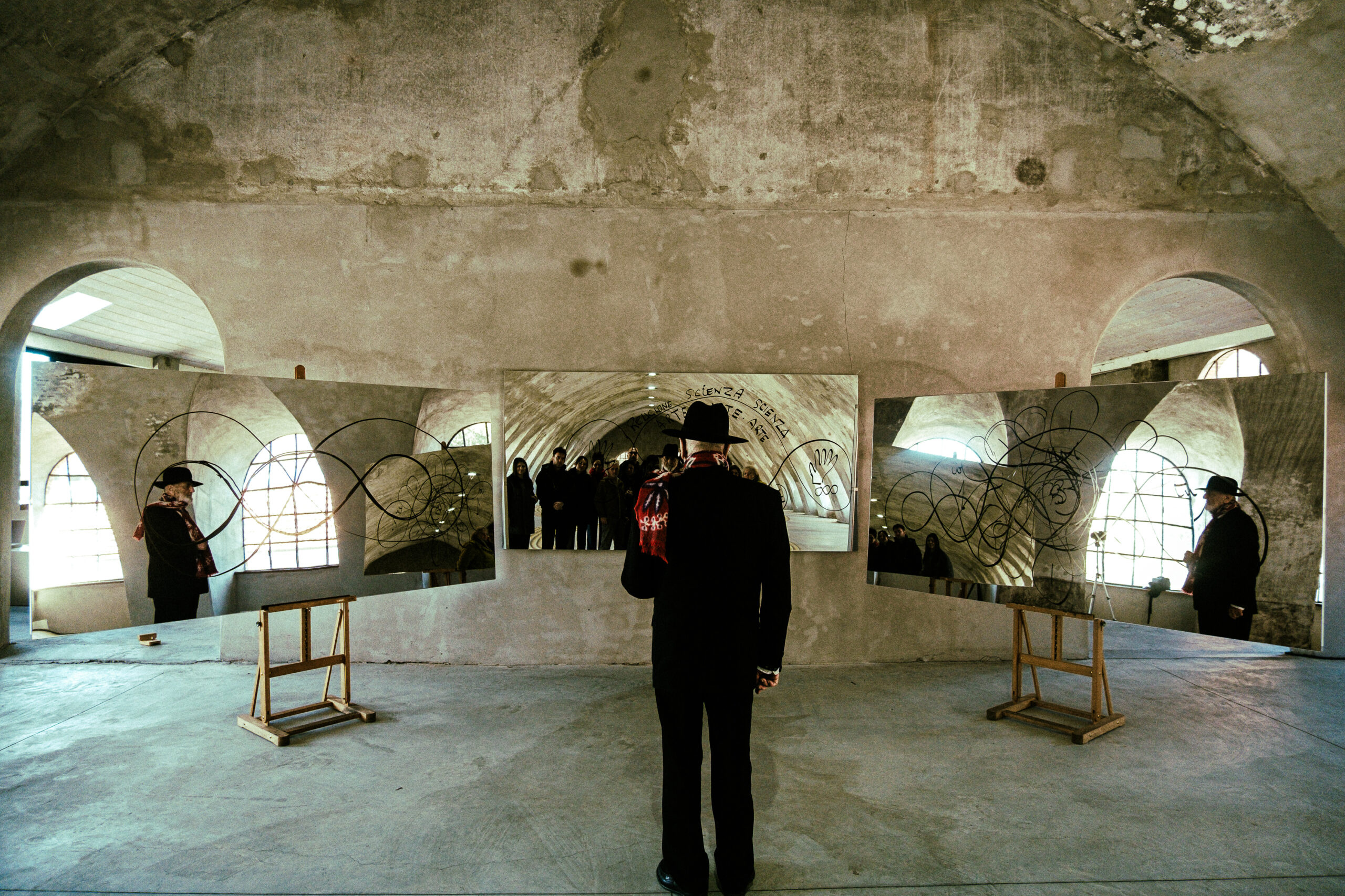
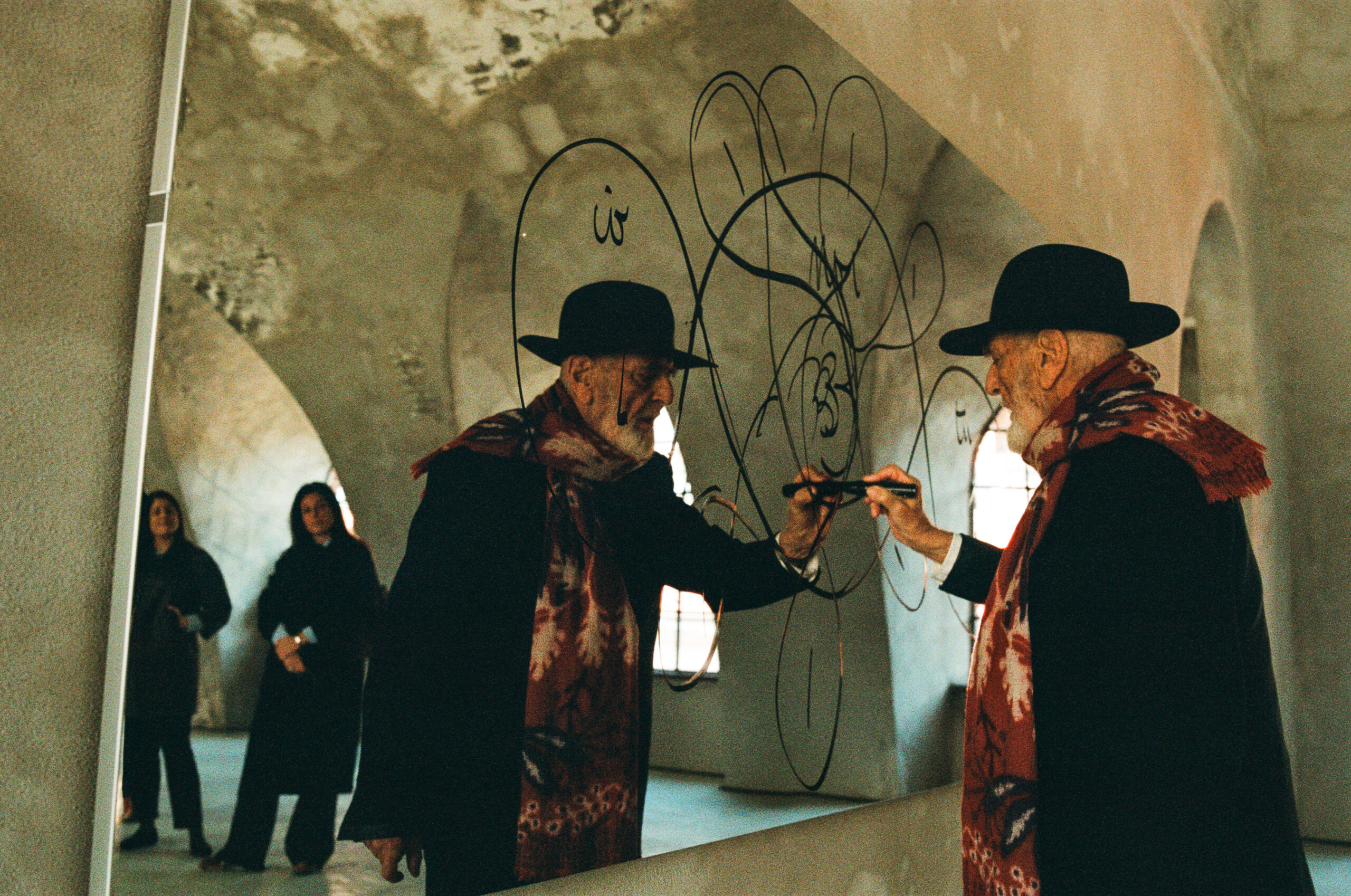
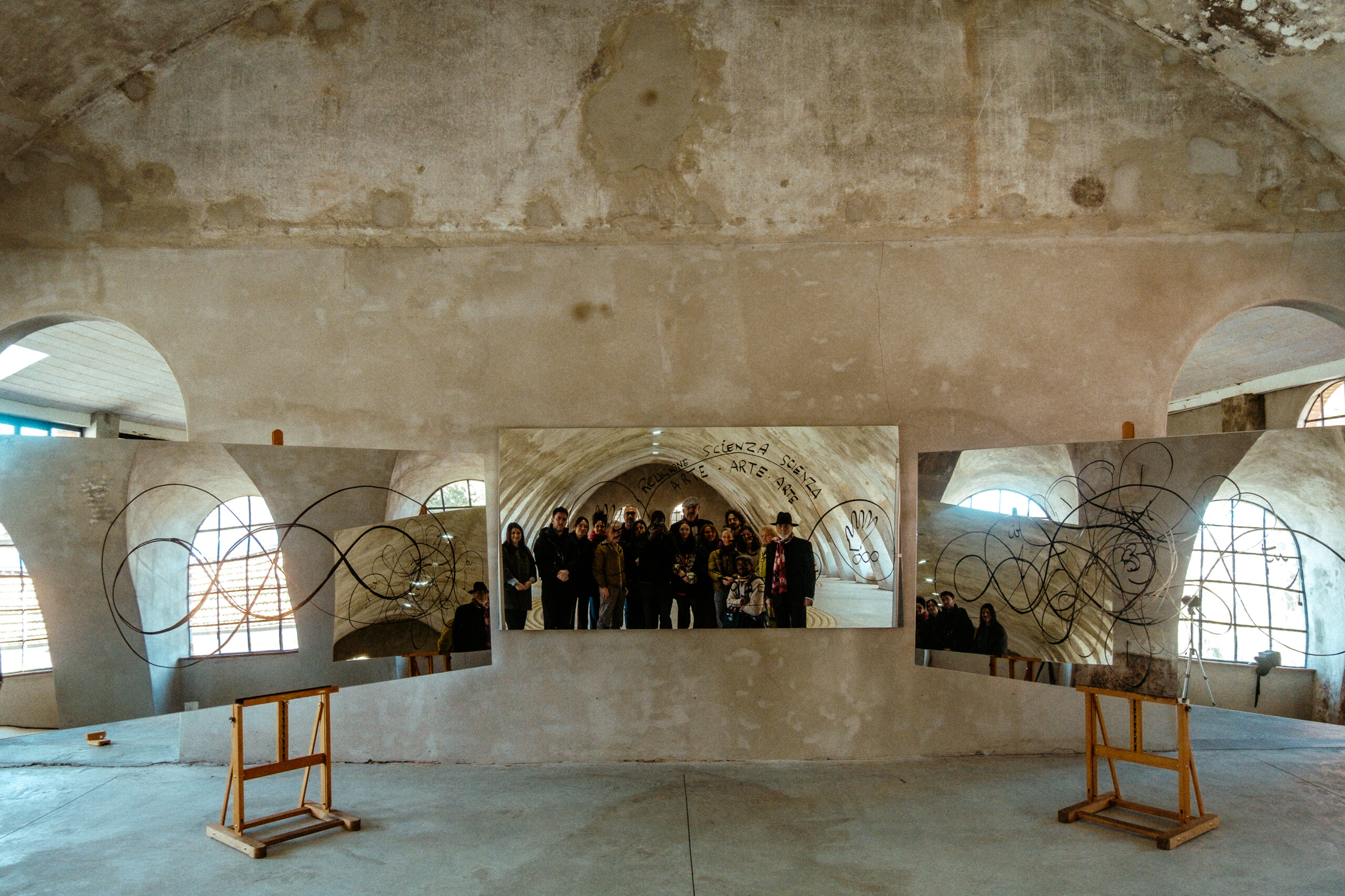
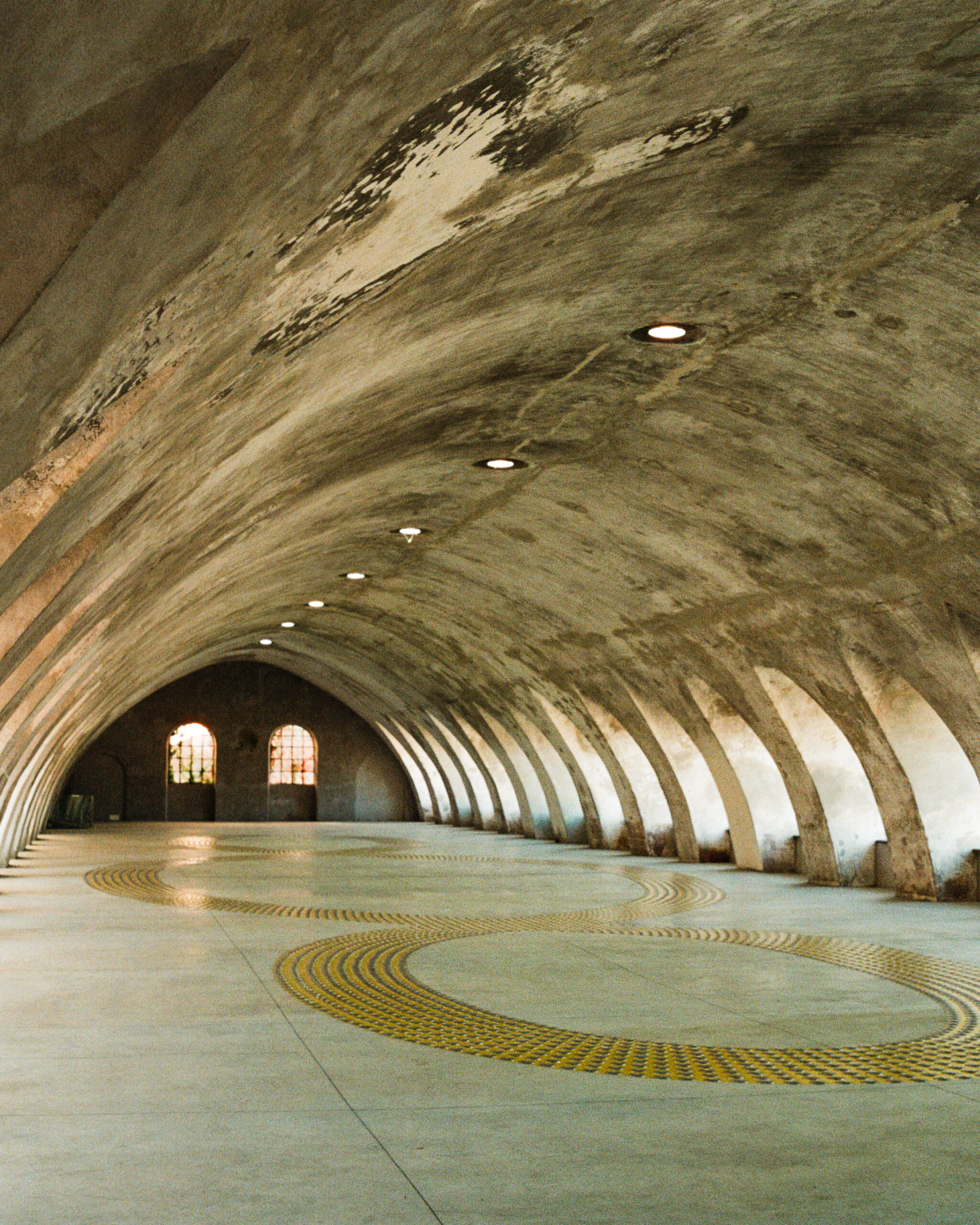
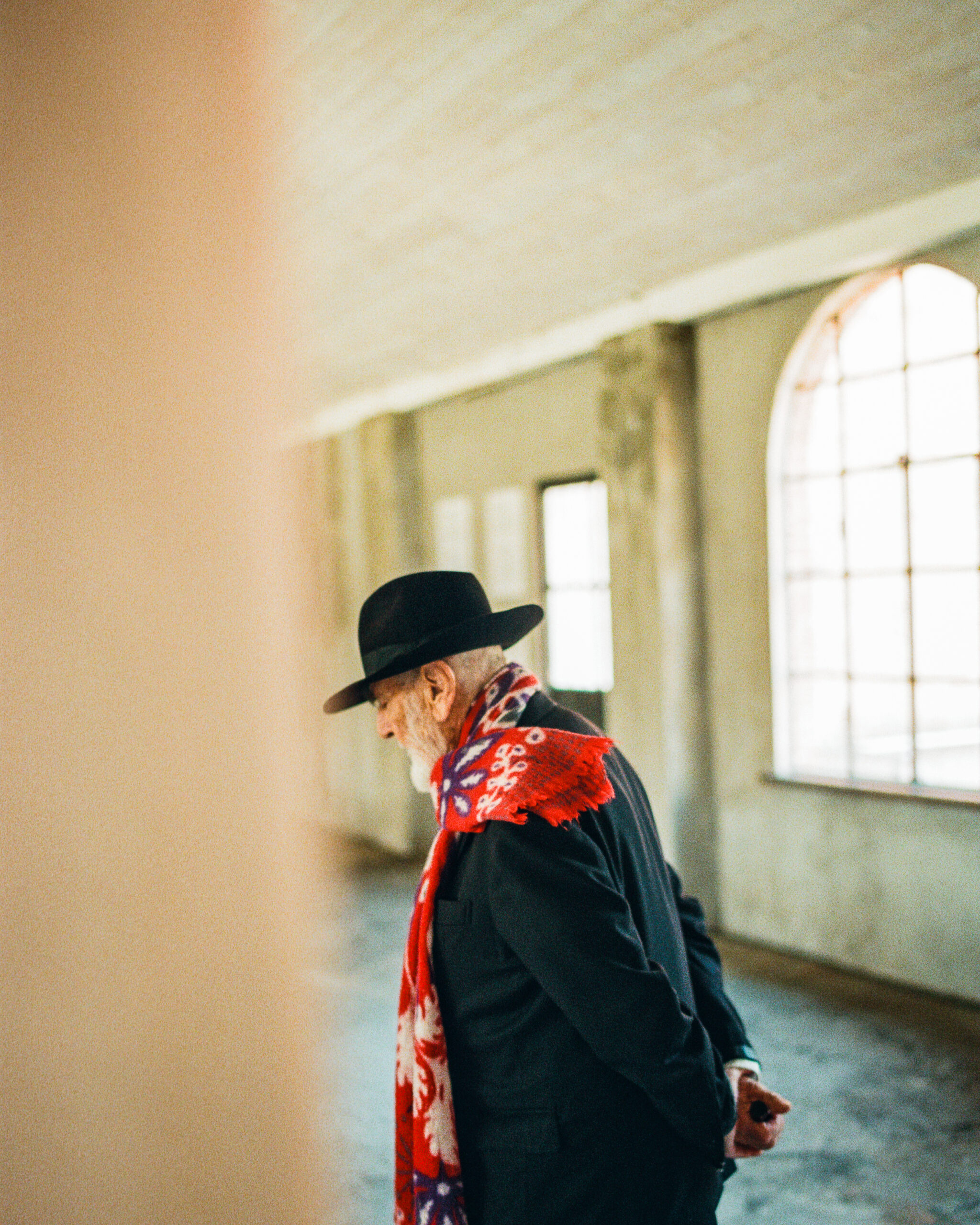
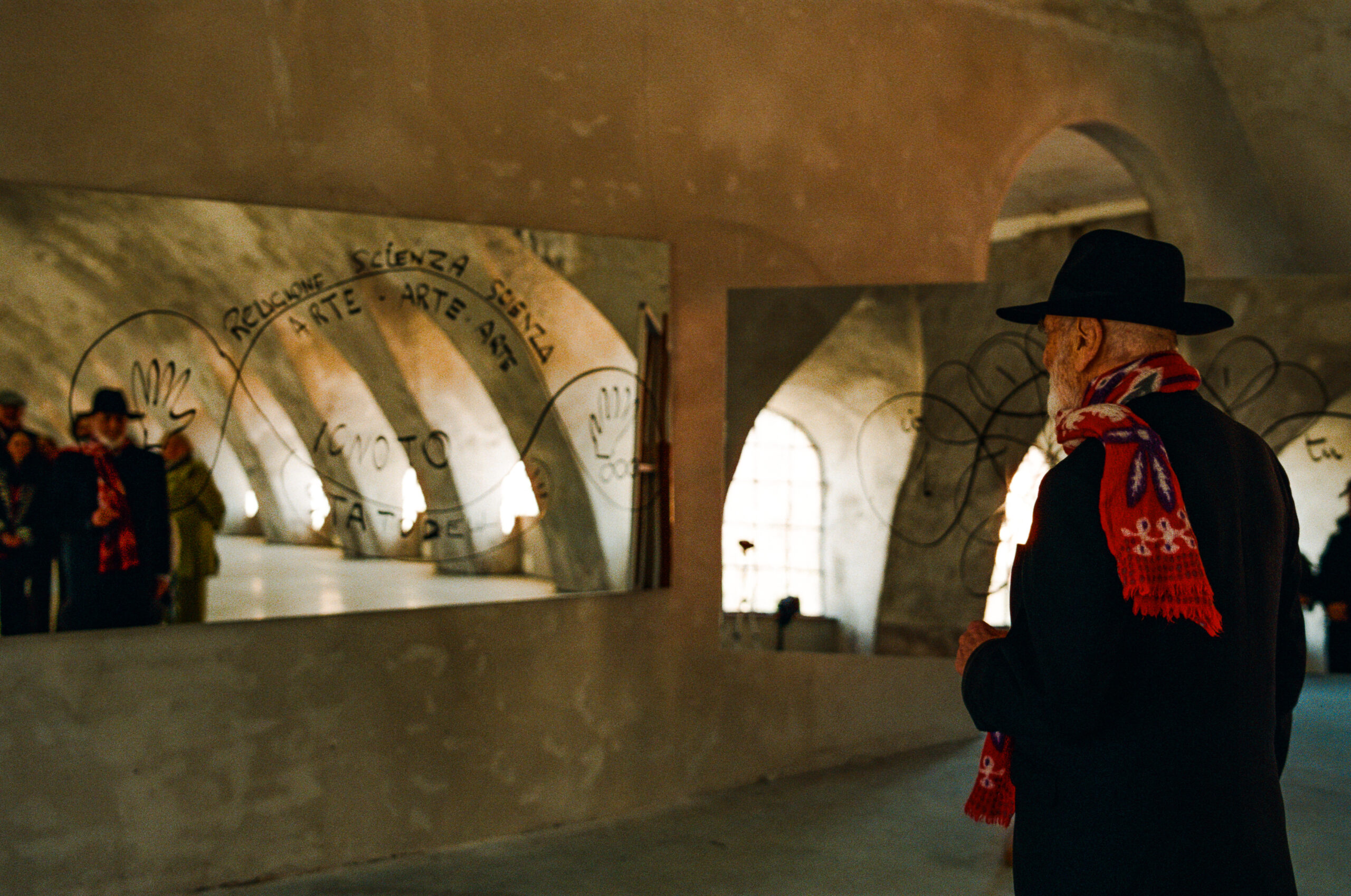
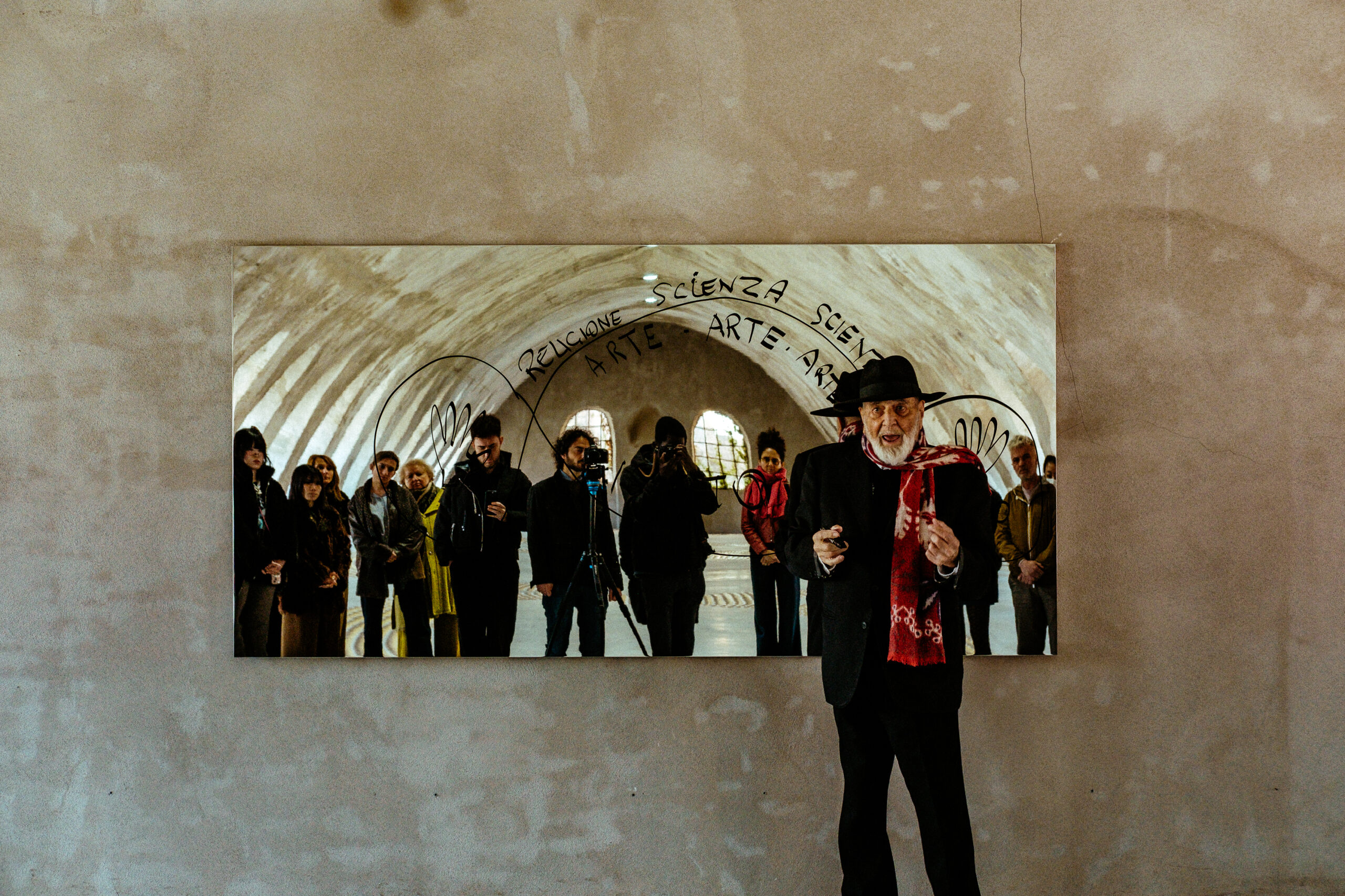
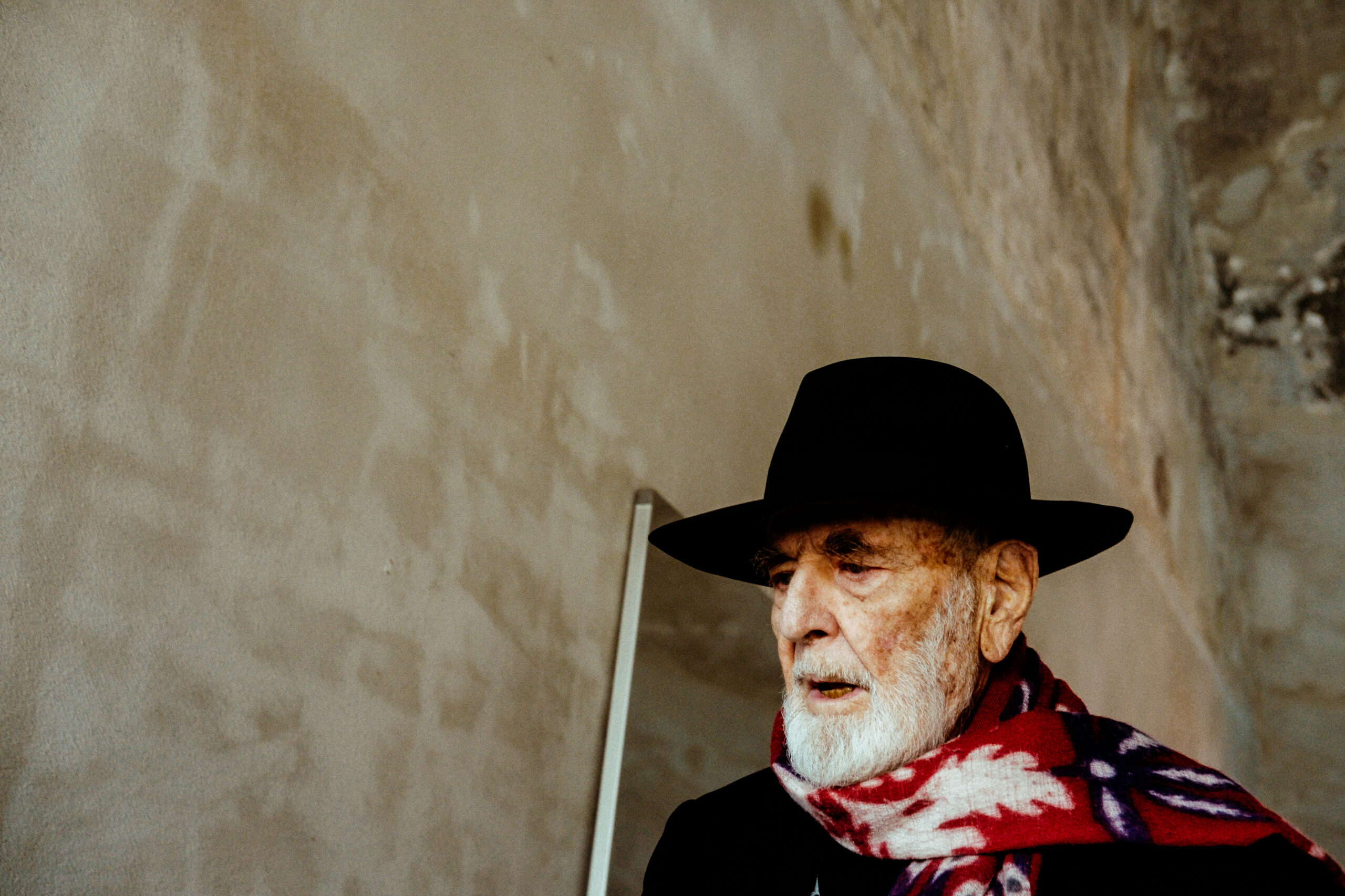
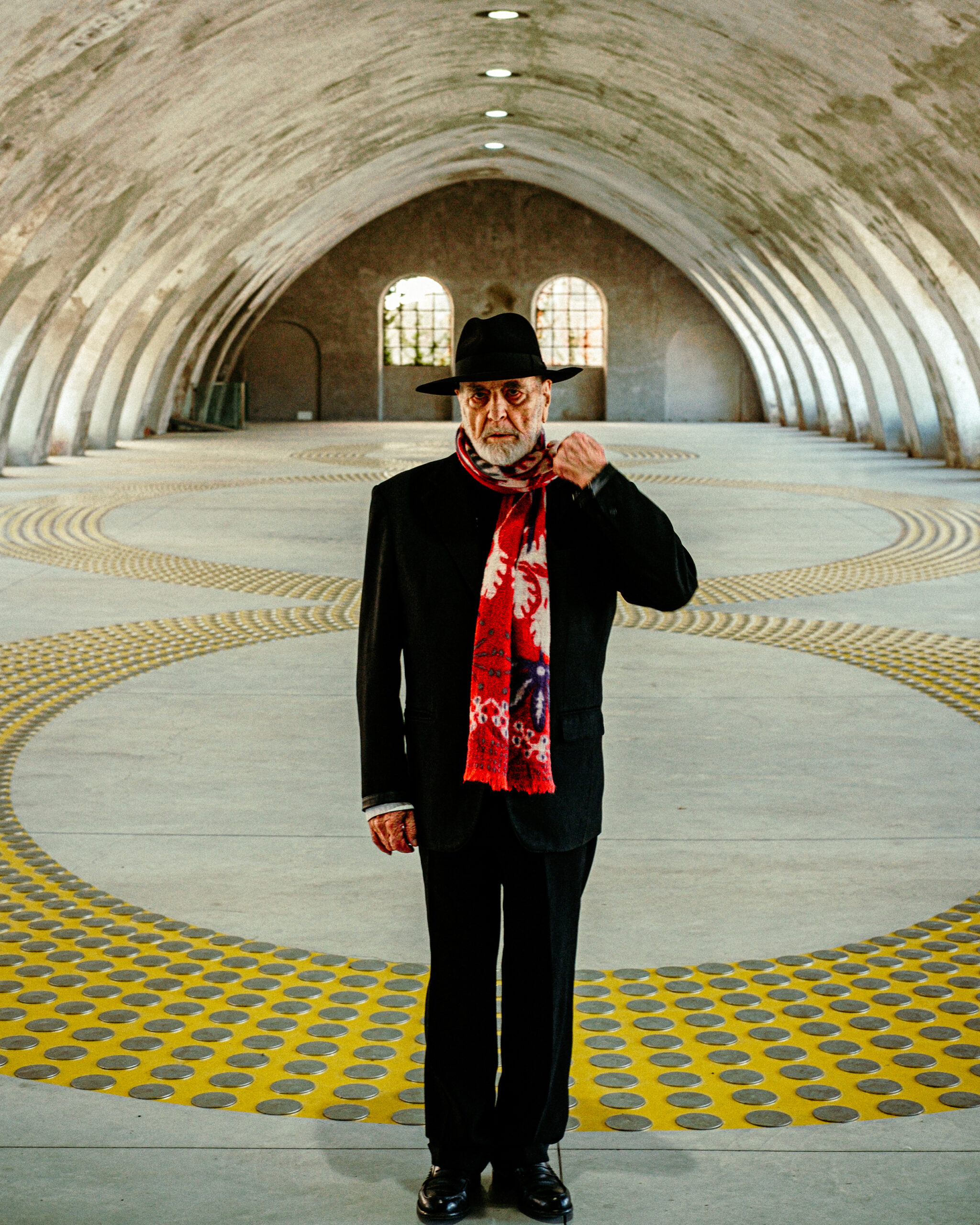
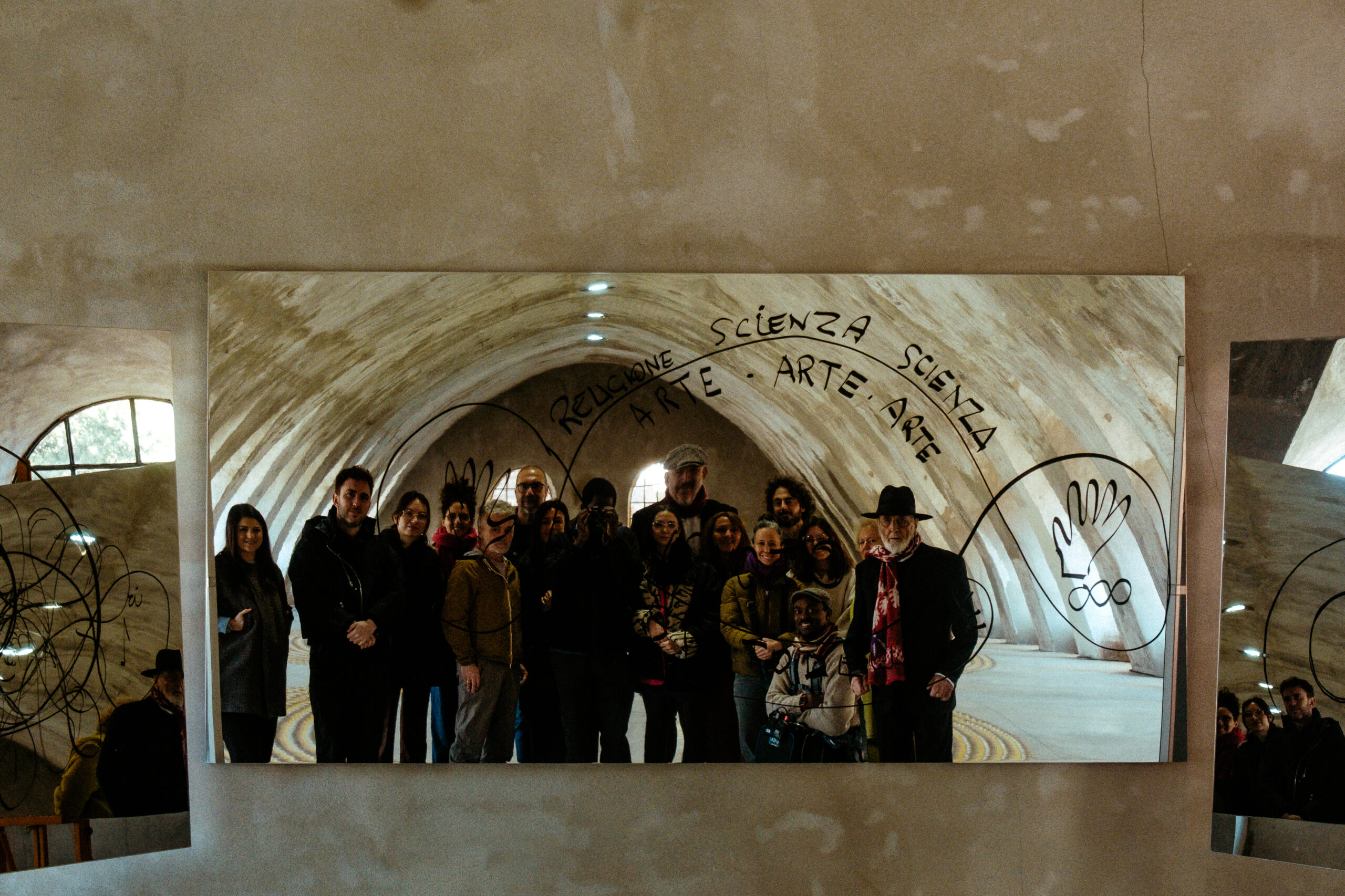
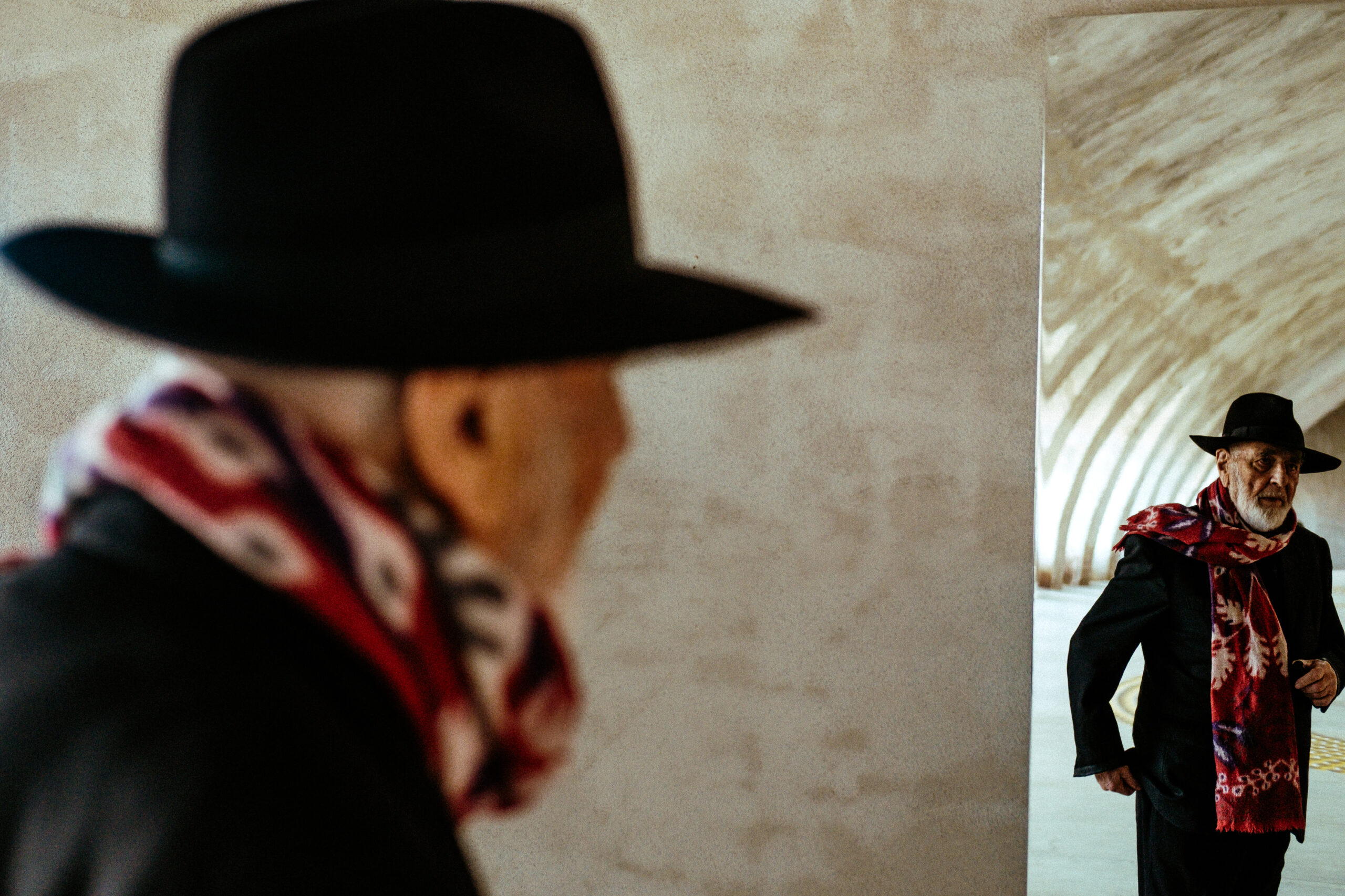
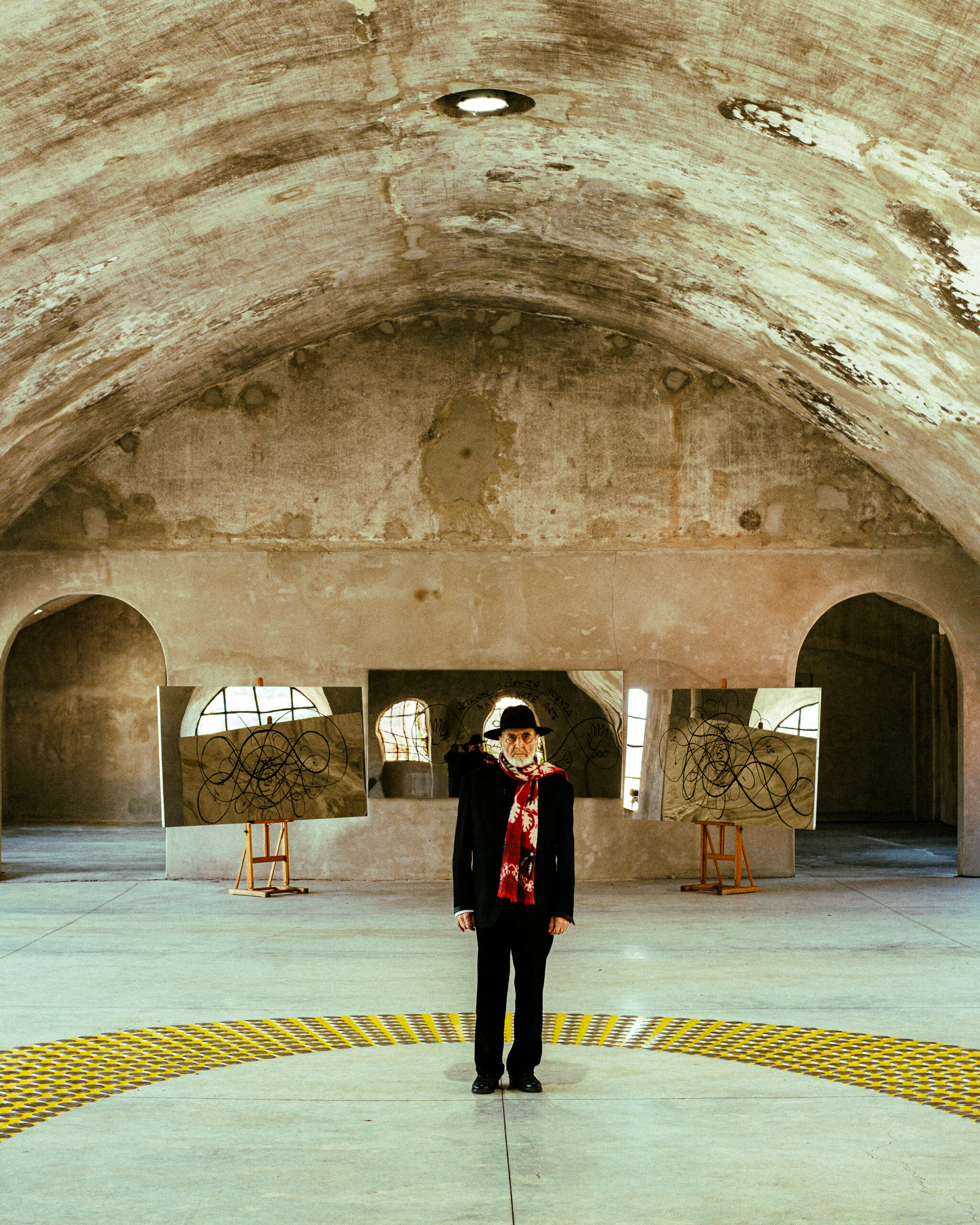
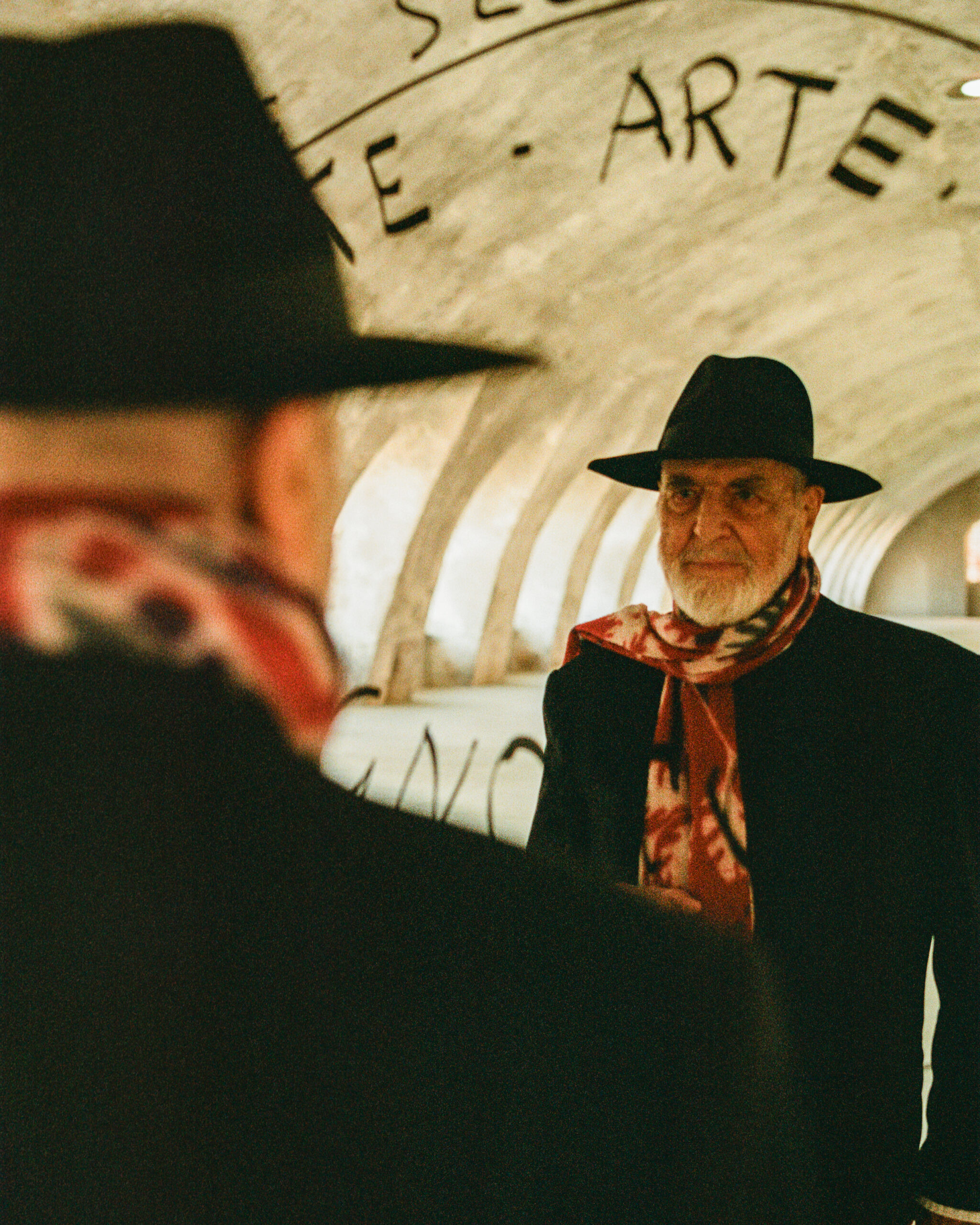
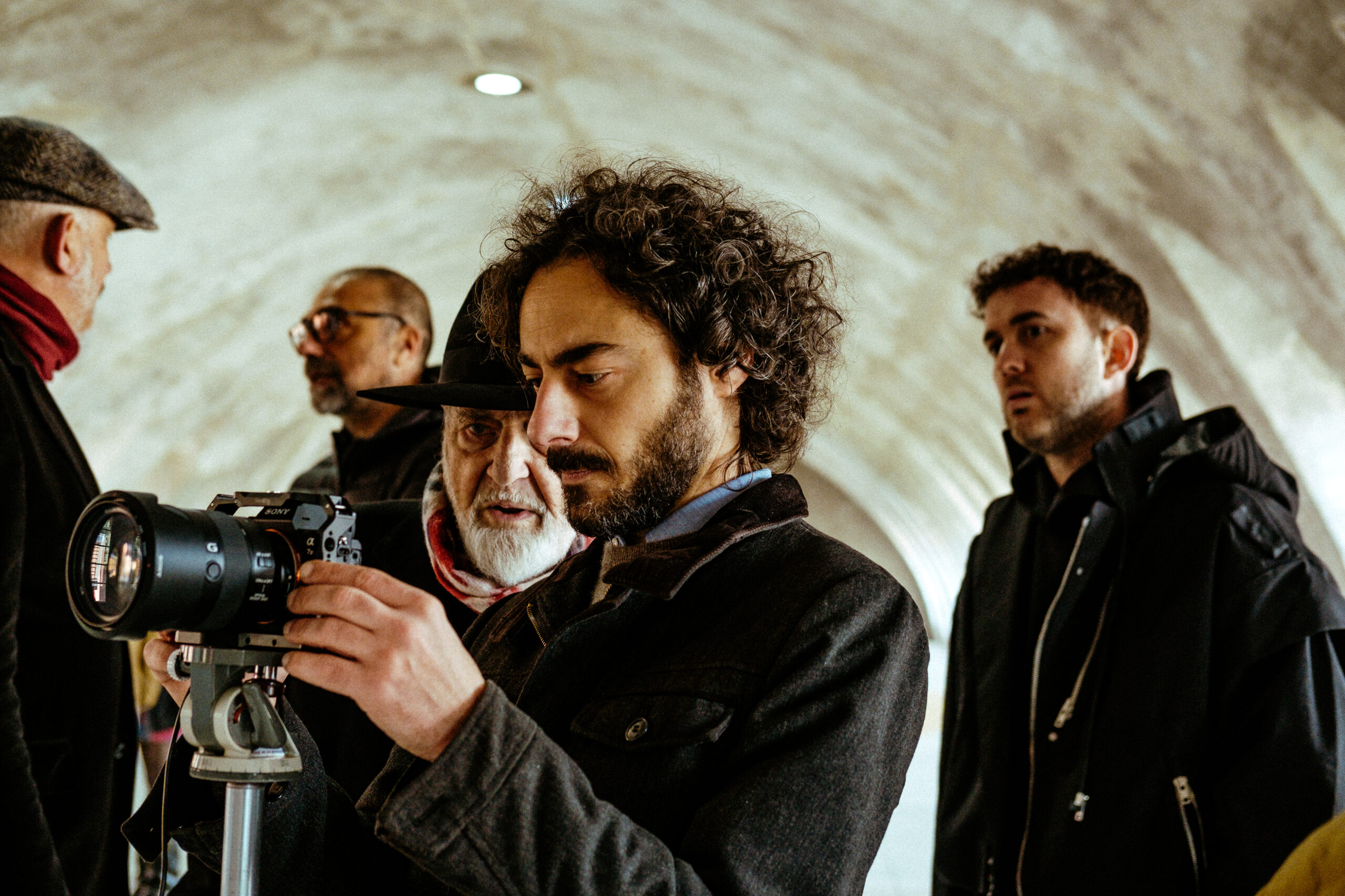
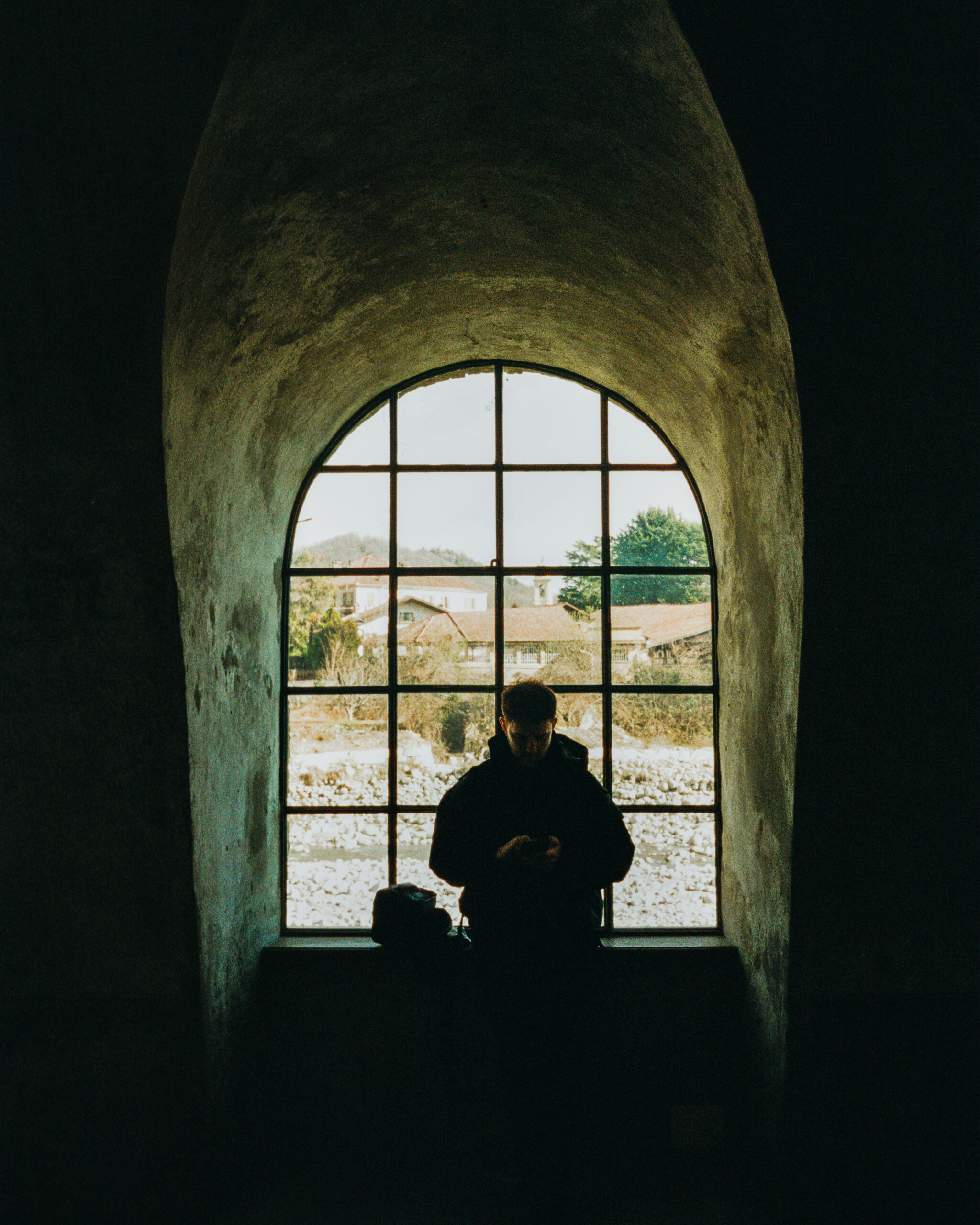
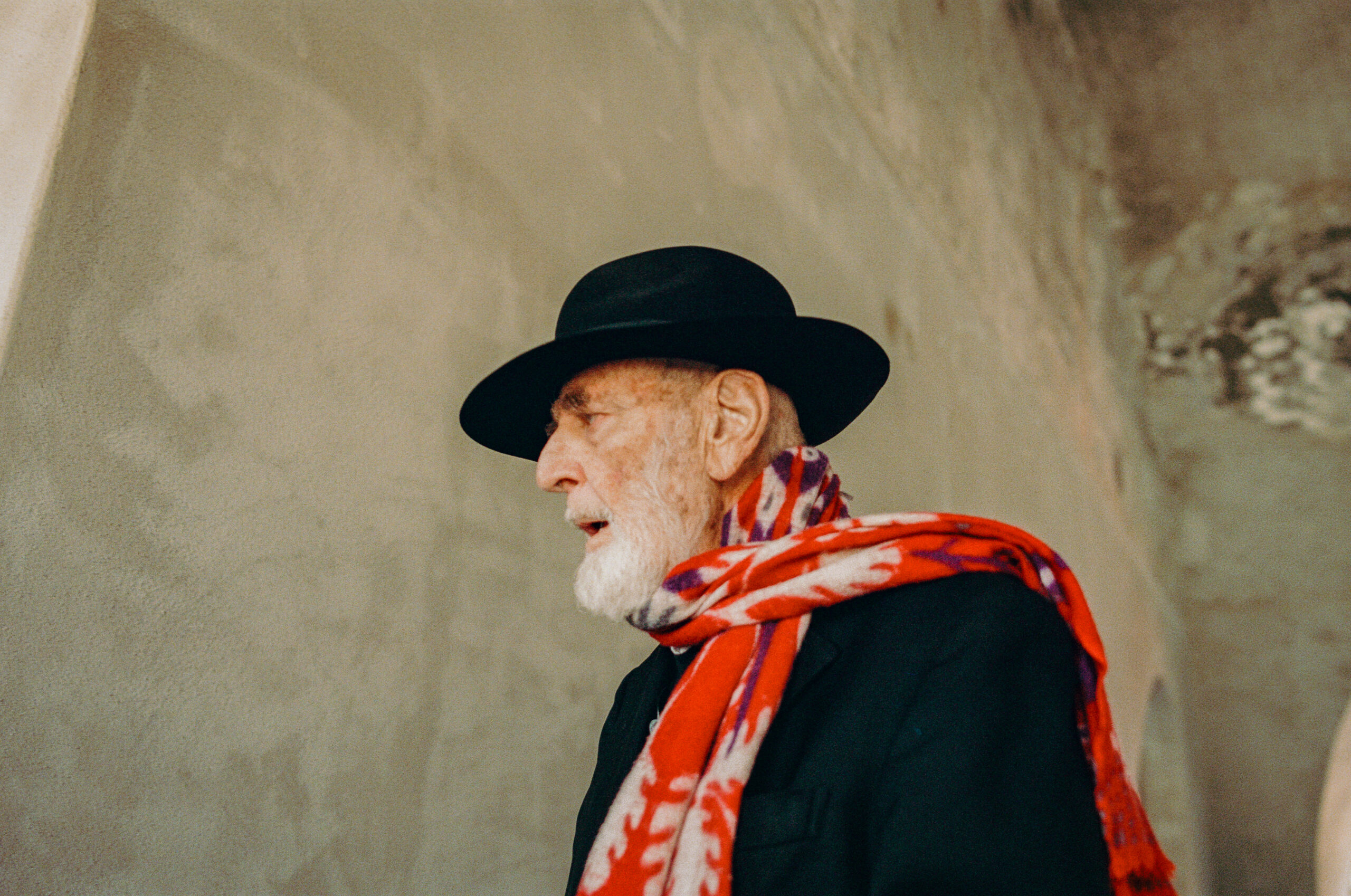
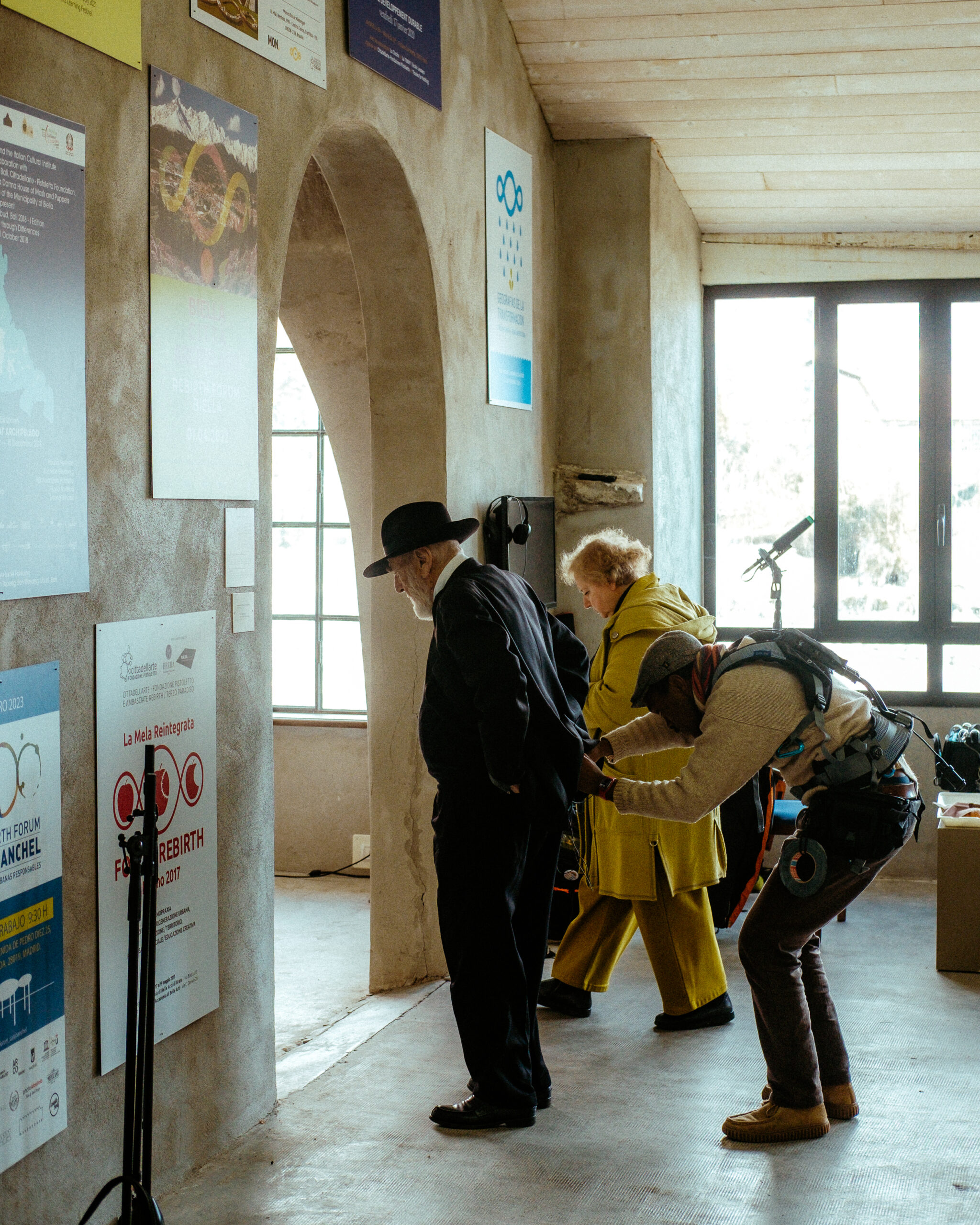
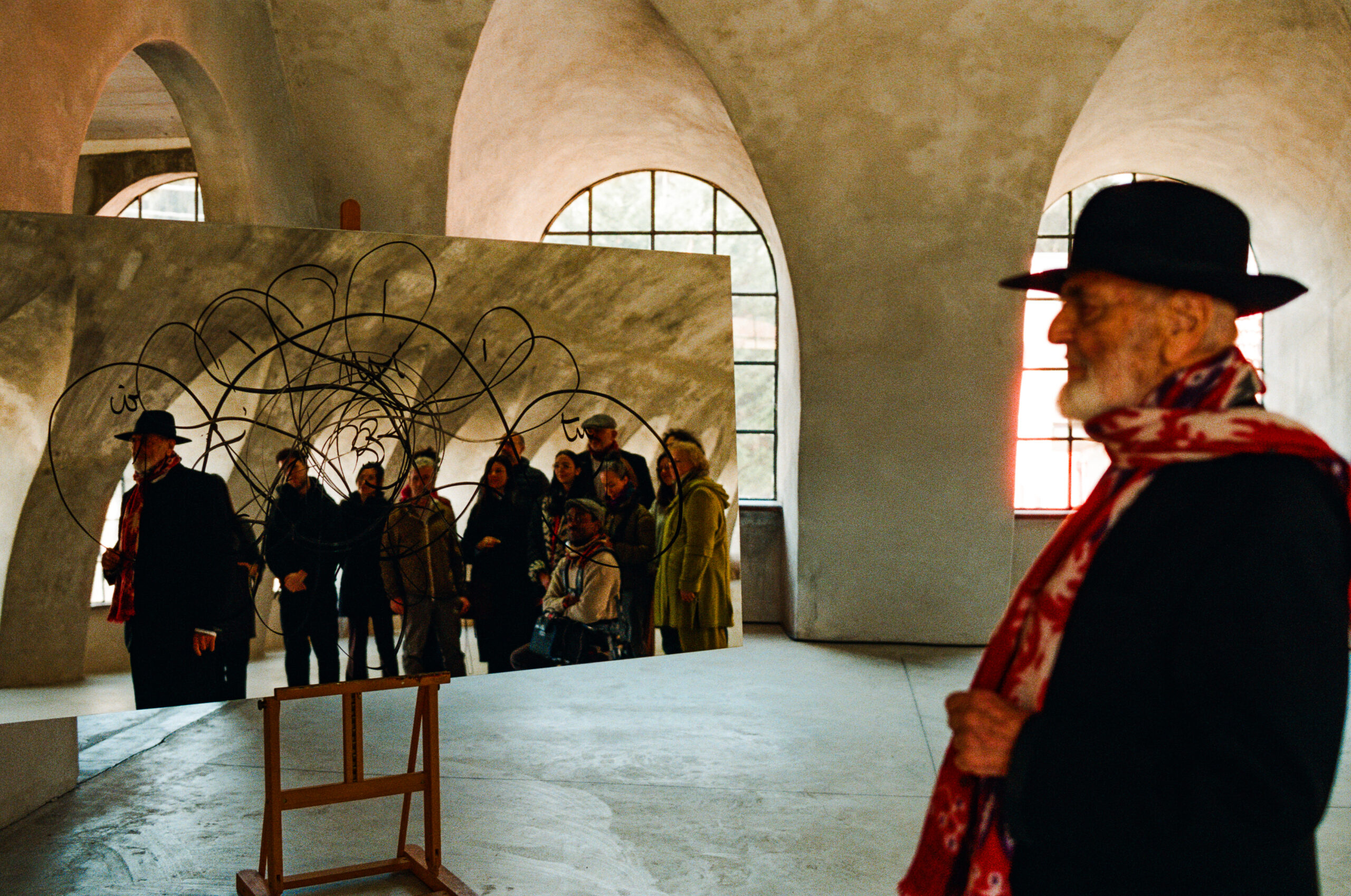
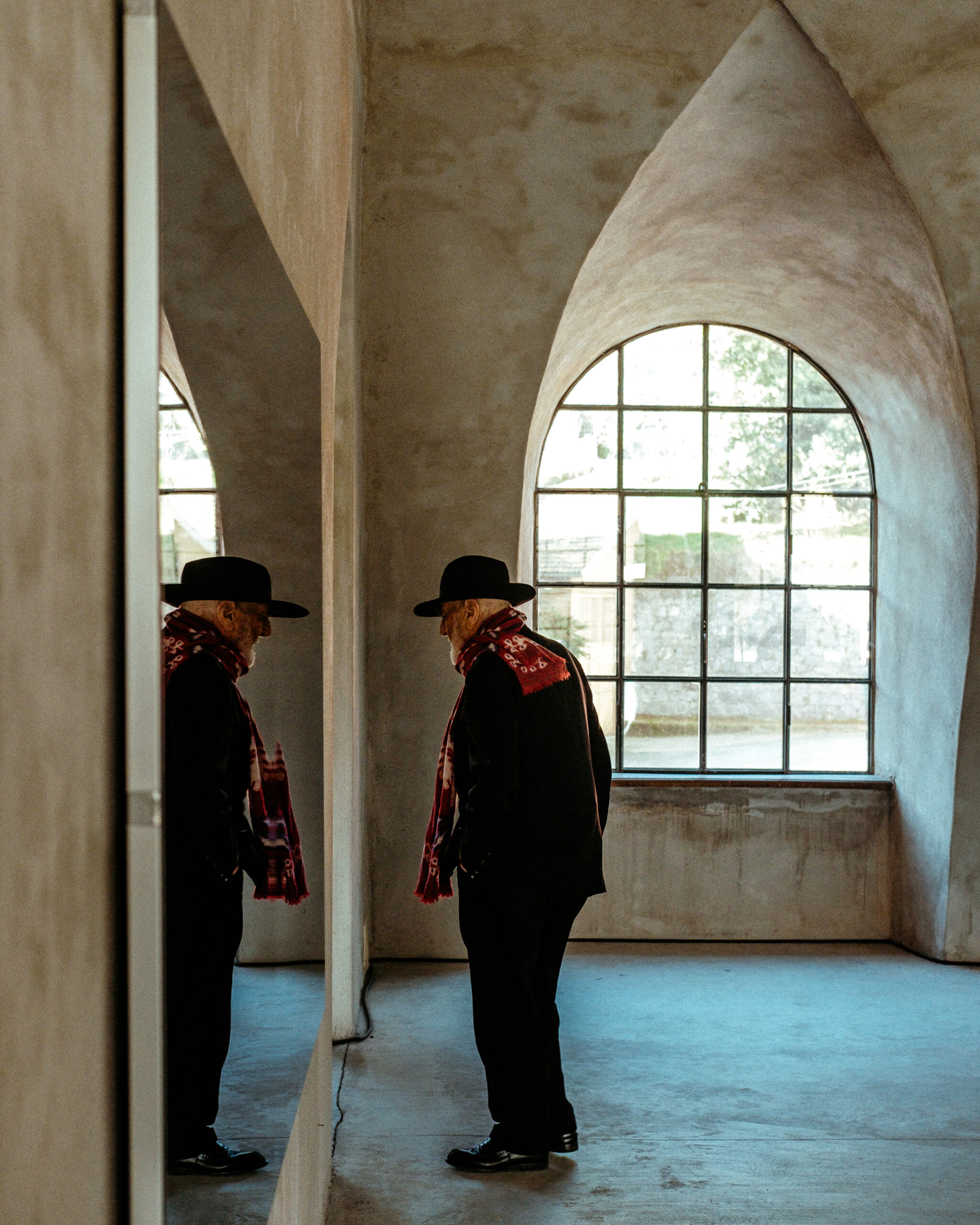
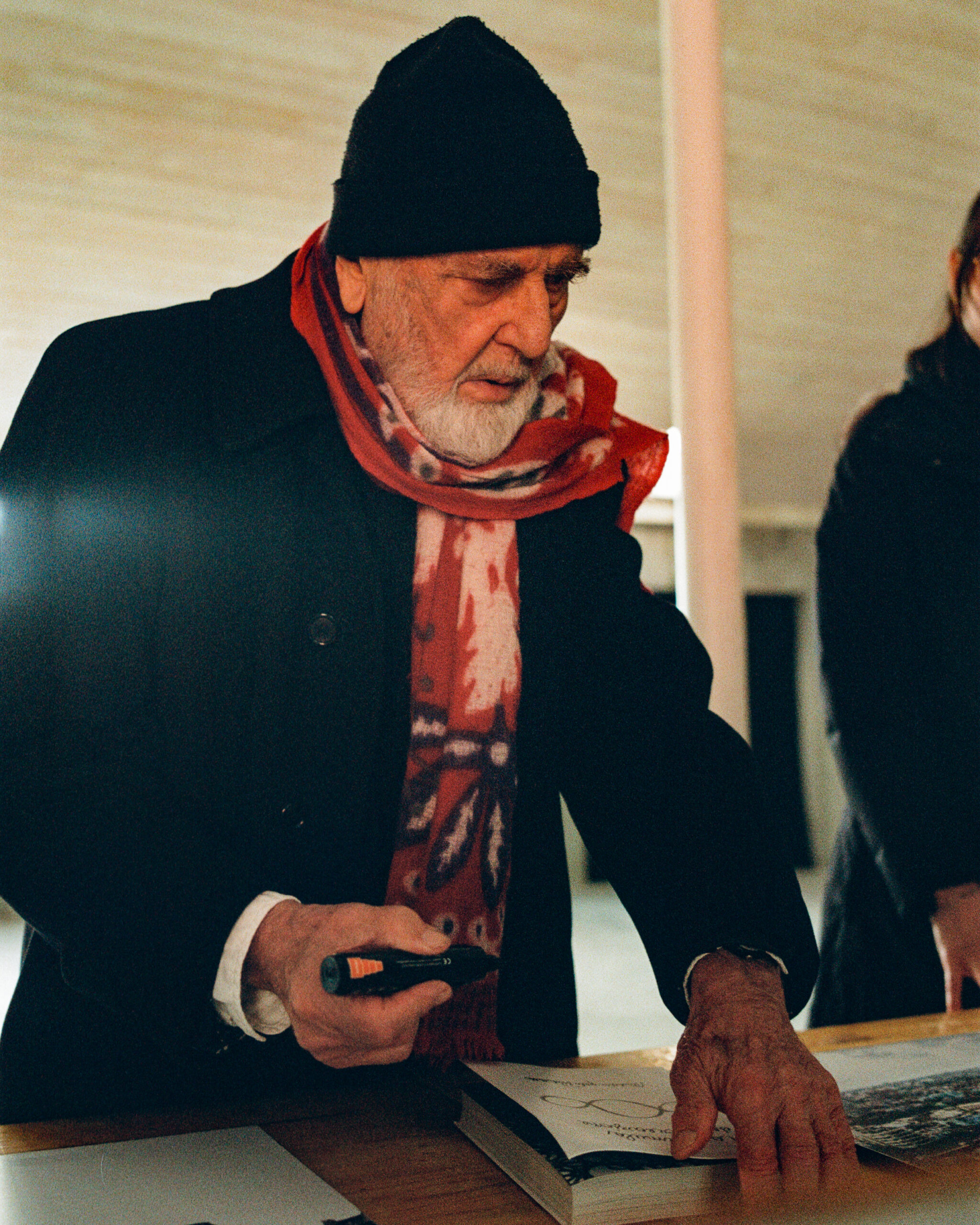
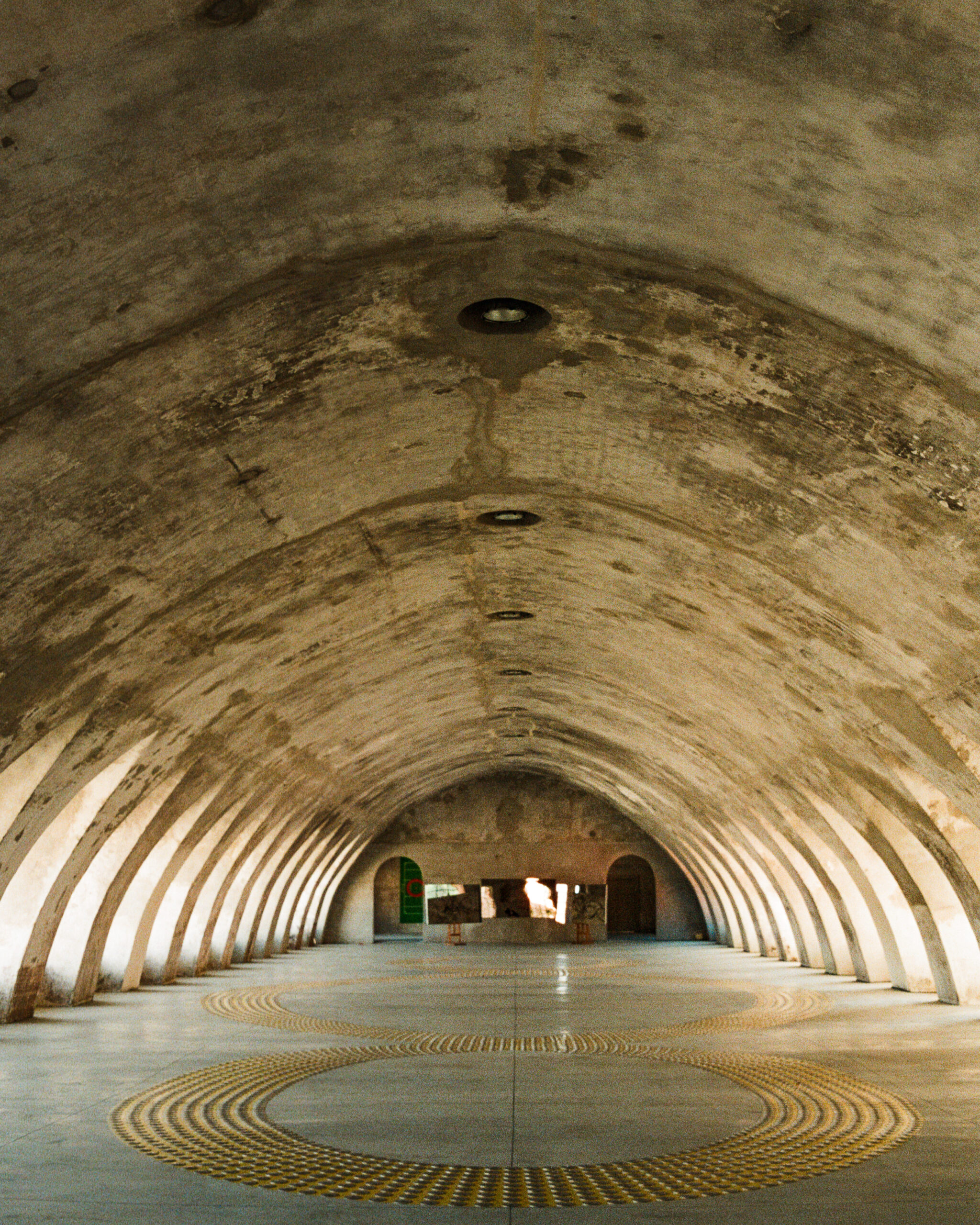
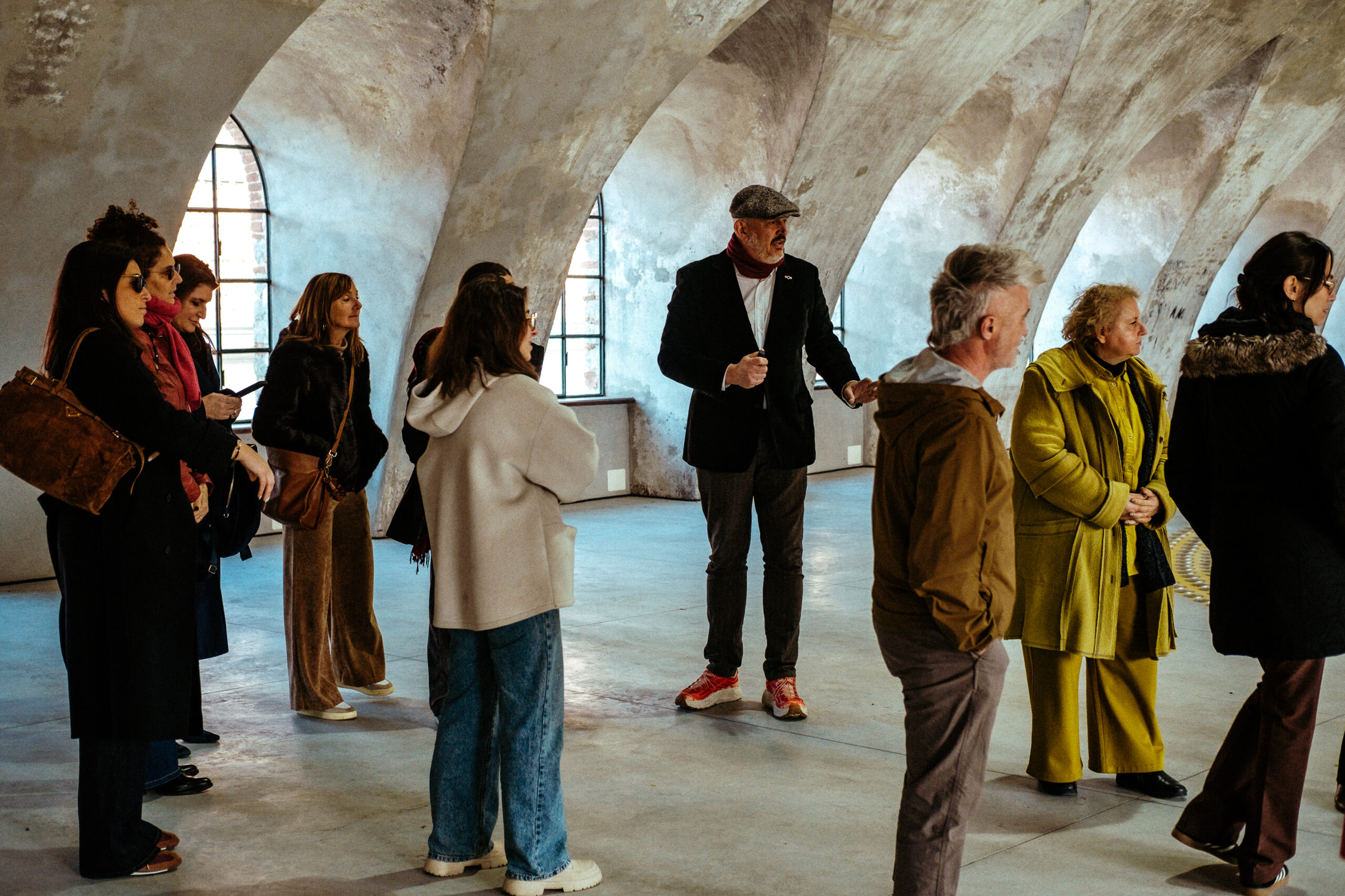
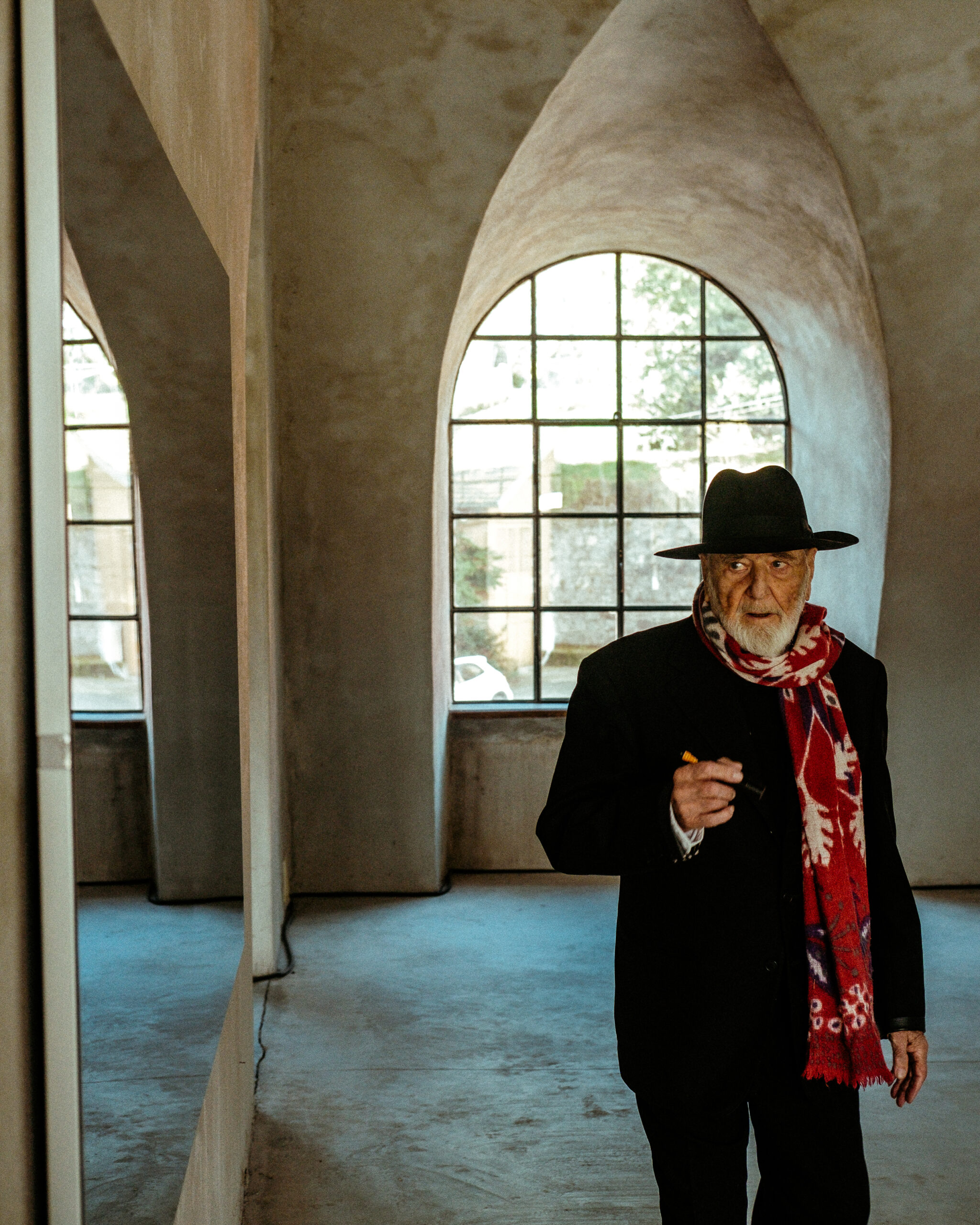
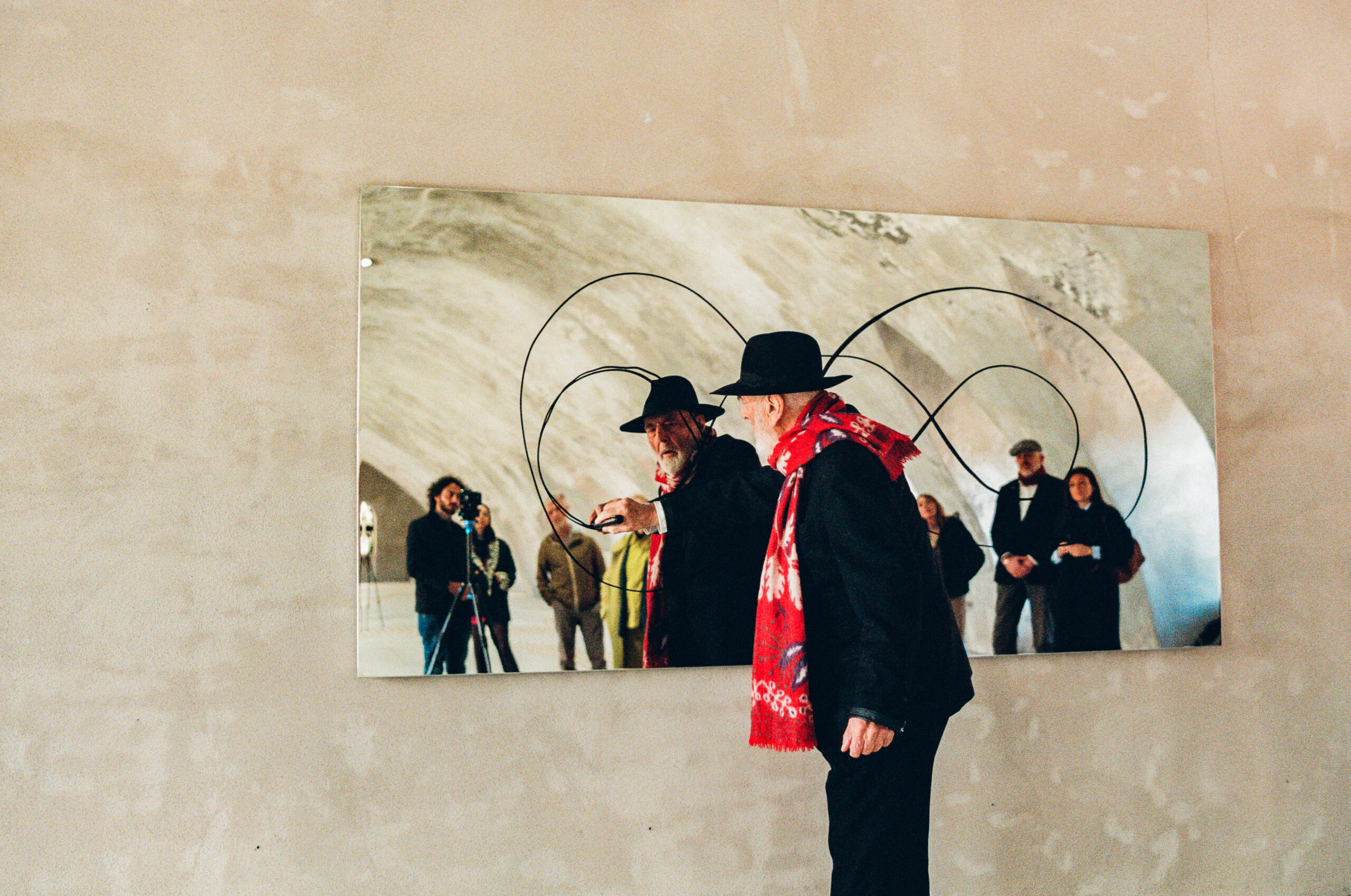
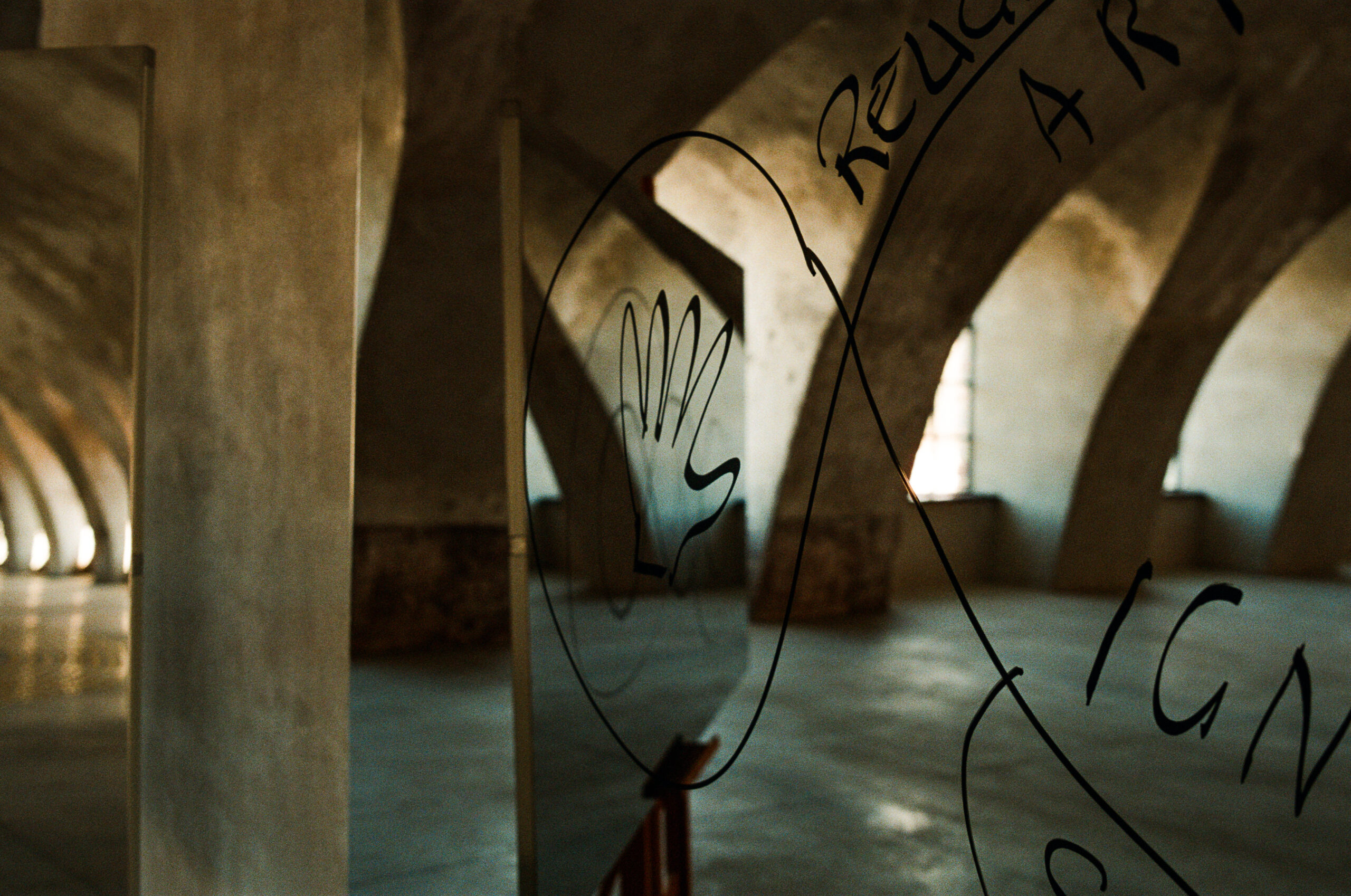
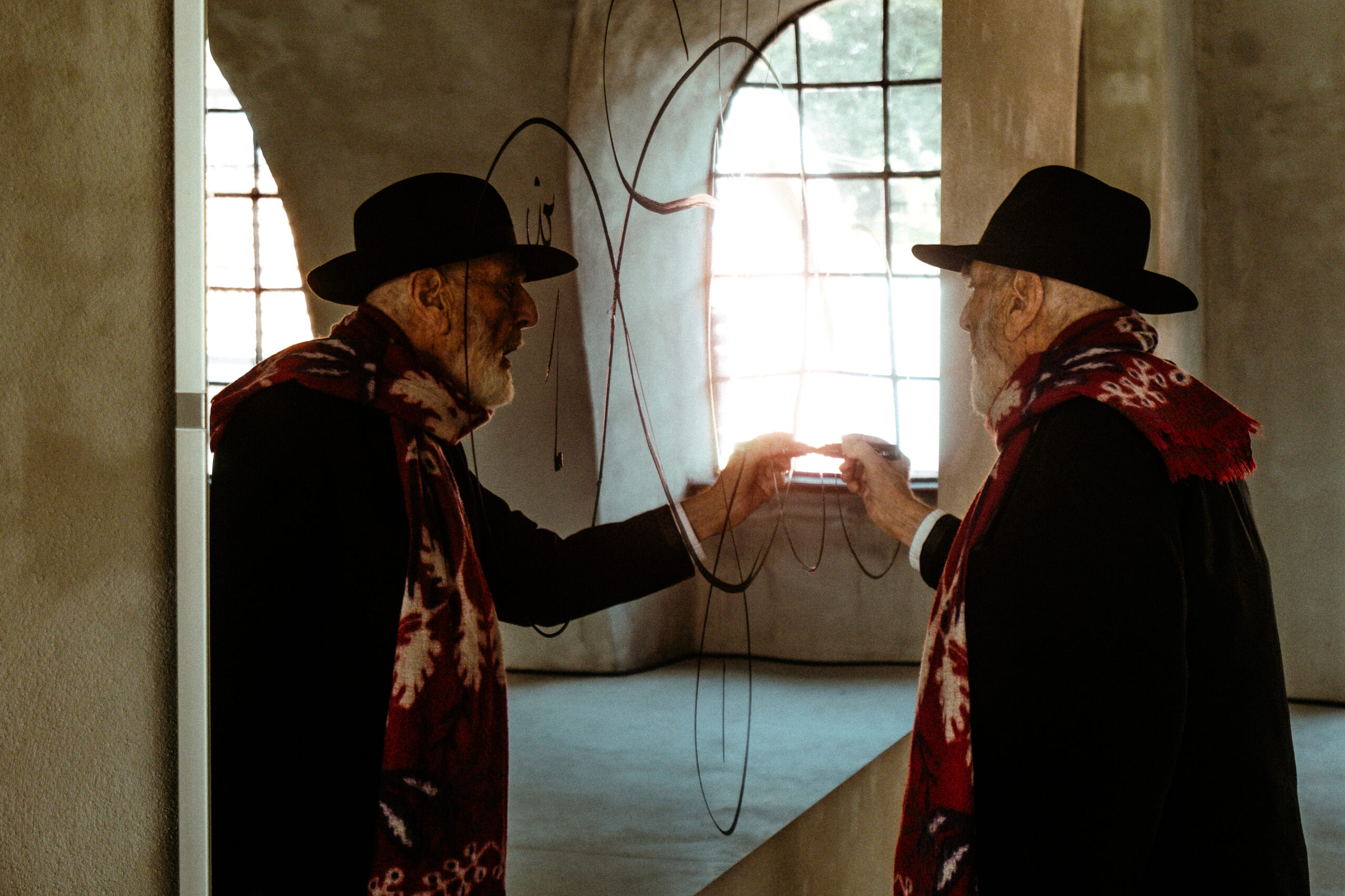
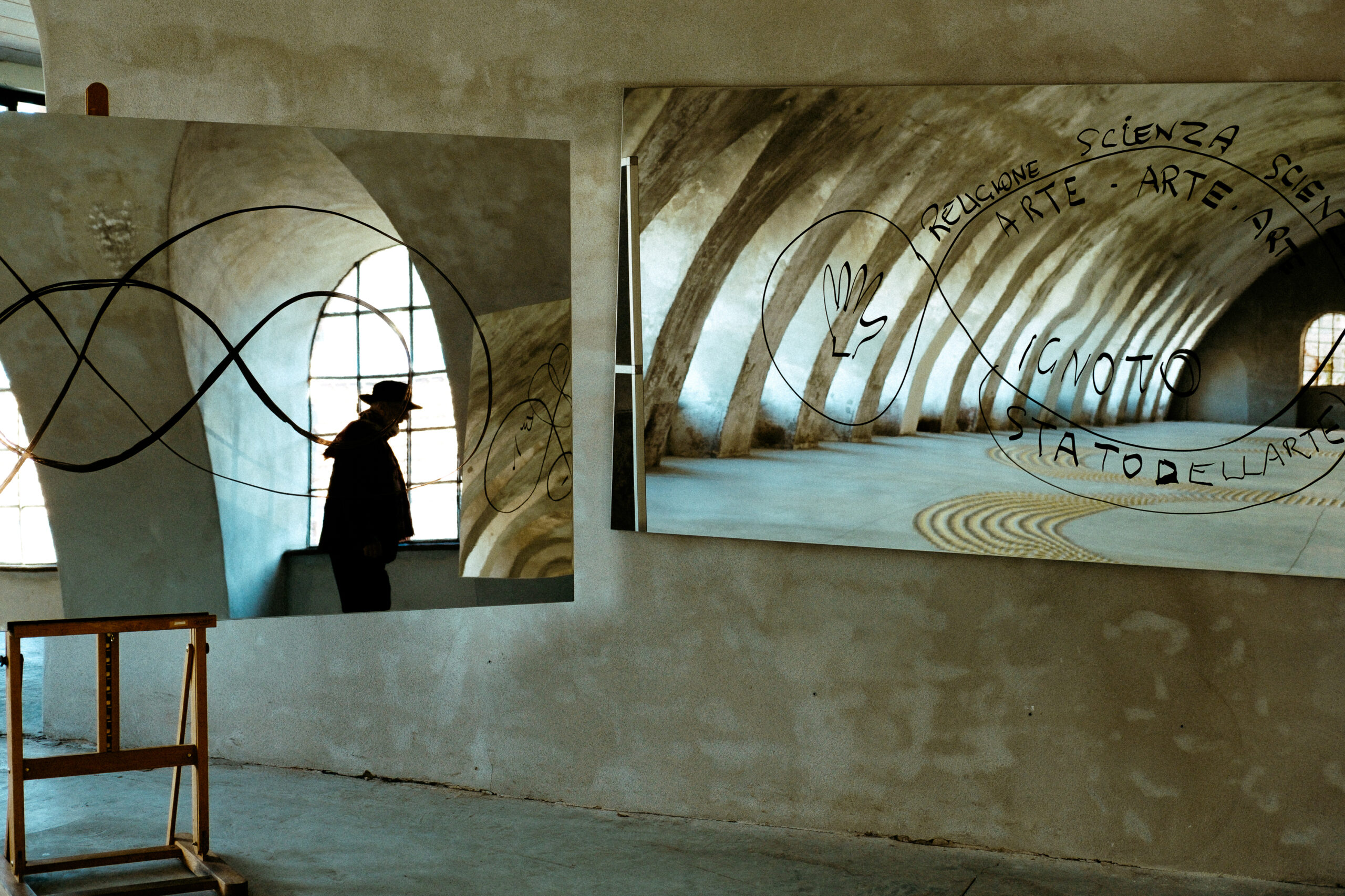
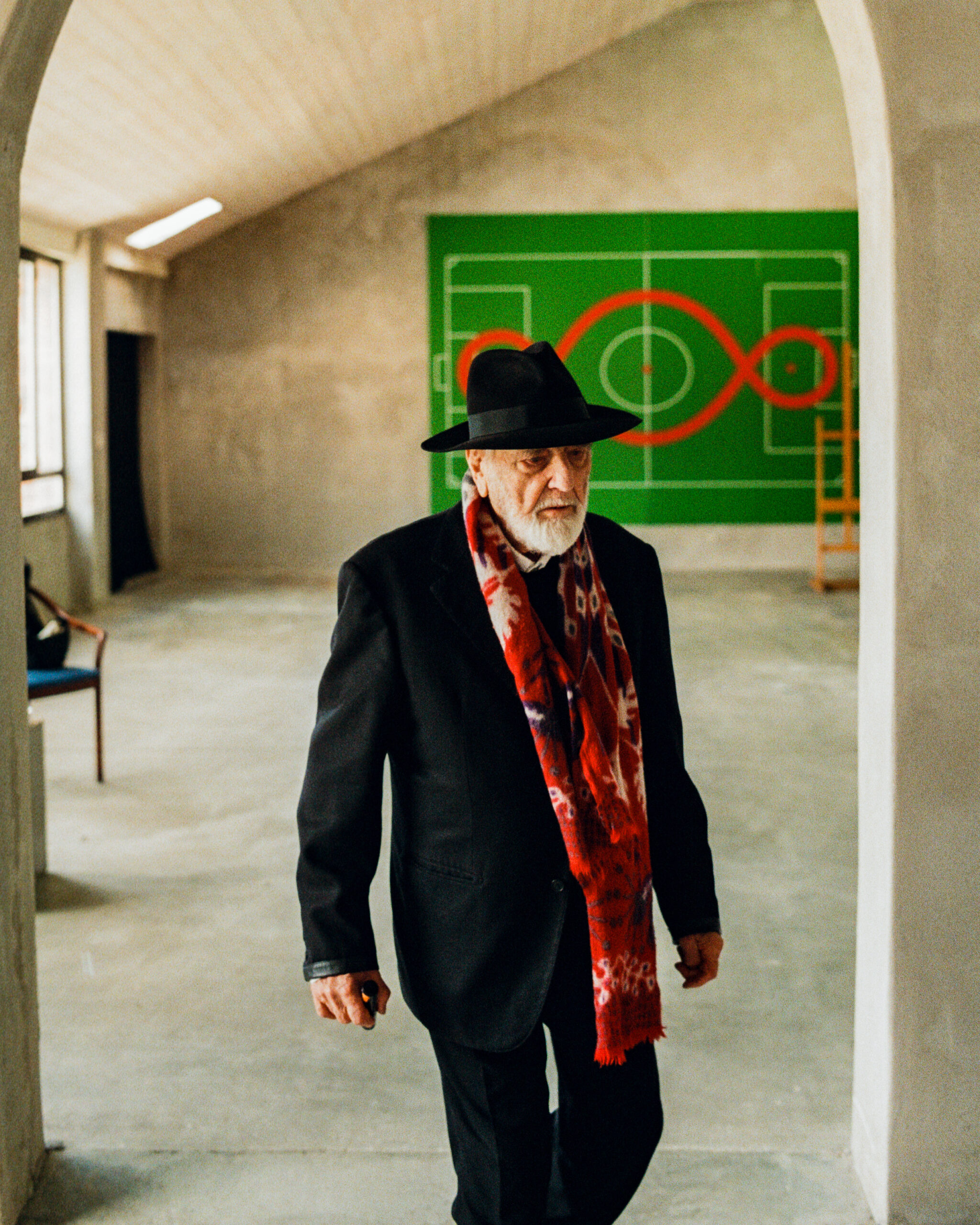
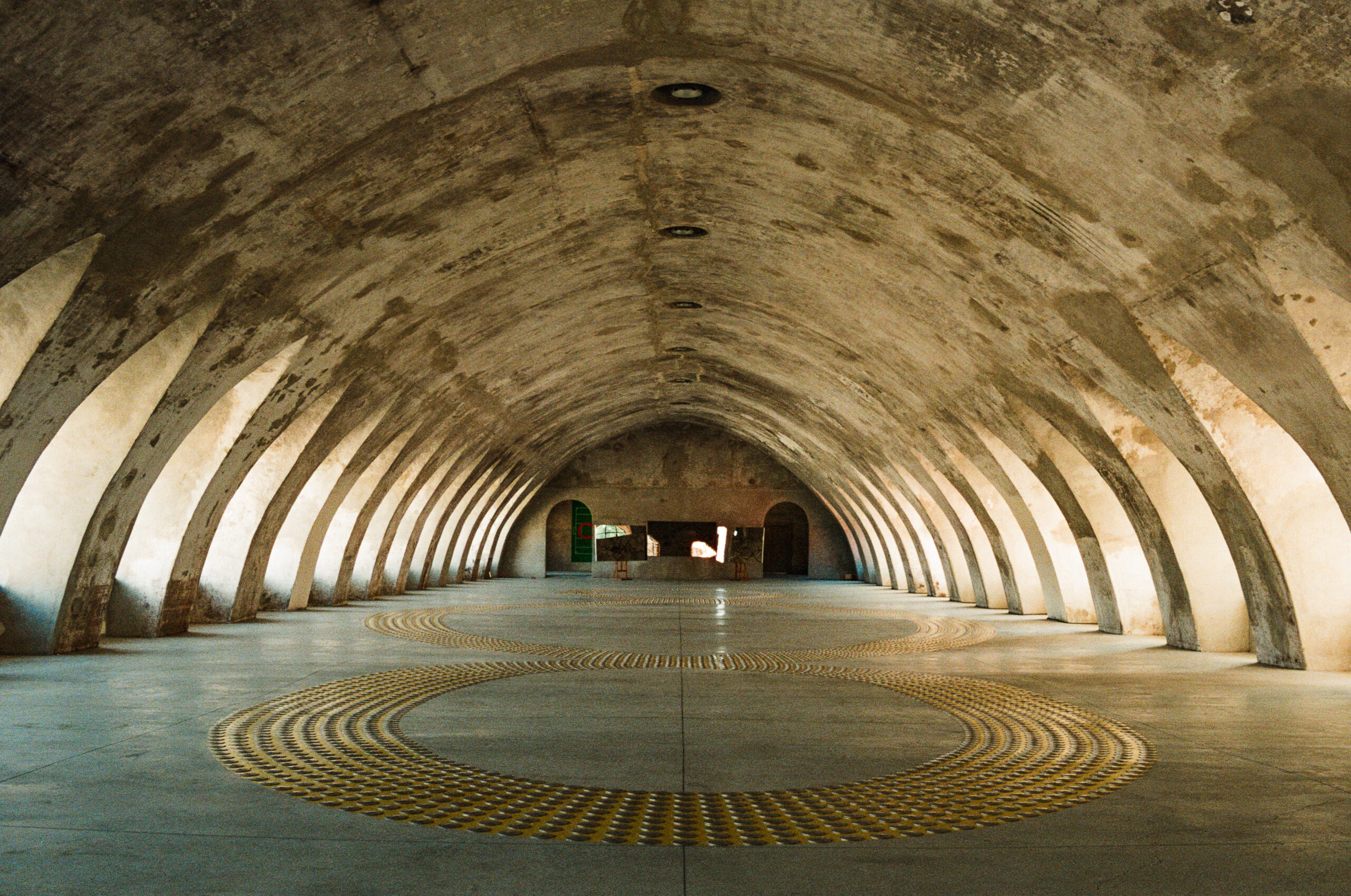
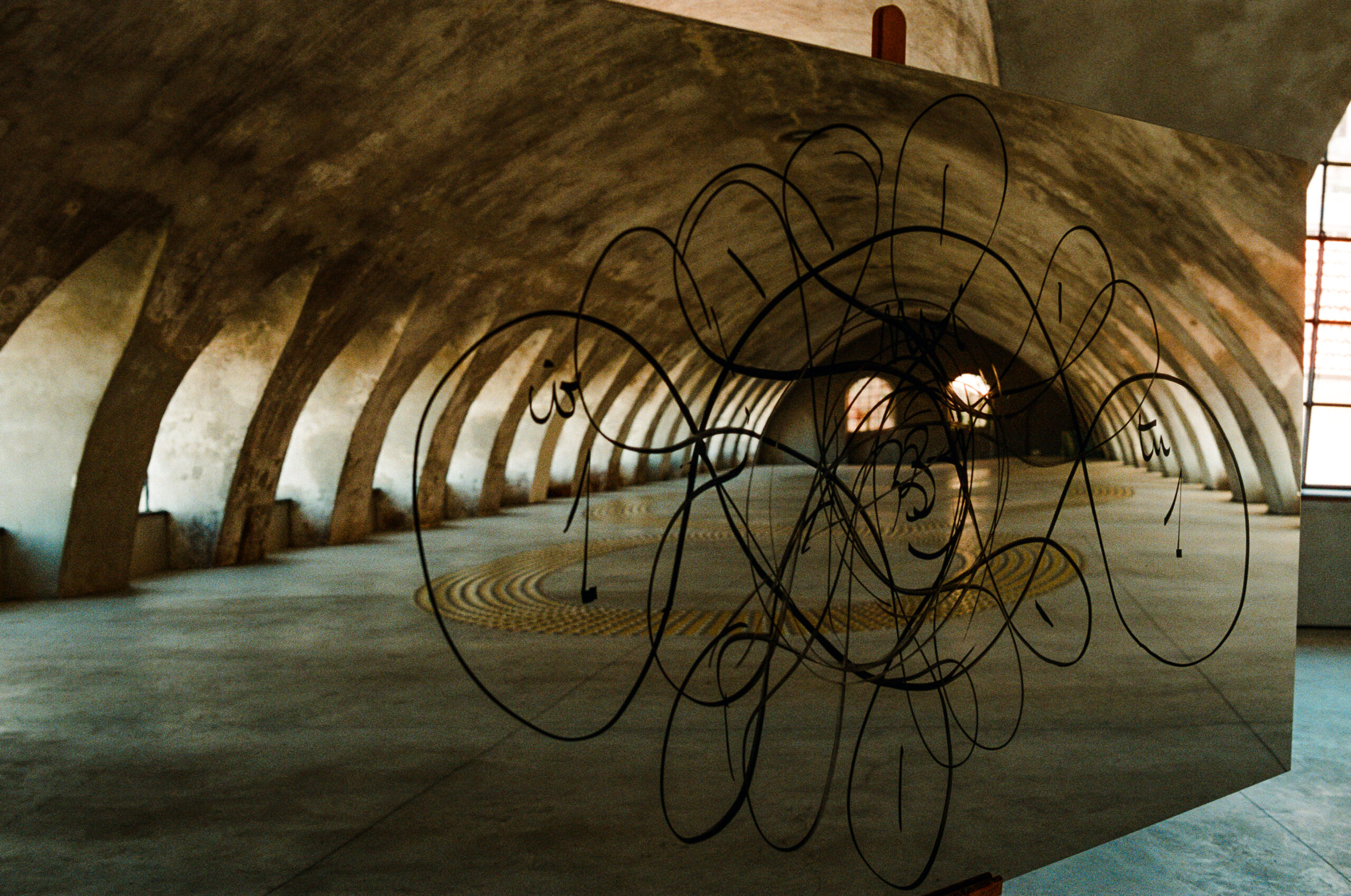
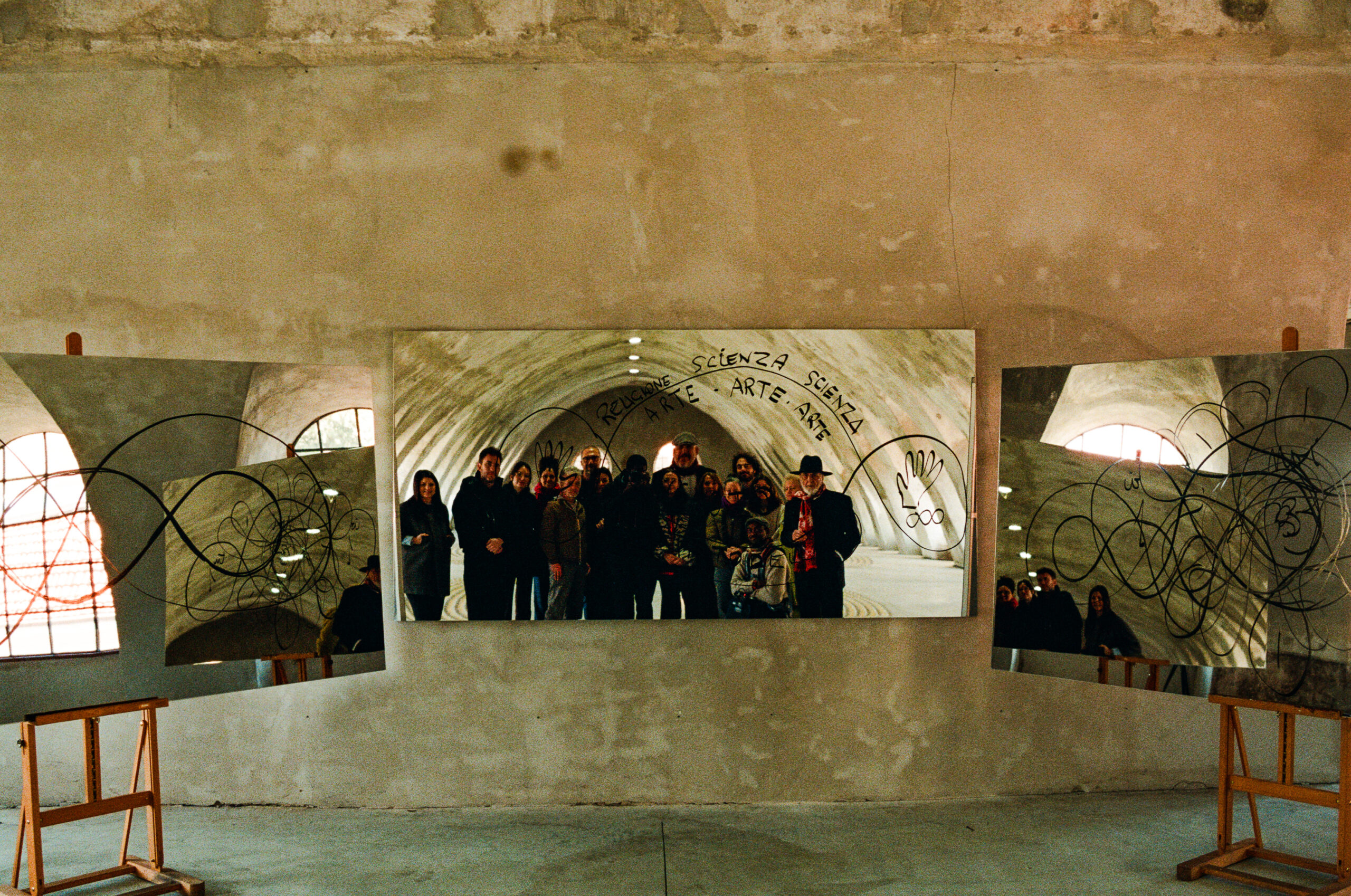
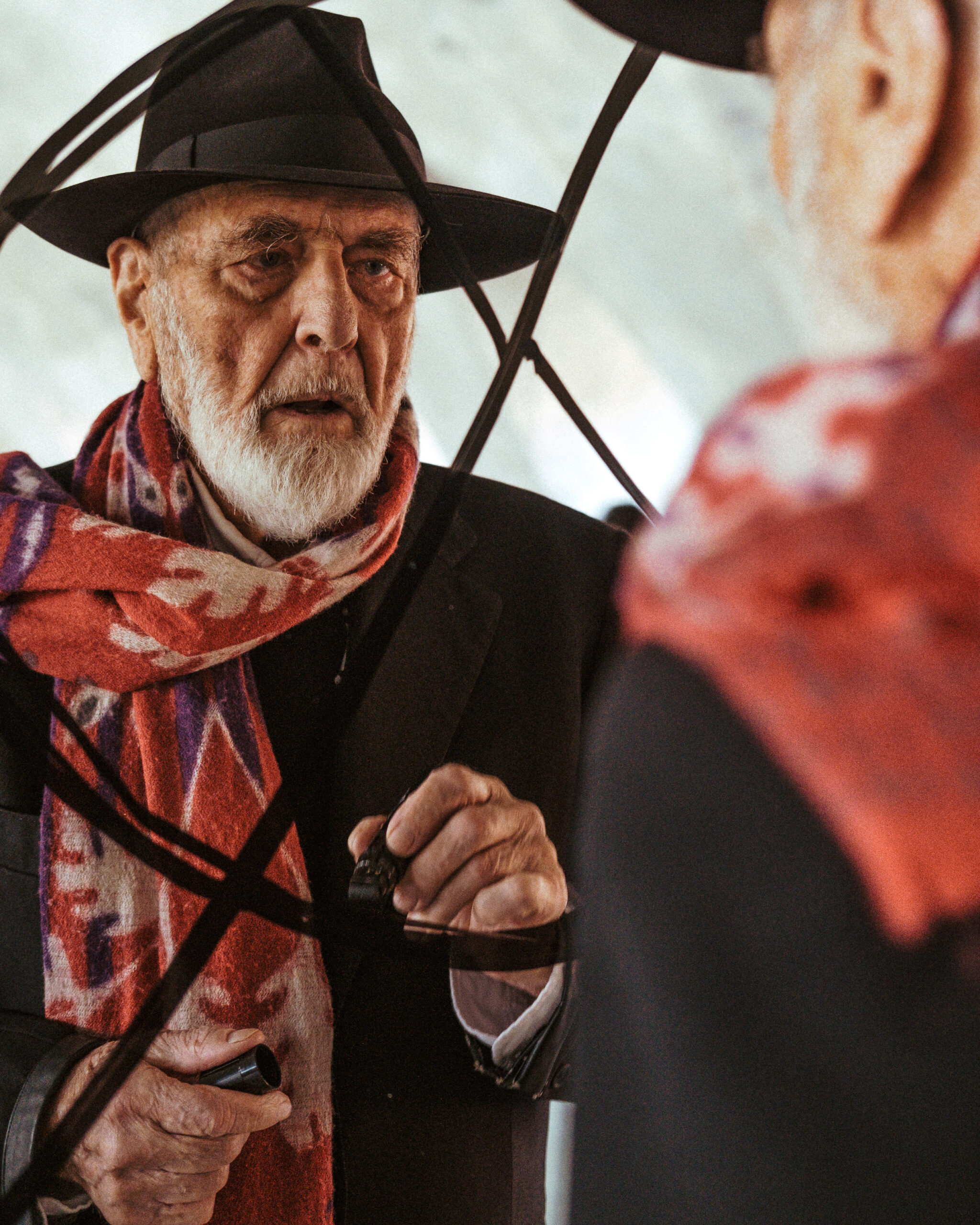
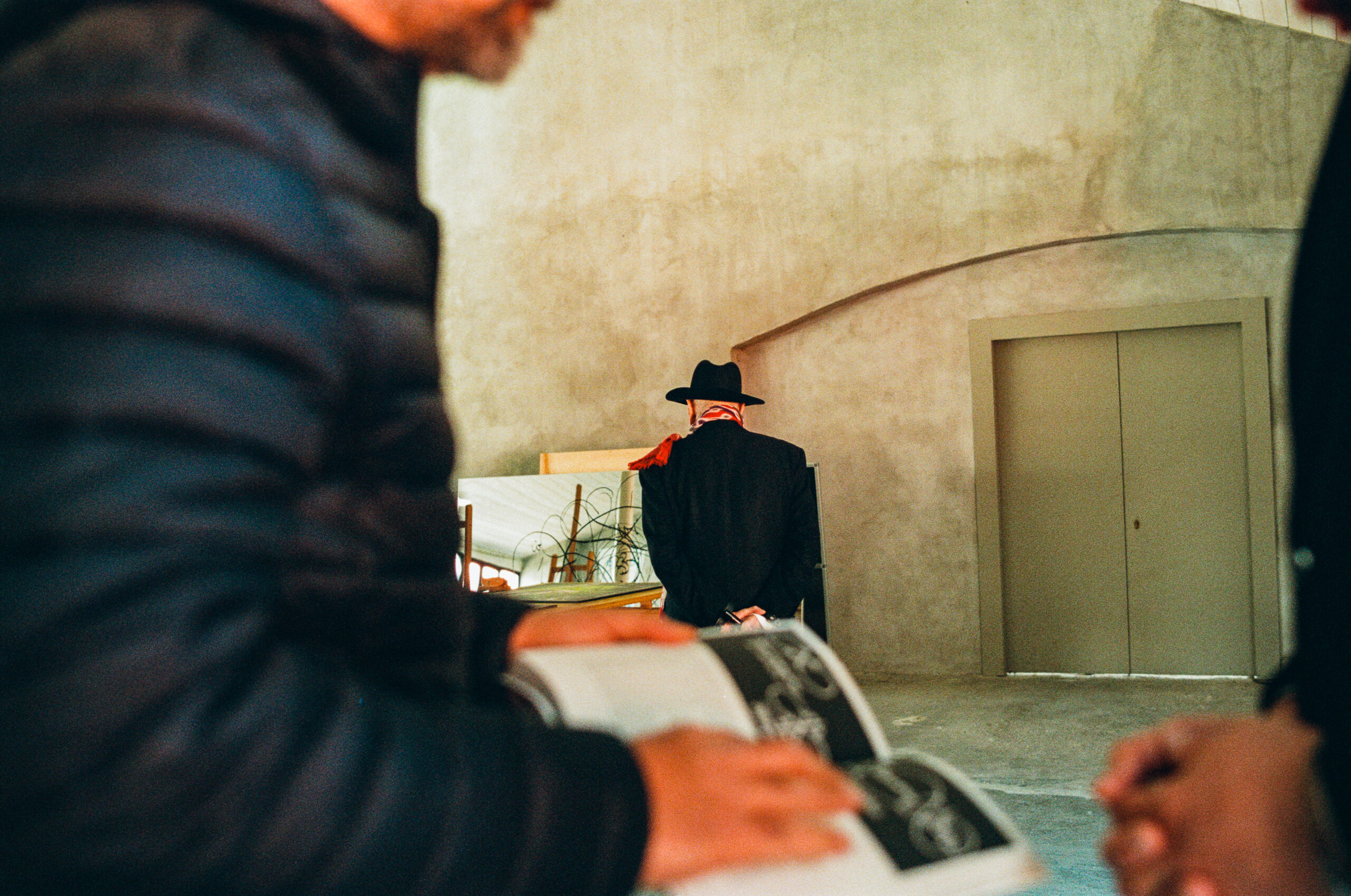
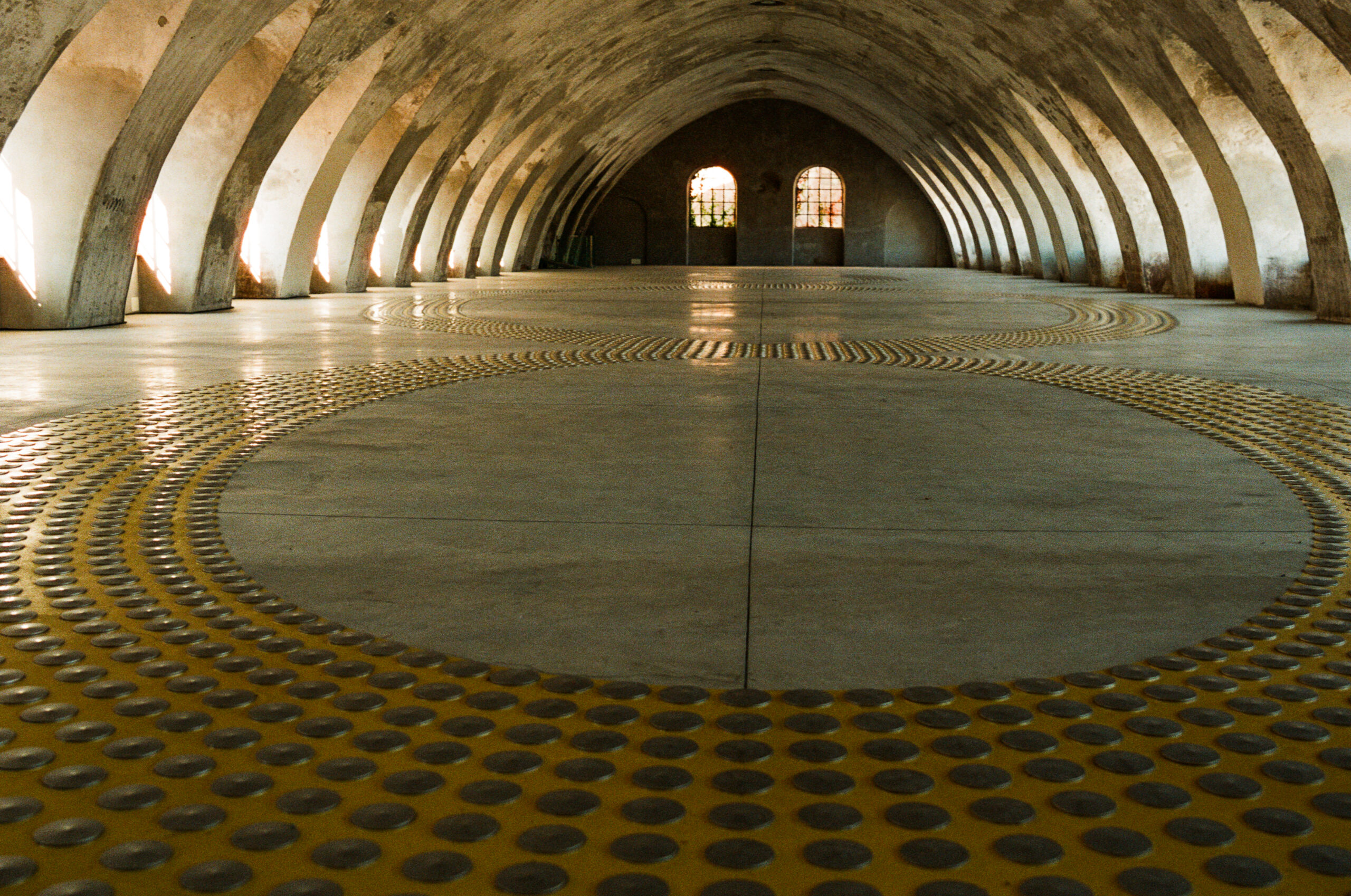
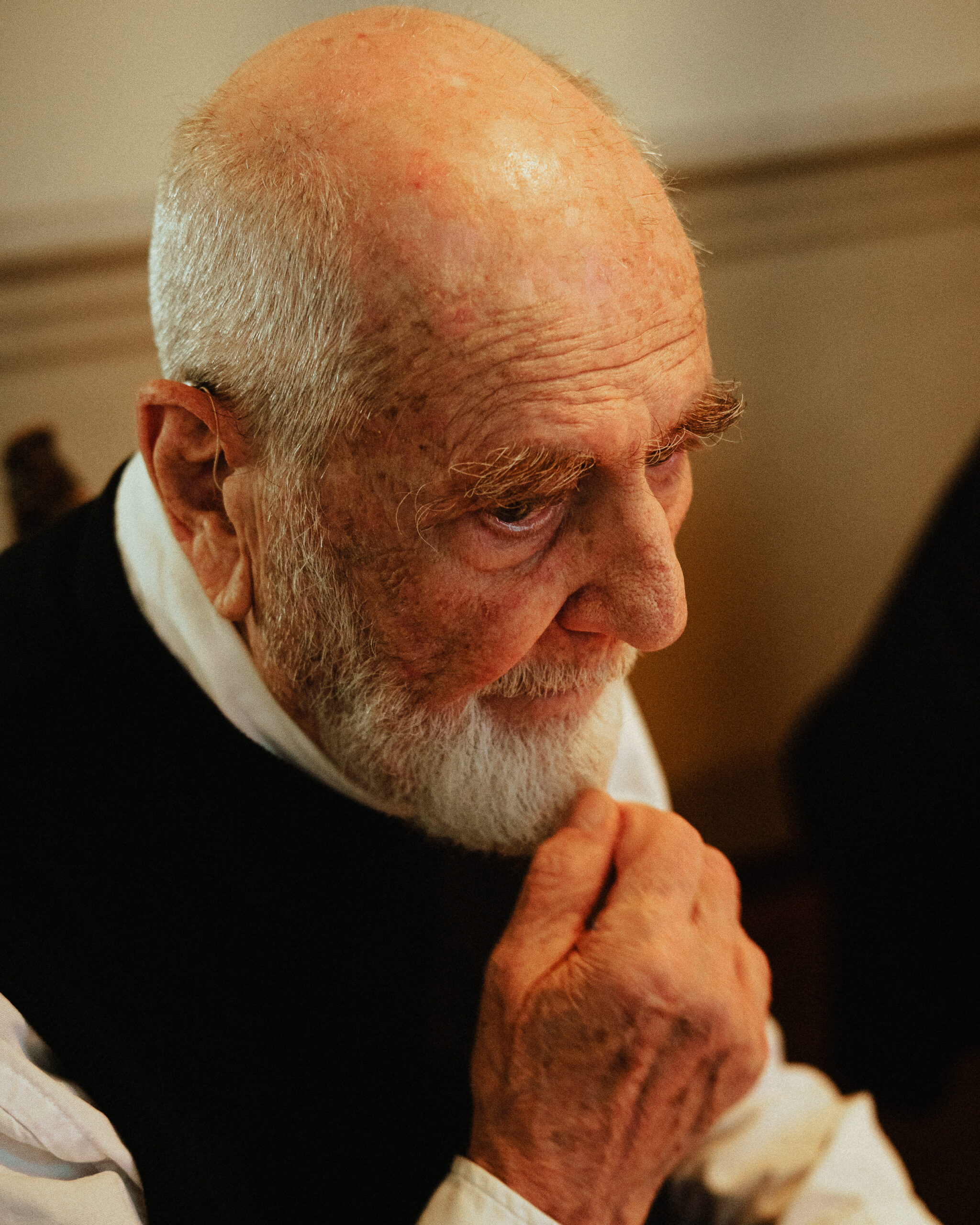
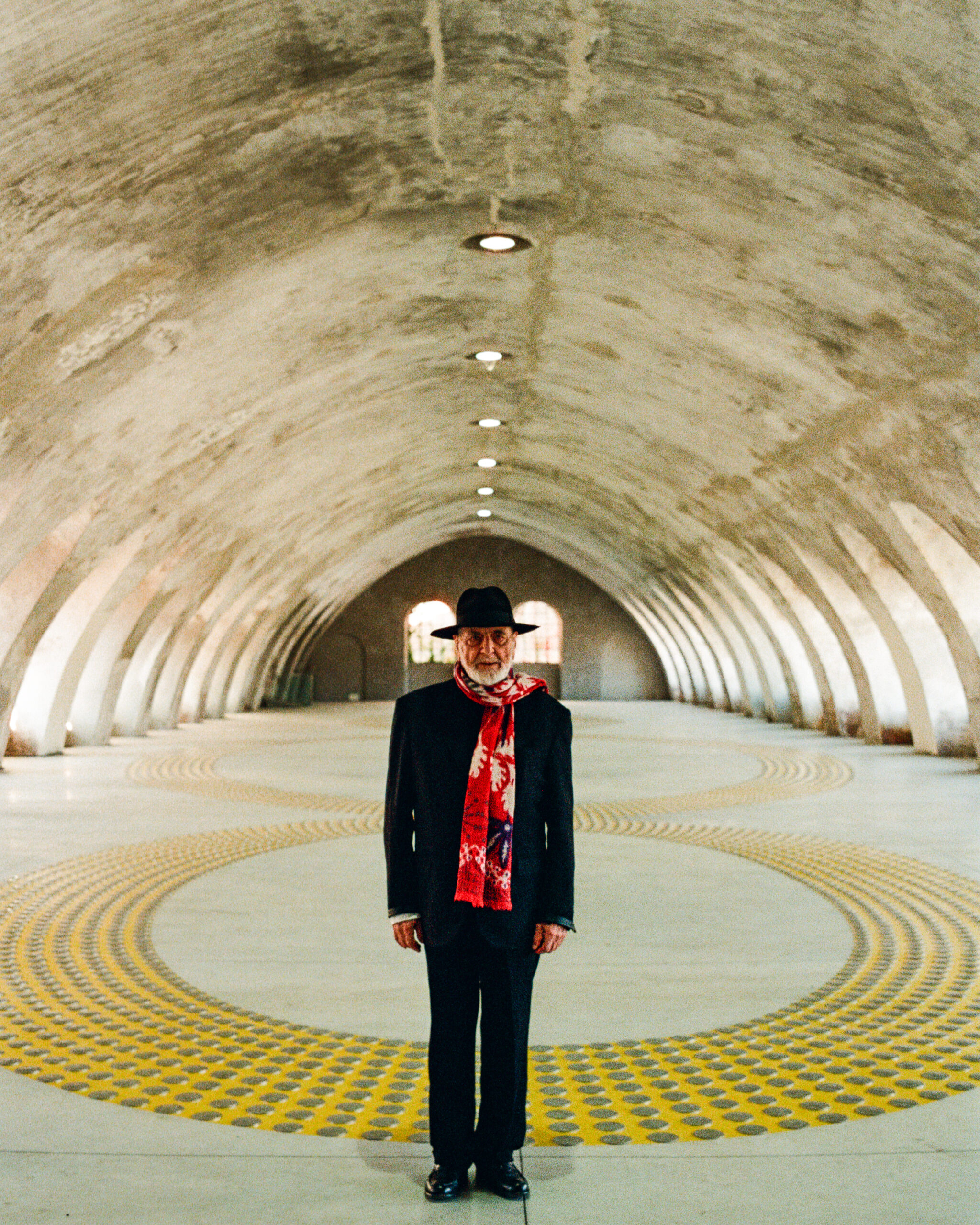
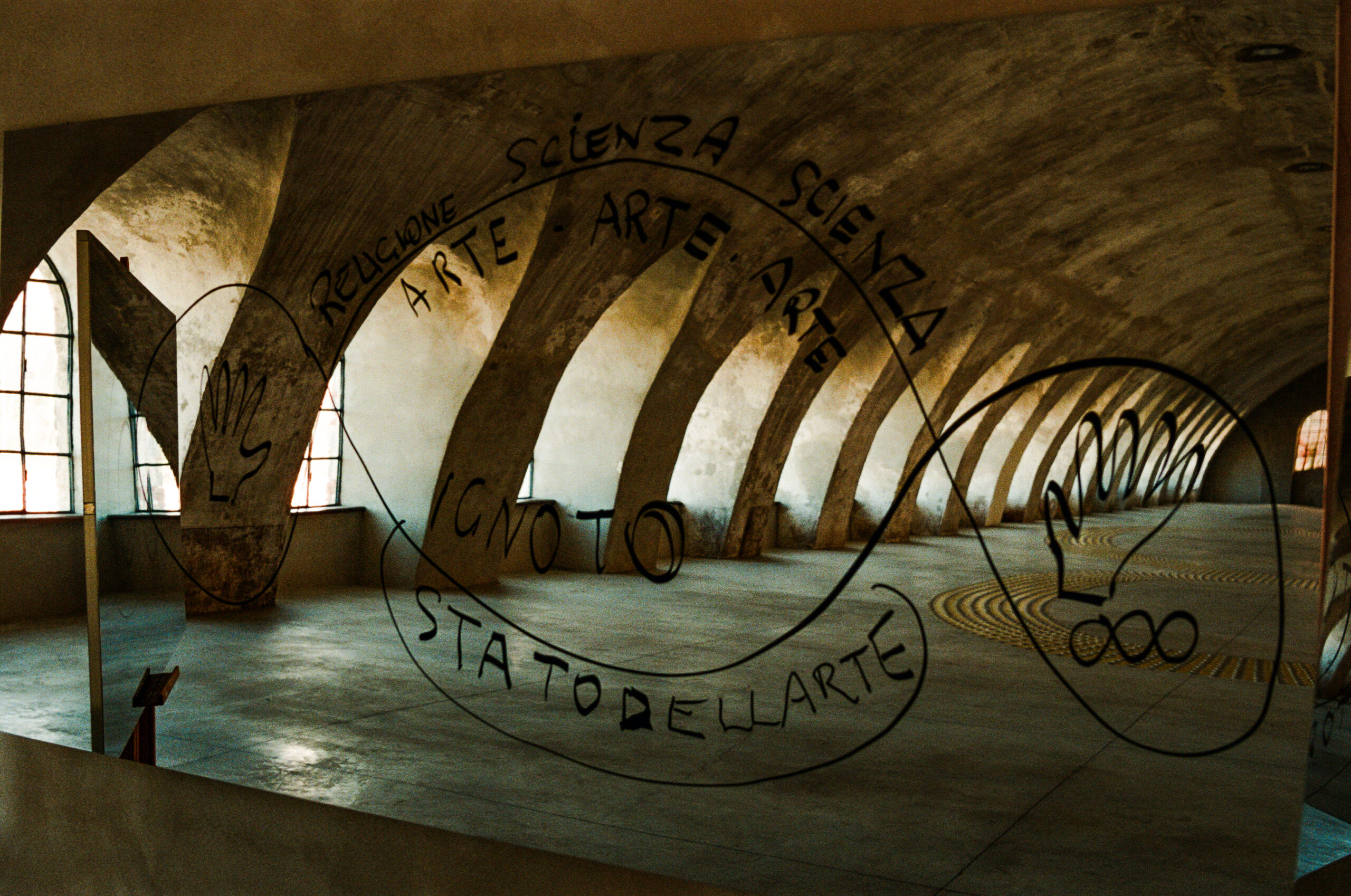
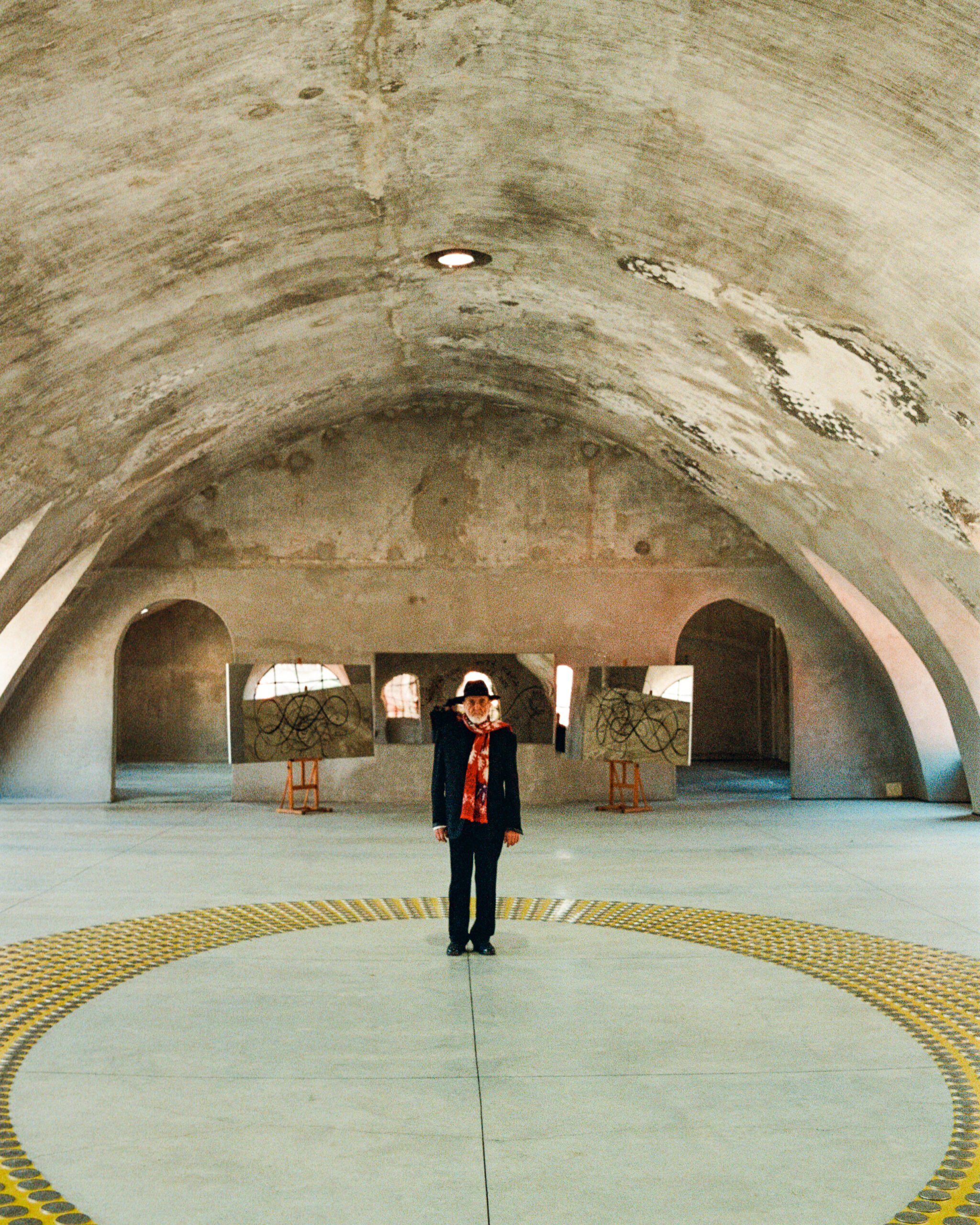
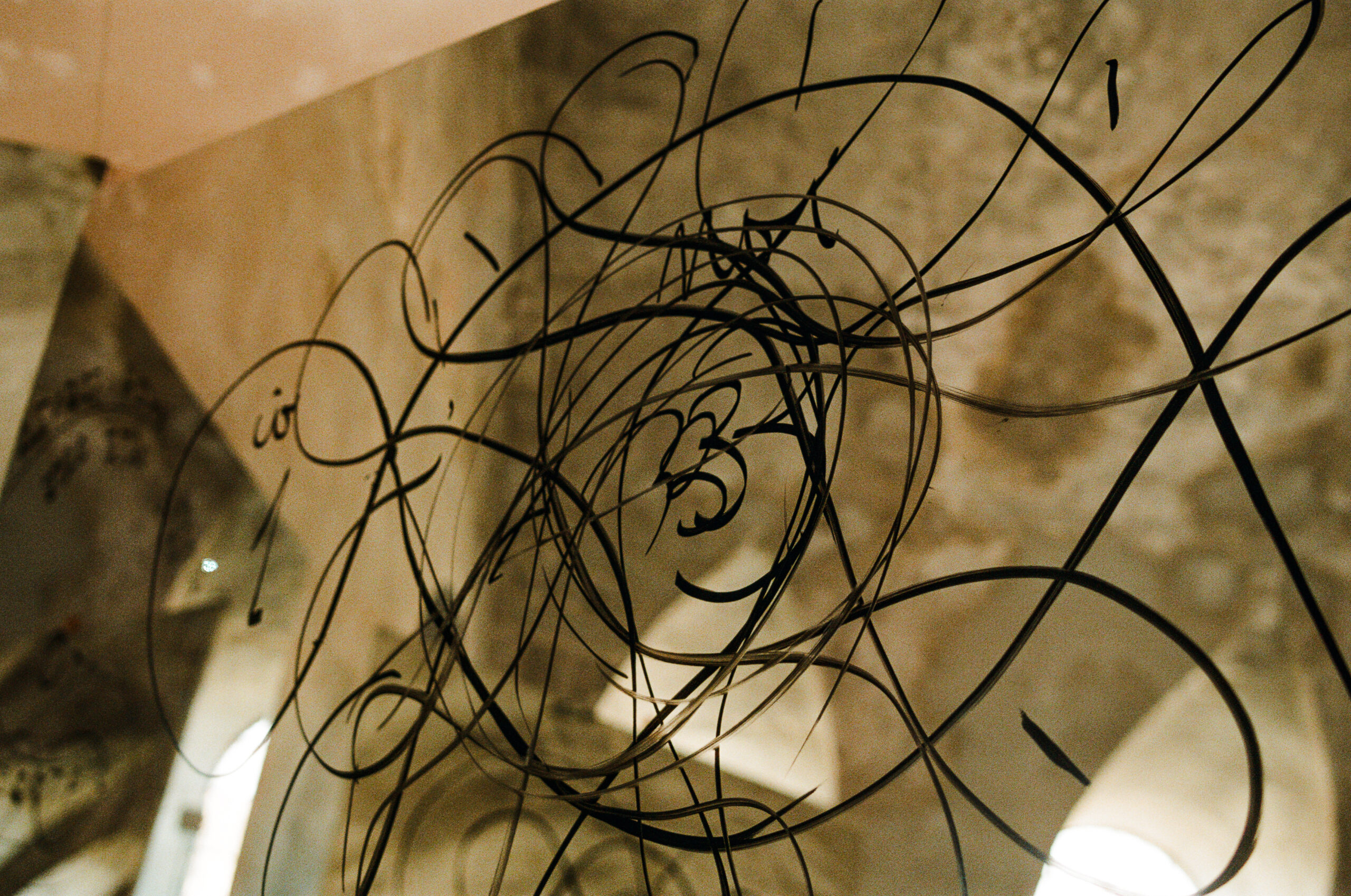
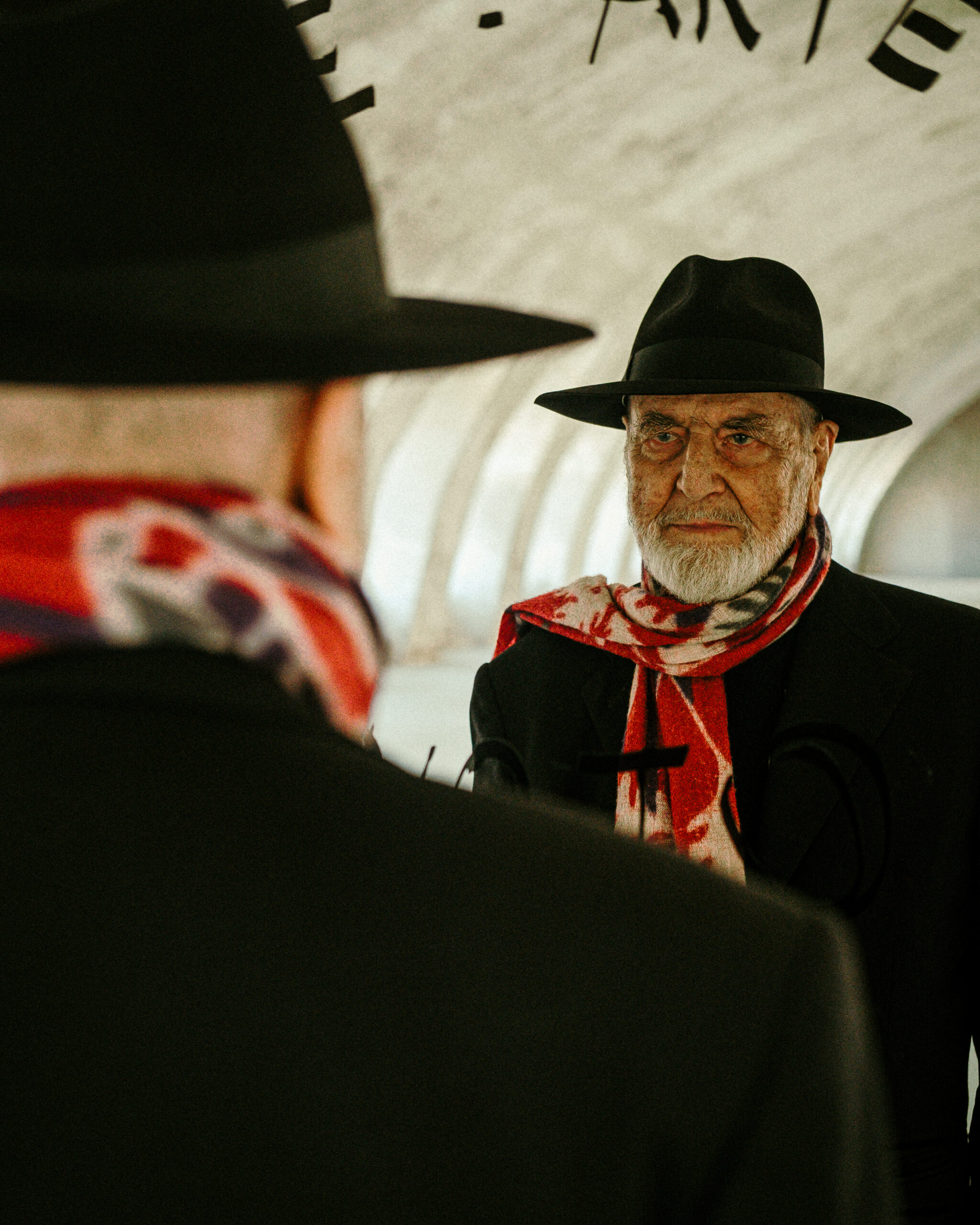
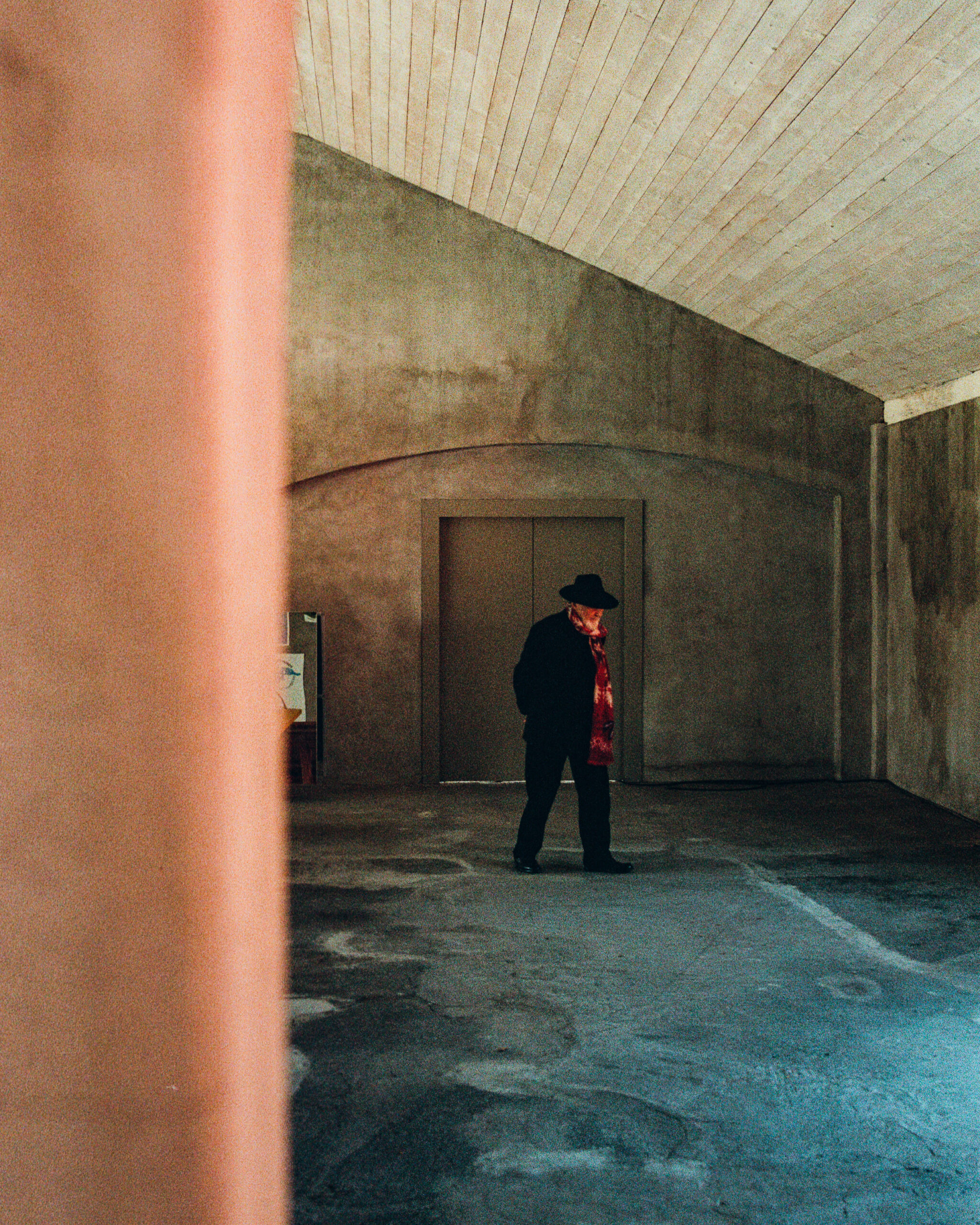
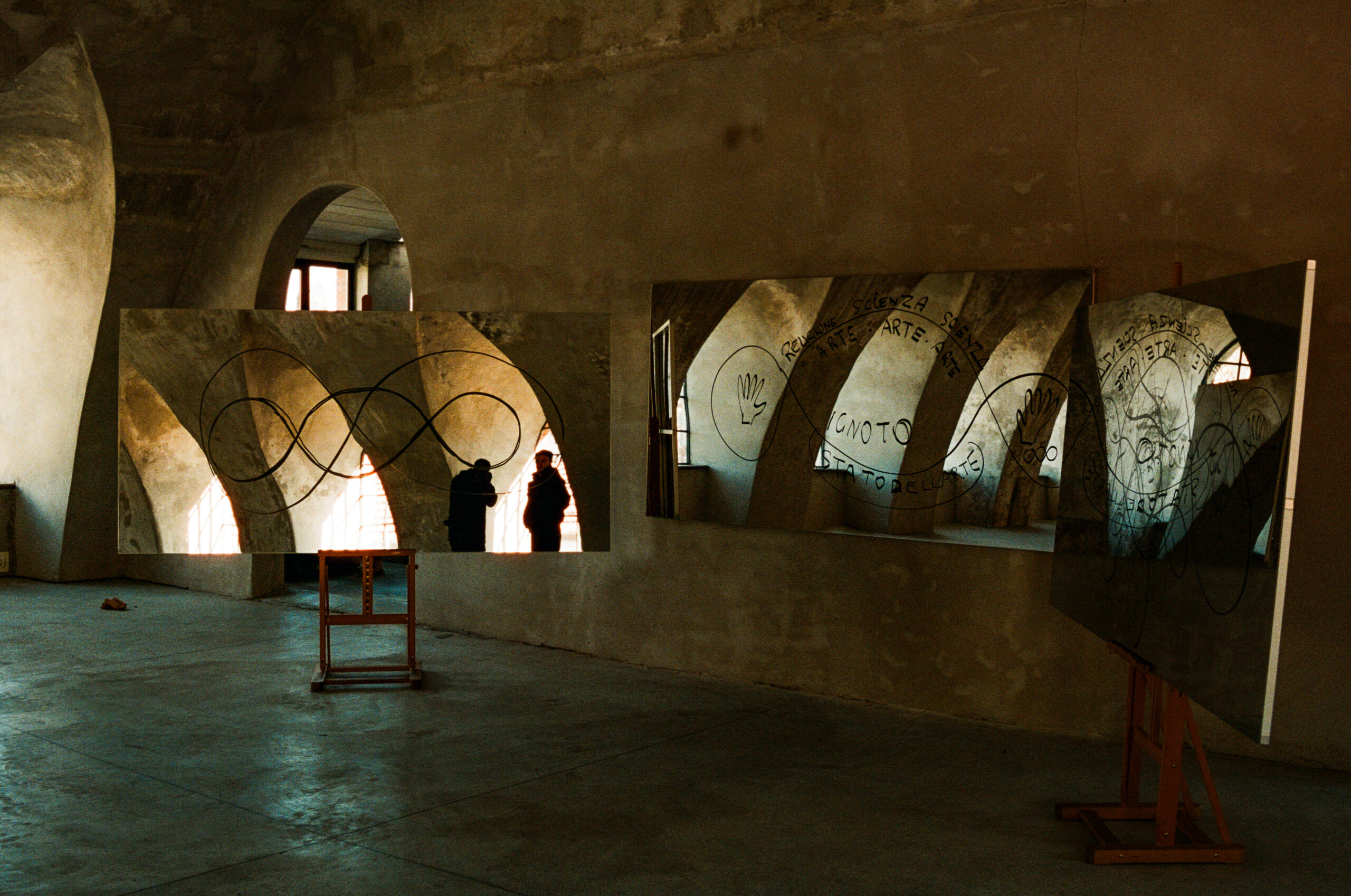
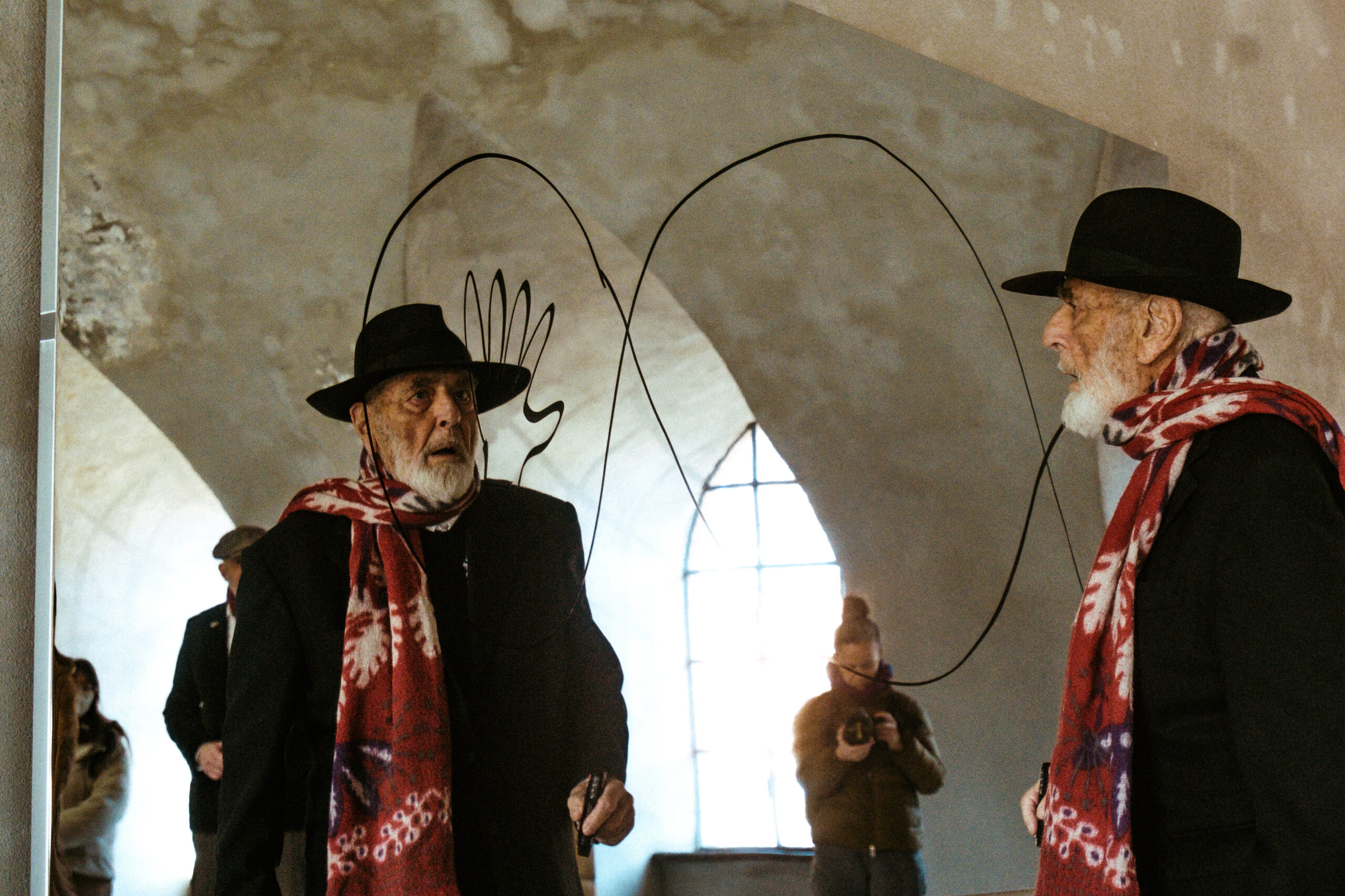
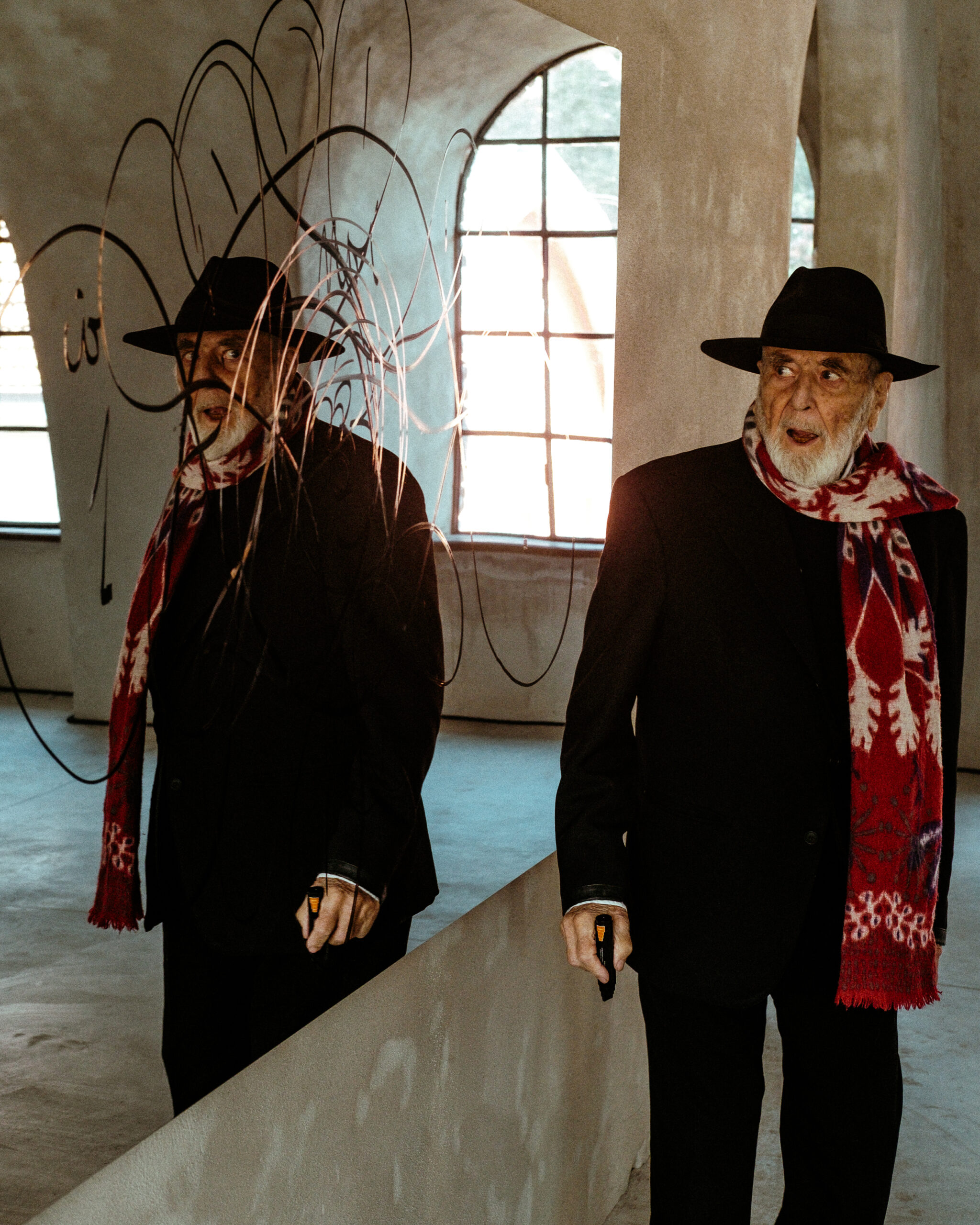
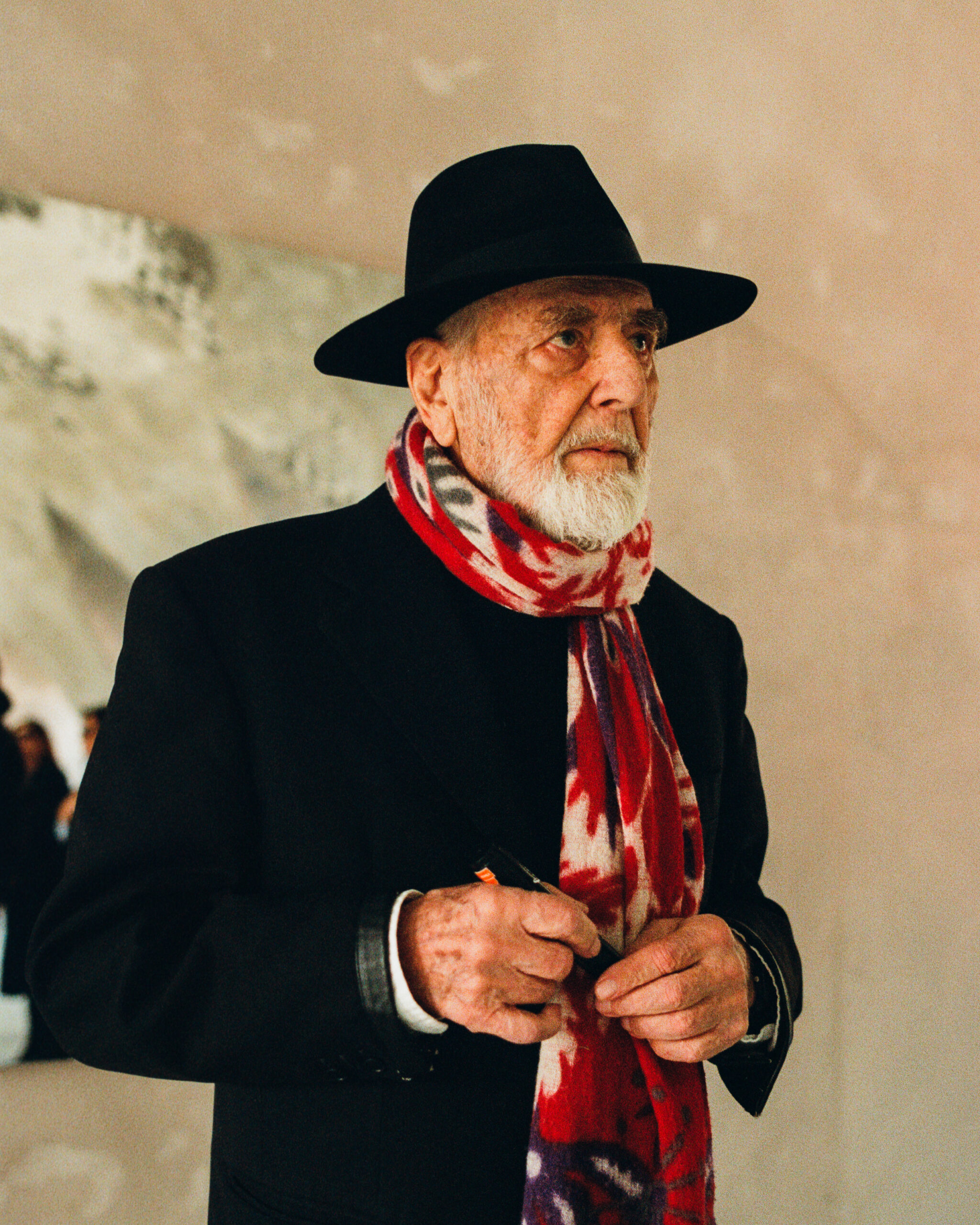
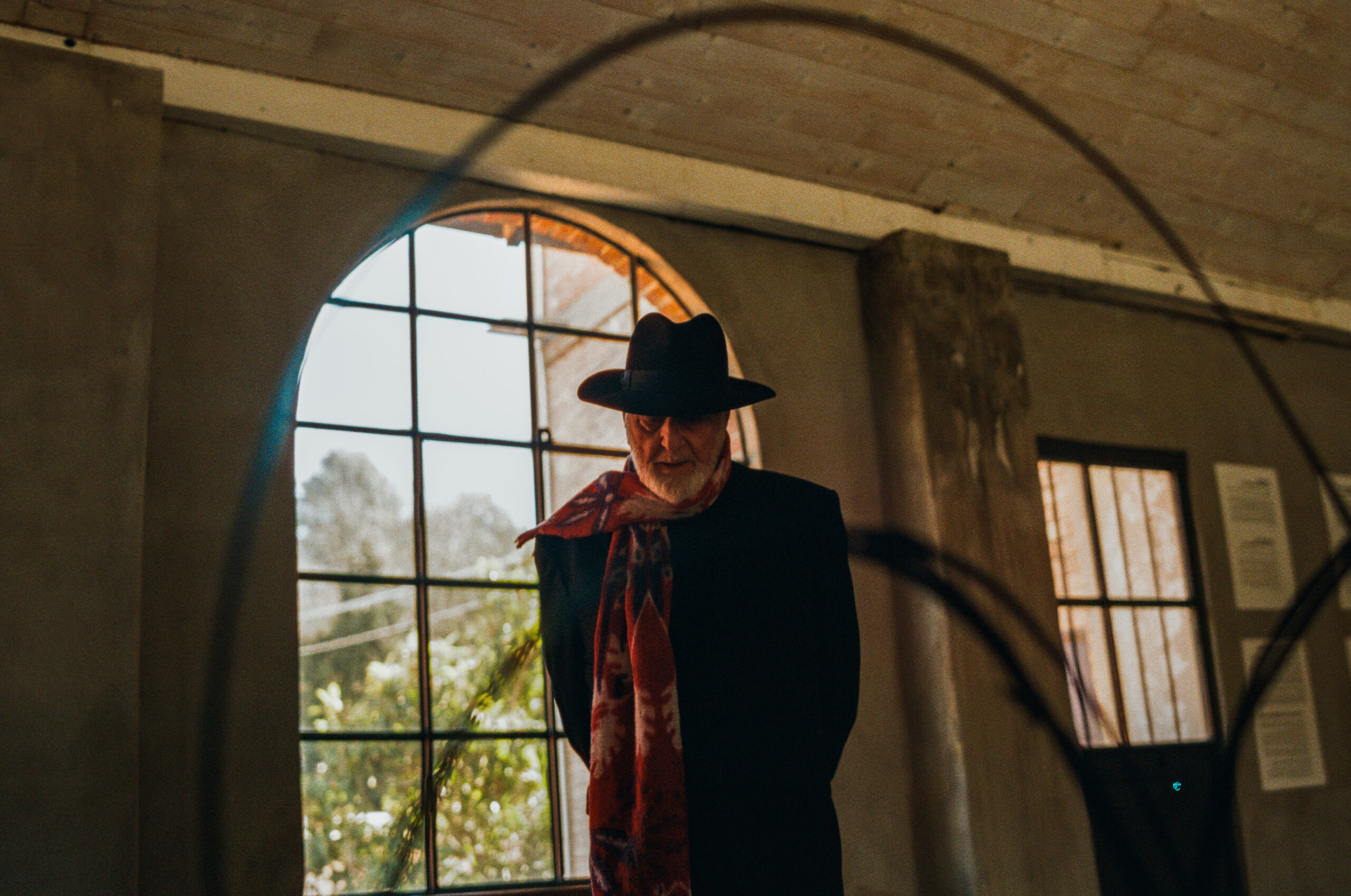
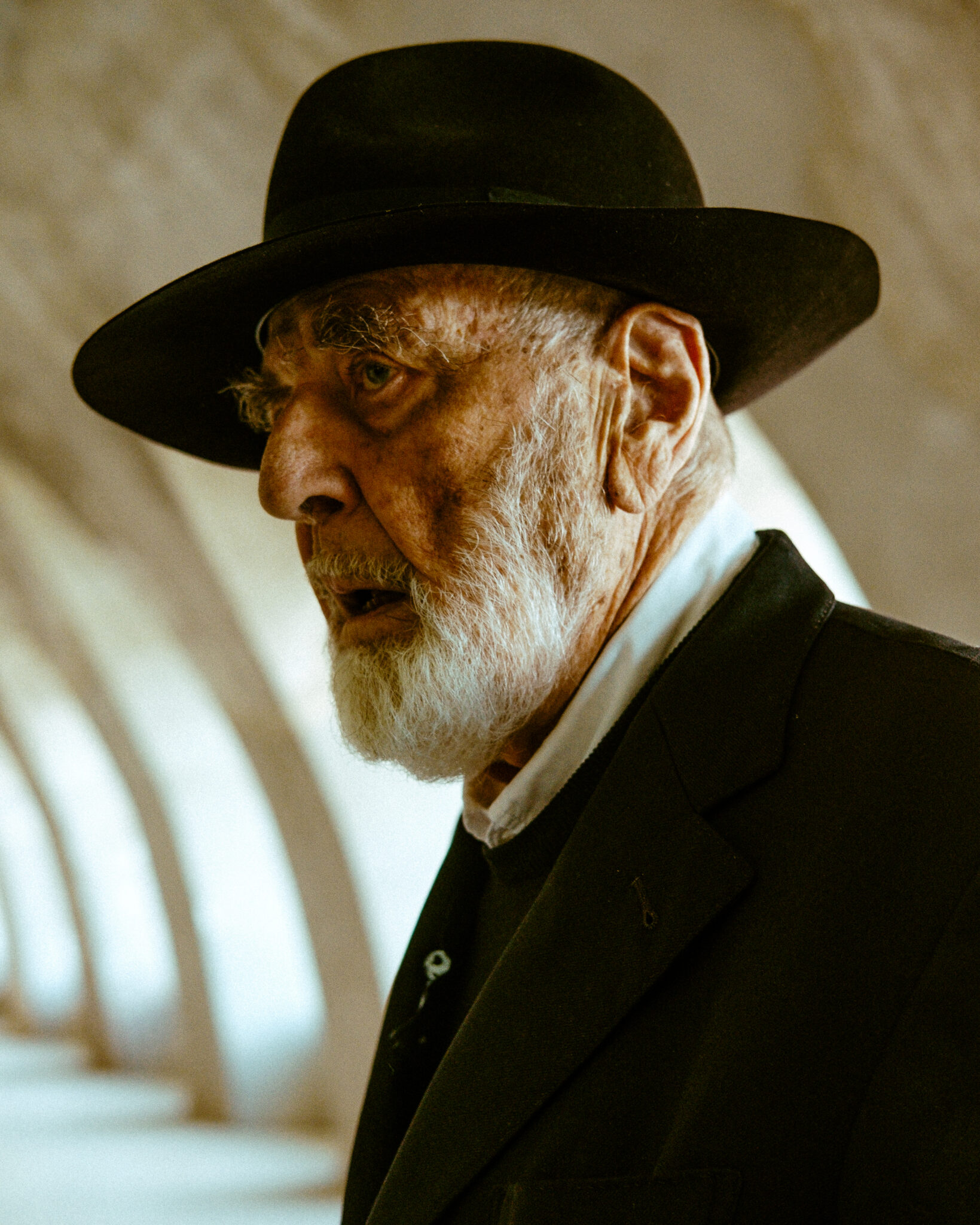
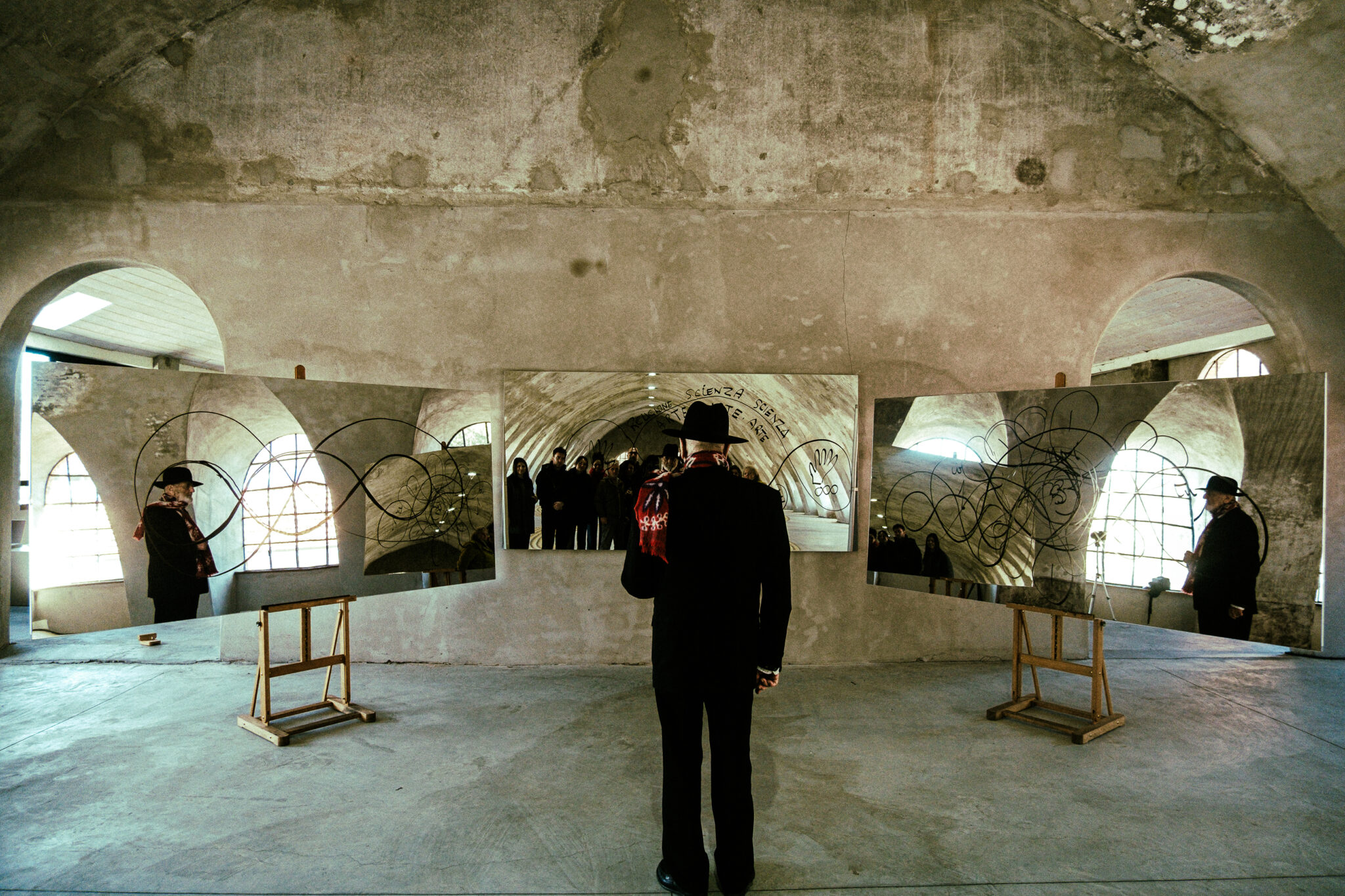
Launching globally on 1 April and broadcast daily at 20:26 (local time), Three Mirrors is a new moving image commission filmed at Cittadellarte in Biella, the foundation Pistoletto established as a space for thinking through art’s role in society. Here, at the age of 92, he returns to the mirror once again, drawing directly onto its surface, not to produce a static image but to set a sequence of ideas in motion.

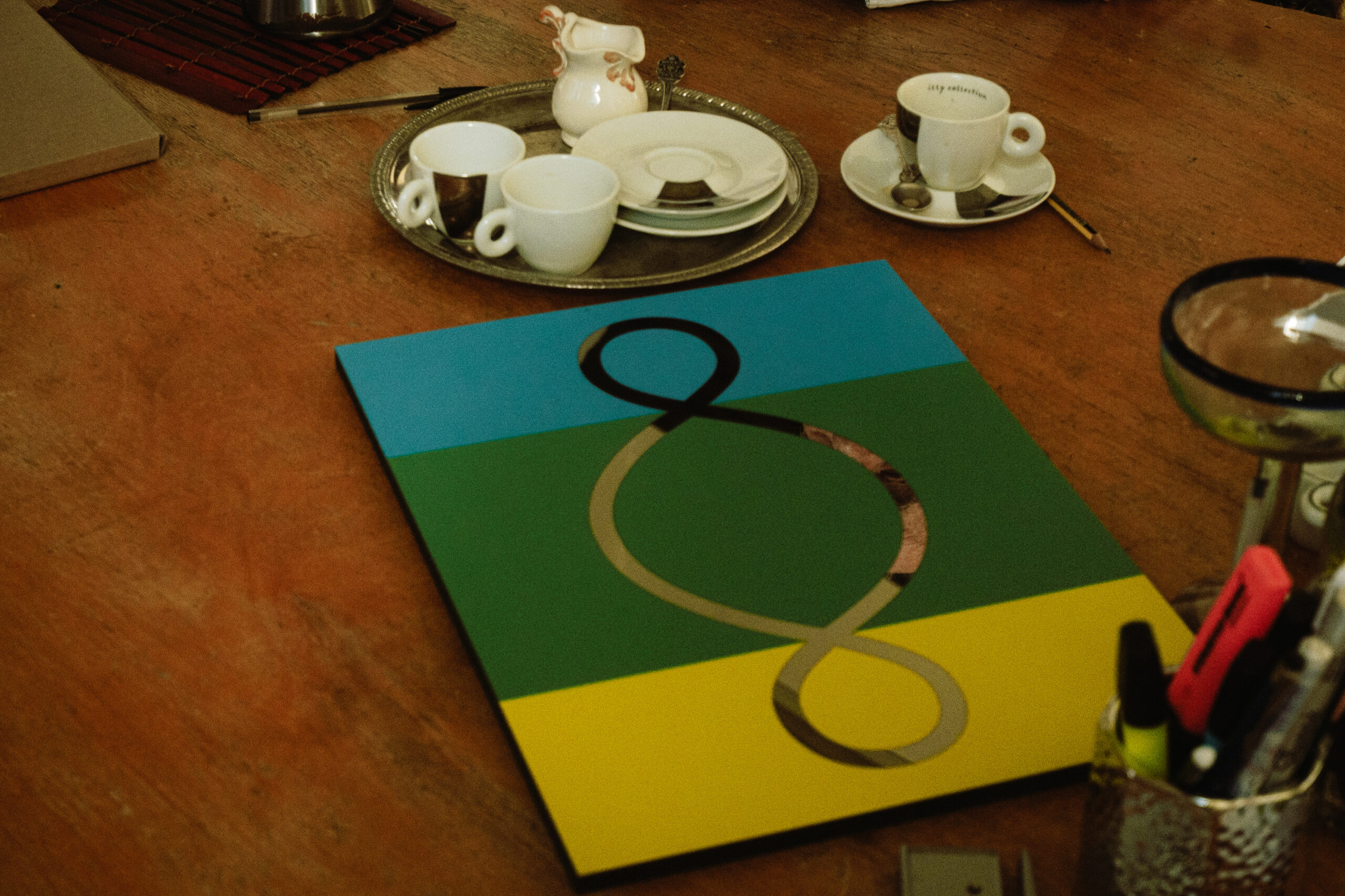
The work unfolds as a triptych: Third Paradise, Formula of Creation and Statodellarte. Each begins with a simple gesture, a mark made on mirrored steel, yet each opens outward into something larger. What emerges is not a narrative in the traditional sense but a progression of thought, moving from symbol to relationship to civic life.

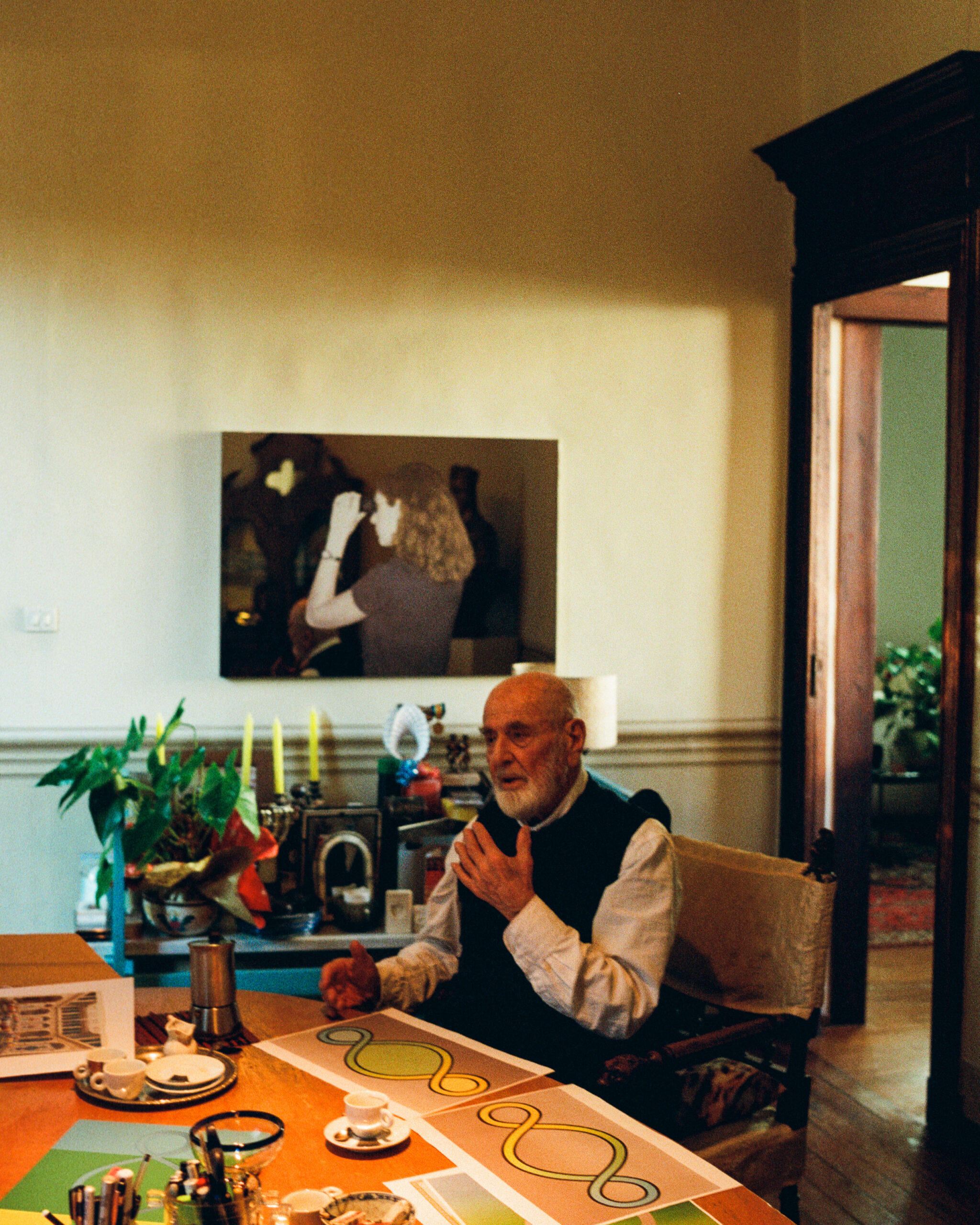
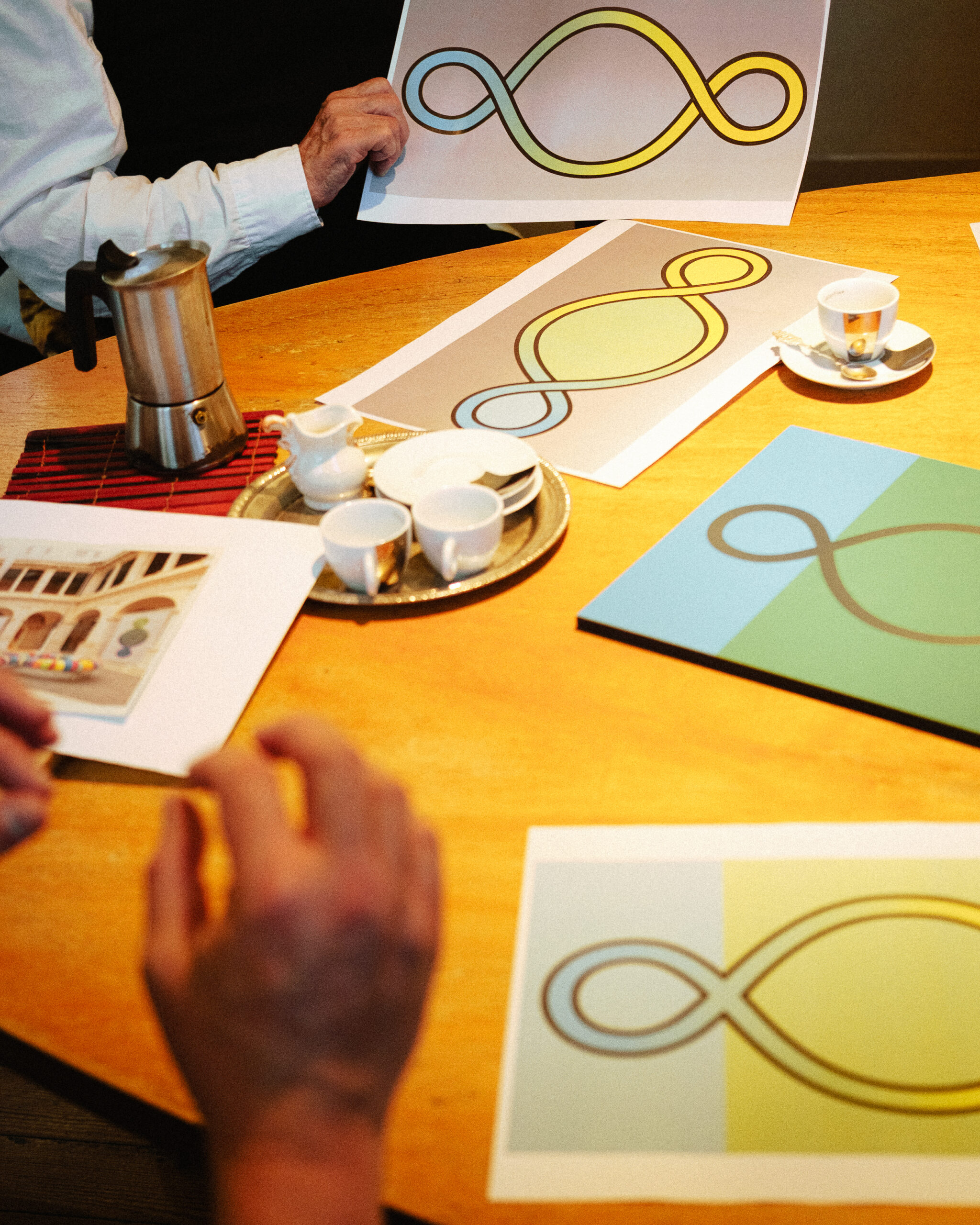
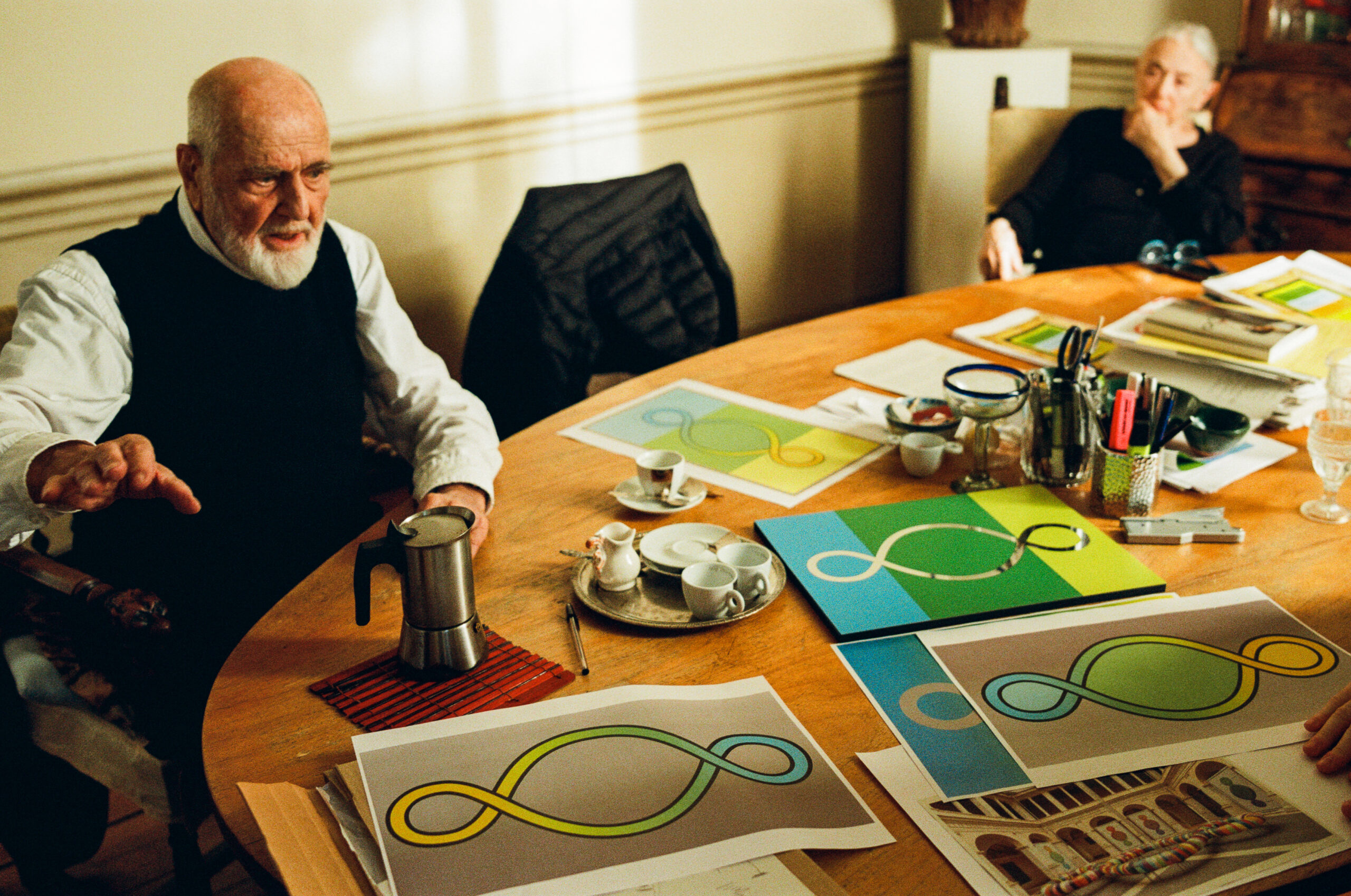
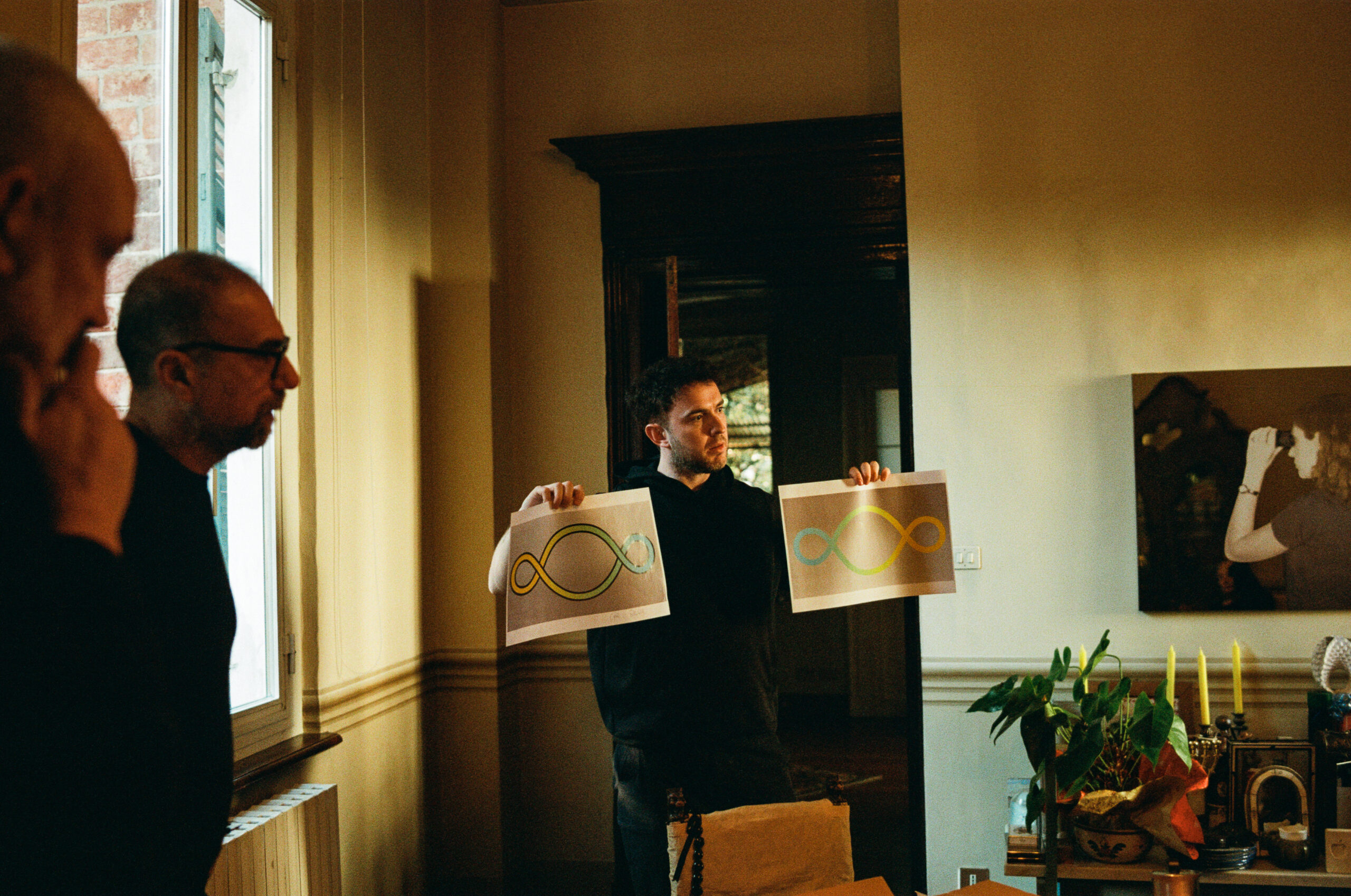
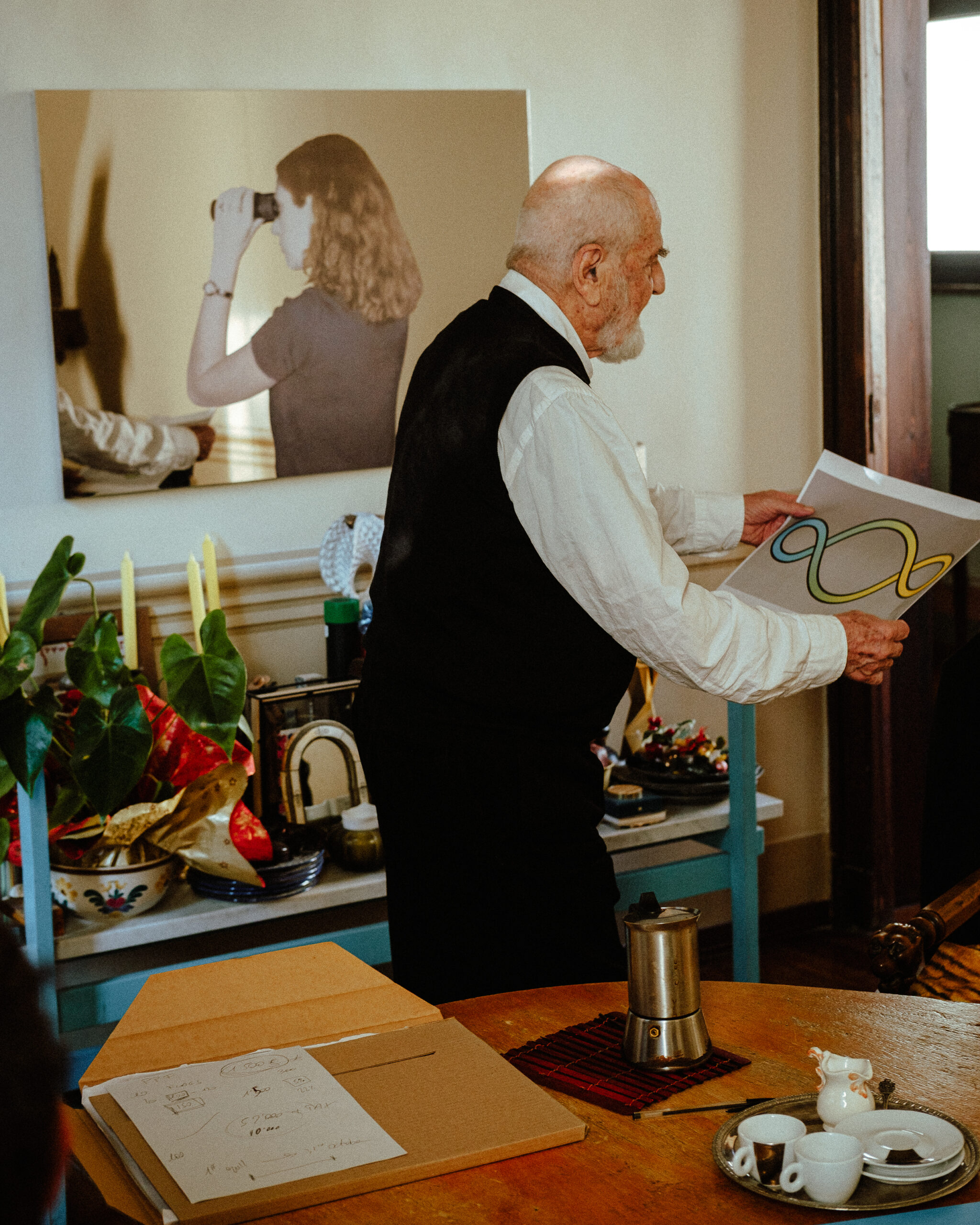
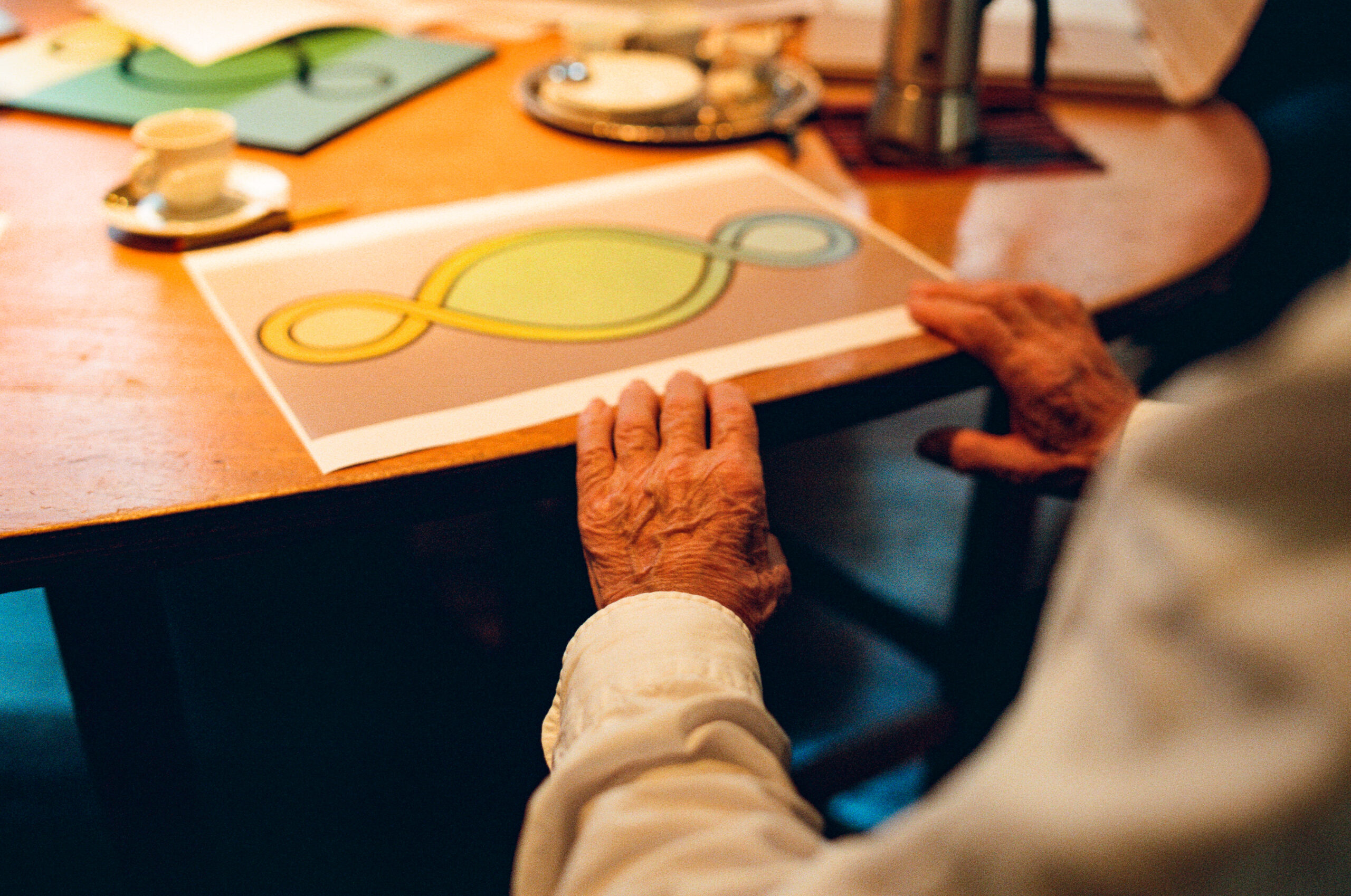
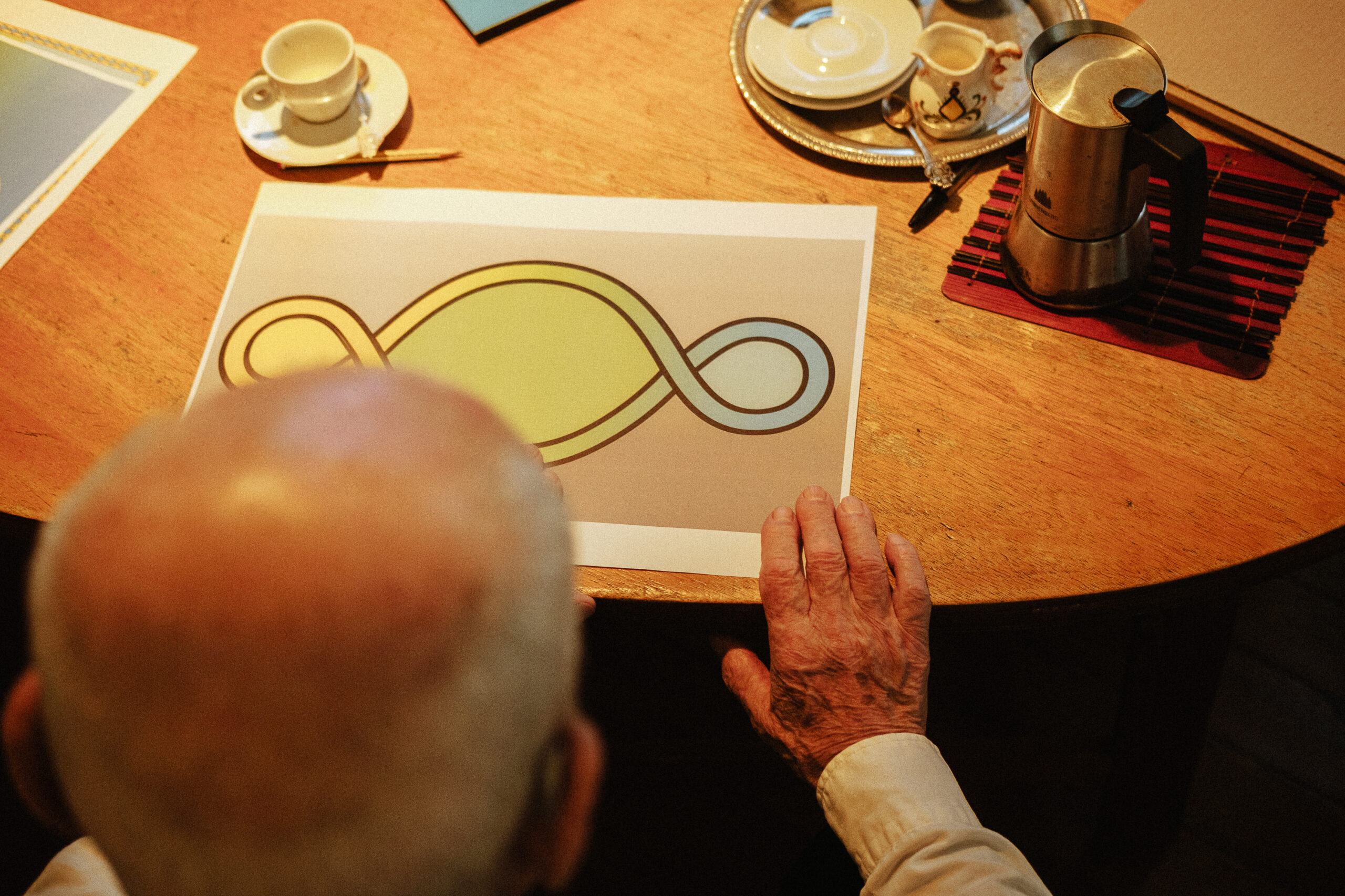
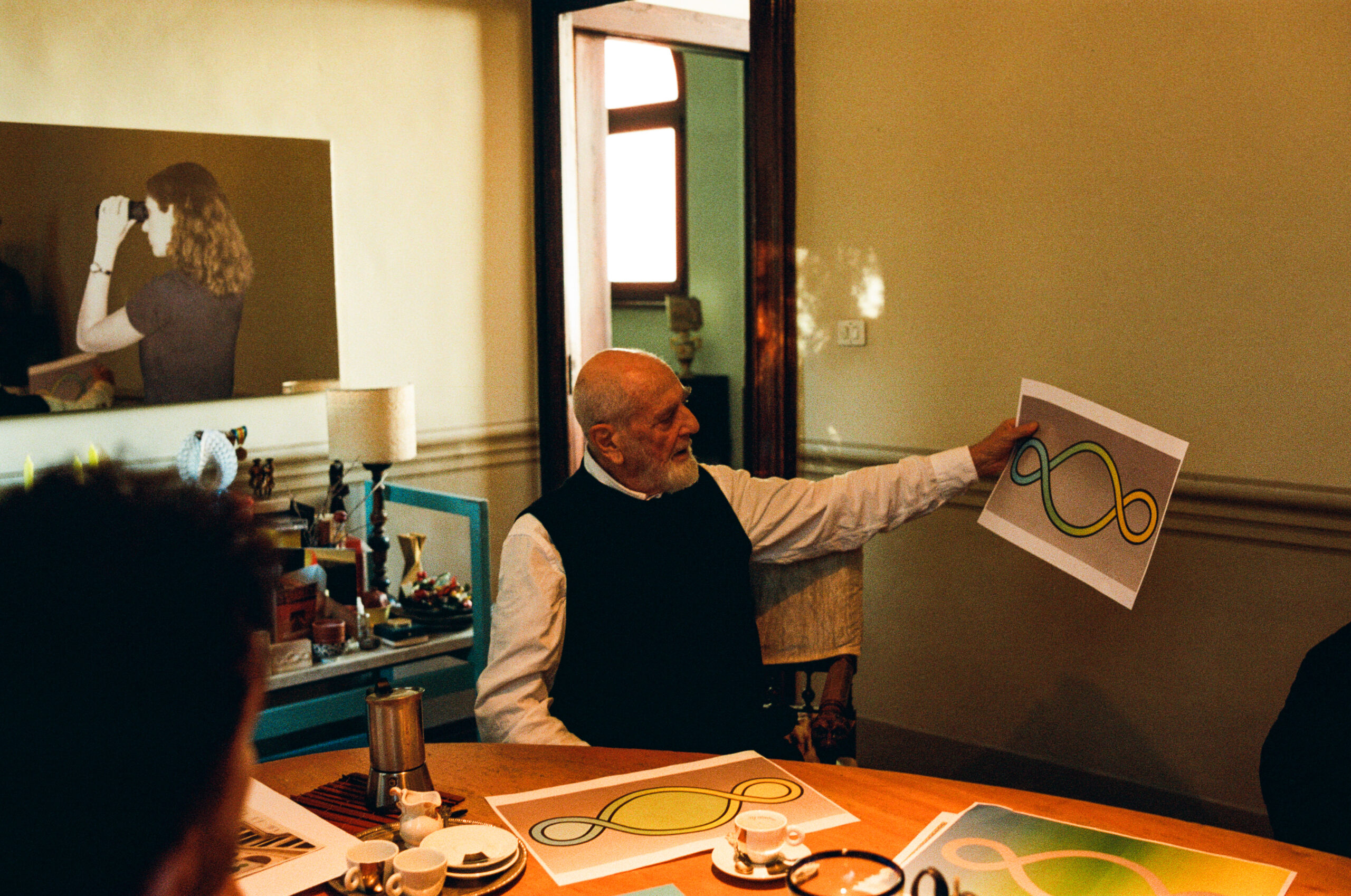
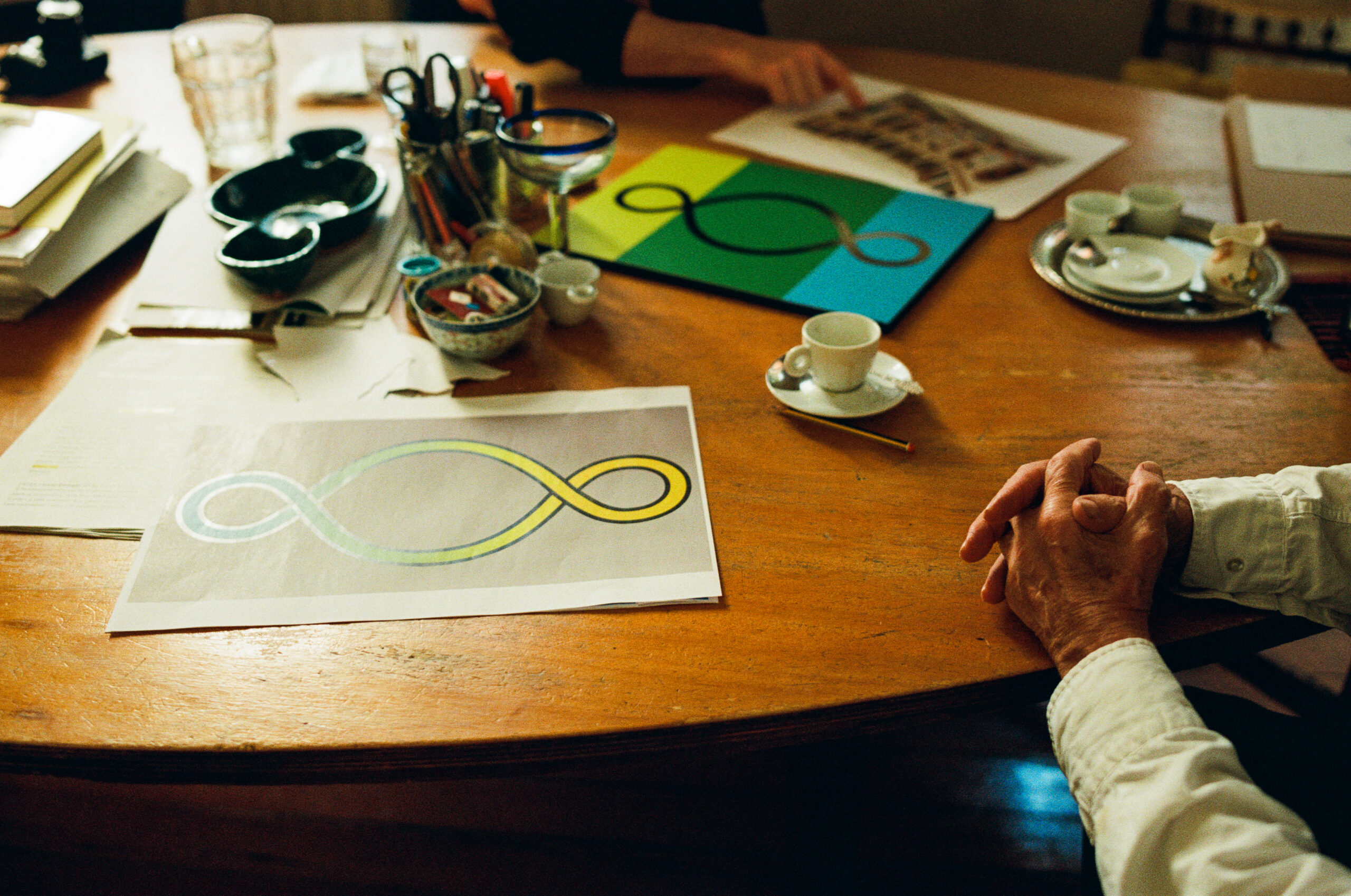
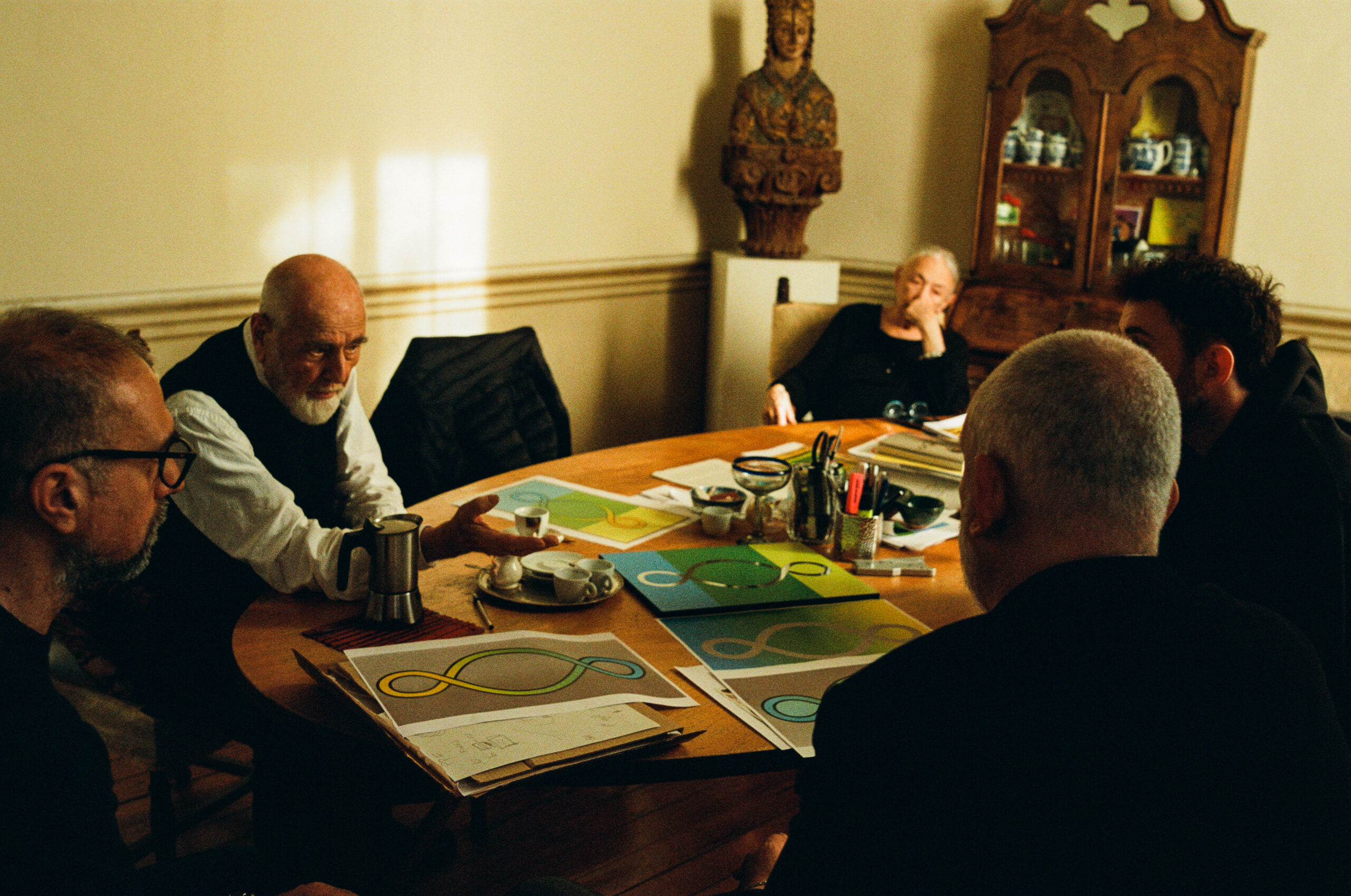
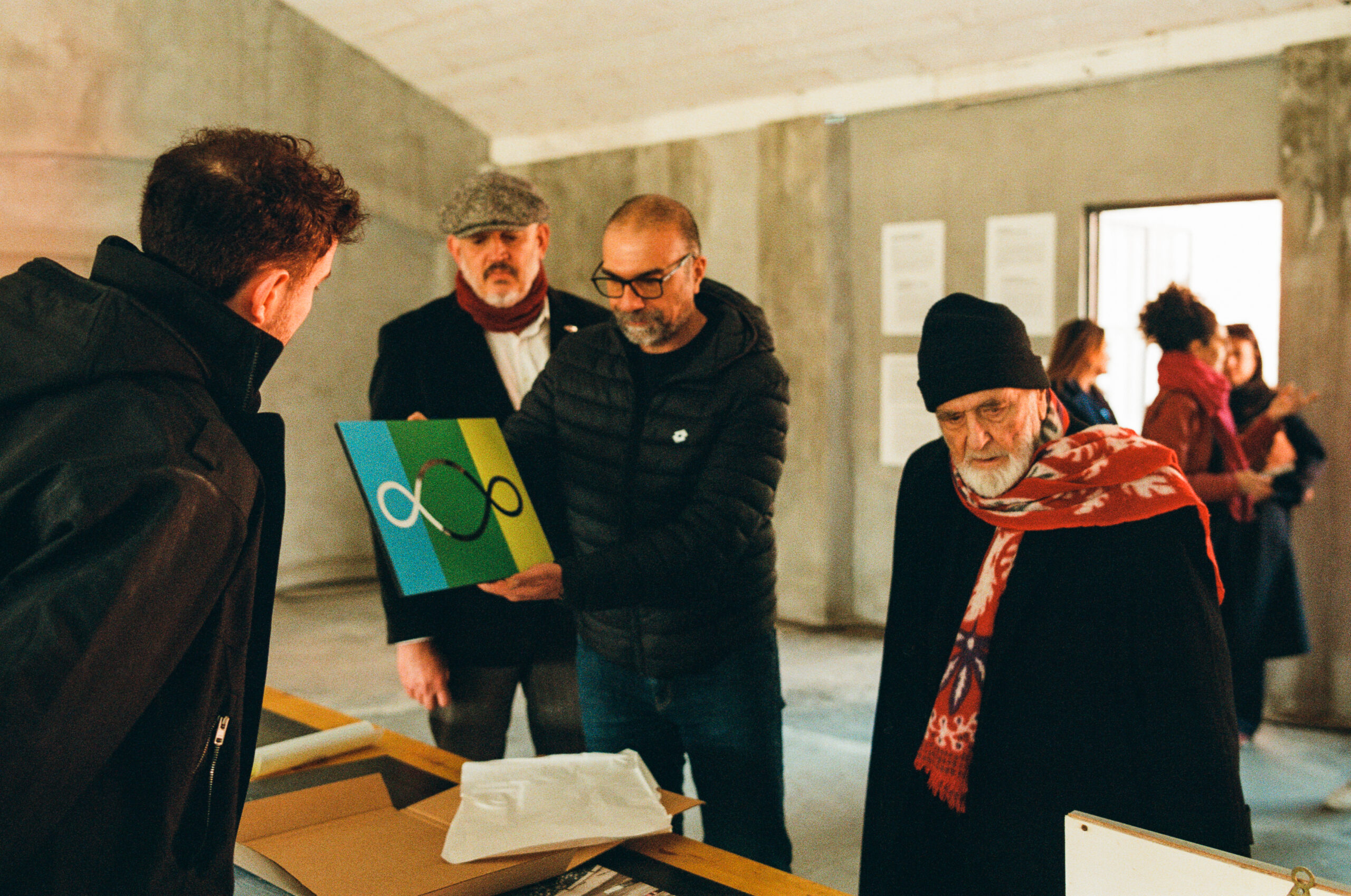
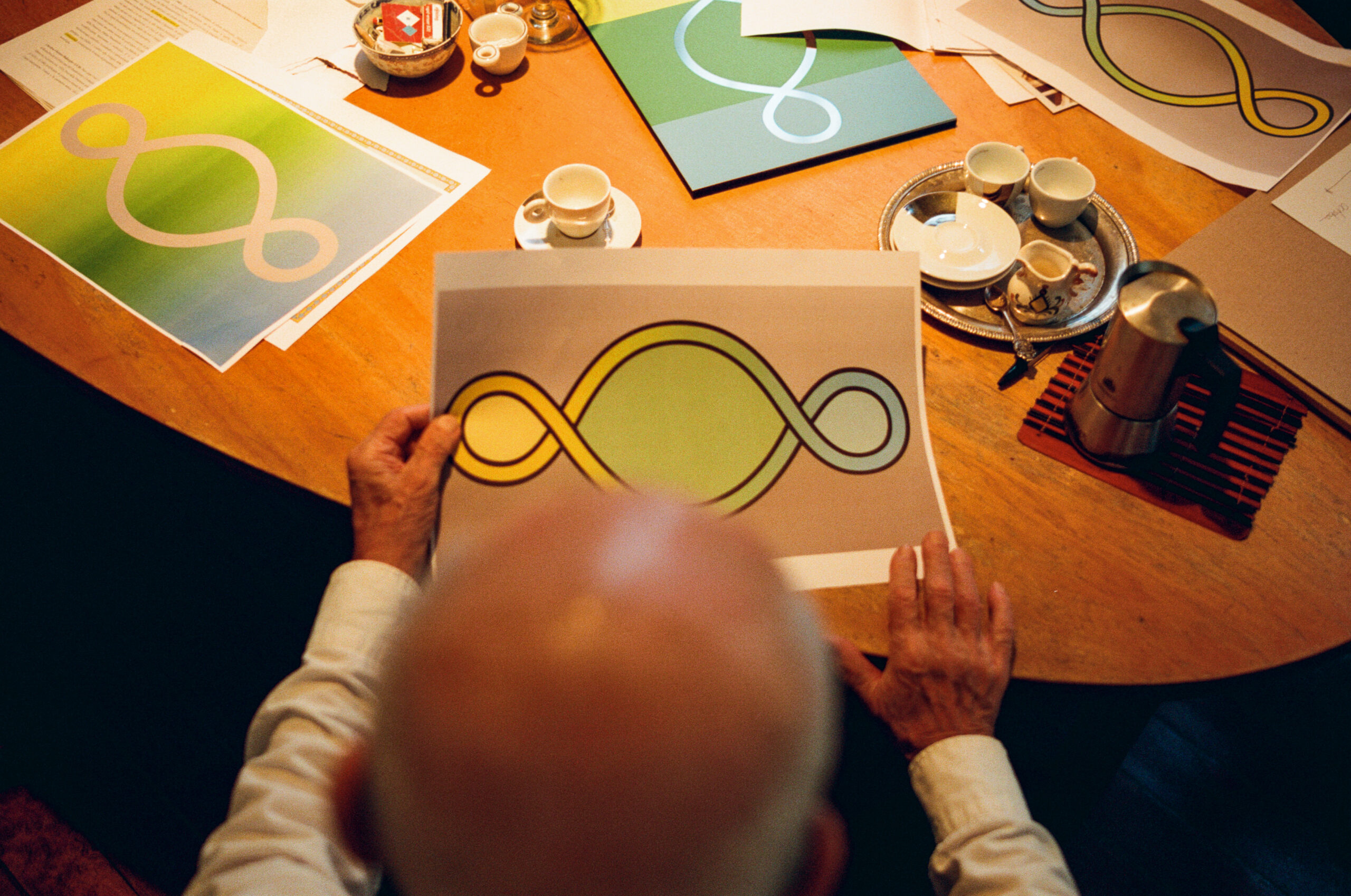
In Third Paradise, the familiar infinity sign is interrupted and reconfigured. A third space appears between two opposing forces, suggesting not conflict but the possibility of balance. In Formula of Creation, this idea becomes relational: 1+1=3, where the meeting of “I” and “You” produces “We.” By the time we arrive at Statodellarte, the logic has shifted into the public sphere, where creativity is no longer an individual act but a shared condition, inseparable from responsibility.

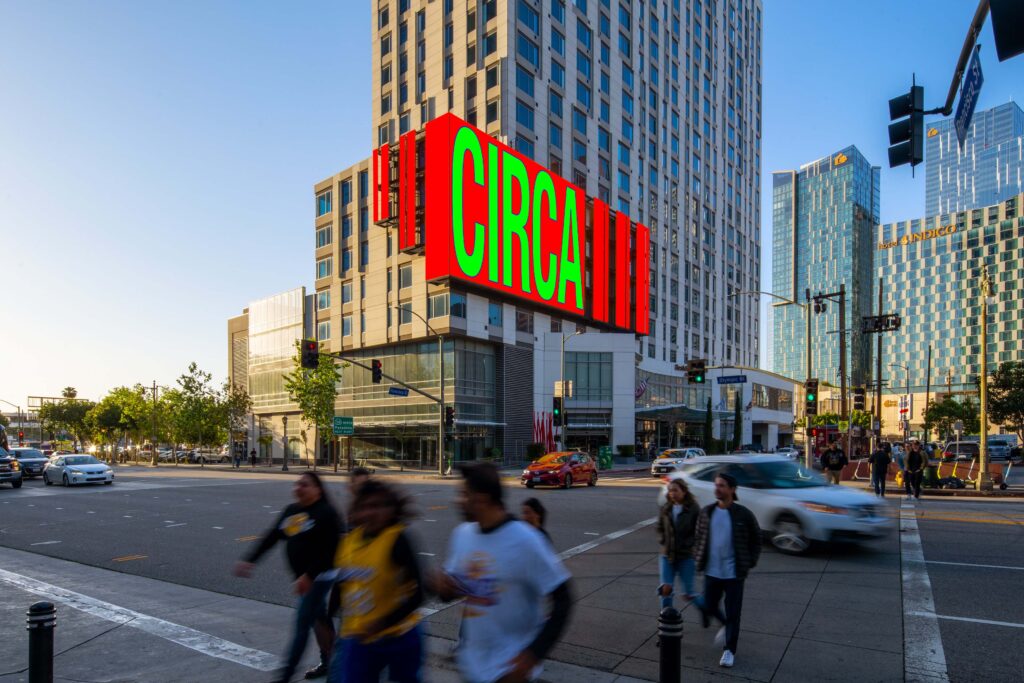
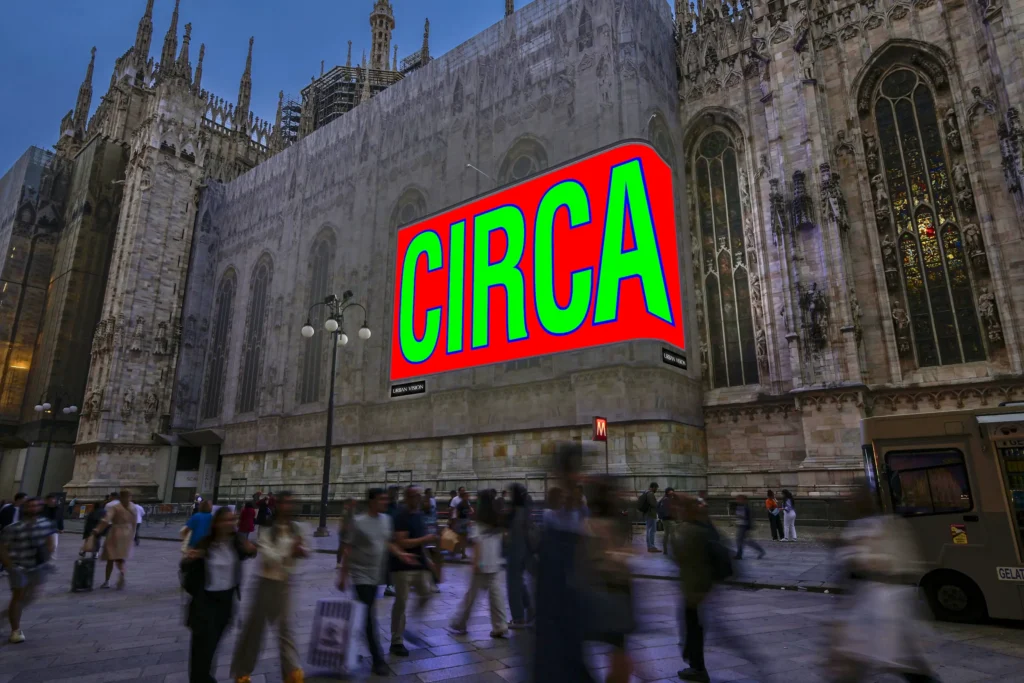
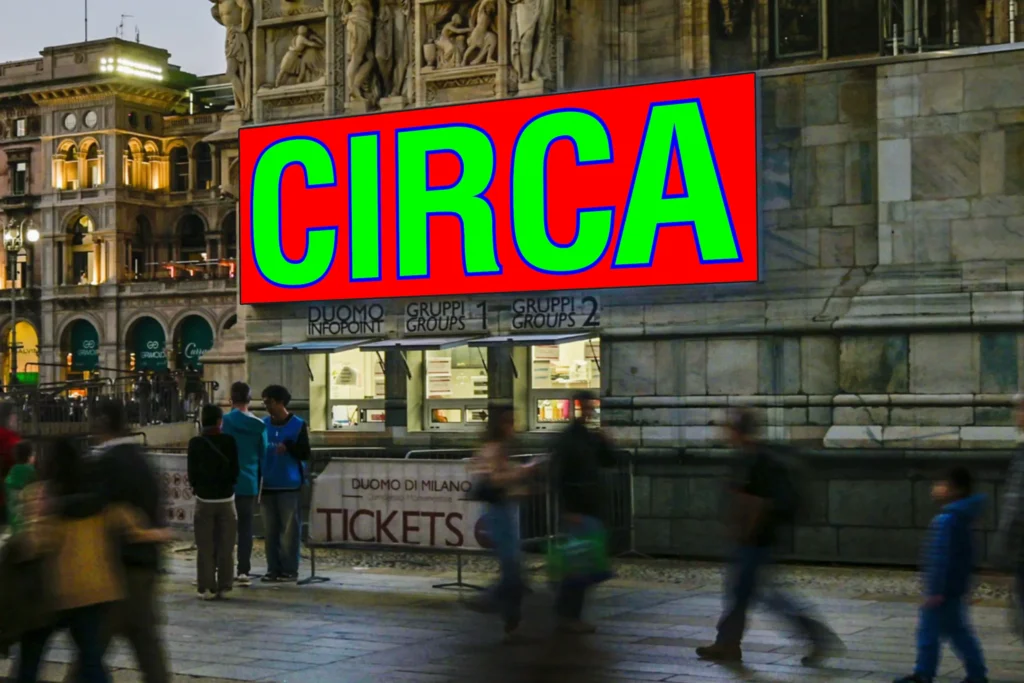
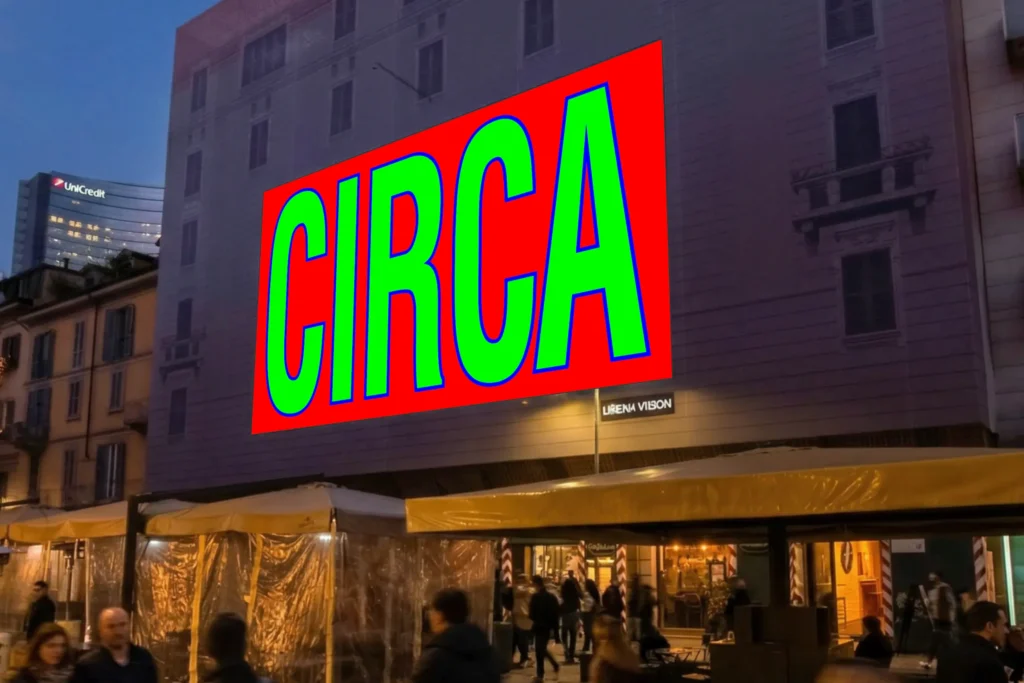
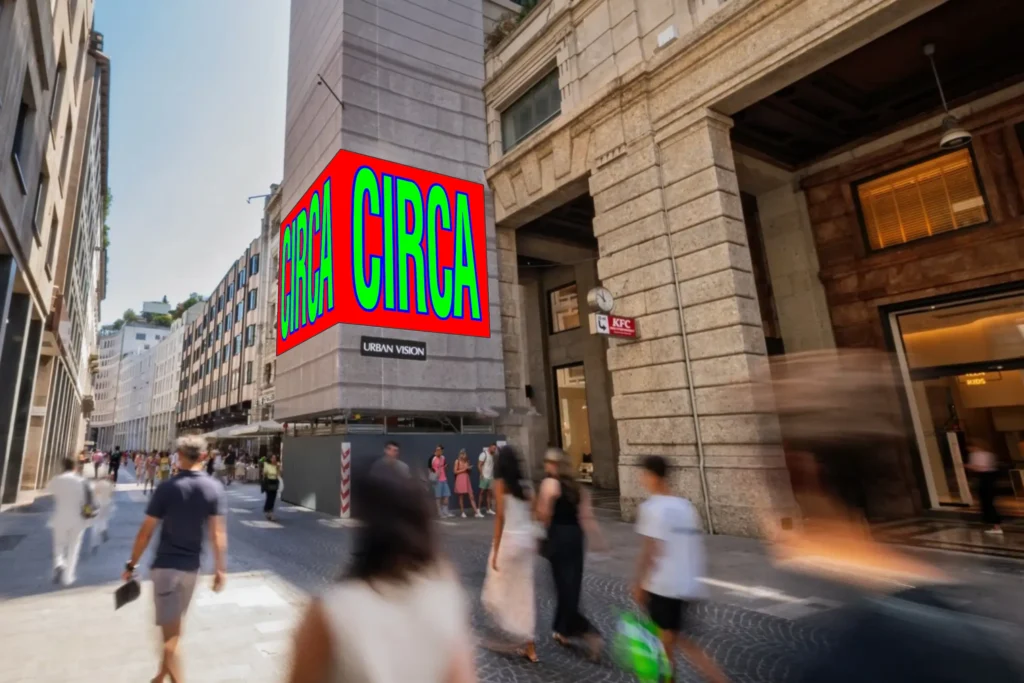
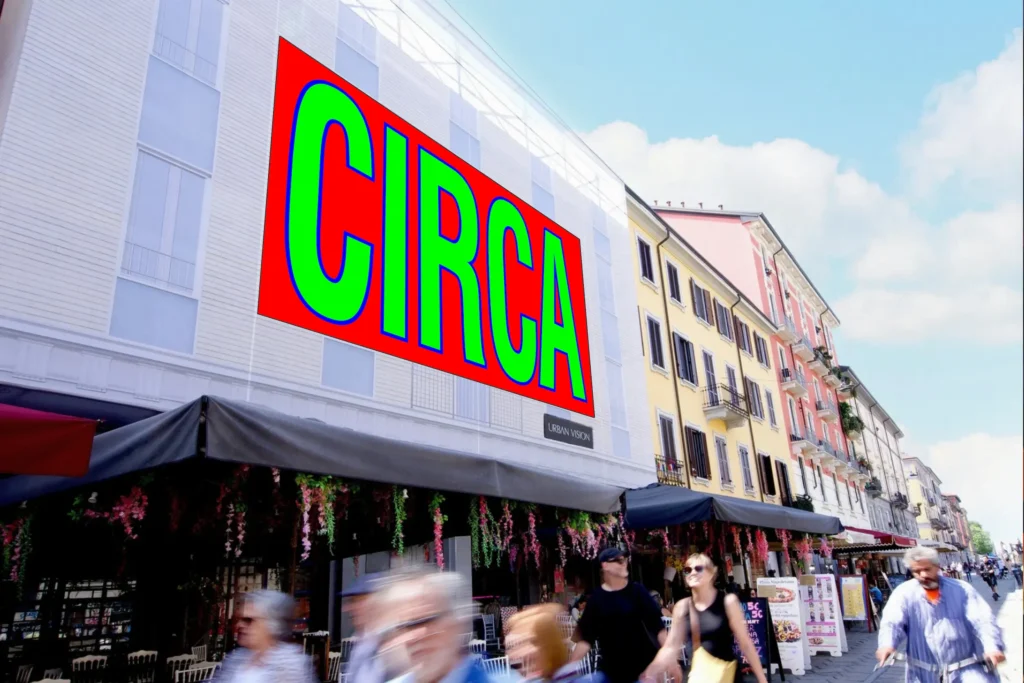
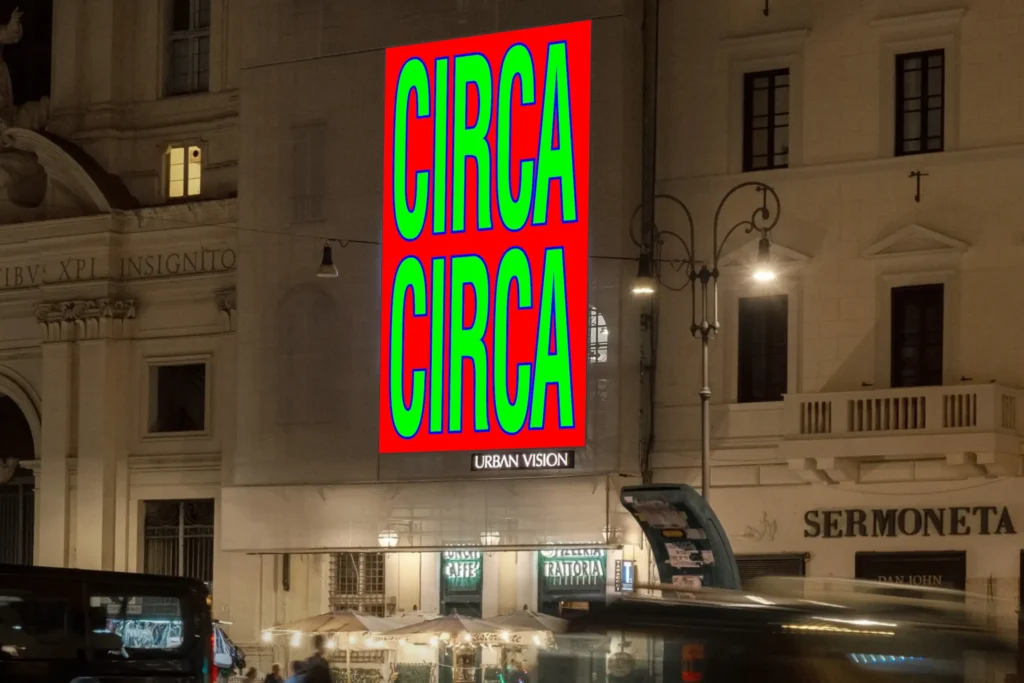
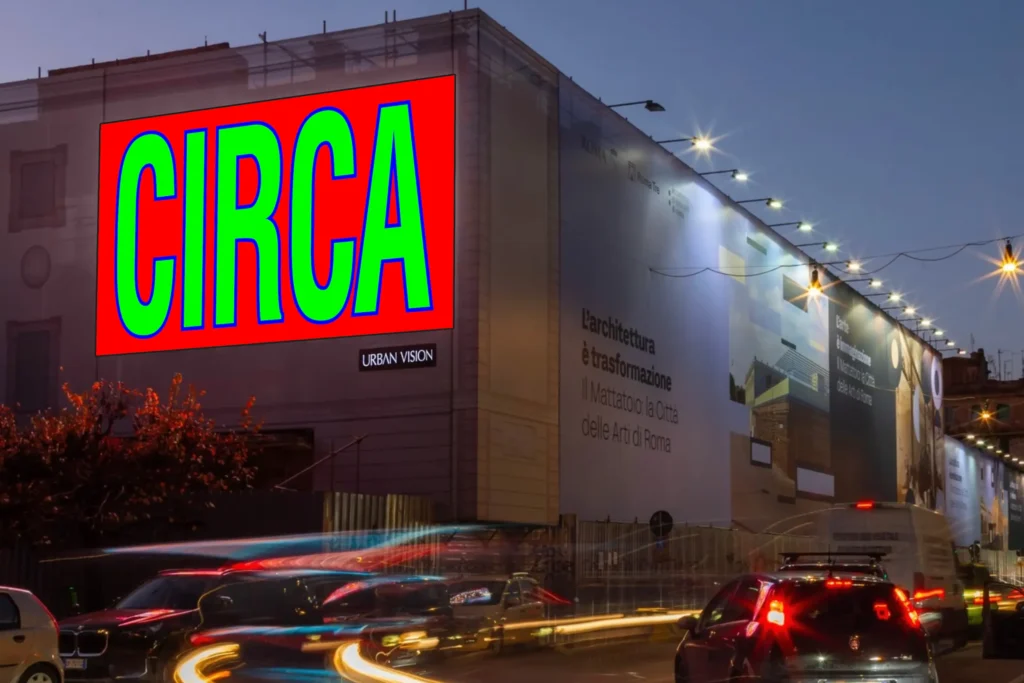
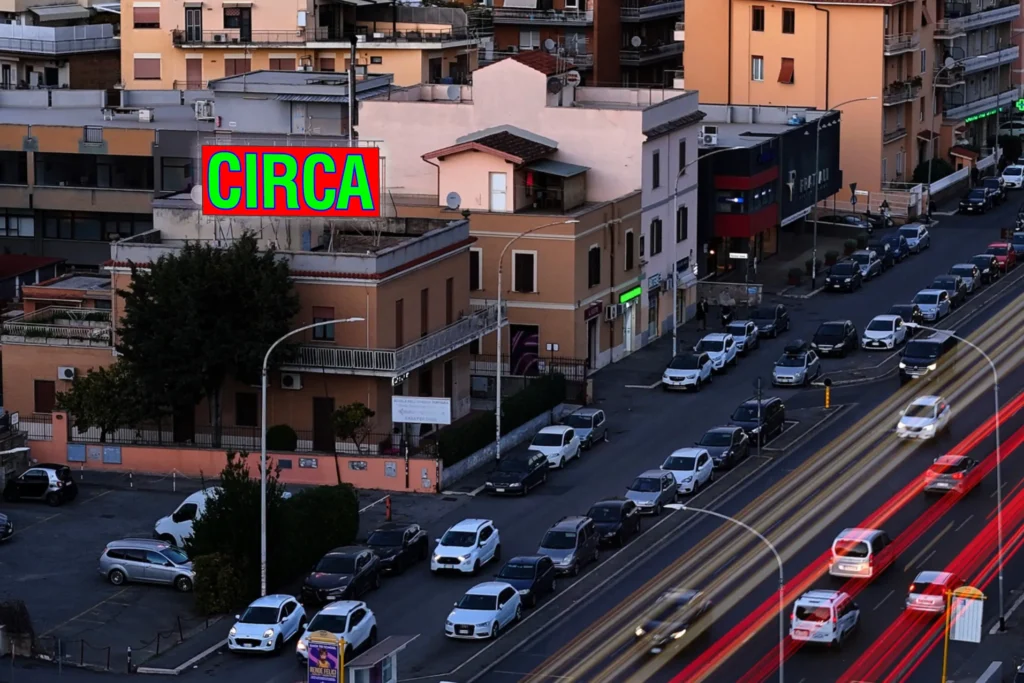
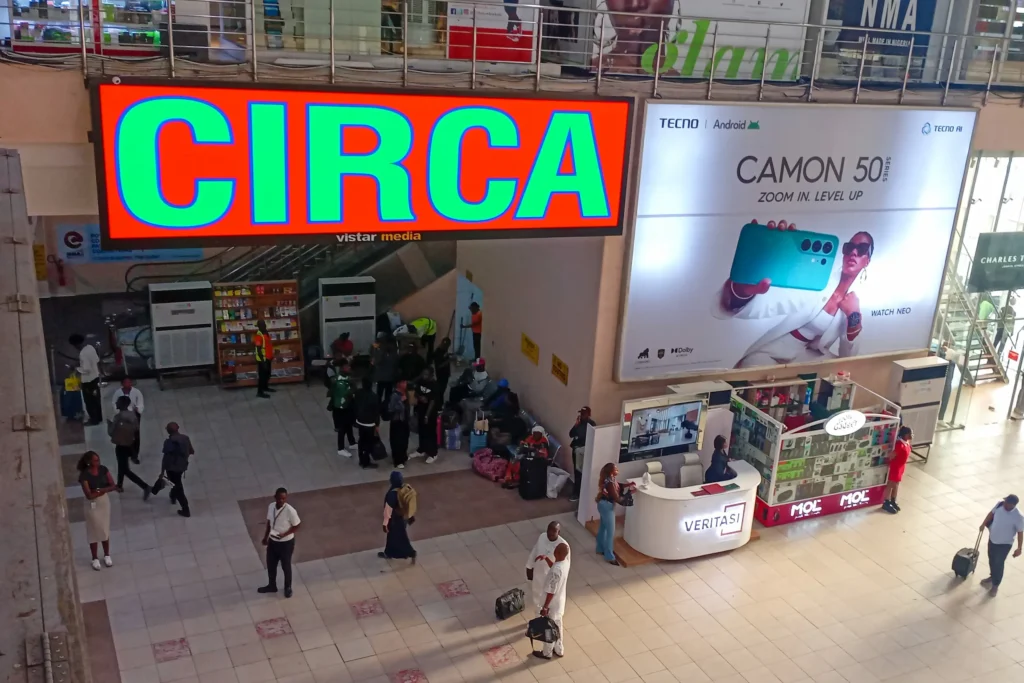
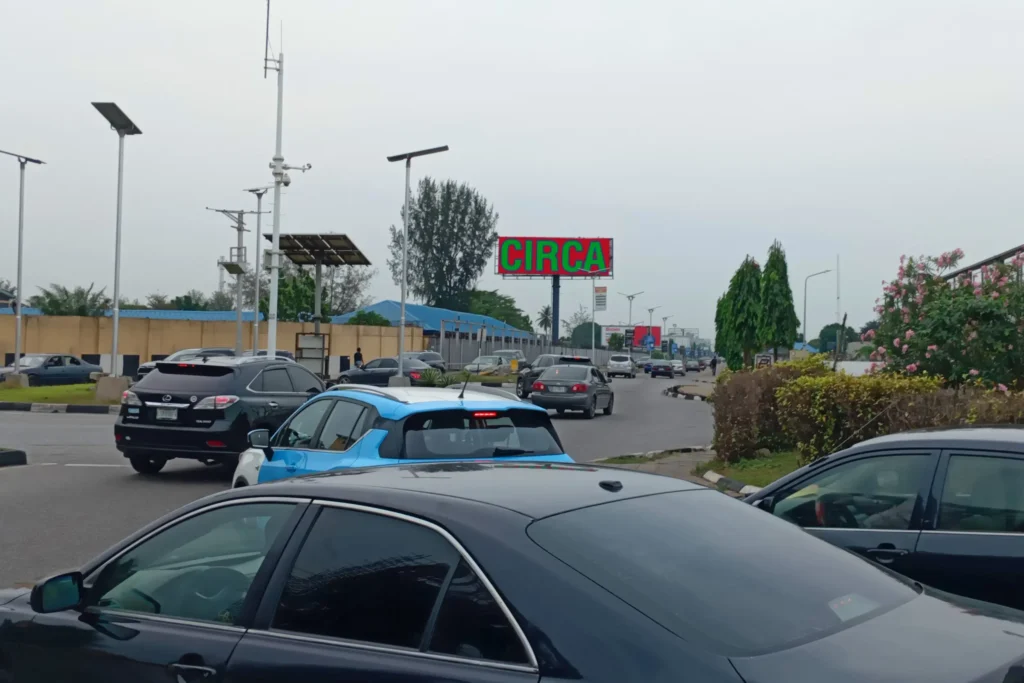
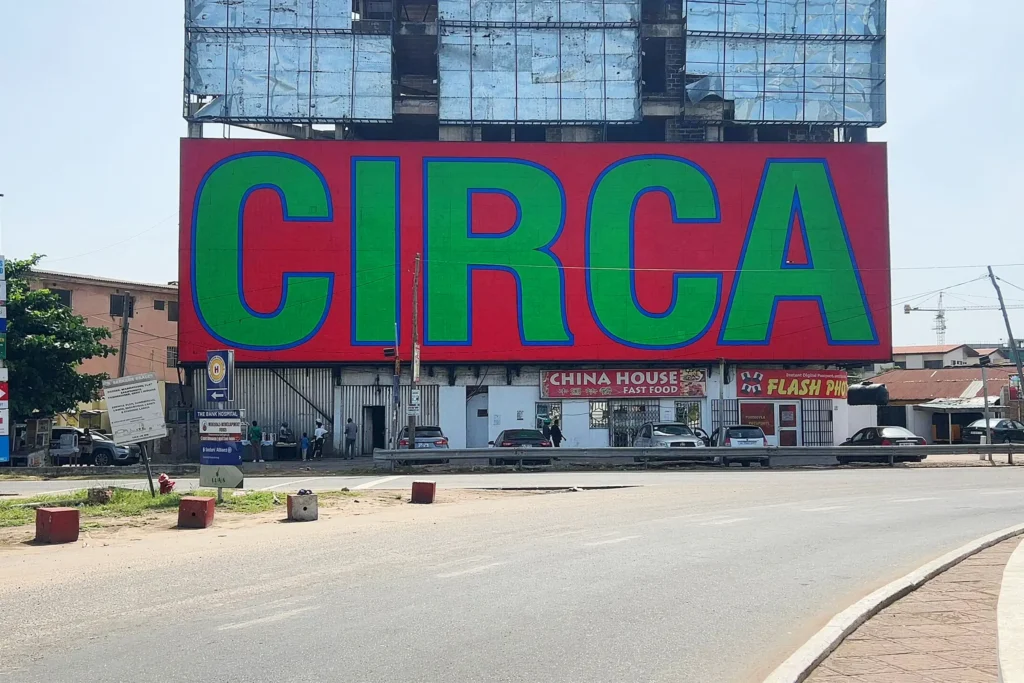
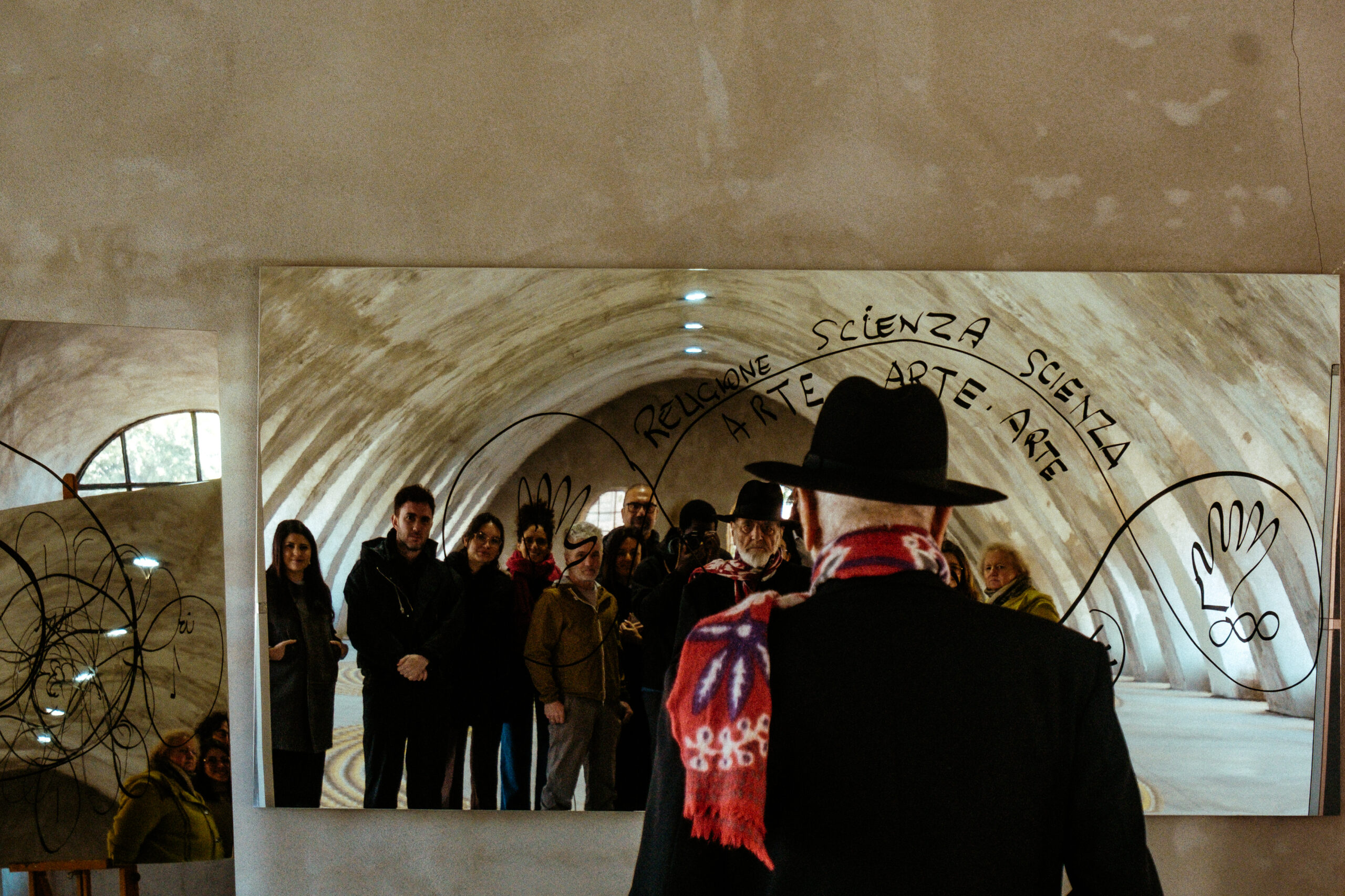
Presented across some of the world’s most visible public screens, these works do not ask to be contemplated from a distance. They meet viewers where they already are, in the flow of the city, folding art into the rhythms of everyday life. The mirror reflects not only the image but the moment itself, drawing in passing bodies, changing light, and the quiet accumulation of time. Each broadcast becomes slightly different, shaped by the place in which it appears and the people who encounter it.

First conceived in 2003, The Third Paradise was Pistoletto’s proposal for a new equilibrium between nature and artificiality, a way of thinking about the future as something collectively constructed rather than passively received. In Three Mirrors, that proposition feels newly urgent. The work does not look back. It insists on the present, and on what might still be made within it.

As Pistoletto writes, the image is no longer closed within the artwork. It opens itself to reality. Here, that opening becomes shared. The city enters the work, and the work, in turn, asks something of the city: attention, participation, and a recognition that peace, like art, is not given but produced.

Films

INTERVIEW

In Conversation: Josef O’Connor with Michelangelo Pistoletto
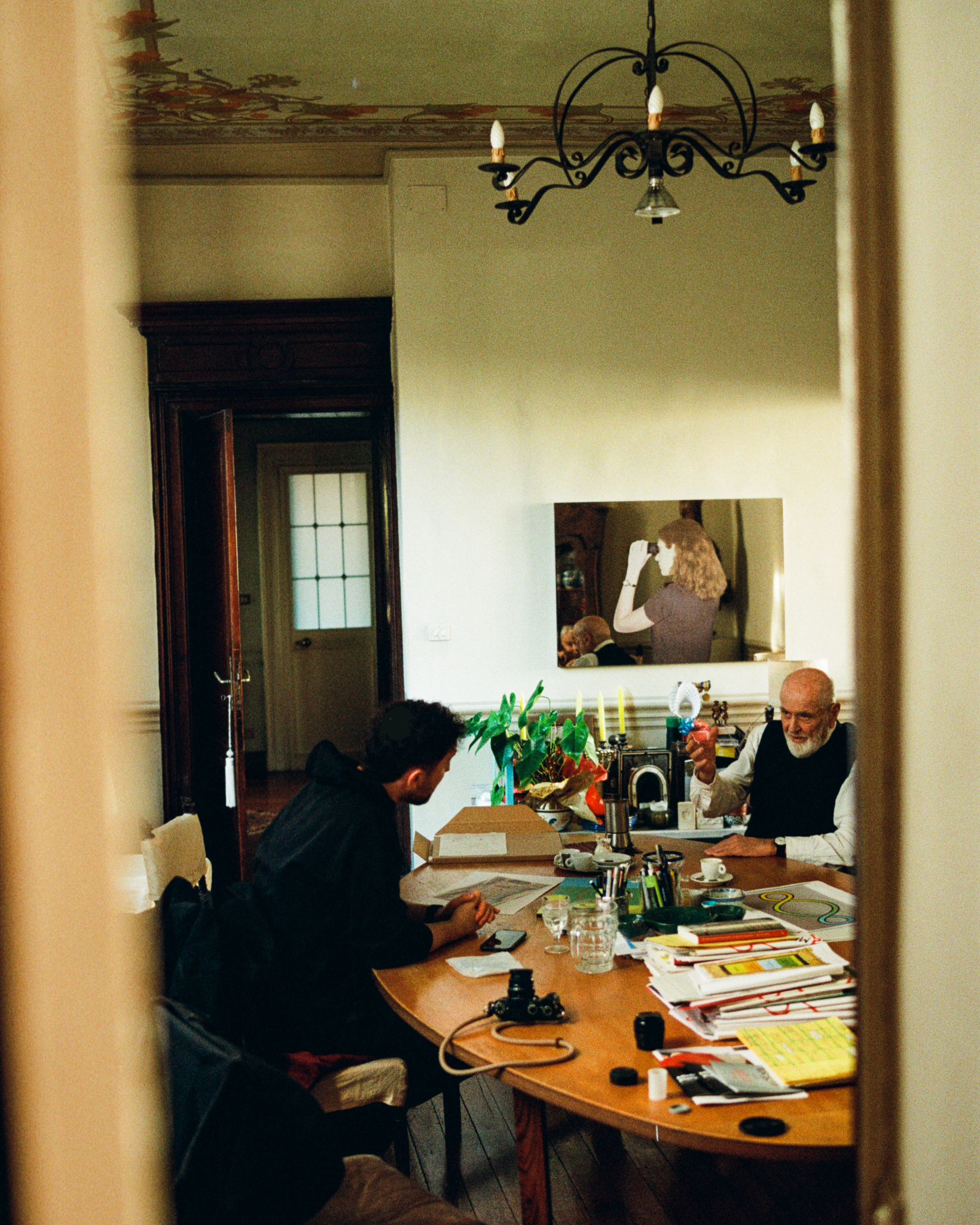
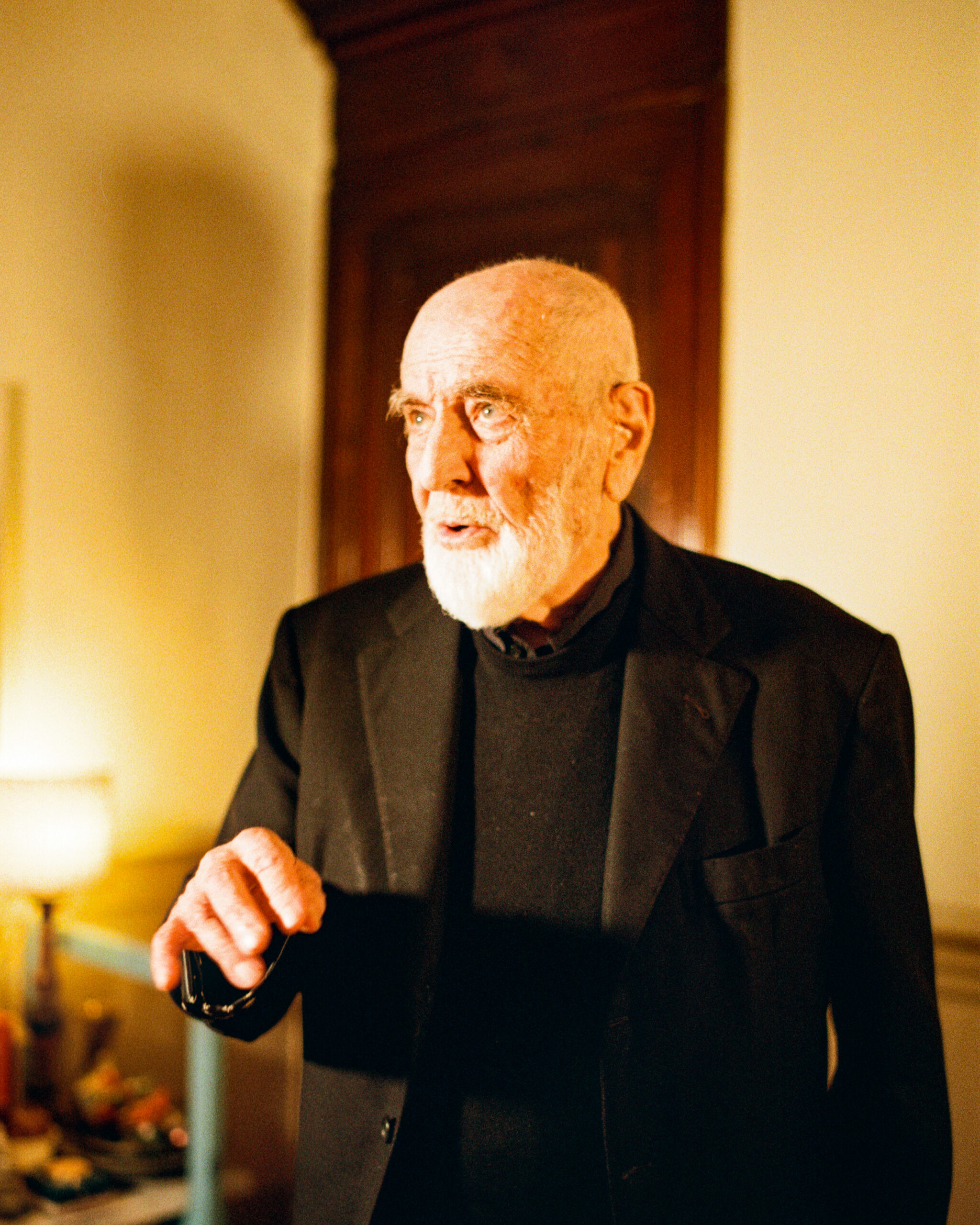
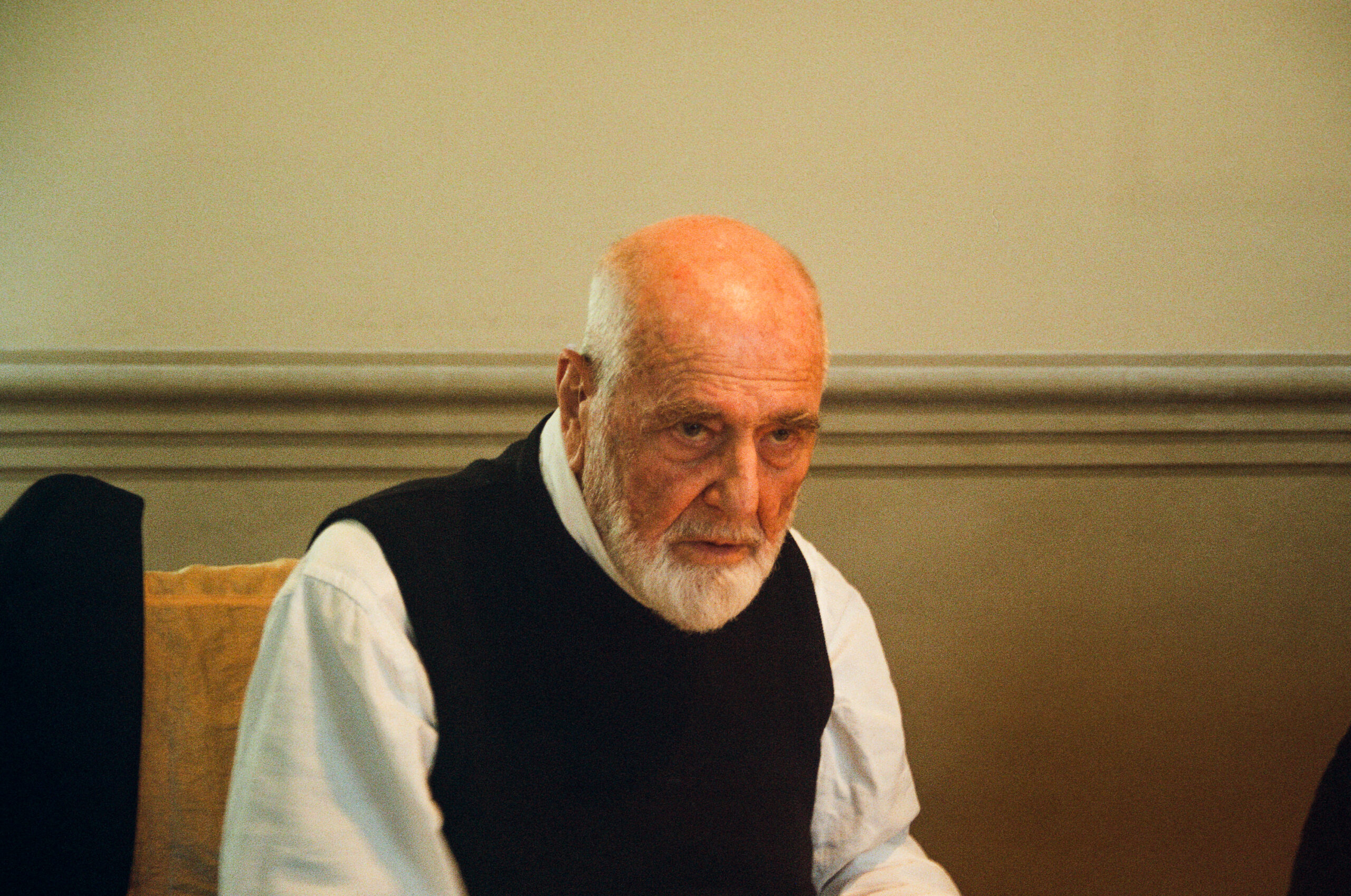
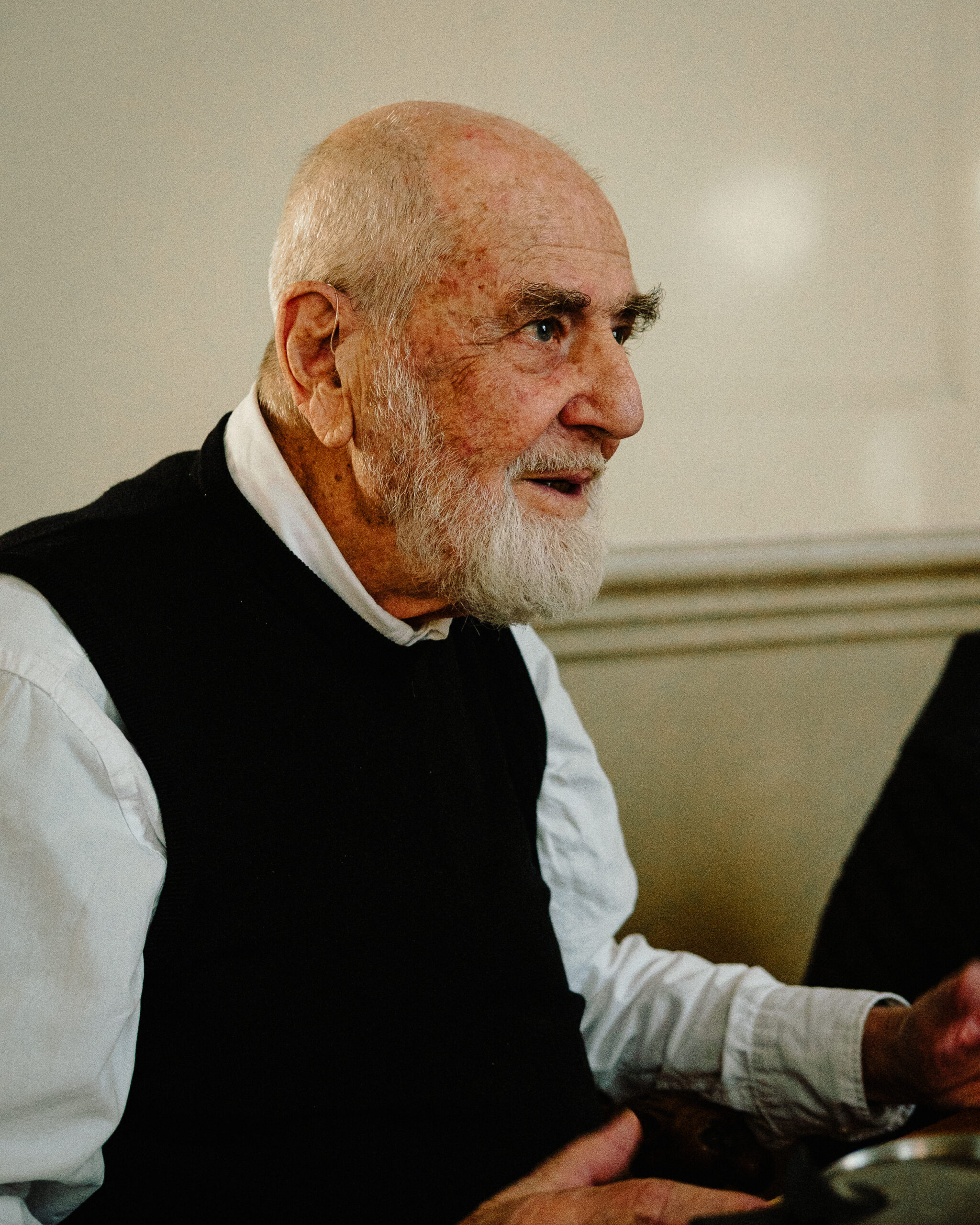
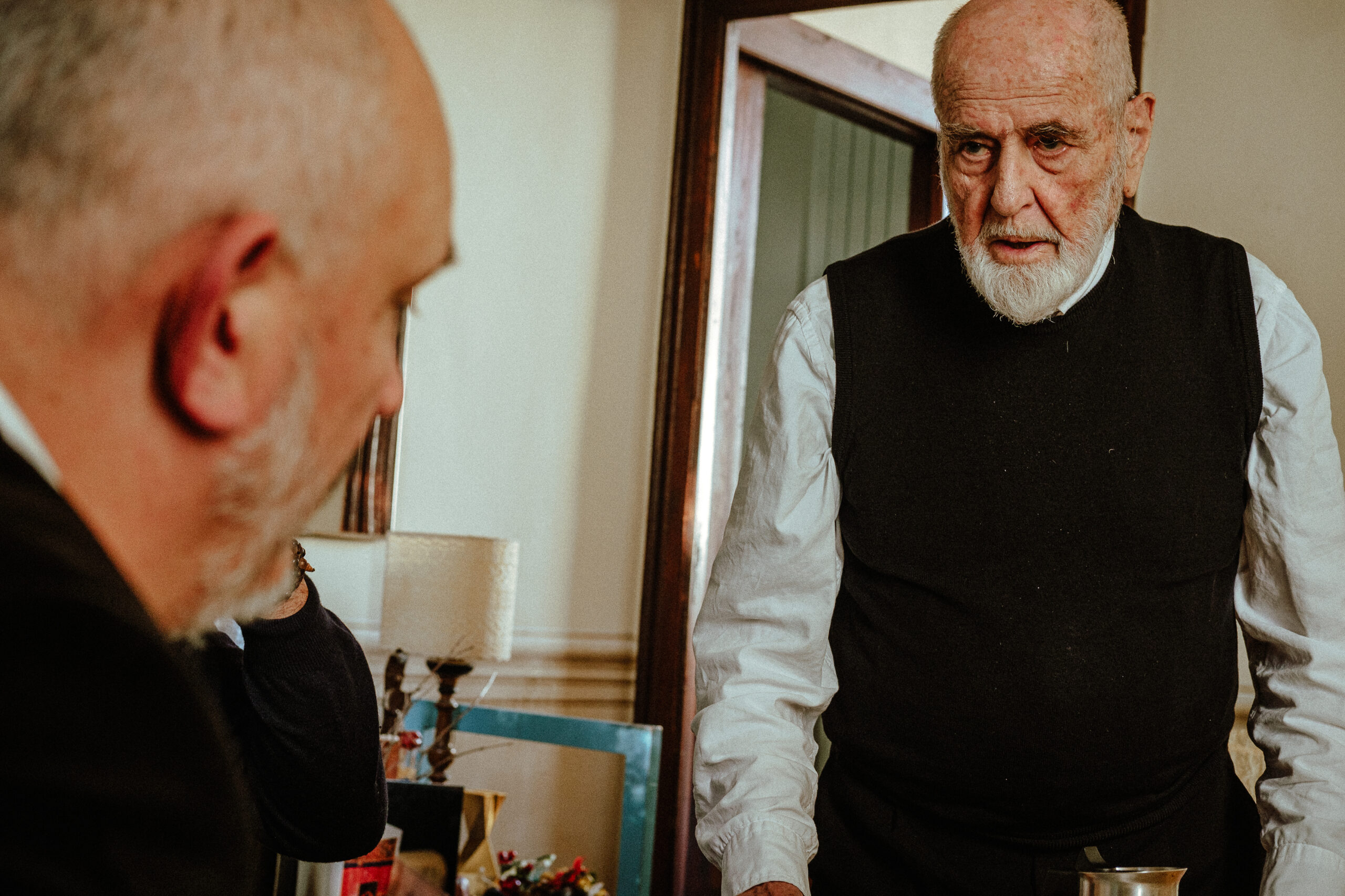
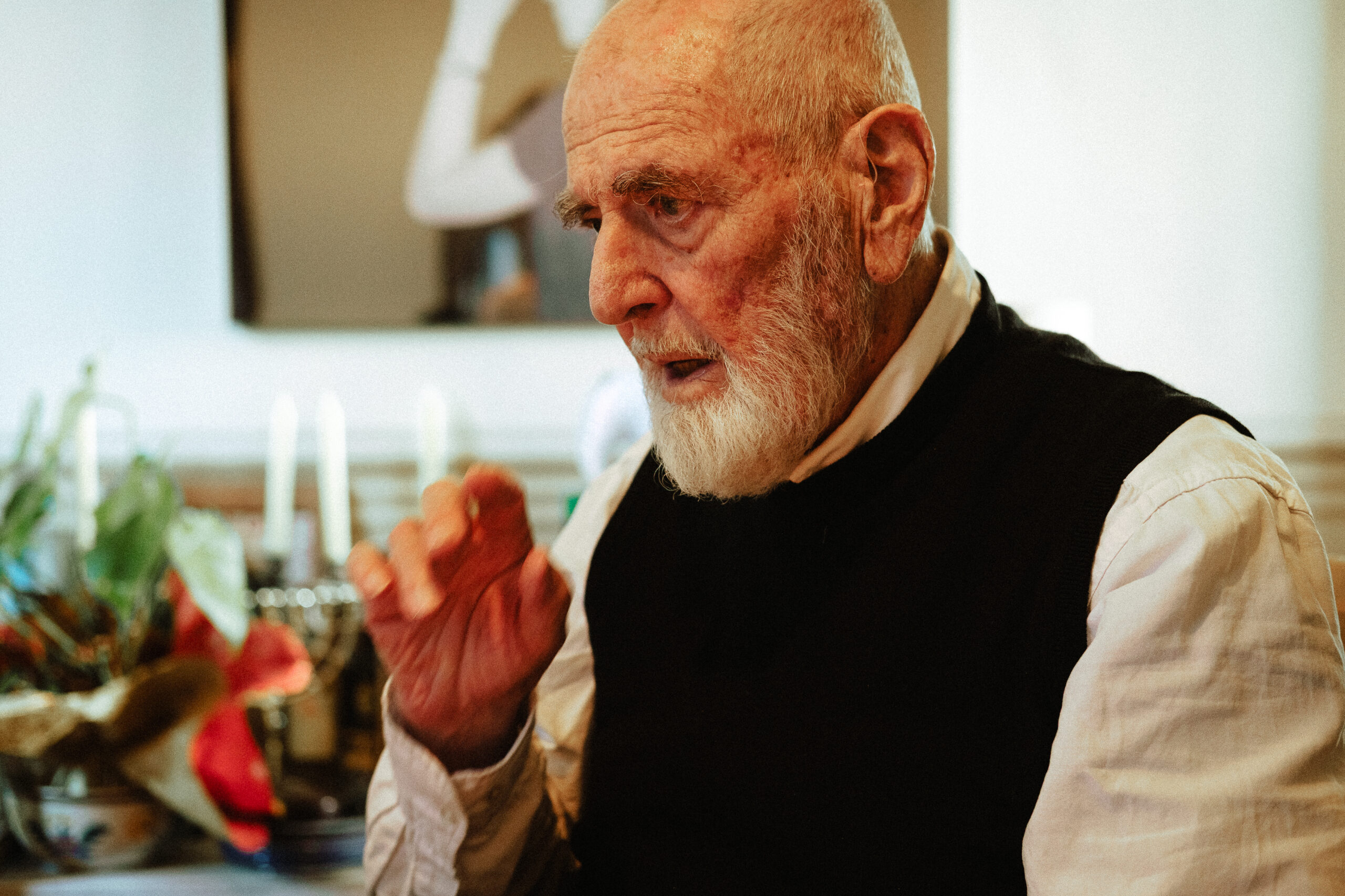
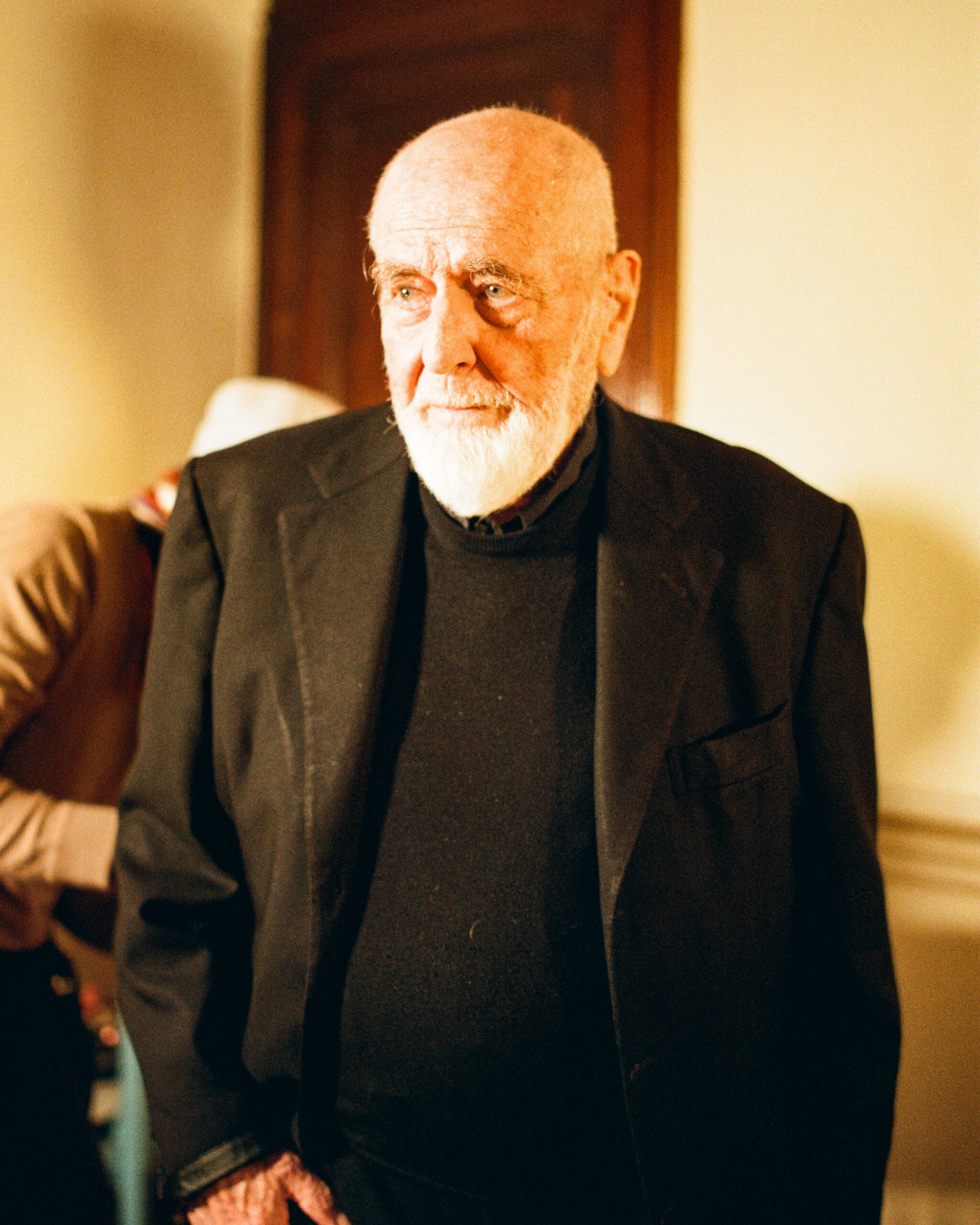
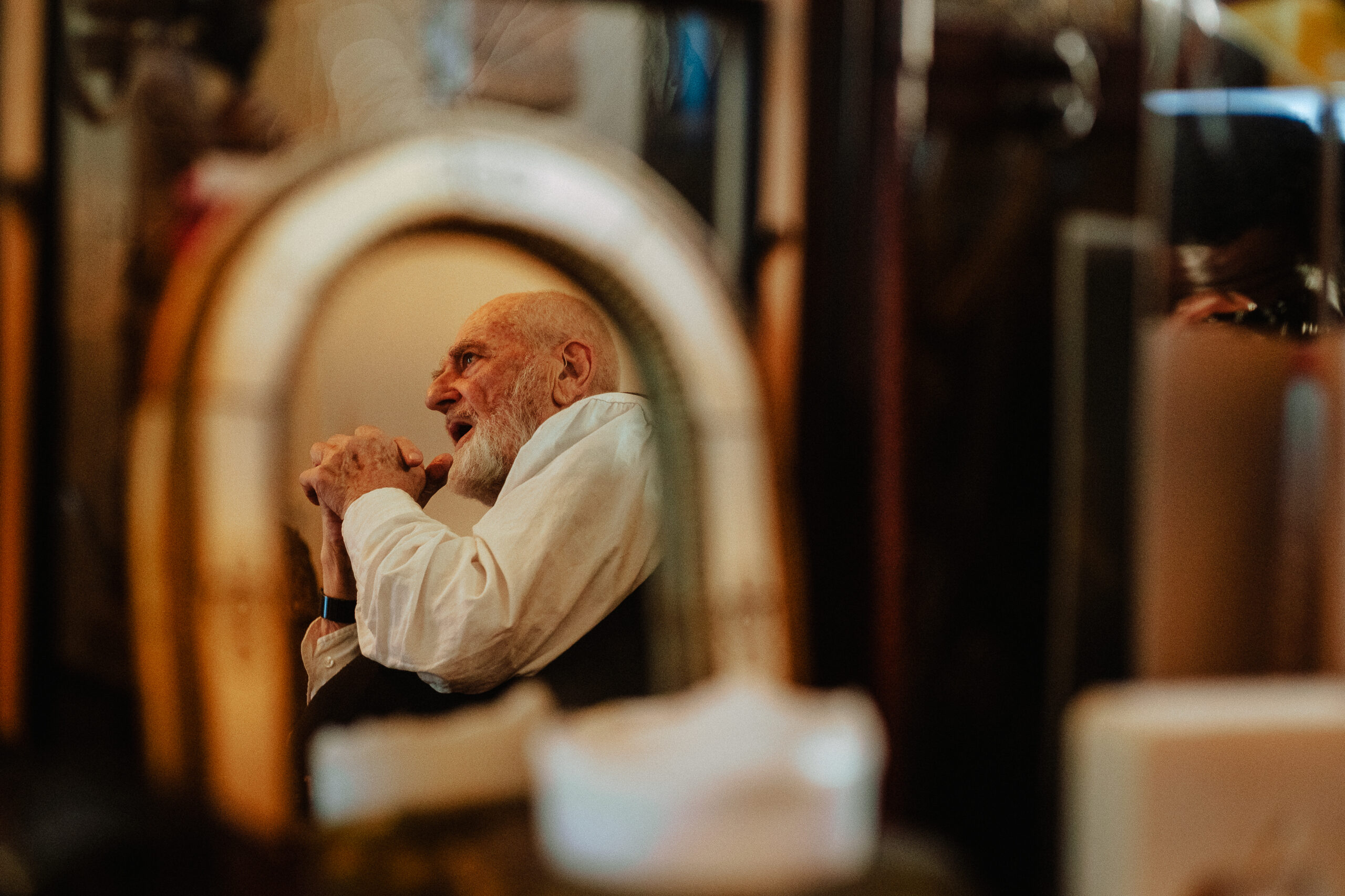
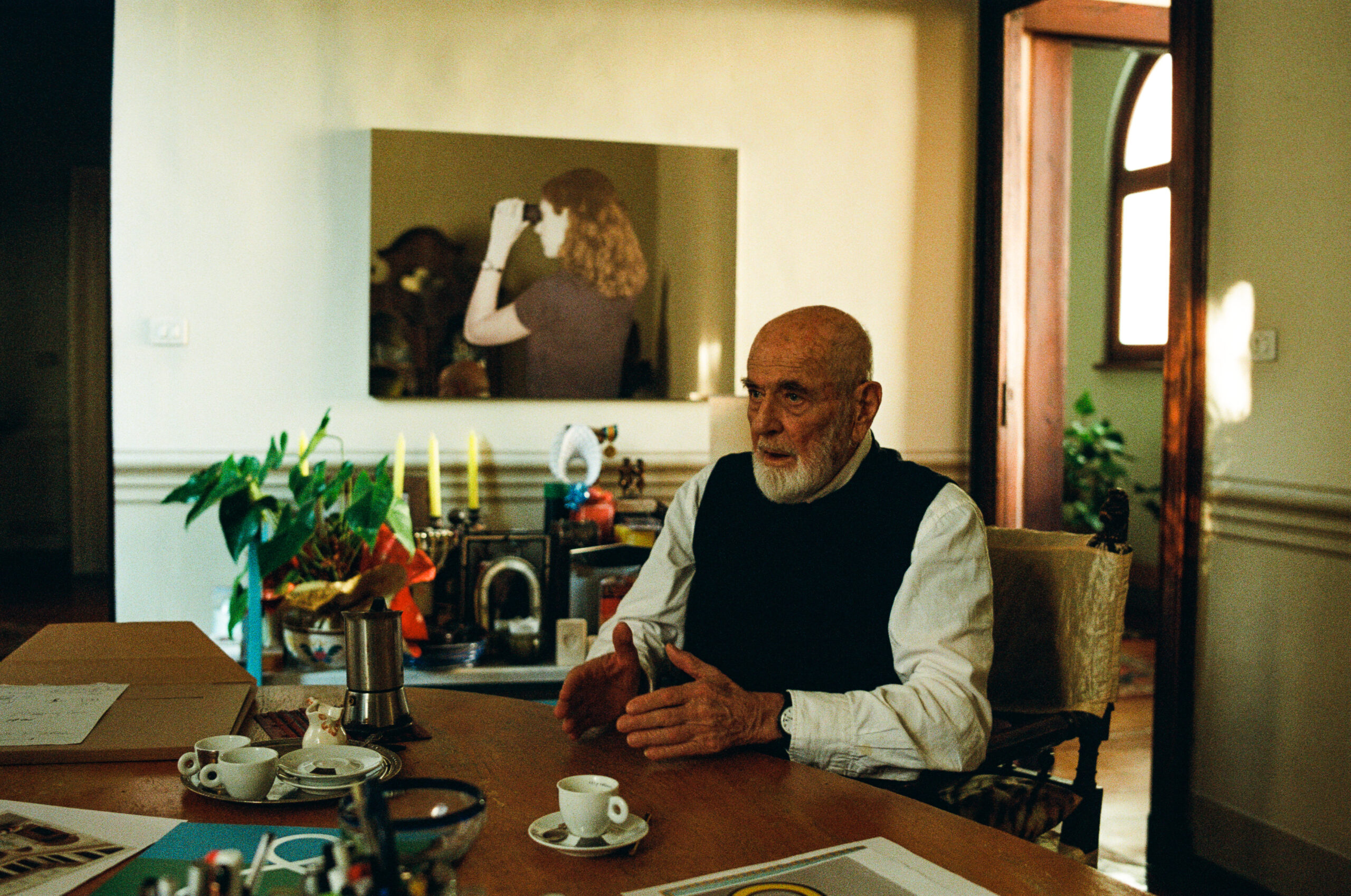
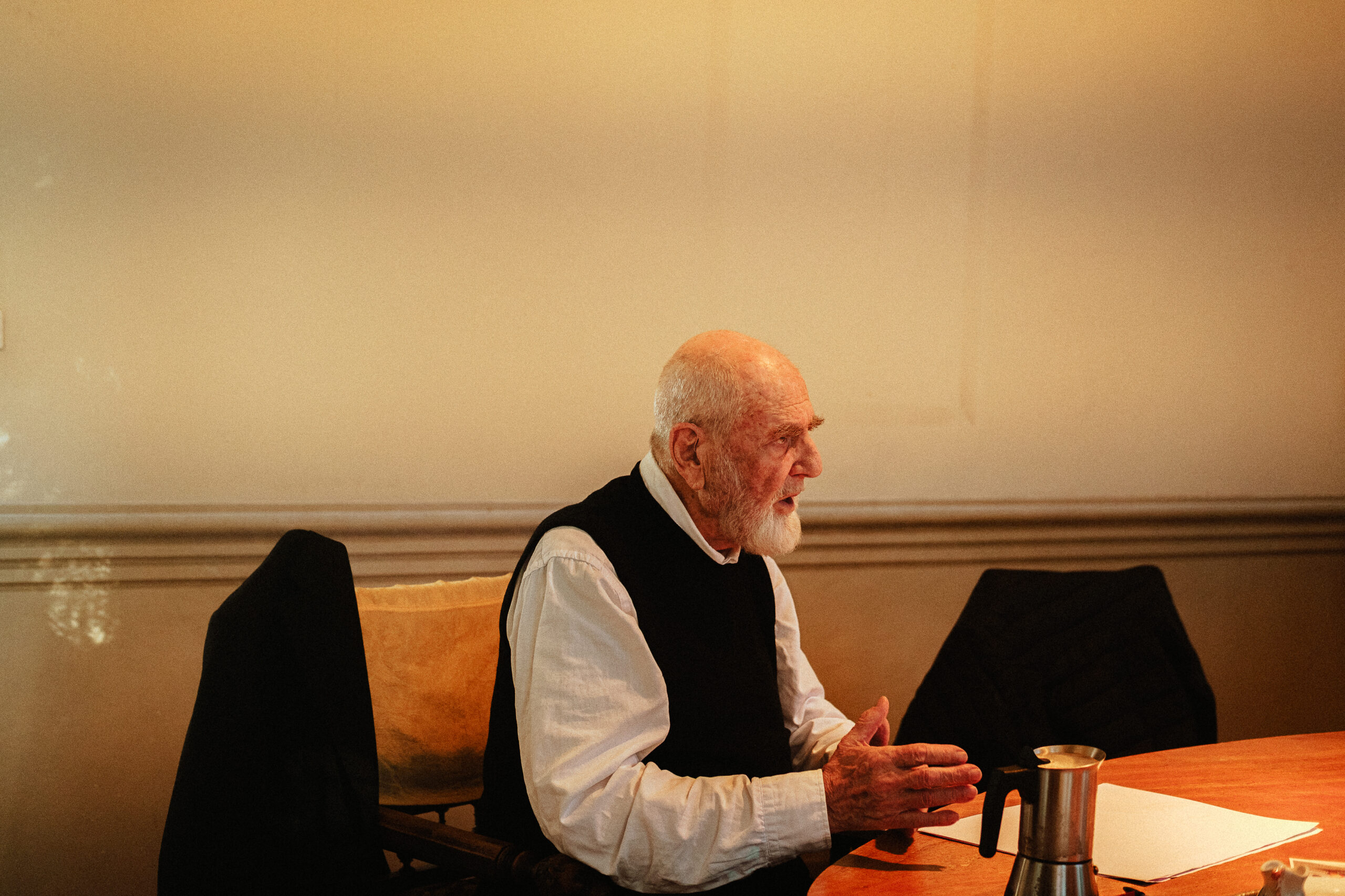
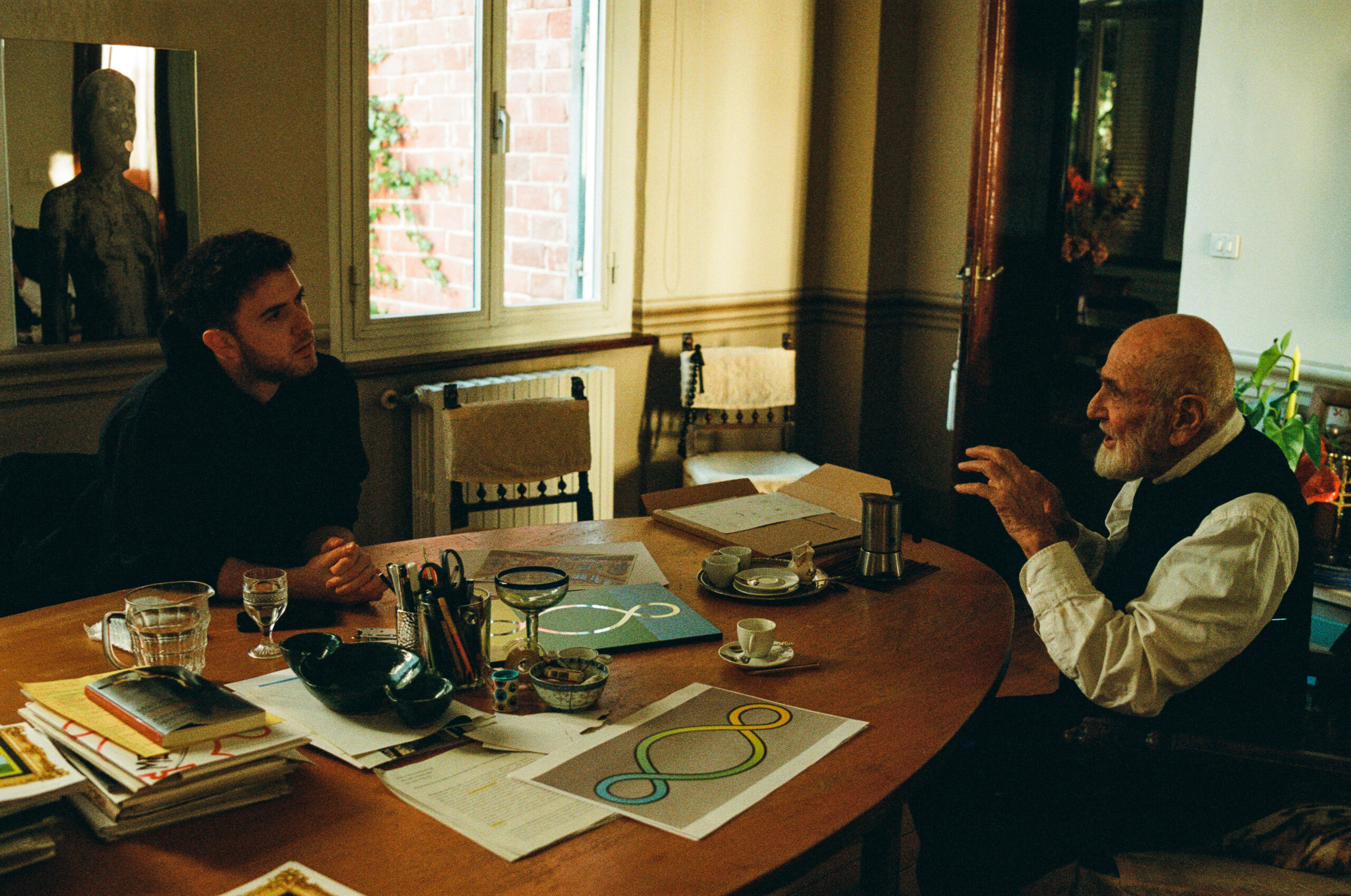
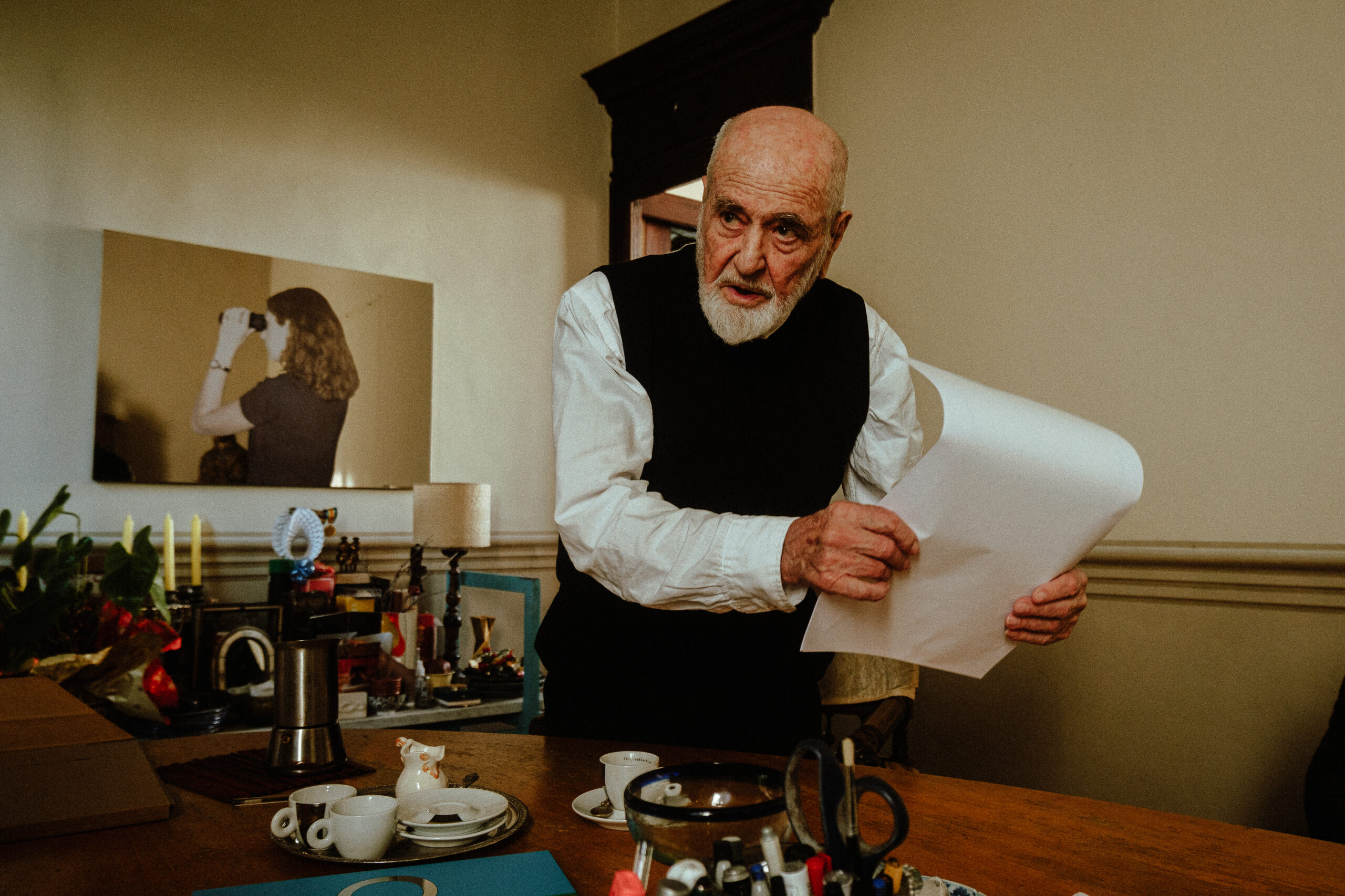
There are some artists whose work belongs to history, and others whose work returns to the present with increasing force. Michelangelo Pistoletto is both. For more than six decades, he has asked art to do more than represent the world. He has asked it to enter the world, absorb it, implicate it, and ultimately help reorganise it. That proposition feels especially urgent now.

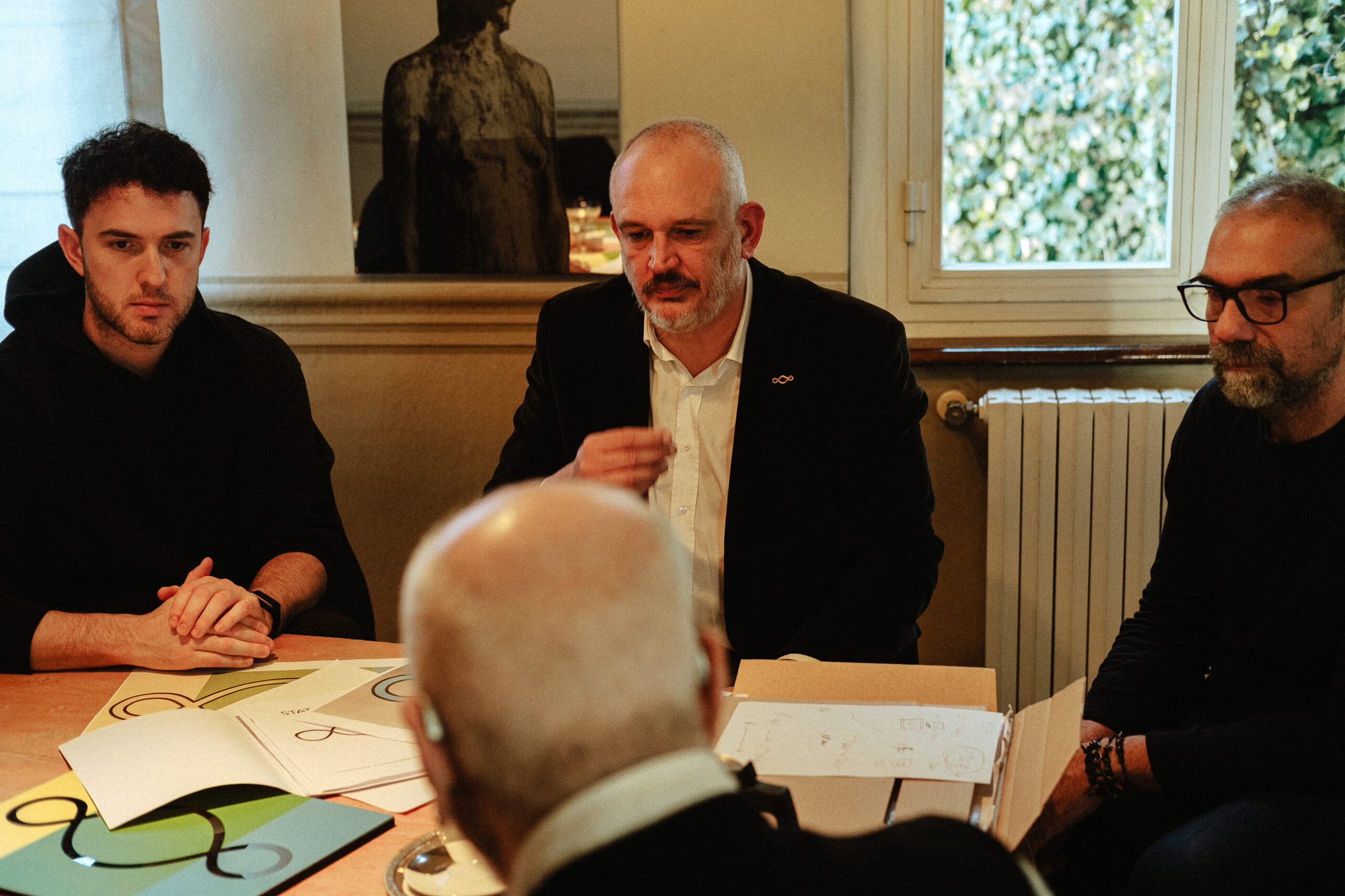
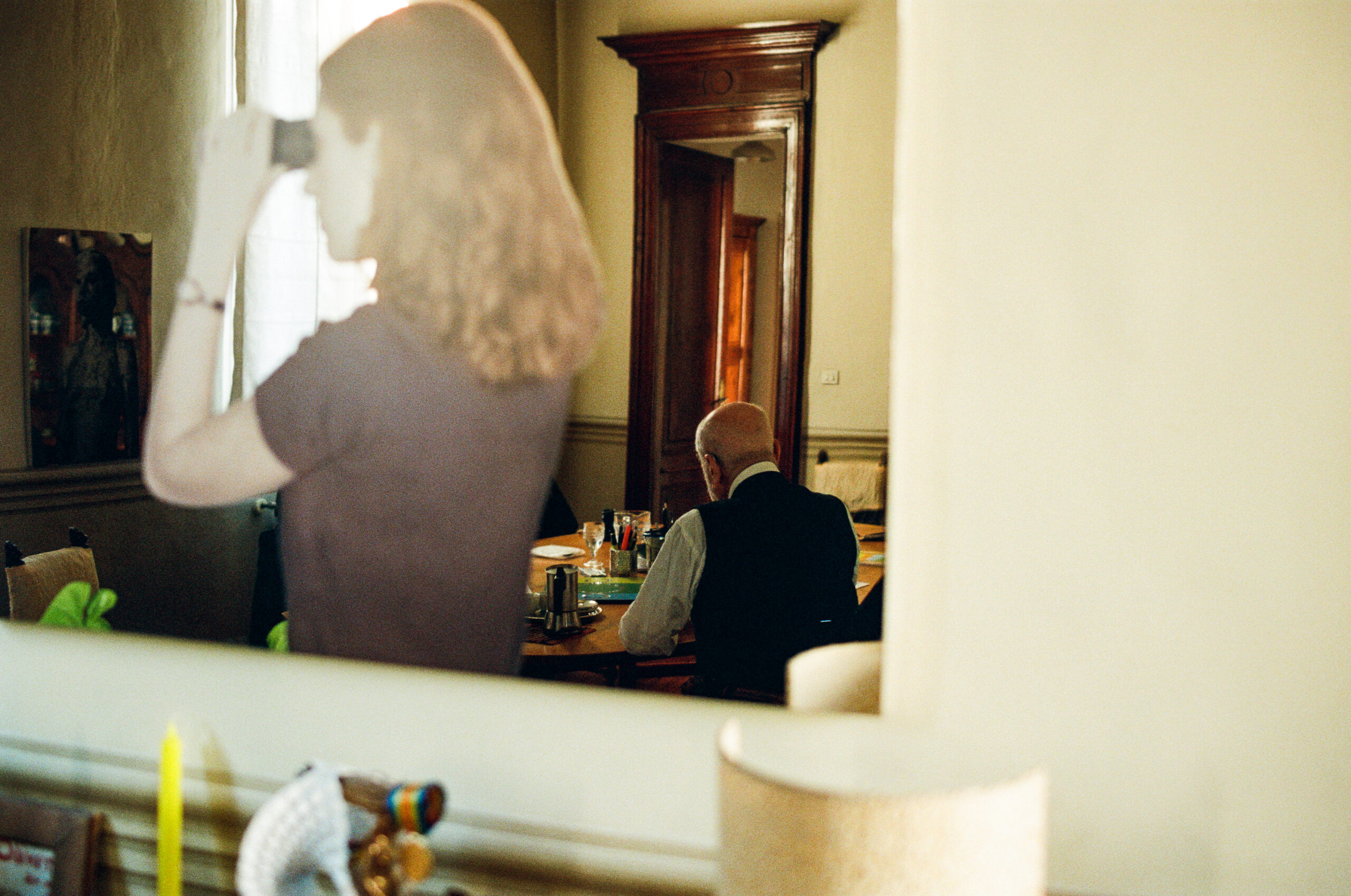
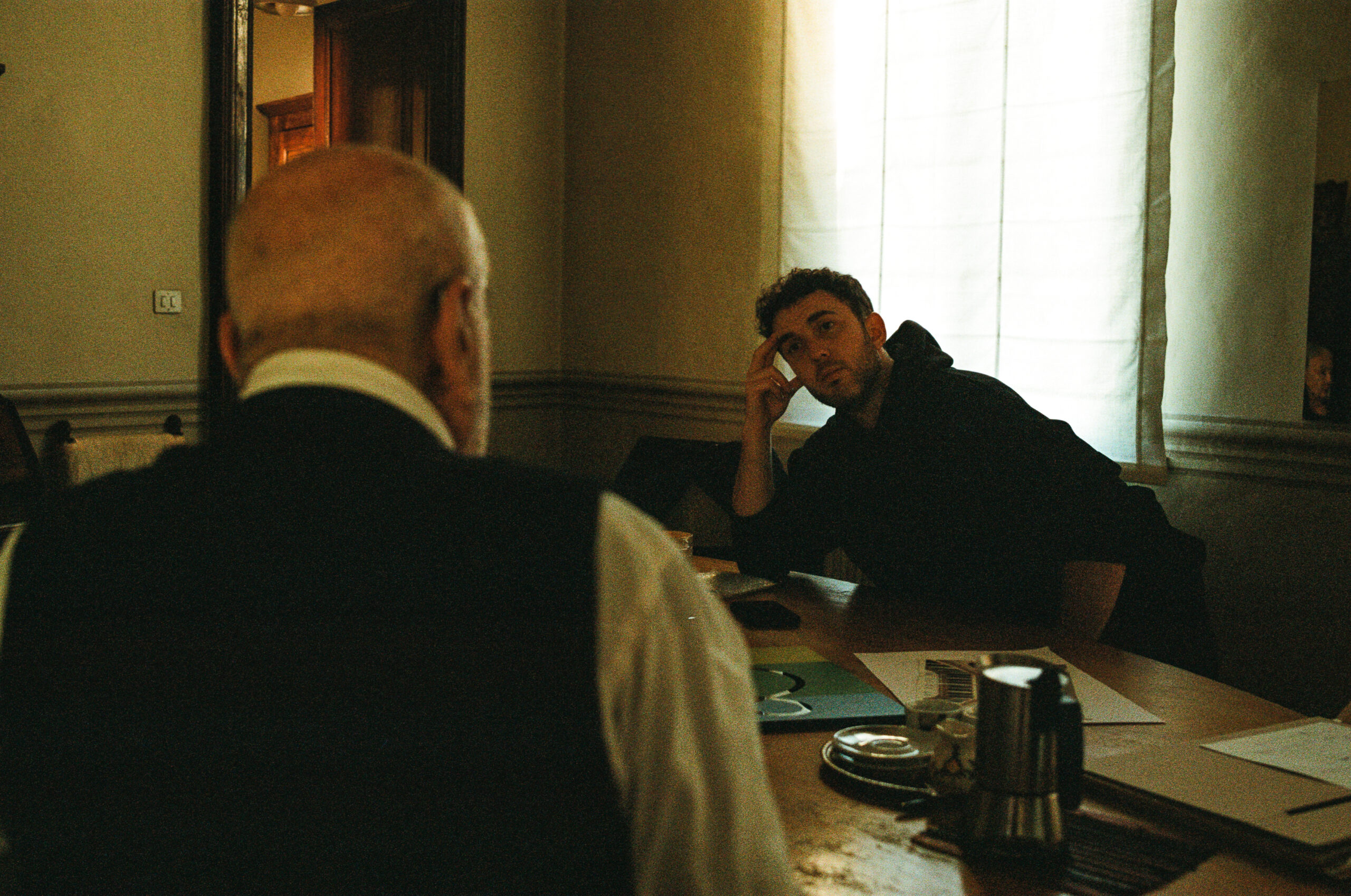
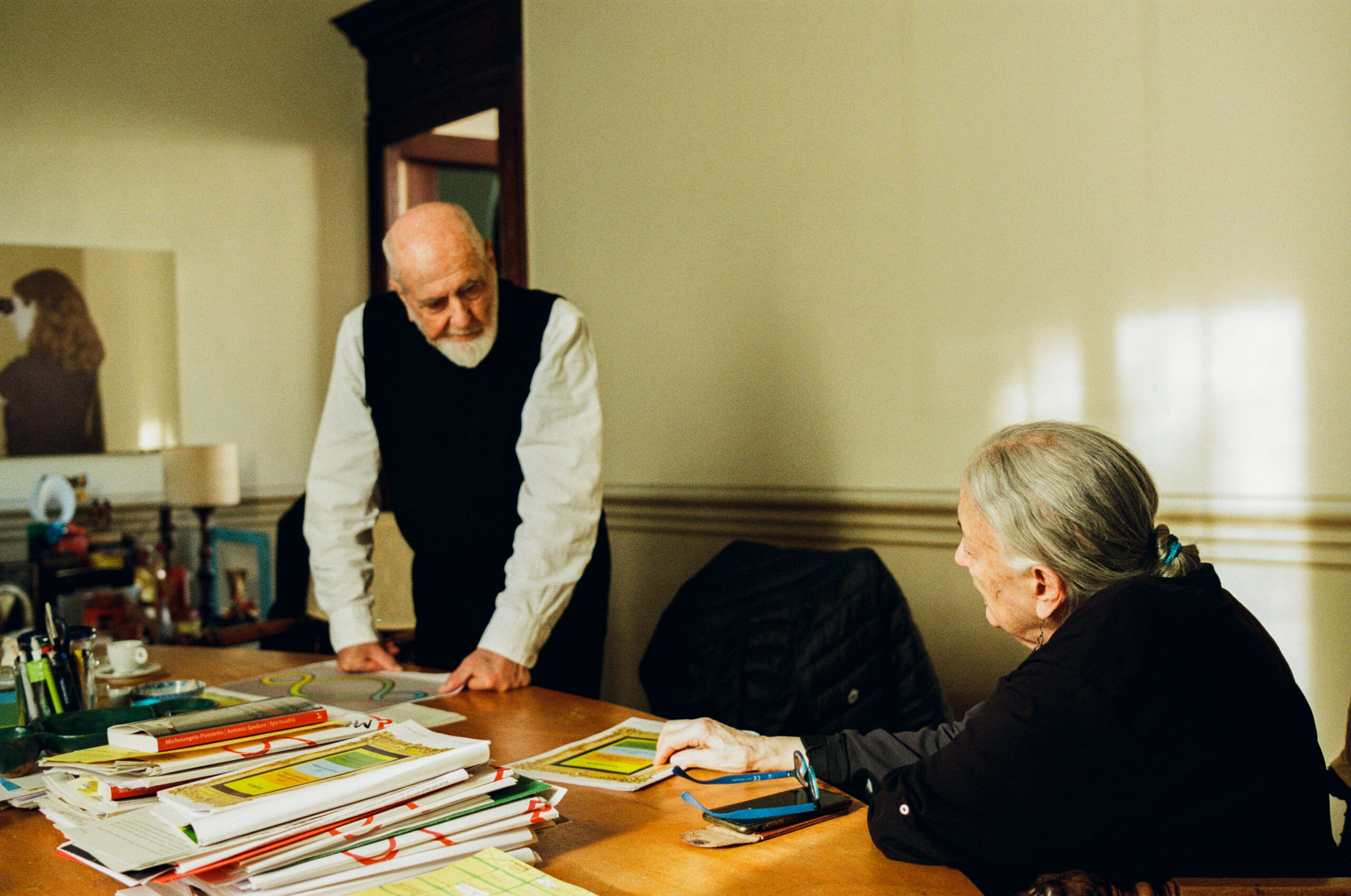
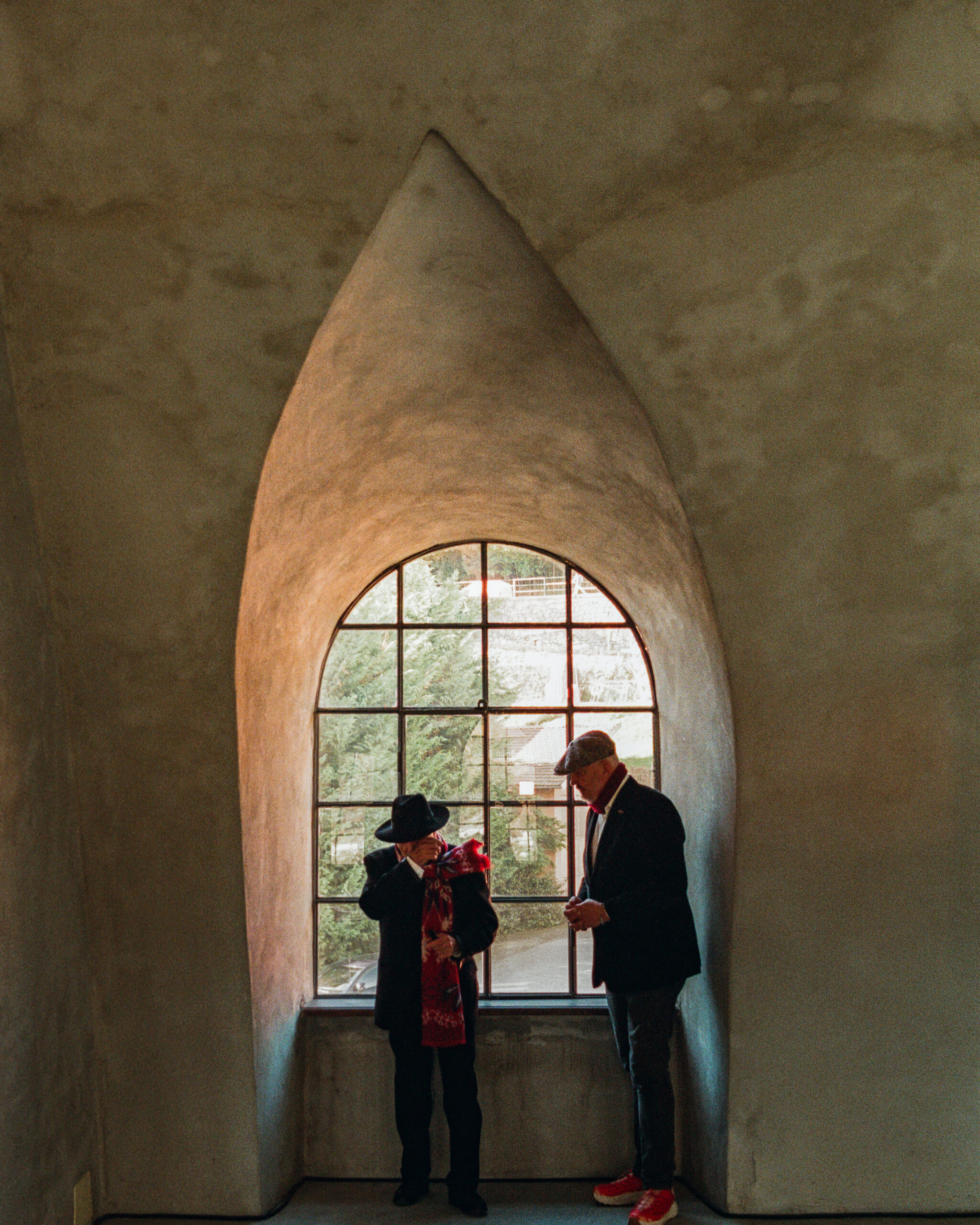
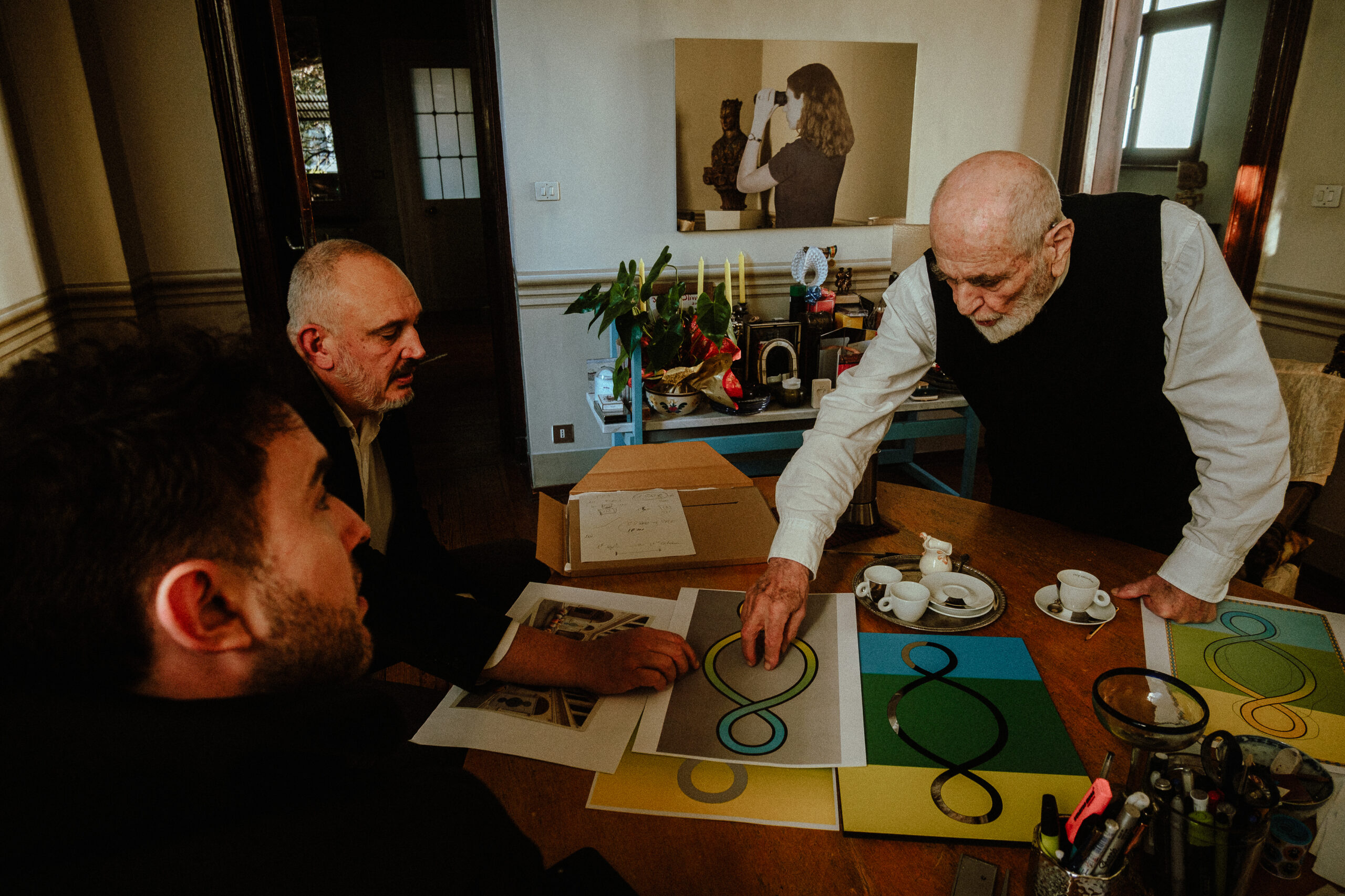
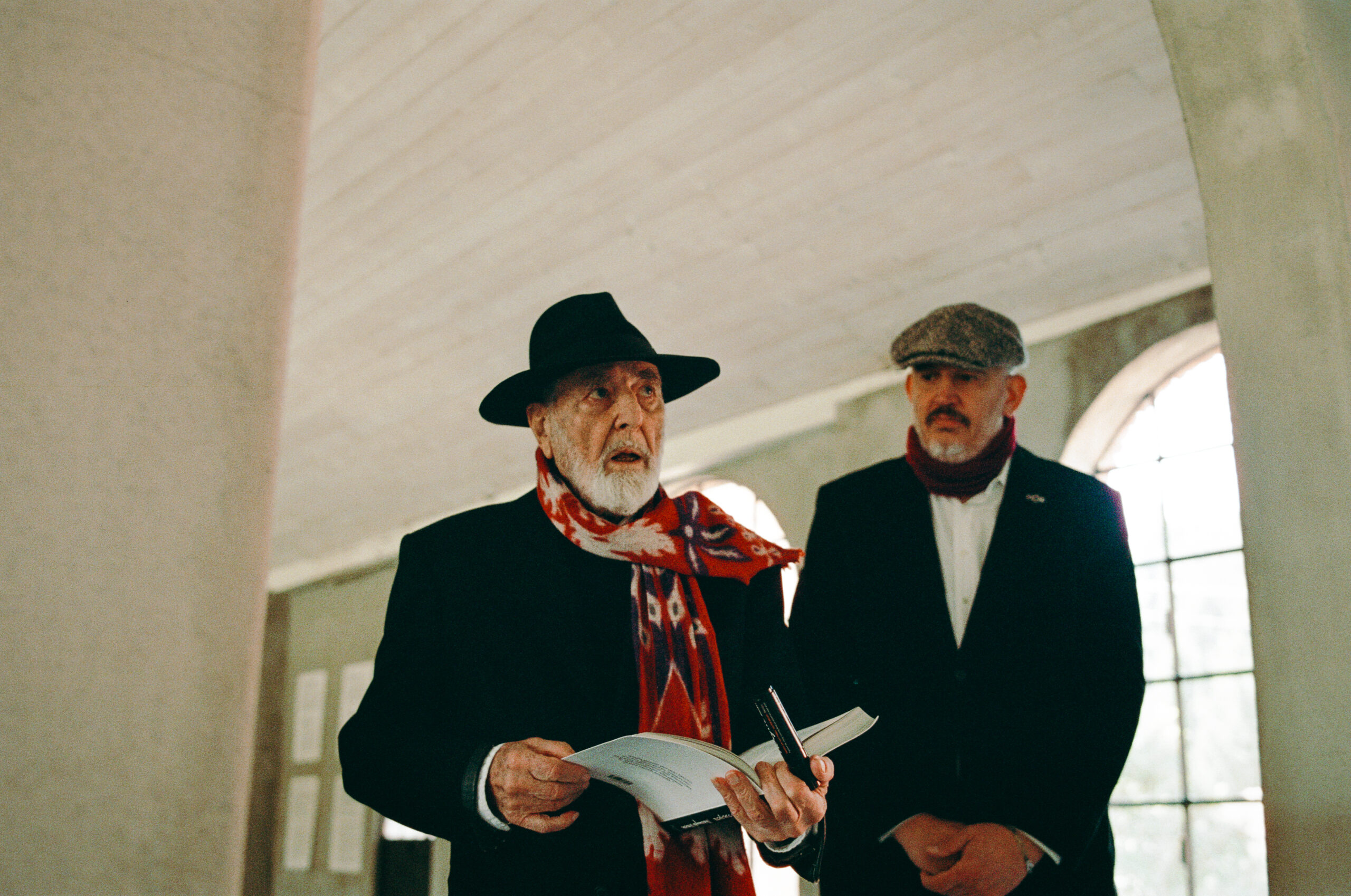
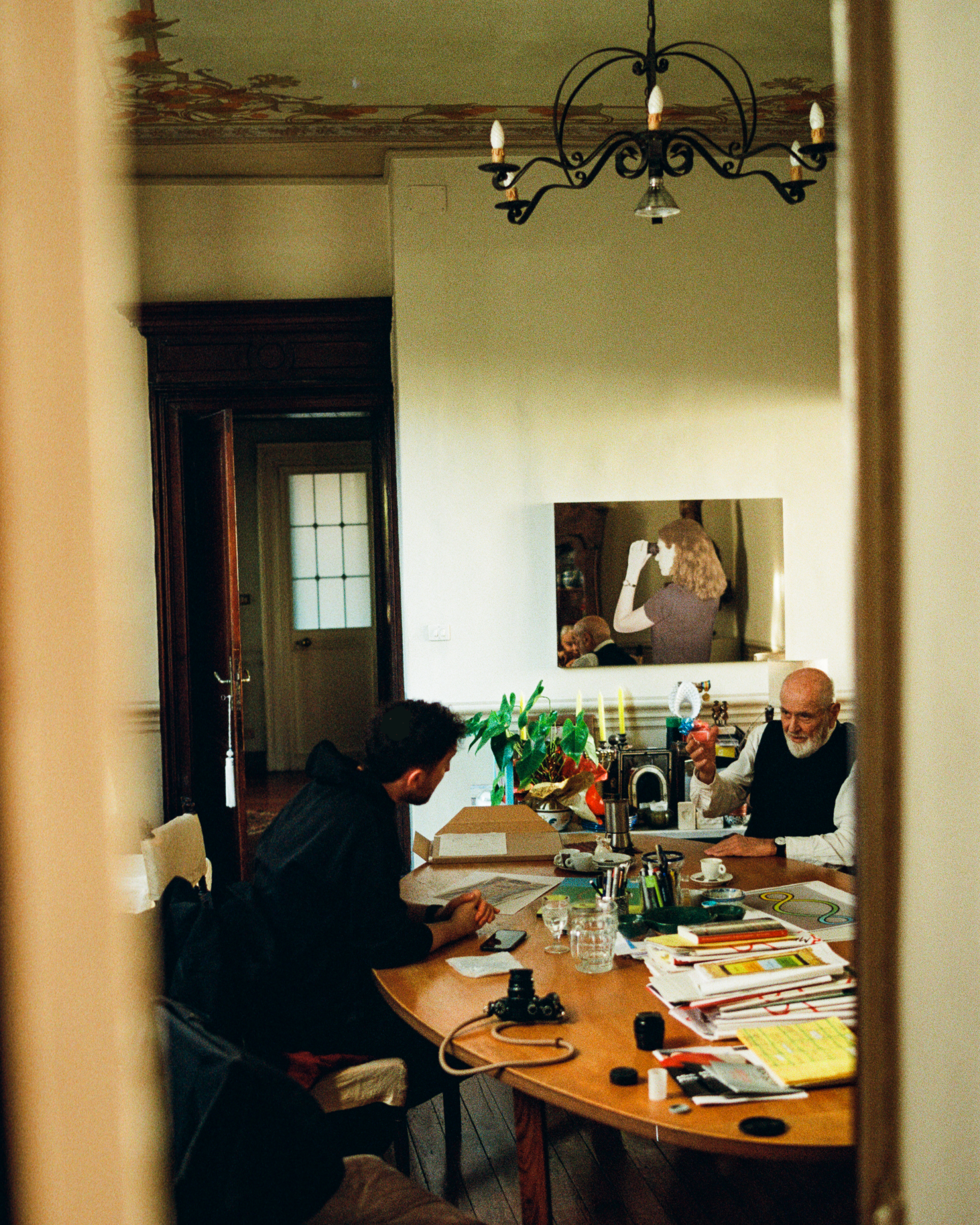
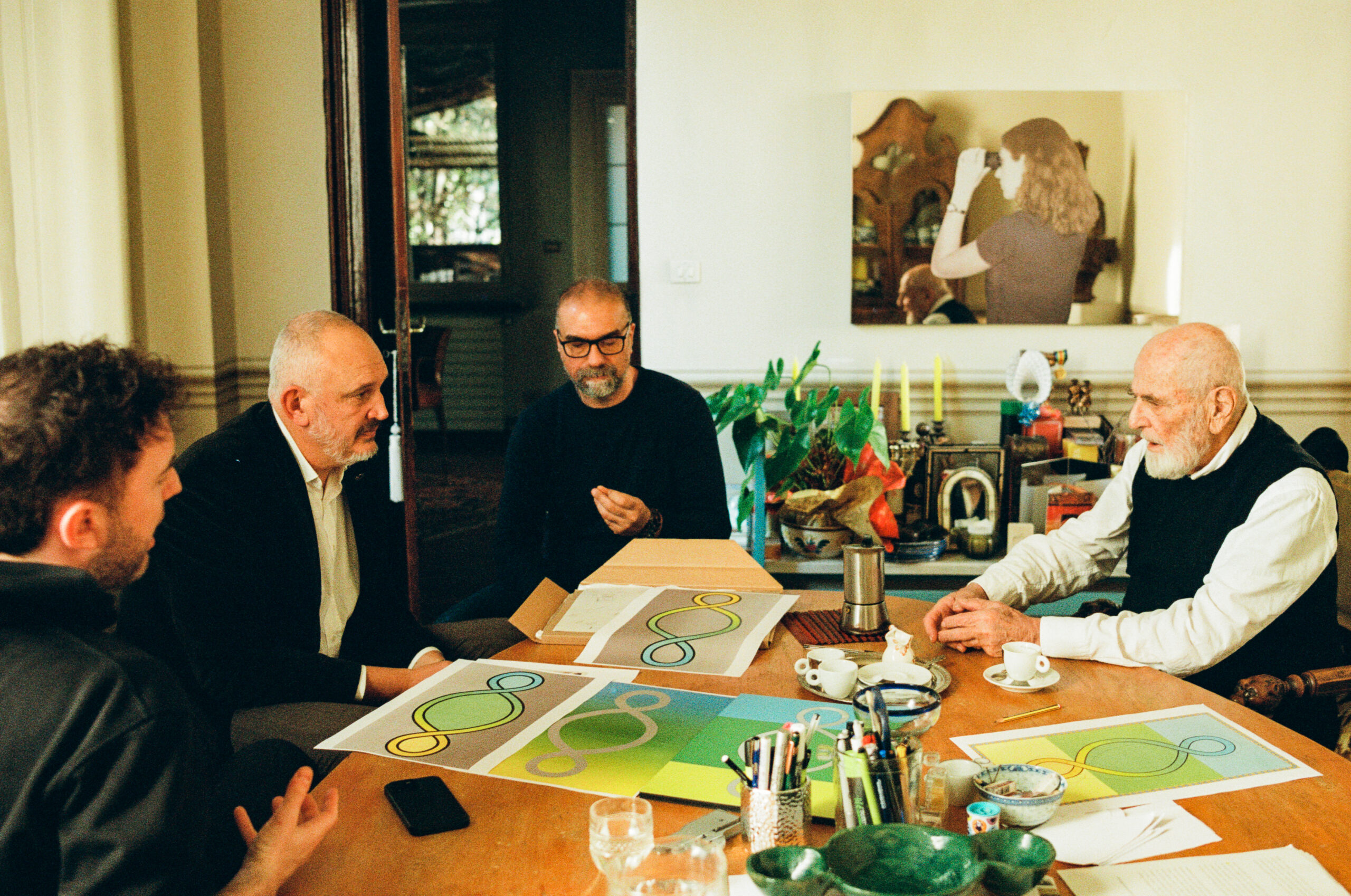
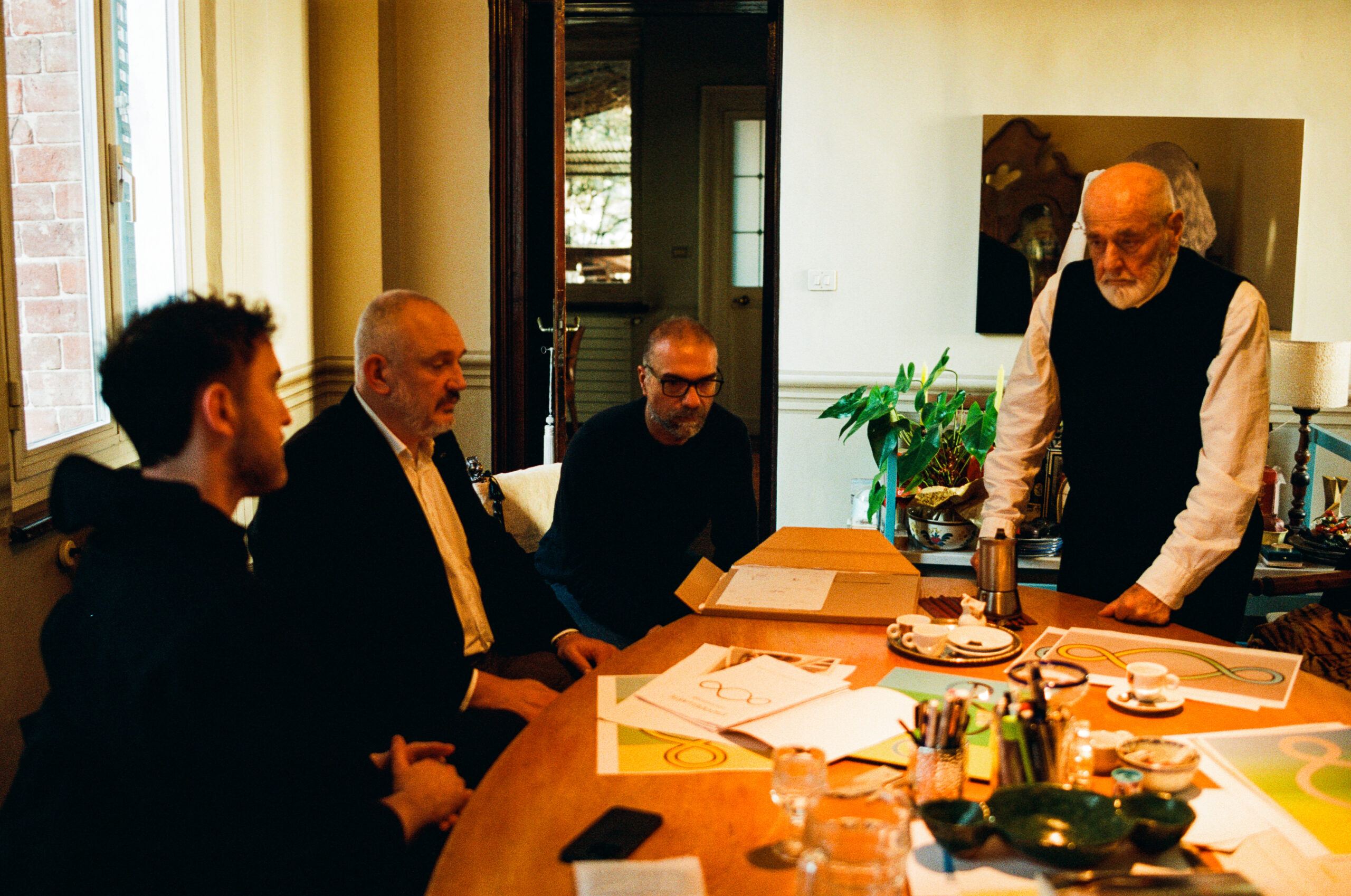
In 2026, as public life becomes increasingly shaped by screens, systems and escalating global tensions, CIRCA’s collaboration with Pistoletto does not arrive as a retrospective gesture, but as a necessary one. Three Mirrors is not simply a new commission. It is the result of a sustained dialogue between artist and curator, shaped across generations, between November 2025 and February 2026, at a moment when the world itself felt increasingly unstable, and made possible through the close collaboration and support of Pistoletto’s long-standing associate Francesco Saverio Teruzzi.

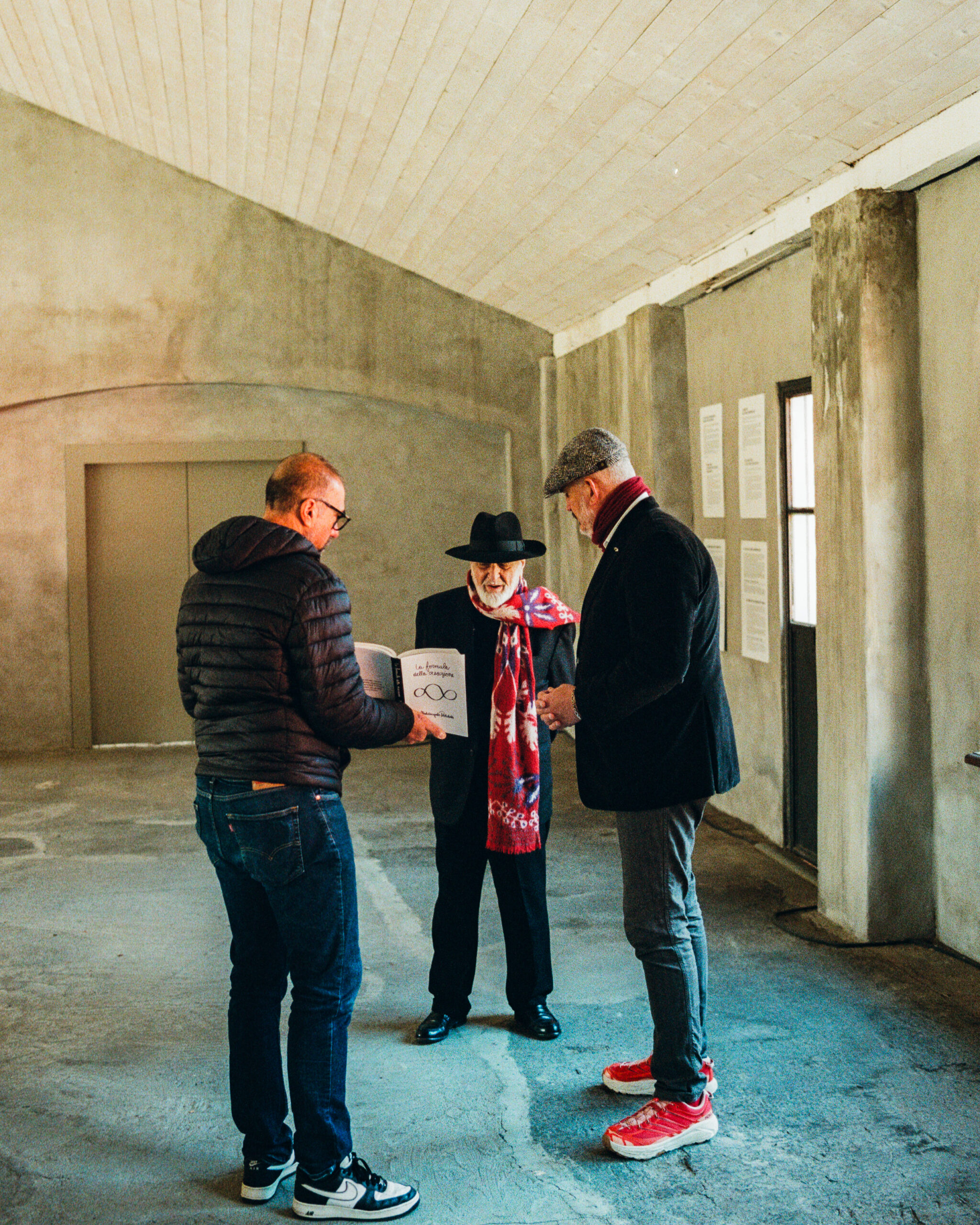
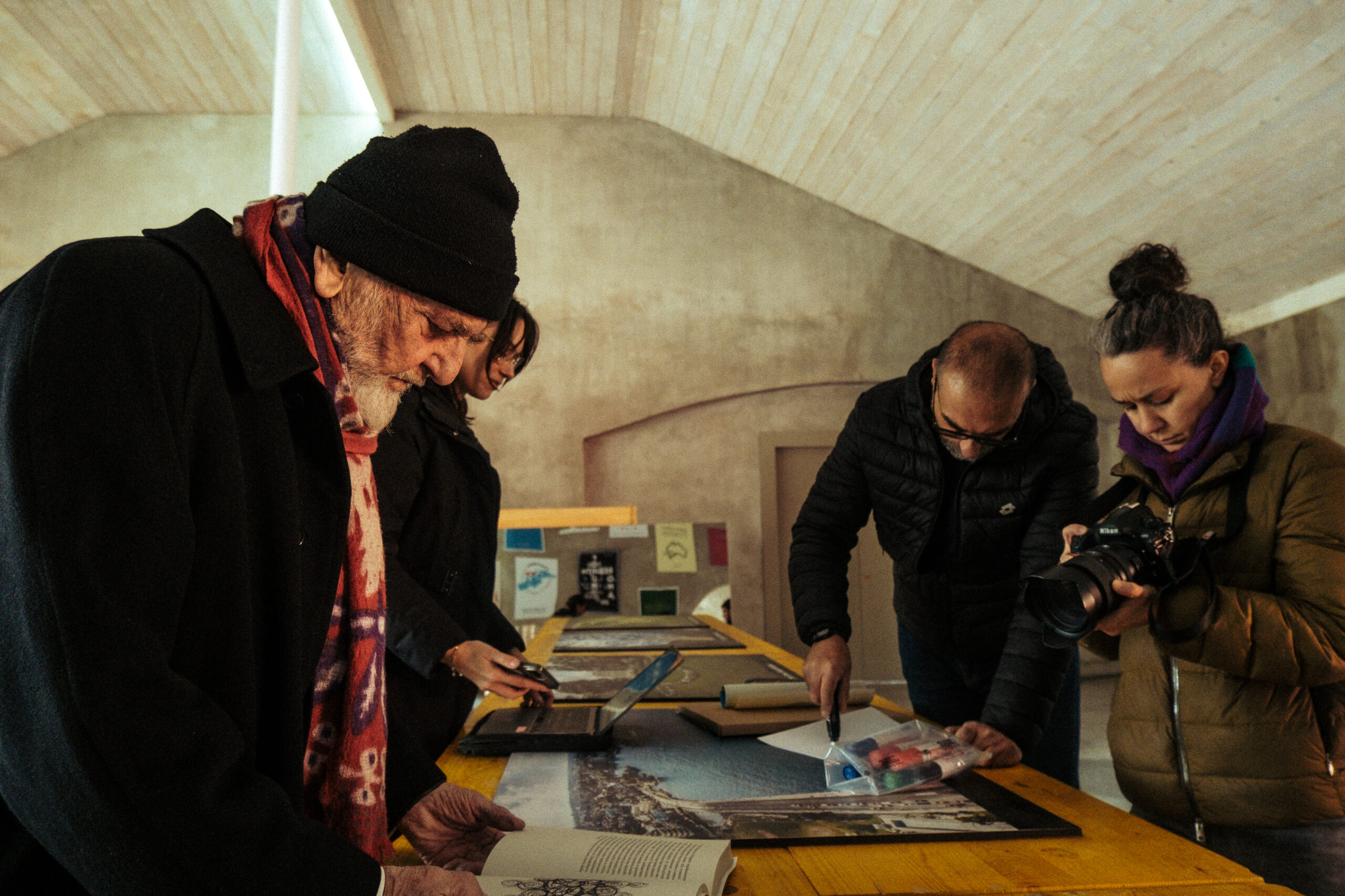
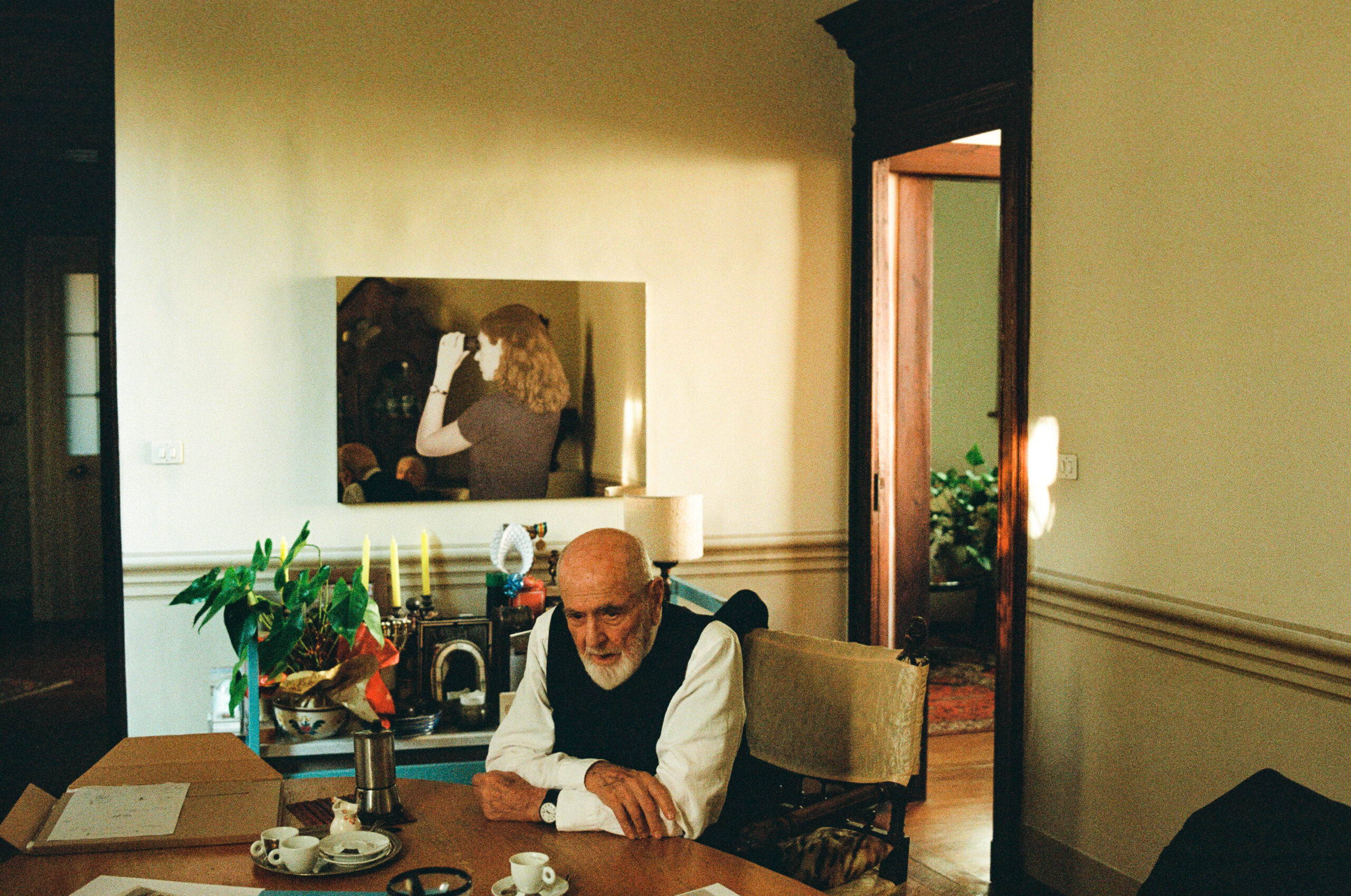
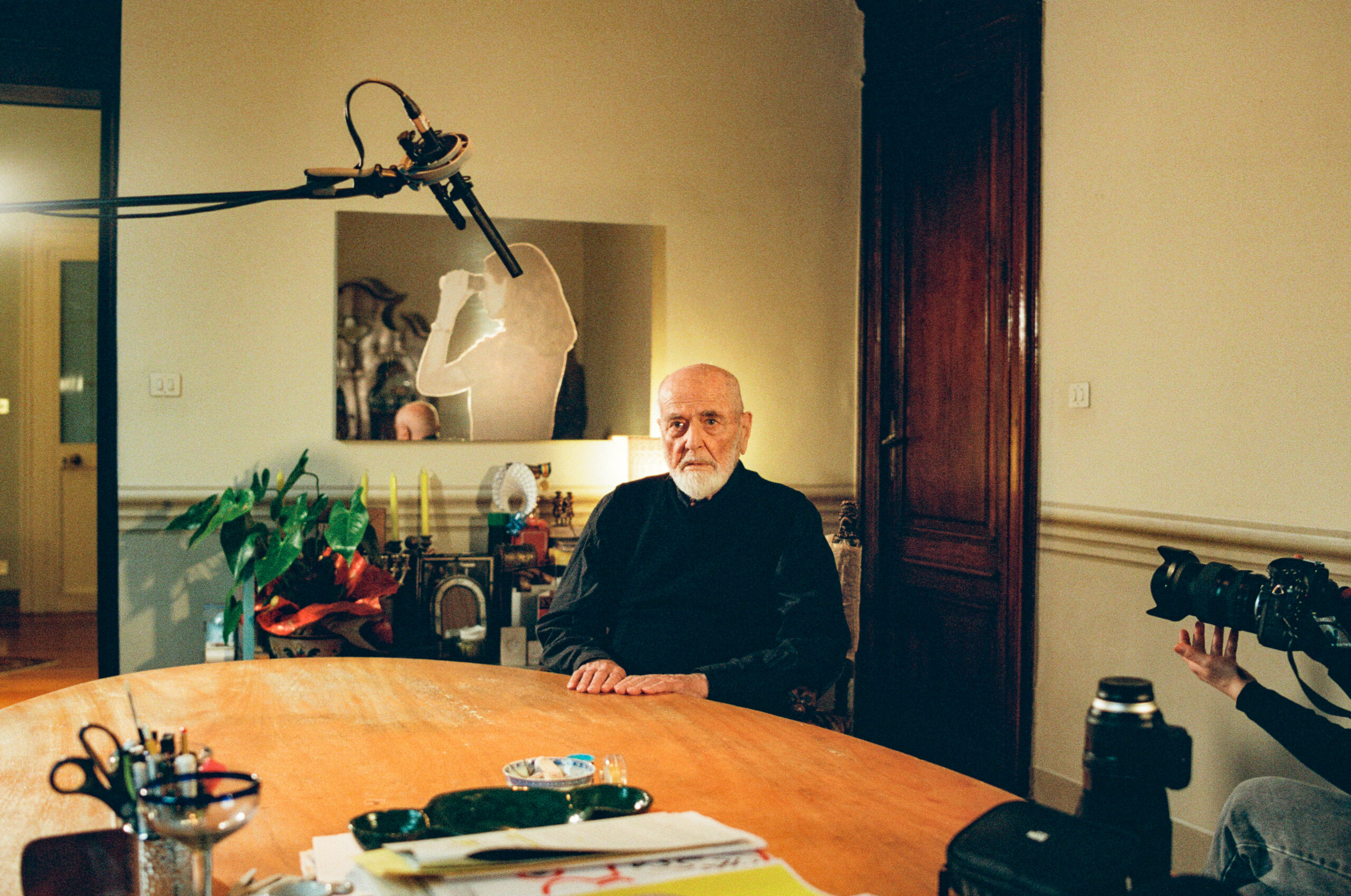
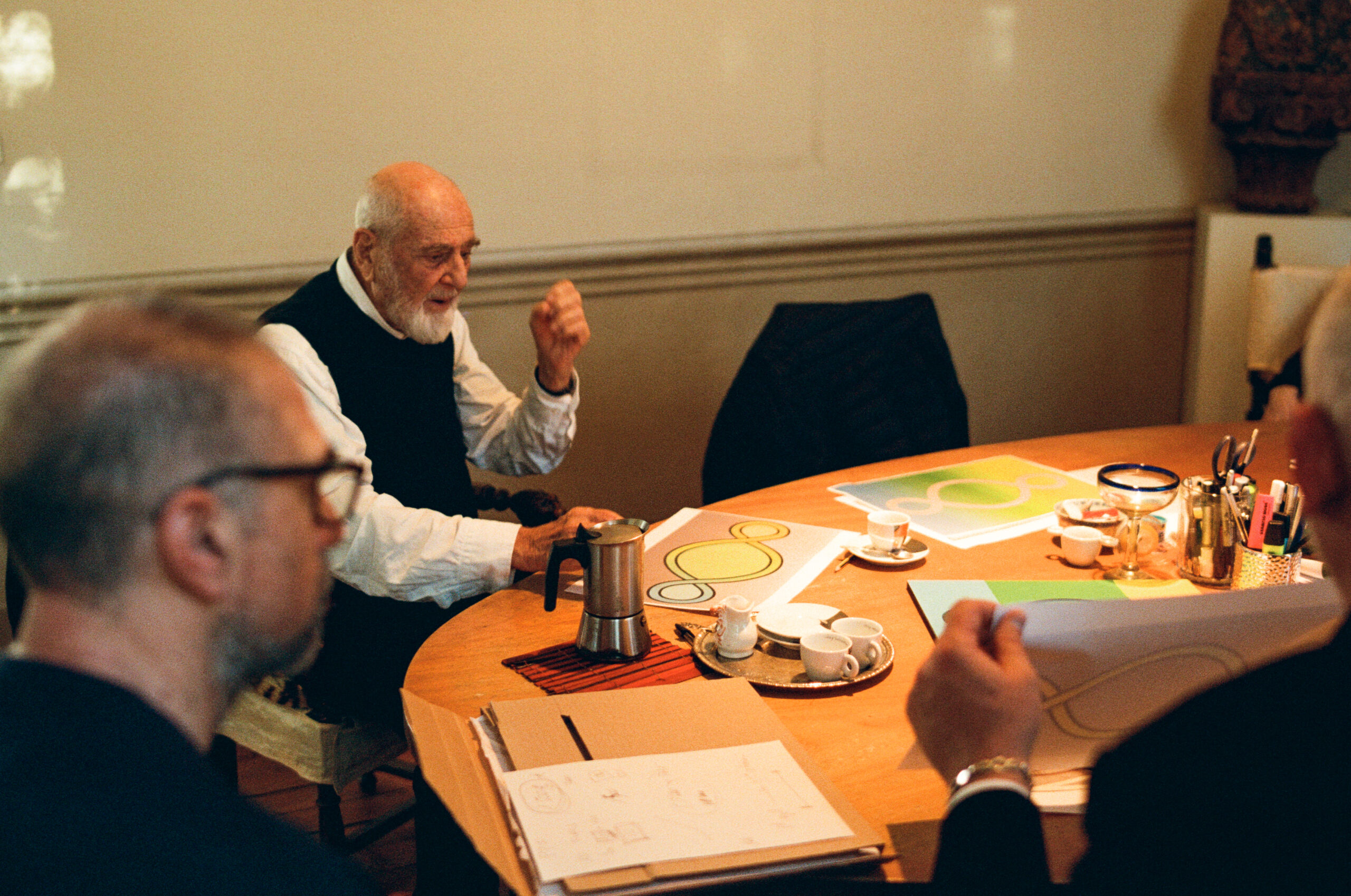
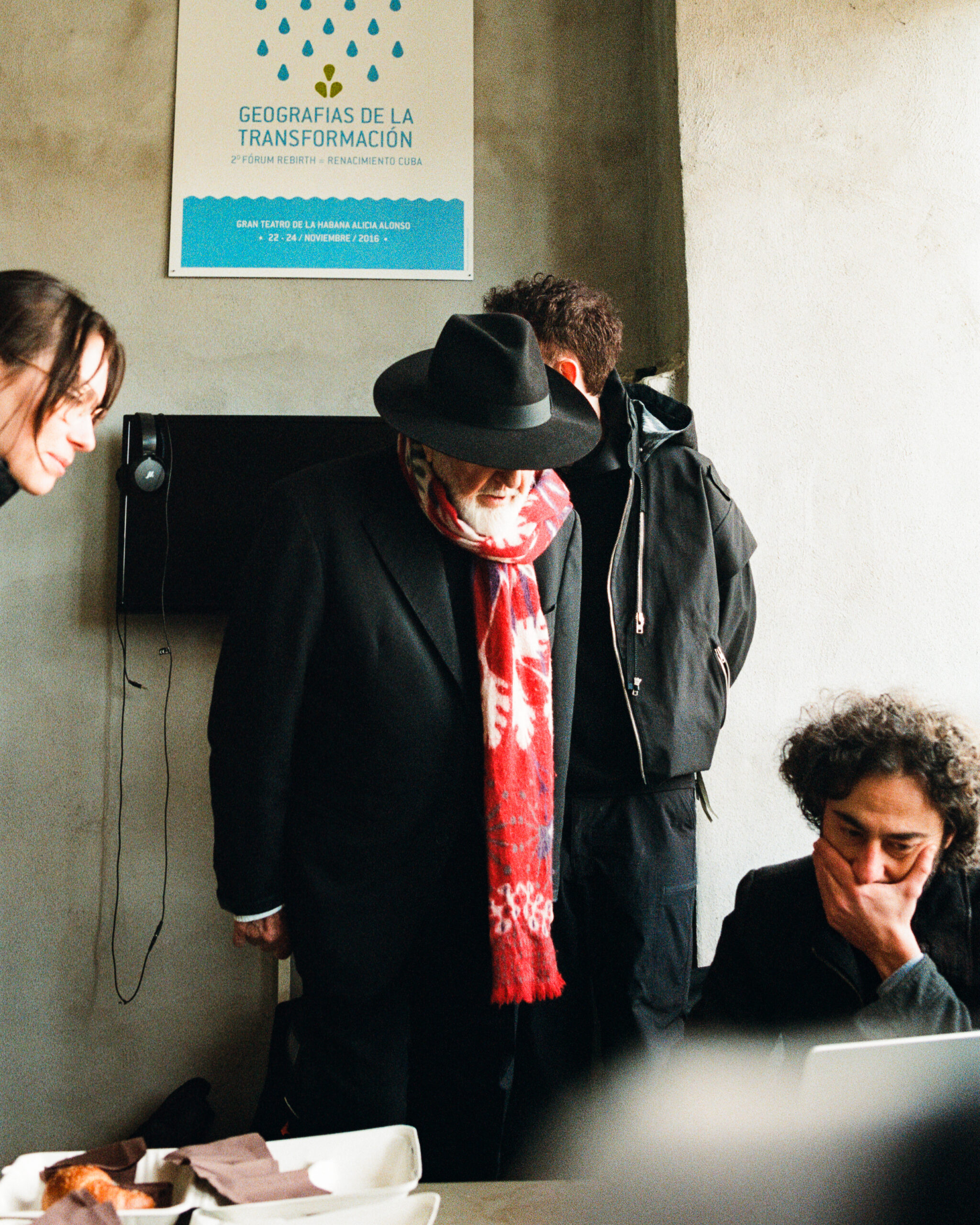
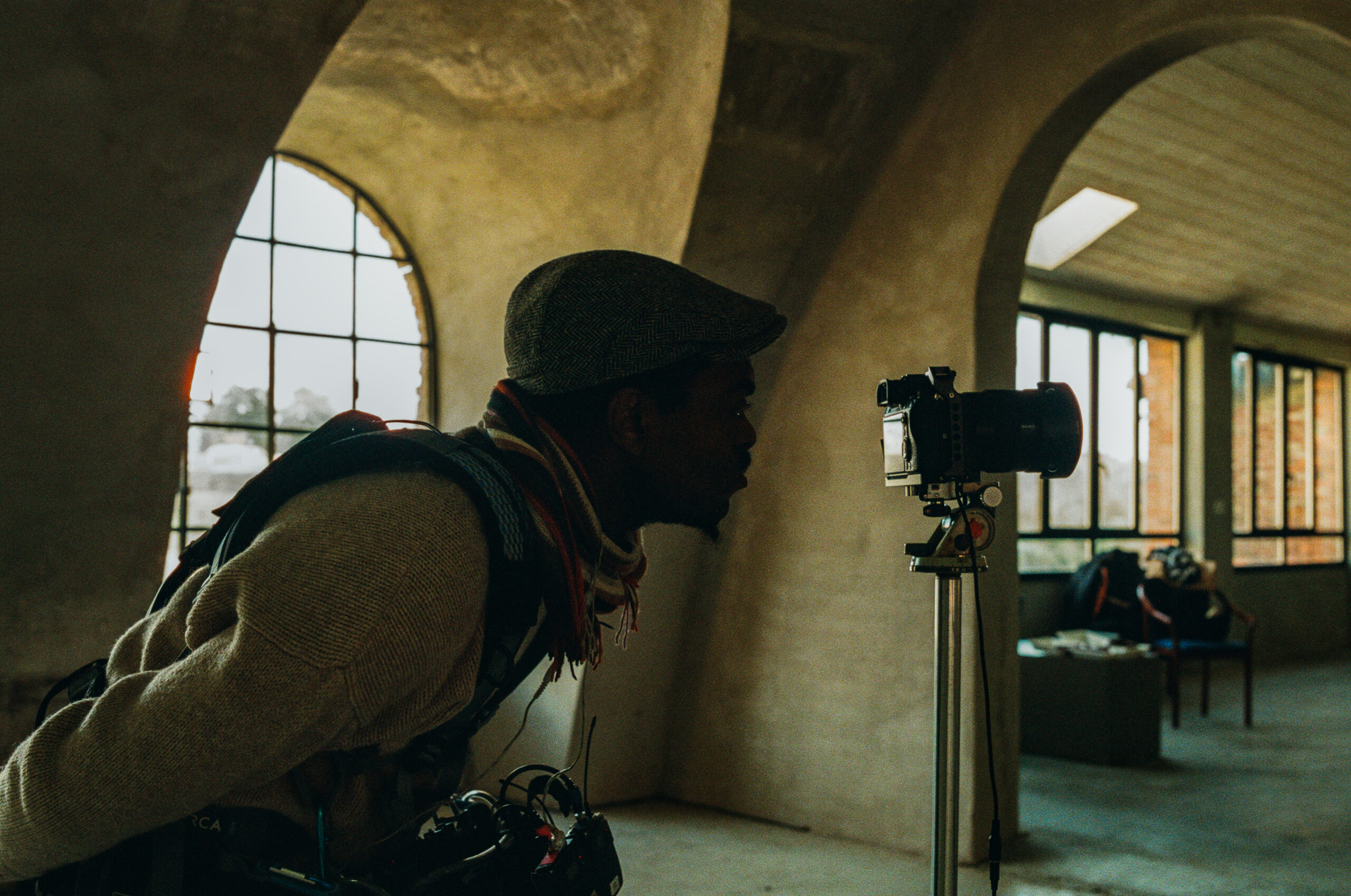
Filmed at Cittadellarte in Biella as a series of performative works created specifically for CIRCA, the project emerged through conversation. Not as a fixed idea imposed at the outset, but as something gradually formed through exchange. Questions around responsibility, coexistence and the role of art in a time of fragmentation became the substance of the work itself. That process matters. It positions Three Mirrors not as a static artwork, but as a living proposition addressed directly to the present.

For CIRCA, a platform built on transforming spaces of advertising into spaces for reflection, Pistoletto is a foundational figure. Long before contemporary image culture collapsed the distance between viewer and image, he understood the artwork as a site of participation. Long before the language of civic responsibility entered mainstream discourse, he asked what it means to be implicated in what one sees.

In Three Mirrors, these questions become newly charged. What follows is a conversation about art, responsibility, peace and the role of public imagination now.
Biography

Michelangelo Pistoletto

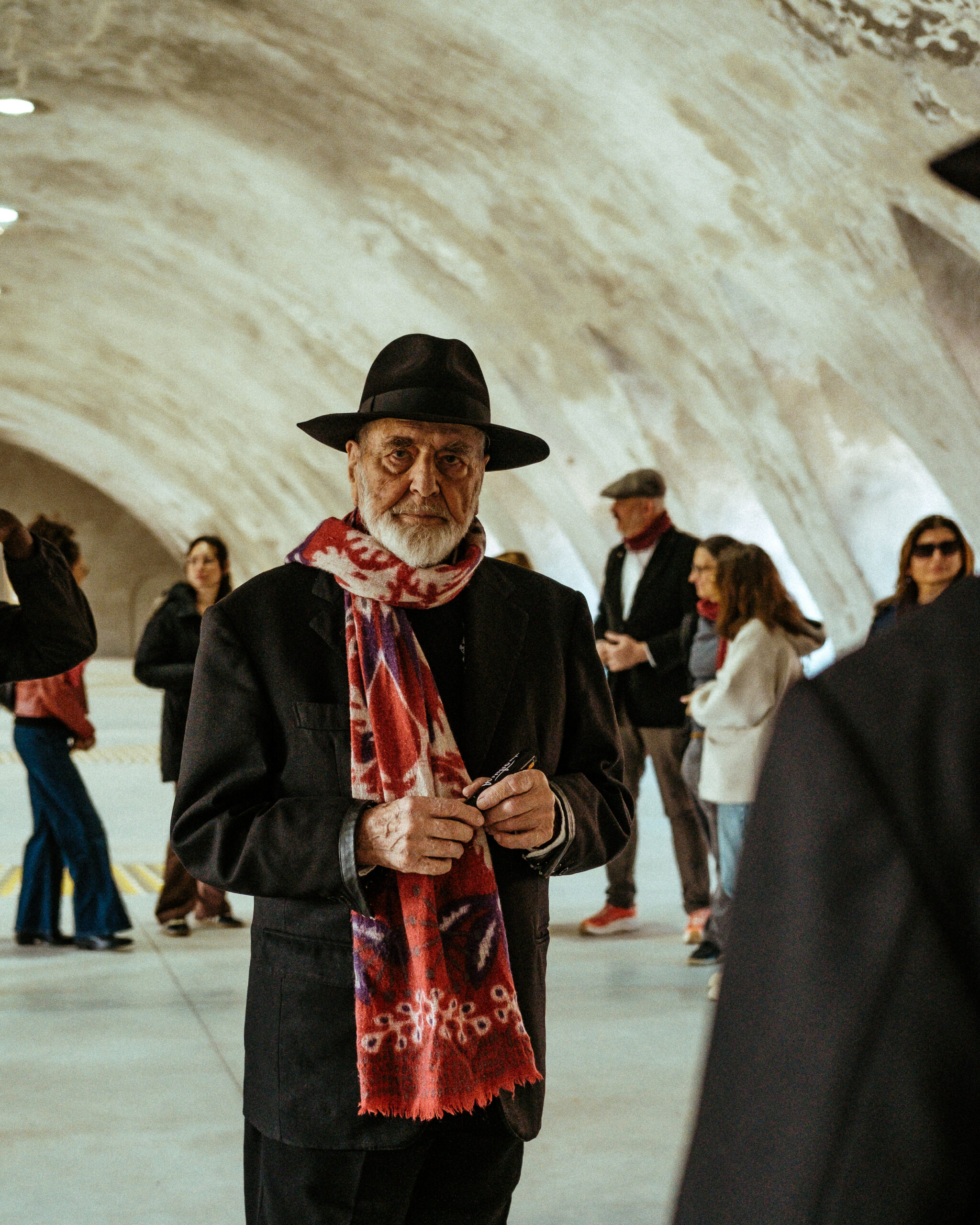
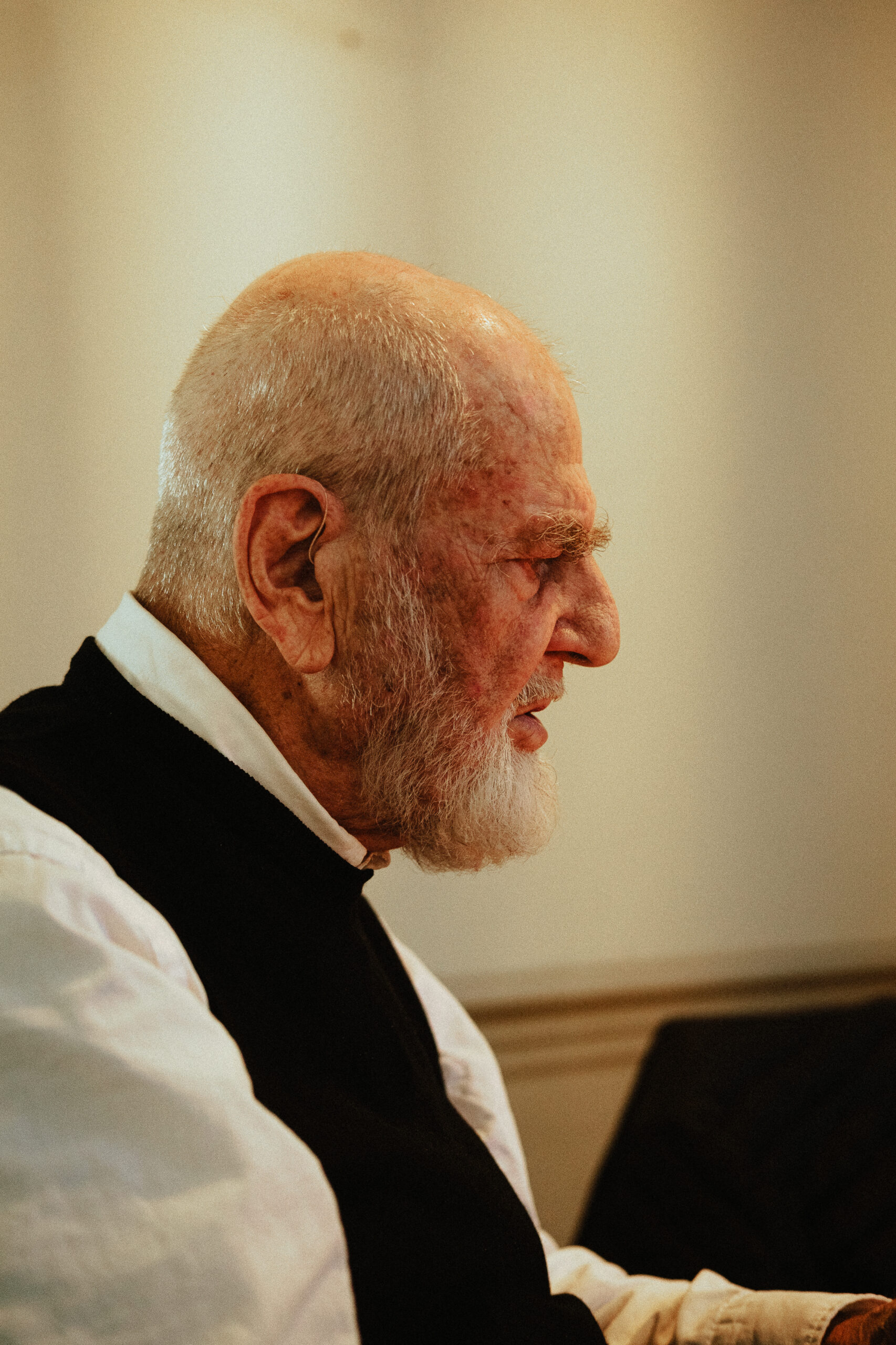
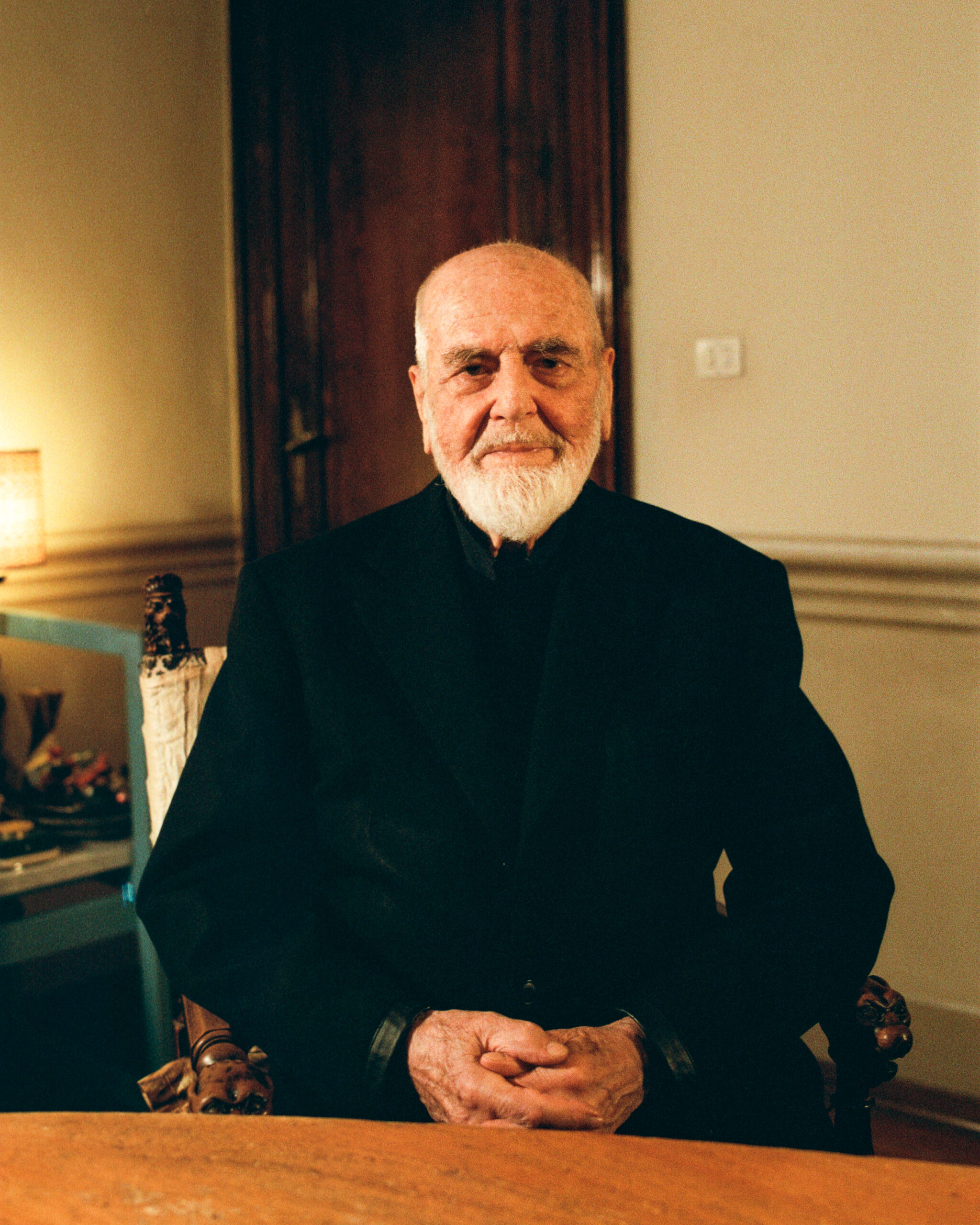
Michelangelo Pistoletto (b. 1933, Biella, Italy) is one of the most influential artists of the postwar period and a leading figure of Arte Povera. Beginning his career with self-portraiture in the 1950s, he achieved international recognition in the early 1960s with his Mirror Paintings, works that dissolve the boundary between artwork and viewer, placing the present moment at the centre of the image.
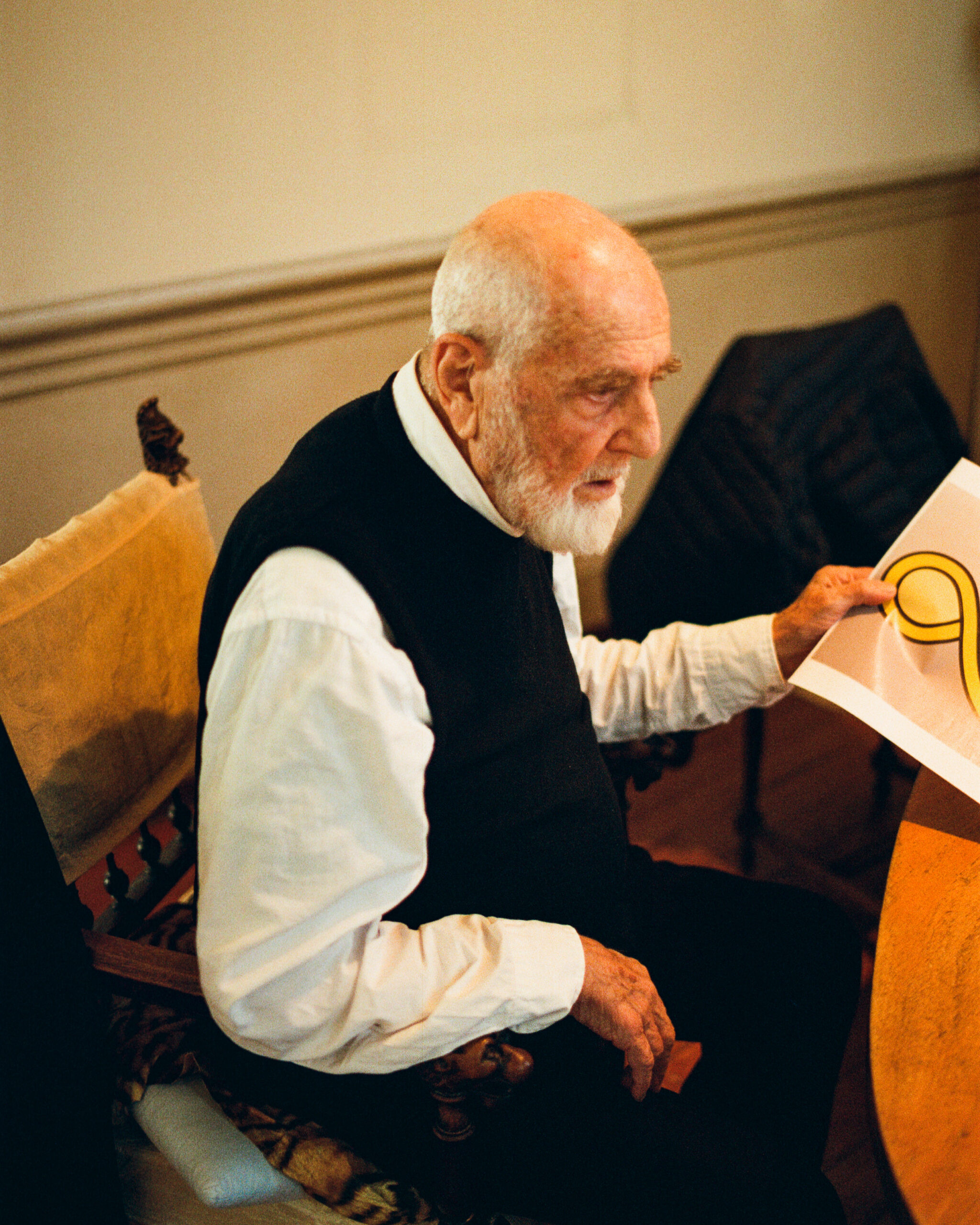
In the mid-1960s, Pistoletto produced Oggetti in meno (Minus Objects), a radical body of work that helped define Arte Povera and expanded the language of contemporary art beyond traditional forms. From the late 1960s onwards, his practice moved increasingly into performance, collaboration, and social engagement, anticipating decades of interdisciplinary and participatory art.

Throughout his career, Pistoletto has consistently positioned art as a catalyst for societal transformation. In the 1990s, he founded Cittadellarte in Biella, an interdisciplinary centre dedicated to connecting artistic practice with politics, economics, education, and ecology. This vision is encapsulated in The Third Paradise, a long-term, global project initiated in 2003, symbolised by a reconfigured infinity sign representing the balance between nature and artificiality.

Pistoletto’s work spans painting, sculpture, installation, and social practice, underpinned by a sustained philosophical inquiry into responsibility, collective authorship, and the role of creativity in public life. His writings, including The Third Paradise (2010), The Formula of Creation (2022), and more recent publications on spirituality and social regeneration, extend these ideas beyond the exhibition space.

He has exhibited internationally since 1955, participated in the Venice Biennale on thirteen occasions, and was awarded the Golden Lion for Lifetime Achievement in 2003, as well as the Wolf Foundation Prize in Arts in 2007. His works are held in major museum collections worldwide.

Subscribe to our newsletter

Subscription successful

An error occurred