
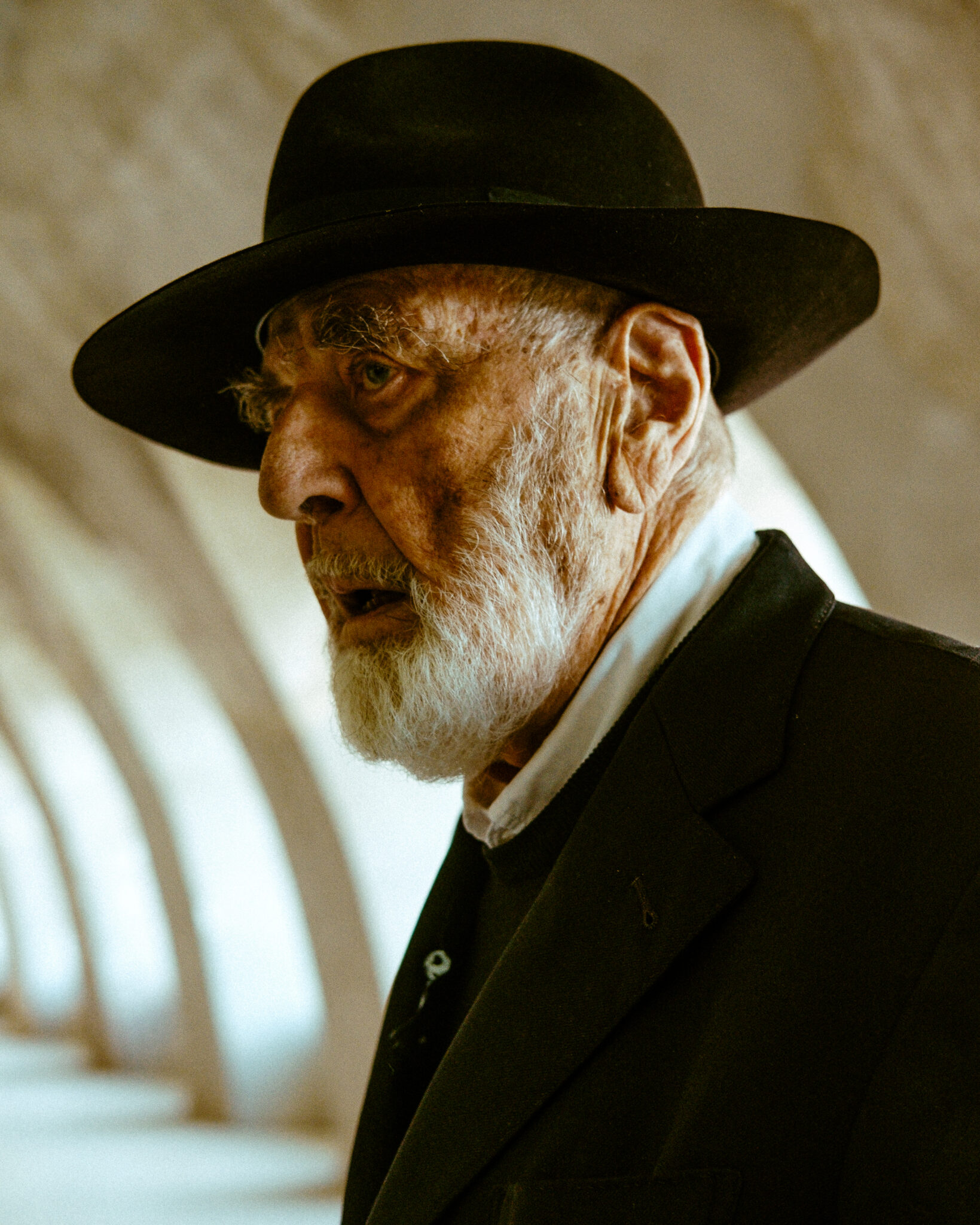
In Conversation: Josef O’Connor with Michelangelo Pistoletto
On Three Mirrors, preventive peace, and why this collaboration matters now
There are some artists whose work belongs to history, and others whose work returns to the present with increasing force. Michelangelo Pistoletto is both. For more than six decades, he has asked art to do more than represent the world. He has asked it to enter the world, absorb it, implicate it, and ultimately help reorganise it. That proposition feels especially urgent now.
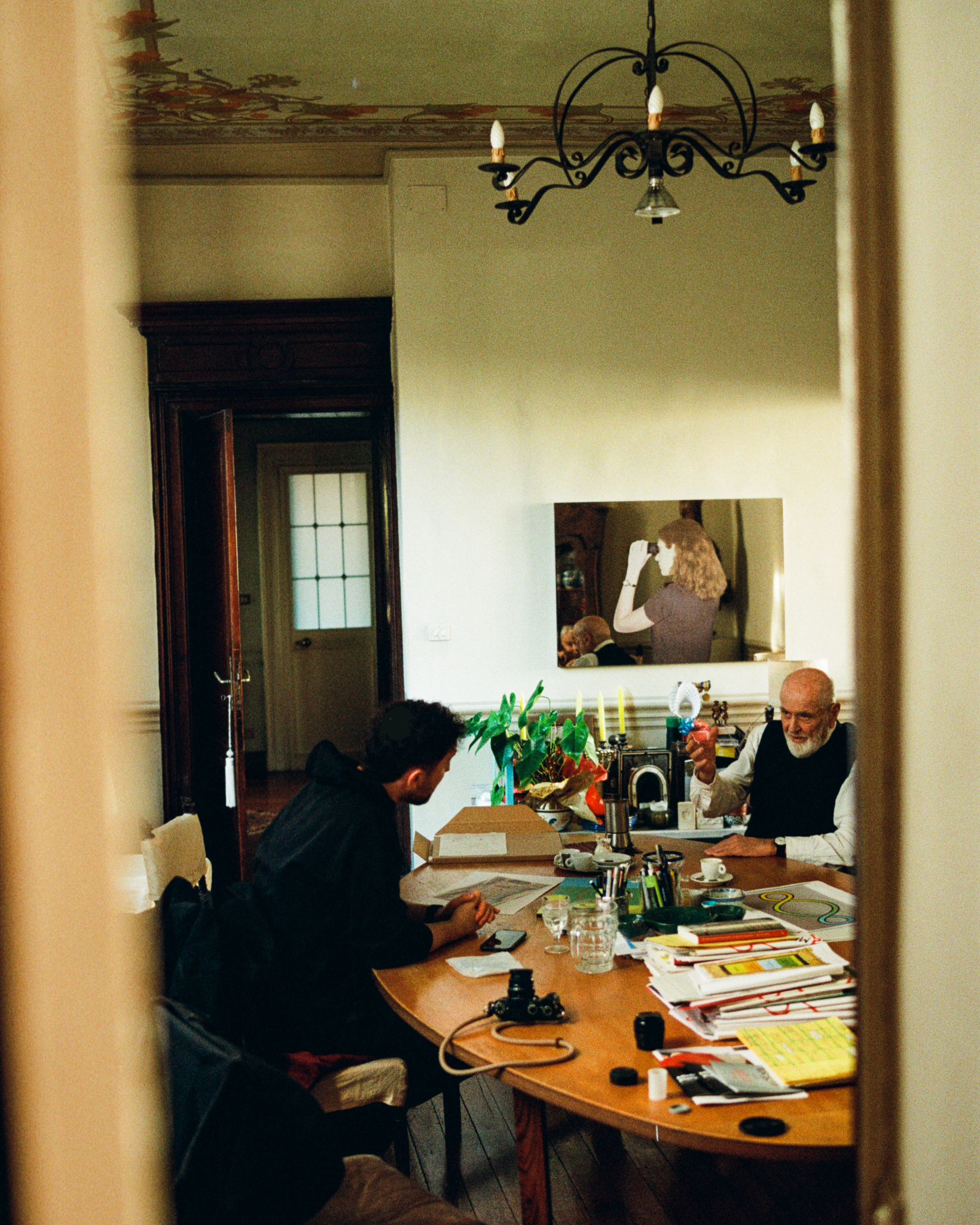
In 2026, as public life becomes increasingly shaped by screens, systems and escalating global tensions, CIRCA’s collaboration with Pistoletto does not arrive as a retrospective gesture, but as a necessary one. Three Mirrors is not simply a new commission. It is the result of a sustained dialogue between artist and curator, shaped across generations, between November 2025 and February 2026, at a moment when the world itself felt increasingly unstable, and made possible through the close collaboration and support of Pistoletto’s long-standing associate Francesco Saverio Teruzzi.
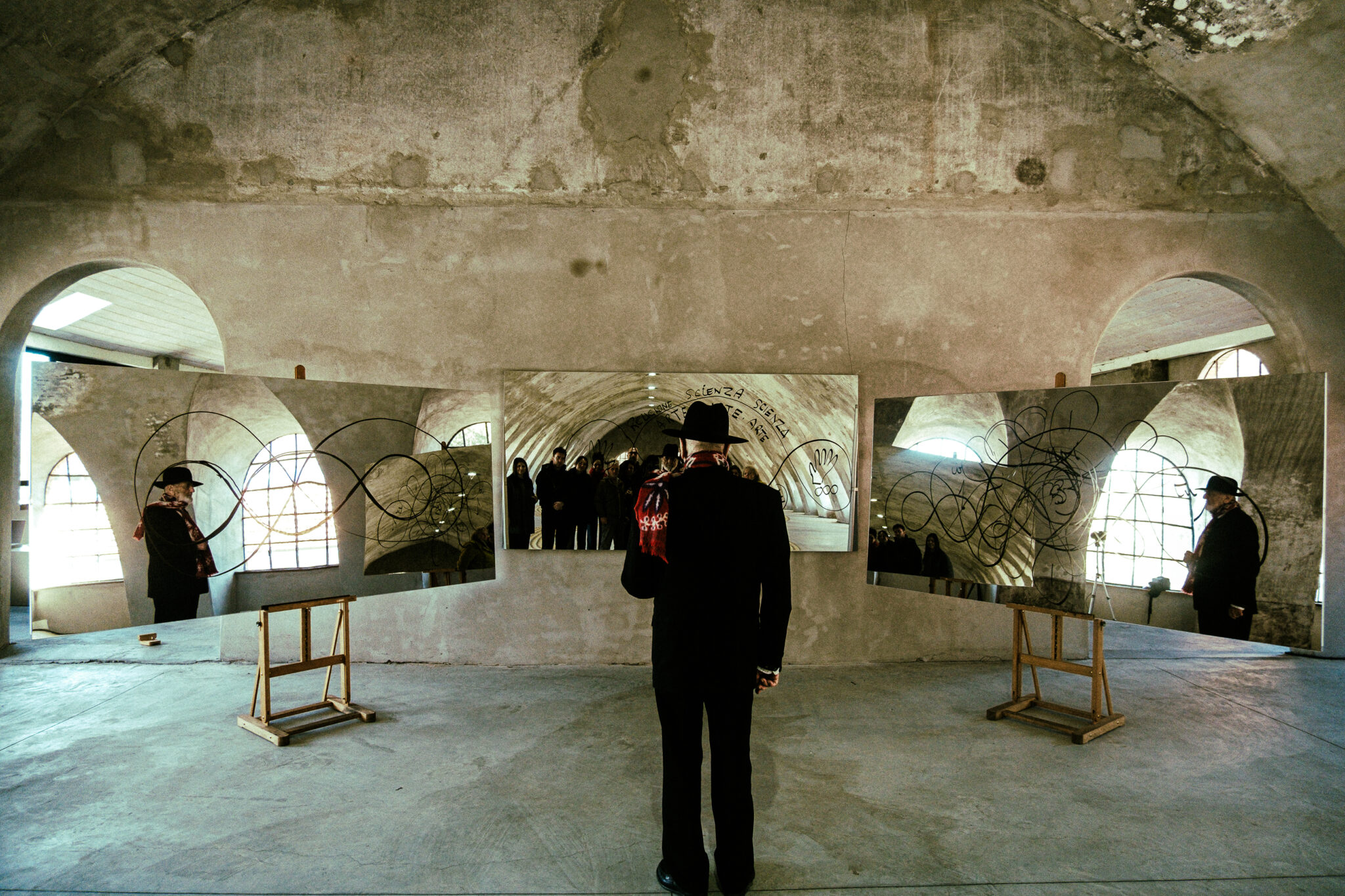
Filmed at Cittadellarte in Biella as a series of performative works created specifically for CIRCA, the project emerged through conversation. Not as a fixed idea imposed at the outset, but as something gradually formed through exchange. Questions around responsibility, coexistence and the role of art in a time of fragmentation became the substance of the work itself. That process matters. It positions Three Mirrors not as a static artwork, but as a living proposition addressed directly to the present.
For CIRCA, a platform built on transforming spaces of advertising into spaces for reflection, Pistoletto is a foundational figure. Long before contemporary image culture collapsed the distance between viewer and image, he understood the artwork as a site of participation. Long before the language of civic responsibility entered mainstream discourse, he asked what it means to be implicated in what one sees.
In Three Mirrors, these questions become newly charged. What follows is a conversation about art, responsibility, peace and the role of public imagination now.