fbpx AA Bronson + General Idea, Imagevirus | CIRCA 20:21

CIRCA 20:21

AA Bronson + General Idea, Imagevirus

1-31 December, 2021

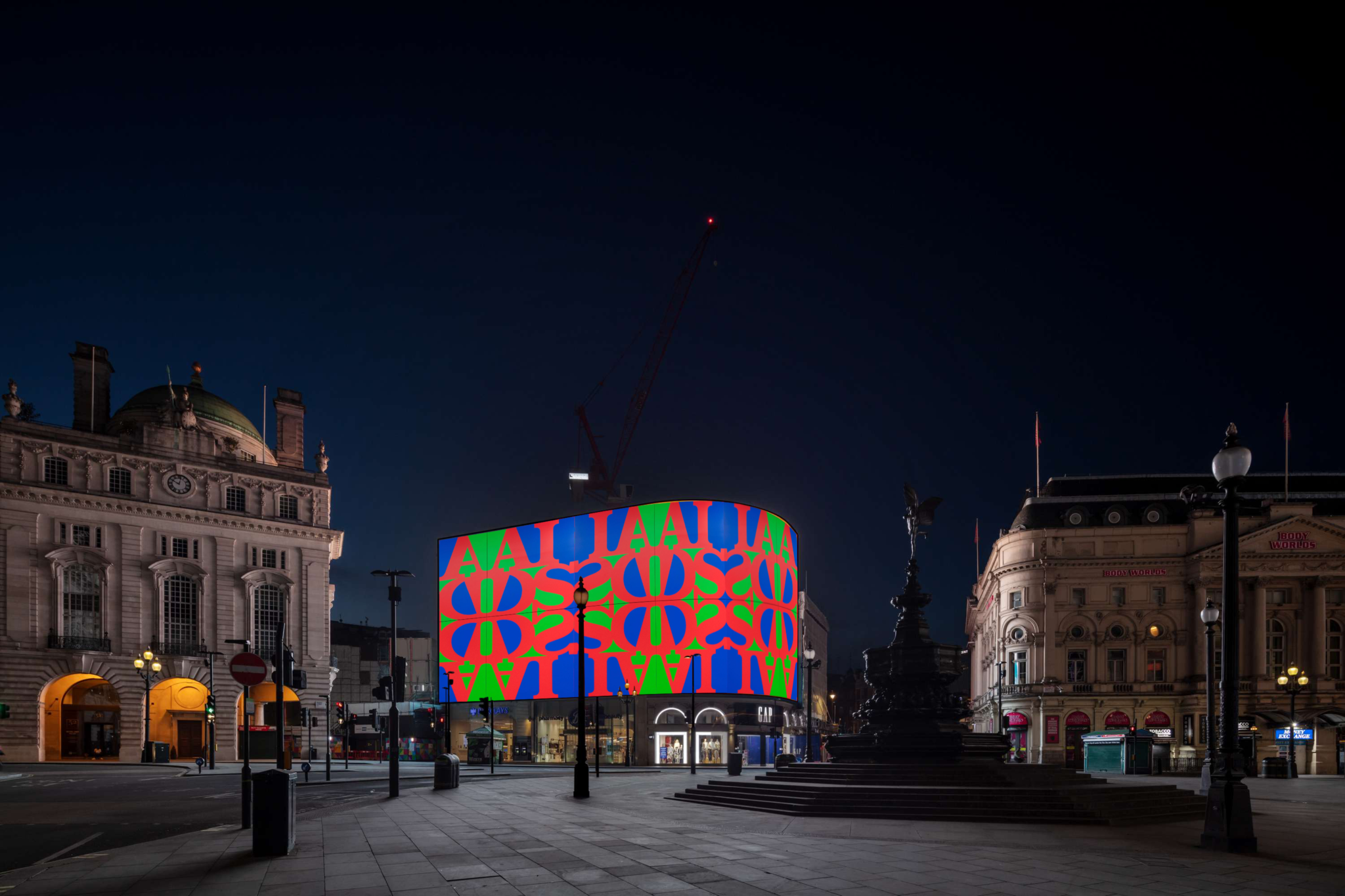
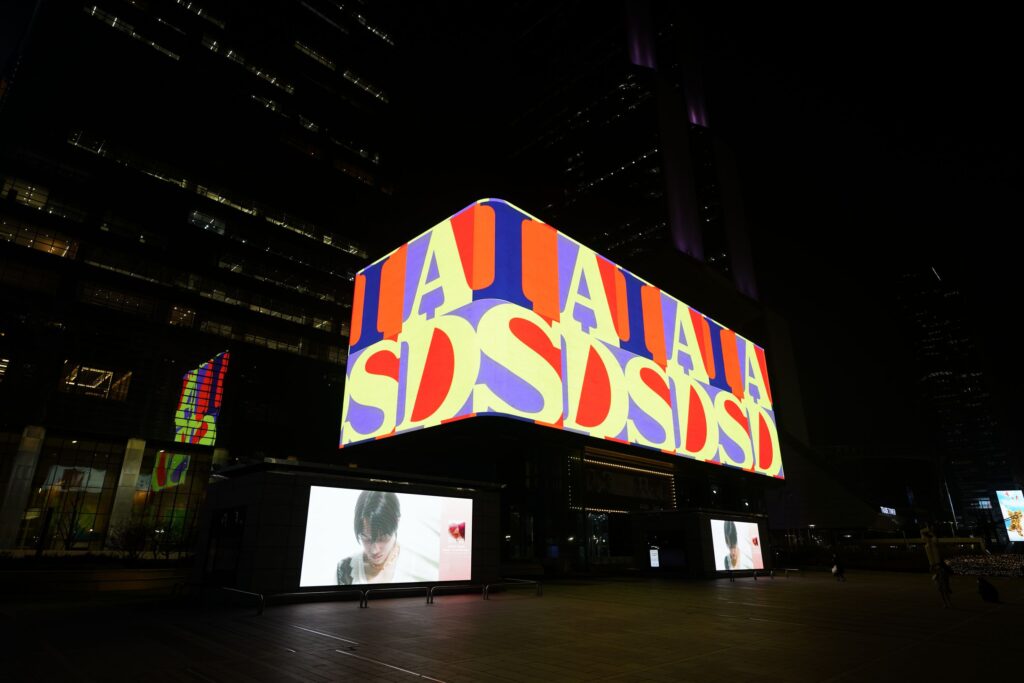
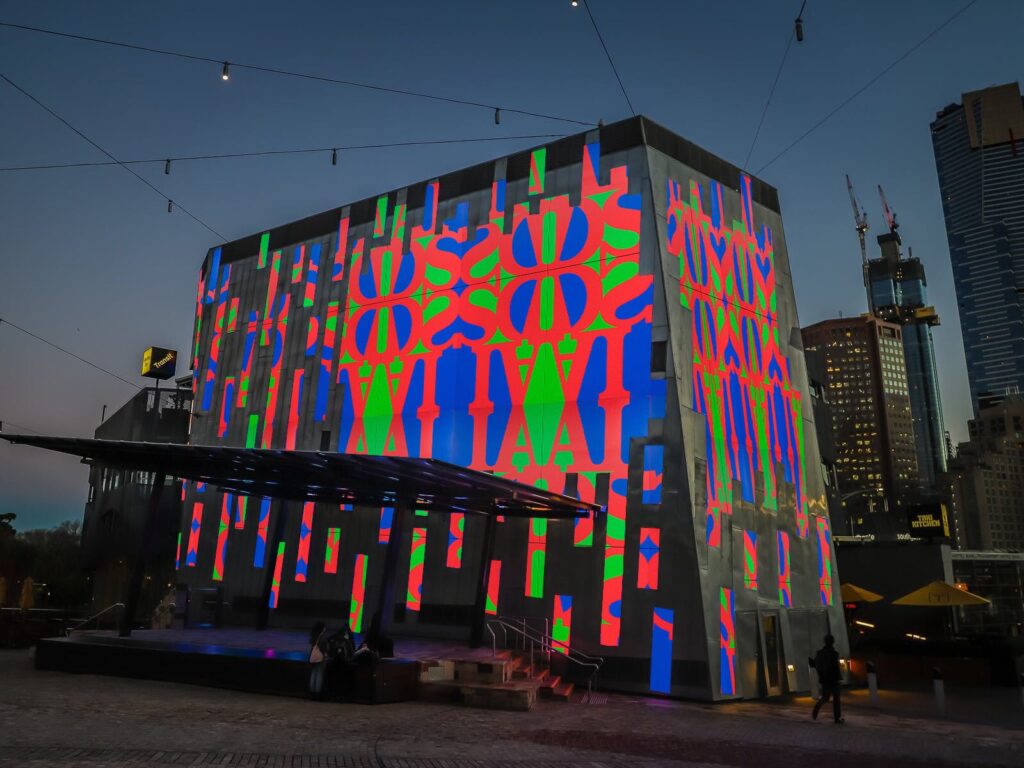
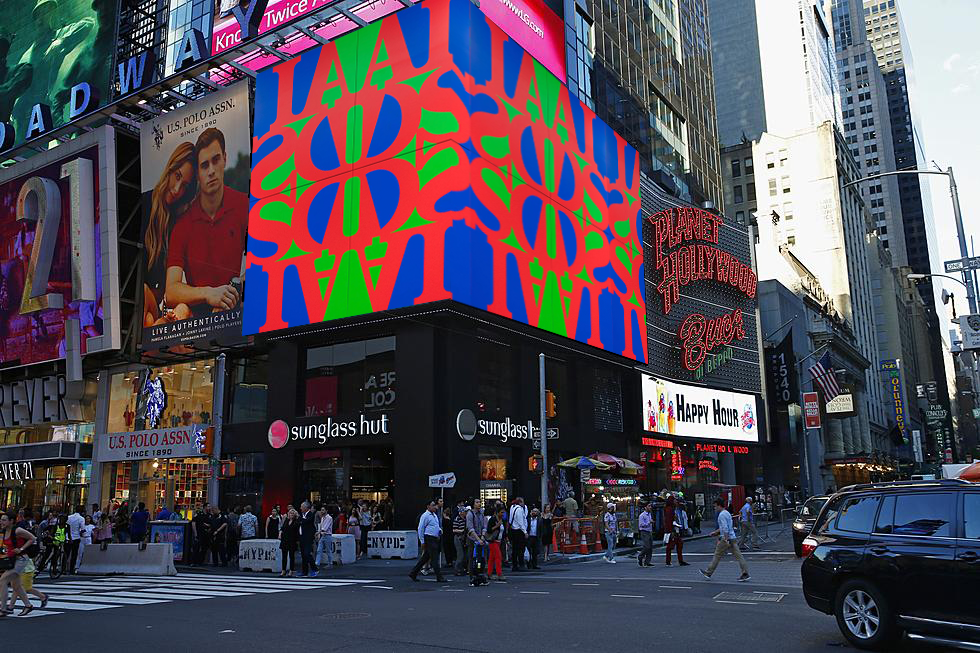
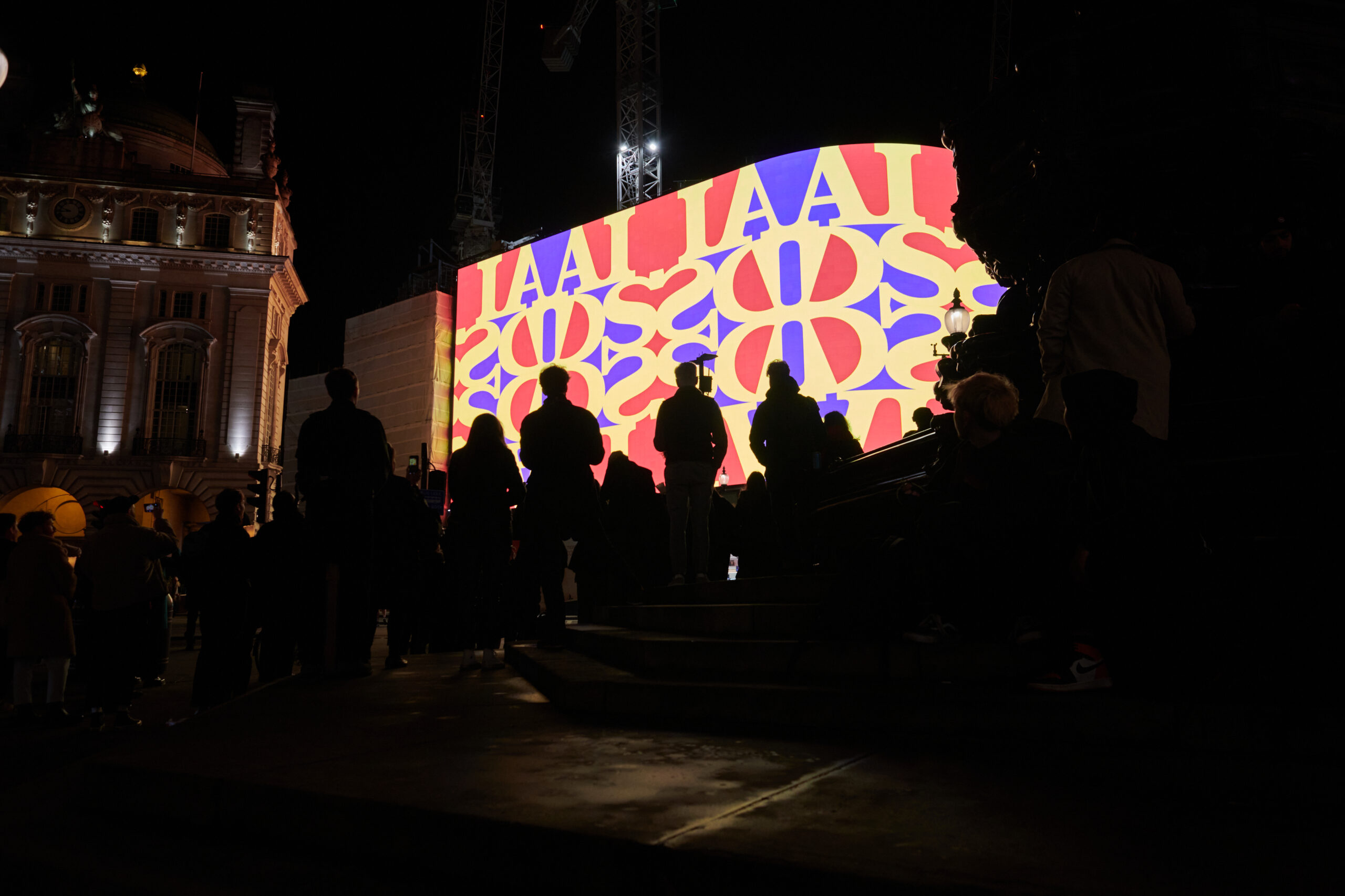
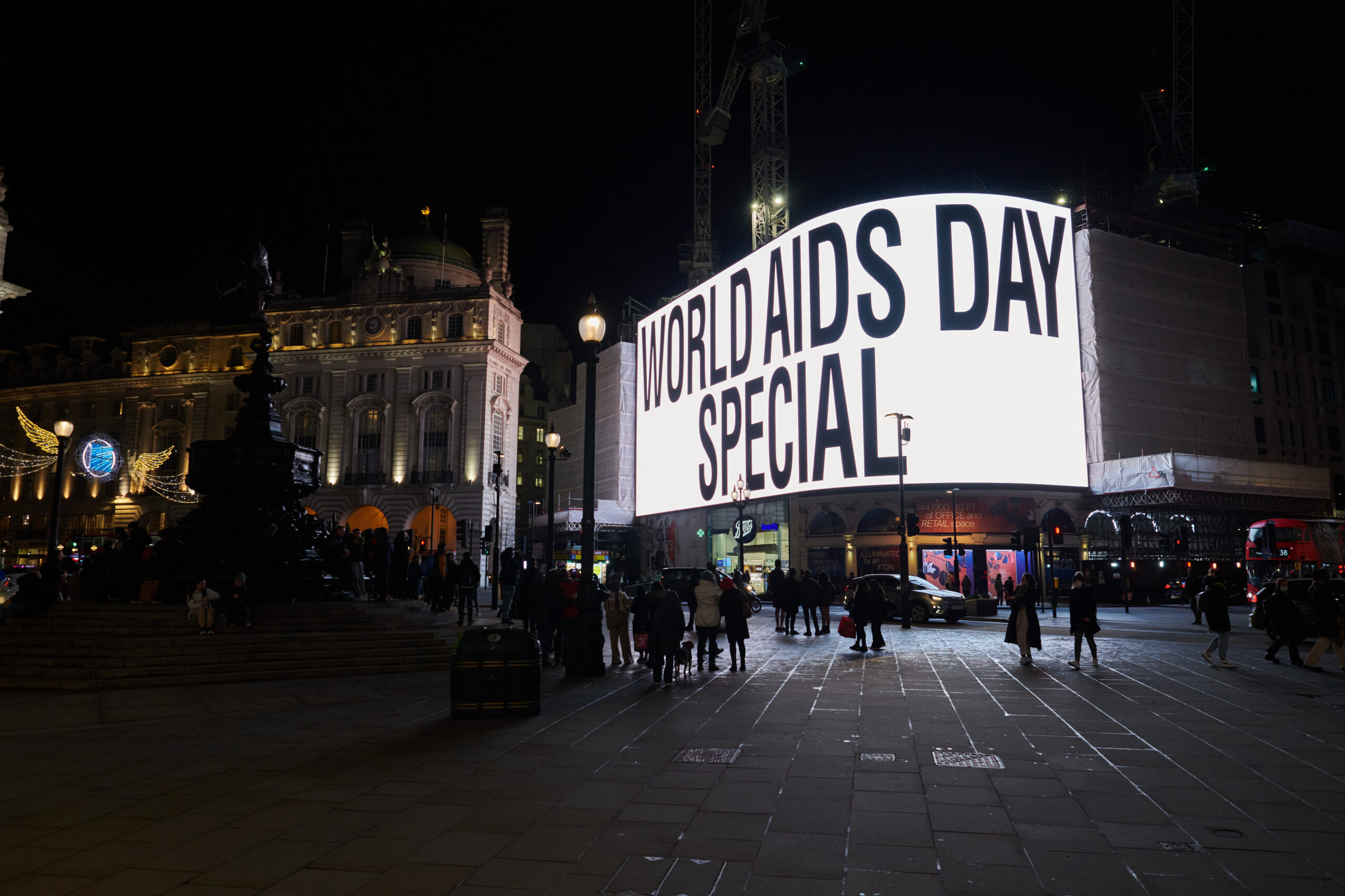
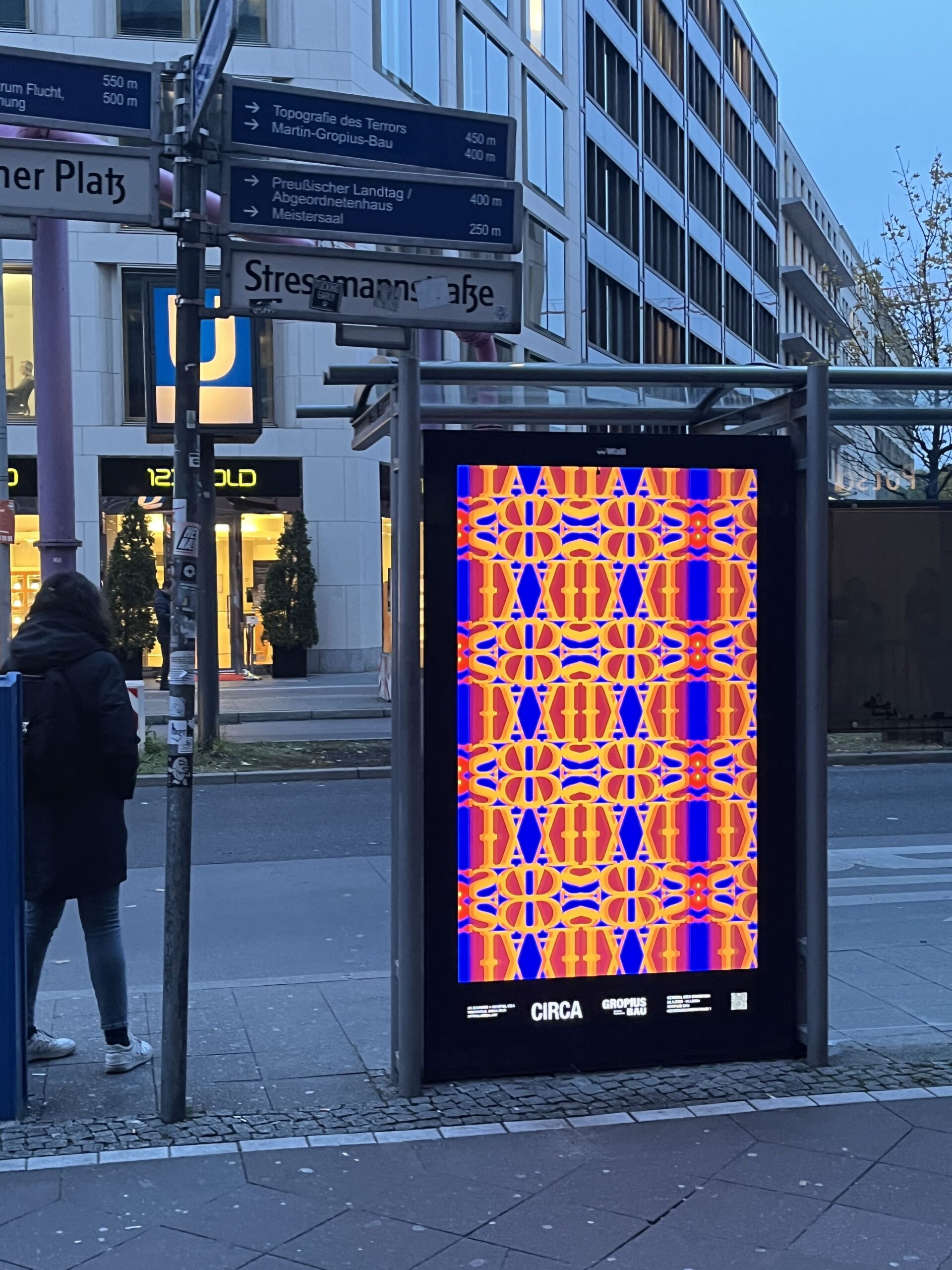
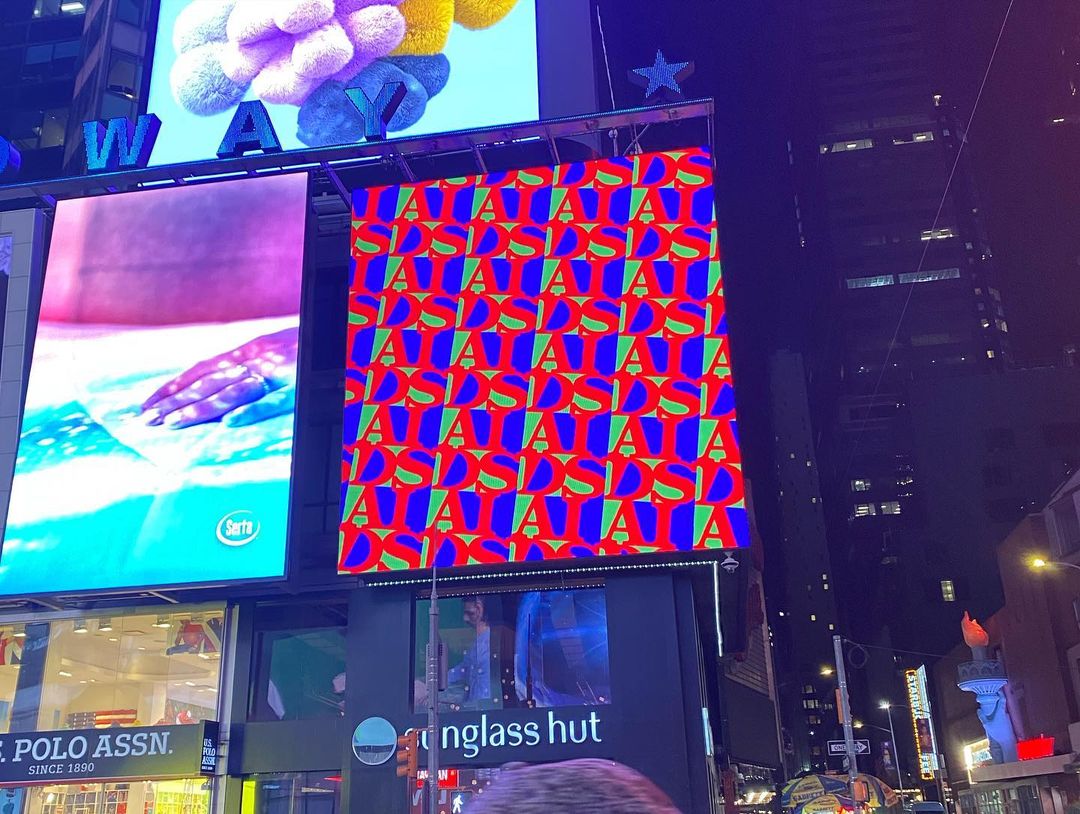
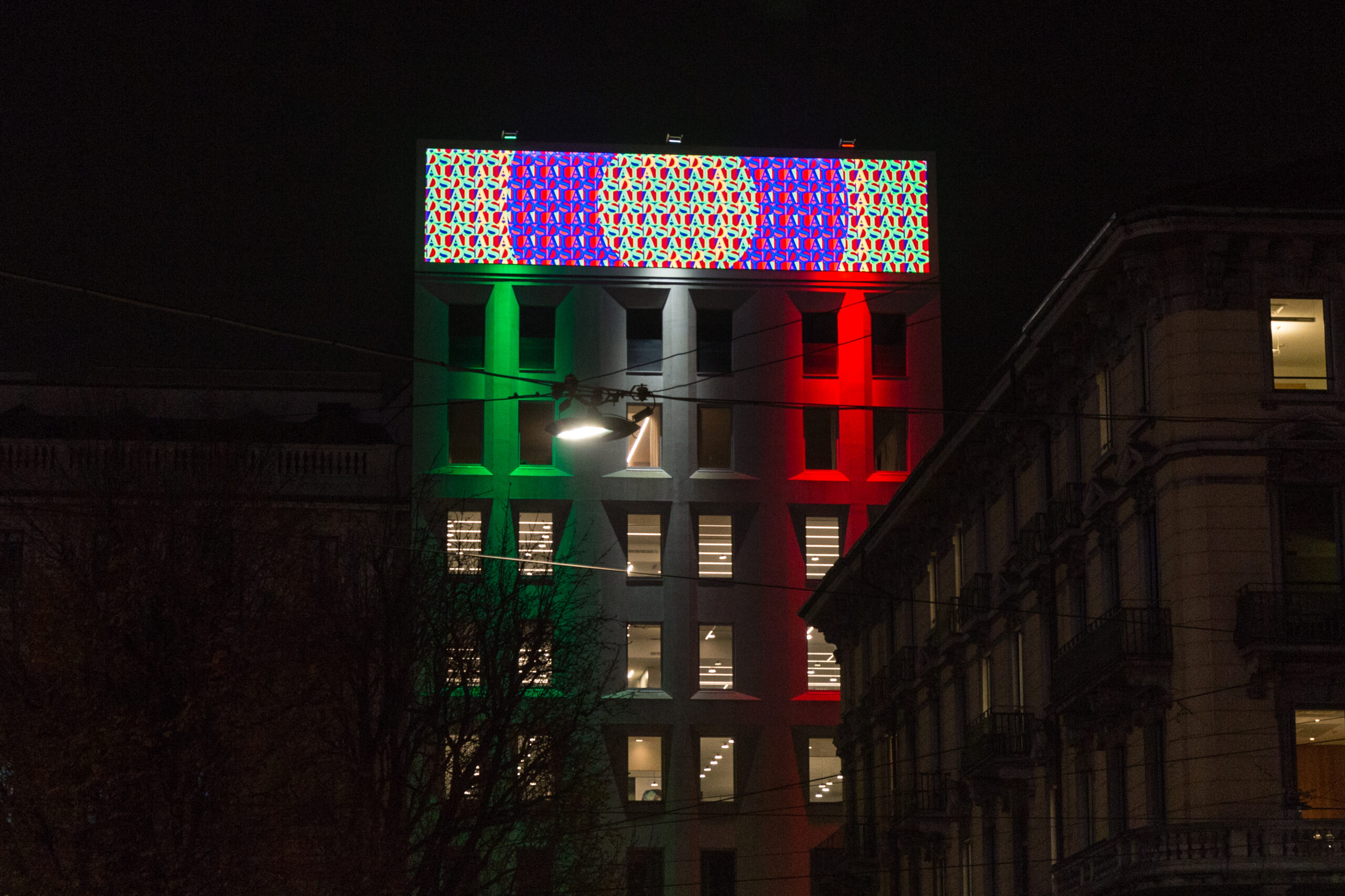
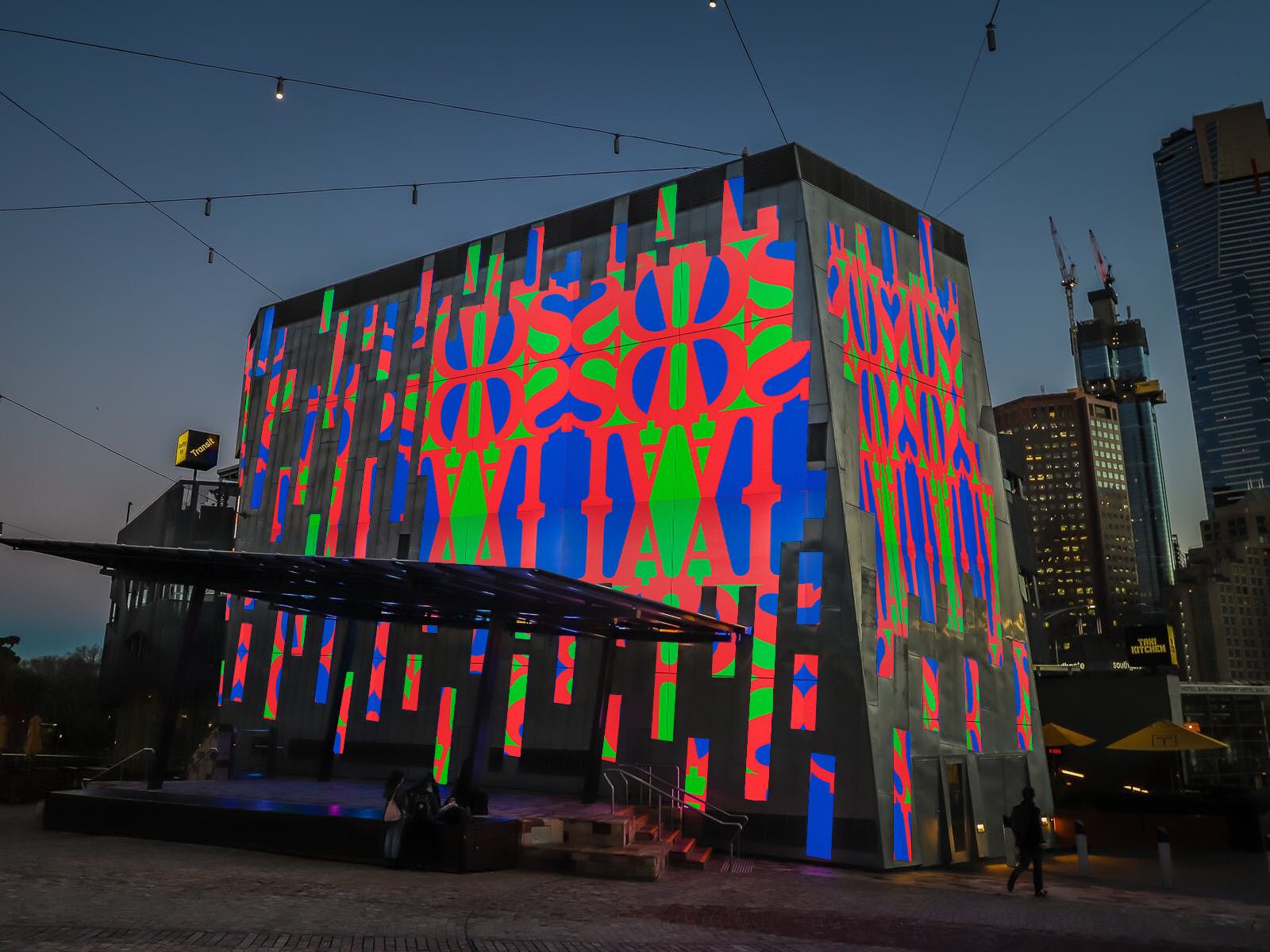
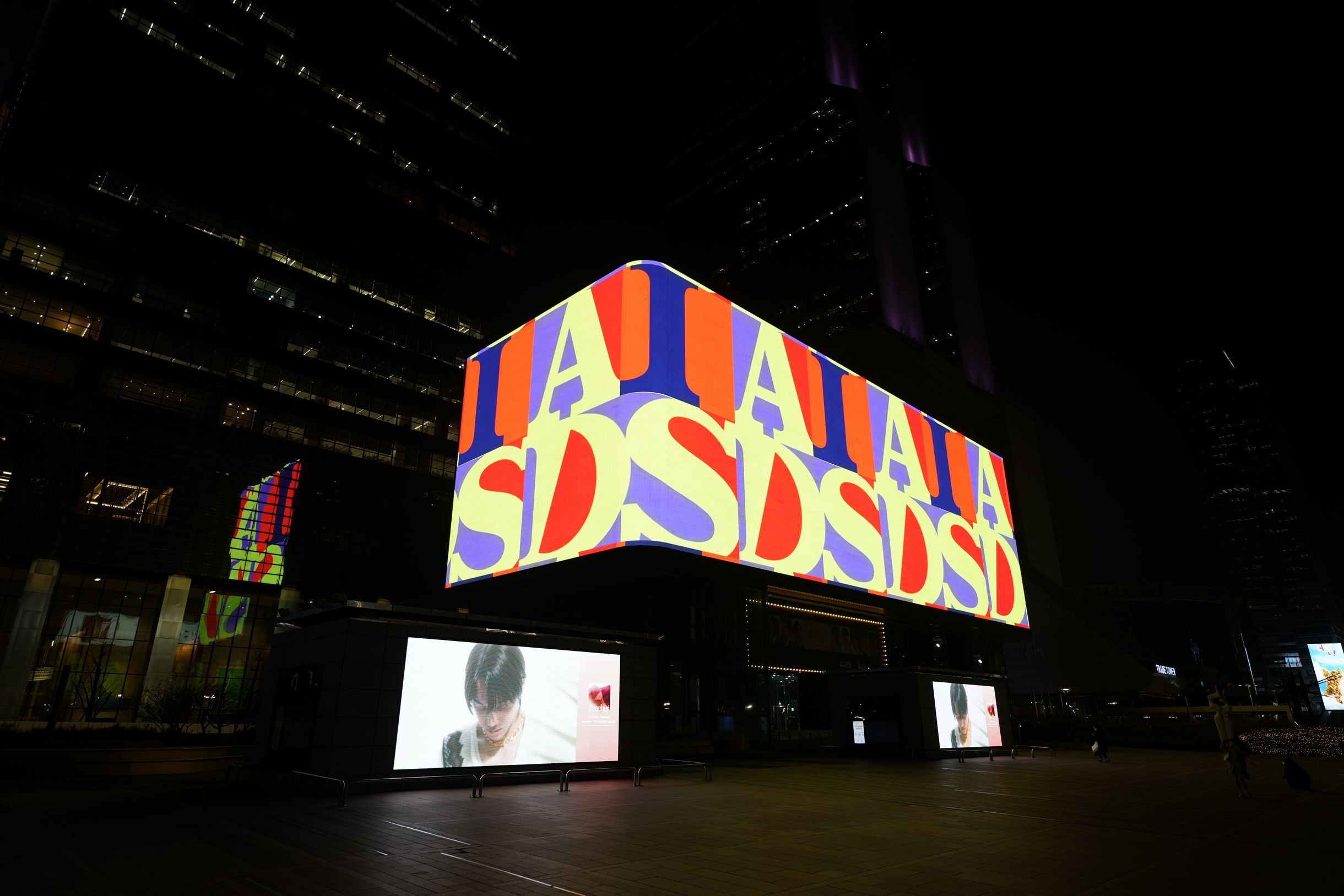
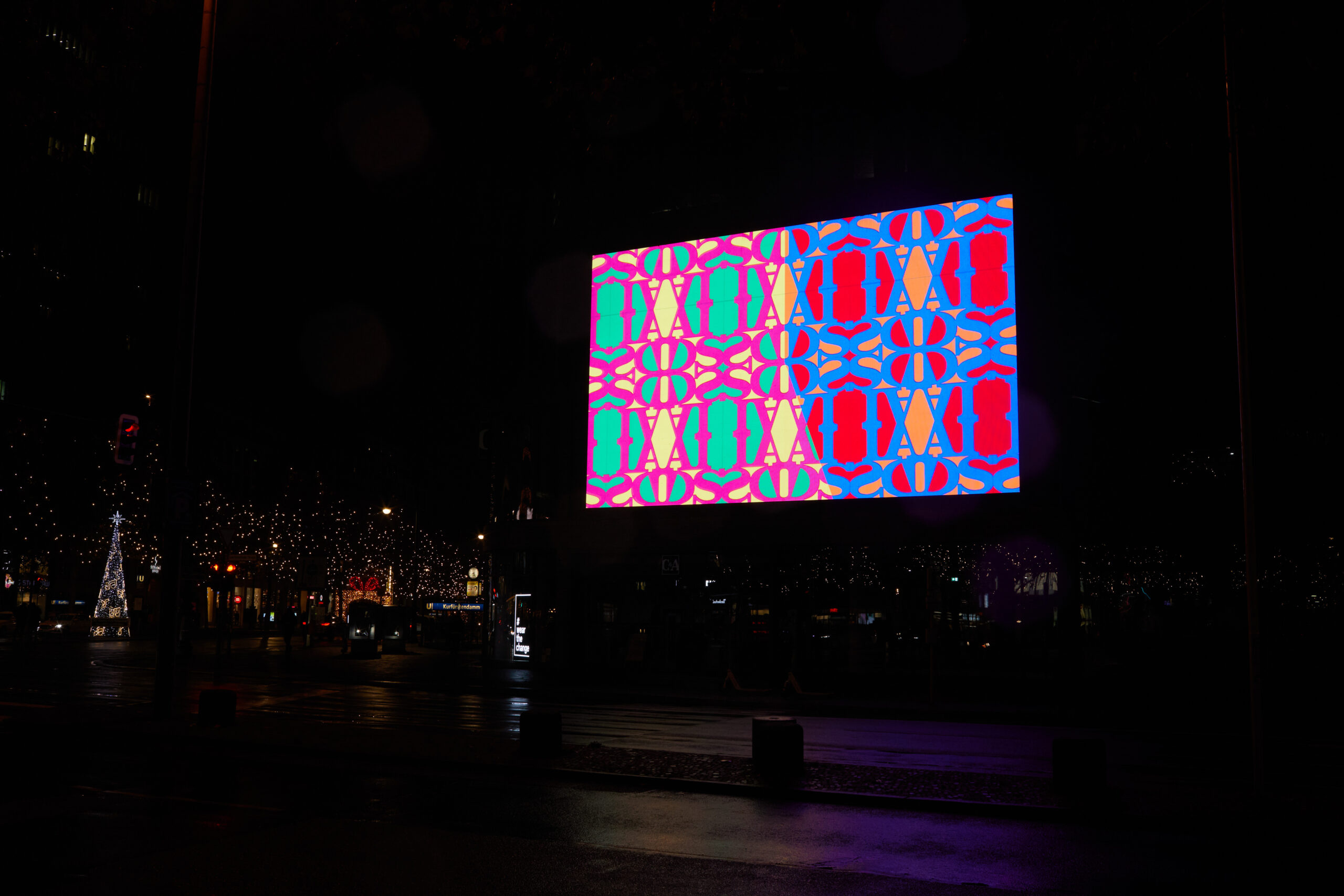
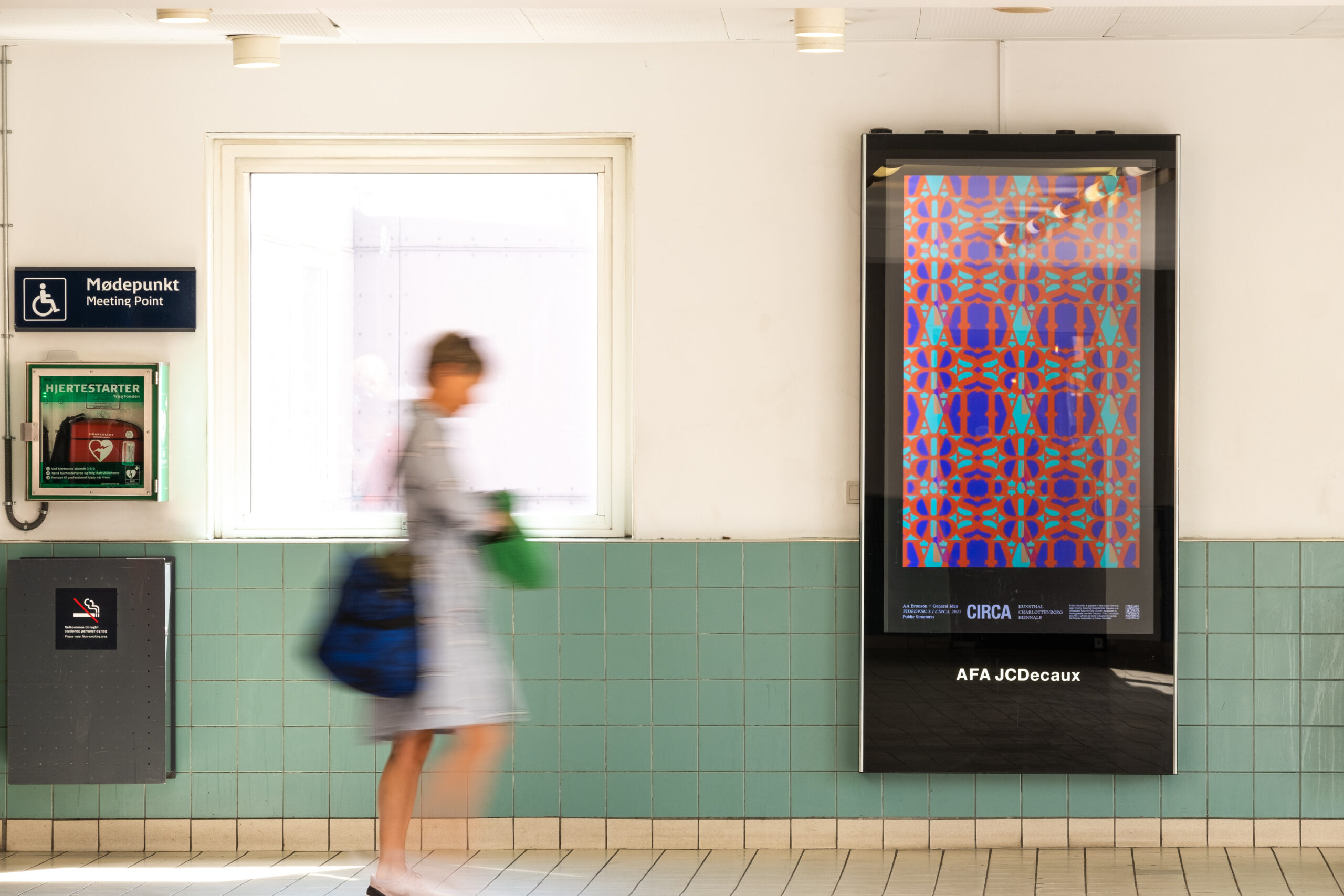
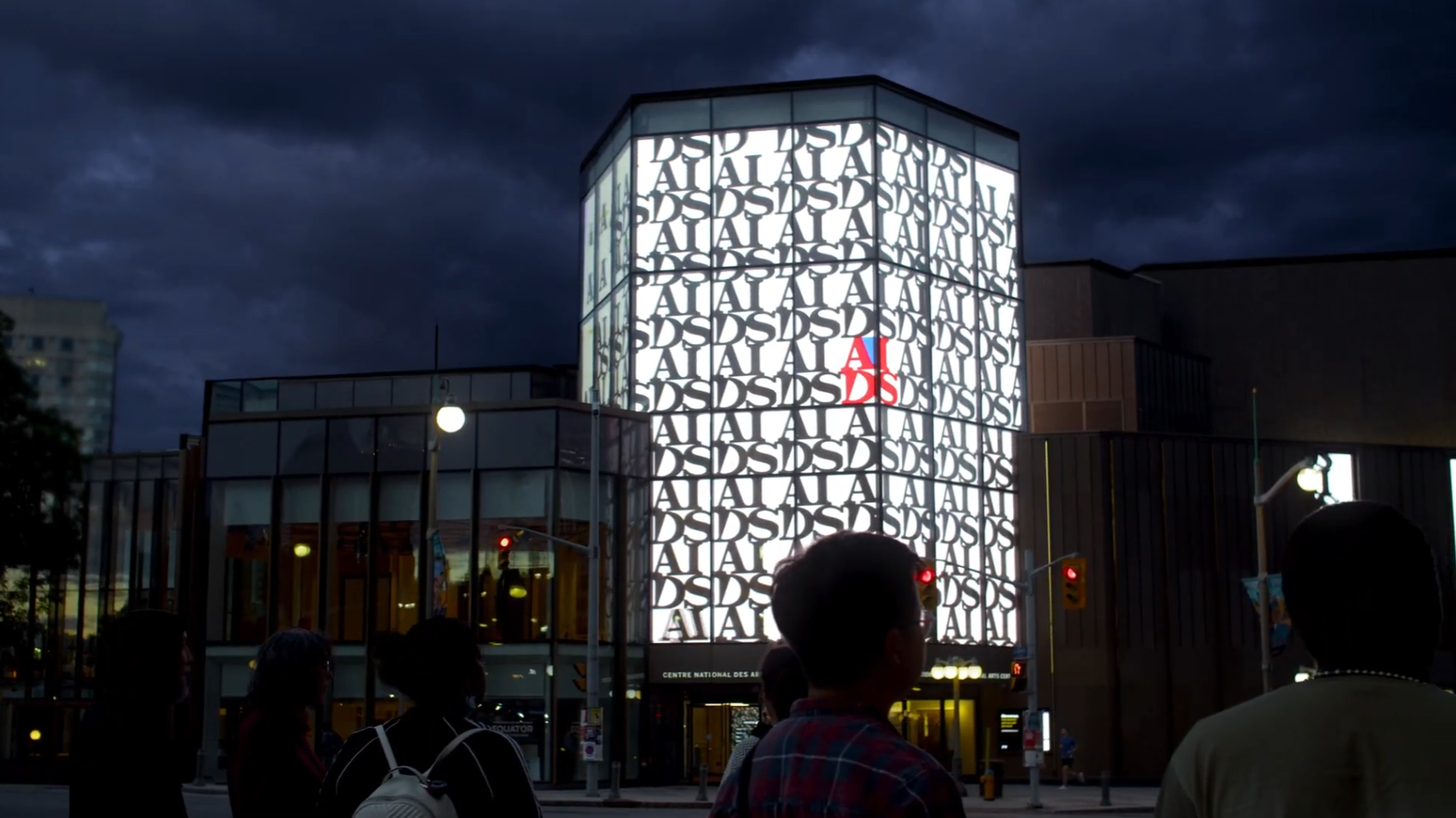
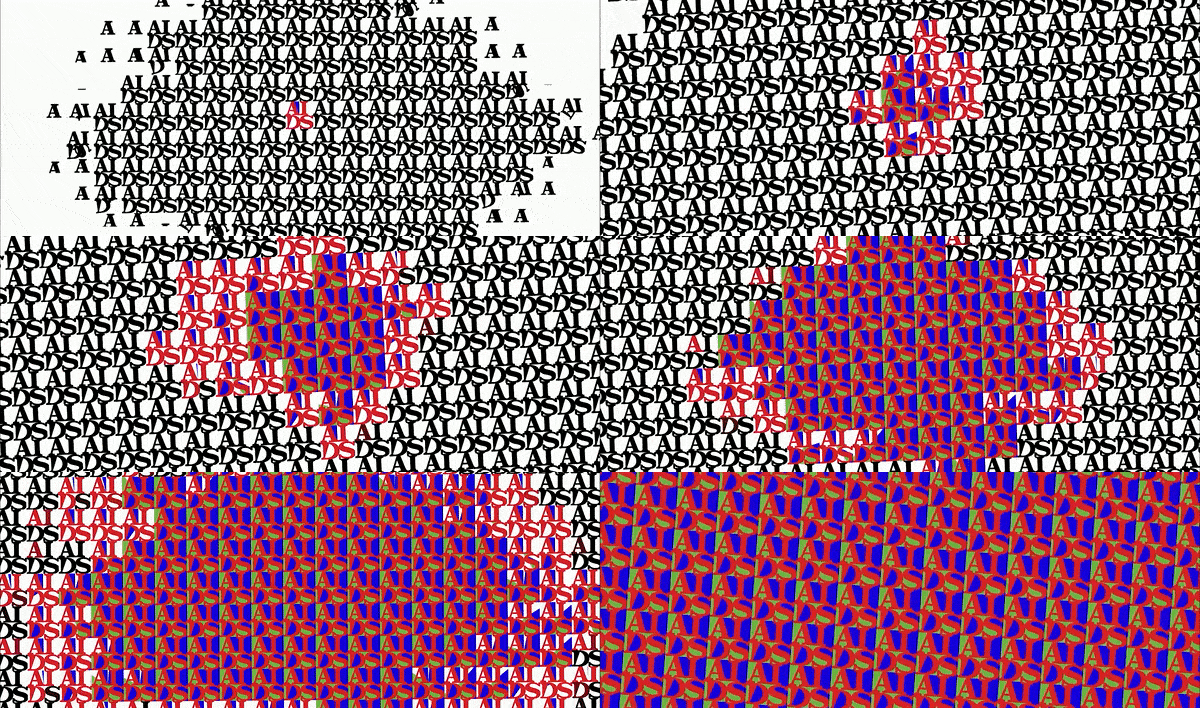
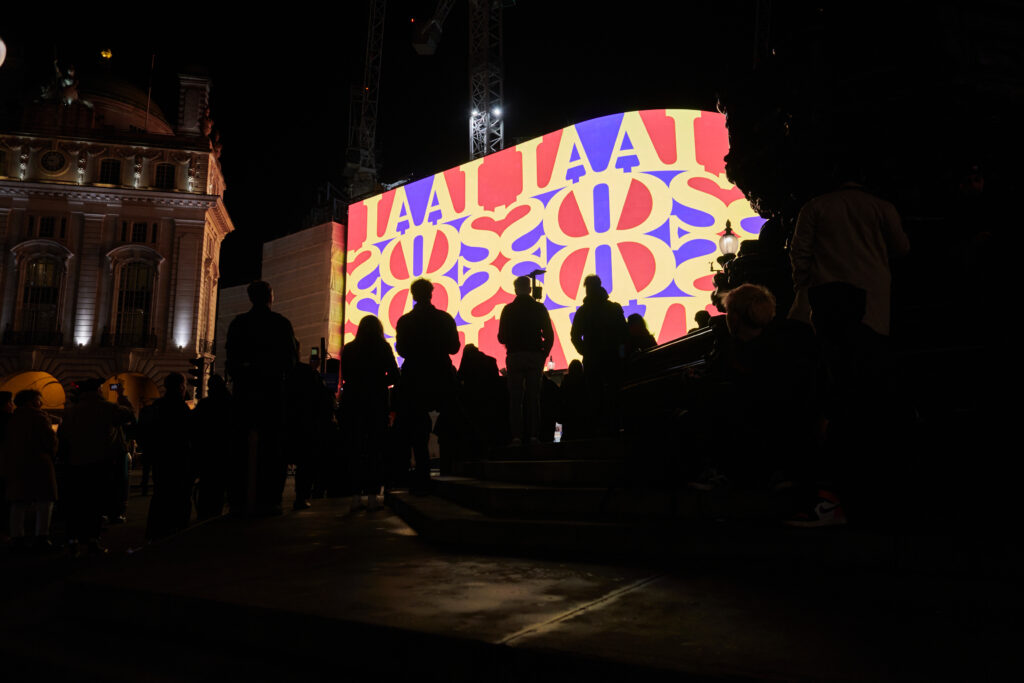
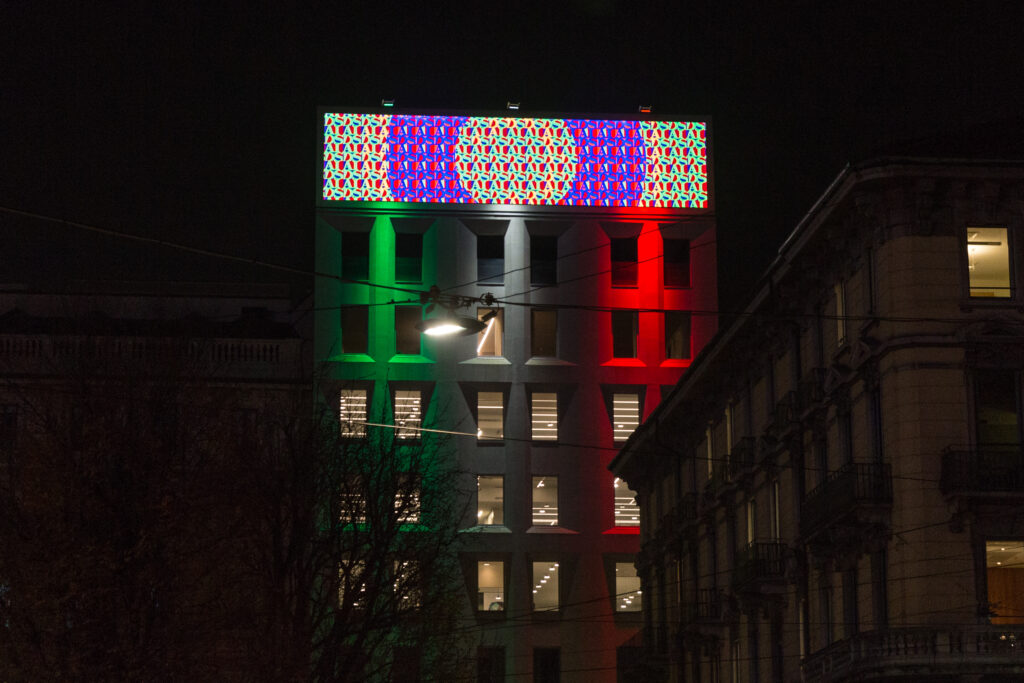
Launching World AIDS Day, 1 Dec 2021, CIRCA presents VideoVirus, a powerful new film by AA Bronson and General Idea. Reimagining their historic Imagevirus for a global audience, the artwork comes to life in a hypnotic video animation that virally transmits their activist message across billboards in London, Los Angeles, Melbourne, Milan, New York, Seoul & Tokyo. 

Throughout December, CIRCA is proud to partner with UNAIDS and Terrence Higgins Trust to mark 40 years since the disease was first recorded in 1981. A new work by AA Bronson, the sole surviving member of the General Idea art group, draws inspiration from the viral intentions of Imagevirus, which in the mid-1980s spread consciousness of the epidemic by reappropriating Robert Indiana’s famous LOVE logo, virally transmitting the AIDS symbol through cities in the form of paintings, sculptures, videos, posters, and exhibitions. 

From Imagevirus’ original intention of rendering visible an ignored crisis, today’s VideoVirus colourfully heralds our progress toward the eradication of AIDS, with CIRCA’s global presentation amplifying the commitment by international health organisations to achieve zero new HIV transmissions by 2030

Artist, healer and curator AA Bronson explains:

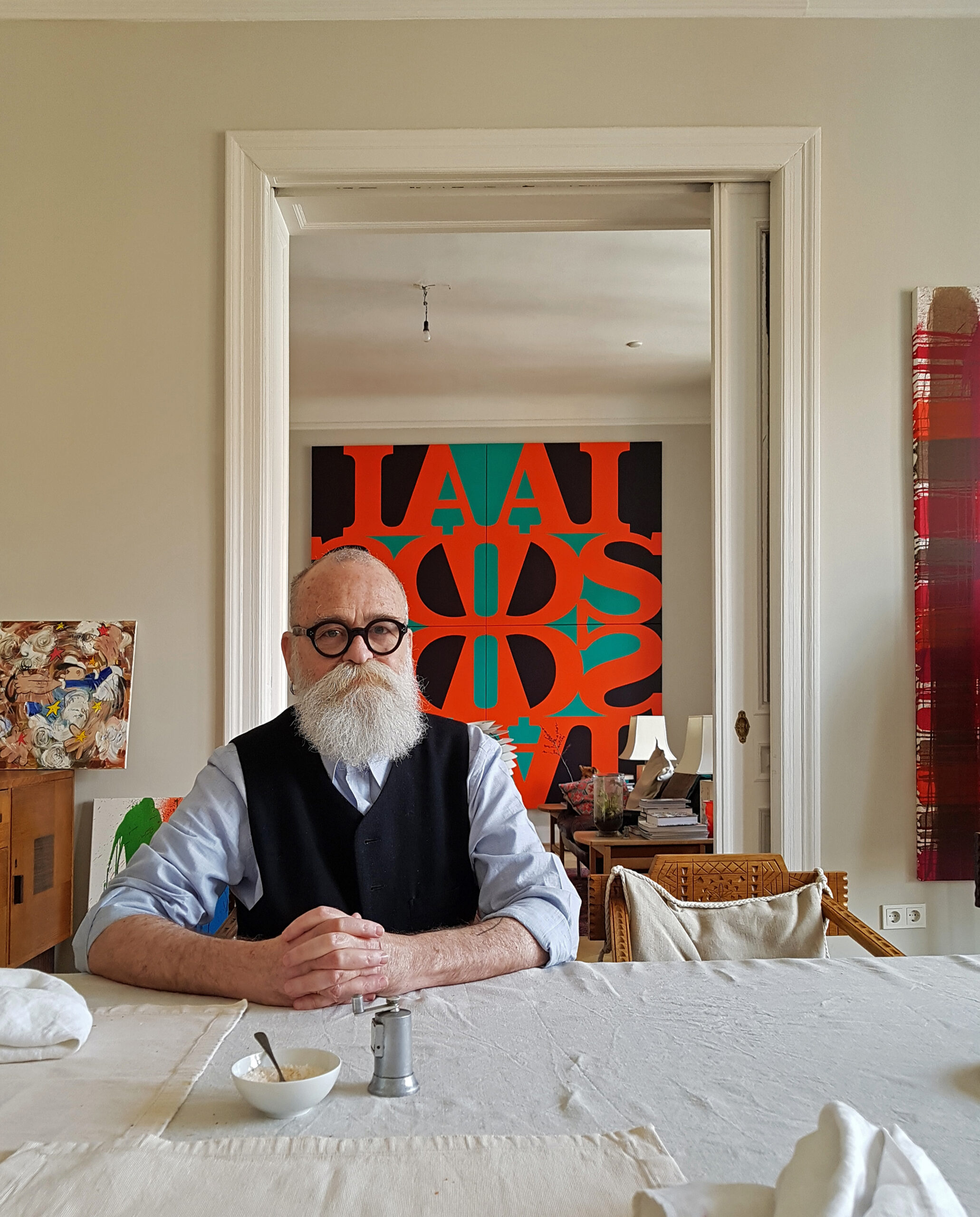
General Idea first developed the concept of viral images in the early 1970s. In the mid-80s that work became prophetically and tragically true, with the appearance of the HIV virus. In 1987 we exhibited our first AIDS painting and papered lower Manhattan with AIDS posters in the hope of making the image indeed viral. Thirty-five years later, and marking the 40th anniversary of AIDS first being recorded, I am honoured to join the CIRCA platform with this reimagined ‘VideoVirus.’ General Idea’s VideoVirus replicates the spread of HIV to the four corners of the world; it expands General Idea’s signature theme of ‘image as virus’ for a global audience.

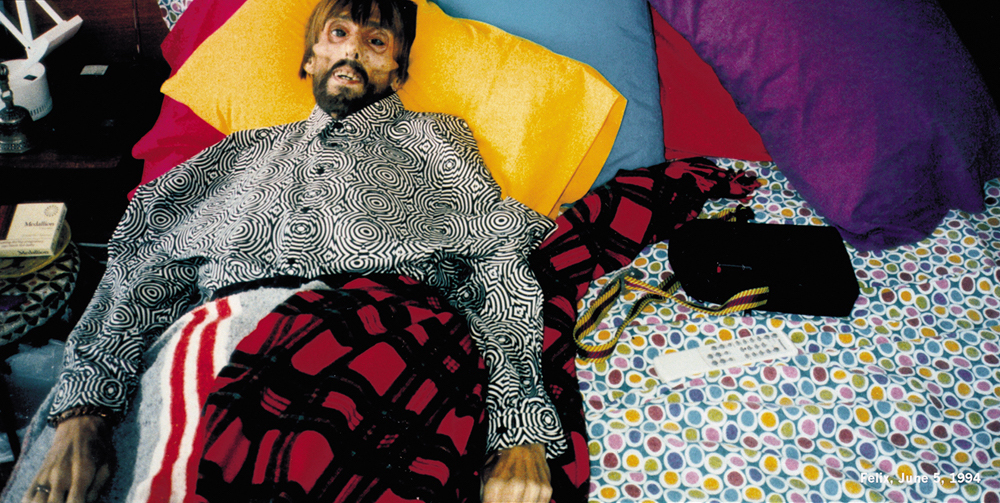
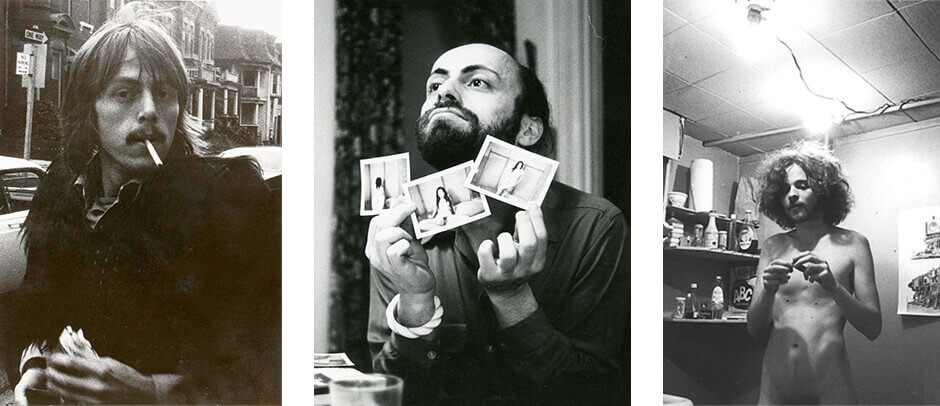
General Idea, a collaboration between AA Bronson, Felix Partz and Jorge Zontal, began in Toronto in 1969. The group’s transgressive concepts and provocative imagery challenged social power structures and traditional modes of artistic creation in ever-shifting ways until Partz and Zontal’s untimely deaths from AIDS-related causes in 1994.

Michelangelo Pistoletto’s Three Mirrors is presented daily across CIRCA’s global network of public screens. Each evening at 20:26 (local time), the work appears simultaneously across the following locations, entering the flow of the city and inviting a shared moment of reflection. Select a location below to view directions and find your nearest screen on Google Maps.

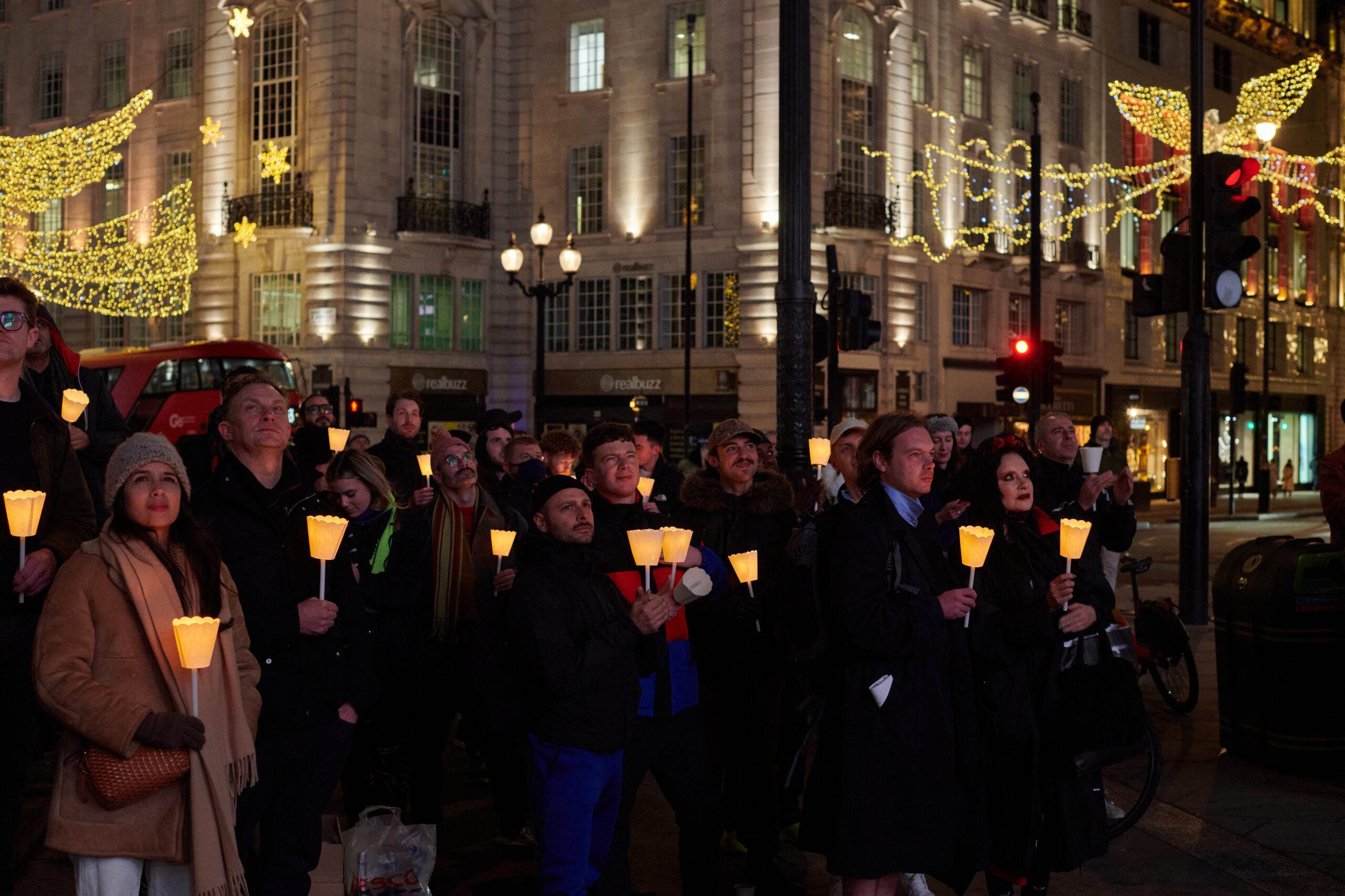
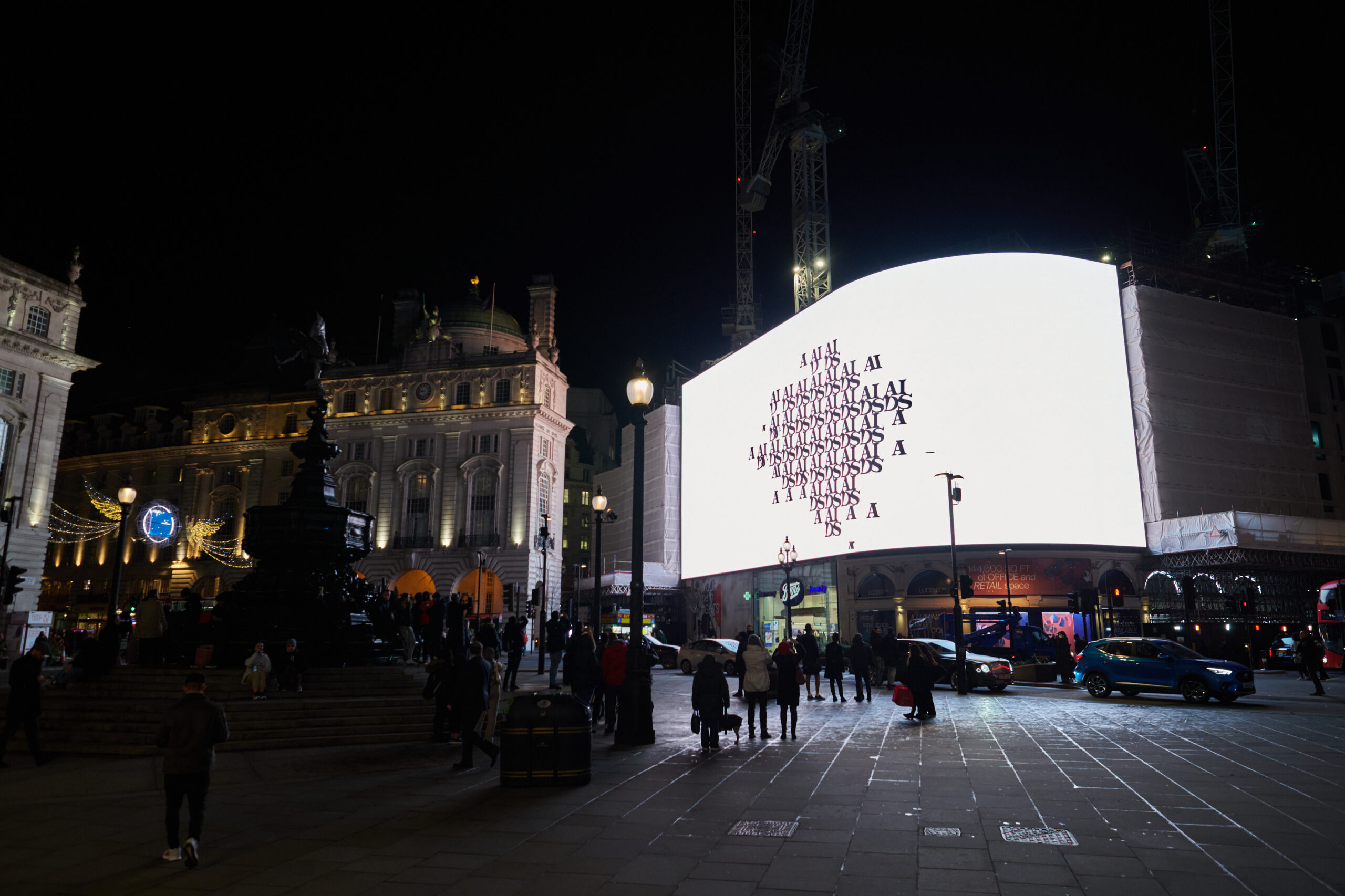
London, Piccadilly Lights

Experience  VideoVirus by AA Bronson + General Idea every evening at 20:21 GMT (1-31 December 2021) on the iconic Piccadilly Lights screen.

View screen locations

Milan, Cadorna Square

Experience  VideoVirus by AA Bronson + General Idea every evening at 20:21 CET (1-31 December 2021) on Milan’s EssilorLuxottica screen.

View screen locations

Seoul, COEX K-Pop Square

Experience  VideoVirus by AA Bronson + General Idea every evening at 20:21 KST (1-31 December 2021) on Seoul’s COEX K-Pop Square screen.

View screen locations

Melbourne, FedSquare

Experience  VideoVirus by AA Bronson + General Idea every evening at 20:21 ACT (13, 14, 26-30 December 2021) on Melbourne’s FedSquare screen.

View screen locations

Los Angeles, Pendry West Hollywood

Experience  VideoVirus by AA Bronson + General Idea every evening at 20:21 PST (1-31 December 2021) on Los Angeles’ Pendry West Hollywood screen.

View screen locations

New York, Times Square

Experience  VideoVirus by AA Bronson + General Idea every evening at 20:21 EST (1-31 December 2021) on Times Square’s EssilorLuxottica screen.

View screen locations

Tokyo, Yunika Vision

Experience  VideoVirus by AA Bronson + General Idea every evening at 21:30 JST (1-31 December 2021) on Tokyo’s Yunika Vision screen.

View screen locations

AA Bronson + General Idea: Going Viral

Written by Jack King

It’s 1986. New York’s HIV epidemic, the epicentre of a health crisis of which fires burn in most-all corners of the globe, has raged exponentially for five years. Thousands, disproportionately gay men, have already died; the state is, as will become its damning legacy, criminally negligent to the burgeoning disease, with President Ronald Reagan had not publicly uttered the acronym AIDS until the year prior. The broader public is callous. A trio of Canadian artists known by the collective moniker General Idea – formed of Felix Partz, Jorge Zontal and AA Bronson, all enigmatic pseudonyms – relocate to the city, where the art scene has suffered acutely.

It was the year following, in 1987 – also, coincidentally, when the direct action group AIDS Coalition to Unleash Power (ACT UP) was formed by a handful of activists, including the mercurial playwright Larry Kramer – that General Idea first put brush to paper on their AIDS image. Later turned into the Imagevirus poster campaign, it appropriated Robert Indiana’s Love, a characteristically bold pop art piece which has been formally replicated, homaged and parodied on everything from stamps to book and album covers.
Press

Partner Terrence Higgins Trust
Exhibition National Gallery of Canada
Press release
Another Magazine
Dazed
Wallpaper*
Monopol

Biography

AA Bronson + General Idea

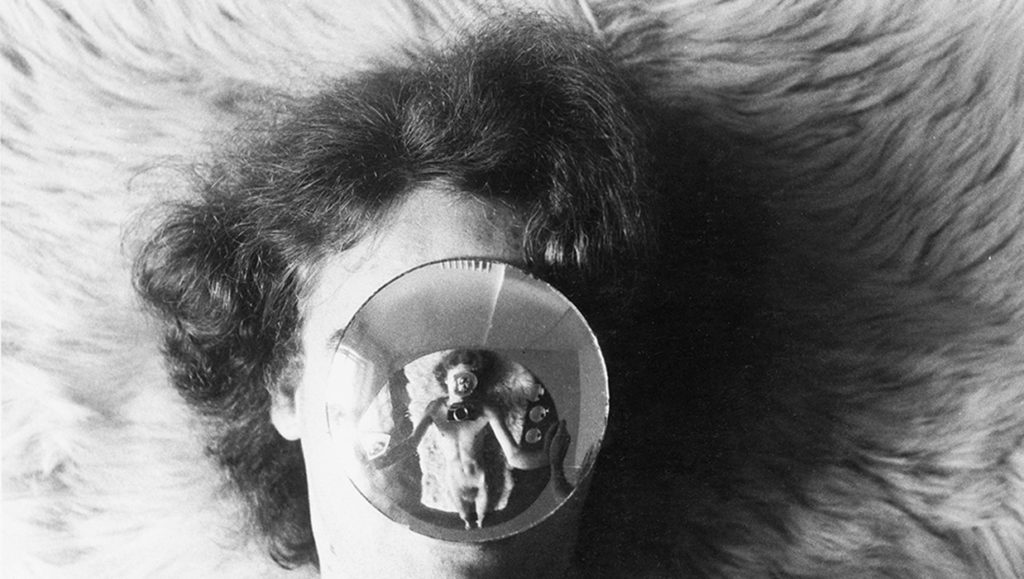
AA Bronson and General Idea occupy a singular place in the history of contemporary art. Founded in Toronto in 1969 by AA Bronson, Felix Partz and Jorge Zontal, General Idea became one of the most influential artist collectives of the twentieth century, pioneering new approaches to collaboration, media critique, performance and activism. Working across installation, publishing, video, television, photography and public intervention, the group challenged conventional ideas of authorship and artistic production while exposing the social and political structures that shape everyday life.

Throughout their twenty-five-year collaboration, General Idea developed a sophisticated practice that blurred the boundaries between art, mass media and popular culture. Using humour, parody and appropriation as critical tools, they examined themes including identity, celebrity, consumerism, sexuality and power. Their projects often adopted the visual language of advertising, branding and mass communication, transforming familiar cultural forms into vehicles for critique and reflection.

The AIDS epidemic became a defining focus of the collective’s work during the 1980s. In 1987, General Idea appropriated Robert Indiana’s iconic LOVE motif, replacing its letters with the word AIDS. What began as an artwork quickly evolved into a global intervention. Through posters, billboards, paintings, sculptures and publications, the image spread virally across cities around the world, confronting the silence and stigma surrounding a disease that was devastating communities while receiving inadequate public attention. Today, the AIDS image remains one of the most powerful examples of artistic activism in contemporary art history.

In 2021, forty years after the first reported cases of AIDS, CIRCA collaborated with AA Bronson to present VideoVirus, a new public commission that reimagined General Idea’s historic concept of the “image virus” for a global audience. Presented in partnership with UNAIDS and Terrence Higgins Trust, the work was broadcast across public screens in London, Los Angeles, Melbourne, Milan, New York, Seoul and Tokyo, amplifying the international ambition of achieving zero new HIV transmissions by 2030. Accompanied by a series of publications and a £5,000 grant awarded by CIRCA to QUEERCIRCLE, the project honoured the legacy of General Idea while demonstrating the continuing relevance of their message for new generations.

Following the deaths of Felix Partz and Jorge Zontal from AIDS-related illnesses in 1994, AA Bronson continued to preserve and expand the collective’s legacy while developing a significant solo practice spanning art, healing, publishing and queer community-building. Together, AA Bronson and General Idea transformed the possibilities of what art could do in public life, proving that images are not merely reflections of society but active agents capable of shaping culture, consciousness and social change.


Subscribe to our newsletter

Subscription successful

An error occurred