
fbpx Douglas Gordon | CIRCA

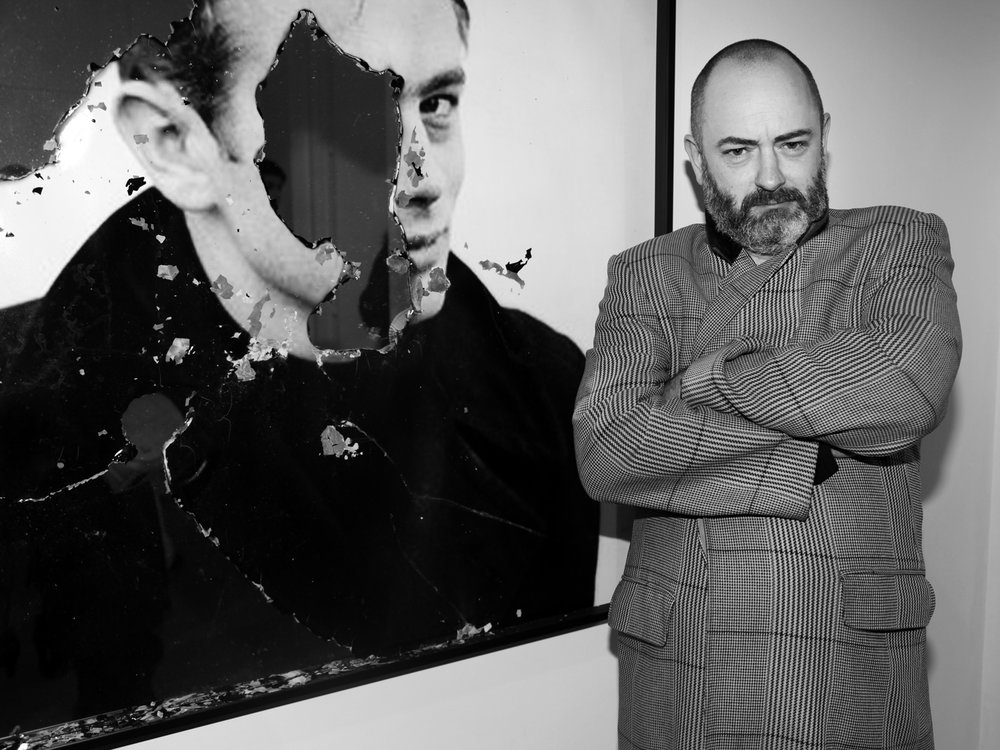
Douglas Gordon is one of the most influential artists of his generation, internationally recognised for a practice that explores memory, time, identity and perception. Working across film, installation, photography, text, sound and sculpture, he has spent more than three decades challenging how we experience images and narratives, creating works that unsettle familiar ways of seeing and understanding the world.

Born in Glasgow in 1966, Gordon emerged as a leading figure in contemporary art during the 1990s through works that manipulated existing films, cultural icons and collective memories. His celebrated installations often stretch, fragment or repeat moments in time, encouraging viewers to reconsider how meaning is constructed through duration, repetition and context. Throughout his career, he has drawn upon sources ranging from cinema and literature to popular culture and religion, creating works that are both intellectually rigorous and emotionally resonant.

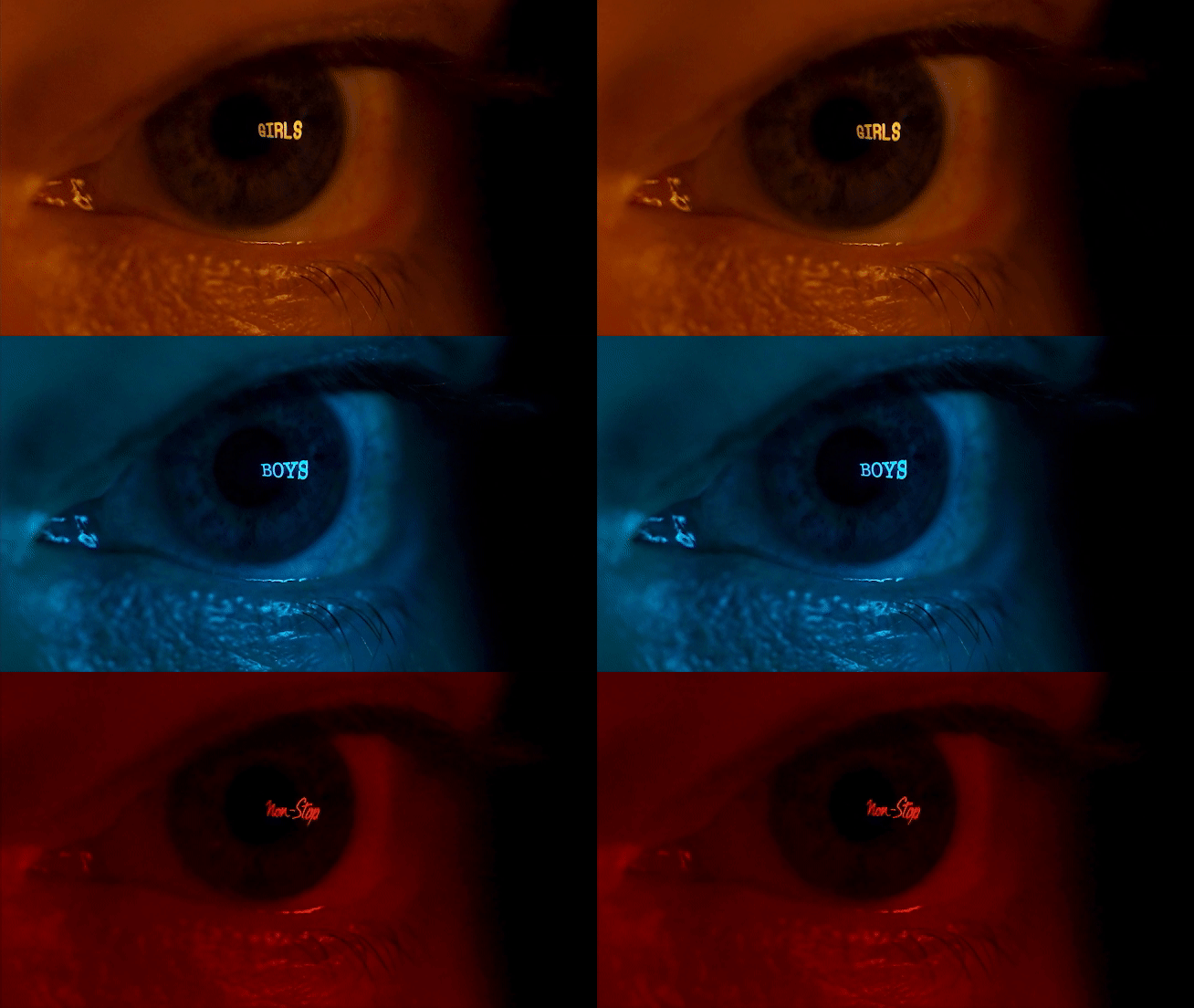
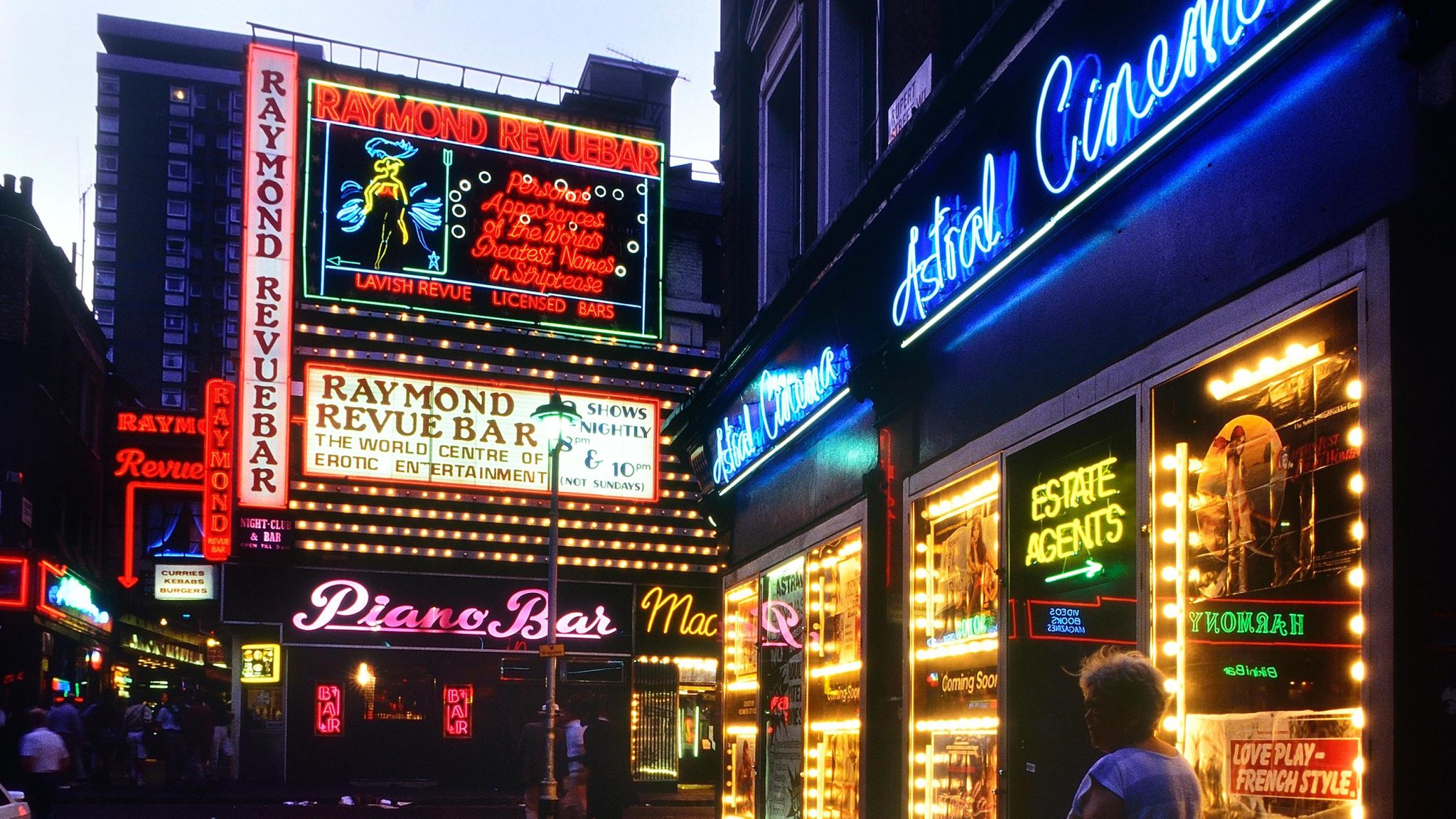
In 2022, Gordon collaborated with CIRCA on if when why what, a major public commission that transformed screens across London, Berlin, Melbourne, Milan, New York and Seoul into luminous meditations on language, desire and memory. Presented in conjunction with Douglas Gordon: Neon Ark at Gagosian, the project drew inspiration from Soho’s historic relationship with neon signs and the culture of discovery, seduction and possibility they once represented. Through a series of newly created neon works, Gordon reimagined public space as a site of reflection, bringing the atmosphere of the city street into dialogue with the artist’s enduring fascination with words, meaning and human connection.

Winner of the Turner Prize in 1996, Gordon has exhibited extensively at institutions including The Museum of Modern Art, New York; Tate Britain and Tate Liverpool; the Hirshhorn Museum and Sculpture Garden, Washington D.C.; Hayward Gallery, London; and Museum of Contemporary Art, Los Angeles. His acclaimed collaborations extend beyond the gallery, including the feature film Zidane: A 21st Century Portrait (2006), created with Philippe Parreno, which redefined the possibilities of both documentary and portraiture.

Across every medium he employs, Gordon’s work invites viewers to question certainty, embrace ambiguity and recognise the instability of memory itself. Through a practice that continues to reshape contemporary art, he remains one of the defining artistic voices of the past three decades.


Circa Commissions

Douglas Gordon, if when why what

Some cities are remembered through monuments, others through songs, films, rumours, street corners, shopfronts and signs that disappear before anyone thinks to preserve them. Soho belongs to this second kind of memory. Its history is not held only in architecture or official records, but in the charged atmosphere of streets that have long carried London’s appetite for theatre, music, sex, nightlife, migration, anonymity and reinvention. For decades, its neon signs formed a language of invitation and warning, illuminating doorways to places that promised pleasure, risk, concealment and transformation. For CIRCA’s December 2022 commission, Douglas Gordon returns to this language through…

View more

Douglas Gordon: How Why & What We Remember
For more than three decades, Douglas Gordon has been making work that delves deep into the human experience and the functions – and dysfunctions – of memory, both individual and collective. Texts, music, films, signs, song lyrics and tattoos are just some of the means by which he has probed into how, why and what we remember – and explored the way our memories define our sense of who we are.

An early wall text, List of Names (1990), listed in multiple columns every person that the artist could remember meeting up to the year 1990, and the relationship of text to the limits of memory continued in a series of 1994 installations using the phrases, I cannot remember anythingI have forgotten everything, and I remember nothing. Each a different articulation of amnesia, the words appeared as fragmented and disjointed, scattered randomly and painted in different sizes across a pale blue wall.

Shop

Loading variants...

Subscribe to our newsletter

Subscription successful

An error occurred